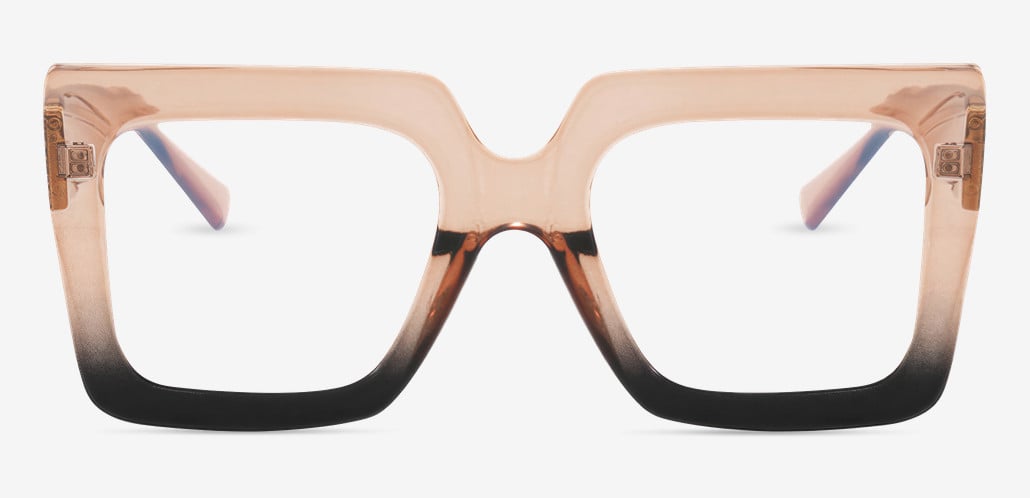

Titanium Glasses: Benefits, Types & How to Choose the Right Pair | Aoolia
You've probably heard the word "titanium" tossed around a lot in eyewear — on product pages, in optician offices, on glasses you've admired but hesitated to buy because of the price. And you've probably wondered: is titanium actually better, or is it just a premium label?
The short answer is: titanium frames genuinely are in a category of their own — but the long answer matters more. Because not all titanium is the same, and depending on your lifestyle and prescription, titanium might be the best investment you make this year, or it might be more than you need.
Let's get into the specifics.
What Makes Titanium Different From Other Frame Materials?
To understand why titanium has become the material of choice for serious eyewear — from aerospace engineering to high-end optical design — you need to understand one number: 4.5 g/cm³.
That's titanium's density. For comparison, steel sits at around 7.8 g/cm³. That means titanium frames weigh roughly 40% less than frames made from conventional metals, while being stronger and more corrosion-resistant than almost any alternative on the market.
The material was first introduced in eyewear in 1982, after decades of use in aerospace components, medical implants, and surgical instruments. The eyewear industry adopted it for the same reason those industries did: titanium is the rare material that delivers exceptional performance without asking you to carry the weight.
Here's what that means in practical terms when you put a pair of titanium glasses on your face:
- No nose bridge pressure after a long day at the office
- No red marks behind your ears by 3 p.m.
- No frame that shifts out of shape after you've adjusted it three times
- No green tint where the frame touches your skin from corrosion
These aren't abstract specs. They're the everyday difference between glasses you forget you're wearing and glasses you're constantly aware of.

The Three Types of Titanium Frames — and Why It Matters
This is where most buying guides skip the detail that actually matters. "Titanium frames" is not a single category. There are three distinct types, each with different performance characteristics:
1. Pure Titanium (99%+ titanium content)
Pure titanium frames are the most stable option. They hold adjustments well, resist corrosion entirely, and are the strongest category. The tradeoff is that pure titanium is slightly less flexible than its alloy counterparts — it's built for people who want a frame that stays exactly where you put it and lasts for years without compromise.
If you're looking for reliability above all else, pure titanium is your baseline.
2. Beta Titanium
Beta titanium is an alloy of titanium combined with small amounts of vanadium and aluminum. This combination gives the frame a dramatically higher elasticity — meaning it can flex under stress and return to its original shape rather than bending out of position permanently.
Beta titanium is the preferred choice for:
- Active lifestyles (running, hiking, gym use)
- People who are harder on their frames
- Wearers who need a frame that accommodates movement without losing its fit
If you've ever sat on your glasses and winced, beta titanium's shape-retention properties would have helped.
3. Memory Metal (Titanium-Nickel Alloy)
Memory metal (often called Flexon or nitinol) is composed of roughly 50% titanium and 50% nickel. Its defining characteristic is extreme flexibility — frames can be twisted, bent, and deformed significantly and still return to their original shape.
One important note: because memory metal contains nickel, it is not recommended for people with nickel sensitivities. If hypoallergenic properties are a priority, stick with pure titanium or check that your beta titanium frame is nickel-free.
5 Genuine Benefits of Titanium Glasses (With the Specifics)
1. They're genuinely lightweight — not just marketing copy
Titanium rimless frames have been manufactured weighing as little as 2.5 grams — making them among the lightest eyewear available anywhere. Even standard full-rim titanium frames typically come in under 20 grams total.
Why does this matter? The weight distribution at your three contact points — nose bridge, left temple, right temple — determines whether you feel your glasses after 30 minutes or after 10 hours. A frame that's even 8–10 grams lighter than a comparable acetate frame translates to noticeably less fatigue across a full workday.
2. Corrosion resistance that actually holds up
Standard metal frames — particularly those made with monel (a nickel-copper alloy) — are prone to corrosion from sweat, humidity, salt air, and even certain skincare products. You've seen it: the greenish residue where the frame sits on your nose, the spotting that appears on temples after a summer of outdoor use.
Titanium is immune to this. It was rated for corrosion-free performance in seawater as far back as 1908, and eyewear applications benefit from the same chemistry. Whether you're at the beach, in a humid climate, or simply a person who runs warm, your frames will look the same in three years as they did on day one.
3. Hypoallergenic — a genuine medical benefit for millions
Approximately 10% of the population has a nickel allergy, and many more have general metal sensitivities that cause irritation at nose pads and temple contact points. Titanium is biocompatible — used in hip replacement implants and dental fixtures precisely because it does not react with human tissue.
If you've experienced redness, itching, or marks at your nose bridge or ears from glasses, there's a reasonable chance you're reacting to the nickel content of conventional metal frames. Switching to pure titanium eliminates that variable.
4. Durability that changes the math on cost
A common objection to titanium frames is price — they typically cost more than plastic or standard metal alternatives. But "cost per year of use" changes the calculation significantly.
Titanium's high strength-to-weight ratio means these frames resist breaking, bending, and the kind of gradual structural fatigue that shortens the lifespan of other materials. A well-maintained pair of titanium prescription glasses can last two to three years or longer without losing their fit or finish. When you factor that against the replacement cycle of cheaper frames, the price premium often disappears — or inverts.
5. A design range that's more versatile than it looks
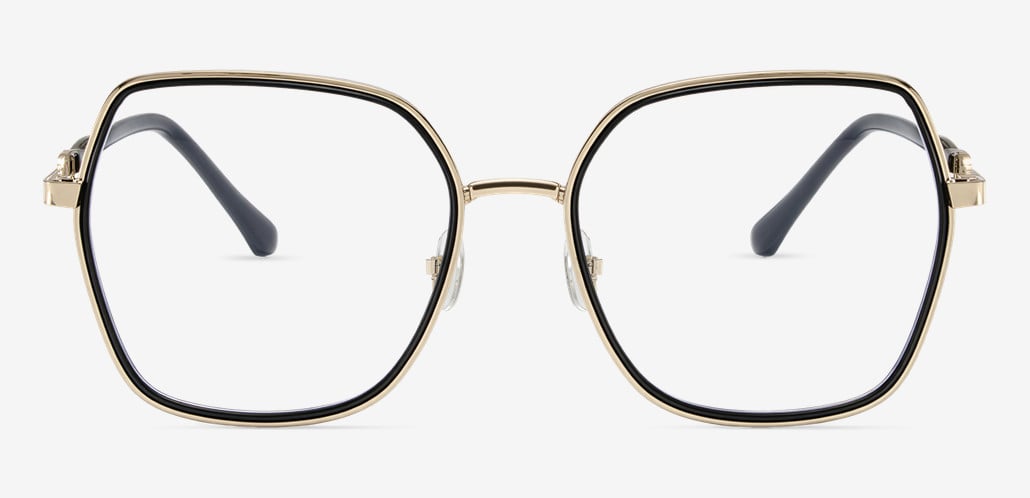
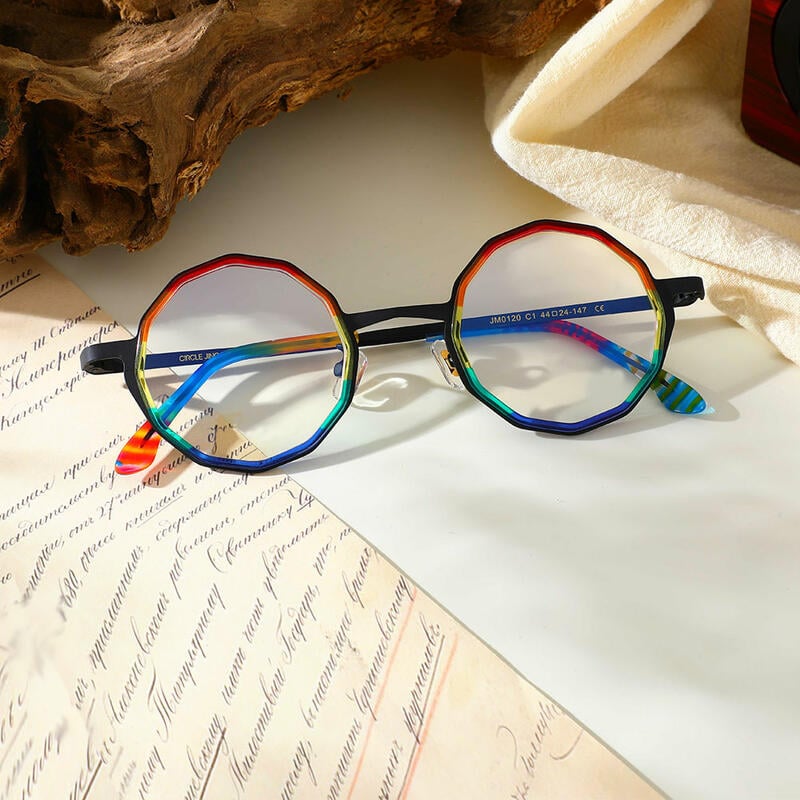
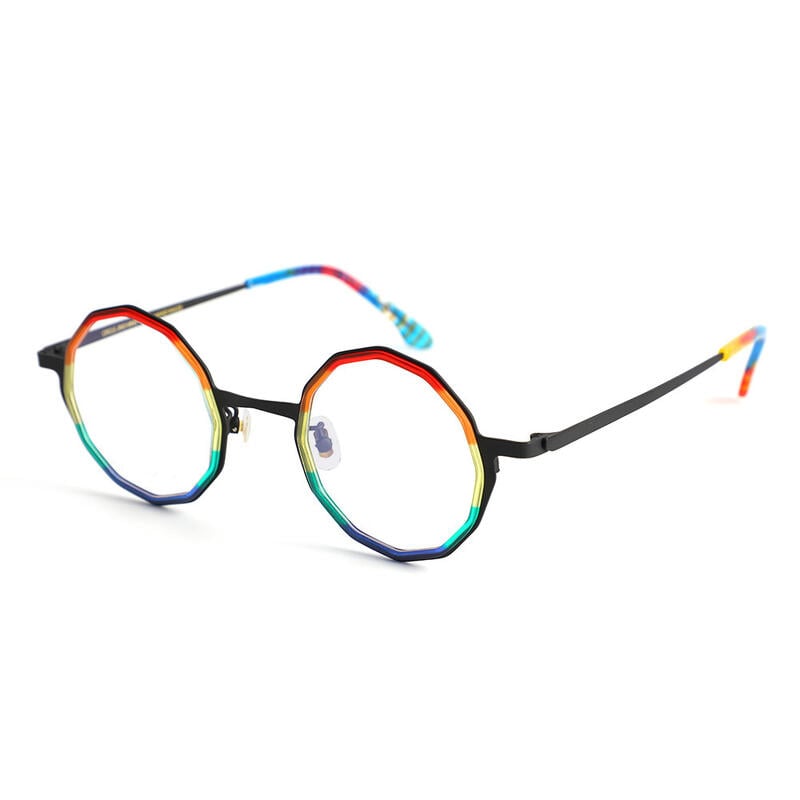
Titanium's early association with minimalist, rimless, and semi-rimless styles has evolved. Modern titanium frames come in full-rim designs, bold rectangular shapes, round profiles, and even thicker styles that mimic the look of acetate with the weight properties of metal. Titanium can also be anodized to produce a wide range of colors — from classic silver and gunmetal to matte navy, warm gold, and forest green — without adding paint layers that chip or peel over time.
Who Should Seriously Consider Titanium Glasses?
Titanium isn't the right answer for every person or every budget. But for the following groups, it's often the most practical long-term choice:
All-day wearers. If your glasses are on your face from 7 a.m. to 11 p.m., weight and comfort matter more than they do for occasional wearers. Titanium's pressure reduction at the nose and temples compounds over time.
People with sensitive skin or metal allergies. Pure titanium removes the allergy variable entirely. This is not a style preference — it's a genuine quality-of-life improvement.
Active people. Beta titanium's shape-retention properties make it the material of choice for anyone whose frames take regular abuse — athletes, parents of young children, outdoor workers, or anyone who's bent their frames by sleeping in them.
High-prescription wearers. Strong prescriptions require lenses with more material and more weight. Pairing high-index lenses with a titanium frame partially offsets the additional lens weight, keeping the overall glasses as light as possible.
Anyone who replaces frames frequently. If you've bought two or three pairs of cheaper frames in the past few years, titanium's durability may simply eliminate that cost pattern.

Where Titanium Isn't Always the Answer
To keep this honest: titanium isn't universally superior.
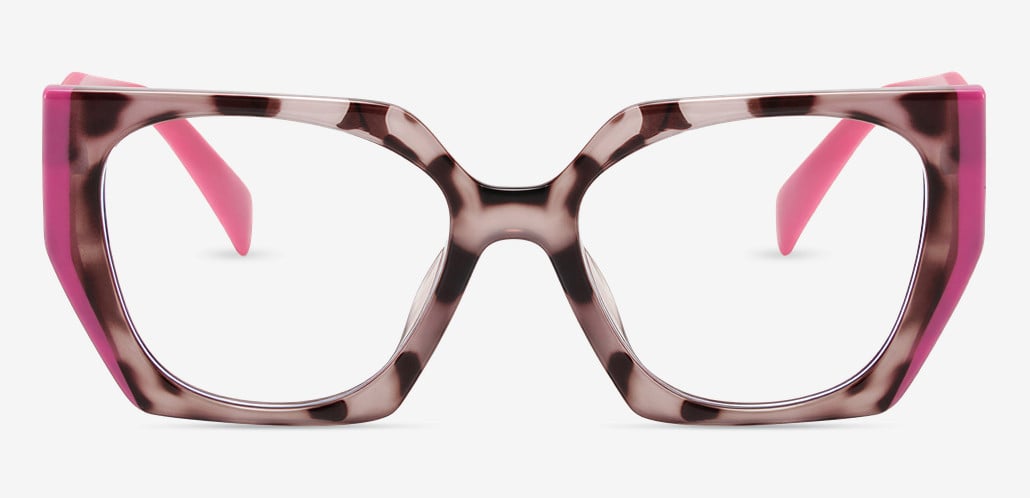
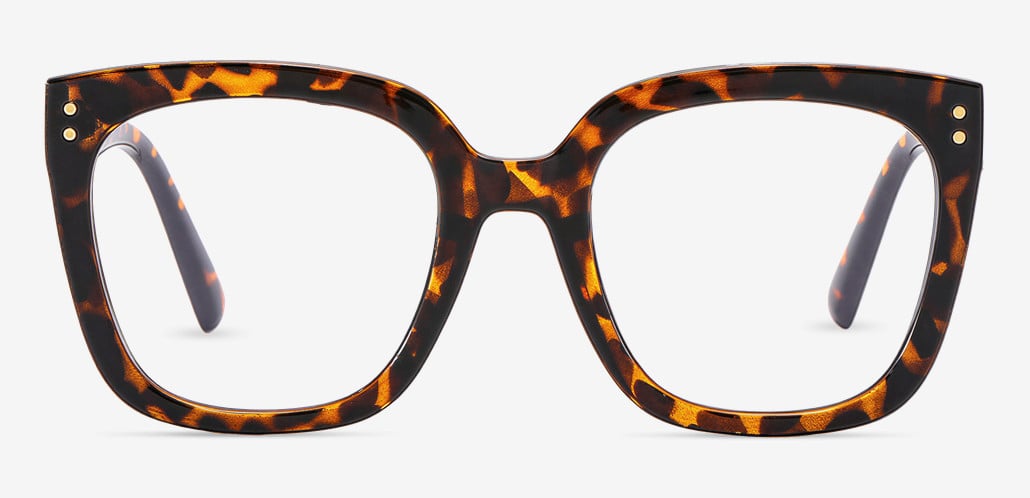
If you want bold color and pattern variety, acetate frames offer a design range — tortoiseshell, layered patterns, vibrant hues that run through the entire frame — that titanium cannot match. Color-anodized titanium is attractive, but it doesn't replicate the warmth and visual depth of acetate.
If you're on a tight budget, acetate and stainless steel frames deliver excellent value for their price. A well-made acetate frame at a mid-range price point will outlast a cheap titanium frame every time.
If your prescription is very high and requires thick lenses, frame material becomes less relevant to comfort than lens weight — and you'd benefit more from prioritizing high-index lenses than from upgrading your frame material.
How to Choose the Right Titanium Frame for Your Face
The material is only half the decision. Frame shape still matters for how your glasses look and feel on your face.
If you have a round face: Angular shapes — rectangle, square, browline — add structure and definition. Avoid perfectly round titanium frames, which can exaggerate the face's curves.
If you have a square or angular face: Softer shapes — oval, round, semi-rimless — balance a strong jawline. A thin titanium rim in a rounder silhouette is a particularly clean combination.
If you have an oval face: You have the most flexibility. Both rimless titanium styles and full-rim rectangular frames look proportional on oval faces.
If you have a heart-shaped face: Frames that are wider at the bottom than the top, or lightweight rimless options that minimize the frame's visual weight on the upper face, tend to be most flattering.
One practical note: because titanium frames require professional tools for significant adjustments, getting a proper fit at the point of ordering matters more than with acetate frames. Check the frame measurements carefully — frame width, lens width, bridge width, and temple length — against your current glasses before purchasing.

Frequently Asked Questions
Are titanium glasses worth the extra cost?
For all-day wearers, people with sensitive skin, or anyone who has historically replaced frames frequently, yes — the durability, comfort, and hypoallergenic properties make titanium a cost-effective choice over a two- to three-year ownership period. For occasional wearers or those who prioritize style variety, acetate or stainless steel frames may offer better value.
What's the difference between pure titanium and beta titanium?
Pure titanium (99%+ titanium content) is the most stable and corrosion-resistant option. Beta titanium is an alloy with added vanadium and aluminum that gives the frame greater flexibility and shape-retention after bending. Both are hypoallergenic and lightweight; beta titanium is better for active lifestyles.
Can I get prescription lenses in titanium frames?
Yes — titanium frames support all prescription types, including single vision, bifocal, progressive, and blue light blocking lenses. High-index lens options are particularly recommended for titanium frames, since pairing a lightweight frame with thinner, lighter lenses maximizes overall comfort.
Are titanium glasses hypoallergenic?
Pure titanium and most beta titanium frames are hypoallergenic. Memory metal (nitinol) contains nickel and is not hypoallergenic — check the frame's material composition if nickel sensitivity is a concern for you.
How do I know if a frame is actually titanium?
Legitimate titanium frames are labeled on the inner temple arm. Look for markings such as "Pure Titanium," "All Titanium," or "β-Ti" (beta titanium). A frame marked simply "Titanium" may only contain titanium in part of its construction — such as the temples only — while the front frame is made from a different material.
How long do titanium frames last?
With proper care — avoiding rough handling of the finish, storing glasses in a hard case, and having a professional optician handle any adjustments — titanium frames can last three to five years or longer without significant structural degradation.
The Bottom Line
Titanium glasses aren't a marketing upgrade. They represent a genuine material choice with measurable benefits: lighter weight, longer lifespan, resistance to corrosion and allergic reactions, and a modern design range that has grown significantly in the past decade.
They're the right choice if comfort, durability, and prescription performance matter more to you than maximum color variety. They're the obvious choice if you have sensitive skin, wear glasses all day, or lead an active lifestyle.
At Aoolia, every titanium frame we carry is prescription-ready across all lens types — and reviewed by an in-house optician before it ships. If you're considering making the switch, browse our titanium eyeglass frames here and filter by face shape or frame style to find a pair built to last.