






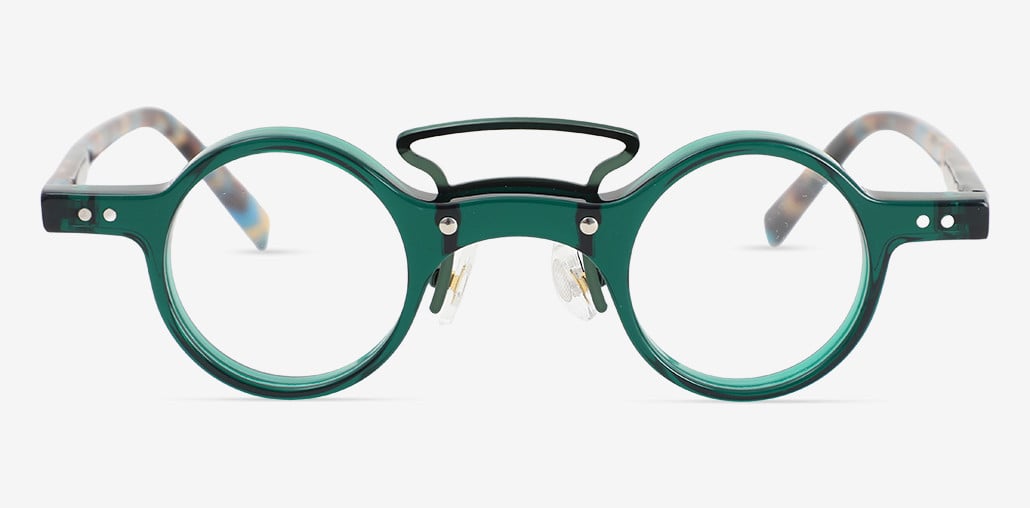
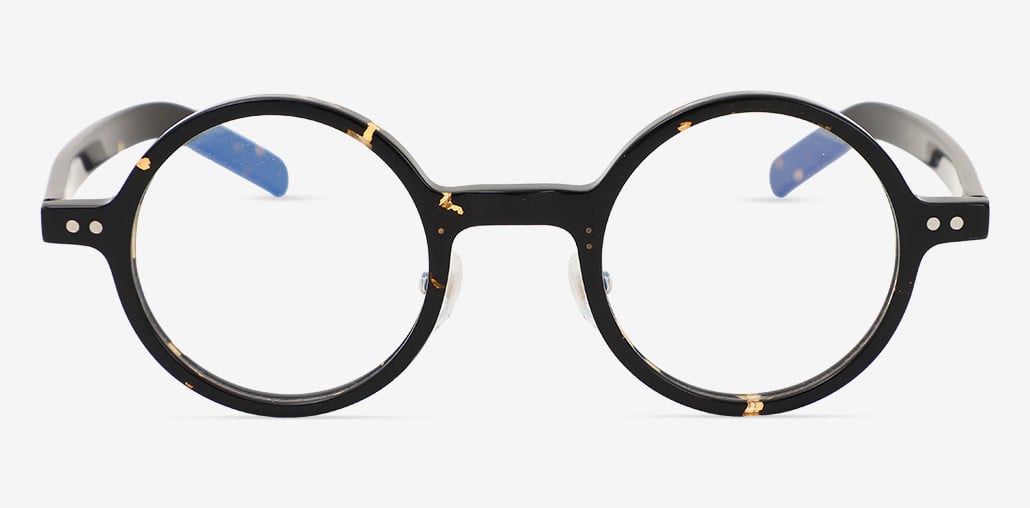
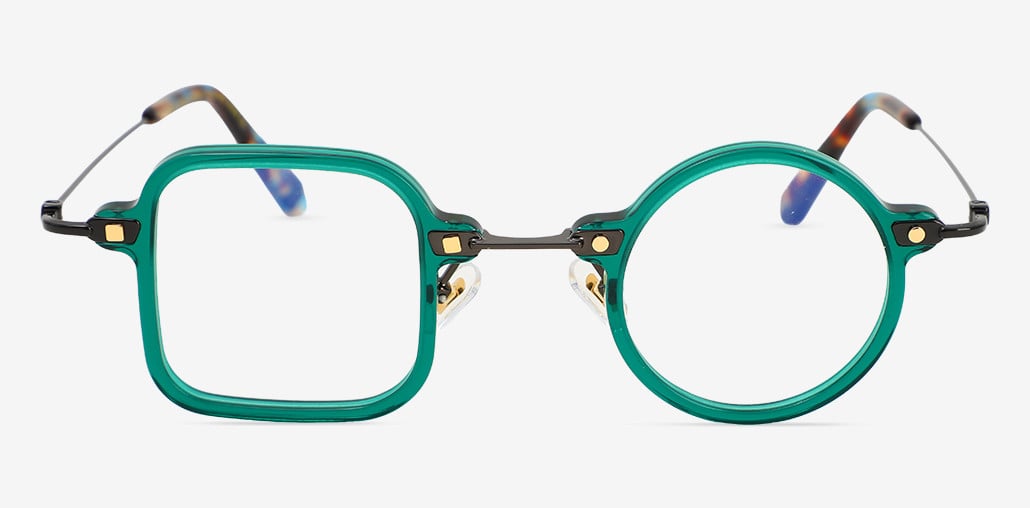
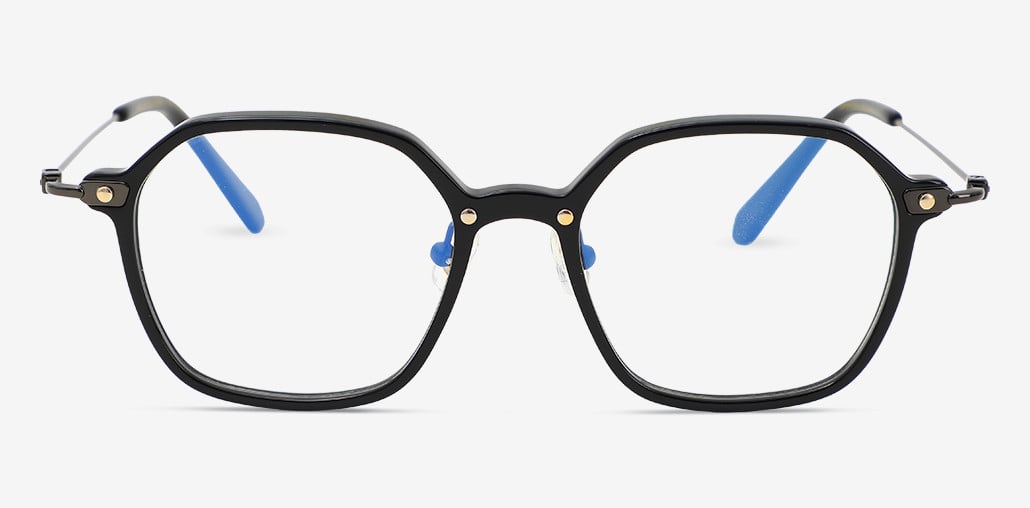
























Low Bridge Glasses That Actually Stay Put
Frequently Asked Questions About Low bridge glasses
How do I know if I have a low nose bridge?
Look straight ahead in a mirror and lay one finger horizontally across the top of your nose. If it sits at or below the level of your pupils,your bridge is low. A faster real-world test: if your current glasses slide down within an hour, rest on your cheeks when you smile, or your eyelashes brush the lenses, you'll be more comfortable in a low bridge frame regardless of what the mirror says.
Are low bridge glasses the same as Asian fit glasses?
Yes — the frames are identical, the name is different. 'Asian fit' is the older industry term. We use 'low bridge' because it describes the feature the frame is built around rather than the person wearing it.
What bridge width should I look for?
If your current frames slide and the middle number stamped inside the temple arm is 17 or below, try 18 or 19. Above 20 is worth trying if the bridge of your nose is both low and wide. Filter by bridge width at the top of this page.
Can regular frames work if they have adjustable nose pads?
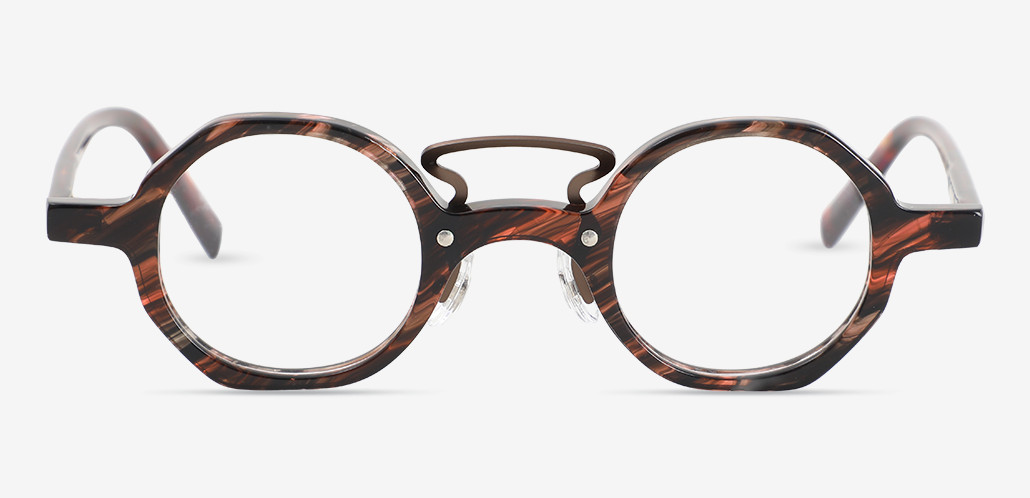
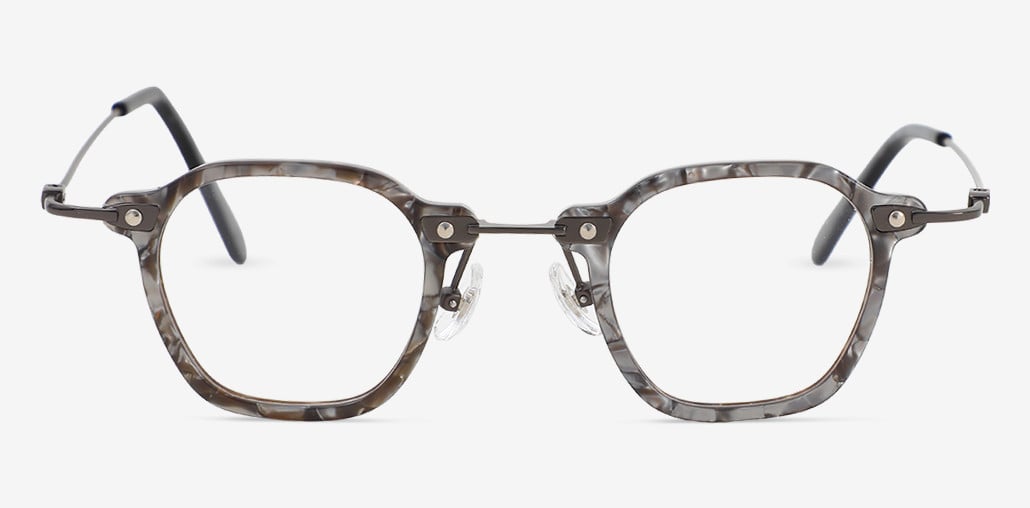
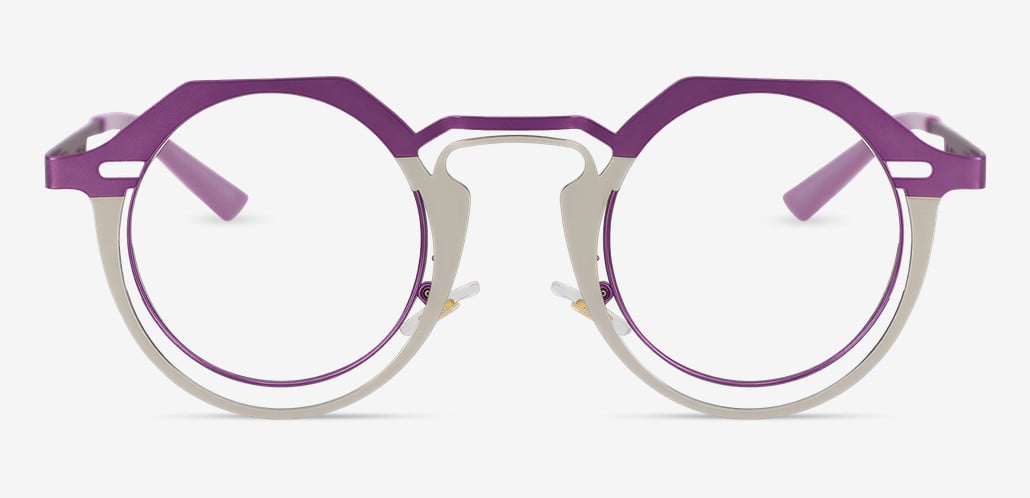
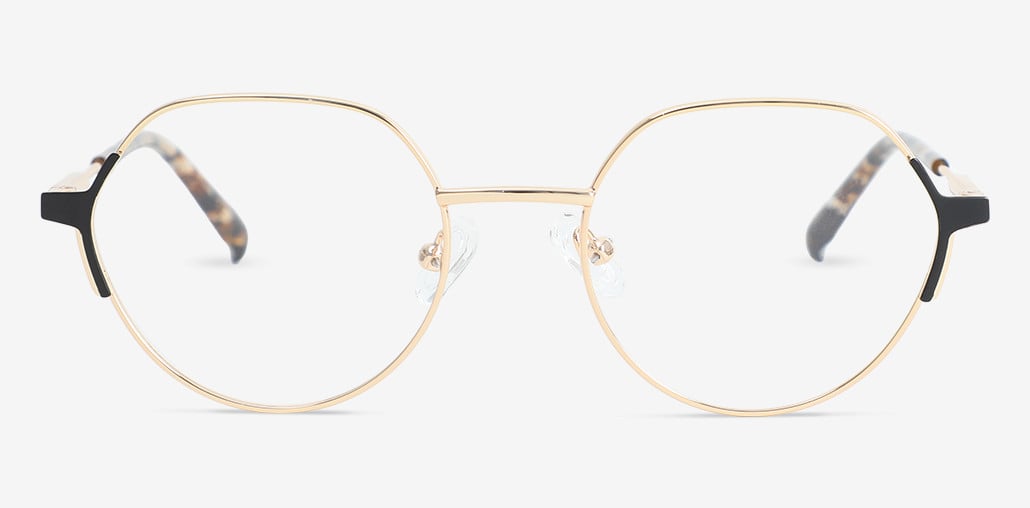
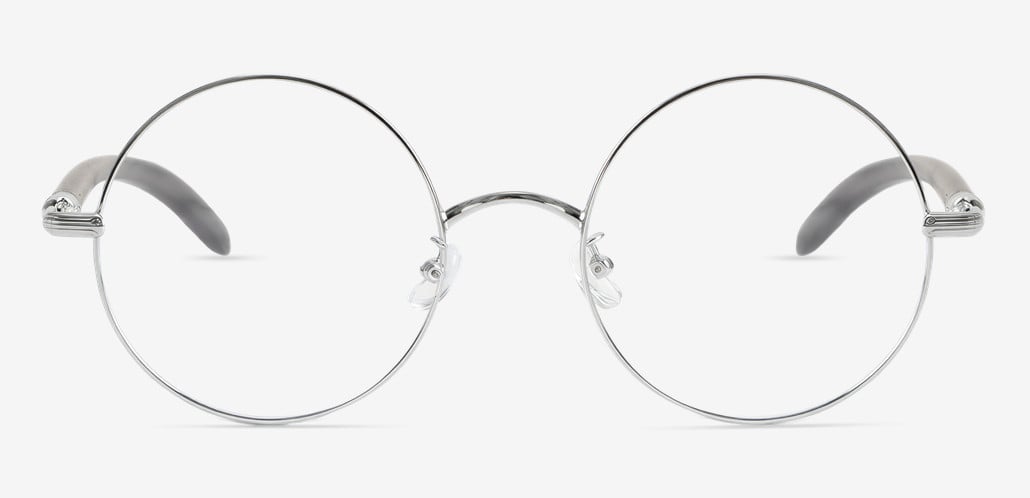
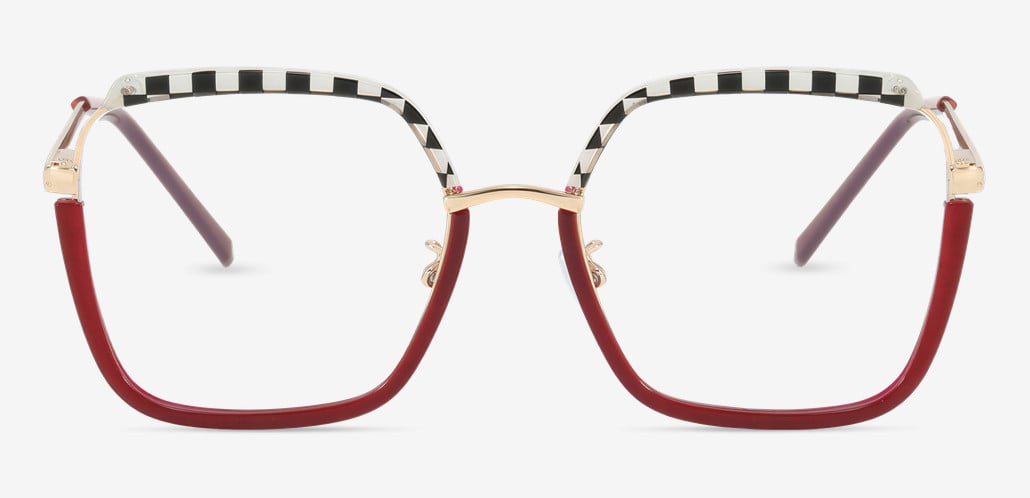
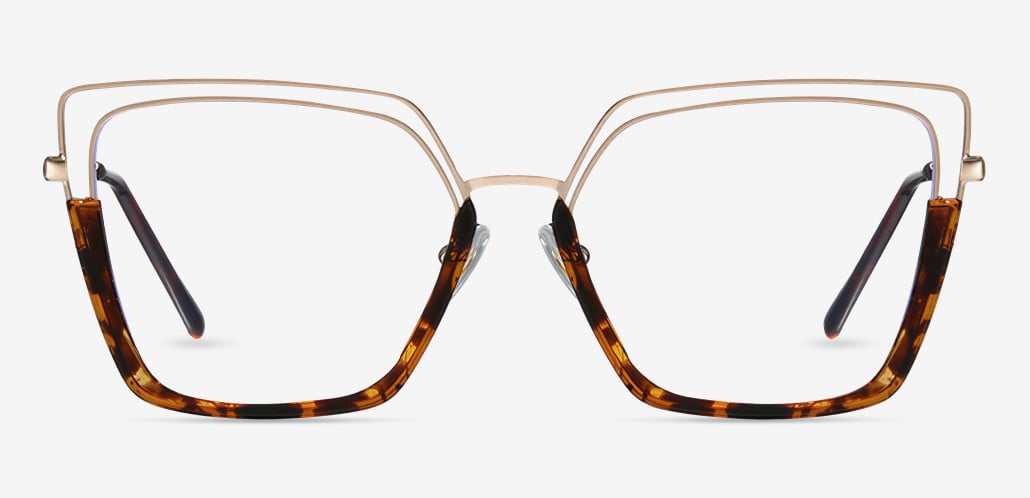
Often, yes — that's exactly what our 'Adjusts to Low Bridge' tier is.Metal and titanium frames with pads on 7mm+ arms can be set lower and wider. What they can't fix is excess pantoscopic tilt, so if your problem is lenses touching your cheeks rather than the frame sliding,go with an Engineered Low Bridge frame instead.
Will acetate frames work for a low bridge?
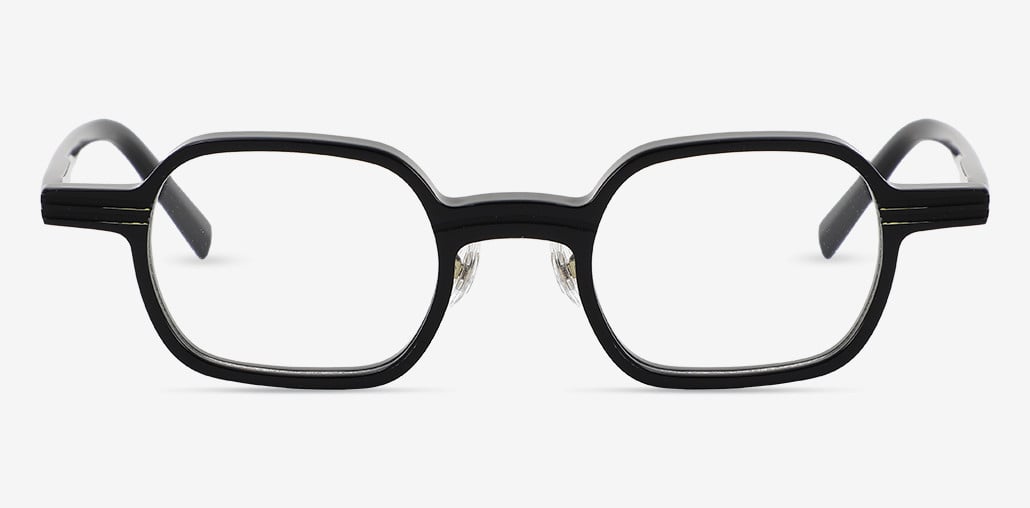
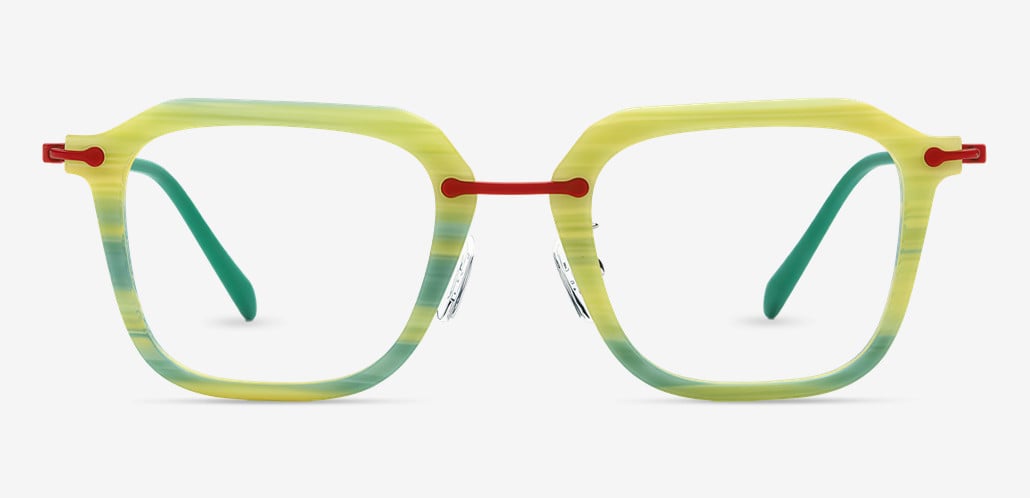
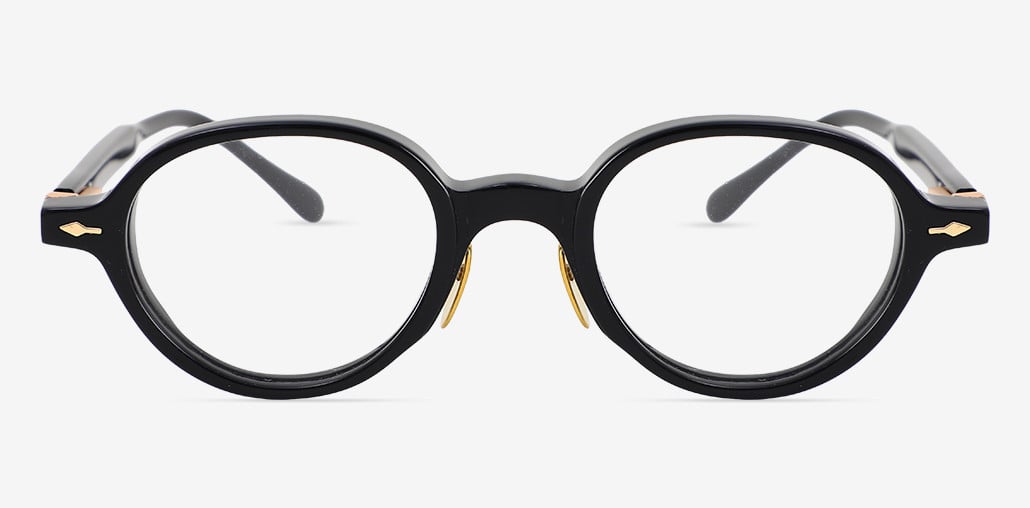
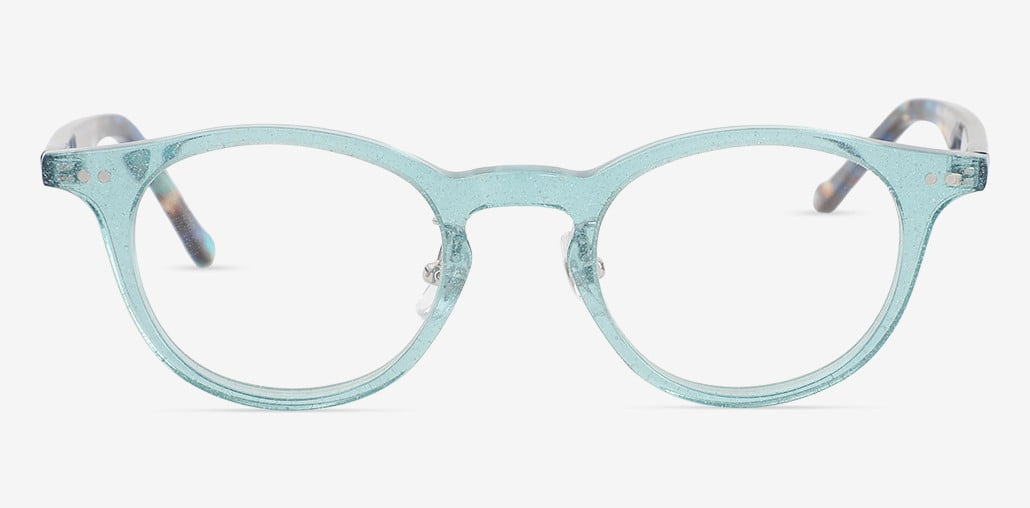
Some will. Acetate frames have no adjustable pads, so everything depends on how the bridge itself is moulded. A deep integrated pad works; a flat one doesn't. We list which is which on every acetate frame here, so you don't have to guess from a product photo.