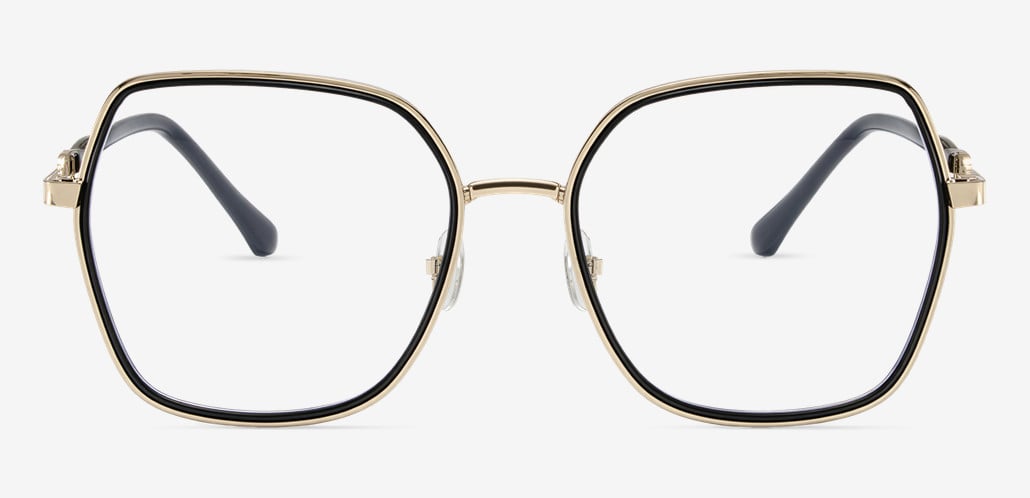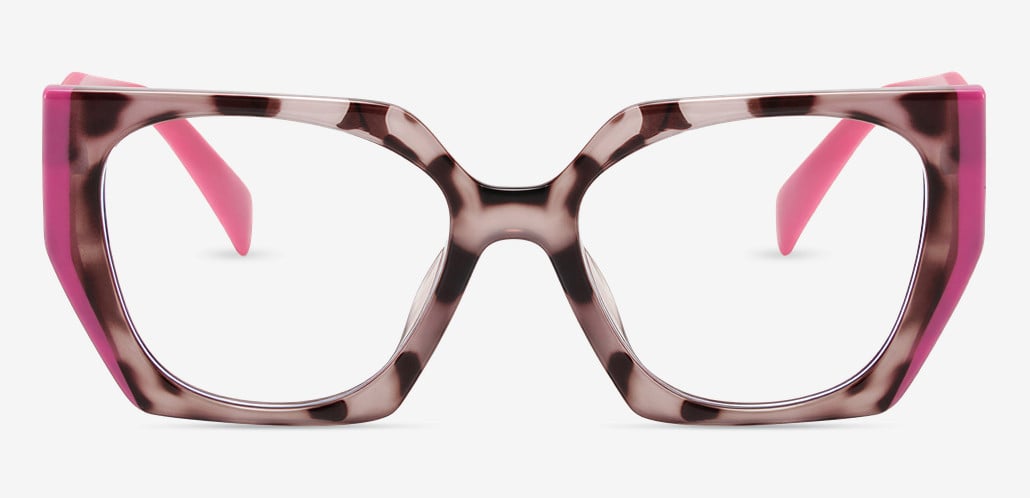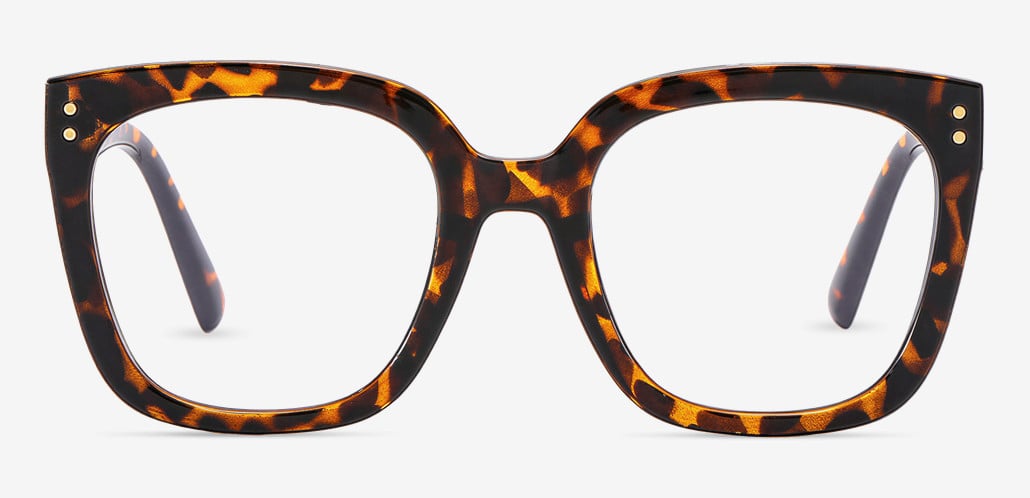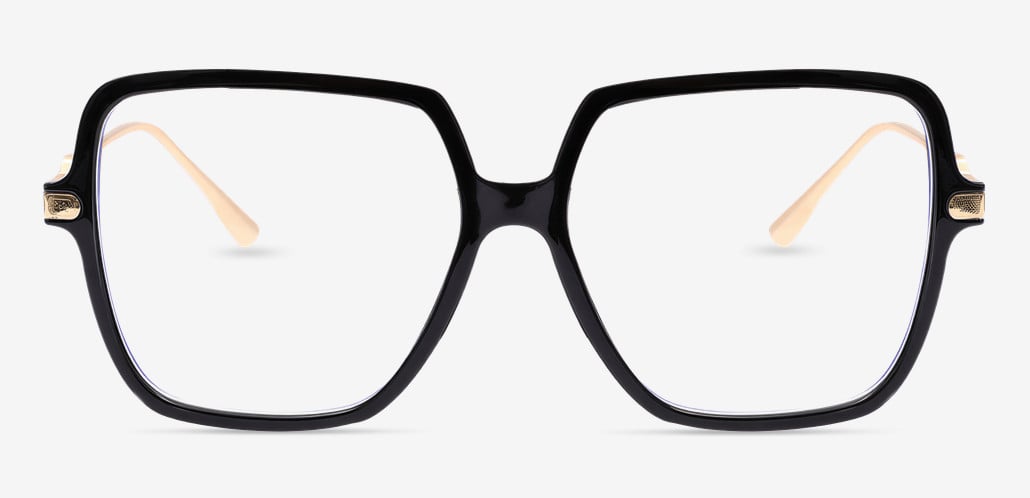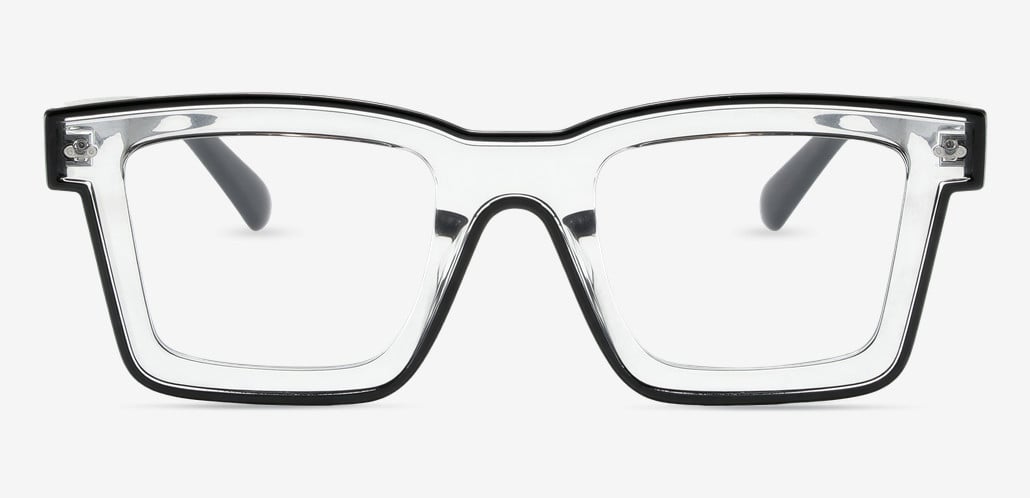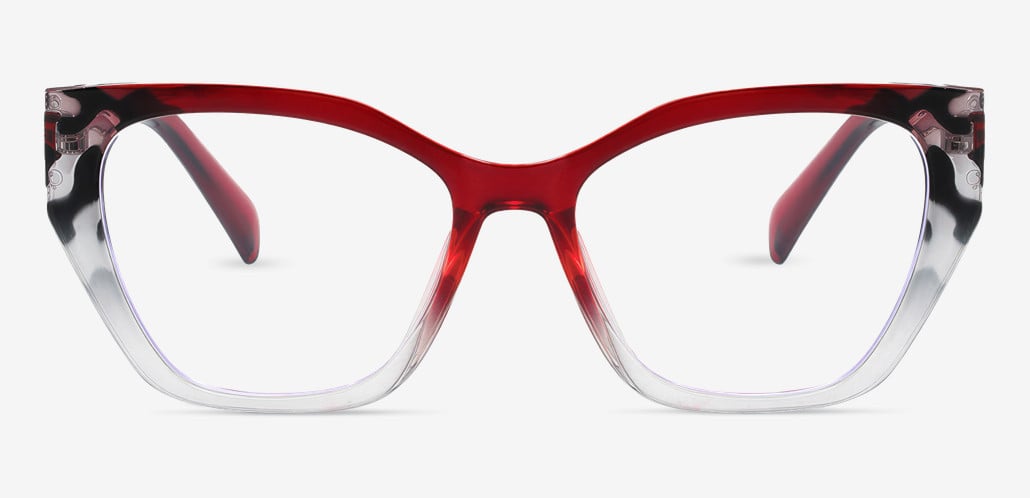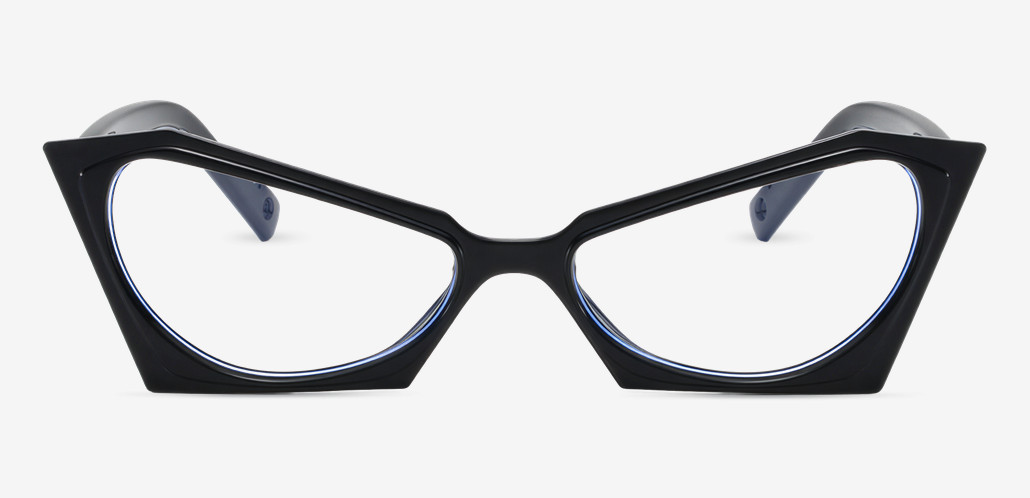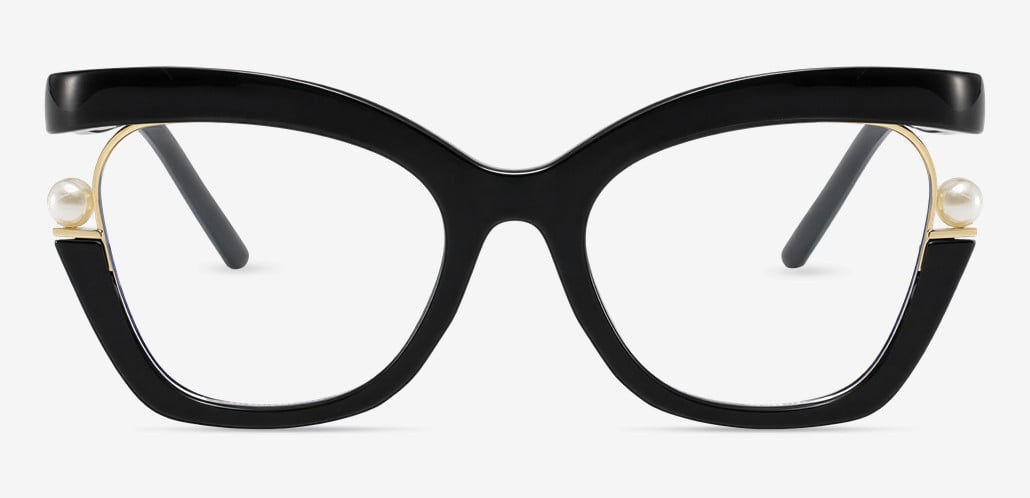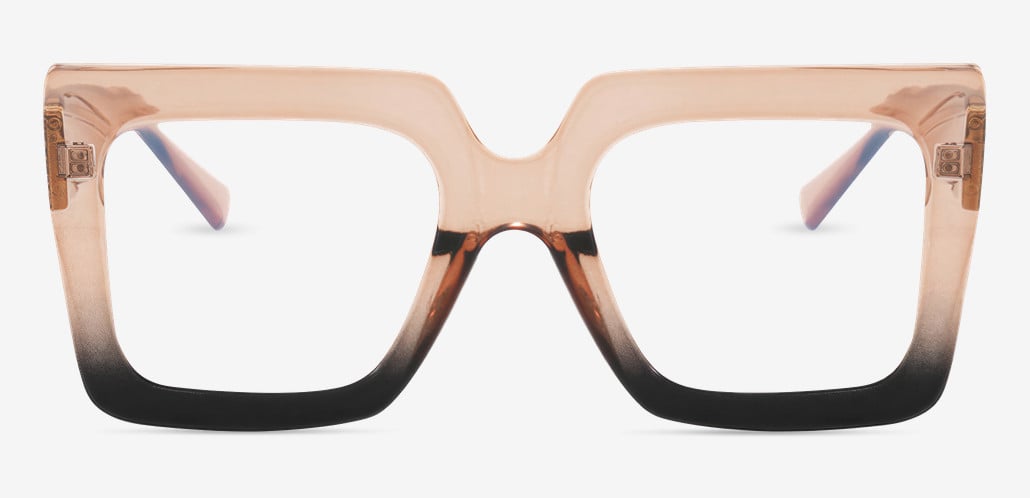

Plastic Glasses Frames: The 2026 Guide to Lightweight, Impact-Resistant Eyewear
If you've ever reached the end of a long workday and found a red groove on the bridge of your nose, you already understand why polycarbonate exists. I've spent the last seven years writing about eyewear, and the question I get most often is some version of:
"Are these plastic glasses going to feel cheap?"
The short answer: no — if they're polycarbonate. Here's the longer, honest answer, pulled from conversations with the licensed opticians on our team and from American Academy of Ophthalmology material guidance.
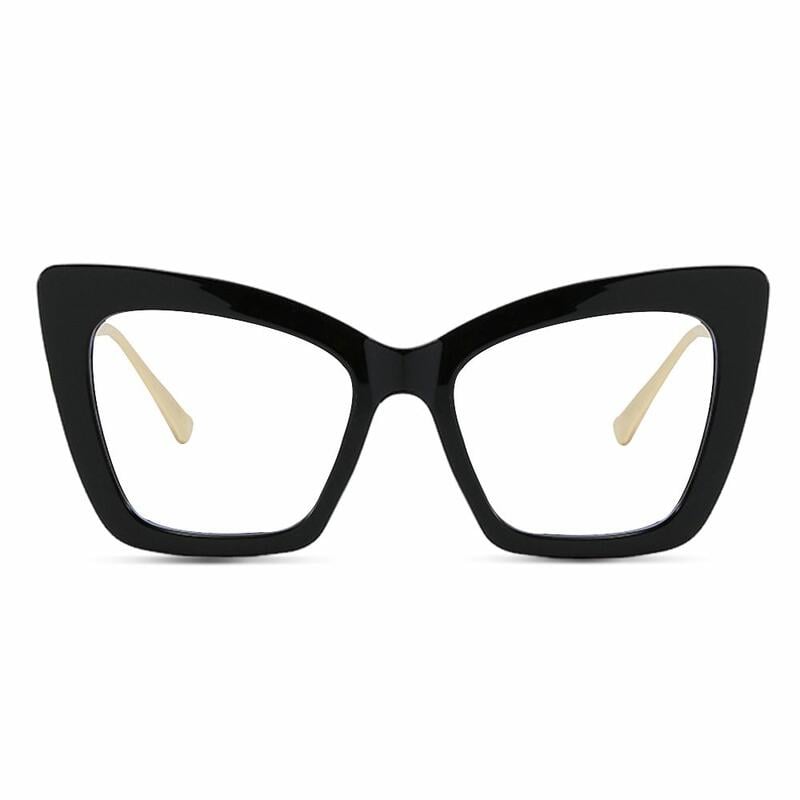
What Are Polycarbonate Glasses, Exactly?
Polycarbonate — often abbreviated as PC on eyewear spec sheets — is a type of clear thermoplastic first synthesized in 1953 by Hermann Schnell at Bayer AG. It showed up in eyewear in the 1980s after proving itself in riot shields, astronaut visors, and bulletproof glass. In other words: it was designed for things that absolutely cannot fail, and later got reshaped into something you wear on your face.
On an eyeglass frame, polycarbonate gives you three specific properties that matter day-to-day:
- Weight — a typical PC frame weighs 15–22 grams. An equivalent acetate frame weighs 25–40 grams. Metal sits in between.
- Impact resistance — the material deforms before it snaps. Drop a PC frame onto tile from waist height and it'll almost always bounce.
- Chemical resilience — PC doesn't absorb sweat, facial oil, or sunscreen the way acetate sometimes does.
One clarification, because the internet is bad at this: polycarbonate frames and polycarbonate lenses are different things. Most articles you'll find when searching "polycarbonate glasses" are about the lens material. This guide is about the frame. If you're curious about the lens version, we wrote a separate piece on that.
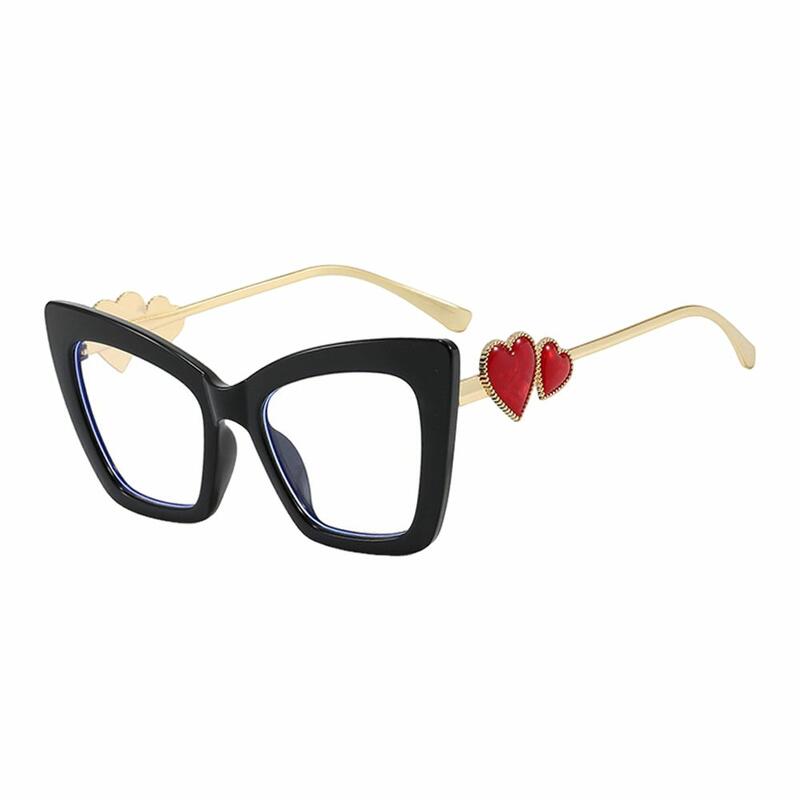
Polycarbonate vs. Acetate vs. Metal vs. TR90: The Real Differences
When you walk into our product grid, you'll see four big frame-material options. Here's how they actually compare on the metrics that change your daily experience:
| Property | Polycarbonate (PC) | Acetate | Metal (Titanium/Stainless) | TR90 |
|---|---|---|---|---|
| Weight | Very light (15–22g) | Medium (25–40g) | Light to medium (12–30g) | Very light (8–18g) |
| Impact resistance | ★★★★★ | ★★★ | ★★★ (bendable, dentable) | ★★★★★ |
| Scratch resistance | ★★★ | ★★★★ | ★★★★★ | ★★★ |
| Color range | Broad, but slightly less "depth" | Richest, most layered | Limited to metallic finishes | Broad, matte-finish leaning |
| Feels warm on the skin? | Neutral | Yes (softens slightly with body heat) | Cool/cold | Neutral |
| Adjustable by an optician? | Limited (small tweaks) | Yes, heat-reshapeable | Yes, easy | Limited |
| Typical price range | $1–$30 | $15–$80+ | $20–$150+ | $10–$40 |
The short version:
- Acetate still wins on warmth, color depth, and feel — it's why luxury brands lean on it.
- Metal wins on structural rigidity — if you want sharp architectural lines, metal holds them.
- TR90 is PC's younger cousin: slightly more flexible, often used for sports.
- Polycarbonate is the workhorse. It's what you grab when you need glasses that just work — on flights, in the gym, chasing a toddler, falling asleep on the couch with them on.
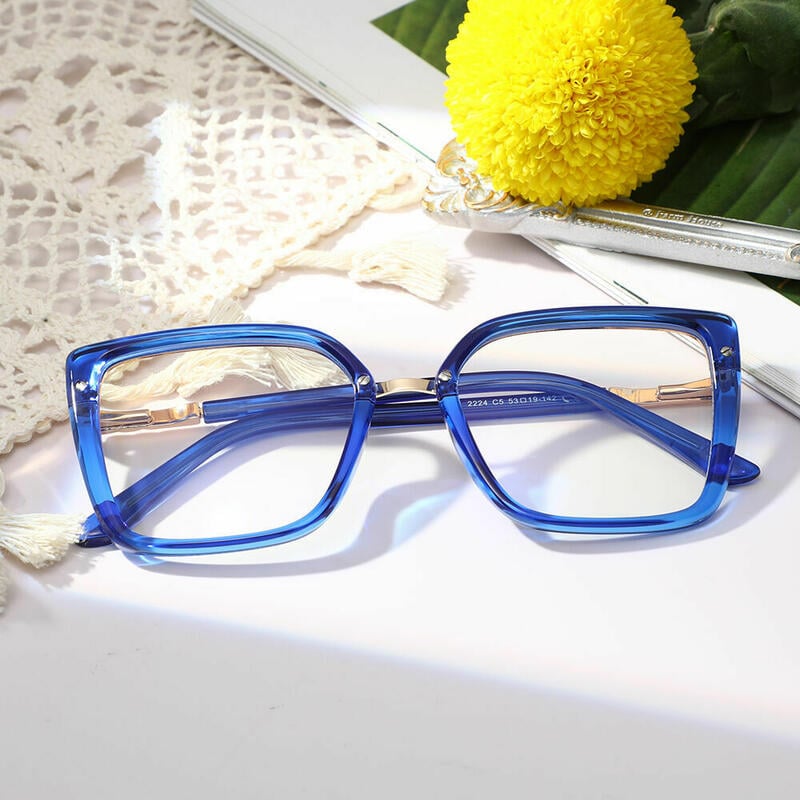
Who Plastic Glasses Are Best For
After going through roughly 200 return-reason notes from our order history, a clear pattern emerged. The people who love PC frames most — and rarely return them — tend to fall into one of these groups:
1. People Who Wear Glasses All Day
If your glasses go on before coffee and come off at bedtime, weight matters more than you think. A 30-gram acetate frame doesn't feel heavy at 9 a.m. By 7 p.m., it absolutely does. Opticians will tell you that chronic nose-bridge indentations and mild temple headaches often trace back to a frame that's simply too heavy for its wearer. The AAO recommends lightweight materials for full-day wearers for exactly this reason.
2. Parents, Teachers, and Healthcare Workers
People whose glasses get bumped, grabbed, sneezed on, or accidentally sat on. PC's impact resistance means a frame that gets yanked by a 3-year-old usually springs back instead of snapping.
3. Frequent Travelers
In a backpack, in a hotel drawer, on an airplane tray table, on a beach towel. Acetate can develop stress cracks in extreme temperature swings; PC shrugs those off. It's also lighter in your luggage.
4. First-Time Glasses Wearers
If you've never worn glasses before, start with PC. Your nose and ears haven't built up tolerance to the weight of heavier materials yet. Starting heavy often leads to "I can't wear these more than two hours" frustration — and a return.
5. Anyone Shopping on a Tight Budget
PC is one of the cheapest materials to mold, which is why Aoolia's PC eyeglass collection starts at just $1 for non-prescription and $7.95 once you add a single-vision prescription lens. A complete pair of PC prescription glasses under $15 is genuinely possible, and that's not a marketing gimmick — it's just what the material costs to produce.

When Polycarbonate Isn't the Right Choice
Being honest here, because "PC is perfect for everyone" would be marketing, not journalism:
- If you love the look and feel of deep tortoiseshell or layered acetate colors, PC won't replicate that. The dye process is different. Acetate frames have color running through them; PC frames have color on them.
- If you need frequent frame adjustments (for example, if you have a low nose bridge and your optician needs to reshape the bridge every few months), acetate is more flexible under heat. Your local optician can heat-adjust acetate; PC resists bending once it's set.
- If your glasses are also a statement accessory and you want a specific designer aesthetic — acetate carries that better, for reasons more cultural than technical.
- If you're doing industrial safety work (welding, heavy machinery), you need ANSI Z87.1-certified safety eyewear, not standard PC frames. ANSI-rated frames use reinforced PC with specific thickness standards. The CDC's NIOSH has more on this.
What to Look For When Buying Plastic Glasses
Not all PC frames are equal. Here's the checklist our optician team uses when approving new styles for the Aoolia catalog:
Hinge Construction
Cheap PC frames sometimes have the temples (arms) directly glued to the front. Avoid those. Look for metal-reinforced spring hinges. They add 2–3 grams but extend the usable life of your frames by years. Every Aoolia PC frame uses either a spring hinge or a double-barrel screw hinge — we don't ship glued joints.
Nose Pad Design
Full-molded PC frames often have integrated nose pads (the pads are part of the frame itself). This looks clean but can't be adjusted. If your nose bridge is narrower or wider than average, look for PC frames with adjustable silicone nose pads on metal arms — you get the light PC body plus the custom-fit you'd normally associate with metal frames.
Temple Length
Standard PC frame temples are 140mm or 145mm. If you have a larger head circumference or want the glasses to sit behind your ears without pinching, look for 150mm temples. The measurement is usually stamped on the inside of the arm.
Thickness Rating
PC frames should have a front thickness of at least 4mm for everyday wear. Thinner than that, and they flex visibly every time you put them on. Aoolia's spec sheet lists the thickness on every product page — it's worth checking.
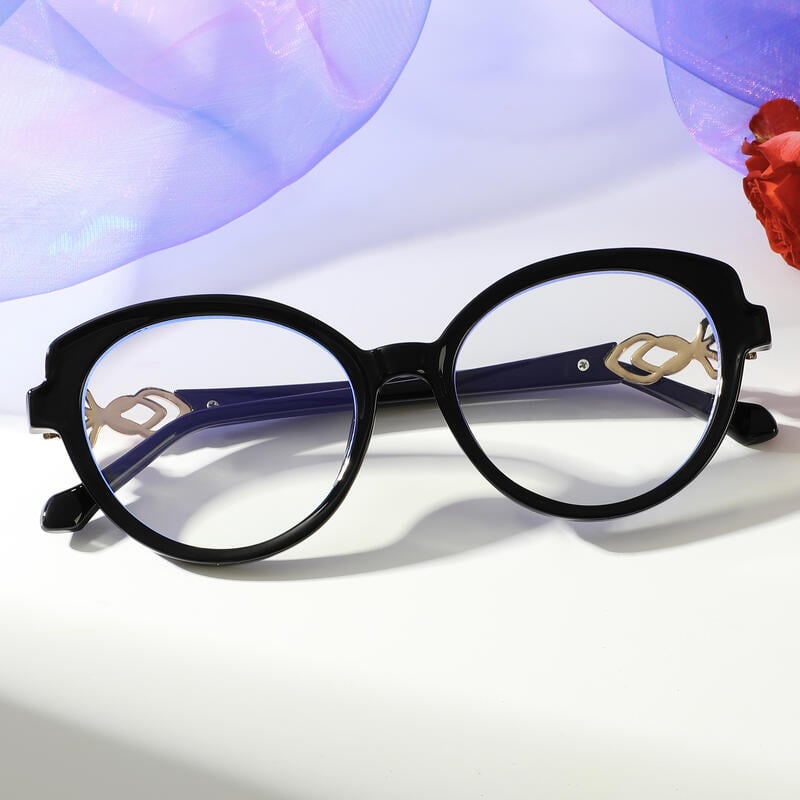
How to Take Care of Polycarbonate Frames
PC is durable, but "durable" doesn't mean "indestructible." A few habits extend frame life from 2 years to 4–5 years:
- Cleaning: lukewarm water, a drop of lotion-free dish soap, microfiber cloth. Never paper towels (they have wood fibers that scratch PC). Never Windex (the ammonia degrades PC over time).
- Storage: always in a hard case. PC is impact-resistant, not scratch-proof. The #1 cause of PC frame death in our return data is scratches from loose storage in bags and pockets.
- Heat: don't leave them on a car dashboard in summer. PC softens above 145°F (63°C) and will warp. If you step out of a car and the frames feel soft, let them cool on a flat surface before wearing them.
- Screws: check your hinges every 2–3 months. A hinge screw drifts loose long before it falls out. A $3 eyeglass repair kit has the right screwdriver; you can also walk into any optician and they'll usually tighten them for free.
Can I Put a Prescription in Polycarbonate Frames?
Yes — and there's actually a smart combination here. PC frames pair especially well with polycarbonate lenses: you get a featherlight total package, plus built-in UV protection that comes standard with polycarbonate lens material. Every PC frame in the Aoolia PC Eyeglasses collection accepts prescriptions in these ranges:
- Single-vision: SPH from -12.00 to +8.00, CYL up to -6.00
- Progressive: same SPH/CYL range, with corridor widths suited to frame height
- Bifocal: up to +3.00 add power
- Blue-light filtering: available as a $4.95 add-on
- Photochromic (Transitions-style): available on most PC frames
One caveat: if your prescription is stronger than ±4.00, ask for high-index lenses (1.67 or 1.74) instead of standard polycarbonate. The resulting lenses will be thinner and lighter, and more optically precise at your prescription strength. Your optician — or ours, during checkout — will flag this automatically.
Frequently Asked Questions
Are polycarbonate glasses frames safe for daily wear?
Yes. Polycarbonate is the same material used in protective goggles and has been evaluated for decades of daily wear. It contains no BPA in modern eyewear-grade formulations, and the American Academy of Ophthalmology lists it among recommended lightweight frame materials for all-day wearers.
How long do polycarbonate glasses typically last?
With reasonable care — clean with soap and water, store in a case, keep away from heat — a quality PC frame lasts 3 to 5 years of daily use. The most common reason PC frames are replaced isn't material failure; it's prescription changes or style fatigue.
Are polycarbonate frames cheaper because they're lower quality?
No. PC is cheaper because the injection-molding process is faster and less labor-intensive than the hand-cut, hand-polished process acetate requires. The material itself is a technically demanding engineering thermoplastic — it's affordable to manufacture, not "low quality."
Can polycarbonate glasses be recycled?
Yes, PC is categorized as resin code #7 ("other") and is technically recyclable, though curbside programs in most US cities don't accept it. Several optical charities (including Lions Club's Recycle for Sight program) take old frames, refurbish them, and donate them to people in need — a better route than landfill.
Do polycarbonate frames yellow over time?
Clear PC can develop a slight yellow tint after several years of sustained UV exposure — mostly if the glasses live on a sunny dashboard or a windowsill. Colored and tortoiseshell-finish PC frames don't show this because the tint masks it. Storing your frames in a case when not in use eliminates the issue.
Polycarbonate vs. acetate: which is better?
Neither is universally "better" — they serve different wearers. Polycarbonate is lighter, tougher, and more affordable. Acetate offers richer colors, a warmer feel against the skin, and is easier for an optician to adjust. For everyday utility and budget, pick PC. For luxury feel and customization, pick acetate.
Are polycarbonate glasses hypoallergenic?
Yes. PC contains no nickel, latex, or common allergens, making it a safe alternative for people with skin sensitivities. If you've had contact dermatitis from metal frames, PC is usually a direct, trouble-free switch.
Can opticians adjust polycarbonate frames?
Only small adjustments — pad angle tweaks, temple bending at the hinge. Unlike acetate, PC can't be significantly heat-reshaped without risking cracks. This is why PC frames are usually built with adjustable silicone nose pads instead of molded bridges: it moves the adjustability into hardware rather than the frame body.
Ready to Try a Pair?
Polycarbonate is the material I personally recommend to most first-time glasses wearers and to anyone who's frustrated with how heavy their current frames feel. It's not the luxury option — but it's the option that quietly disappears on your face, which is, when you really think about it, what glasses are supposed to do.
Browse the Aoolia polycarbonate eyeglasses collection — every pair is optician-verified before shipping, starts at $1 for non-prescription ($7.95 with single-vision Rx), and comes with our 30-day free return policy if the fit isn't right.
- American Academy of Ophthalmology. "Eyeglass Frame Materials." aao.org. Accessed April 2026.
- American National Standards Institute. "ANSI/ISEA Z87.1 – American National Standard for Occupational and Educational Personal Eye and Face Protection Devices."
- Bayer AG historical documentation on polycarbonate synthesis (Hermann Schnell, 1953).
- Centers for Disease Control and Prevention, NIOSH. "Eye Safety." cdc.gov. Accessed April 2026.
- Aoolia internal optician review of 200+ customer return records, Q1 2026.
How We Reviewed This Article
This article was drafted by our editorial team, then reviewed by Dr. James Wu, a licensed optician with ABO certification and 12+ years of dispensing experience. Product recommendations reflect actual frames we sell; all technical claims (weight ranges, impact resistance comparisons, prescription compatibility) are verified against Aoolia's product database and manufacturer specifications. We do not accept paid placements in editorial content.
Found an error or have a question? Email our editorial team.