





































Filters
Shape
Color
Material
Rim
Size
NotSure
Feature
Prescription Type
Price
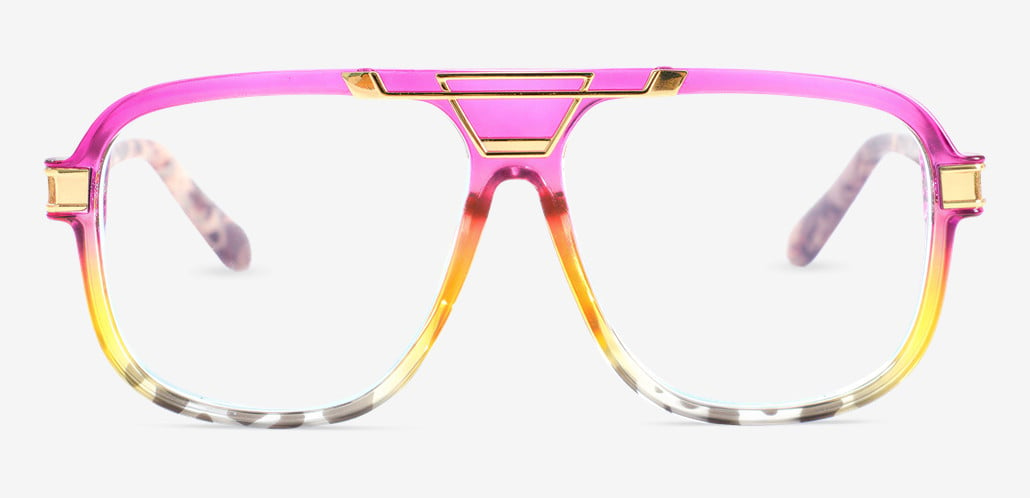
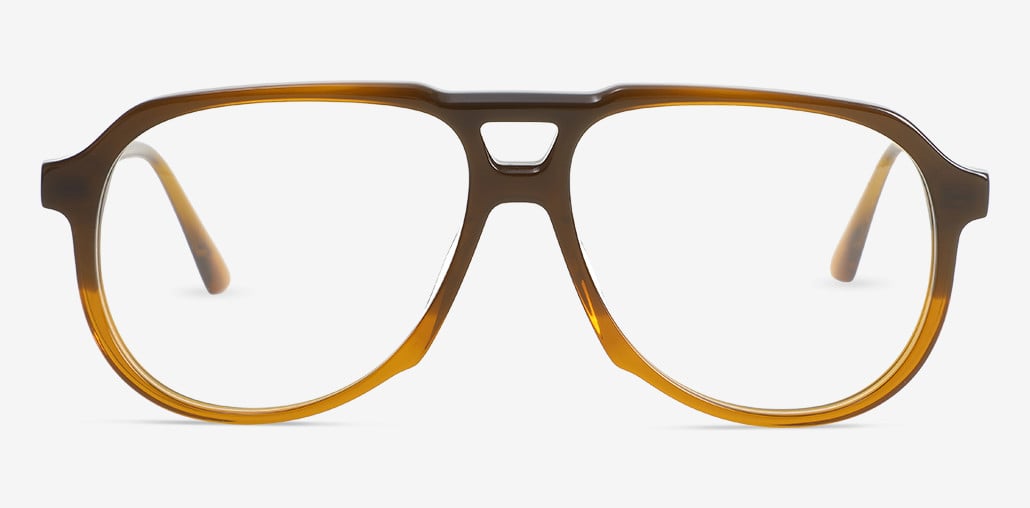
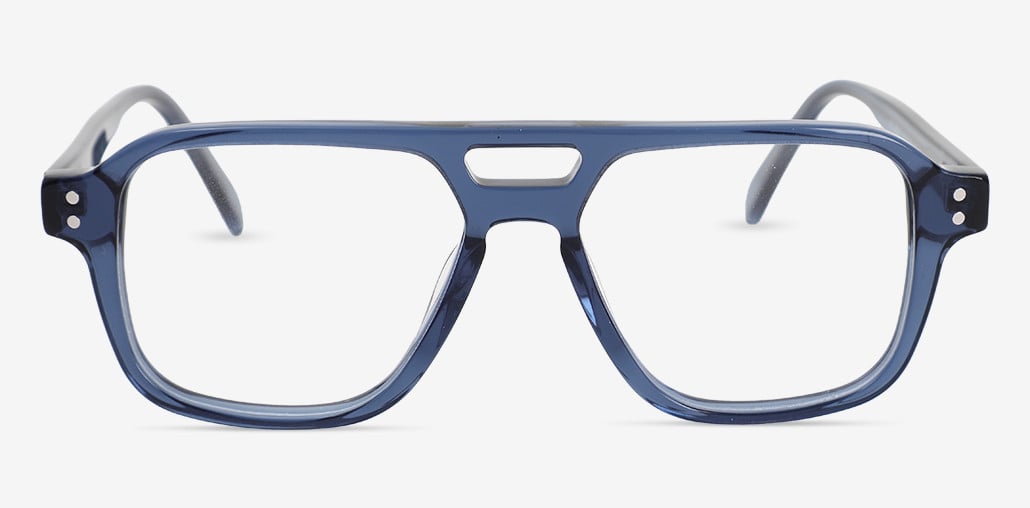
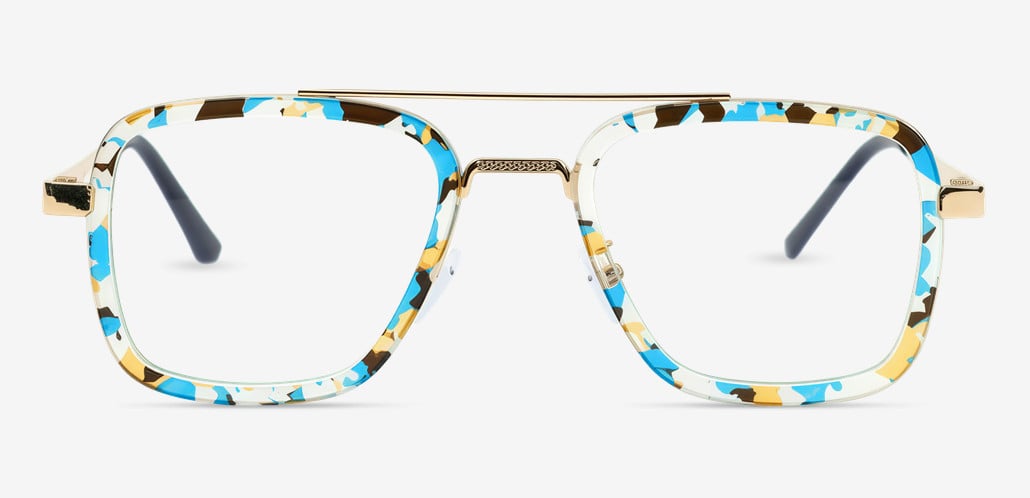
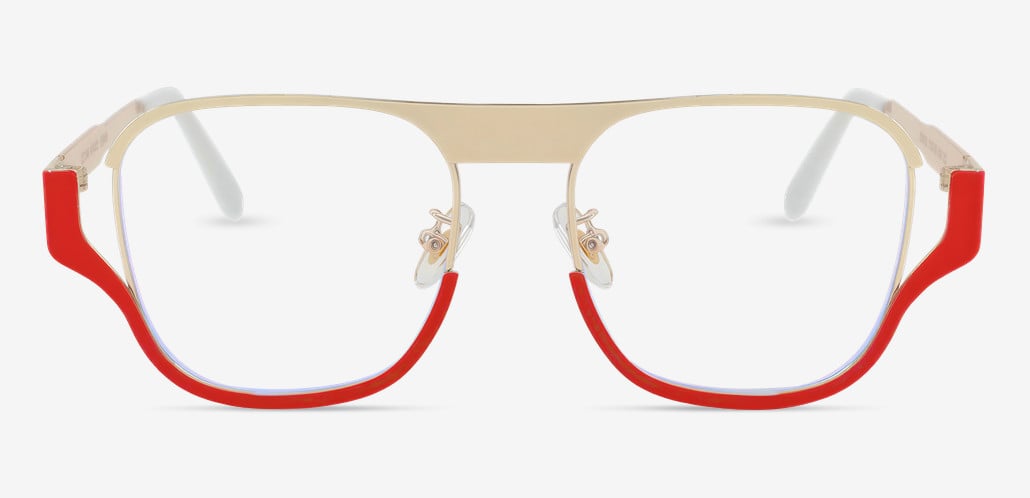
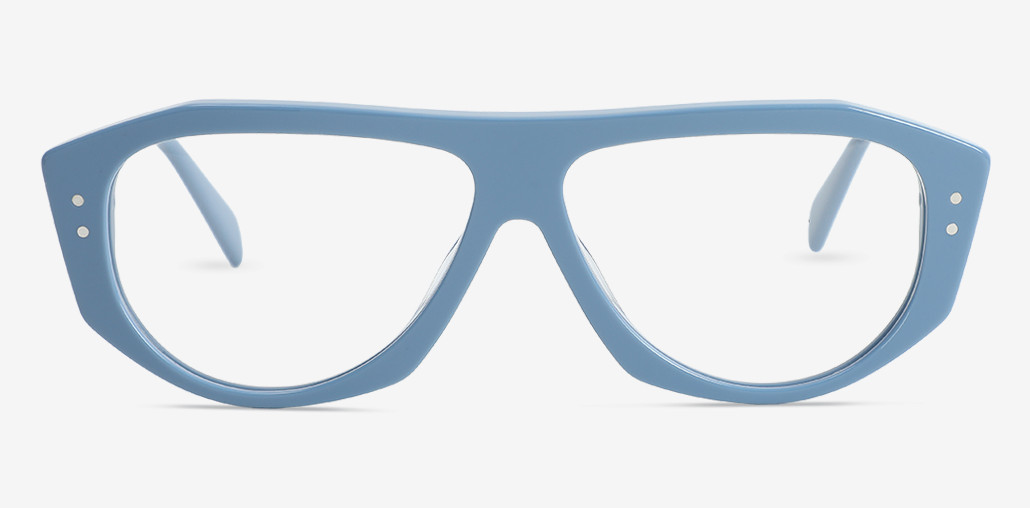
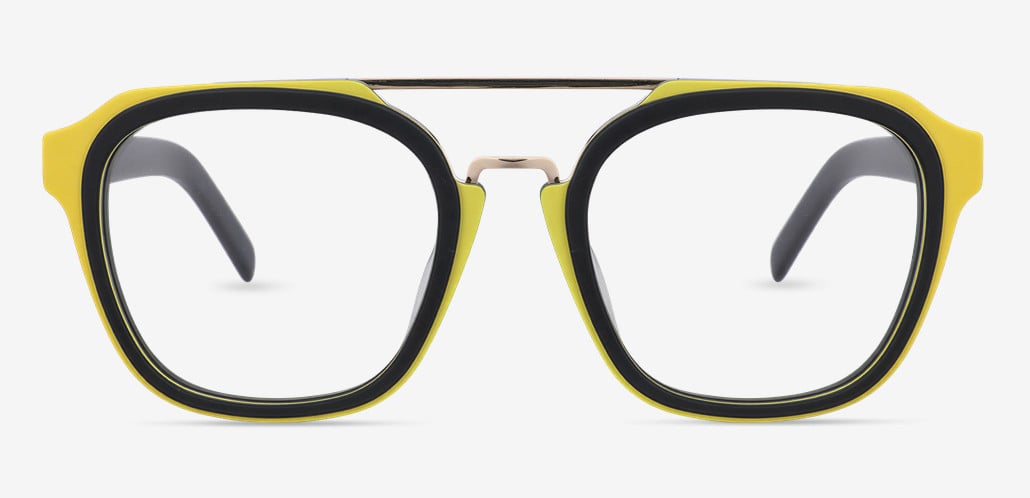
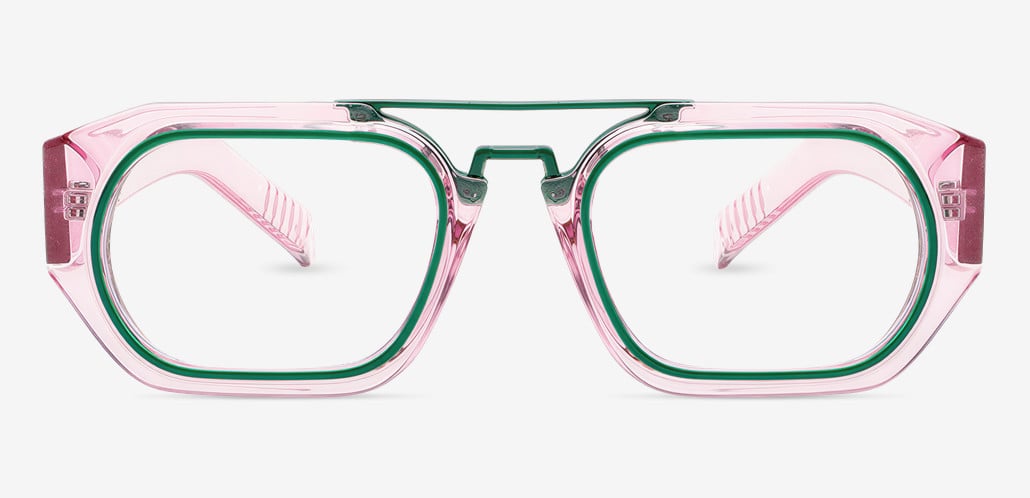
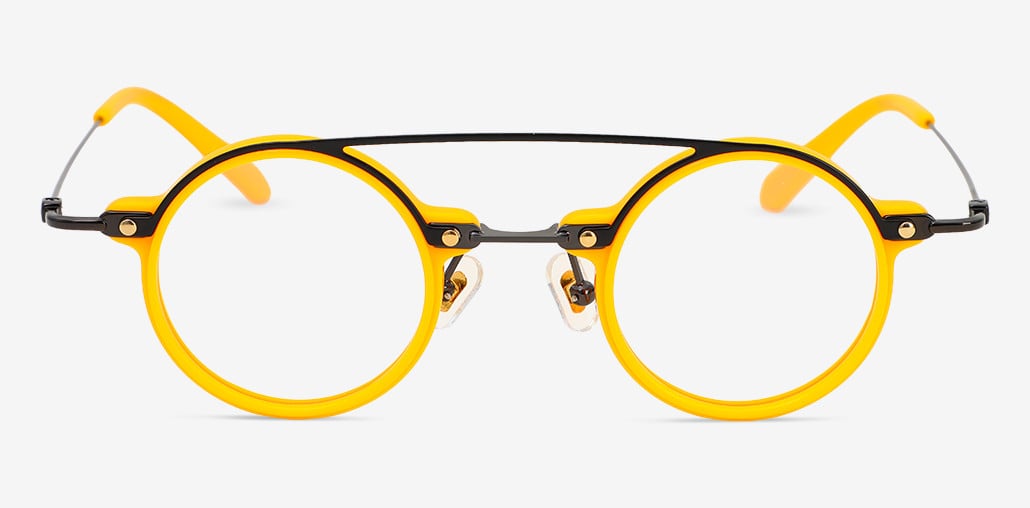
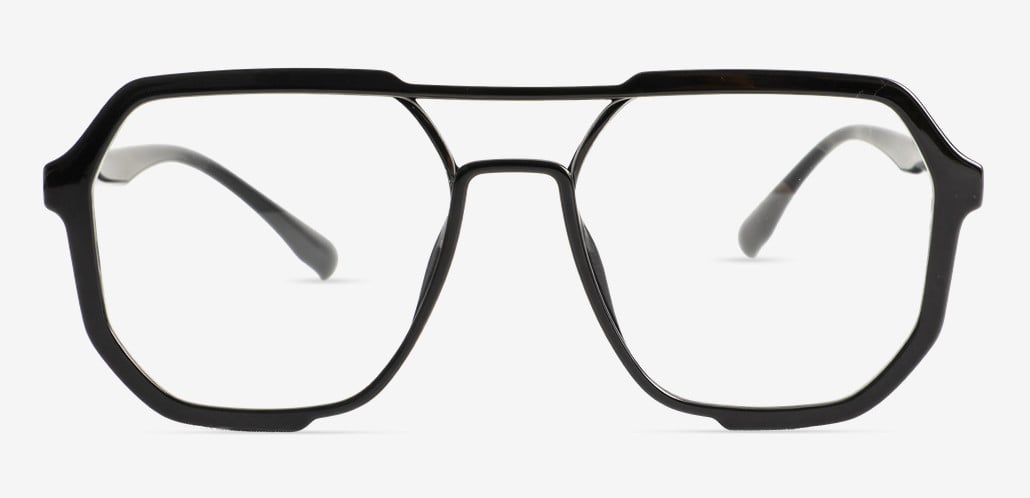
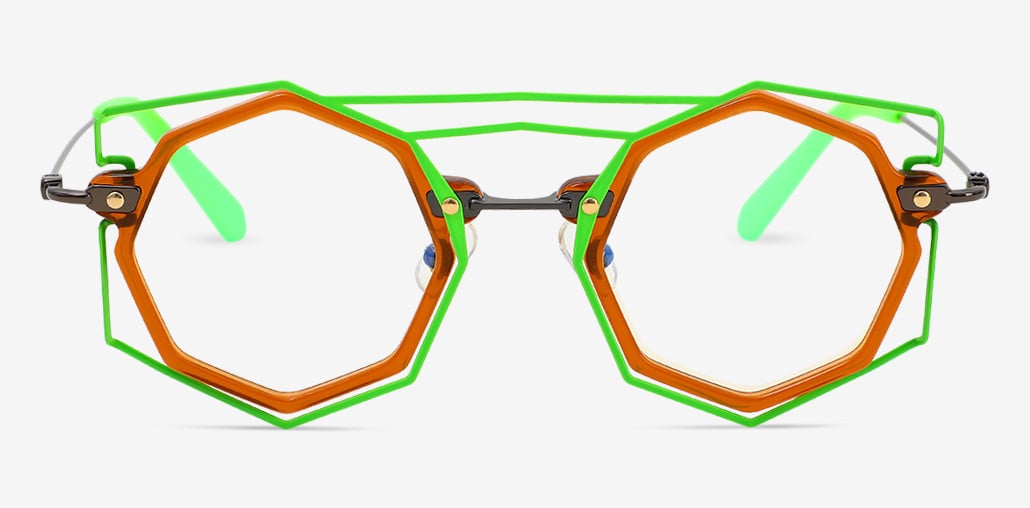
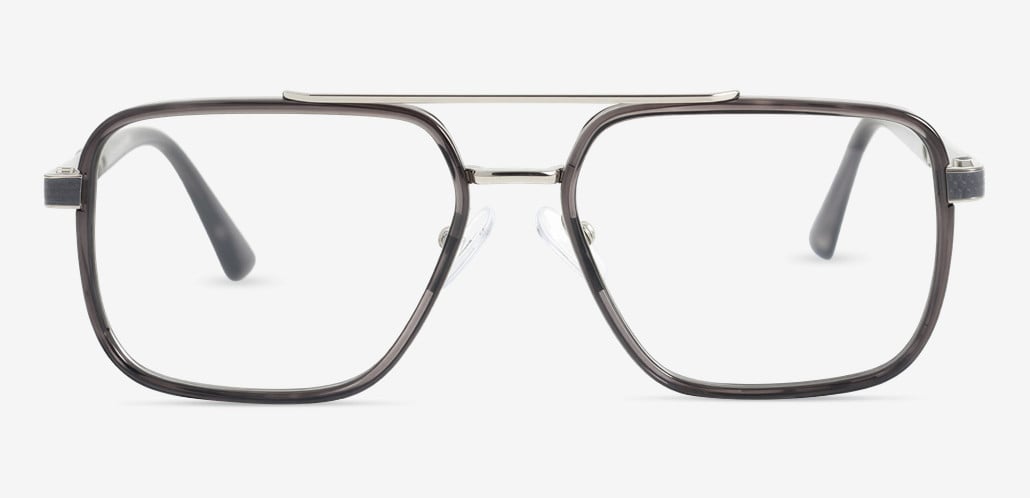
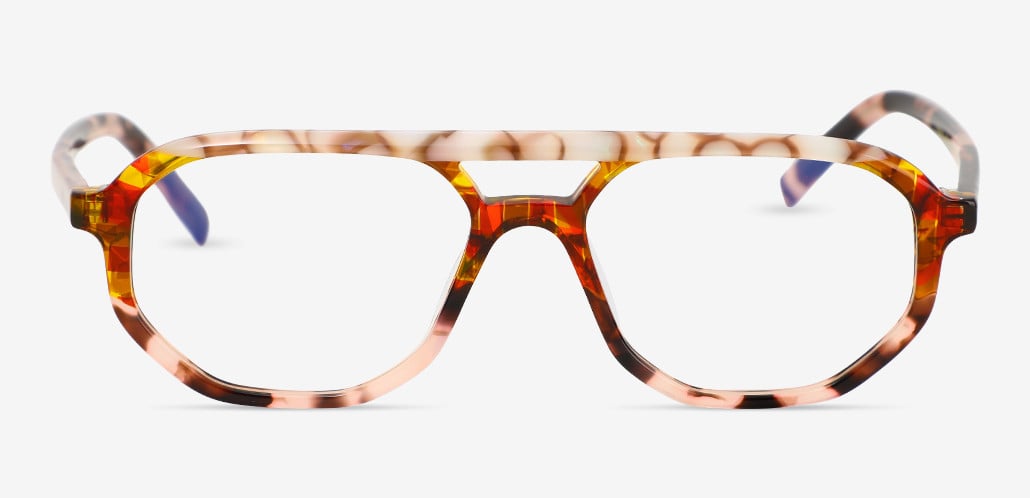
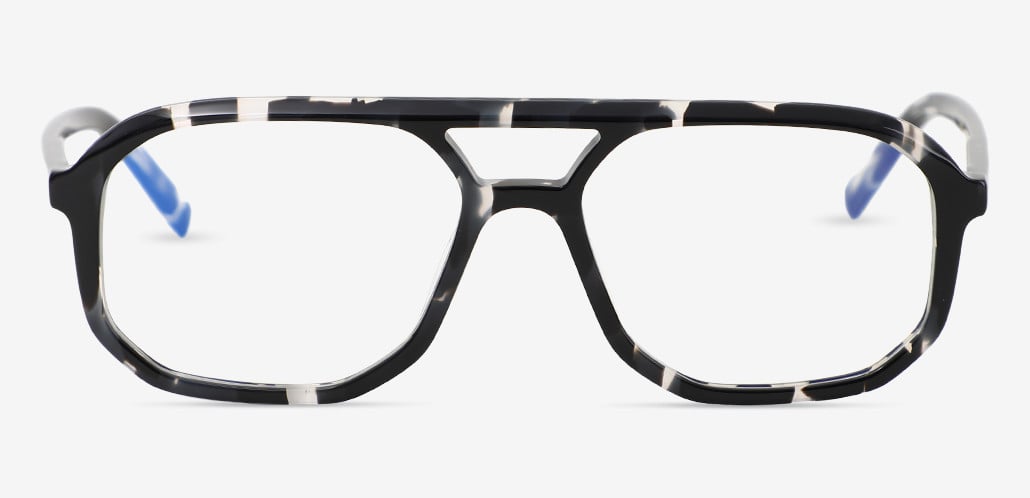
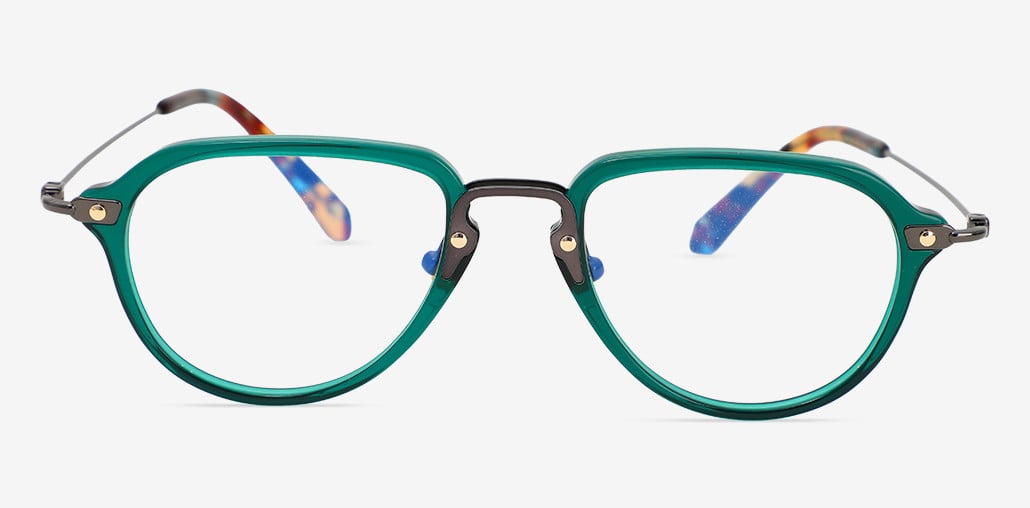
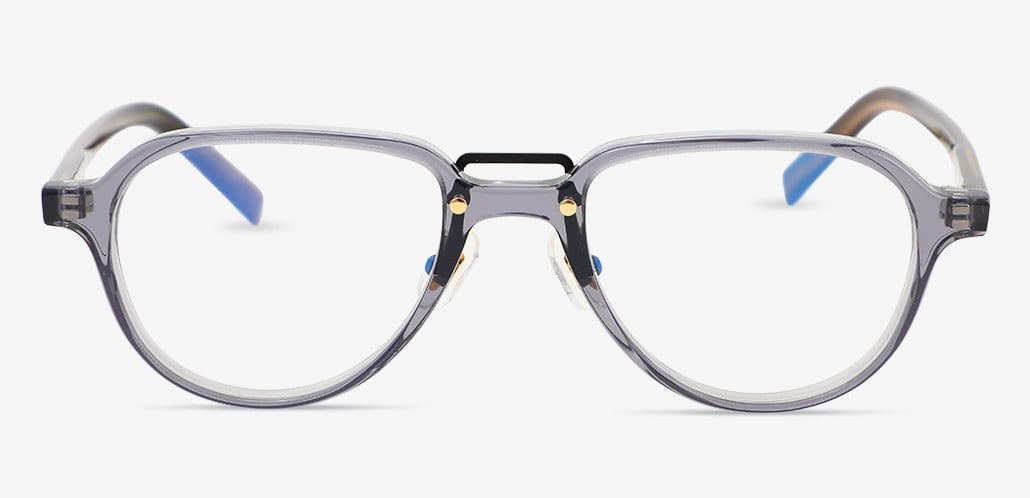
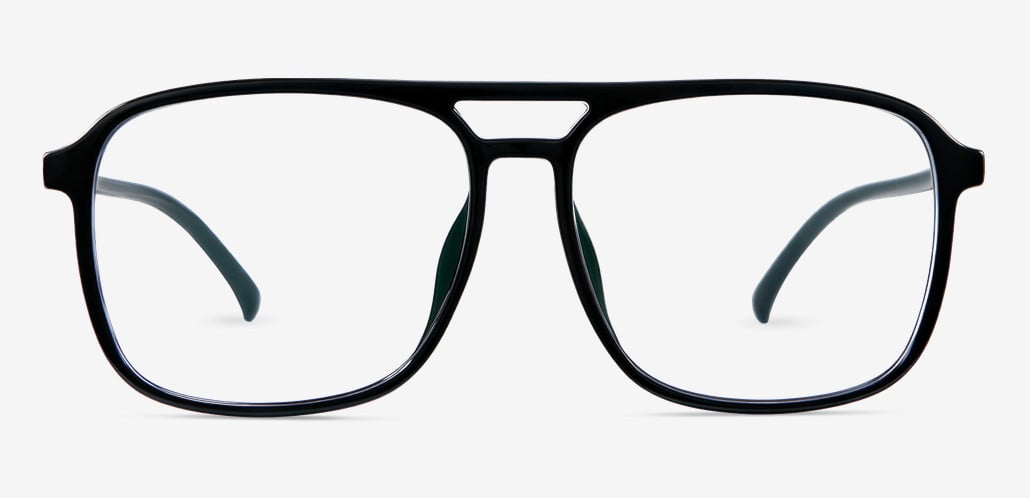
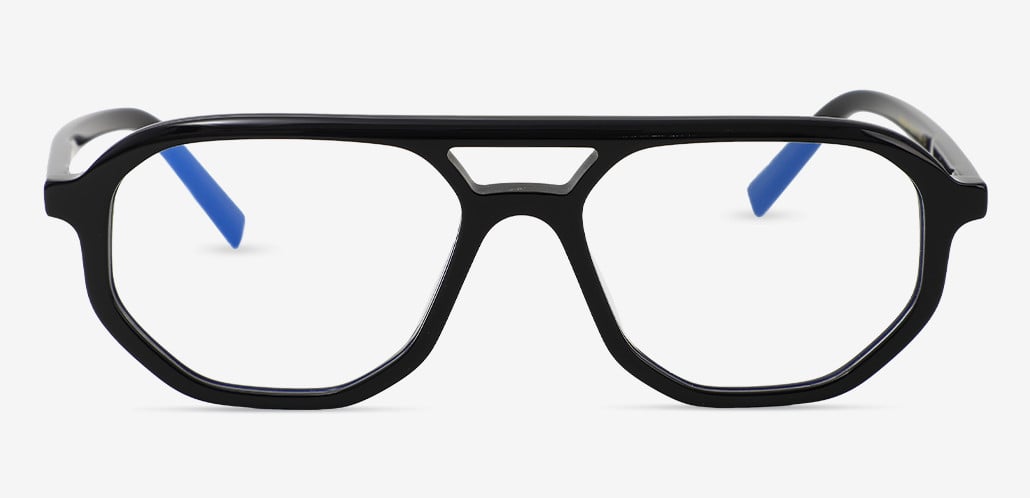
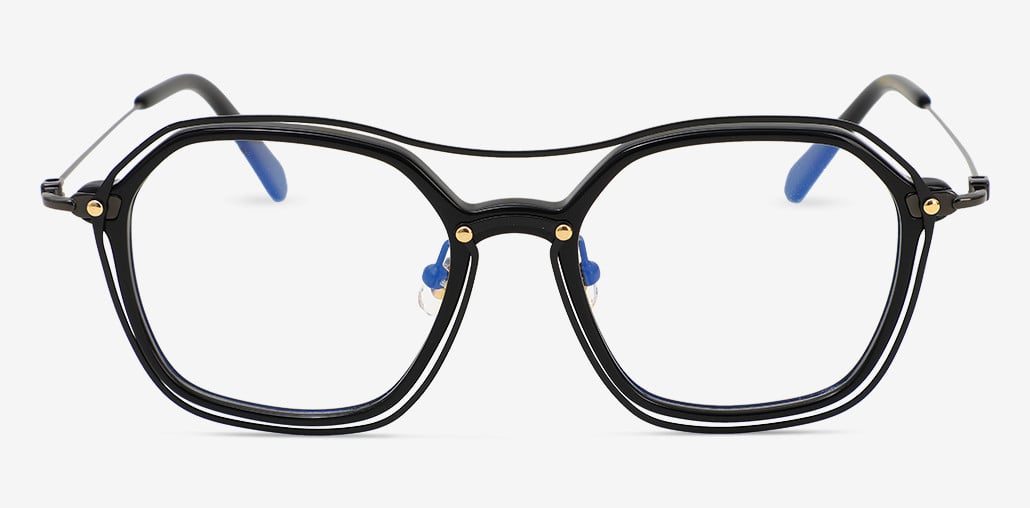
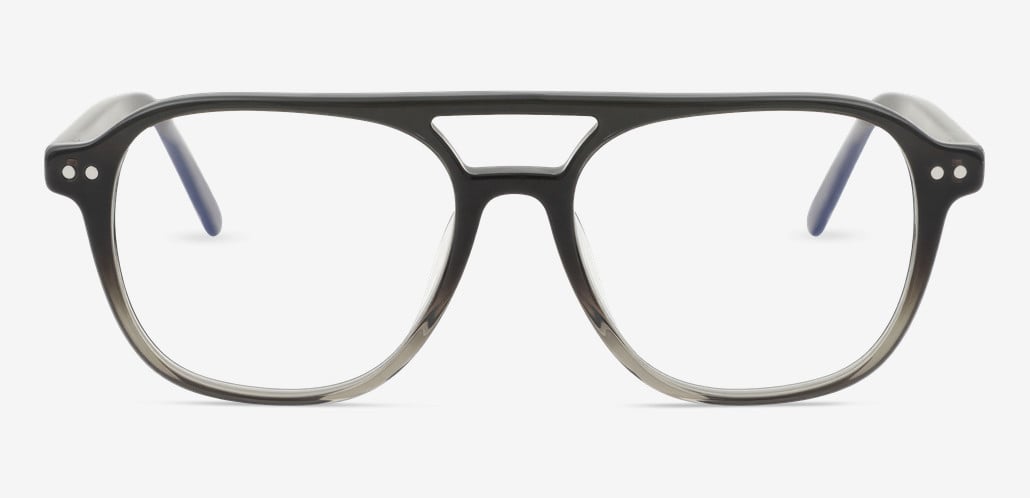
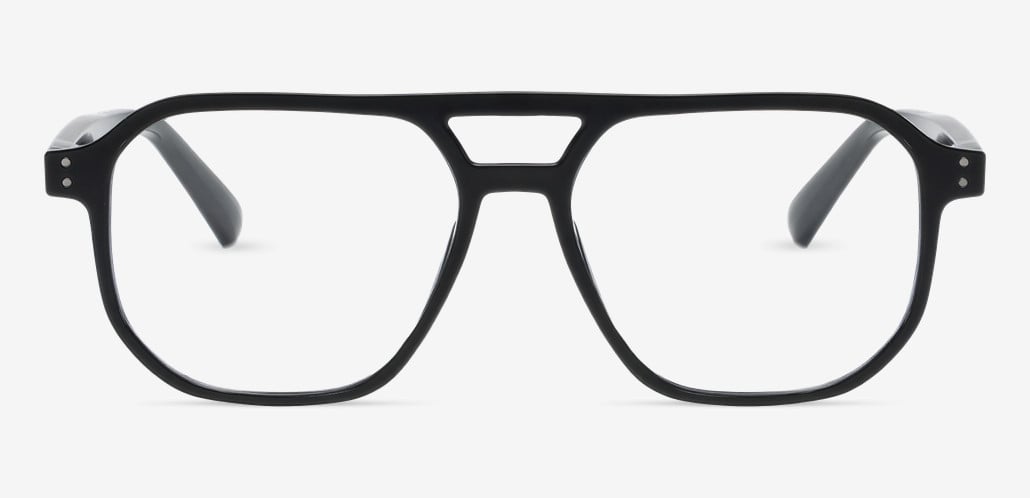
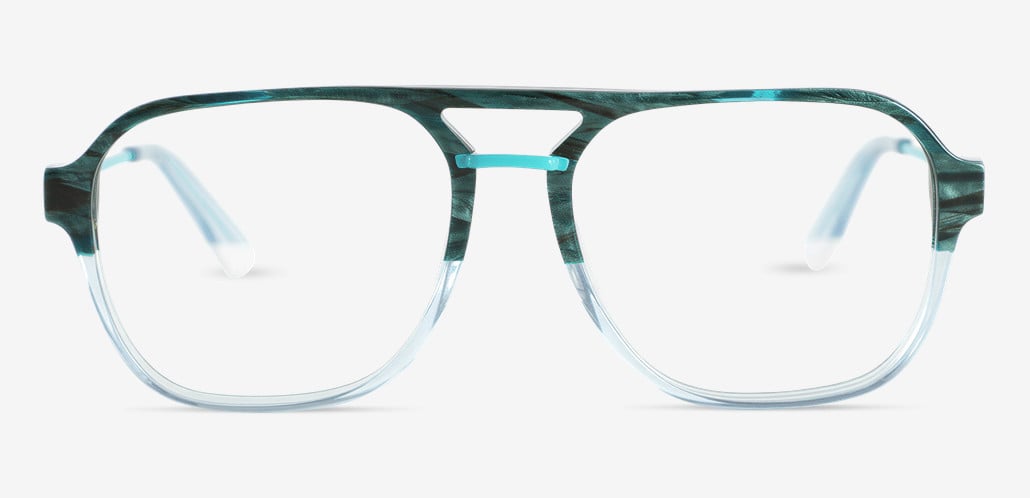
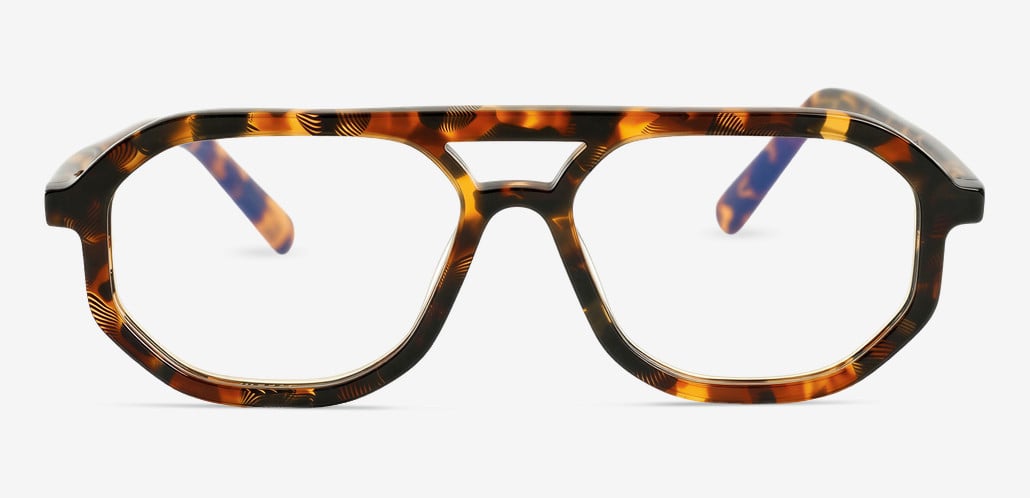
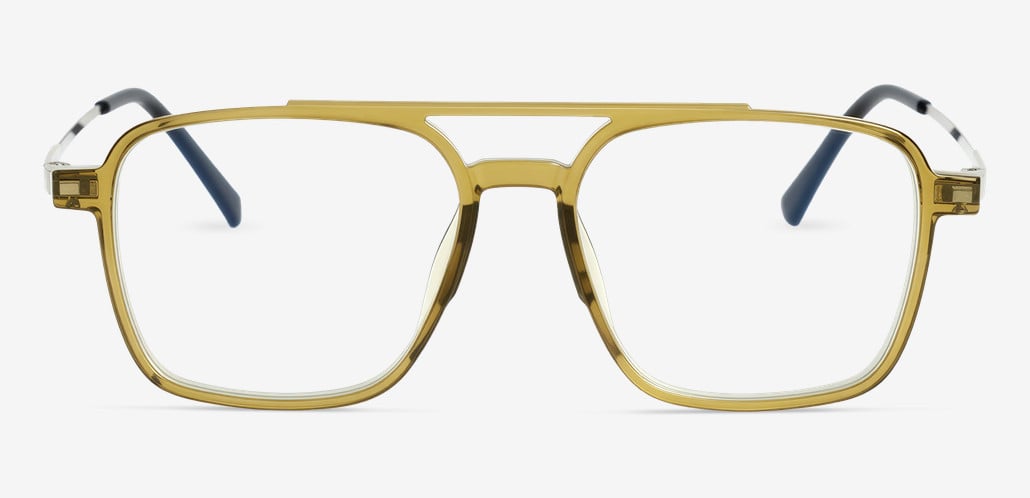
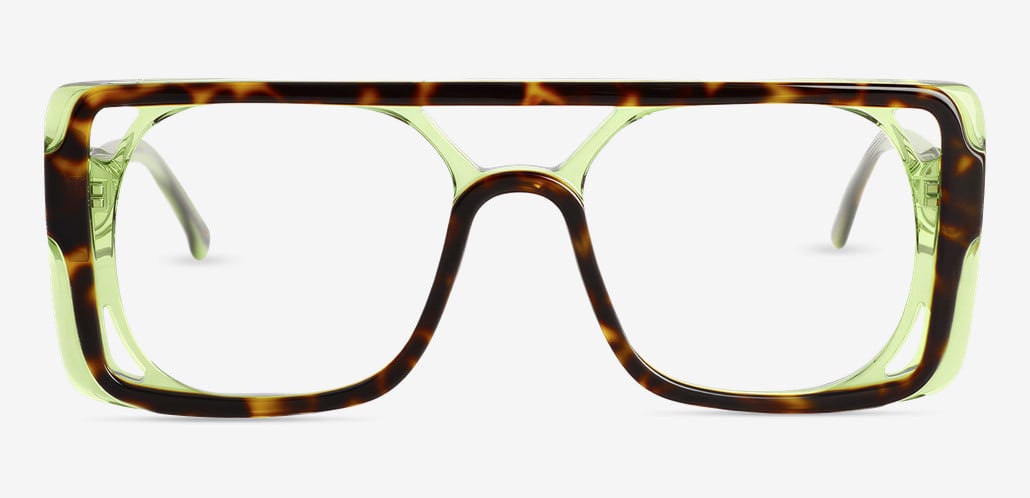
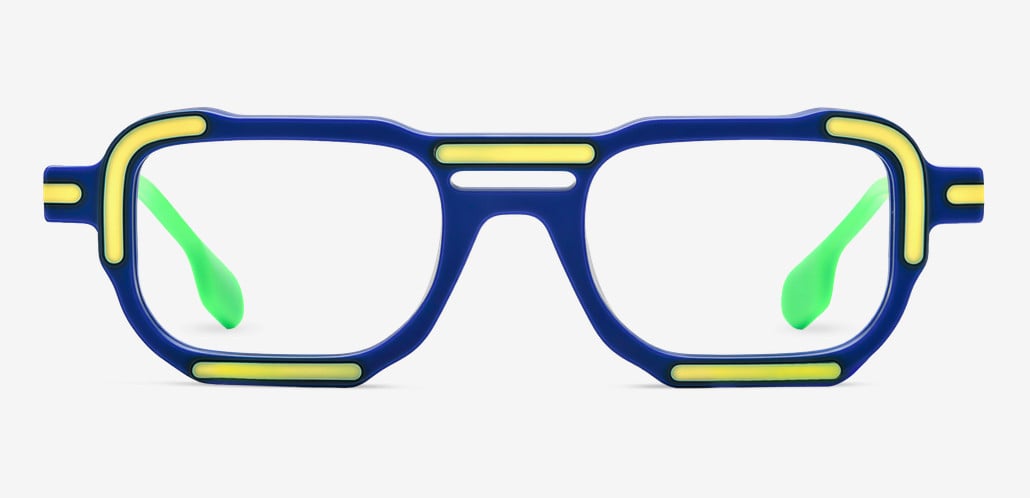
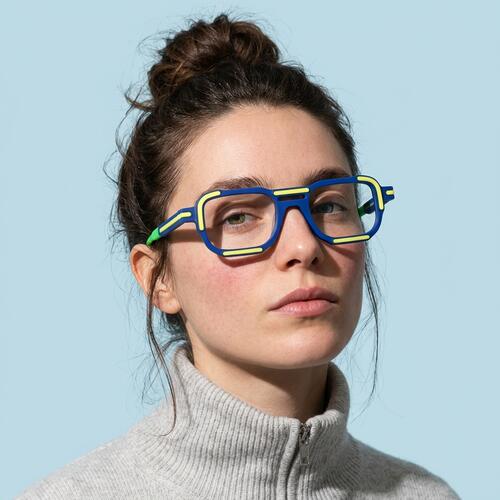
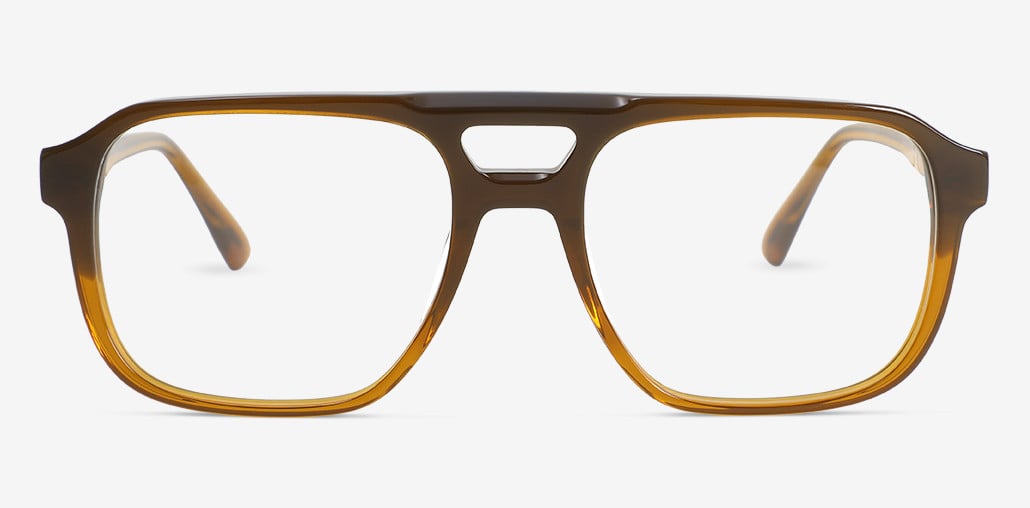
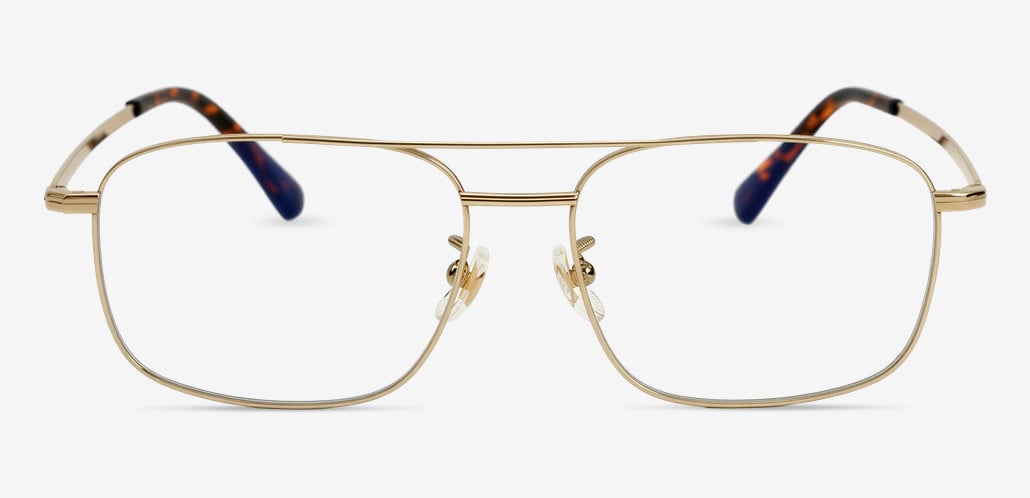
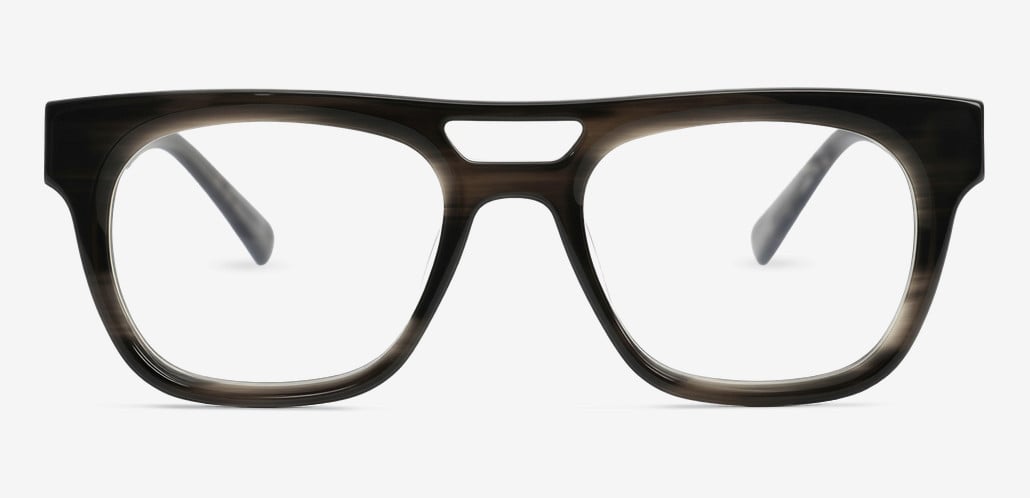
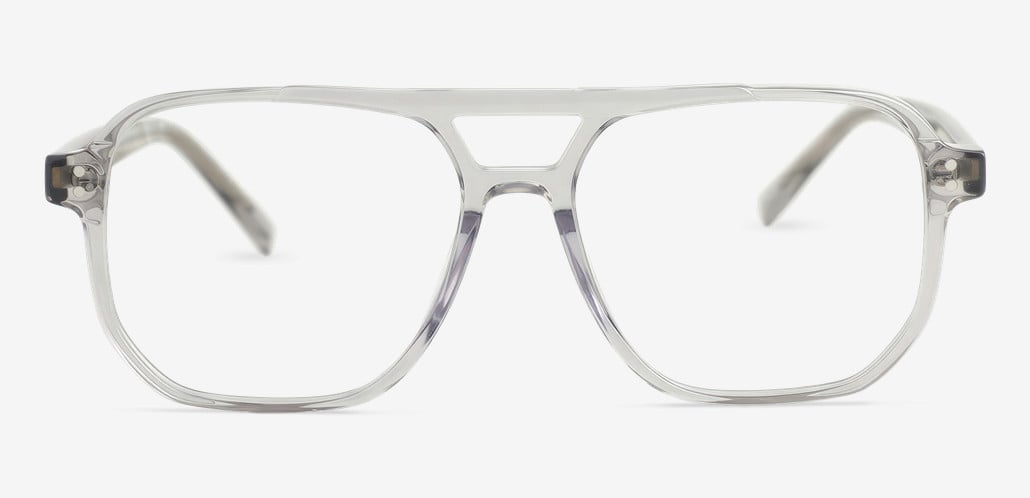
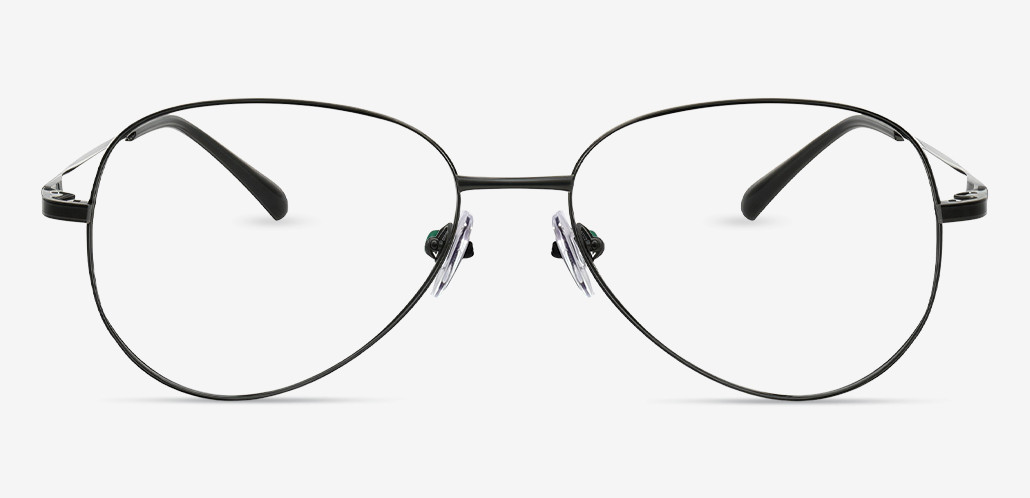
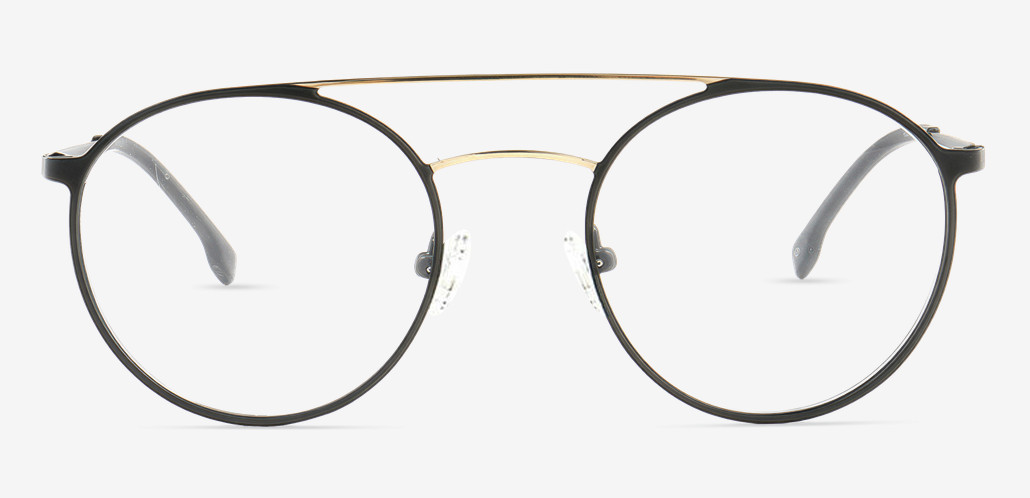
Aviator Prescription Glasses
Aviator Glasses or Aviator Sunglasses?Both use the same frame shape. The difference is the lens. Aviator prescription glasses take a clear lens made to your Rx and are worn indoors and out. Aviator sunglasses take a tinted lens. Most of the aviator results you'll find online are sunglasses — this page is the clear-lens collection.You're in the right place if: you want clear lenses in an aviator frame.
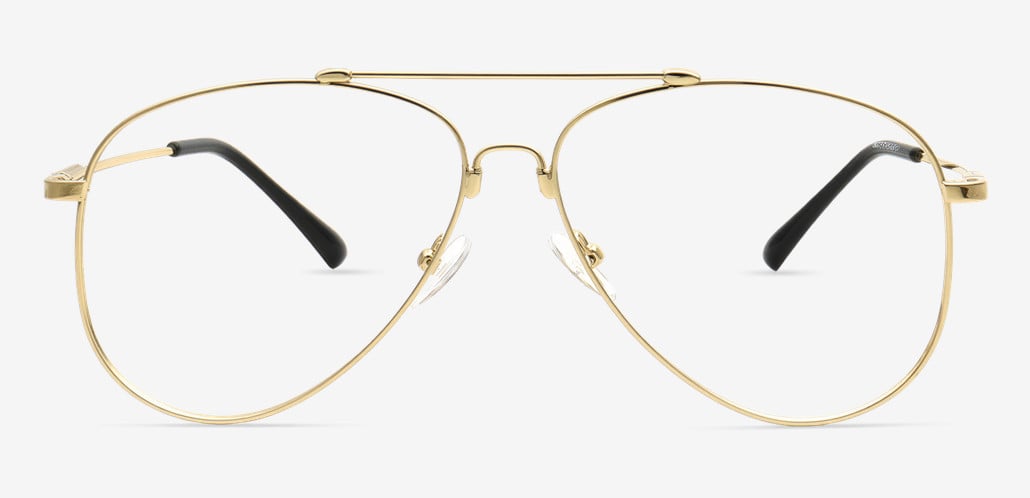
The Three-Zone Lens Map,Split any aviator lens into three horizontal bands and the frame stops being a style question and starts being a fit question.Zone 1 — the brow band,The top third, where the double bridge and brow bar sit. This is where the aviator look comes from. Optically, nothing happens here — your eyes never look through it.Zone 2 — where your eyes sit The middle third. This is the band you use for distance, and on a well-positioned aviator it's the only band you use all day. If the frame sits too low on your nose, your eyes drift into Zone 1 and you end up looking over the top of the lens.Zone 3 — the taper The bottom third, where the teardrop narrows. Three things happen in Zone 3 and none of them are obvious from a product photo:Edge thickness lives here. A minus lens gets thicker the further you go from its center. On a tall frame, the lowest point of the lens is the furthest point —so it's the thickest. A thin metal rim doesn't hide that.Near-vision zones land here.Aviators are often recommended for multifocal lenses because they're tall. Height isn't the constraint — width is. The near zone lands exactly where the teardrop is narrowest.Weight lives here. Lens material below your line of sight still weighs something and still sits on your nose.Taper Rating: How Much of the Lens You Actually Use,We measure the width of every aviator lens 8 mm above its lowest point and divide it by the frame's lens width. That gives a taper ratio, and every aviator on this page carries one of three badges.
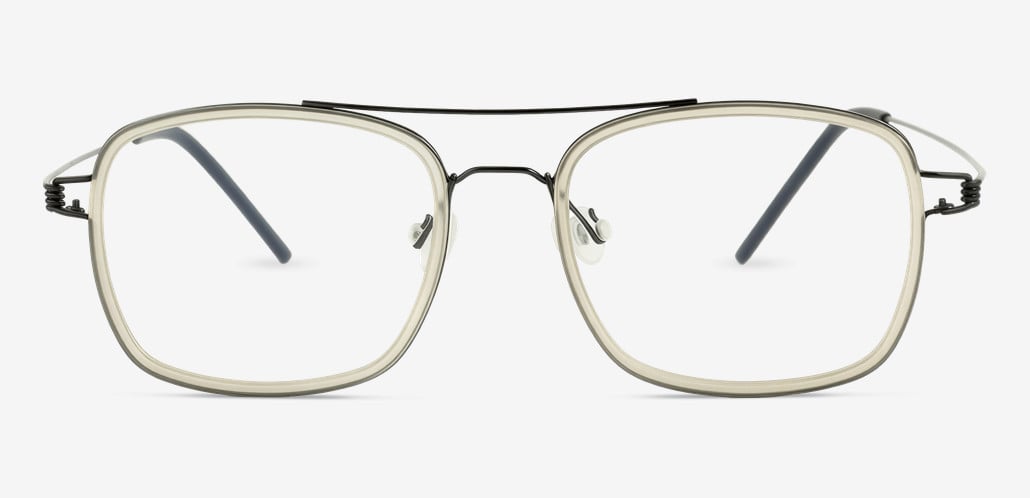
Why Nose Pads Matter More on an Aviator,On an acetate frame with a fixed saddle bridge, where the frame sits on your face is decided at the factory. On an aviator with adjustable pads, you decide. Bending the pads moves the whole frame up or down a few millimetres, which moves your eyes between Zone 2 and Zone 1.That's the aviator's real functional advantage, and it's the one nobody writes about. It also means two people can wear the same aviator very differently. Of the frames on this page, some have adjustable pads and some have a fixed bridge — the badge is on every product card, and you can filter for it.
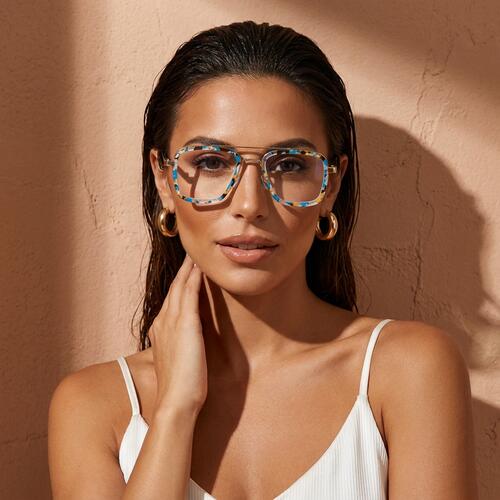
Picking Your Size Without Guessing The fastest method is to read the numbers printed on the inside of a pair you already own —usually on the temple arm, in the form 52□18-140: lens width, bridge width,temple length, all in millimetres. Match the first two within about 2 mm and the aviator will sit roughly where your current pair does.If you don't have a pair to measure, use Virtual Try-On on any product card and compare the frame's outer edge against your temples. If the frame ends before your temples, it's narrow for you; if it extends past them, it's wide.
Read More
Aviator Prescription Glasses: Common Questions
Are aviator glasses good for multifocal lenses?
They can be, but choose by base width rather than height. The near zone sits low in the lens,which on a classic teardrop is the narrowest part of the frame. Flat Base aviators keep that area wide. That's what the taper rating on each product card is for.
What's the difference between aviator glasses and pilot glasses?
Nothing — they're two names for the same shape. 'Pilot glasses' is the more common term in Europe; 'aviator' is standard in the US. You'll see both used across our sites.
Do aviator frames only come in metal?
No. The original design was thin metal, and metal is still the most common, but the shape is also made in acetate, TR90, titanium and mixed-material builds. Acetate aviators read softer and warmer; titanium is the lightest option for a frame this size.
Can I adjust how high an aviator sits on my face?
If it has adjustable nose pads, yes — that's what they're for, and it's a few millimetres of range in either direction. Frames with a fixed bridge sit where they sit. Both types are in this collection and the product card tells you which is which.


