















Filters
Shape
Color
Material
Rim
Size
Feature
Polarized
Price
36 Items |
Recommend
Sort By
Polarized Sunglasses
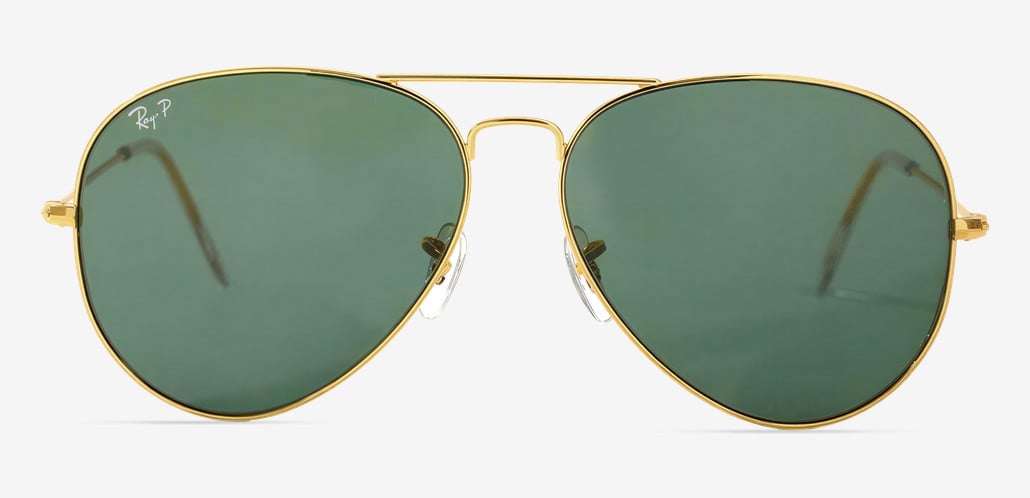
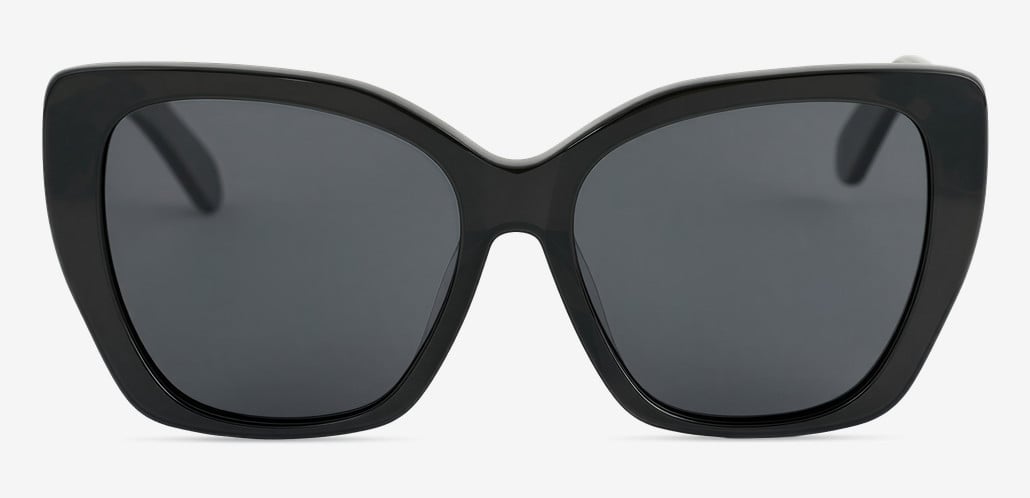
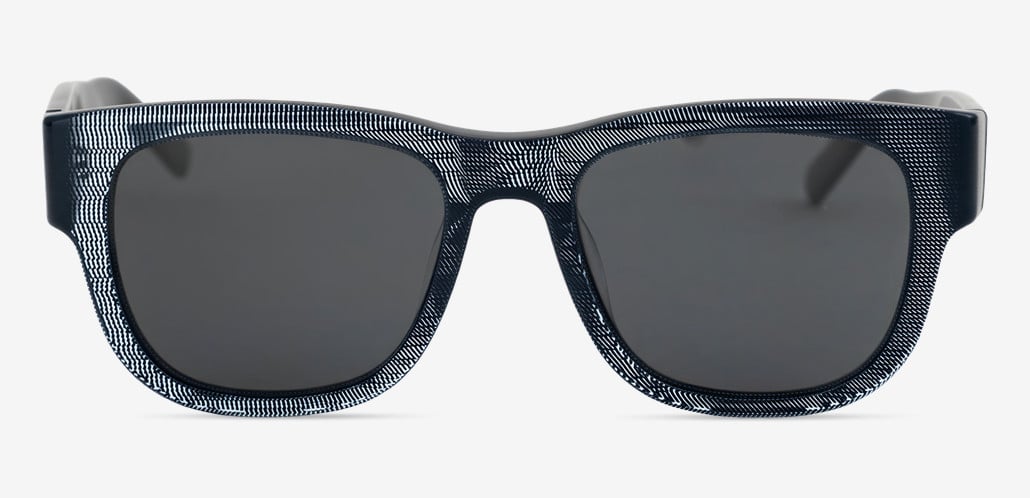
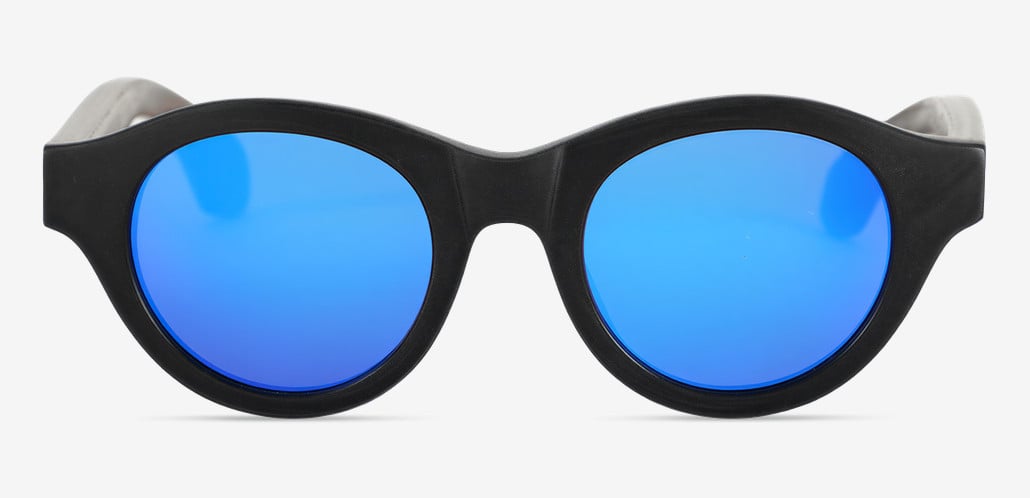
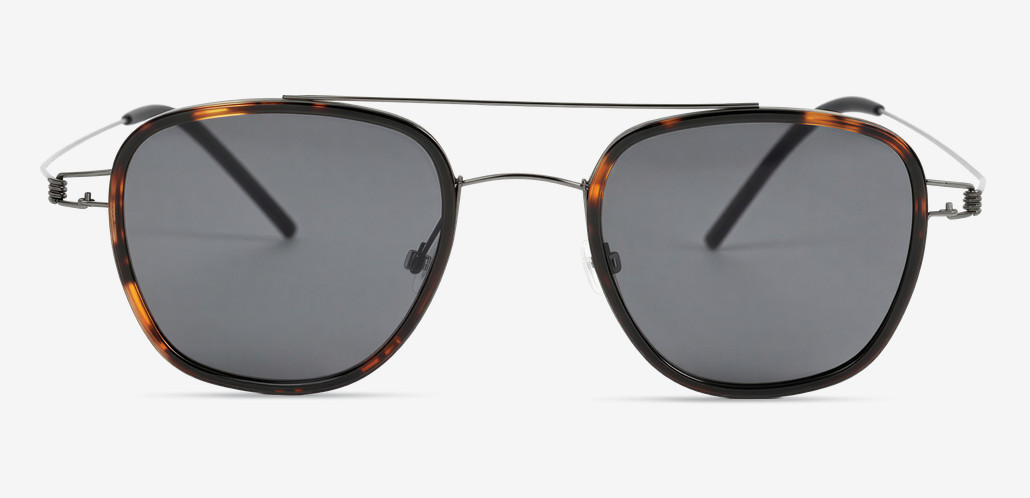
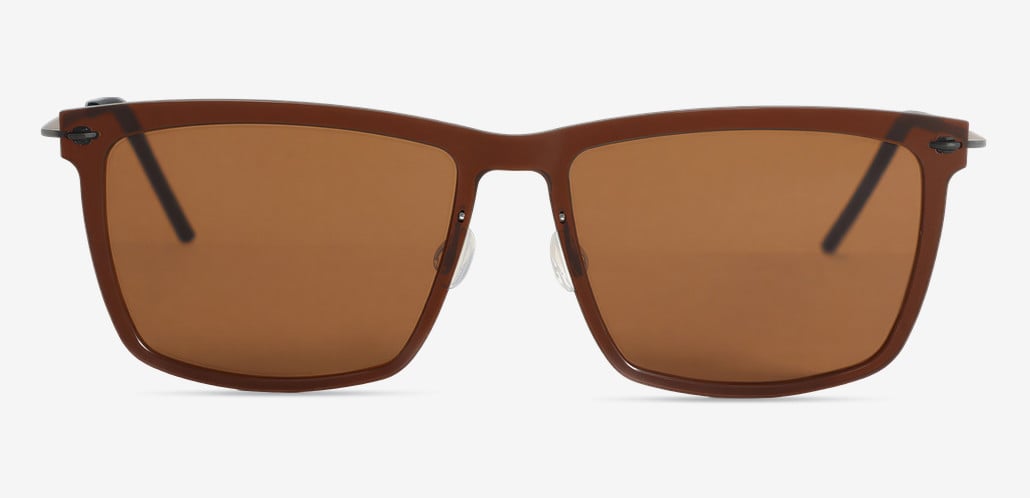
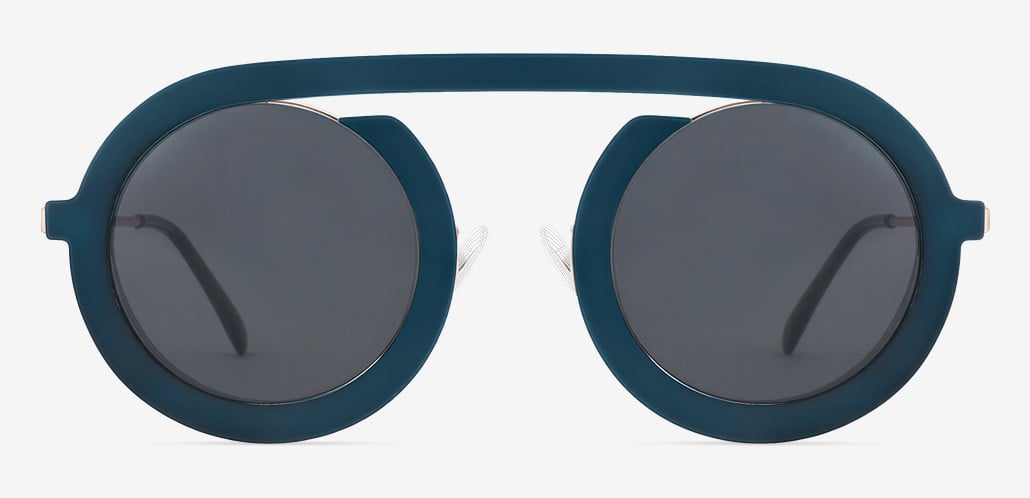
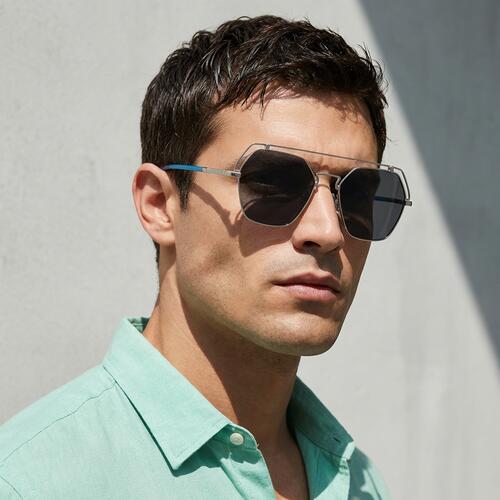
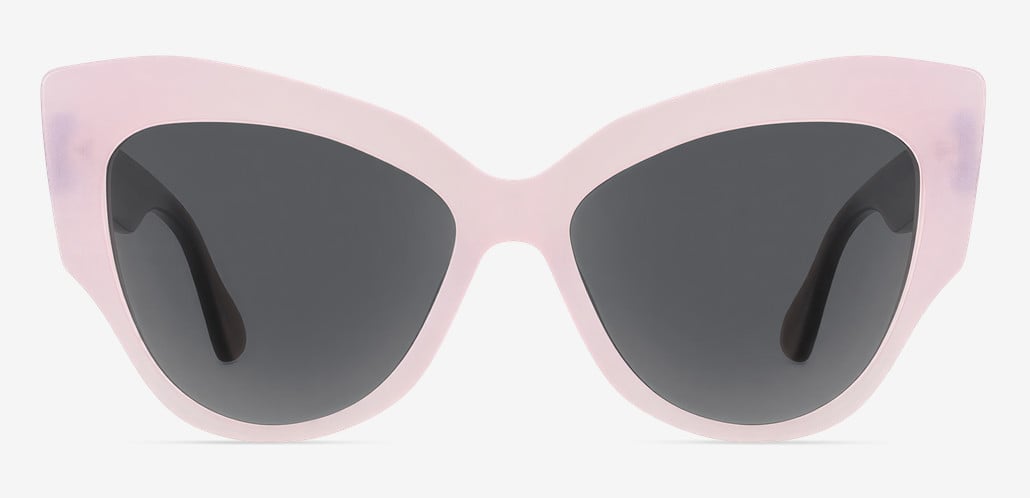
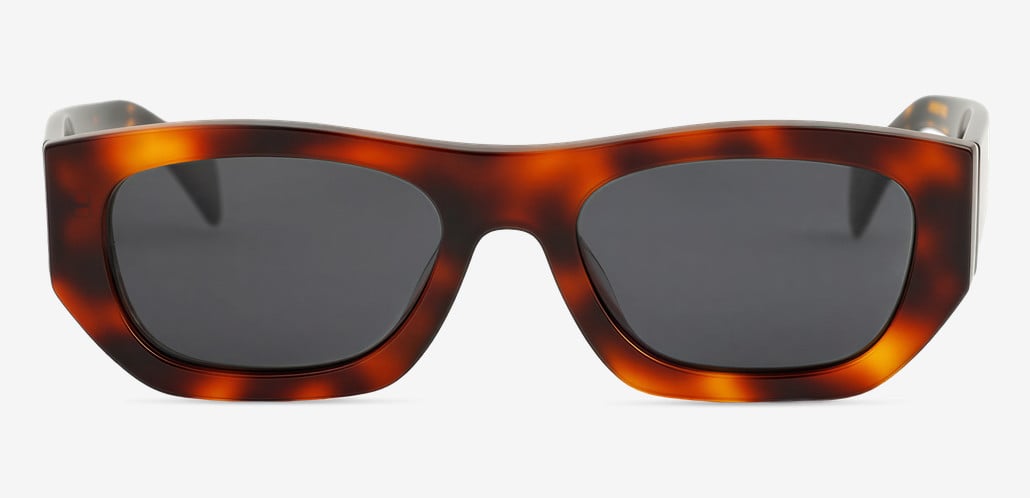
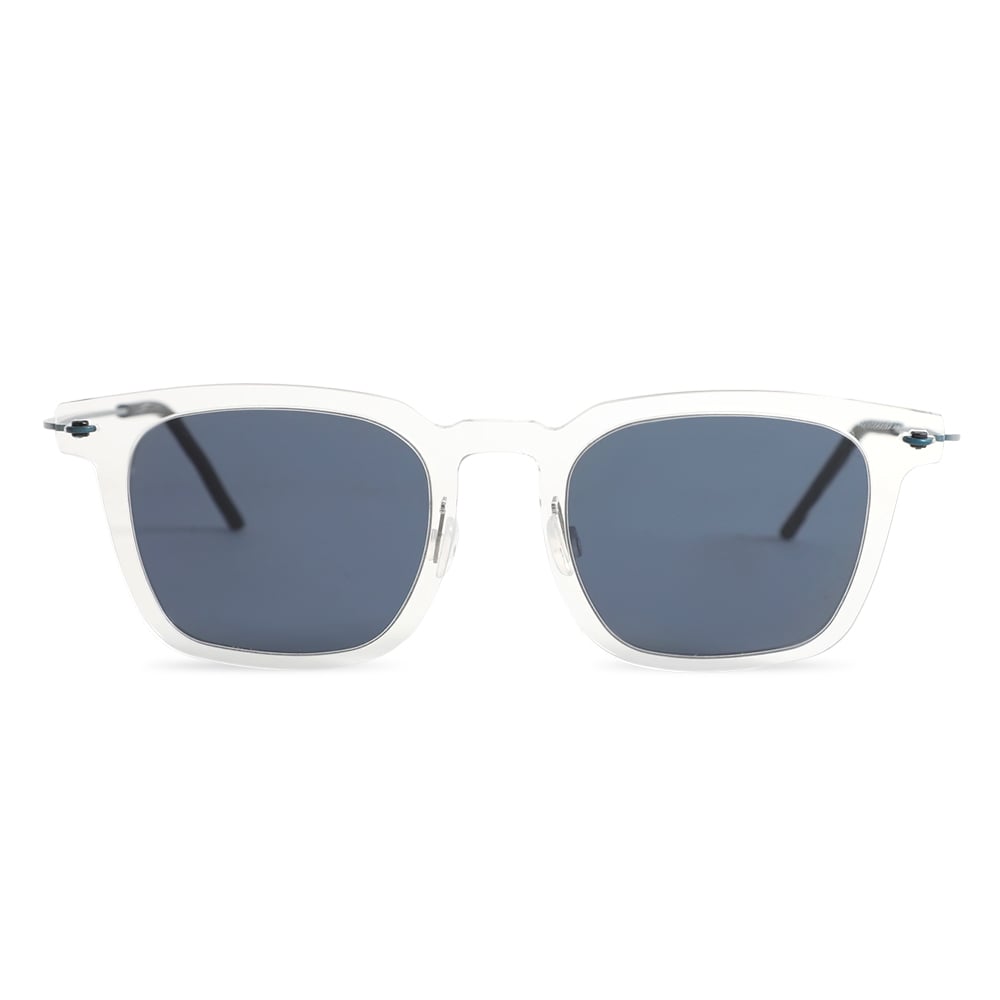
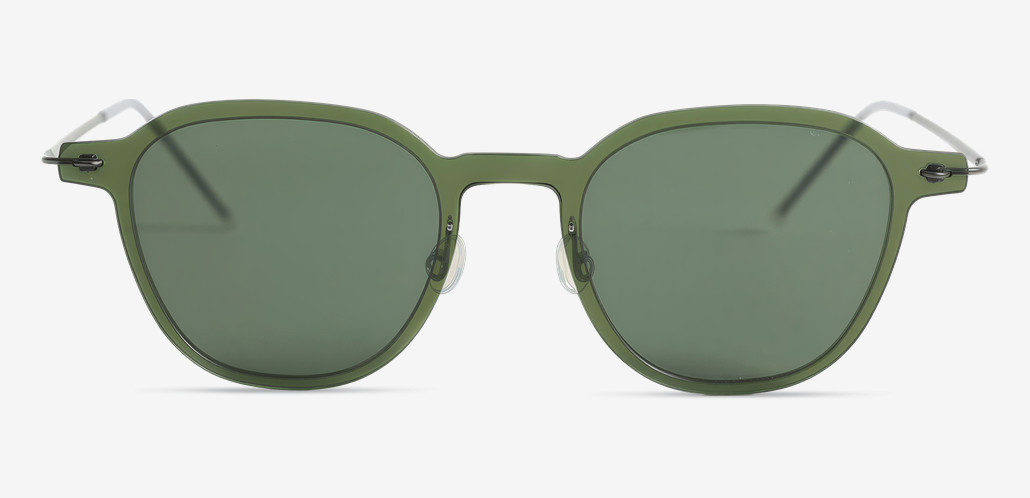
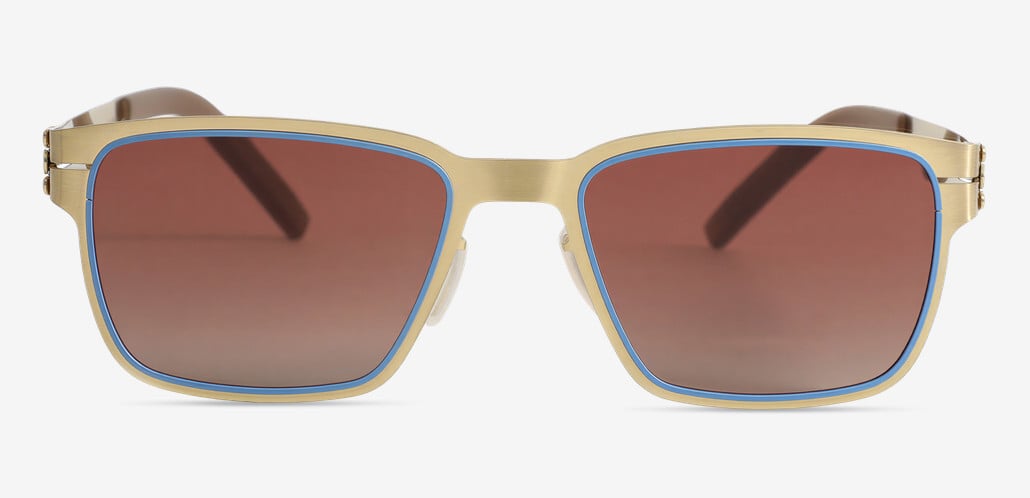
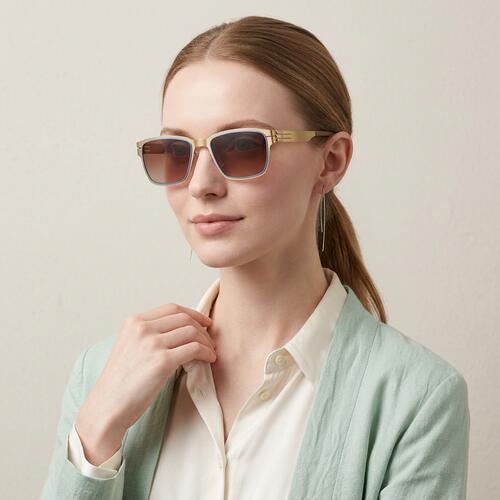
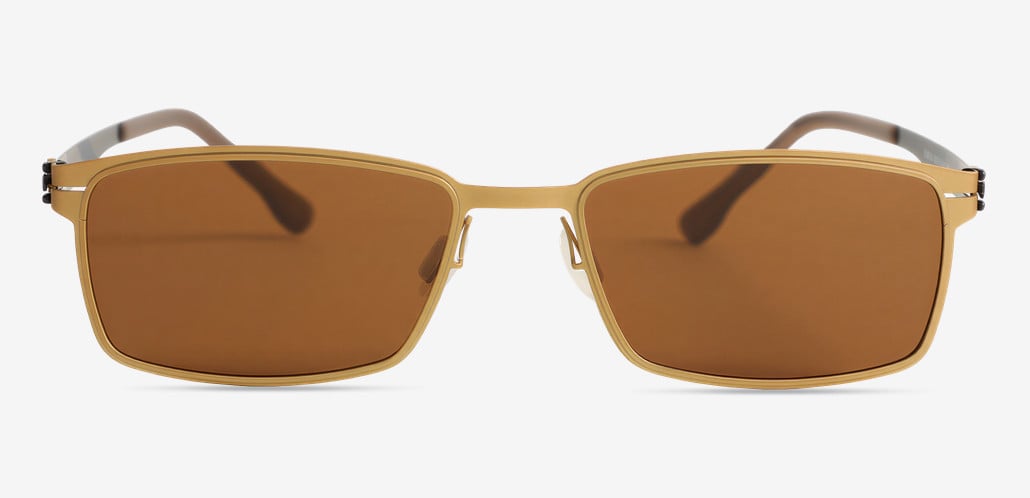
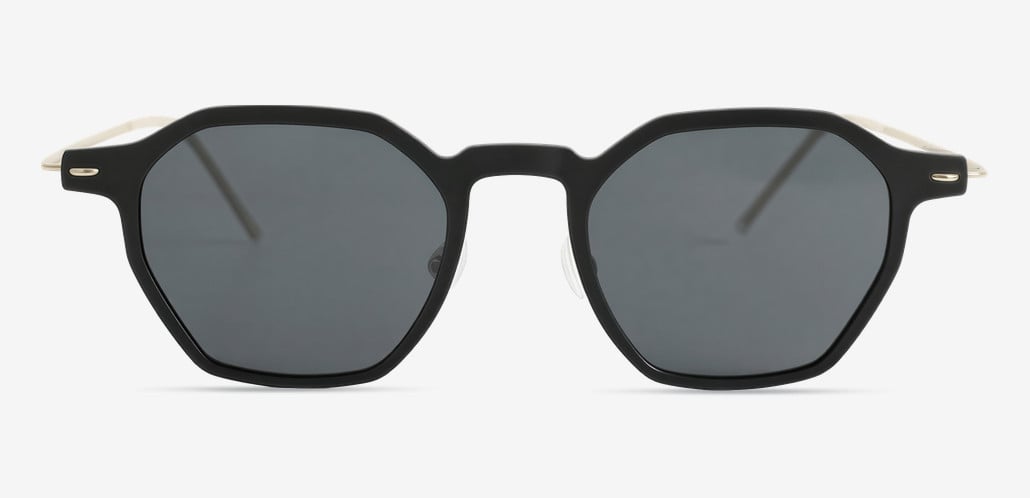
Polarized sunglasses cut the horizontal glare that bounces off roads, water,and snow — so you see sharper and squint less. Every polarized pair below is optician-verified, genuinely polarized (not just tinted), and blocks 100% of UV. Choose from 32 frames across six shapes, add your prescription if you need it, and try any pair on virtually before you buy. Polarized styles start at $21.
How Polarized Lenses Work,Sunlight scatters in every direction — until it hits a flat surface like a wet road, a lake, or a car hood. Then it bounces back as concentrated horizontal light: glare. A polarized lens has a built-in filter that blocks that horizontal light while letting the rest through. The result isn't just 'darker'— it's cleaner. Edges look crisper, water stops being a mirror, and your eyes work less to make sense of a bright scene.
How to Tell If Your Polarized Sunglasses Are Actually Polarized,A lot of cheap 'polarized' sunglasses are just tinted — same dark look, none of the glare control. Here's a 10-second test you can do with any pair:Look at an LCD screen (your phone, a laptop, an ATM) through the lenses, then slowly rotate the glasses about 60–90°. If the lenses are truly polarized, the screen will visibly darken — sometimes going almost black — at a certain angle.A tinted-only lens won't change at all. You can also look at glare off a window or a car windshield and tilt your head; real polarization makes the glare fade.At Aoolia, you don't have to run the test — but you can. Every frame on this page is optician-verified and built with genuinely polarized lenses, not a tint pretending to be one. That's the whole point of buying polarized from someone who checks.
When Polarized Helps — and When to Skip It,Polarized isn't 'always better.' It's better for specific situations — and occasionally worse. Being straight about it is the easiest way to make sure you buy the right pair.Reach for polarized when you:Drive in daytime glare or commute into low sun,Spend time on or near water — boating, fishing, the beach,Are light-sensitive or get tired eyes in bright conditions,Are out in snow on a bright day,Think twice about polarized when you:Need to read LCD screens often — car dashboards, some phone displays, and cockpit/marine instruments can dim or distort through polarized lenses,Downhill ski or ride and rely on spotting icy patches (glare can be a clue)Just want everyday city shades and aren't bothered by glare — standard UV400 tinting protects your eyes for less If your day is mostly screens and city sidewalks, a non-polarized UV400 pair is the honest pick. If glare is part of your life, polarized earns its keep.
Read More
Frequently Asked Questions About Polarized Sunglasses
Do polarized sunglasses block UV?
Polarization and UV protection are two different things. Polarization cuts visible glare; UV protection blocks invisible UVA/UVB rays. A lens can be one without the other — but every Aoolia pair blocks 100% of UV regardless.
When should I NOT wear polarized sunglasses?
When you rely on LCD screens (car dashboards, some phones, cockpit or marine instruments), since they can dim or shift through polarized lenses. Some skiers also skip polarized to keep spotting icy patches. For everyday city wear,standard UV400 tinting is a fine, lower-cost choice.
Can I get polarized lenses in my prescription?
Yes. Most frames here can be made into single-vision, bifocal, or progressive prescription polarized sunglasses. Upload your Rx at checkout; pairs typically ship in 7–10 business days.
Are polarized sunglasses worth it at $21?
If glare is part of your day — driving, water, bright light — yes. The reason cheap polarized usually isn't worth it is that it's often fake polarized.Ours is optician-verified, so you get real glare control at an honest price instead of a tint pretending to be polarized.


