





















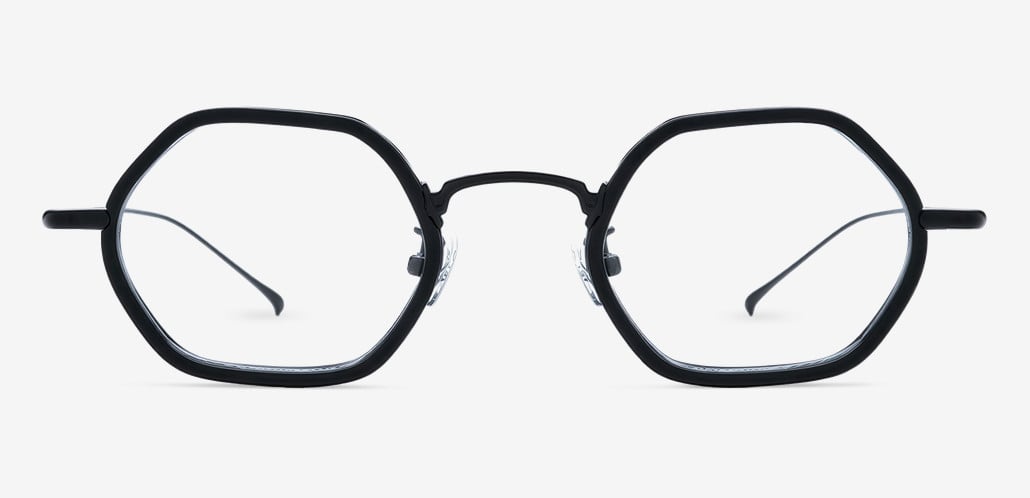

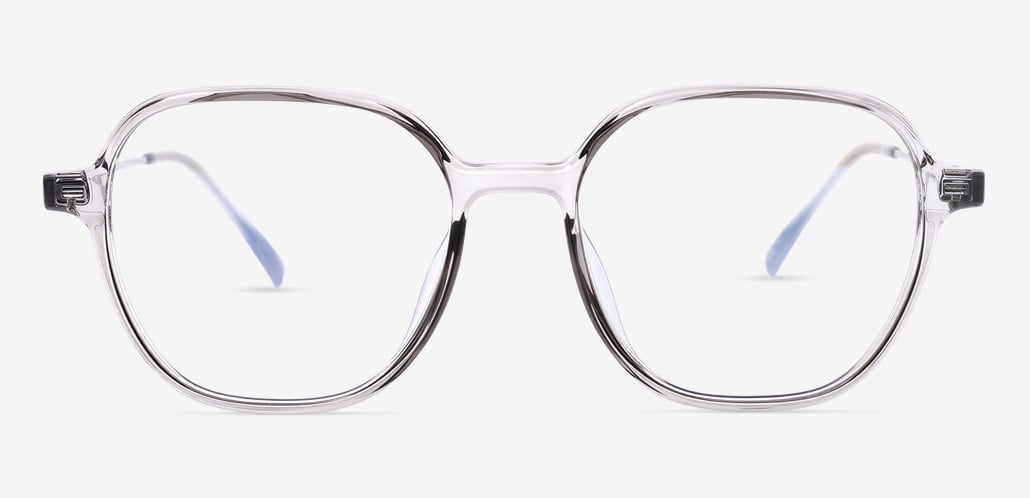

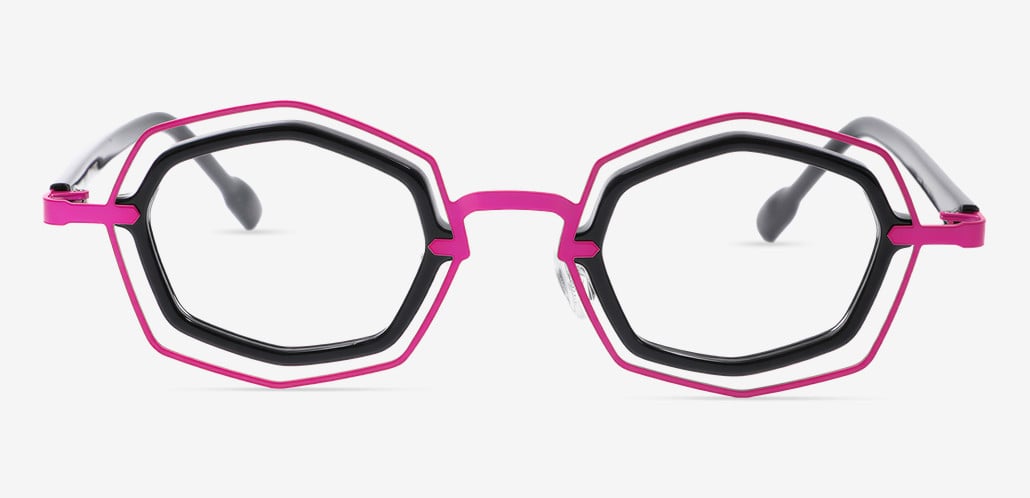

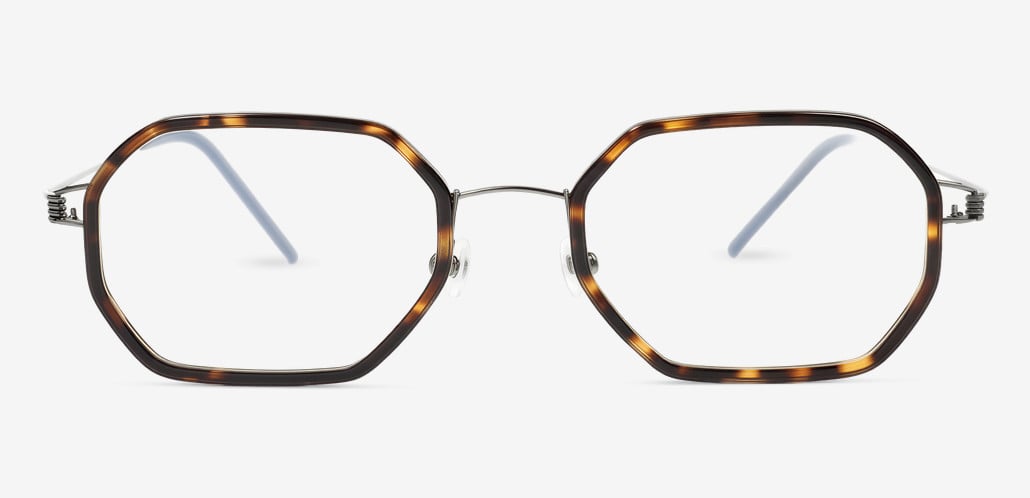


Unique Glasses Frames
Unique Angular and Freeform Glasses Frames
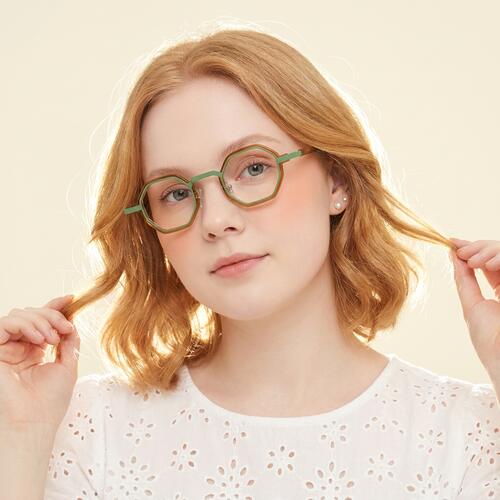
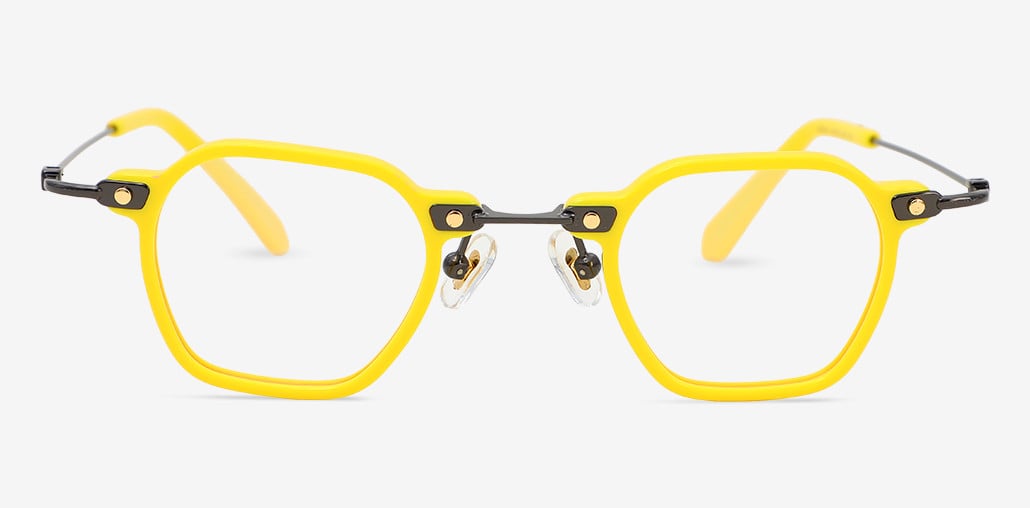
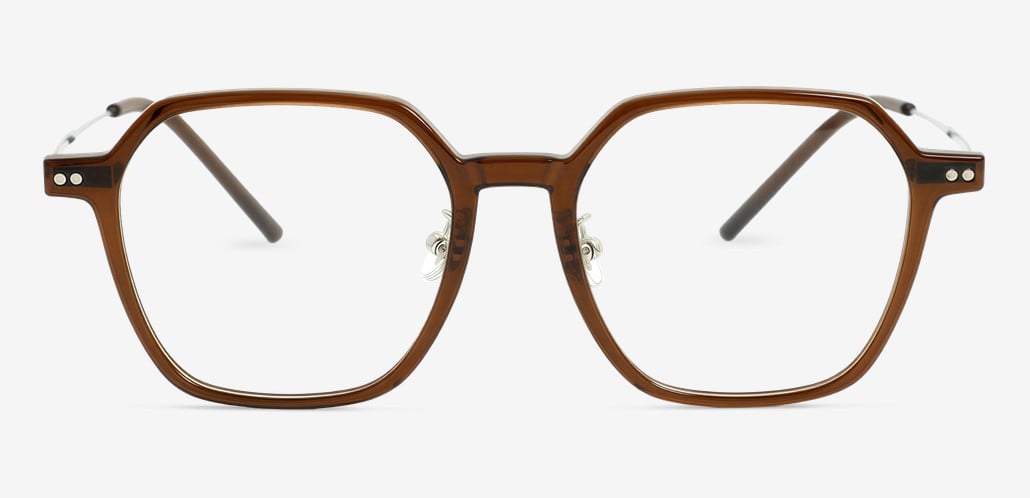
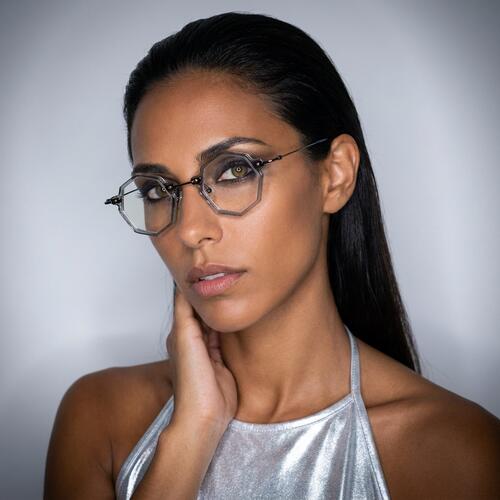
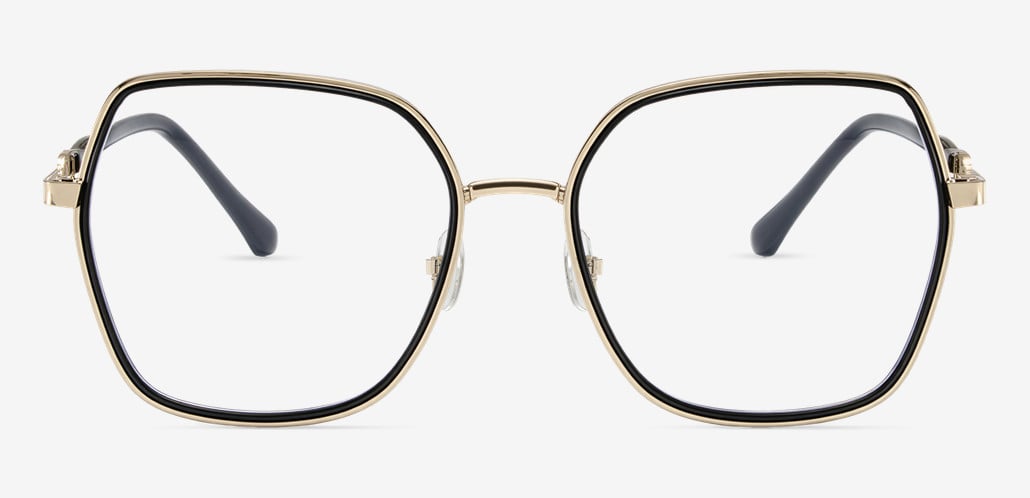
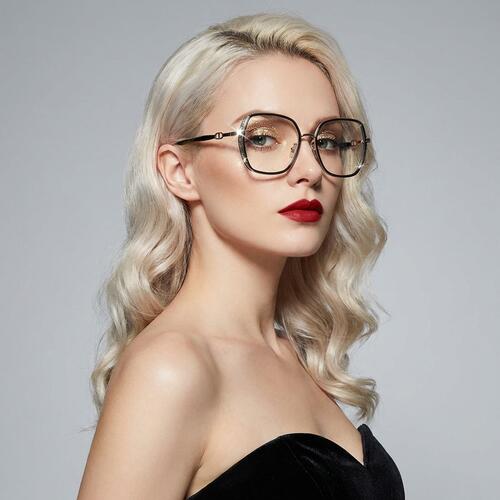
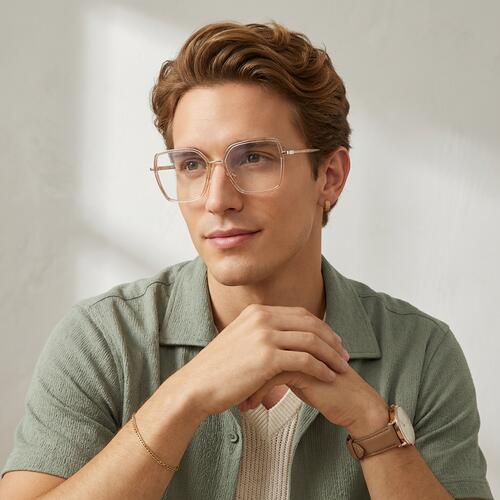
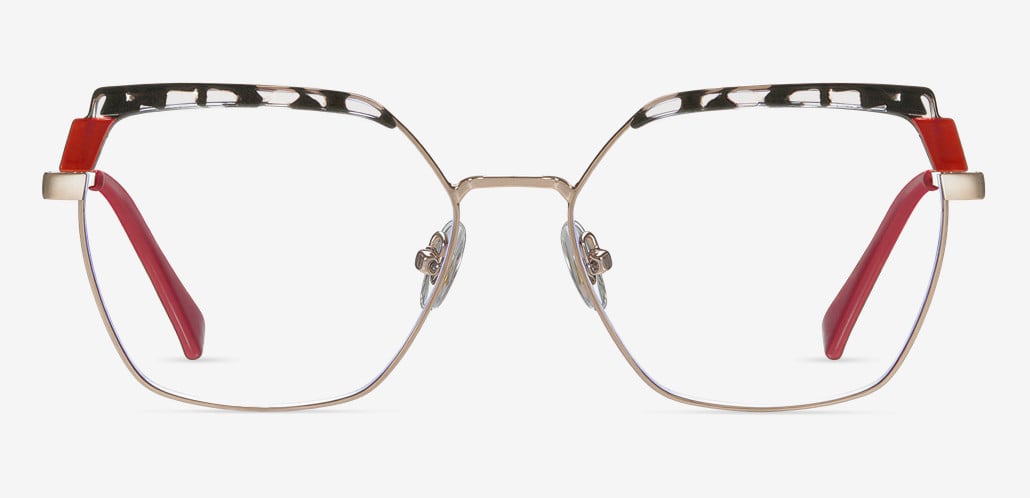
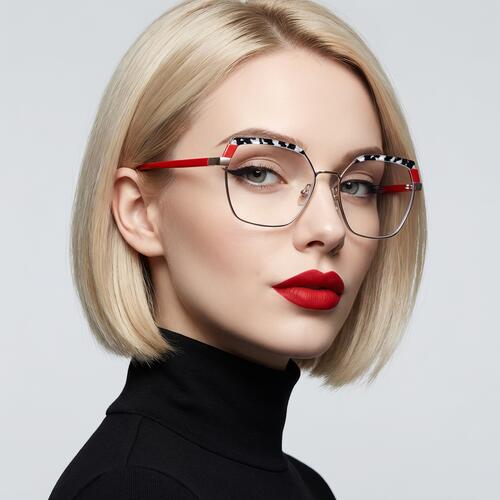
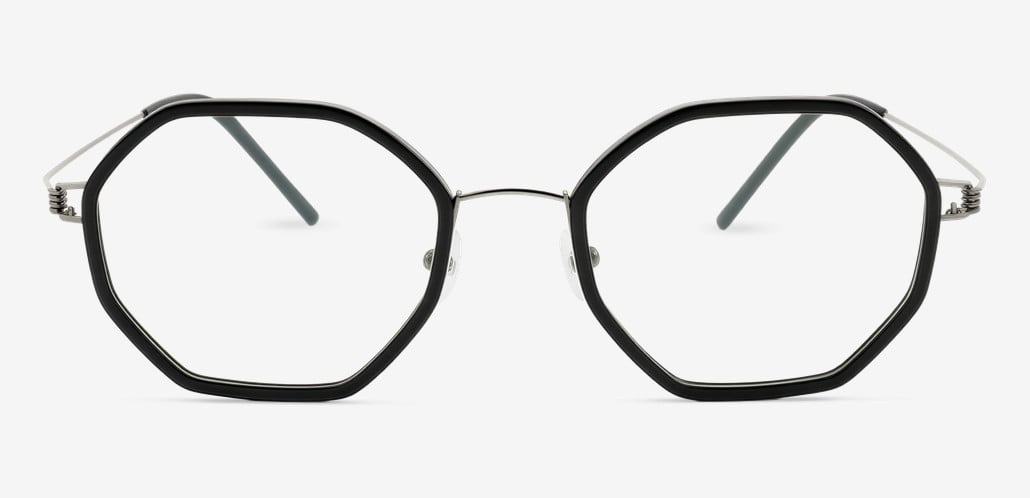
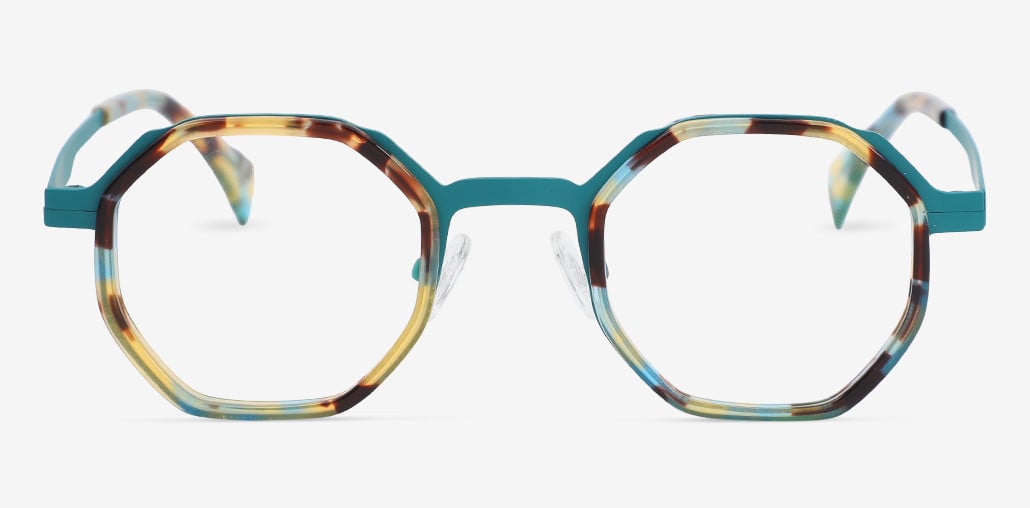
Unique glasses frames with angles where you’d expect curves. Every pair here changes the outline, not just the color—many-sided, angular and freeform shapes, each tagged by the everyday shape it twists. Pick the shape you wear now, then use Try On to see the unique version on your face.
What Are Unique Glasses Frames?
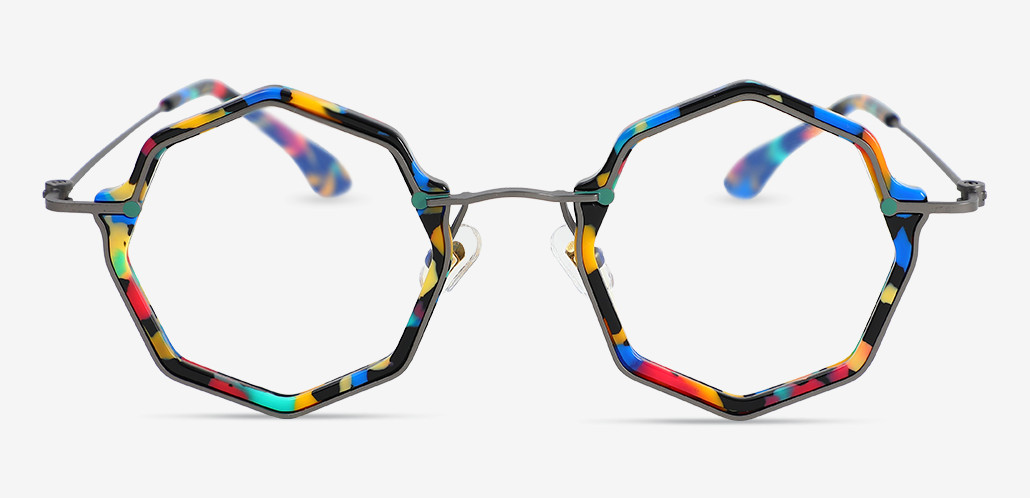
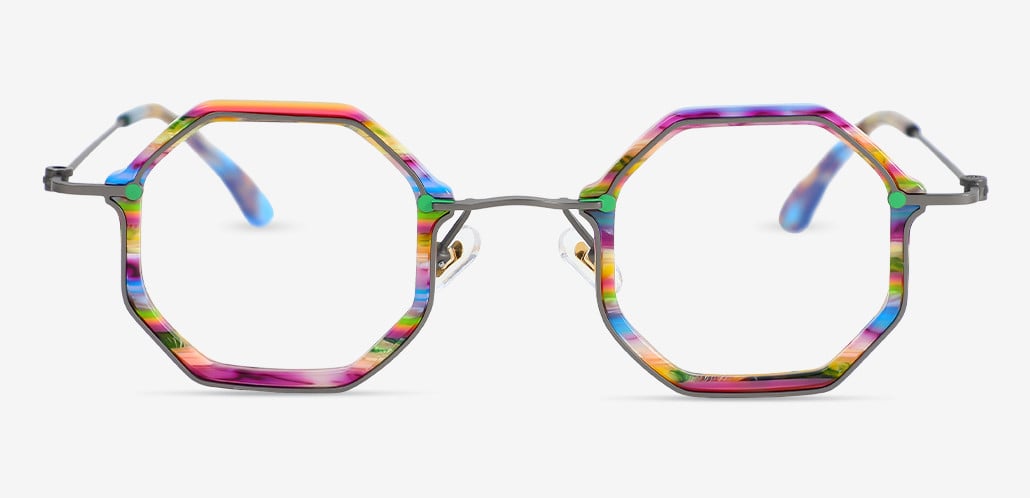
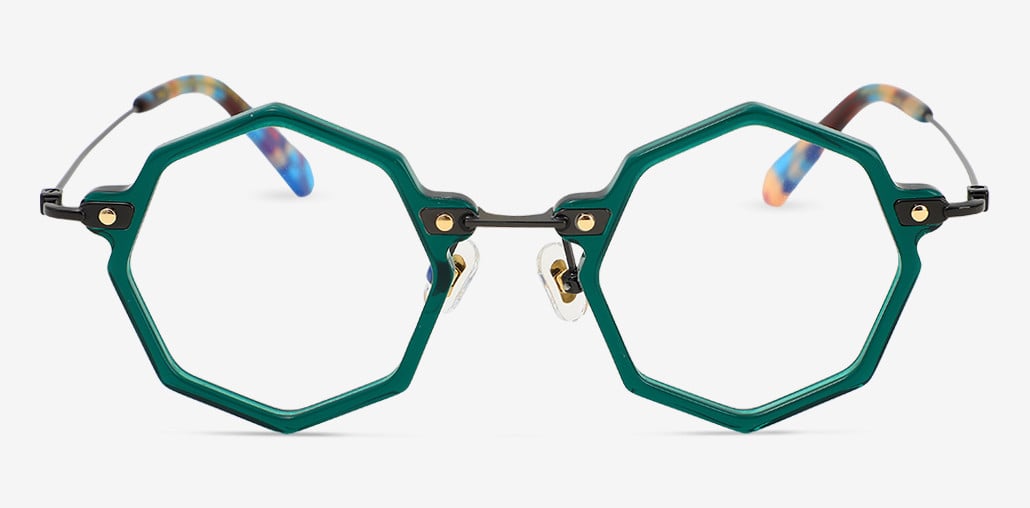
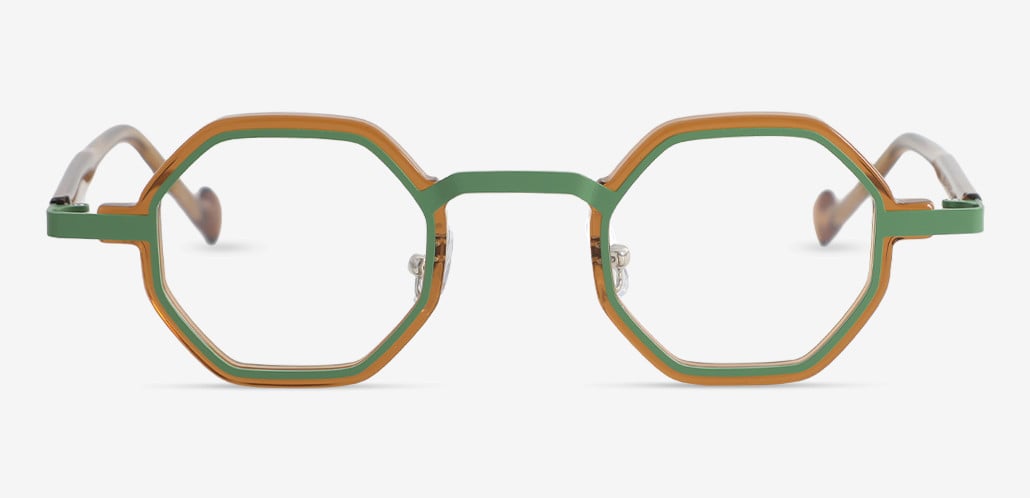
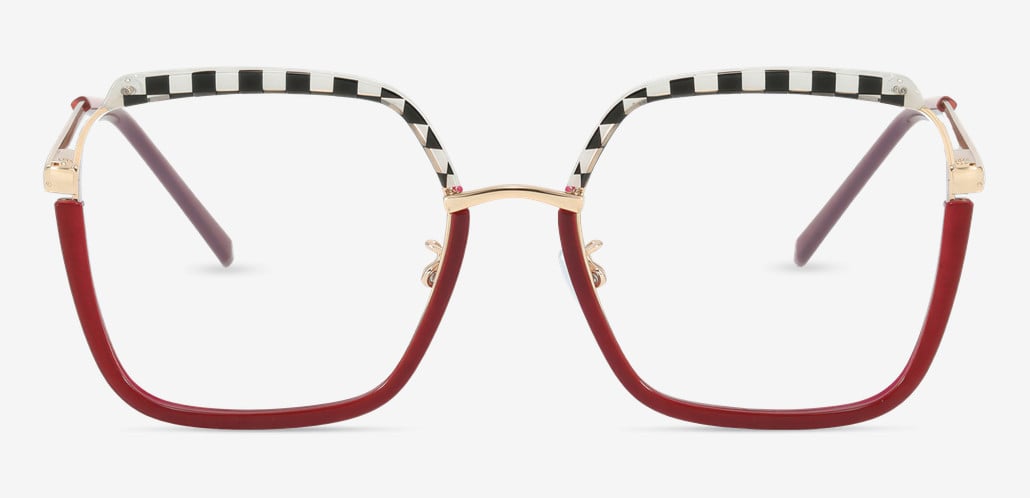
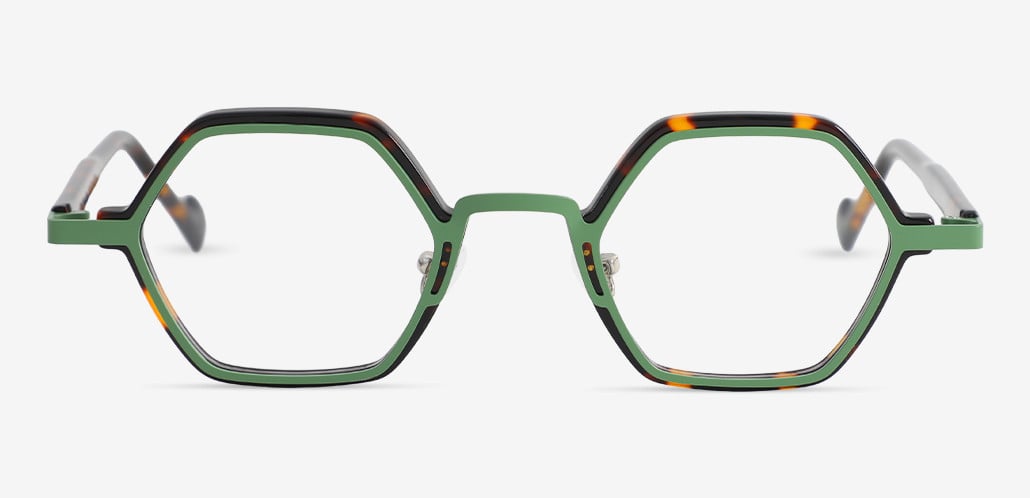
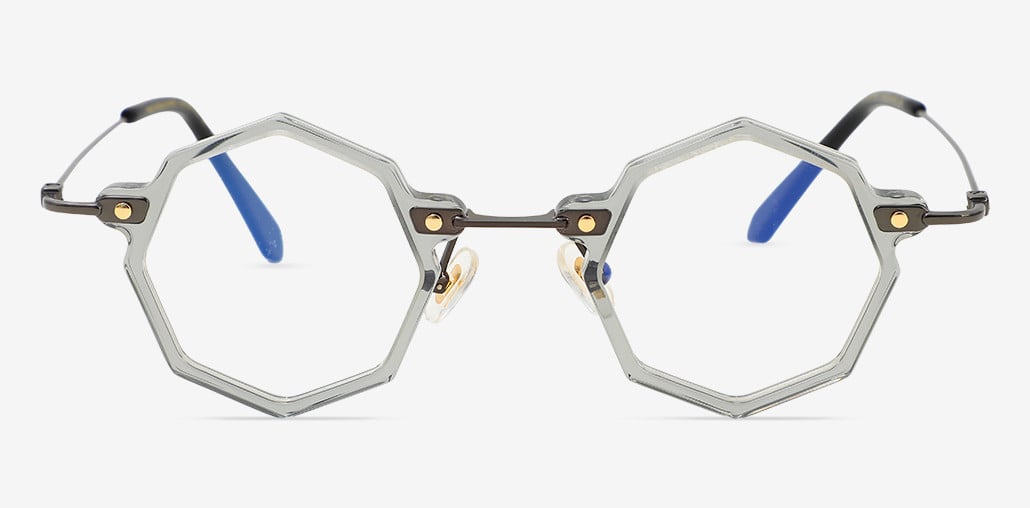
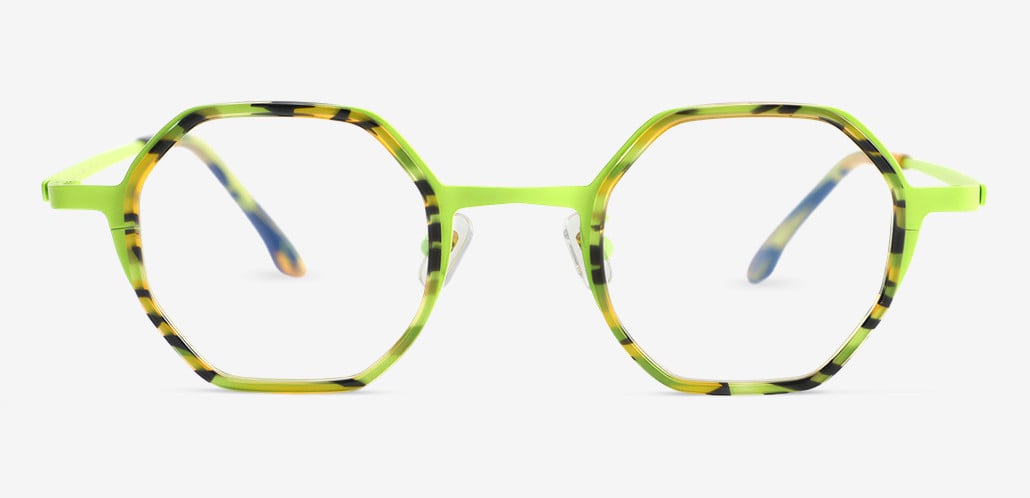
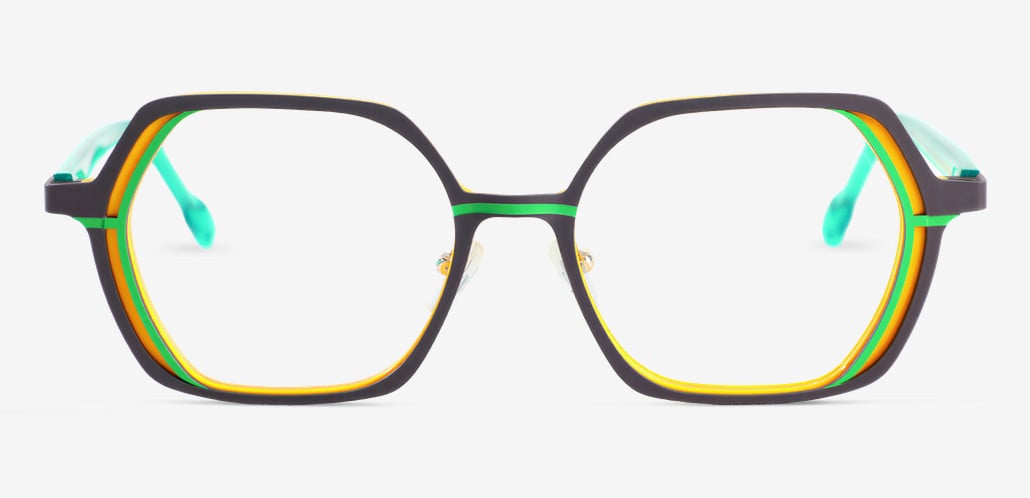
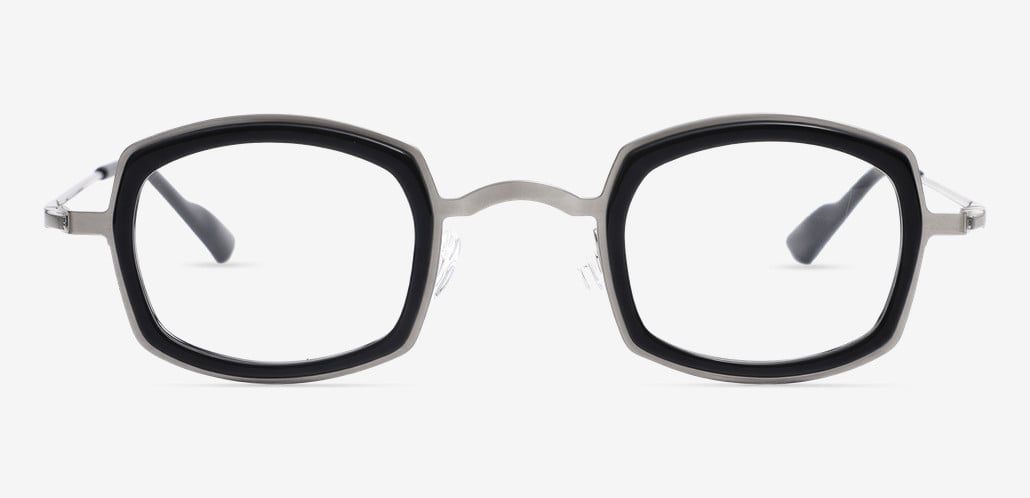
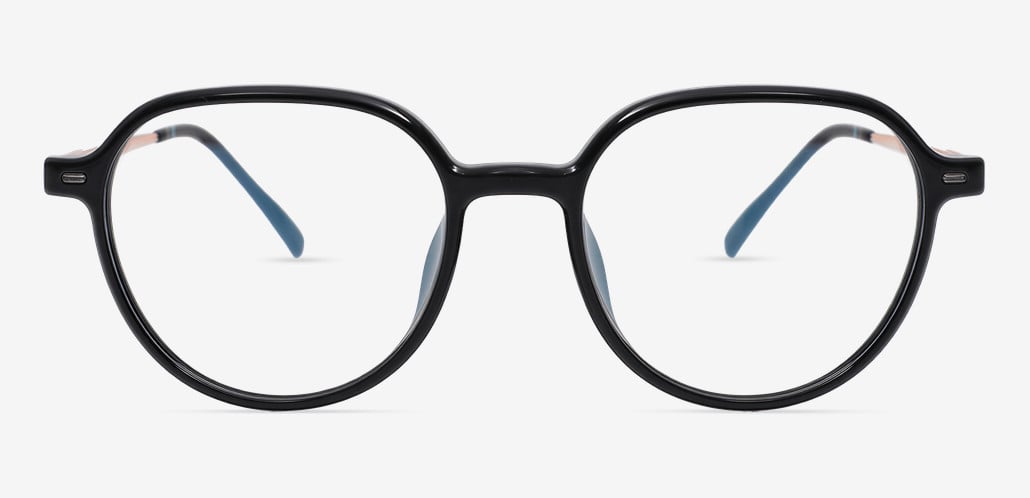
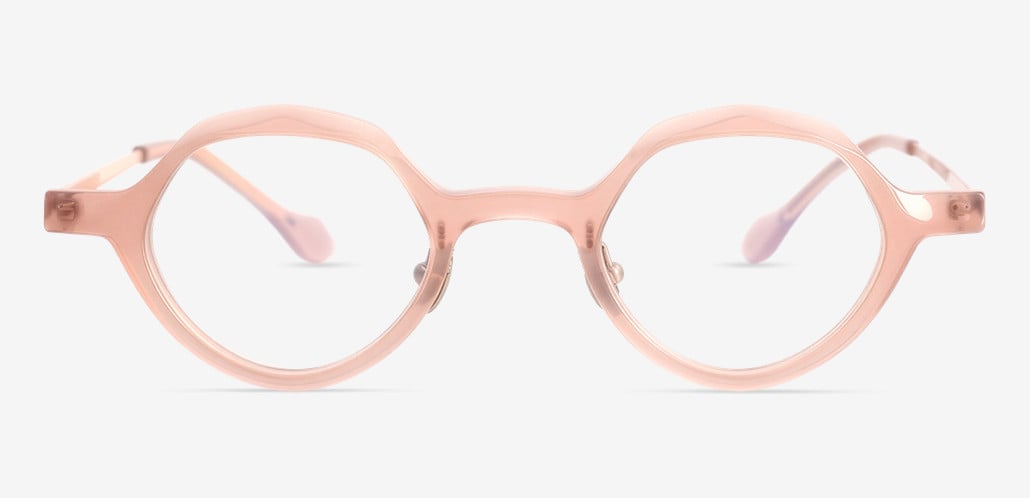
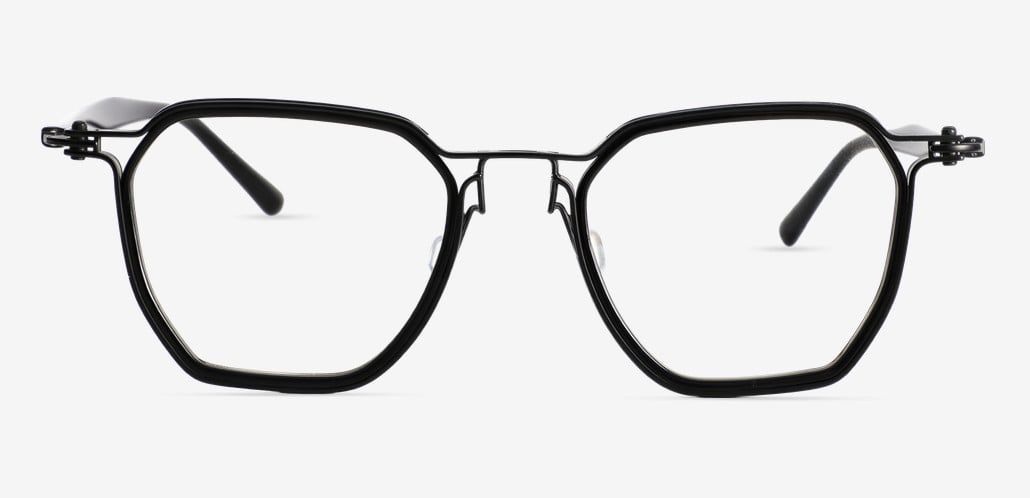
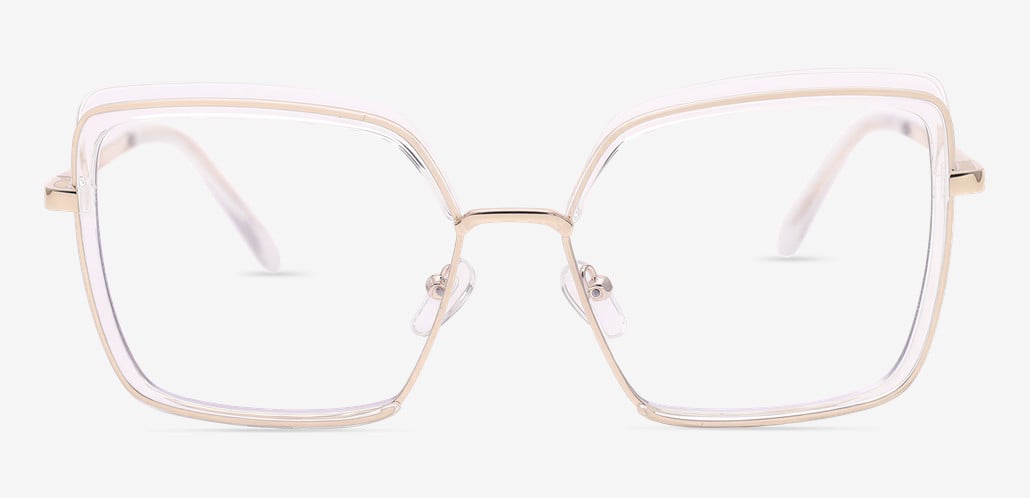
Unique glasses frames are eyeglass frames whose lens outline steps outside the six everyday shapes: round, oval, rectangle, square, cat-eye and aviator. At Aoolia, that mostly means geometric frames. Think outlines built from five or more straight sides, corners cut where you’d expect a curve, or straight and curved edges combined in a way no standard shape uses.Color alone doesn’t make a frame unique here. A red rectangle is a colorful rectangle, and you’ll find those in our Colorful Glasses. On this page, the outline has to change.The Aoolia Unique Rule,A frame joins this collection when its lens outline meets at least one of these:It has five or more distinct sides.It is four-sided, but with corners cut off or pushed out.It mixes straight and curved edges in a way none of the six everyday shapes do.Frames that are classic shapes in bold colors or patterns live in our color-led collections instead. That keeps this page about one thing: shape.
The Shape Bridge: Find the Unique Version of the Shape You Already Wear
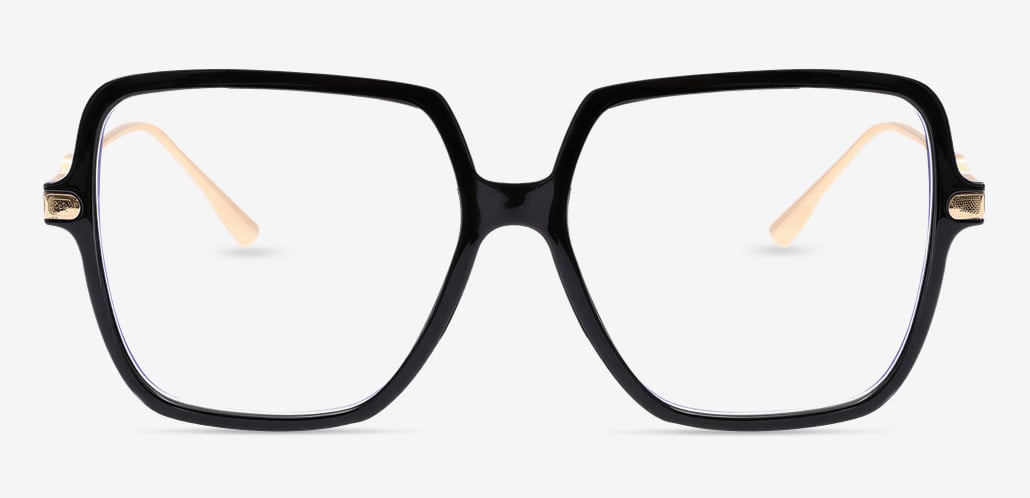
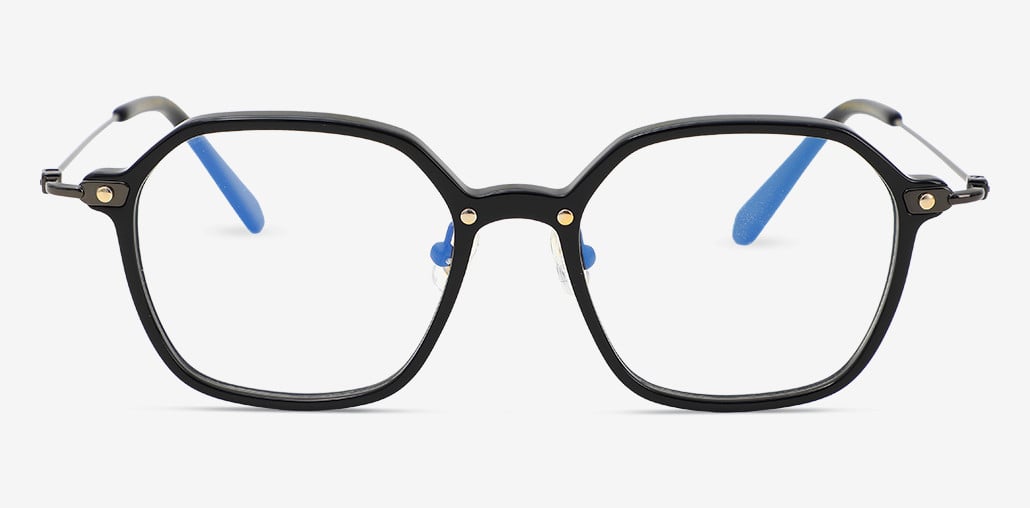
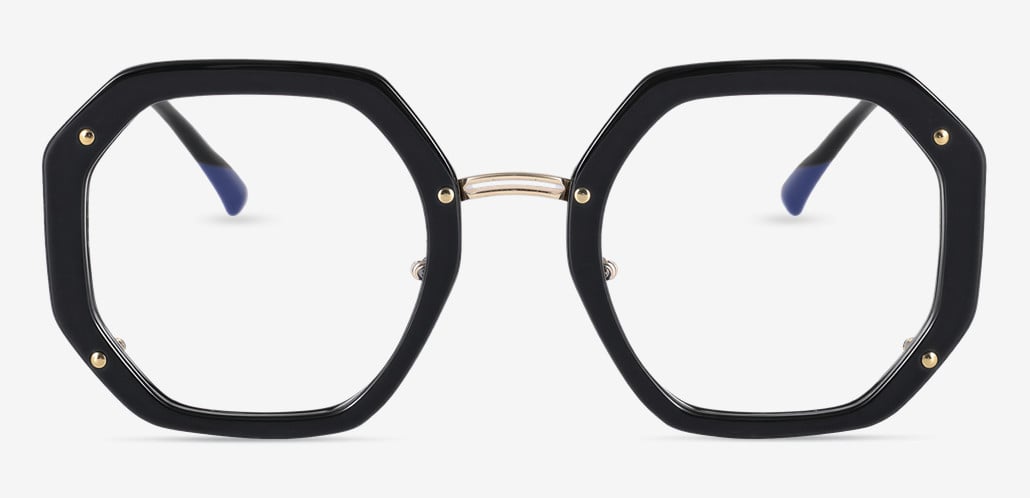
Most people looking for unique glasses frames already own a pair that works for their routine. The easiest way in is to keep that pair’s basic outline and change how it’s drawn. Every frame on this page carries one Shape Bridge tag.Round Twist: Many short, straight sides. From across a room it reads as round; up close, the flat sides show. A natural next step if you wear round or oval frames now.Square Twist: Fewer, longer sides with the corners cut off or pushed out. It keeps the solid, level look of a square or rectangle frame while losing the right angles.Cat-Eye Twist: An angular outline with the outer top corner lifted. It keeps the upswept line of a cat-eye frame but builds it from straight edges instead of one sweeping curve.Freeform: No everyday parent shape. Uneven sides, straight edges meeting curves, or a top and bottom that don’t mirror each other. Best if you’ve worn bold frames before and want the shape itself to be the point.One rule of thumb: the more sides an outline has, the closer it looks to a circle; the fewer sides, the sharper it reads. If a Square Twist feels too sharp in Try On, a Round Twist is the softer step between the two.
Inside Line, Outside Line: Where the Angle Is Built
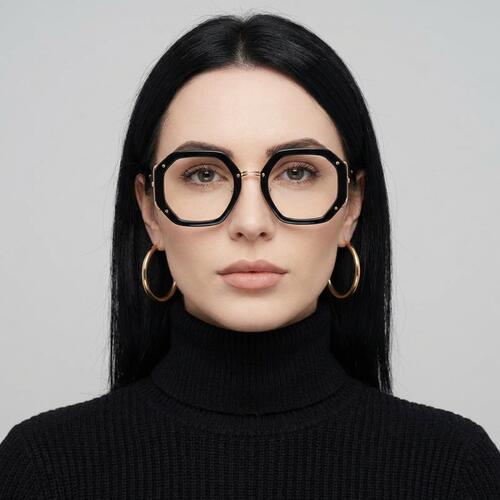
Every frame has two outlines. The outside line is the outer edge of the frame front. The inside line is the opening that holds the lens. On most everyday frames, the two match. On unique glasses frames they often don’t, and where the angle sits decides how loud the frame looks.Outside Angle: An angular outer edge around a softer lens opening. This is common on thicker acetate fronts, where there’s enough material to carve facets around a familiar lens shape. The silhouette is bold, while the opening you look through stays a gentle curve.Full Angle: The inside and outside lines share the same corners. This is typical of slim and metal rims, which follow the lens closely, so the shape has to come from the lens itself. It looks crisp from every distance.Inside Angle: A soft outer edge around an angular lens opening. The twist shows mostly at conversation distance, which makes it the quietest way to wear a unique frame.How to check: on the front product photo, trace the inner edge and the outer edge separately. If only one of them has corners, you know which line carries the angle.
How to Choose Unique Glasses Frames in Four Steps
1.Pick your bridge. Look at the frame you wear most and choose the matching Shape Bridge tag: Round Twist for round or oval, Square Twist for square or rectangle, Cat-Eye Twist for cat-eye. Pick Freeform if you’re ready to skip the parent shape altogether.2. Set the volume with the line. Outside Angle gives the boldest silhouette, Full Angle the crispest edges, Inside Angle the quietest look.3. Match the size to a pair that already fits. Compare frame width, lens width, bridge width and temple length on the product page with the numbers printed on your current frame’s temple.4. Try it on twice. Look once straight on and once with your head turned slightly, because the outer corners are what people see from the side. Screenshot both and compare them next to your current pair.
See Unique Glasses Frames on Your Face Before You Order
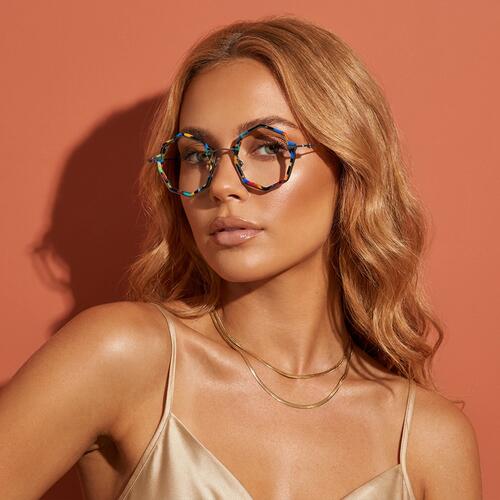
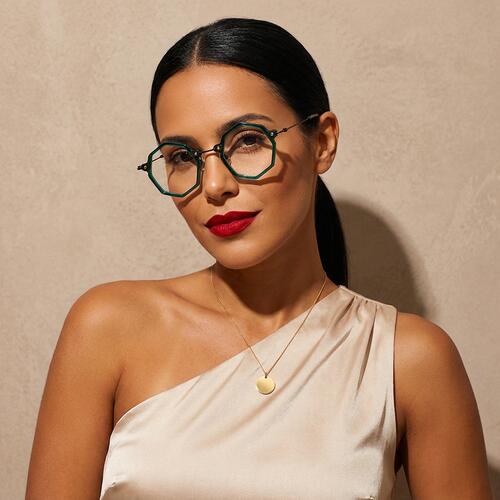
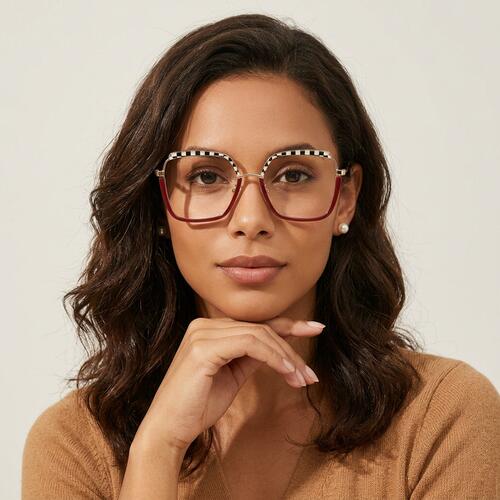
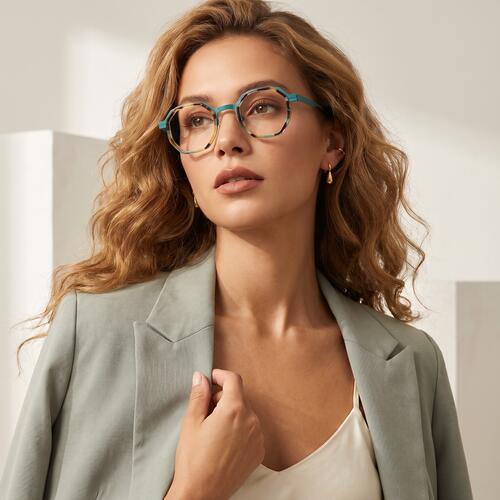
Look for the Try On or AR Try-On label on each frame to see it on your face in real time through your phone or laptop camera. A good way to use it with unique glasses frames: try the bridge that matches your current shape, then try its neighbor. That might be a Round Twist and a Square Twist, or a Cat-Eye Twist and a Freeform. Seeing the two side by side usually settles which one feels like you. Once you’ve picked a frame, choose your lenses on its product page.
Unique Glasses Frames: Frequently Asked Questions
What counts as a unique glasses frame?
At Aoolia, a unique glasses frame is one whose lens outline differs from the six everyday shapes (round, oval, rectangle, square, cat-eye and aviator). It might have five or more sides, cut corners, or a mix of straight and curved edges. A classic shape in a bright color doesn’t qualify on its own.
Can I wear unique glasses frames every day, including at work?
Yes. The Shape Bridge helps here: a Round Twist or Square Twist keeps the overall outline of a shape you already wear, so it fits into everyday settings. For the quietest version, choose an Inside Angle frame, where the twist shows mainly up close.
Which unique frame looks most familiar if it’s my first one?
Start with the Shape Bridge tag that matches your current frame. If you wear round or oval glasses, try a Round Twist. Its many short sides read as round from a distance.
What’s the difference between Outside Angle, Full Angle and Inside Angle?
It’s about where the corners are built. Outside Angle frames are angular on the outer edge, Inside Angle frames are angular at the lens opening, and Full Angle frames are angular on both, which is typical of slim and metal rims.
Can I add my own lenses to unique glasses frames?
Choose a frame, then select your lens option on its product page. The options available for each frame are shown there.