





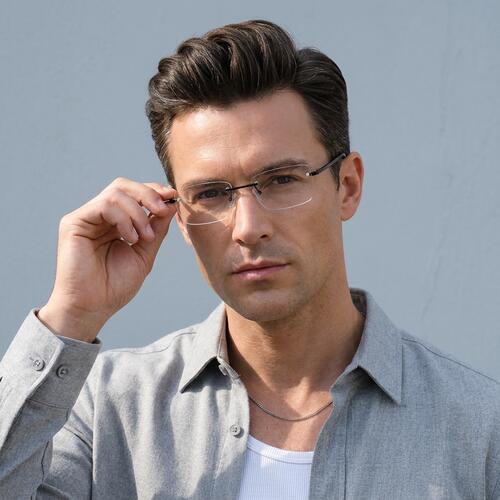
Y2K Glasses: 2000s Frame Shapes, Built for Your Actual Prescription
Y2K Glasses: Questions People Actually Ask
What makes a pair of glasses 'Y2K'?
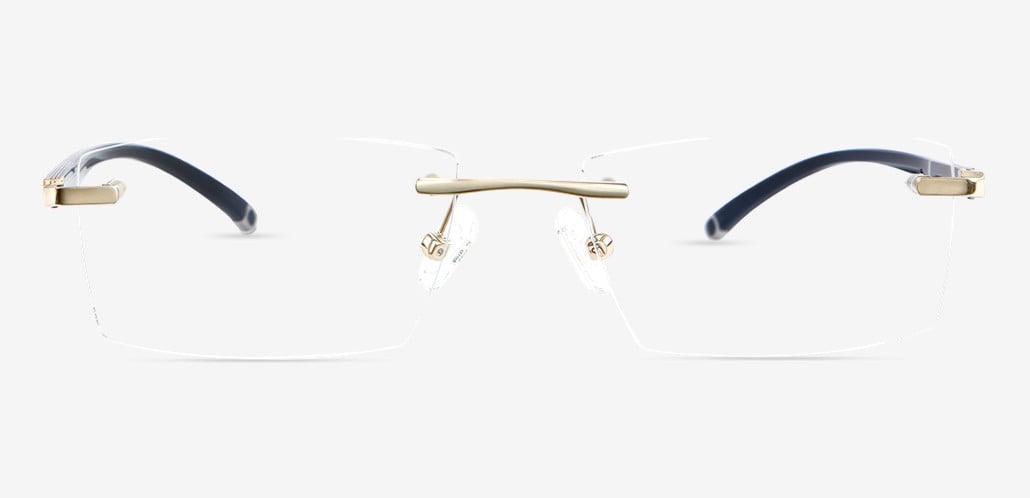
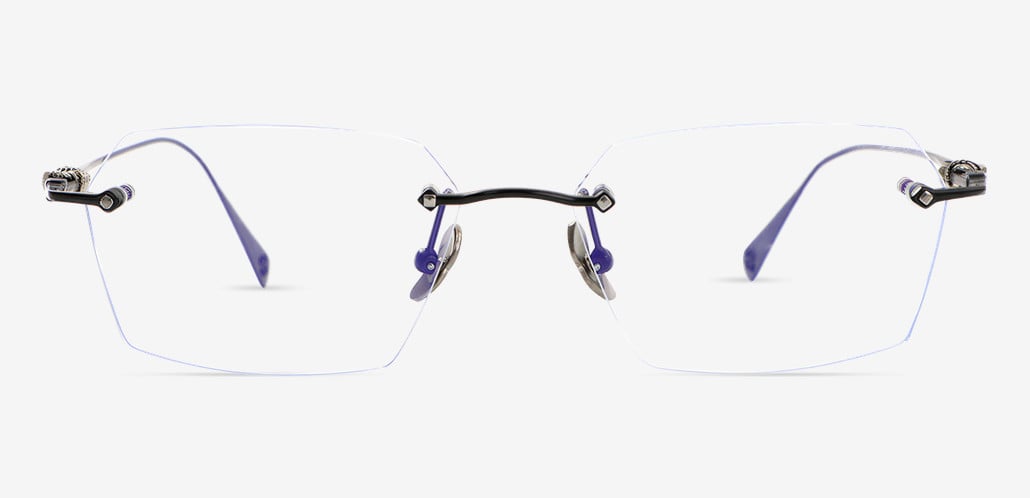
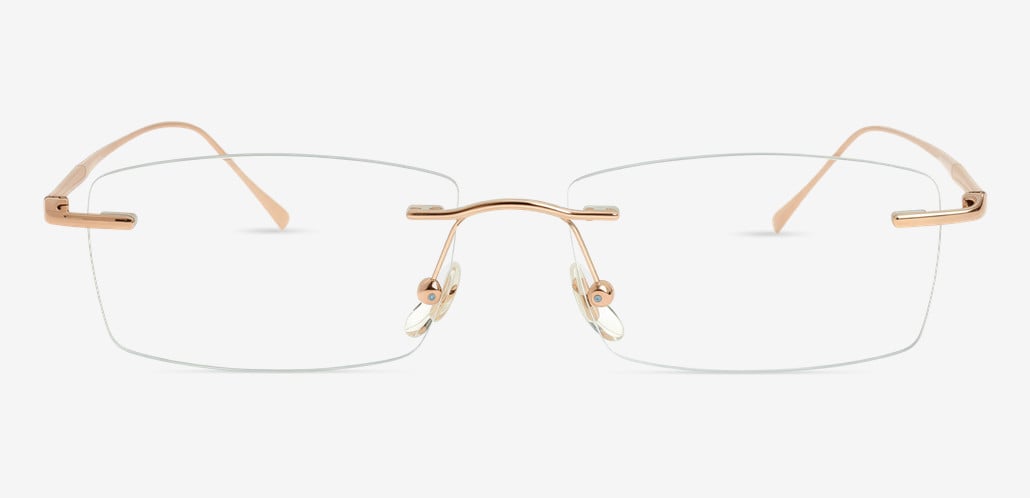
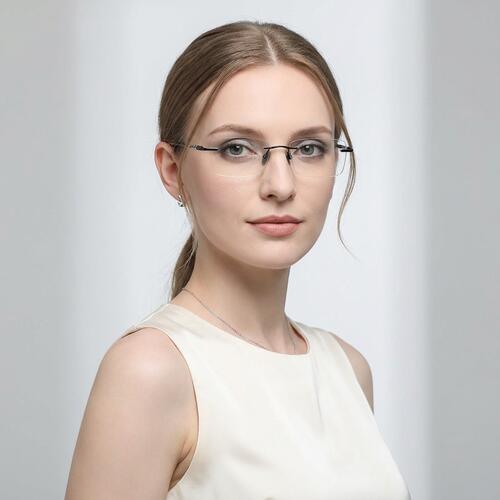
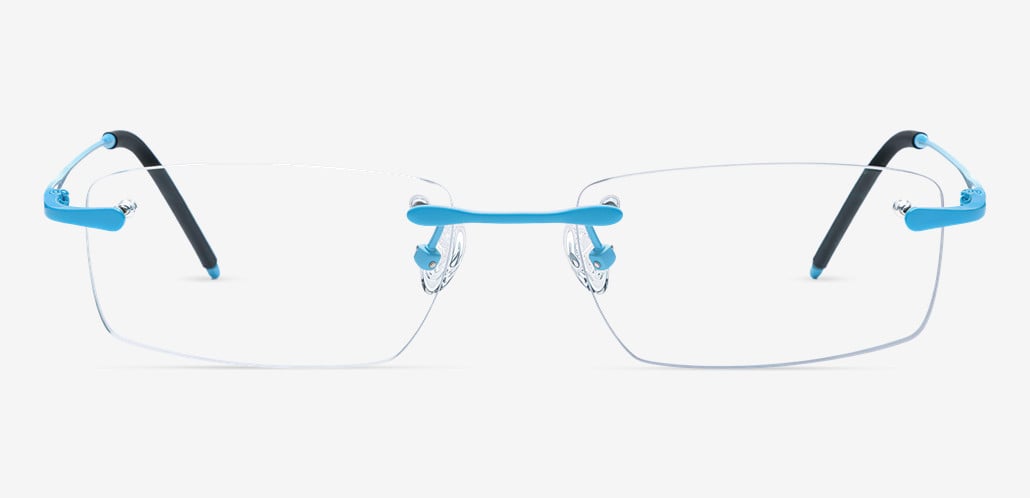
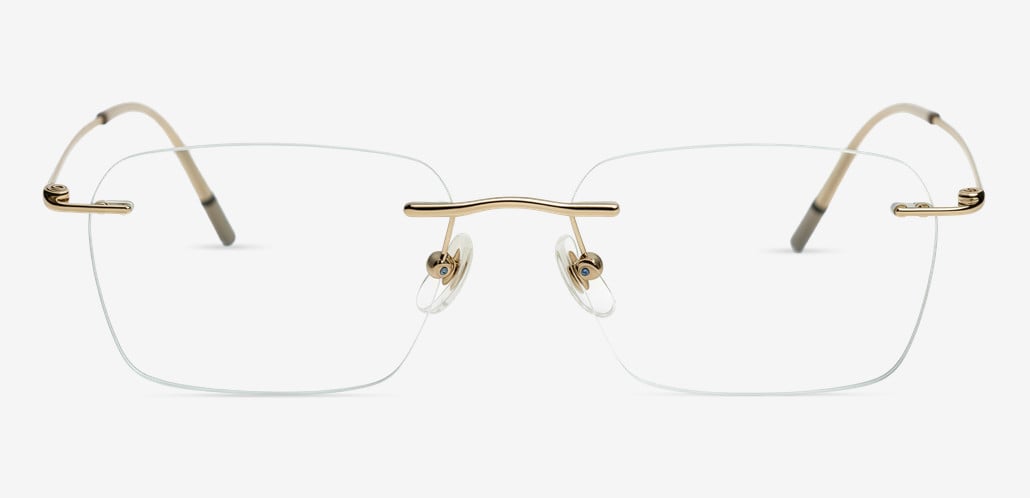
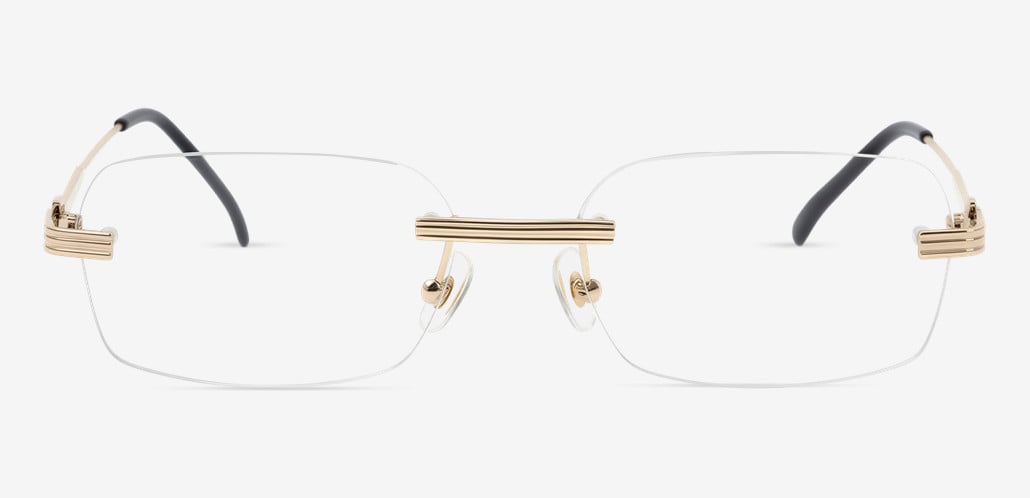
Four things, usually in combination: a small lens, a narrow overall width, a very thin rim (or no rim at all), and hardware in gold, silver, or gunmetal. Shape-wise it's rectangles and ovals rather than rounds or cat-eyes. If a frame is oversized, thick, or heavily tortoiseshell, it belongs to a different decade.
Can I get Y2K glasses with my prescription?
Yes. Every frame on this page is a prescription-ready optical frame. Add your sphere, cylinder, axis, and pupillary distance at checkout and pick single vision, blue light filtering, bifocal, or progressive where the frame supports it. An optician reviews the order before it goes into production.
Are Y2K frames too small for progressive lenses?
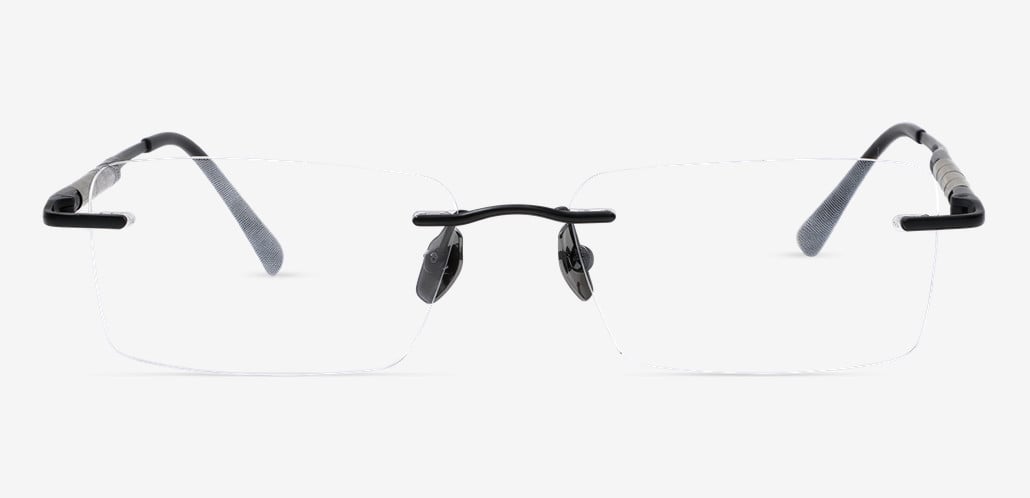
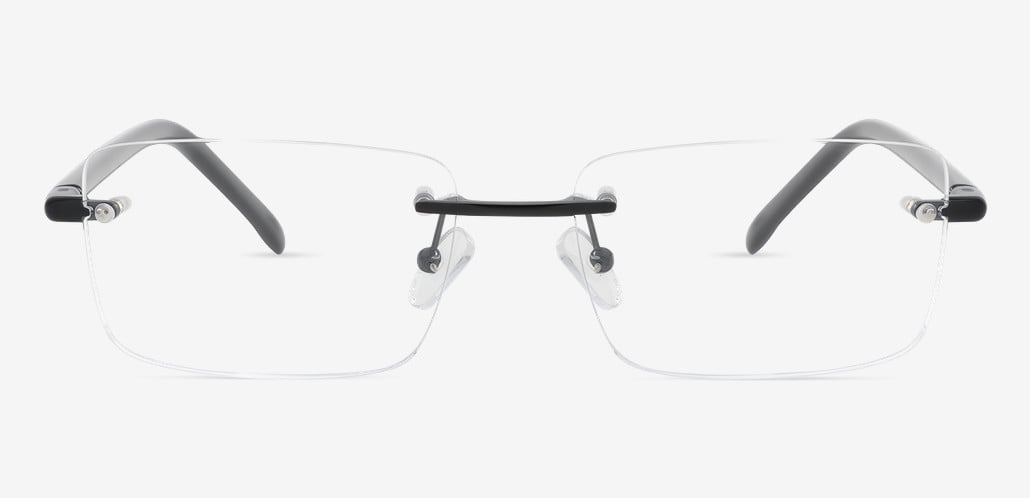
Most of them are, and we'd rather say so than sell you a pair that disappoints. Progressive lenses need roughly 30mm of lens height below the pupil to transition smoothly, and Y2K shapes commonly sit under that. Our Blacked-Out Narrow frames run tallest and are the group to look at if you need progressives. Each product page lists the lens height so you can check.
What's the difference between Y2K glasses and 90s glasses?
90s frames were generally larger and rounder, with thicker acetate and warmer colors. Y2K frames shrank, went metallic, and picked up a futuristic edge — thinner rims, cooler tones, more rimless. The two eras overlap around 1998–2001, which is why some frames read as either.
Do Y2K glasses work for men?
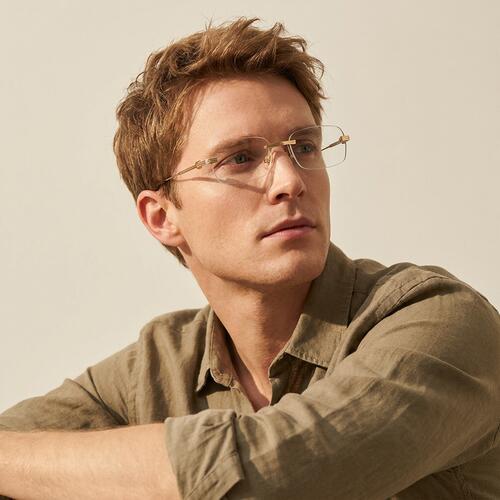
Yes, and the era they come from was largely unisex to begin with. Blacked-Out Narrow and Wire-Thin Rectangle in silver or gunmetal are the two groups that read most masculine. Look for a total frame width of 138mm or more if you have a broader face.