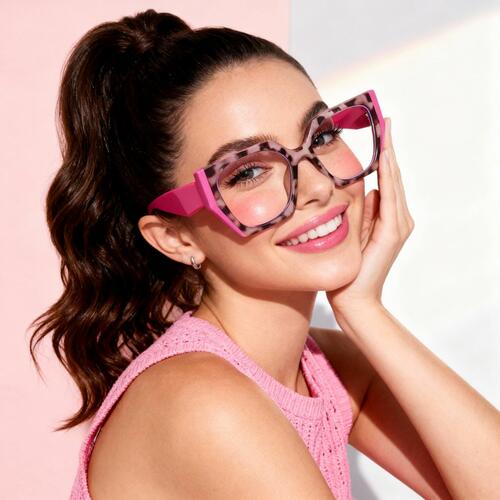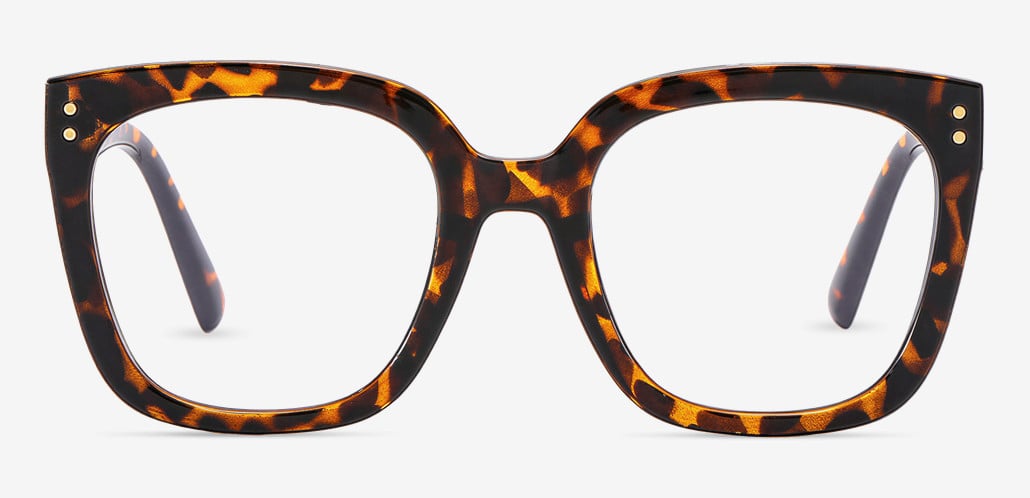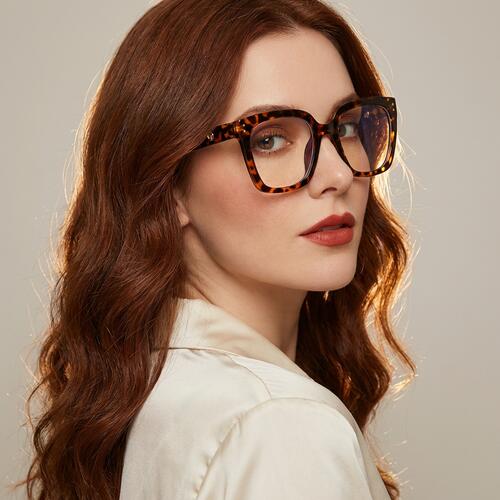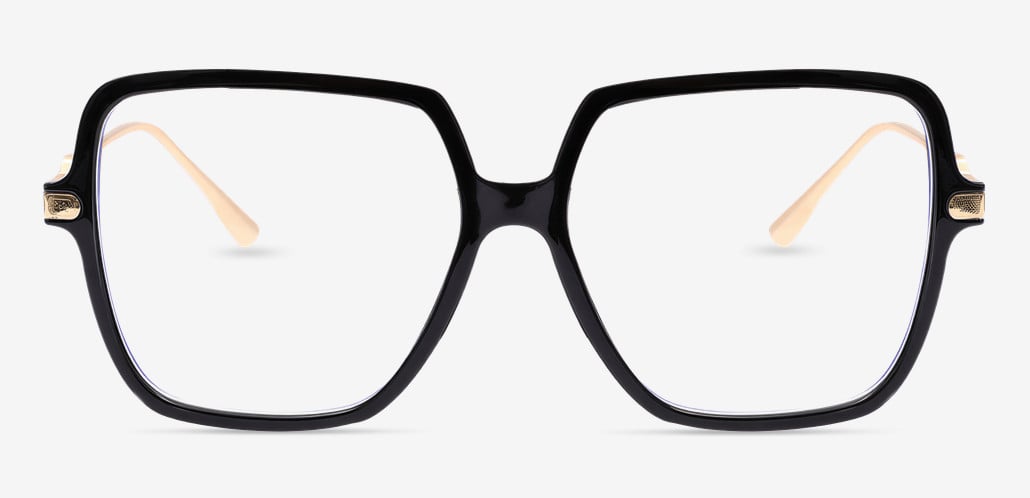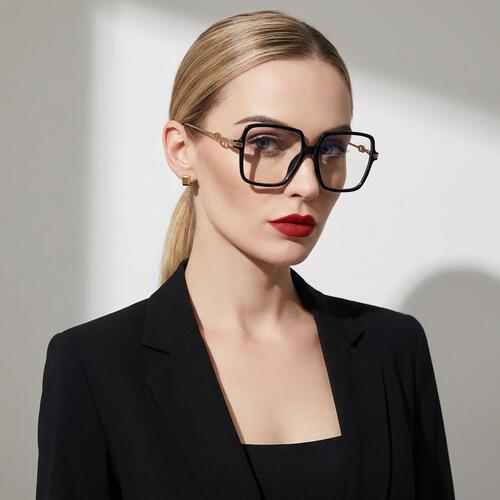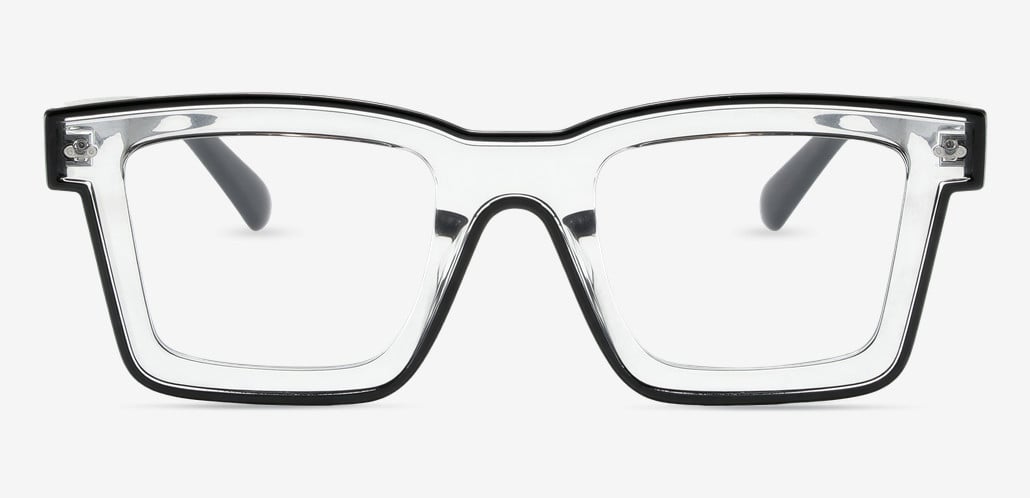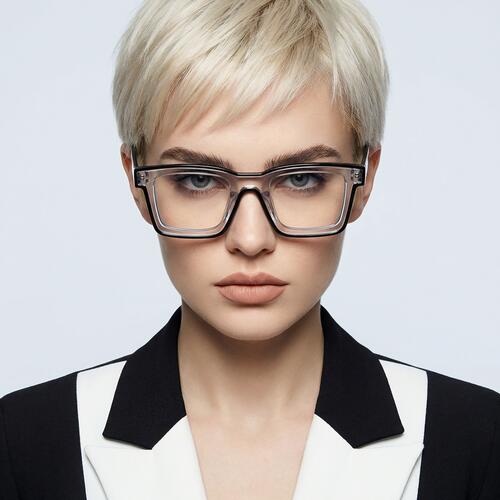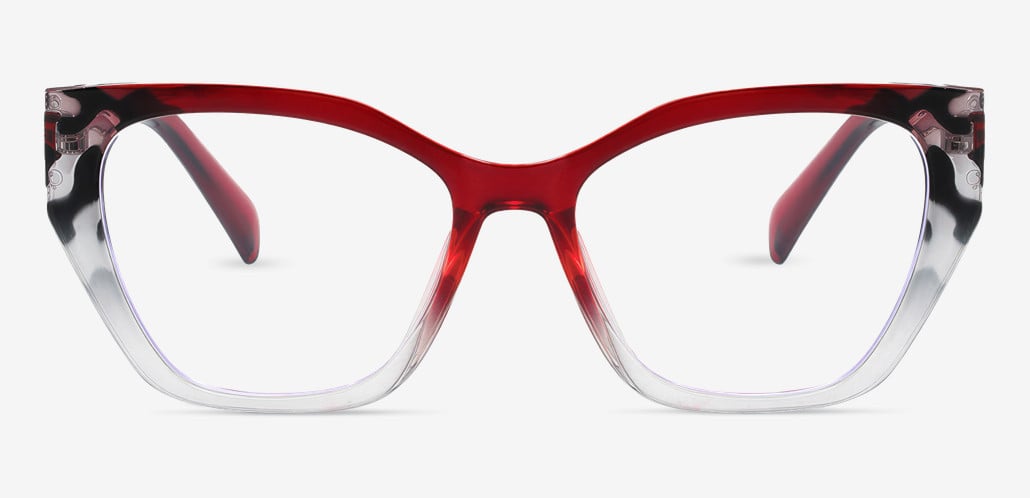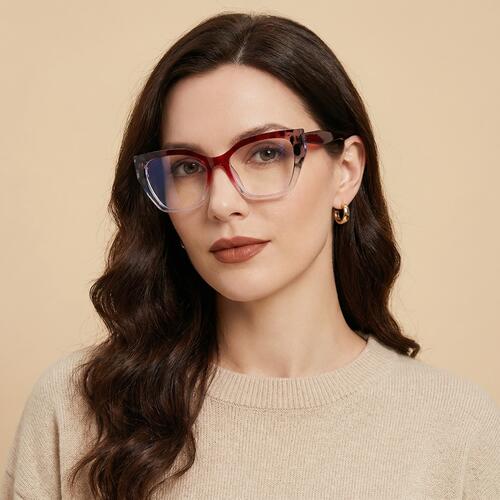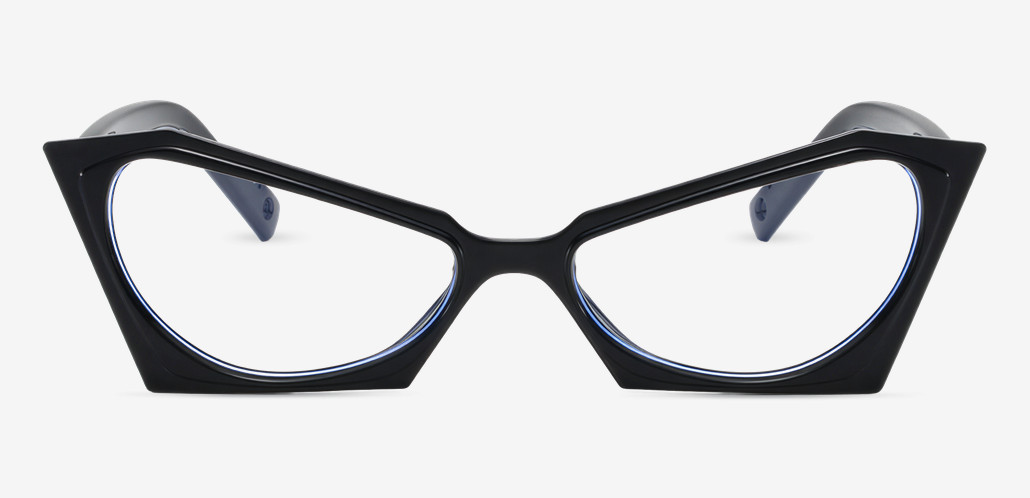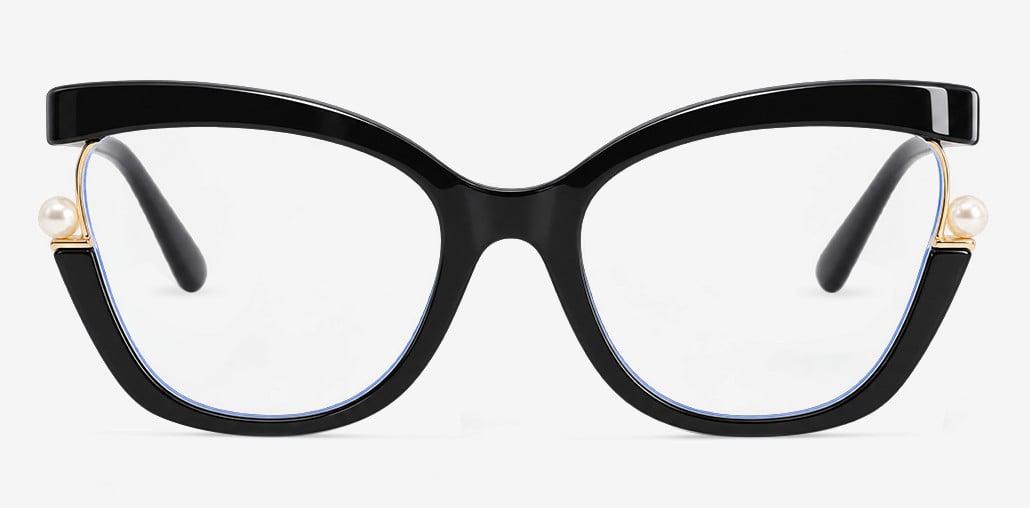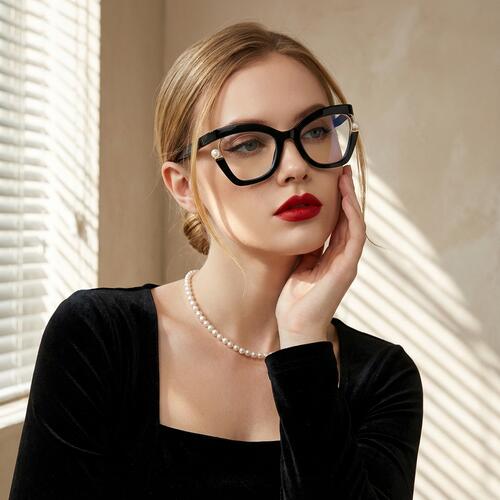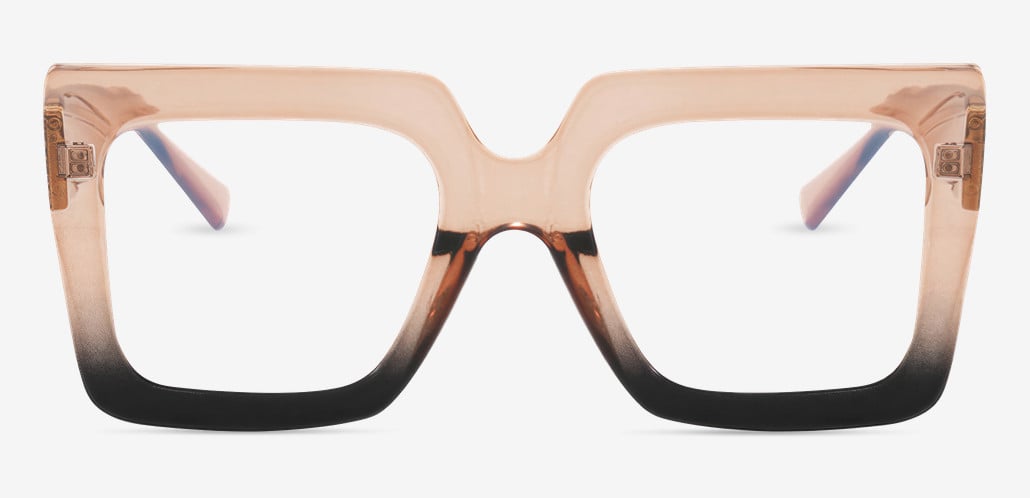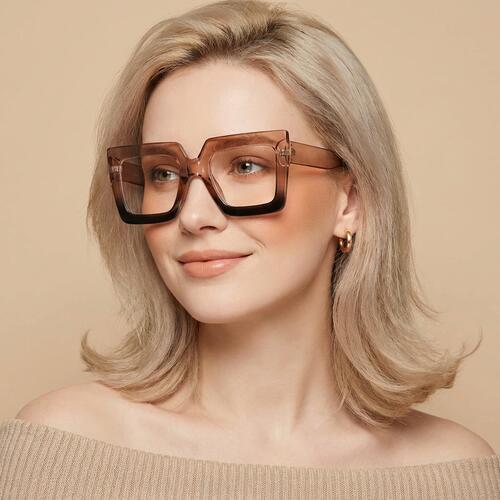

This is the new shape of "high-end" in 2026 — and it's been a long time coming.
If you're in the market for a pair of designer glasses this year, the rules have changed. Knowing what actually makes a frame premium (and what's just a markup) will save you hundreds of dollars and get you a pair that genuinely lasts. Here's everything you need to know.
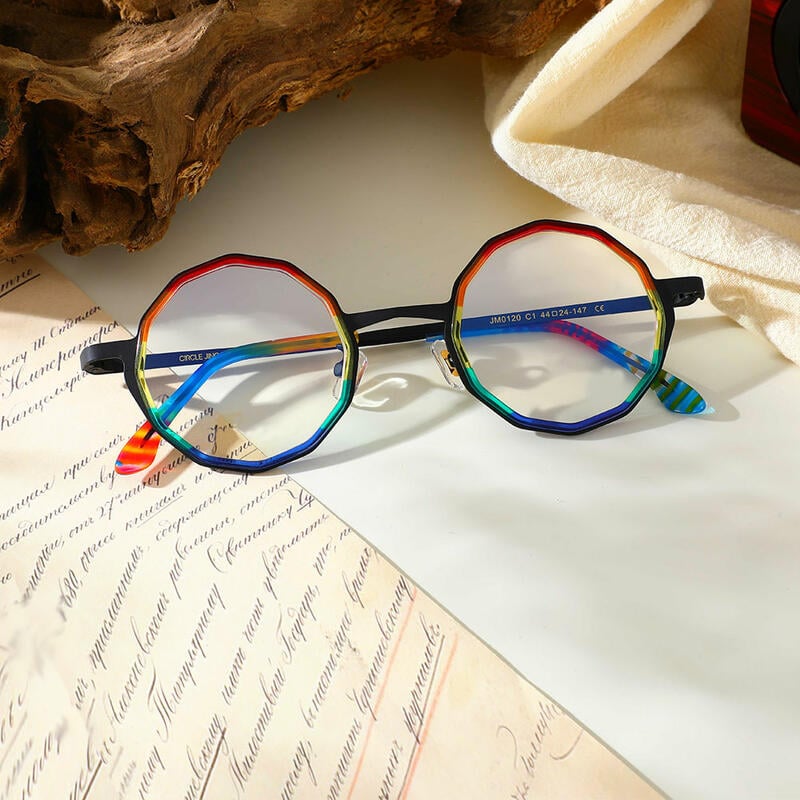
What "High-End" Actually Means in 2026 Eyewear
For most of the last twenty years, "designer glasses" meant one thing in the U.S. market: a recognizable logo on the temple, sold for $300–$600 at LensCrafters or Sunglass Hut. That definition is breaking down.
The reason is a fashion movement called quiet luxury — a shift away from visible branding toward materials, craft, and proportion. In eyewear, it shows up as cleaner lines, hand-polished acetate in restrained tones (think Havana, champagne, milky beige), brushed metal accents, and a near-total absence of branding on the front of the frame. Industry trend reports for 2026 from EssilorLuxottica and runway analysts at Bottega Veneta, Dior, and Fendi all point in the same direction: the logo isn't selling premium anymore — the silhouette is.
For American buyers, this matters in two ways:
You no longer need to buy a designer name to look high-end. A well-finished acetate frame in the right shape reads more sophisticated in 2026 than a logo-covered one.
The value equation has flipped. Independent and direct-to-consumer eyewear brands now offer the same factories, materials, and finishing as branded labels — minus the licensing fee that used to inflate the price.
That second point deserves a closer look, because it's where most shoppers are getting it wrong.
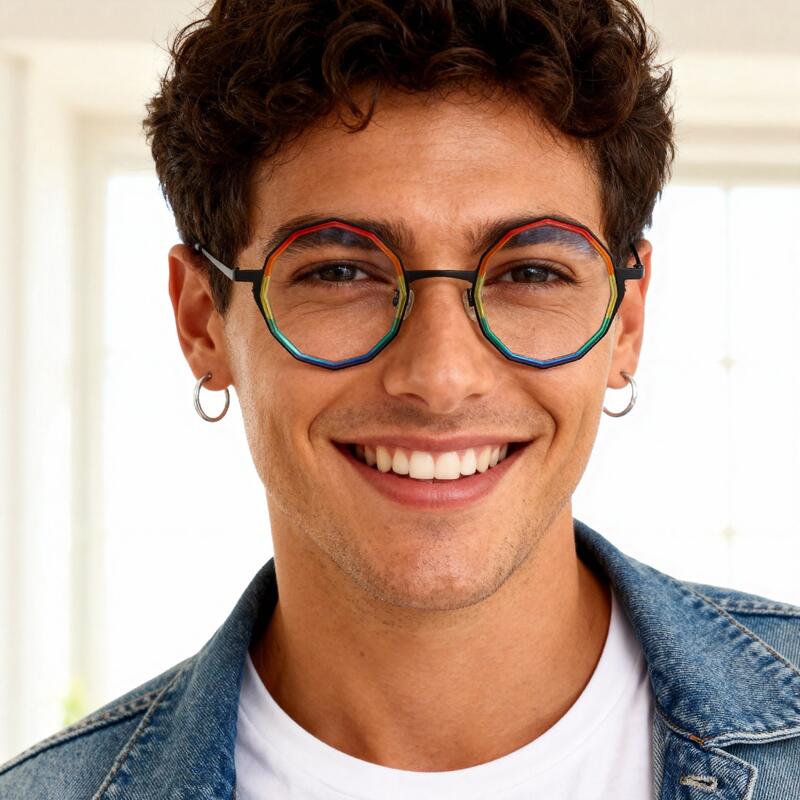
The Honest Truth About Designer Glasses Pricing
Here's something the eyewear industry doesn't put on the marketing copy: most of what you pay for a $400 pair of "designer" glasses isn't the design.
A 2014 60 Minutes segment first put hard numbers to it. The Italian conglomerate Luxottica — now EssilorLuxottica after its 2018 merger — owns or licenses Ray-Ban, Oakley, Persol, Oliver Peoples, and the eyewear lines for Chanel, Prada, Tiffany, Versace, Dolce & Gabbana, Burberry, Ralph Lauren, Michael Kors, and dozens of others. It also owns the stores that sell them: LensCrafters, Pearle Vision, Sunglass Hut, Target Optical, plus EyeMed insurance.
In a 2019 Los Angeles Times interview, LensCrafters founder E. Dean Butler — a man who built the very retail empire selling these frames — described the markup as roughly tenfold. He estimated that "designer-quality" frames cost about $15 to manufacture, and that the retail prices were, in his own words, ridiculous.
Economists at the University of Michigan and Carnegie Mellon, interviewed in a 2024 Freakonomics Radio episode about the eyewear industry, put the typical markup as high as 1,000%.
This isn't an attack on designer brands — they make beautiful frames, and the supply chain produces real quality. The point is that the retail price doesn't reflect the actual cost of the materials or the construction. It reflects the licensing fee for the logo on the temple.
That's what we mean when we talk about a "logo tax." And once you understand it exists, you can stop paying it without giving up quality.

7 Signs a Frame Is Truly High-End (Even Without a Logo)
After years of working with optical labs and frame manufacturers, here's what we look for when sourcing frames. You can use the same checklist when you're shopping anywhere — including in person at a boutique.
1. The acetate is cut from sheet, not injection-molded
True premium acetate frames are made from cellulose acetate — a plant-based material derived from cotton fiber and wood pulp. The material comes in solid, layered sheets that are then cut into frame fronts and temples. Cheap "plastic" frames, by contrast, are made by melting petroleum-based pellets and injecting them into molds. The visual giveaway: layered acetate has color depth, almost like a translucent stone. Injection-molded plastic looks flat and uniform, often with a faint mold seam if you look closely along the edge.
2. The polish goes into the corners
Hand-polished acetate has a smooth, glossy finish that flows continuously around every curve and into every corner — including the inside of the rim where the lens sits. Machine-polished or under-polished frames will feel slightly rough on the inside of the rim or have a duller finish where the temple meets the front. Run your fingernail gently along the inner edge: it should feel like glass.
3. The hinges are riveted, not glued
On a high-end acetate frame, look at the hinge from the inside of the temple. You should see small metal rivets passing through the acetate, anchoring the hinge mechanically into the material. This is the difference between a frame that holds its shape for years and one that loosens in eight months. Cheaper frames glue or heat-set the hinge into the temple; both fail eventually.
4. The metal is electroplated evenly
For frames with metal components — bridges, temples, hinges, brow bars — hold the frame under a bright light and look for an even, mirror-like finish with no cloudy patches, no rainbow oil-slick spots, and no rough edges around the welds. Quality metal frames are also nickel-free or hypoallergenic-coated, which matters for the roughly 10–15% of Americans with nickel sensitivity.
5. The weight is balanced
Pick the frame up and rest it across two fingers at the bridge. It should sit fairly level, not tip noticeably forward or to one side. Imbalanced frames slide down your nose all day. Premium acetate has a satisfying density without feeling heavy — denser than budget plastic, lighter than you'd expect.
6. The temple tension holds
Open the temples to wearing position, then gently flex one outward an extra few millimeters and release. It should snap back to its original position with crisp tension, not feel wobbly or stay flexed. Loose temple tension is the #1 reason eyeglasses become uncomfortable over time, and it's almost impossible to repair properly on cheap frames.
7. The color is in the material, not on top of it
On premium acetate, the color is laminated into the layers of the sheet — meaning if the frame ever gets scratched, the color underneath is the same. On cheaper frames, especially imitation tortoiseshell, the pattern is sprayed or printed onto the surface and can wear through, leaving you with a beige patch where your eyebrow once rested.
If a frame passes five of these seven tests, you're holding genuinely high-end construction — regardless of what's printed on the side.
2026 Designer Frame Trends Worth Investing In
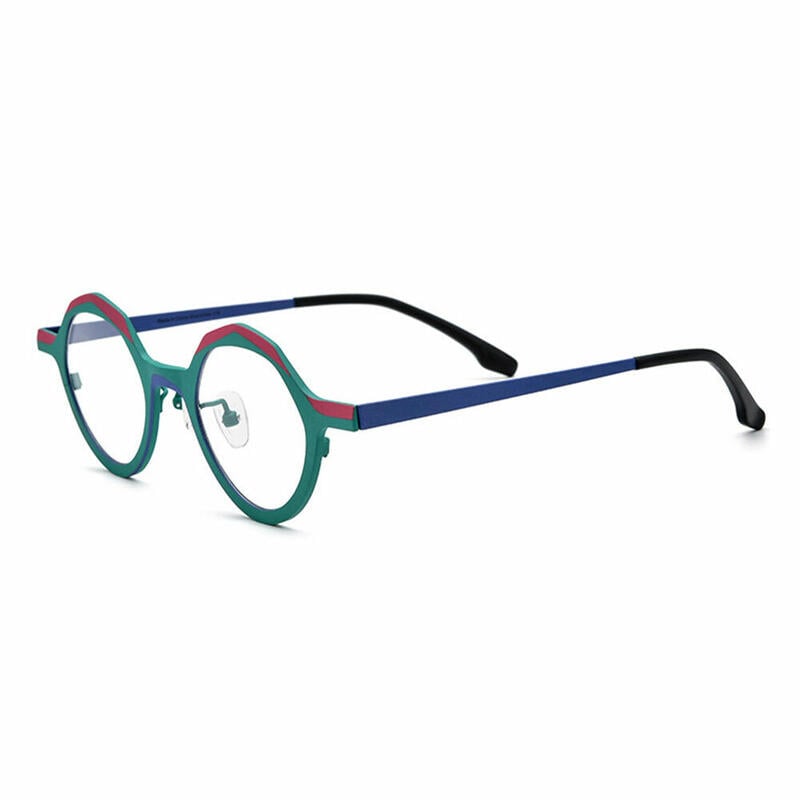
Eyewear trends in 2026 lean almost entirely toward shapes and materials that age well, which is good news if you're buying premium. Here are the silhouettes American shoppers are gravitating toward this year.
Modern ovals. The biggest trend of 2026, according to runway analysis from Silhouette International and trend forecasters at FAVR. Modern ovals take the soft '90s oval and refine it — slightly more elongated, lighter at the bridge, in either polished metal or thin acetate. They're flattering on square, heart, and diamond face shapes especially.
Sculptural cat-eye. Not the kitschy '50s cat-eye — think sharper, more architectural lines, subtle upsweep, often in matte finishes. Bottega Veneta and Dior both showed sculptural cat-eyes for spring/summer 2026.
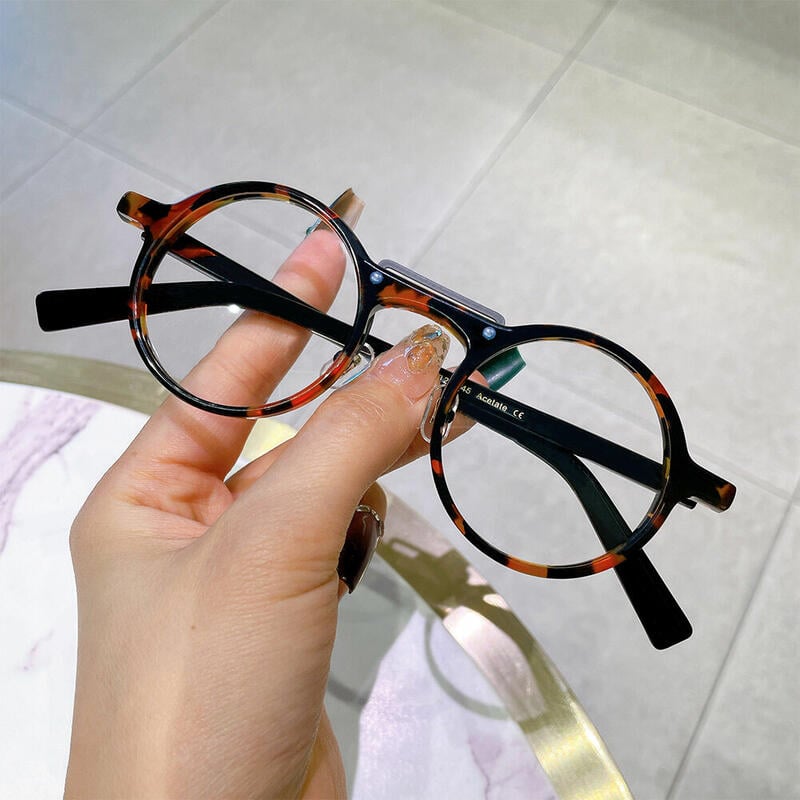
Library-chic rounds. A clean, intellectual round frame in thin acetate or wire — the "I read books on the train" look. Refined, gender-neutral, and one of the most timeless silhouettes you can buy.
Modernized aviators. The pilot frame is back, but updated with thicker brow bars, double bridges, and matte metal finishes. Less flashy than the 2010s aviator revival, more grounded.
Havana and warm tortoise. The most enduring color story in eyewear, period. In 2026, designers are exploring honey, amber, chocolate, and even cooler tones within the Havana family. If you only buy one pair this year, this is the safest investment.
Milky naturals. Beige, sand, taupe, soft cream — the "quiet luxury" palette translated to acetate. Pairs with everything in your wardrobe and reads as expensive in a way bright colors don't.
Deep, muted accent tones. For those who want color without volume, EssilorLuxottica's color forecast points to deep plum, chocolate brown, and what they call "magma red" — saturated but quiet, sophisticated but not loud.
What's out in 2026: ultra-thin "barely there" minimalist frames (still around but past their peak), neon translucents, and overtly logo-covered temples. The market is moving in the opposite direction.
How to Match a Premium Frame to Your Face Shape
When in doubt, oval and modern-oval shapes flatter the widest range of face shapes and aren't going out of style anytime soon.

Premium Frames + Prescription Lenses: What to Get Right
A frame is only half the equation. The lens — and the way it's cut to fit the frame — is what you actually see through every day. A few practical notes:
Frame depth matters for progressives. If you wear progressive (multifocal) lenses, you need a frame with enough vertical lens area to fit the reading zone at the bottom. Ultra-shallow frames cut off your reading vision. As a general rule, look for at least 28mm of lens height for progressives, ideally 30mm+.
High prescriptions need thicker acetate. If your prescription is stronger than about -4.00 diopters, your lens edges will be thicker. A frame with a substantial acetate rim (4mm+ at the side) will hide the edge thickness and keep the look clean. Wireframes are a poor choice for stronger prescriptions for this reason.
Pupillary distance (PD) is non-negotiable. Order from any retailer that requires your PD measurement to ensure your prescription centers correctly behind each eye. If a site doesn't ask for your PD on prescription orders, that's a quality red flag.
Blue light filtering is now standard. Most premium prescription lenses in 2026 include a baseline blue light filter at no extra cost. If a retailer charges $50+ for "blue light add-on," they're upselling you on something that should be included.
Anti-reflective coating is worth it. A quality AR coating reduces glare from screens and overhead lighting and makes your eyes more visible to other people (no more reflective lens flares in photos). It's the single best lens upgrade most wearers can make.
Caring for Investment Frames
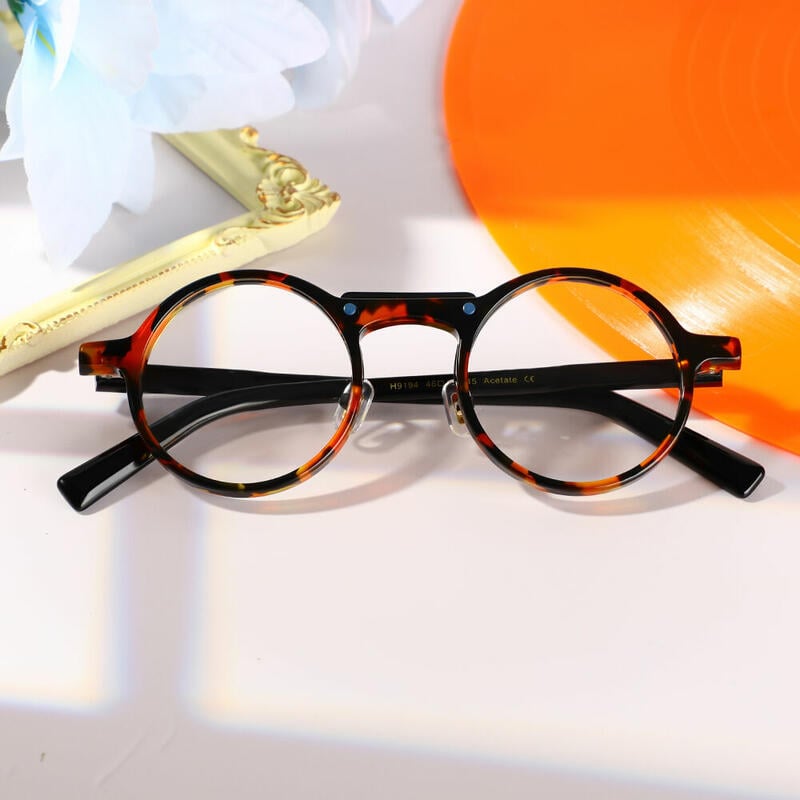
A well-made acetate frame can last five to ten years with basic care. The mistakes most people make:
Cleaning with their shirt. Cotton and synthetic fabrics carry micro-grit that scratches lens coatings. Use a microfiber cloth and lukewarm water with a drop of dish soap.
Leaving them in a hot car. Acetate softens above about 180°F (82°C). A summer dashboard reaches that temperature easily. Warped acetate cannot be fully re-shaped.
One-handed removal. Pulling glasses off by one temple twists the frame and stretches the hinge. Use both hands.
Skipping six-month adjustments. Any optician — not just where you bought them — can re-tighten hinges and re-align temples in about two minutes, usually free of charge. Frames that are routinely adjusted last twice as long as those that aren't.
The Bottom Line
High-end designer glasses in 2026 are defined by what's in the frame, not what's printed on it. The materials, the polish, the hinge construction, and the silhouette all matter more than the logo on the temple. And once you know what to look for, you can buy genuinely premium eyewear at a fraction of what the licensing-fee model has been charging American consumers for two decades.
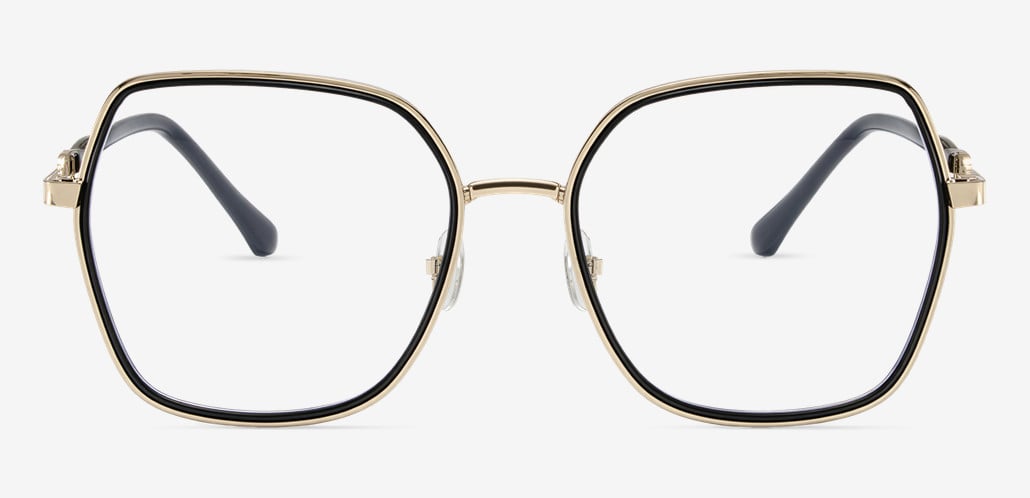
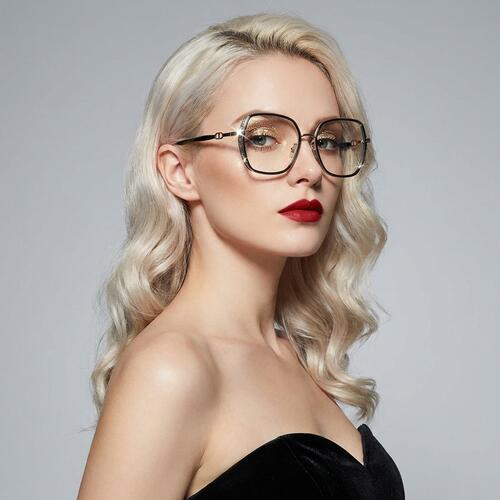
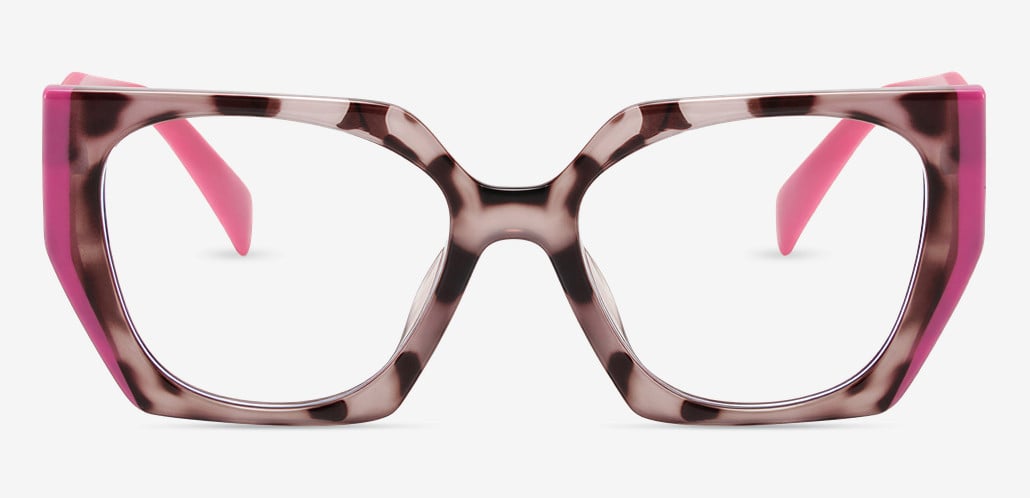
That's exactly the gap our Aoolia designer glasses collection is built for: hand-finished acetate, riveted hinges, optician-checked prescriptions, and trend-forward shapes for 2026 — without the logo tax. Frames start at $45.
Browse the full collection above, or use the Try On feature to see how each frame looks on your face before you order. Every pair ships with the lenses, AR coating, and blue light filtering built in — and our 30-day returns mean you can wear them for a month before deciding.