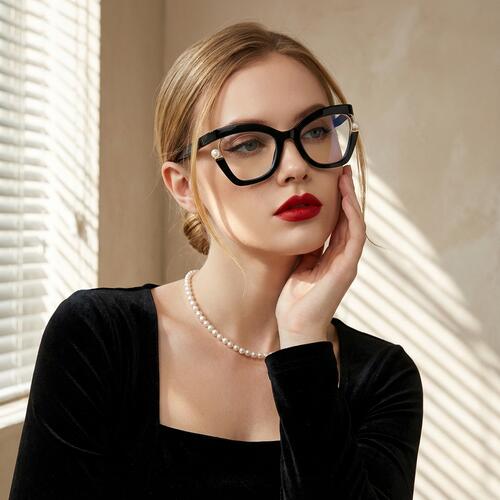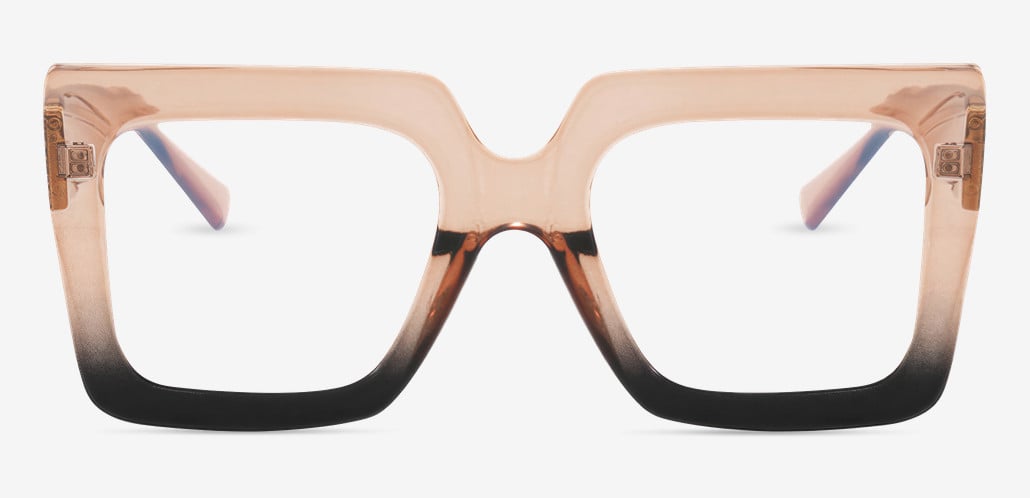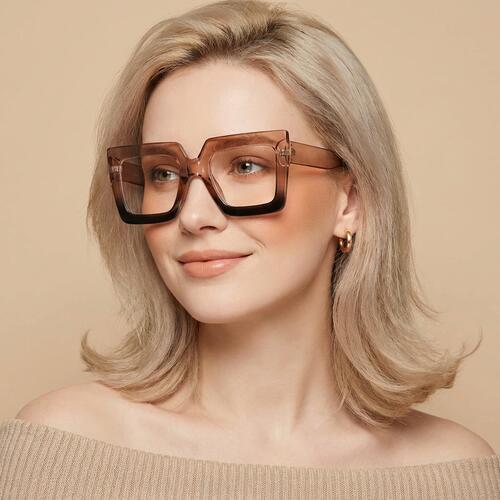

Most sunglasses buying guides will tell you which celebrity is wearing what shape this season. This isn't that guide.
The truth your optometrist would tell you, if you asked: a $20 pair of sunglasses with proper UV400 lenses protects your eyes better than a $300 designer pair without it. Lens darkness, brand prestige, and even price tell you almost nothing about whether your sunglasses are actually doing their primary job — protecting your eyes from ultraviolet damage that accumulates over a lifetime and contributes to cataracts, macular degeneration, and photokeratitis.
This guide is the version we'd hand a friend who's about to drop money on sunglasses and asked us, "Just tell me what actually matters." It's organized in priority order — what your eyes need first, what's nice to have second, and what's mostly marketing third. Where the science is genuinely settled (UV protection is non-negotiable), we'll say so. Where it's mixed (polarization, blue light filtering at sunset), we'll tell you that too.
By the end, you'll be able to walk into any sunglasses category page — ours or anyone else's — and instantly tell the substance from the noise.
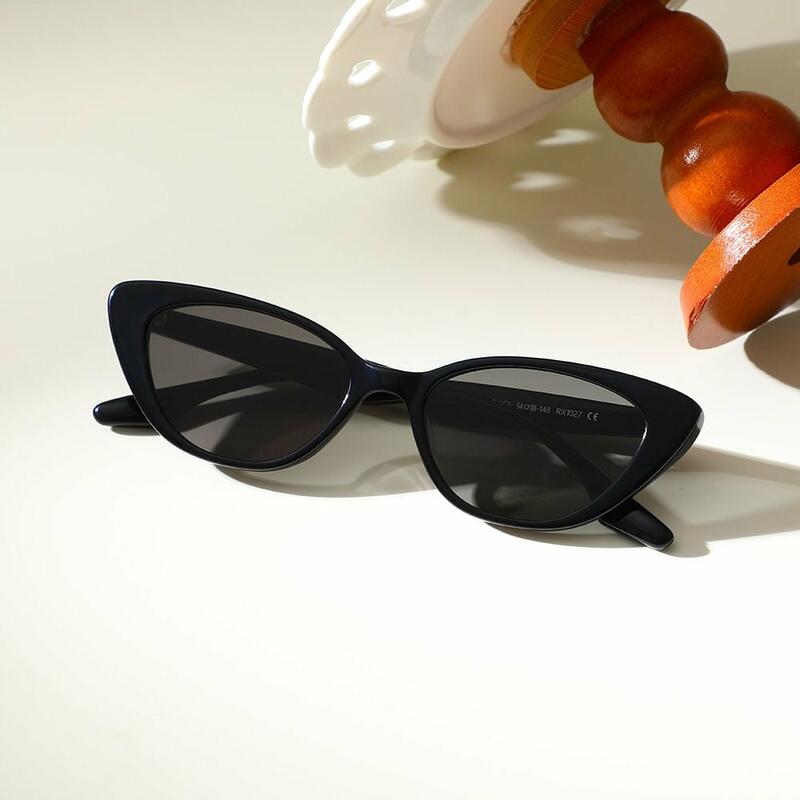
The Most Important Thing in a Pair of Sunglasses Has Nothing to Do with Style
Let's start with the part most articles bury at the bottom: UV protection.
The American Optometric Association recommends sunglasses that block 99–100% of both UVA and UVB rays. The shorthand label you'll see on lenses for this is UV400, which means the lens blocks all light wavelengths up to 400 nanometers — covering both UVA and UVB completely.
Three things most people don't know about UV and sunglasses:
1. Dark lenses are not the same as UV-protective lenses. The tint of the lens controls how much visible light gets through. UV is invisible. A pitch-black pair of sunglasses with no UV coating actually puts your eyes at higher risk than no sunglasses at all, because dark lenses cause your pupils to dilate, letting more UV reach your retina than they would in bright sun without sunglasses.
2. UV exposure is cumulative and irreversible. Unlike a sunburn that heals in a week, UV damage to the lens of your eye and your retina builds up over decades. The cataract you might get at 65 was partly built by the sunglasses you wore (or didn't wear) at 25.
3. Cloudy days still require sunglasses. Up to 80% of UV passes through cloud cover. Reflective surfaces — water, snow, sand, concrete — bounce additional UV upward into your eyes from below, which is why fishermen, skiers, and beach-goers experience the highest UV exposures.
The fix is simple. Buy only sunglasses labeled UV400 or "100% UVA/UVB protection." Treat anything without that label as a fashion accessory, not eye protection.
How to Test the Sunglasses You Already Own
This is the trick most retailers won't show you because it lets you check whether their previous purchase did its job.
The dollar bill test (works in 30 seconds, costs nothing). Newer US currency contains UV-fluorescent fibers that glow when exposed to ultraviolet light. Get a UV flashlight (any blacklight torch works — about $8 on Amazon). In a darkened room, shine the UV flashlight directly onto a $20 bill and watch the fluorescent threads light up. Now hold one lens of your sunglasses between the flashlight and the bill. If the threads still glow brightly, the lens isn't blocking UV — it's a fashion lens. If the glow disappears or dims dramatically, the lens has working UV protection.
The optometrist's photometer. Any optical shop has a small device called a photometer or UV meter that reads UV transmission through a lens. Most will test your existing sunglasses for free in under a minute — useful especially for older sunglasses, since UV coatings can degrade over years of scratches and sun exposure.
The label test. Look for one of: "UV400," "100% UVA/UVB protection," "blocks 100% UV," "ANSI Z80.3 compliant" (the US optical safety standard), or "CE UV400" (European equivalent). Phrases like "UV protection" or "UV resistant" without a percentage or 400 number are vague and worth a second look.
A note on scratched lenses: deep scratches can compromise UV protection on lenses where the UV layer is a coating rather than embedded into the material. If your sunglasses are visibly scratched and more than three years old, treat replacement as a vision-health priority, not just a cosmetic one.

UV400, Polarization, and Tint Darkness: Three Different Things, Often Confused
These three properties get mashed together in marketing copy, which causes a lot of expensive confusion.
UV400 is invisible light protection. It's a hard yes-or-no question — the lens either blocks UV up to 400nm or it doesn't.
Polarization is a separate filter that cuts horizontal glare reflected off flat surfaces (water, wet roads, car hoods, snow). Polarization is a preference, not a health requirement. Polarized lenses without UV coating exist and don't protect your eyes from UV. UV-coated lenses without polarization exist and protect perfectly. Always check both labels separately.
Tint darkness controls visible light only. It's measured in lens categories from 0 (clear, indoor use) to 4 (very dark, mountain glacier or desert use). Most everyday sunglasses are category 2 or 3. Category 4 is too dark for driving and is illegal to drive in within several US states.
The practical takeaway: a perfect pair of all-purpose sunglasses for most adults is UV400 + Category 3 tint + (optional) polarized. Add polarization if you drive a lot, fish, ski, or are light-sensitive. Skip it if you mostly wear sunglasses in cities or work around LCD screens (polarized lenses can cause some screens to look striped or dim when you tilt your head).
We've written a separate breakdown of when polarized is worth the extra spend at our polarized sunglasses collection — short version: yes for drivers and water people, no for casual urban use.
Lens Tints Decoded: What Color Does What
This is the section your optometrist's office probably doesn't have time to walk you through. Each tint serves a different purpose.
Gray (smoke). The most neutral option. Reduces overall brightness without distorting color perception. Best all-purpose choice for daily wear, especially in places with strong sun like the southern US, California, or Florida. If you're buying one pair of sunglasses and don't have a specific use case, buy gray.
Brown / Amber. Enhances contrast and depth perception. The unofficial standard for daily driving — brown lenses make brake lights, road signs, and lane markings pop visually against the asphalt. Also excellent for golf, where reading the green is contrast-dependent.
Green (G-15). A balanced tint that reduces glare while preserving color accuracy. Originally developed for military aviators. Strong choice for general outdoor activities, water sports, and people who want a little less brightness than gray without losing color fidelity.
Yellow / Rose. Dramatically enhances contrast in low-light or overcast conditions. Popular with cyclists and hunters who need to read terrain at dawn, dusk, or under cloud cover. Not recommended for bright sun — they don't reduce enough light to be comfortable.
Mirrored coatings. A reflective layer applied over any base tint. Reduces glare in extremely bright conditions (snow, open water, high altitude) and adds a privacy aspect to the wearer's eyes. Mirror is a coating, not a tint — the actual color tint behind the mirror is what determines how the world looks to you.
Photochromic / Transitions™ for sunglasses. Lenses that adjust their darkness based on UV exposure. Convenient for indoor-outdoor transitions, but they don't darken fully behind a windshield (most car glass blocks UV, which is what triggers the darkening). If you want one pair of glasses that handles indoor work and bright outdoor light, photochromic is the answer. If you drive a lot, buy a dedicated pair of prescription sunglasses instead.
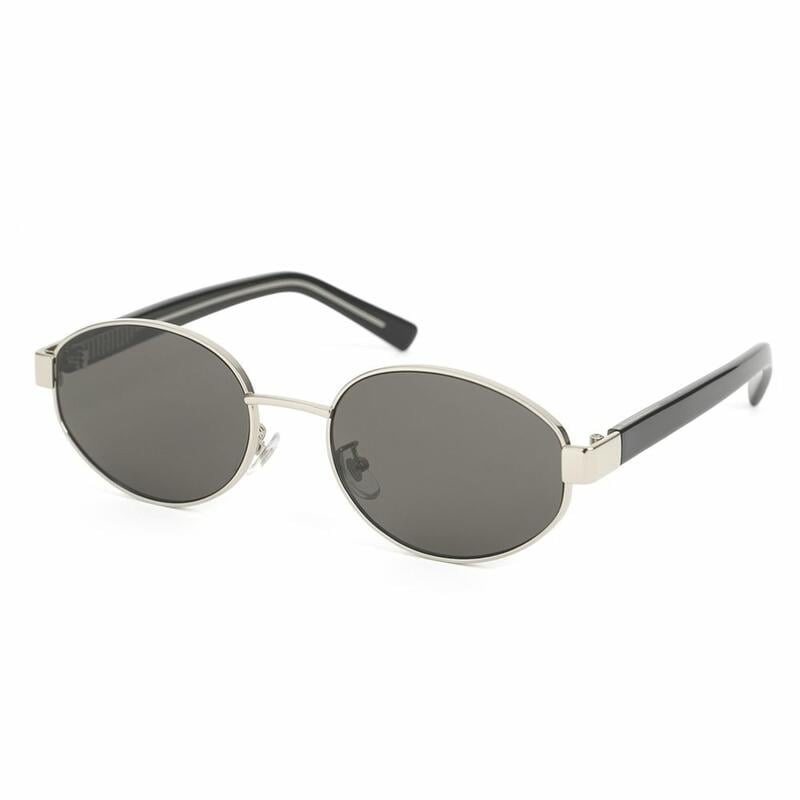
Frame Shape, Briefly (And Why It Matters Differently for Sunglasses)
The frame-shape-by-face-shape rules for sunglasses follow the same logic as eyeglasses — frames should contrast with your face shape rather than echo it. Round face? Add angles. Square face? Soften with curves.
But there's one important difference: sunglasses can run a size larger than your everyday eyeglasses without looking off. Oversized frames are forgiving on most face shapes when they're sunglasses, partly because the dark lens visually softens proportions, and partly because the cultural baseline for sunglasses (Jackie O, Audrey Hepburn) has always been "go bigger." If you're between two sizes, lean toward the larger pair when buying sunglasses, smaller when buying eyeglasses.
For the full face shape breakdown, we walk through it pair by pair in our women's eyeglasses buying guide, and the same shape principles apply to men's frames as well. The short version:
•Round face → angular: rectangle, square, sharp cat-eye, geometric
• Oval face → almost anything works
• Heart face → bottom-heavy: aviators, soft round, light rim styles
• Square face → soft curves: round, oval, slim cat-eye
• Diamond face → cat-eye, oval, rimless
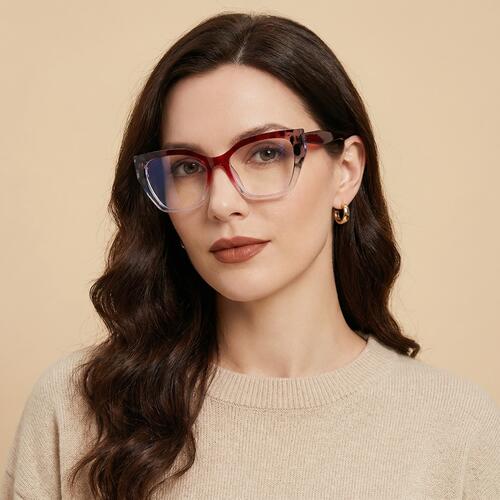
A practical tip from our optical team: try frames on with Virtual Try-On before ordering. It's not perfect (camera angle distorts perception), but it catches the obvious mismatches. We've seen too many returns from customers who chose based on a model photo and then found the frame swallowed their face.
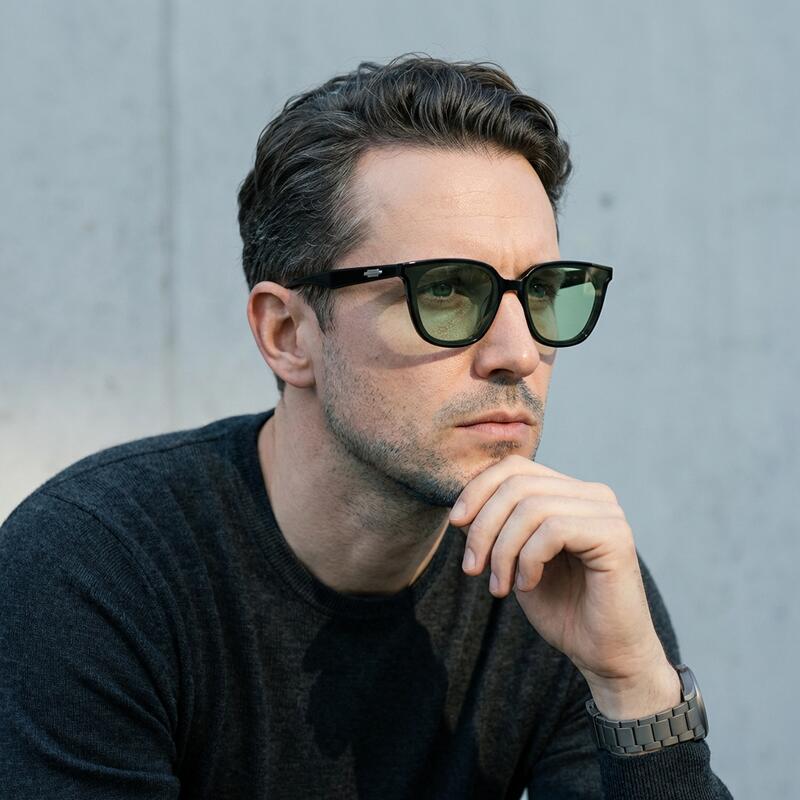
Prescription Sunglasses: The Underrated Upgrade
A surprising number of glasses-wearers either rely on prescription glasses with clip-on shades, or worse, drive in regular eyeglasses while squinting through bright sun. Both compromises cost you something — clip-ons add weight and slip, and squinting accelerates eye fatigue and reduces driving safety.
Real prescription sunglasses solve both problems. They look exactly like normal sunglasses (no visible difference from the outside), but the lenses are ground to your prescription with a sun tint and UV400 baked into the same lens.
When prescription sunglasses are worth the upgrade:
You drive daily with eyeglasses
You've been told you have light sensitivity or photophobia
You spend significant time outdoors — running, hiking, gardening, on water
You wear progressives and have struggled with progressive clip-ons (they almost never align correctly)
At Aoolia, almost every frame in our sunglasses category can be made into prescription — single vision, bifocal, or progressive — and ships in 7–10 business days. The cost difference between a non-prescription pair and a prescription version is typically $40–80 depending on lens type, which is dramatically less than buying a separate pair from an in-store optician.
If you've never owned proper prescription sunglasses before, the first time you drive into bright sun in a pair is a small revelation. We get more thank-you emails about prescription sunglass orders than almost anything else we sell.
How to Buy Sunglasses Online Without Regret
The trust questions you should ask any retailer before buying:
1. Is UV400 confirmed in writing on the product page? If the product description says "UV protection" without a number, ask customer service to confirm in writing. Reputable retailers will. Sketchy ones will hedge.
2. Is there a clear return policy? Standard is 30 days. We give 30 days for any-reason returns plus a 90-day defect warranty. Anything less than 14 days for returns is a yellow flag for online eyewear.
3. Are the frames adjustable? Most plastic and metal frames can be adjusted by an optician for fit. If you live near an Aoolia partner optician or any optical store, a free adjustment after delivery saves a lot of "this slips" frustration.
4. Does the retailer offer Virtual Try-On? Use it. Take the photo in even, neutral lighting at eye level, never from a side angle. Side angles distort perceived frame size by 10–20%.
5. Does the retailer have an actual optician reviewing prescription orders? This matters specifically for prescription sunglasses with strong prescriptions or progressive lenses. Aoolia has qualified opticians on staff who review every prescription order before lens cutting begins.
6. What's the actual shipping time? Non-prescription sunglasses typically ship same-day or next-day. Prescription sunglasses take 5–10 business days because the lenses are cut and tinted to order. If a retailer promises overnight prescription sunglasses, ask follow-up questions.
Why Aoolia (Honestly)
We try not to do the hard sell, so here's the unvarnished version of where we fit in the sunglasses market.
Aoolia is a direct-to-consumer optical brand. We design our own frames, run our own lab, and ship globally. Sunglasses start at $18.95 for non-prescription, and prescription sunglasses are typically $50–120 all-in depending on frame and lens choice — well below in-store optical prices and competitive with the major online retailers.
What we do that the cheap sunglasses sites don't:
Optician review on every prescription sunglass order, not just an automated pass.
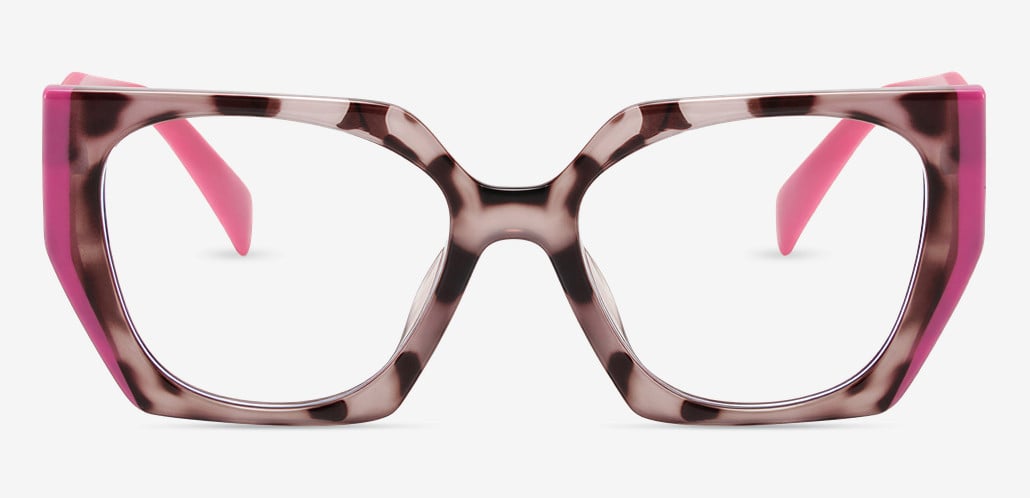
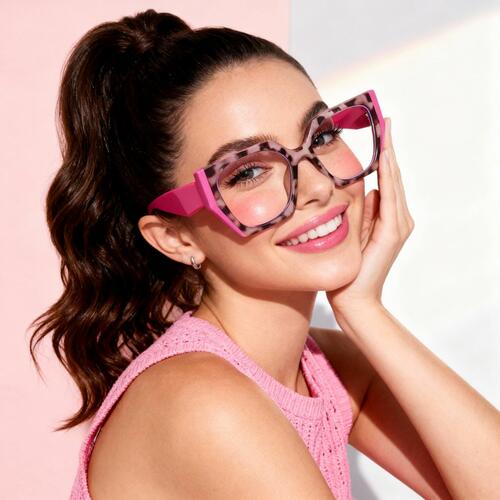
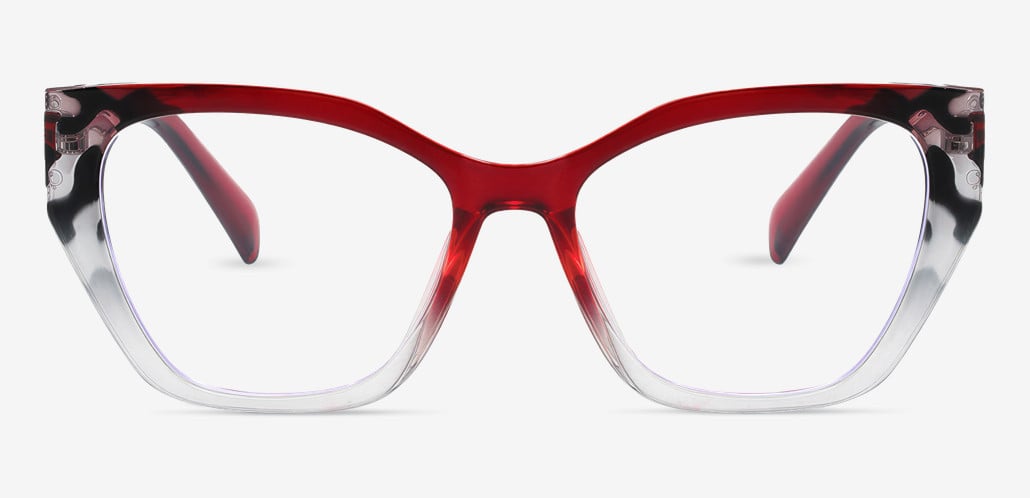
Two-tone acetate frames in sunglass form — front-and-temple color blocking that the big retailers don't stock at this price tier.
Matching glasses chains and accessories sold as a coordinated set, so the styling layer comes pre-thought-through.
Virtual Try-On built into every product page, no app download.
Free shipping over $79, 30-day returns, 90-day warranty. Trustpilot rating: 4.7/5.
What we don't do:
We're not a luxury brand. If you want hand-finished Italian acetate from a 100-year-old workshop, you want Persol or Jacques Marie Mage.
We don't do polarized at $9.95 — we couldn't honestly guarantee the polarization quality at that price, and we'd rather price the polarized line at $40+ and stand behind it.
We don't sell "fashion sunglasses without UV protection." Every pair on our site has UV400 standard.
Browse the full Sunglasses collection →
Frequently Asked Questions
How can I tell if my sunglasses really have UV protection?
Look for a UV400 label or "100% UVA/UVB protection" on the lens or product page. If you have an unlabeled pair, an optometrist can test them in seconds with a photometer, or you can use the dollar bill UV flashlight test described above. Lens darkness alone doesn't indicate UV protection.
Do polarized sunglasses block UV rays?
Not automatically. Polarization and UV protection are two separate lens treatments. A polarized lens without UV coating provides zero UV protection. Always check that polarized sunglasses also state UV400 or 100% UVA/UVB protection separately. All polarized sunglasses sold by Aoolia are UV400 as standard.
What's the best lens tint color for daily driving?
Brown or amber. Both enhance contrast and make brake lights, road signs, and lane markings stand out clearly against asphalt. Gray is a close second and is more neutral if you alternate between driving and other activities. Avoid yellow tints for daytime driving — they're optimized for low light, not bright sun.
Are expensive sunglasses actually better than cheap ones?
For UV protection, no — a $20 pair with UV400 protects identically to a $300 pair with UV400. Where price differences are real: optical clarity of the lens (premium lenses have less distortion at the edges), frame durability (better hinges, higher-quality acetate), polarization quality, and craftsmanship details. Buy based on construction quality and fit, not on whether the brand has prestige.
How often should I replace my sunglasses?
Replace any pair where the lenses are visibly scratched, especially around the center of the lens. If the UV protection is a coating (not embedded), deep scratches can compromise it. As a general rule, plan to replace daily-wear sunglasses every 2–4 years, sooner if you're rough on them.
Can I get prescription sunglasses online from Aoolia?
Yes — almost every frame in our sunglasses category can be made into prescription sunglasses, including single vision, bifocal, and progressive lens types. Upload your prescription at checkout. Our opticians review the order before lens cutting begins. Standard production is 7–10 business days, plus shipping.
What's the difference between Category 2 and Category 3 lens tints?
The category number describes how much visible light the lens lets through. Category 2 is medium tint (good for variable cloud cover and partial shade), Category 3 is dark tint (the standard for sunny conditions and most daily wear), Category 4 is very dark (mountain or desert use, illegal for driving in some US states). Most Aoolia sunglasses are Category 3.
Are mirrored sunglasses better than non-mirrored?
Mirrored coatings reduce glare by reflecting more light away from the lens — useful at high altitude, on snow, or on open water. They don't change UV protection, which depends on the underlying lens. For city or general outdoor wear, mirroring is mostly cosmetic. Be aware that mirror coatings can scratch over time and are more expensive to replace if damaged.