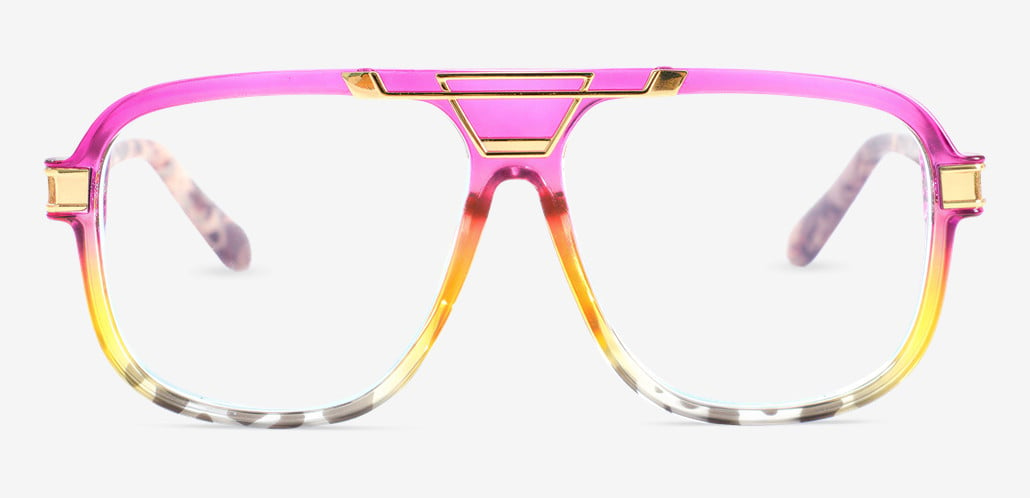
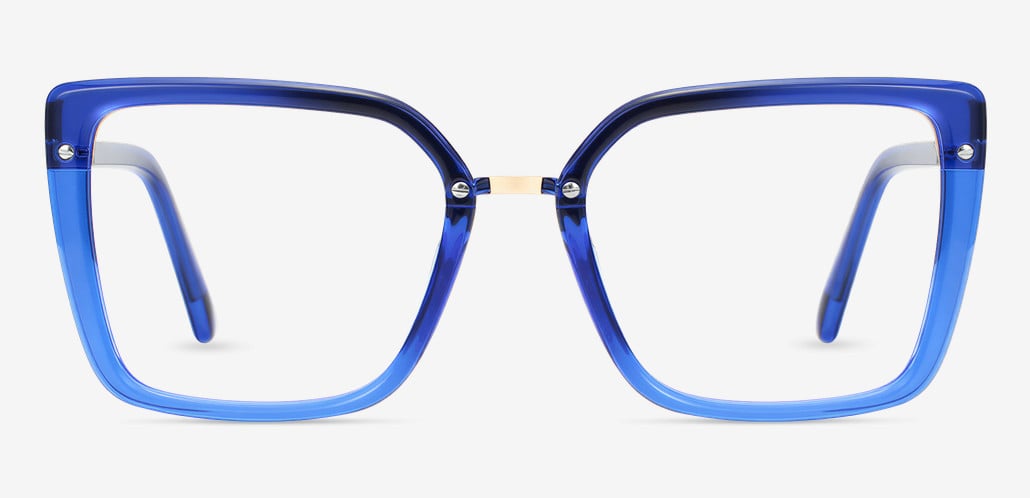
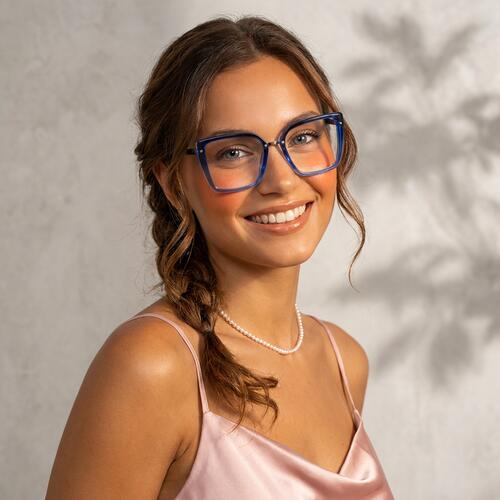
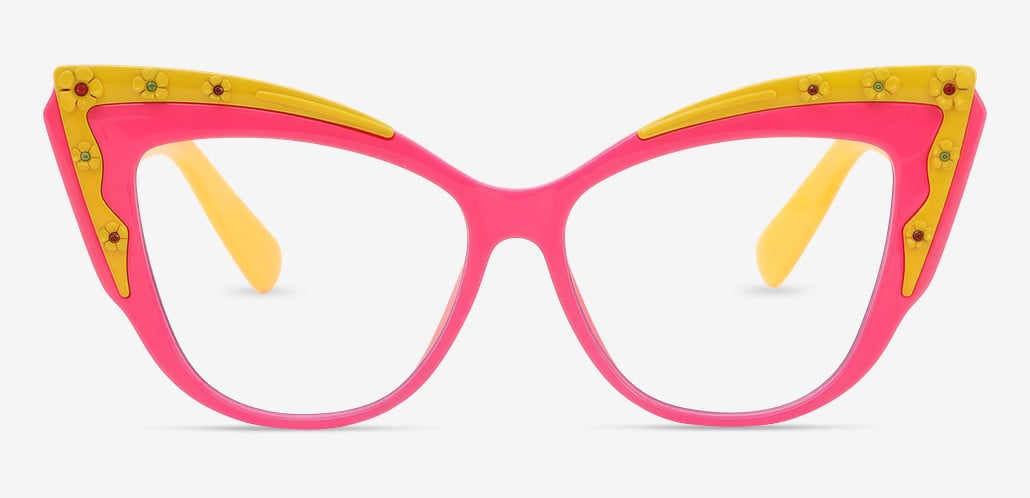
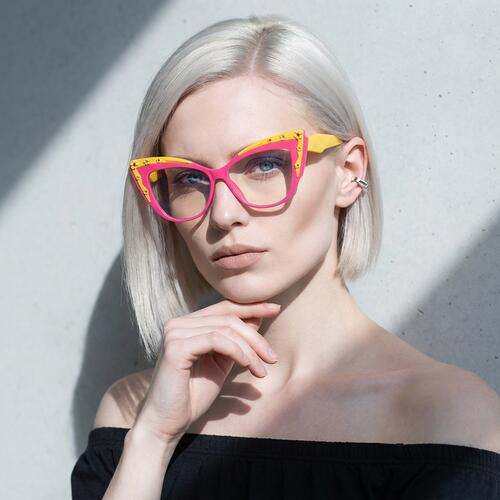
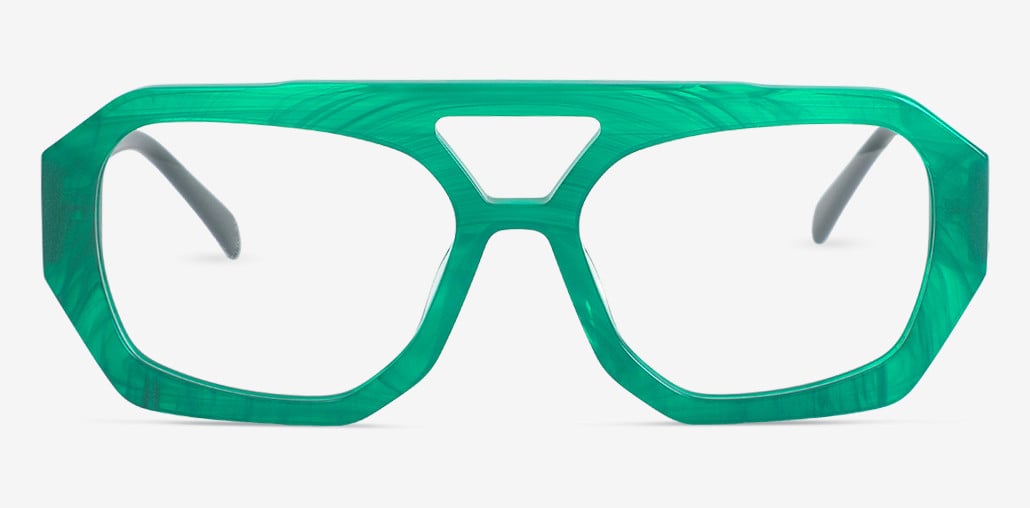
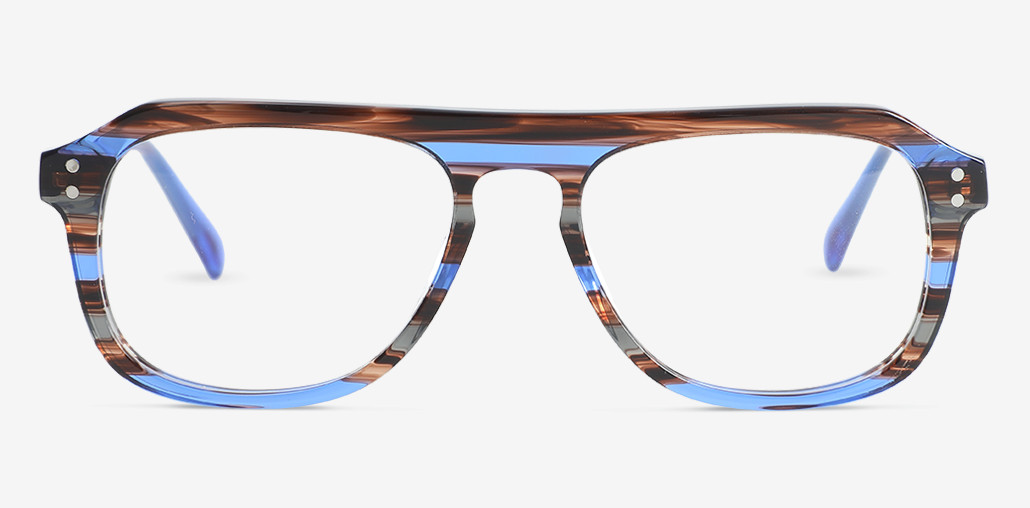
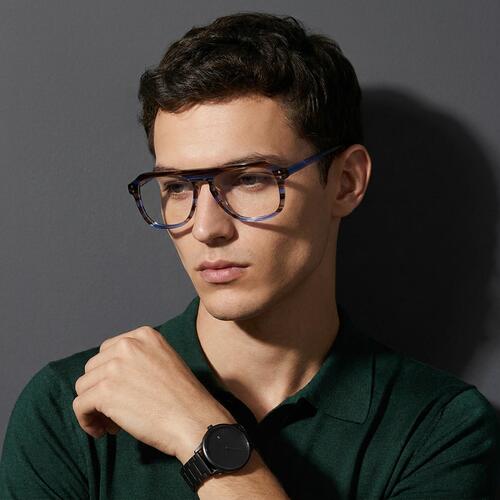
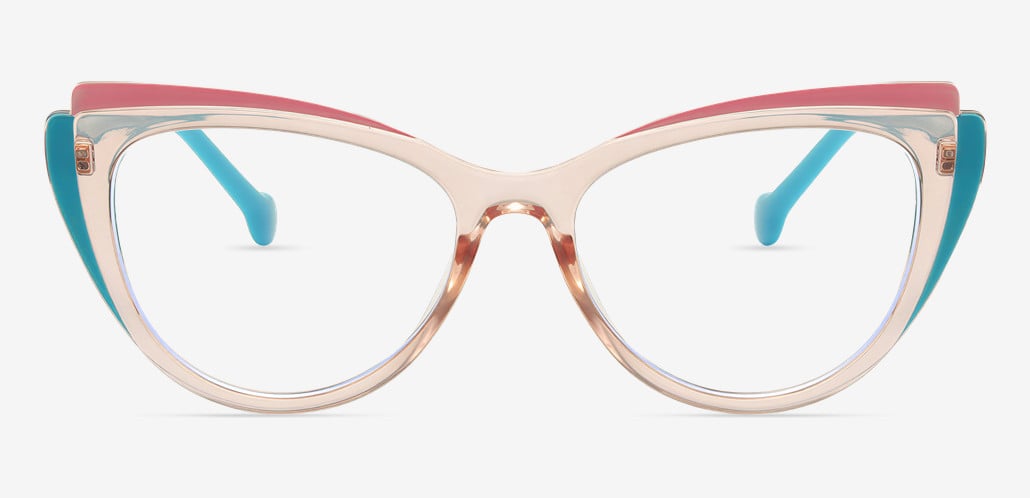
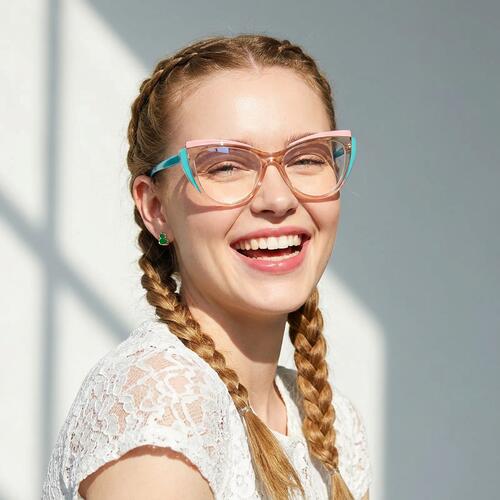
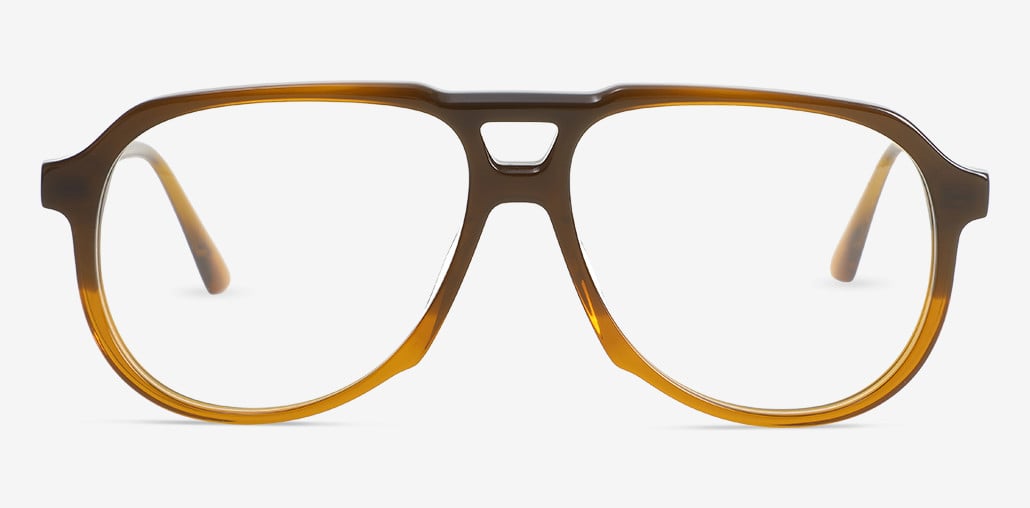
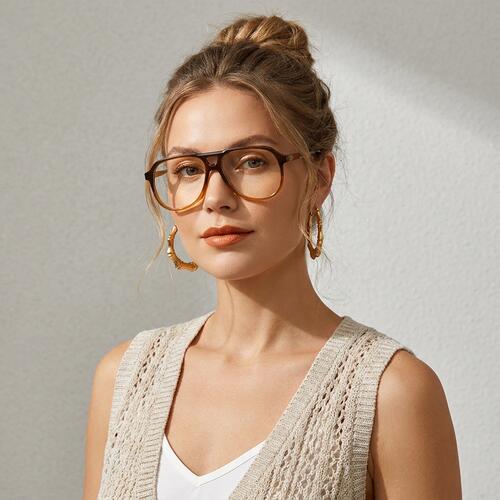
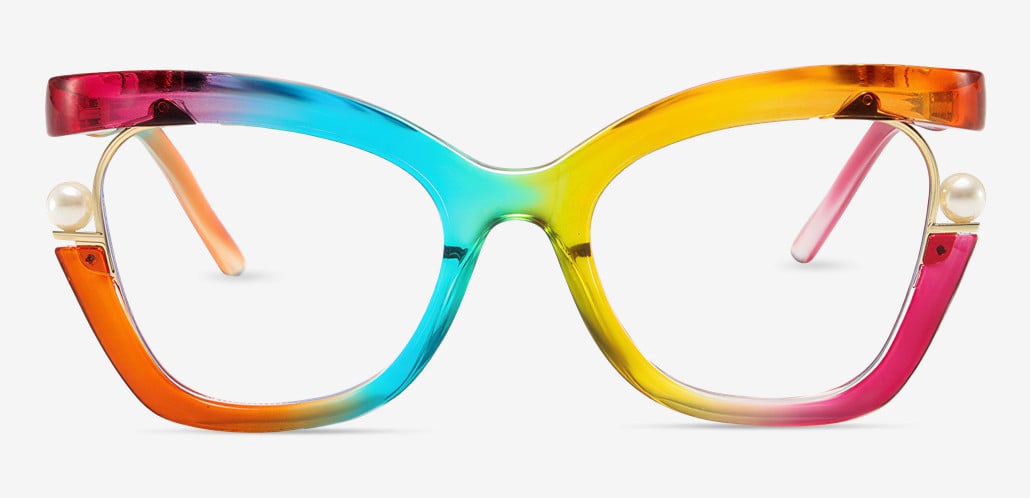
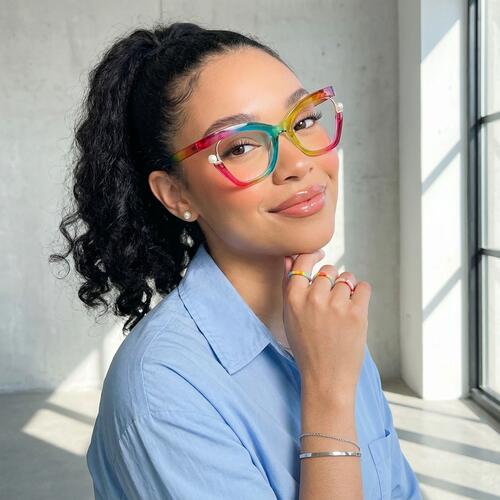
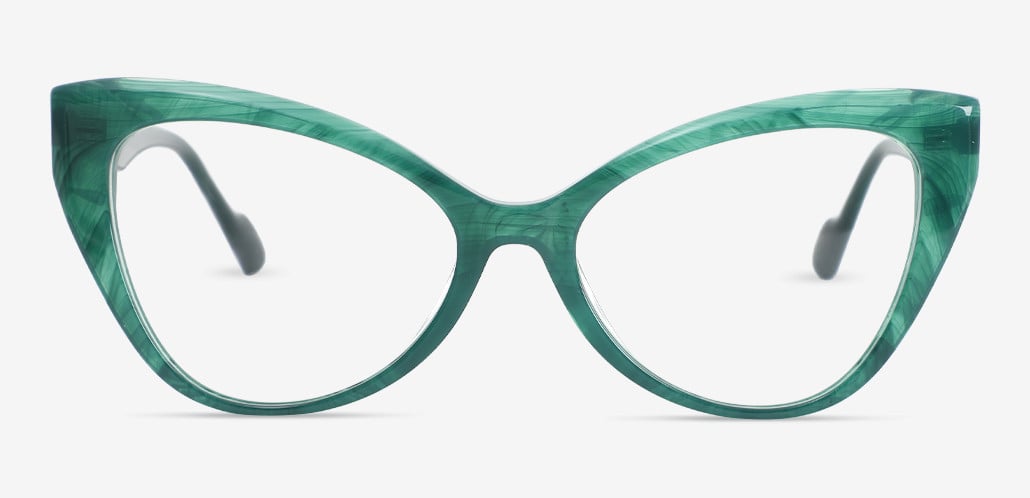
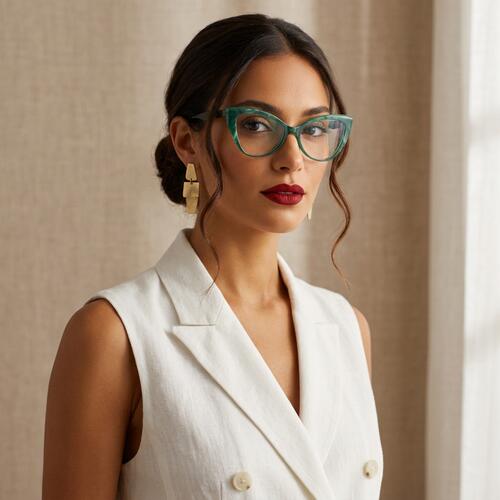
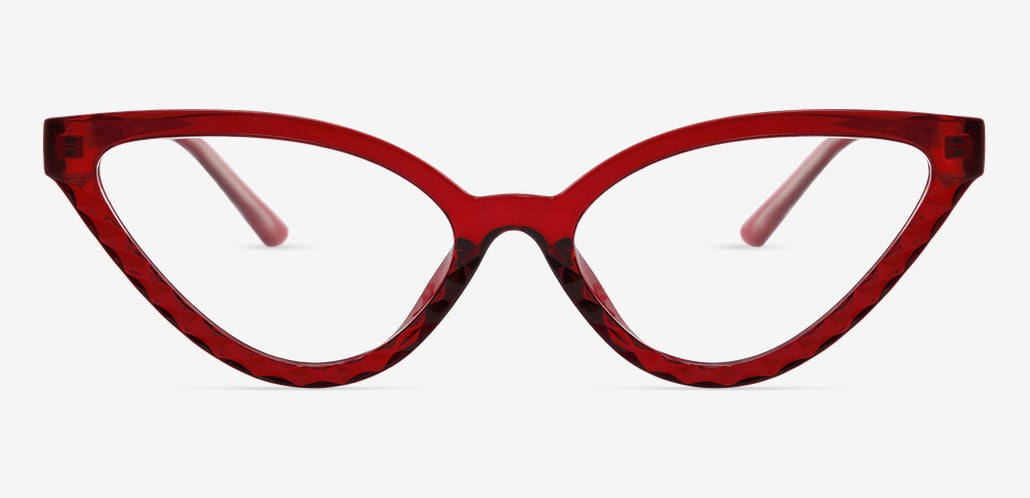
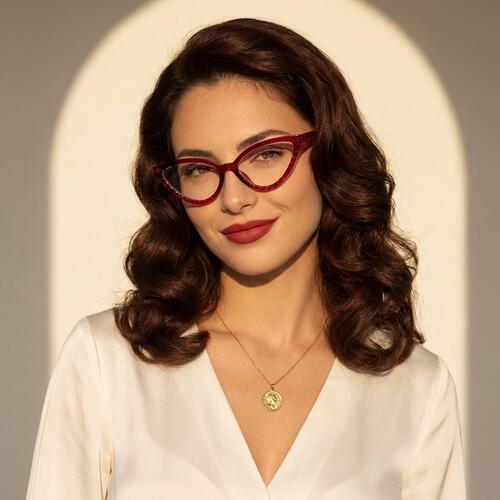
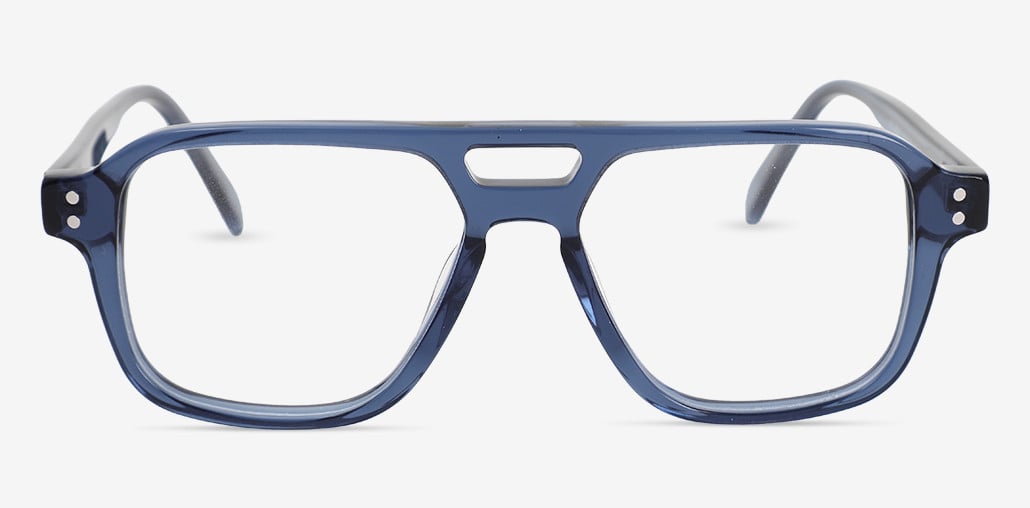
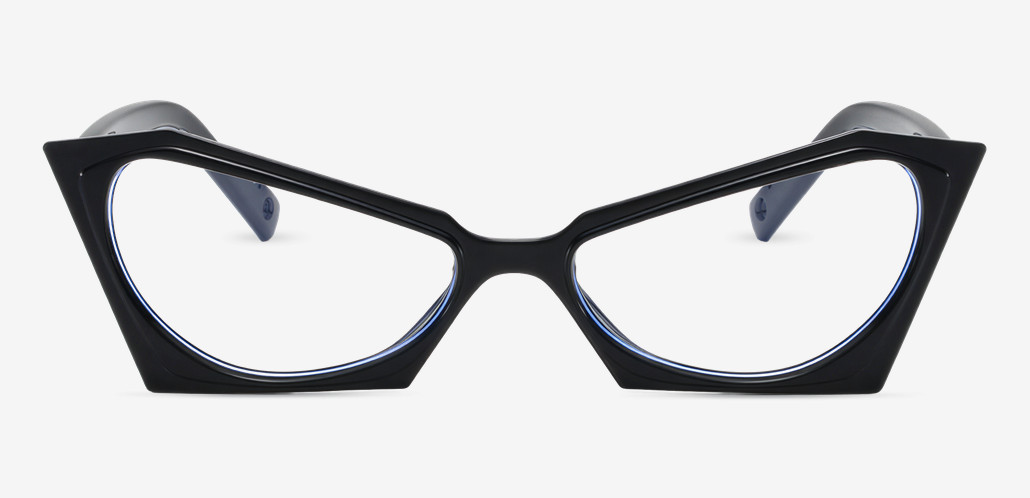
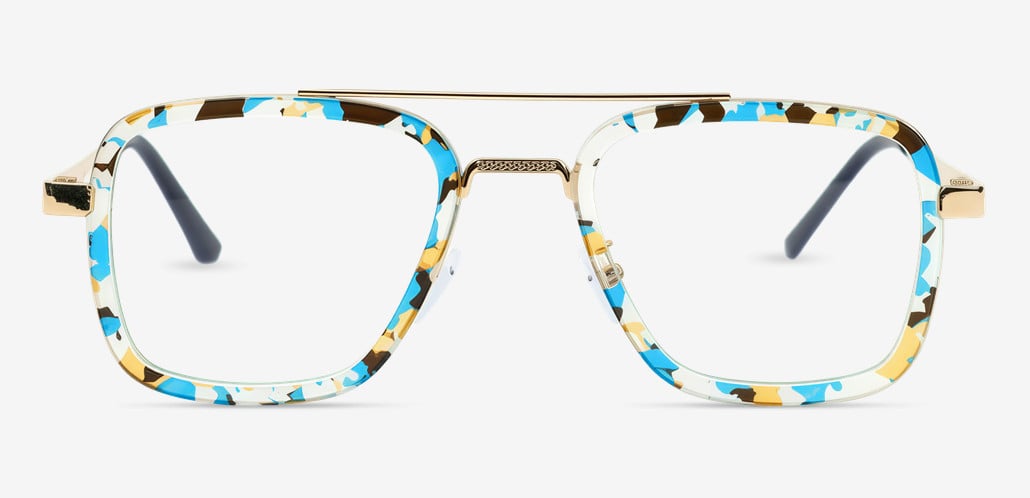
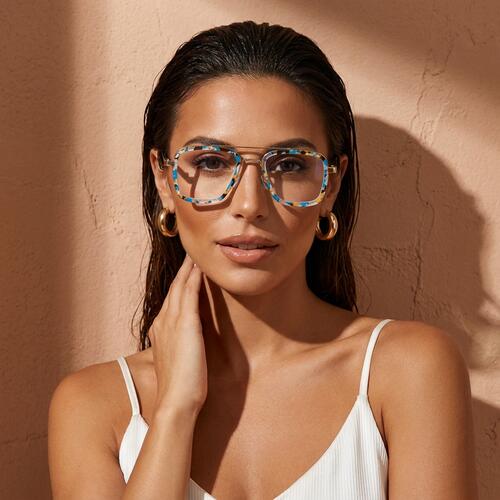
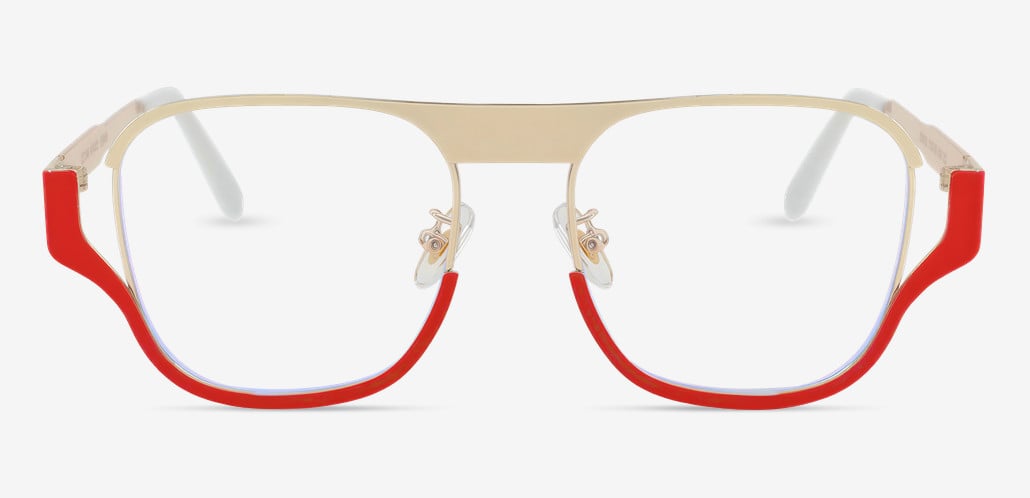
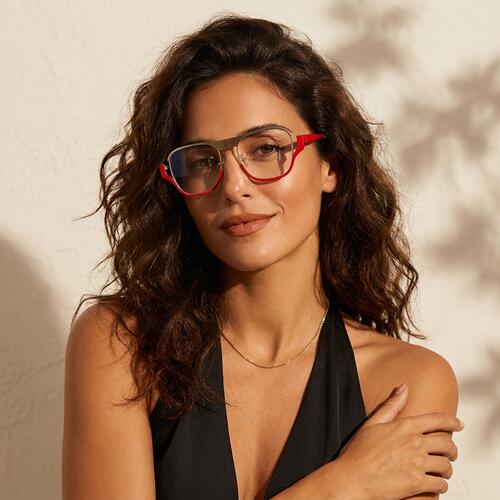
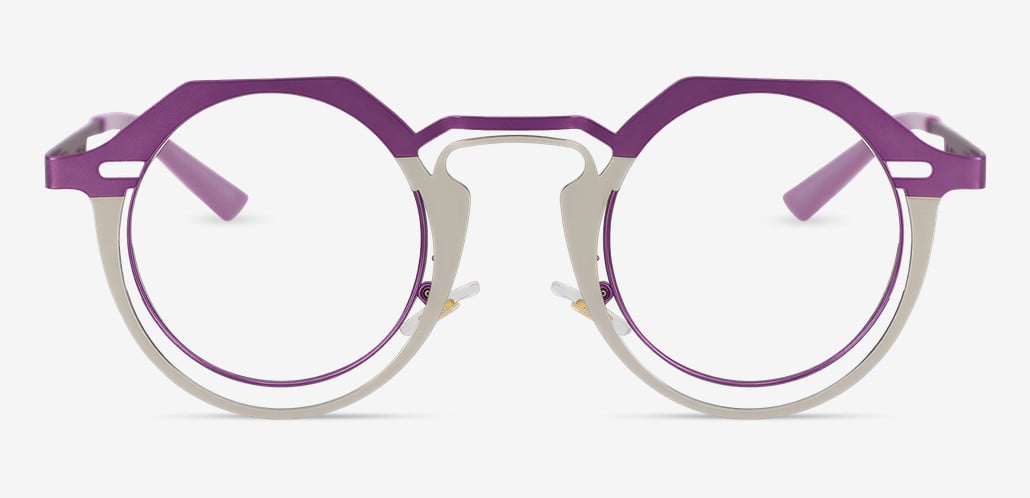
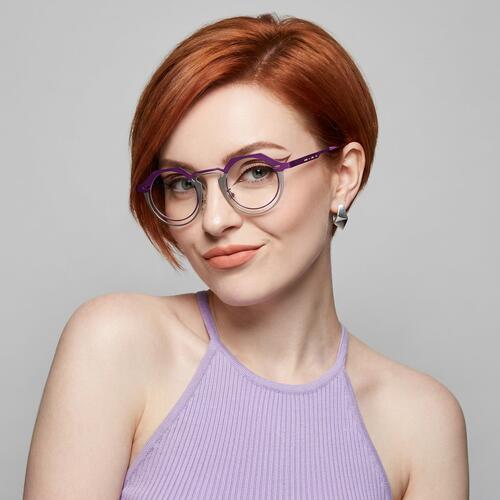
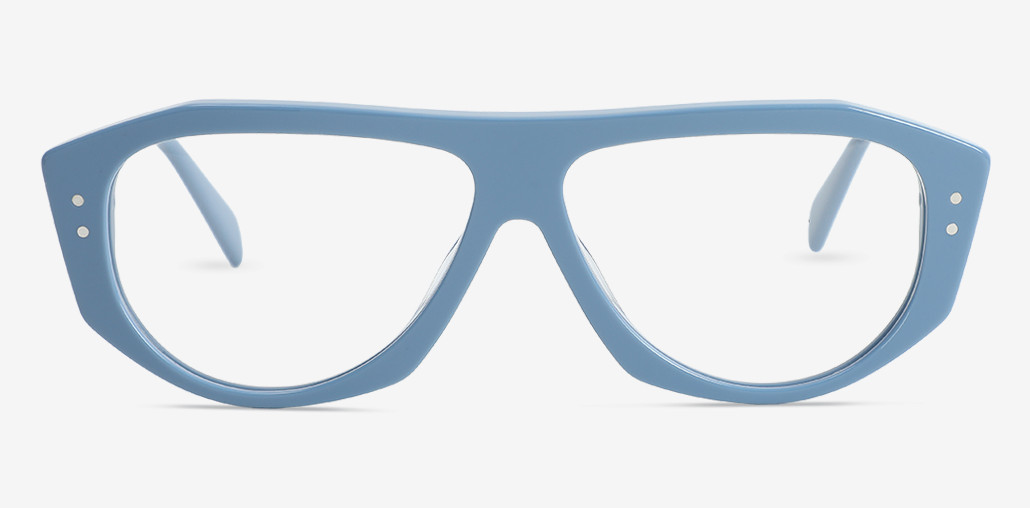
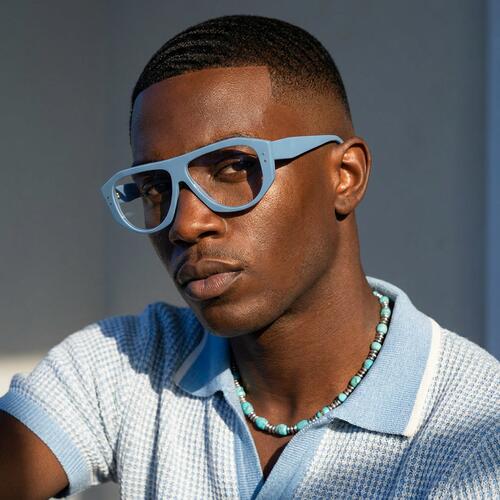
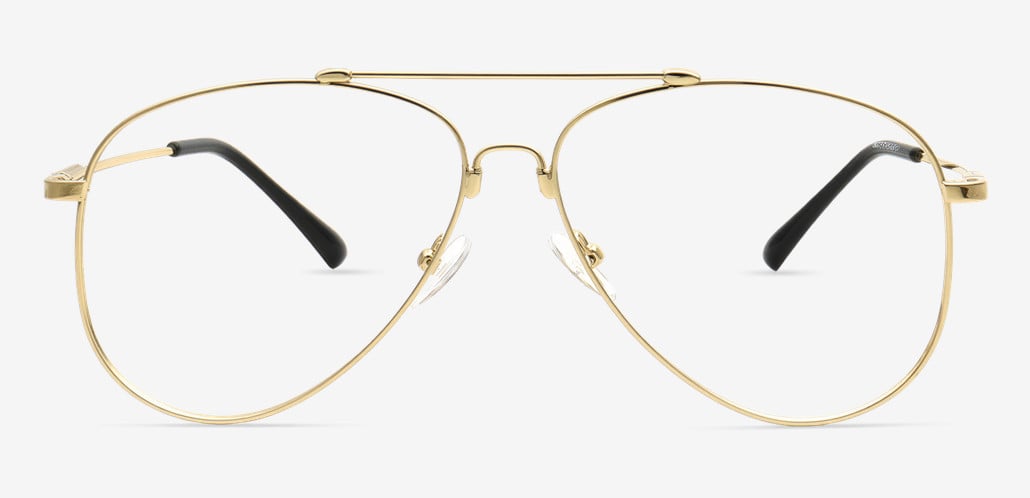
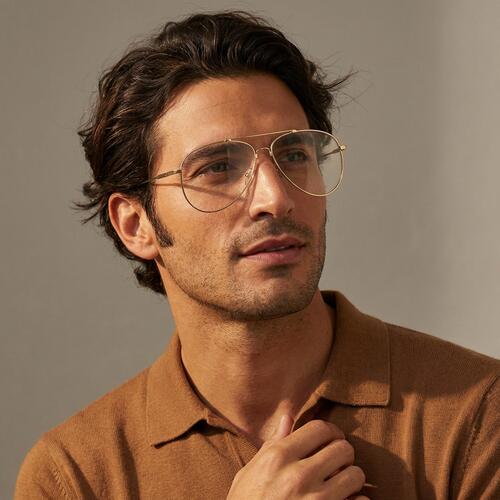
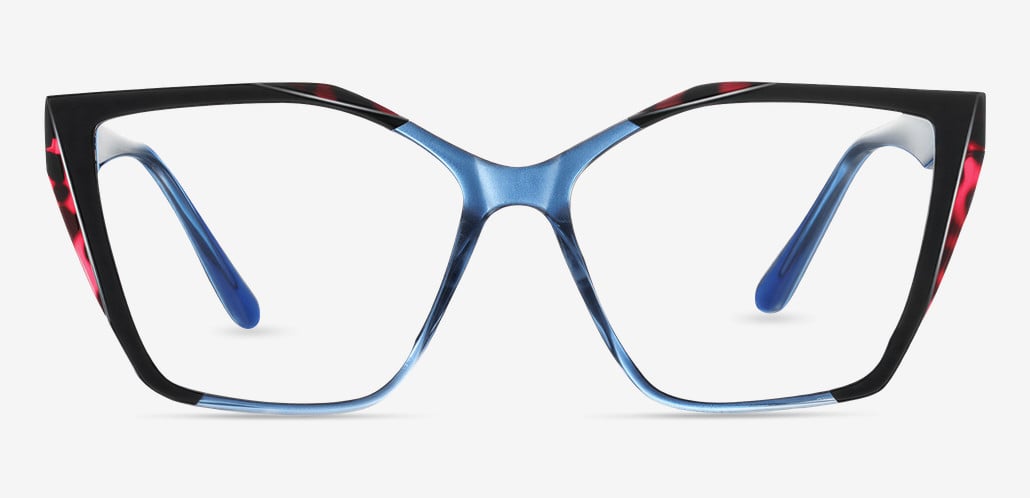
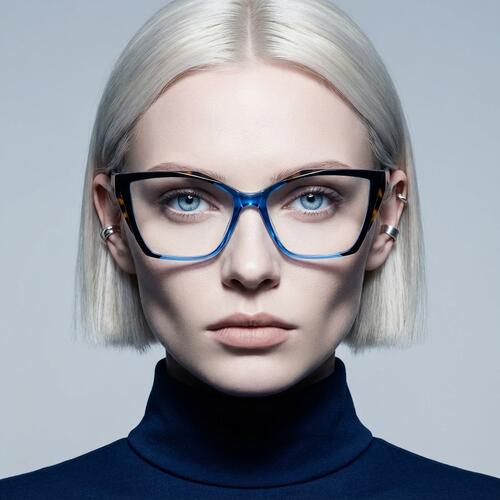
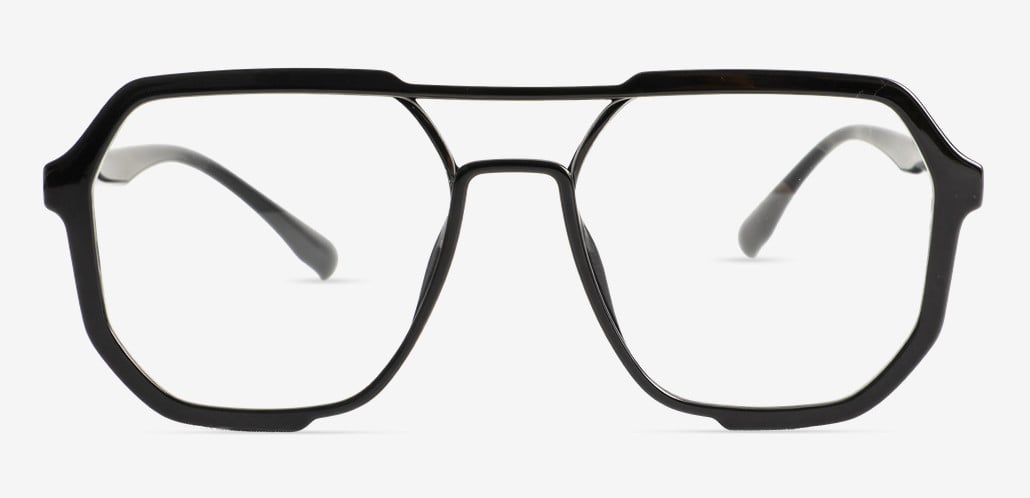
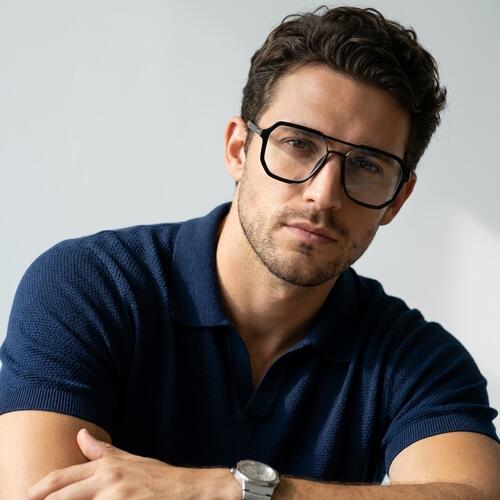
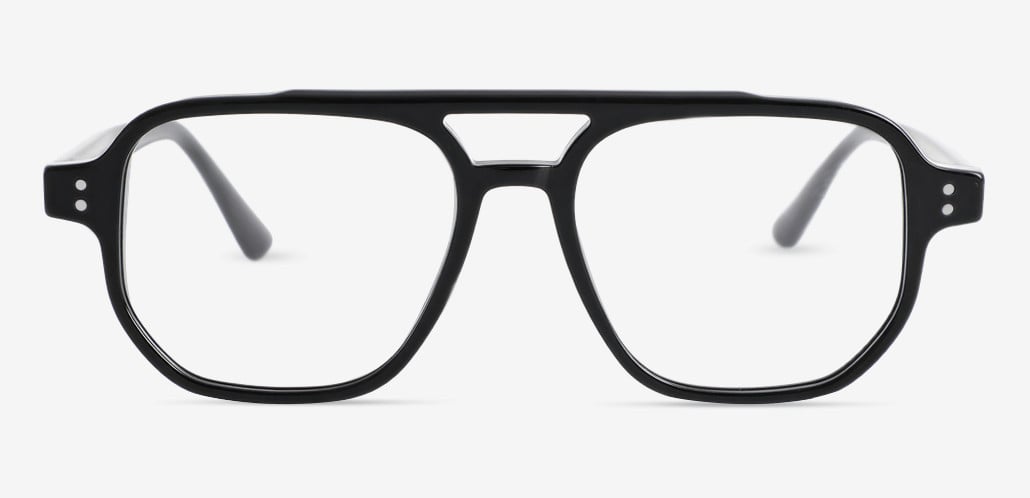
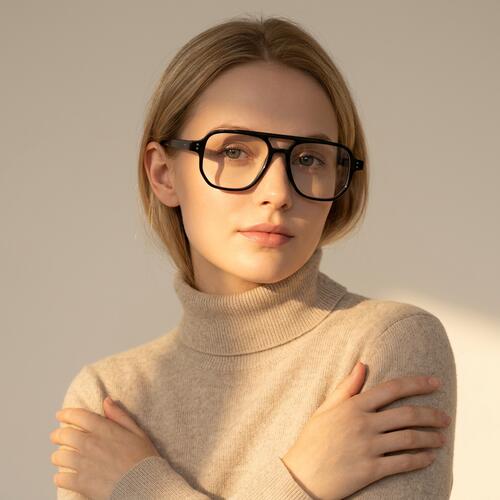
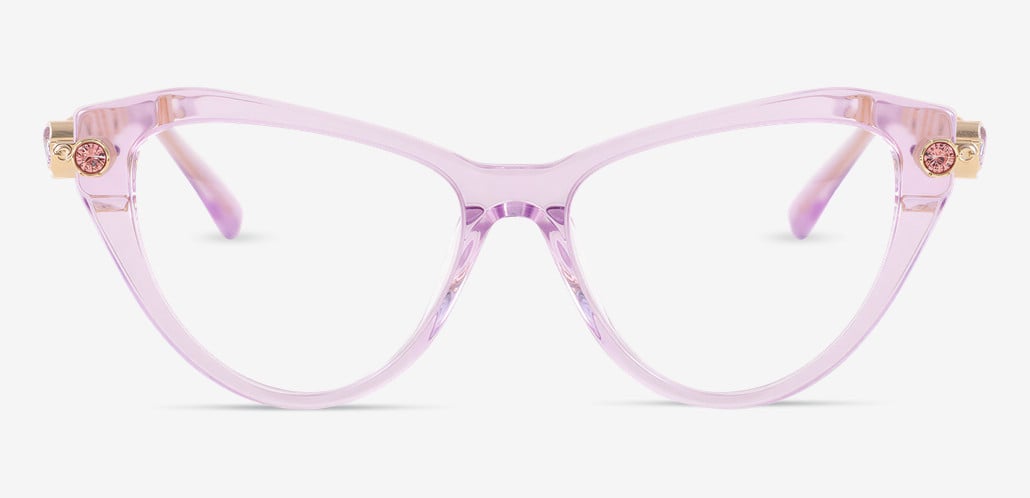
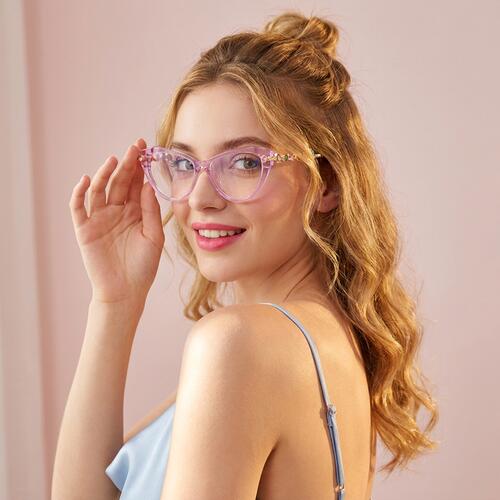
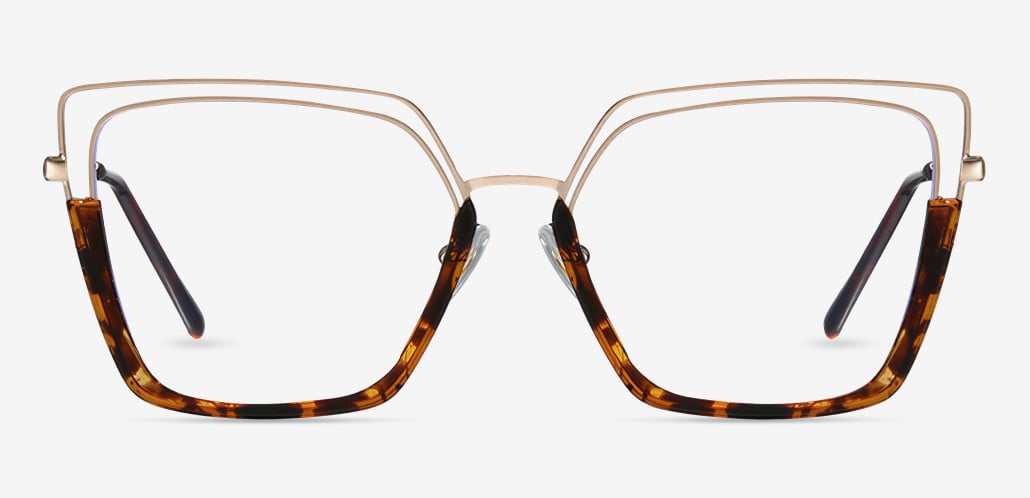
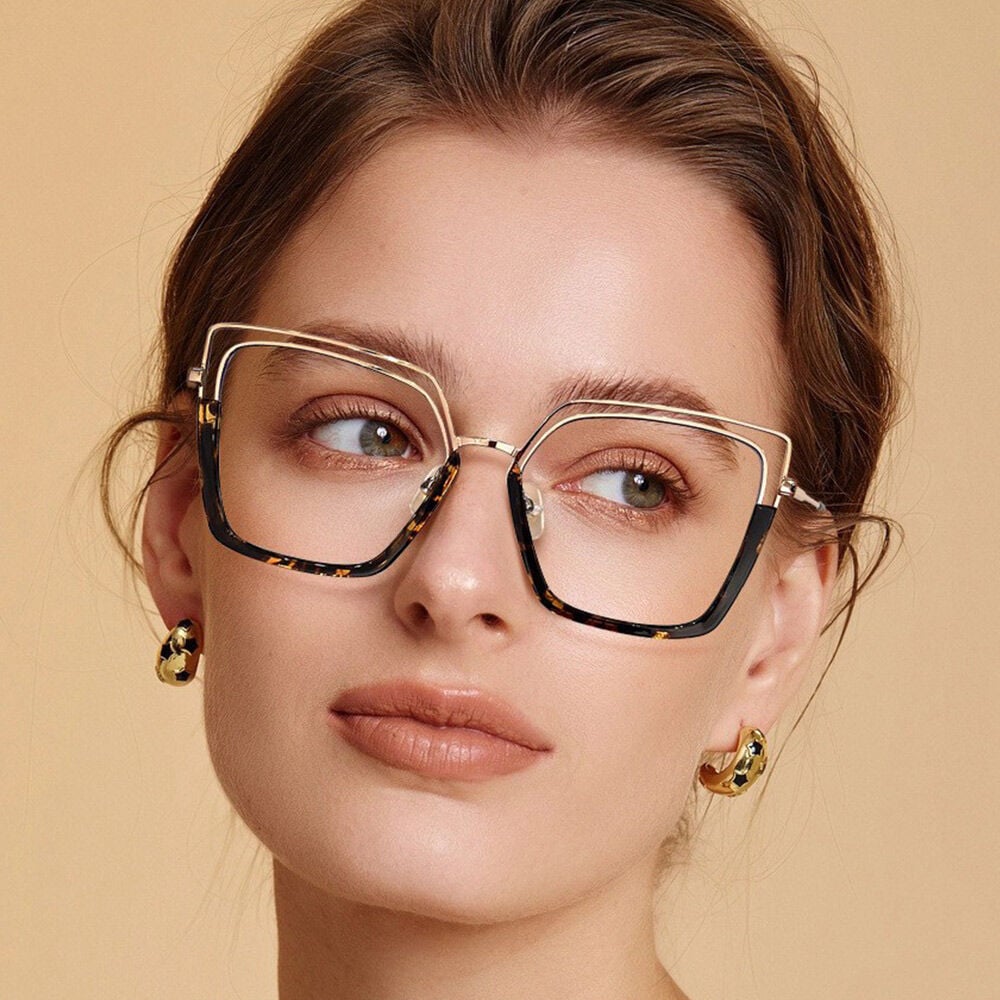
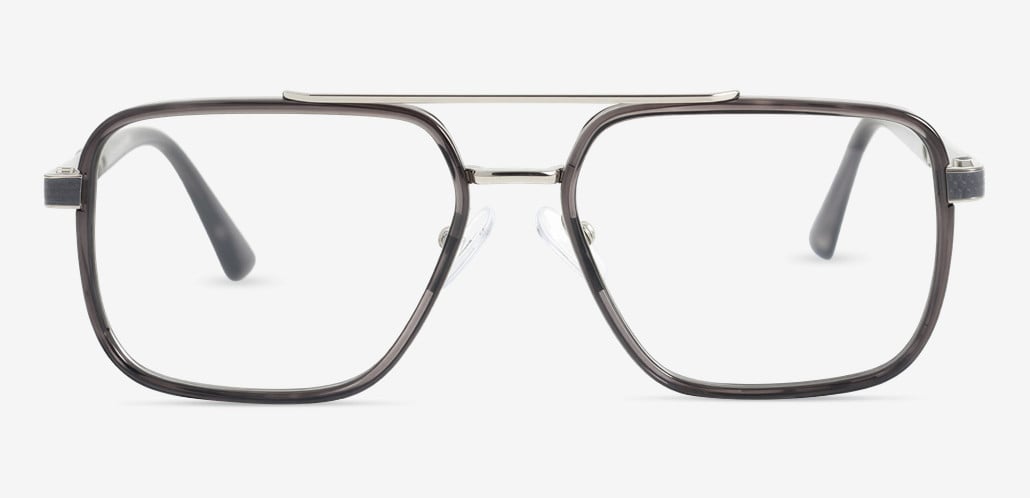
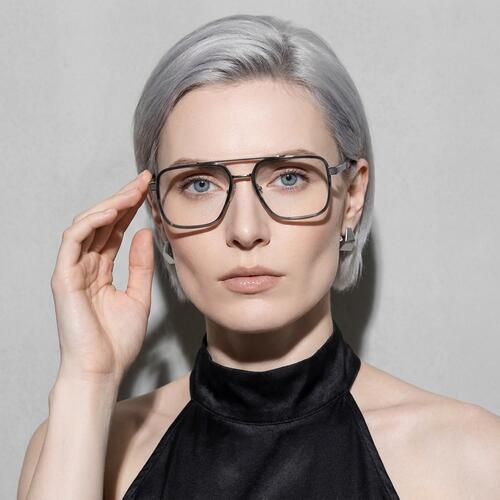
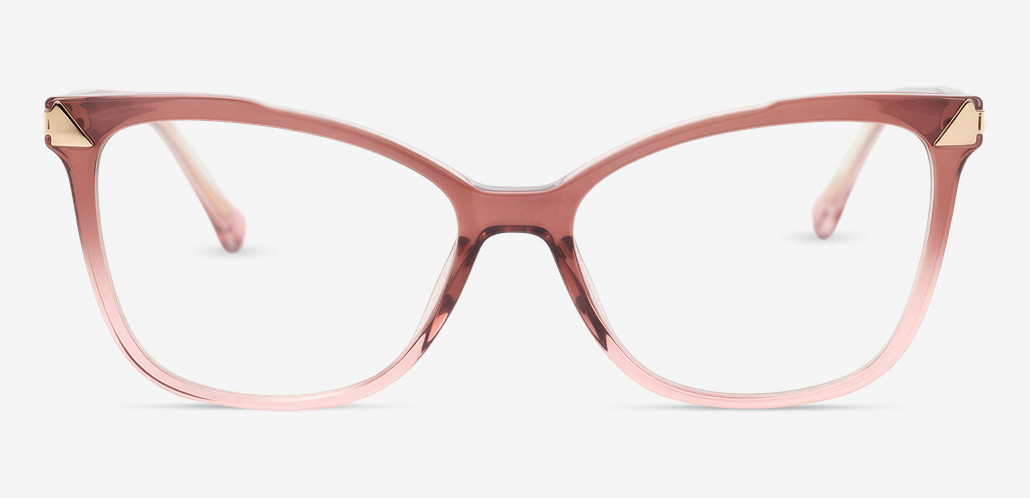
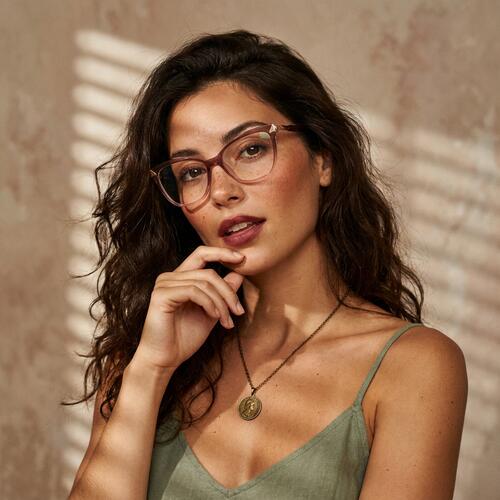
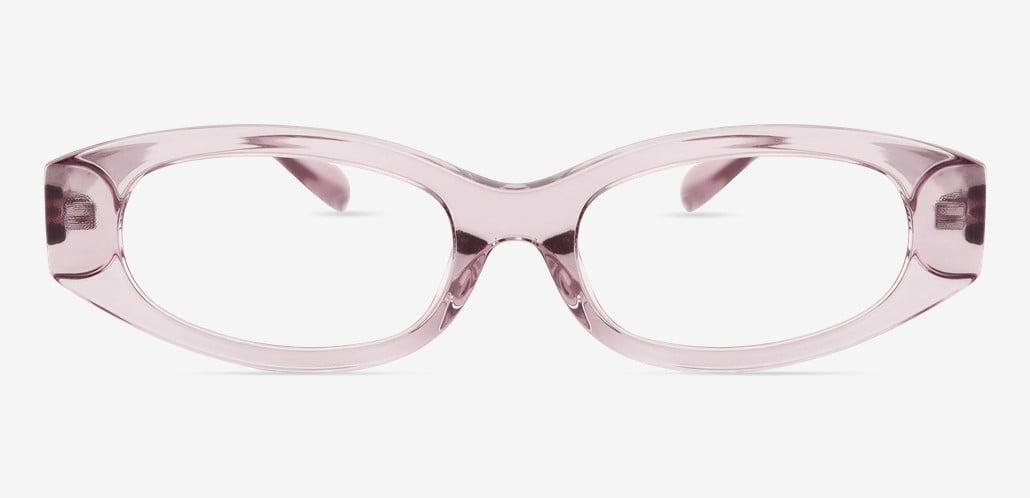
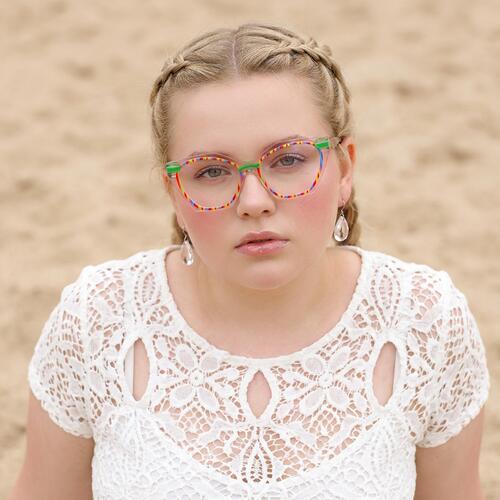
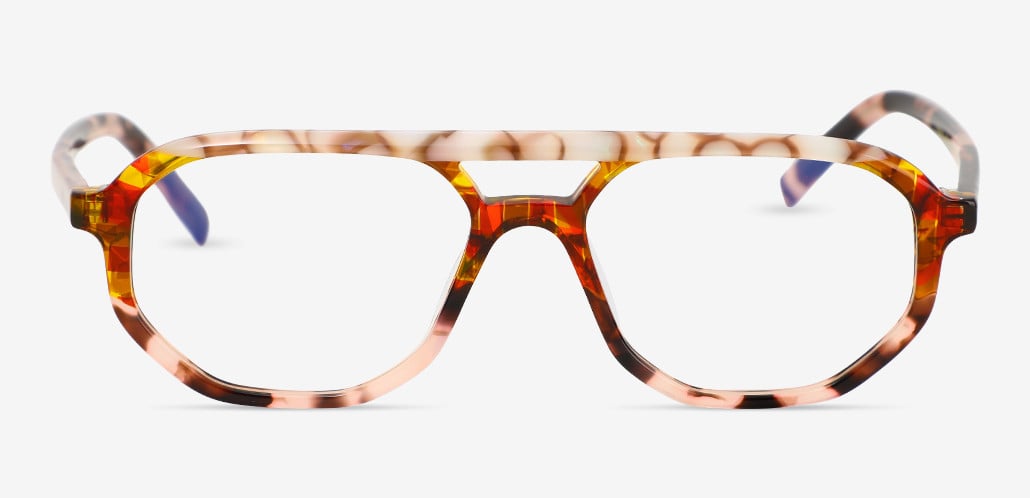
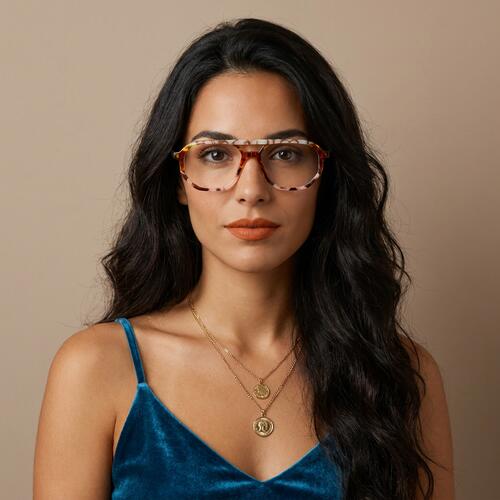
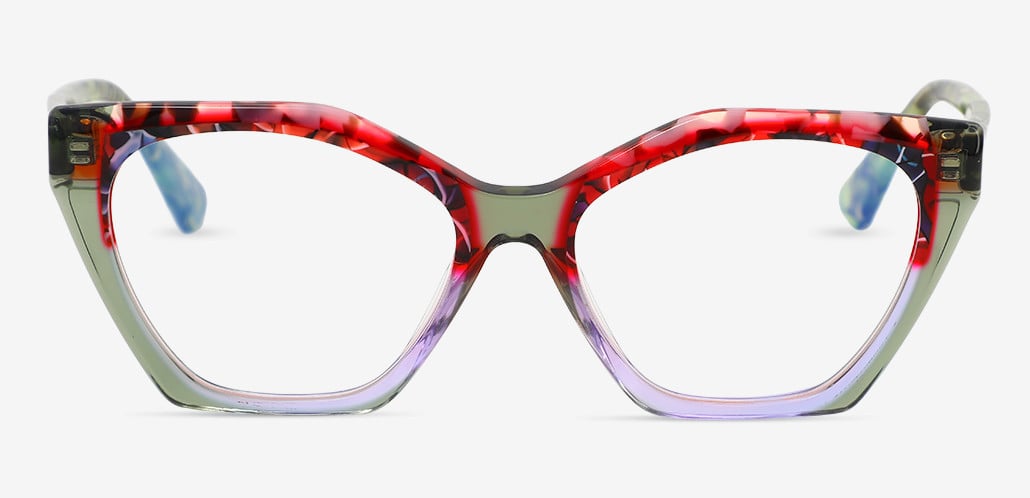
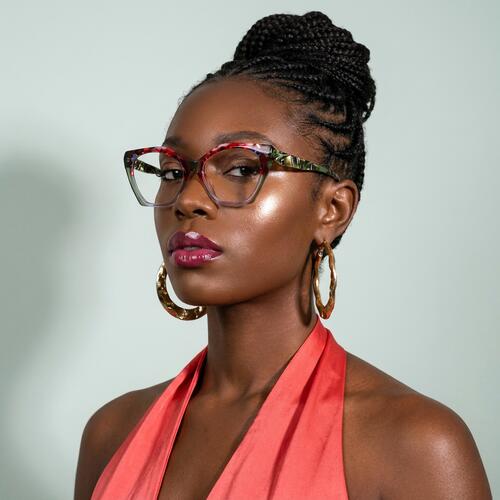
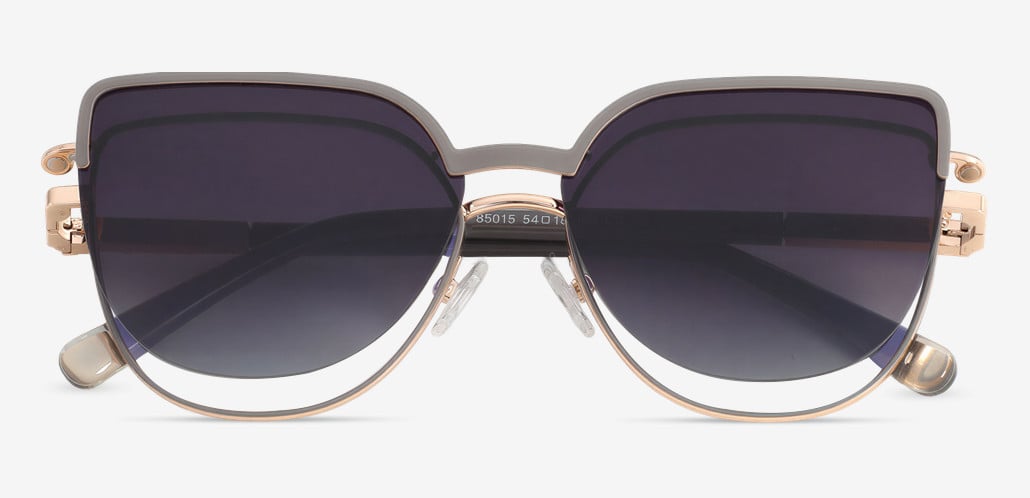
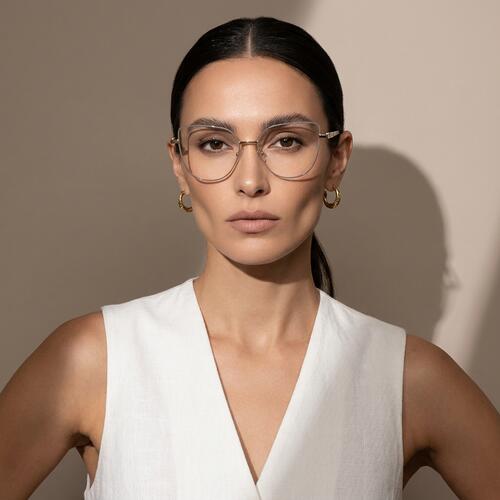
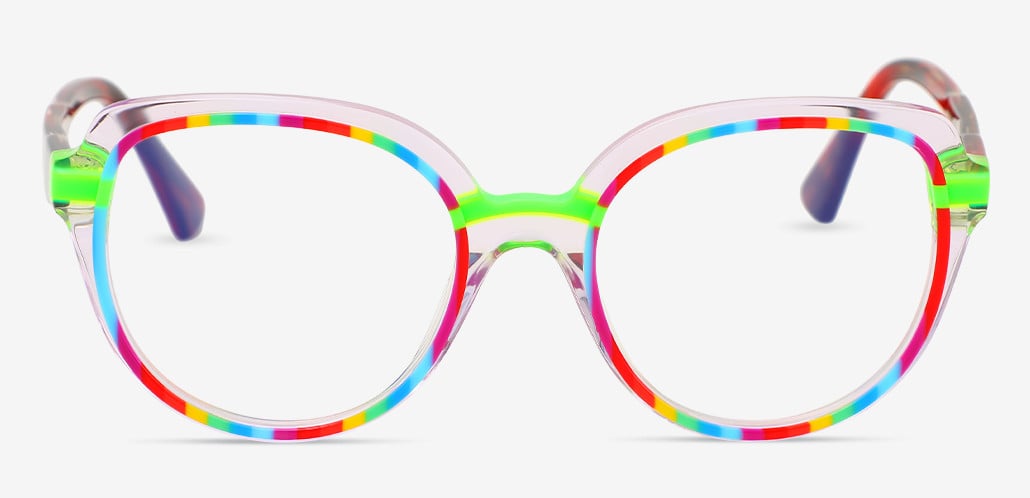
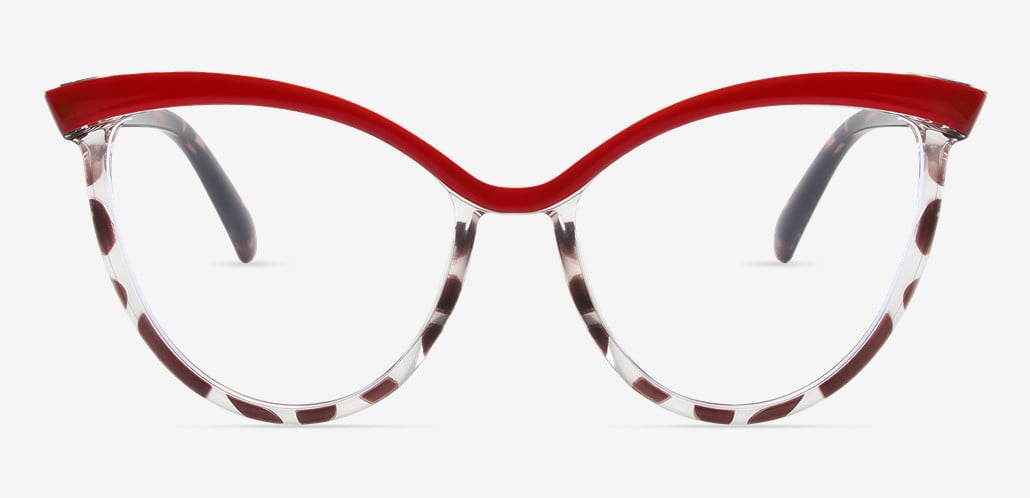
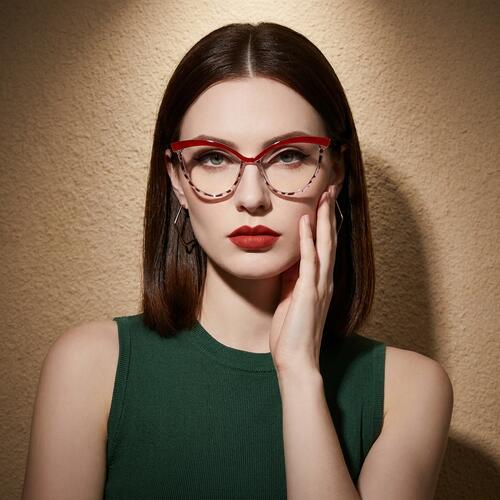
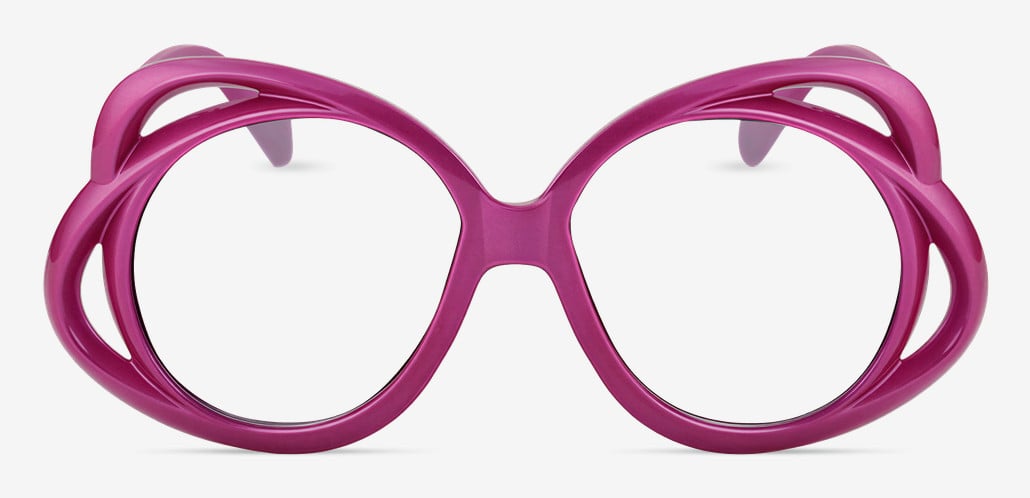
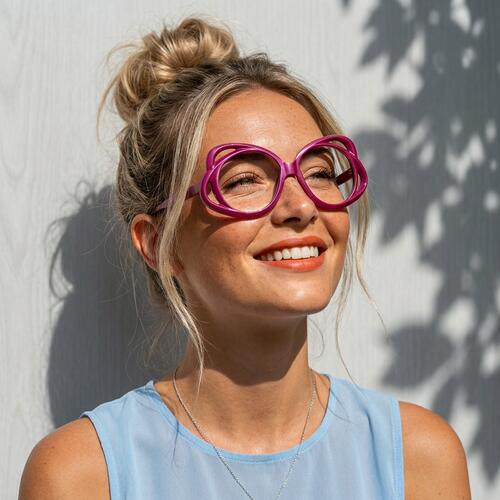
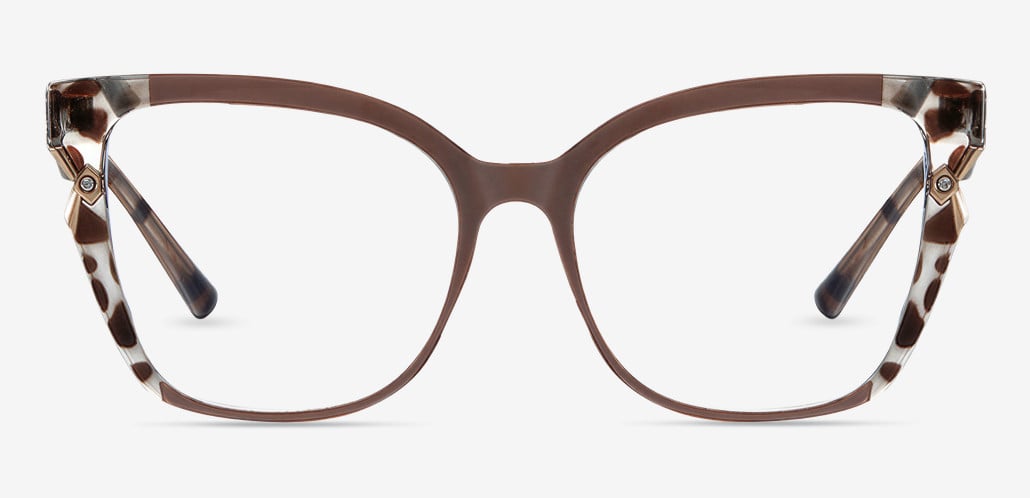
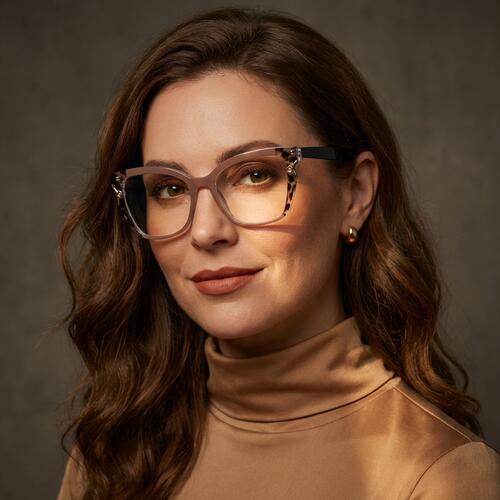
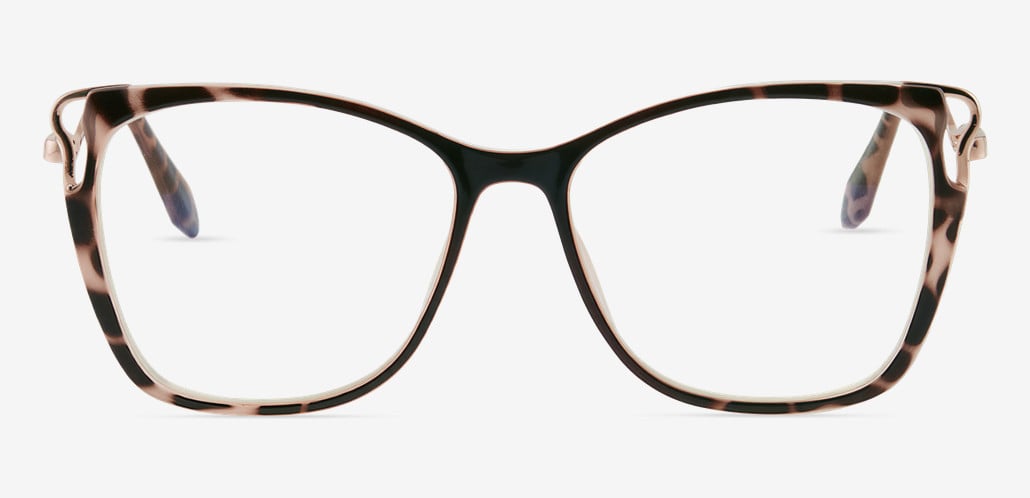
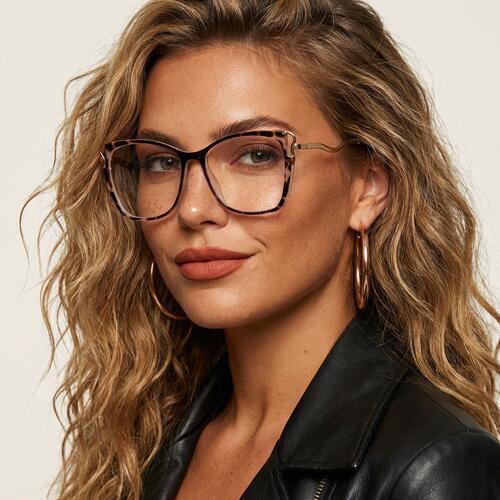
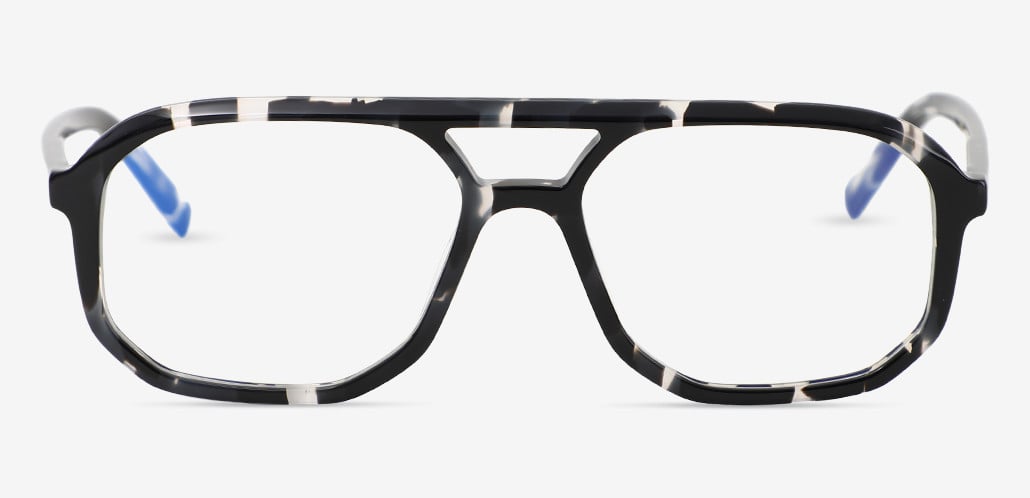
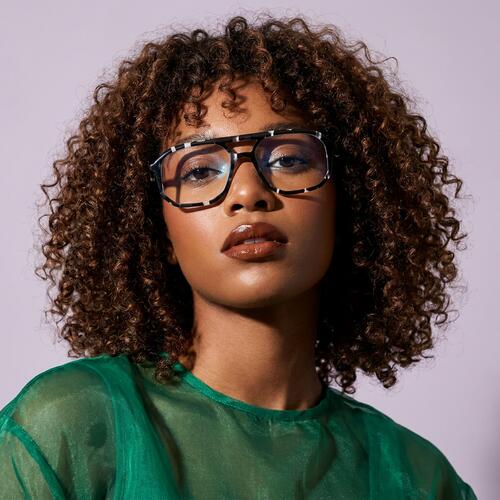
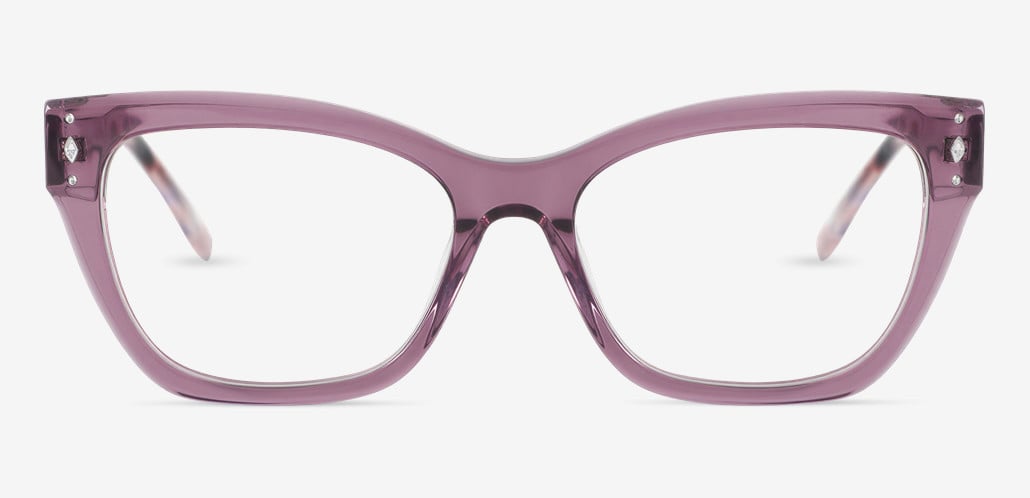
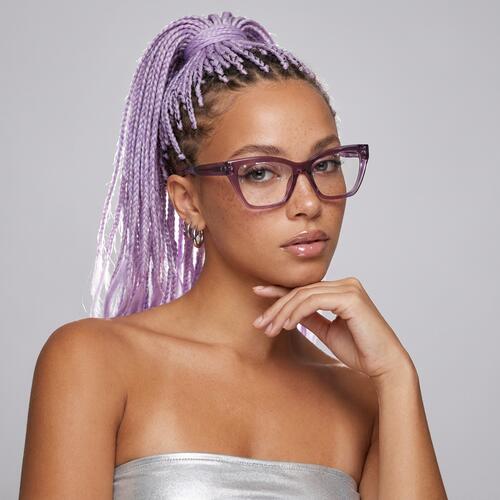
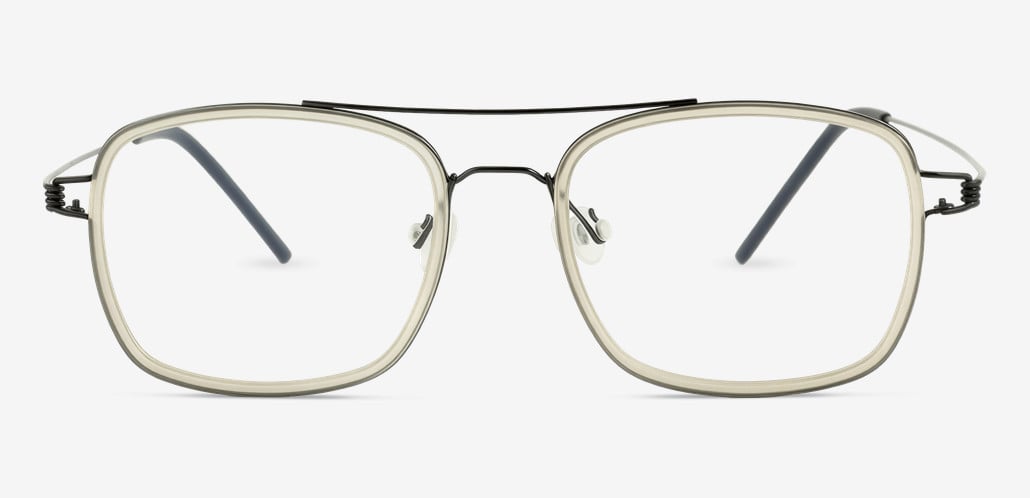
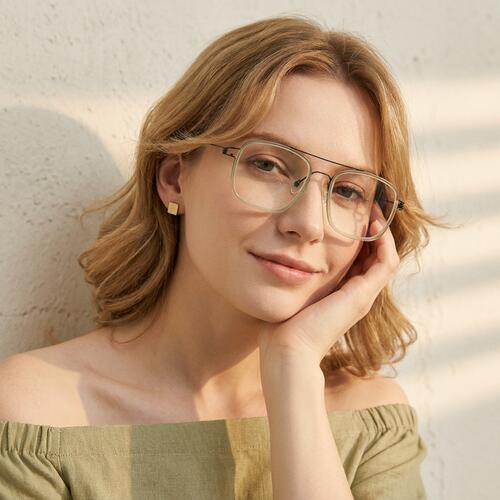
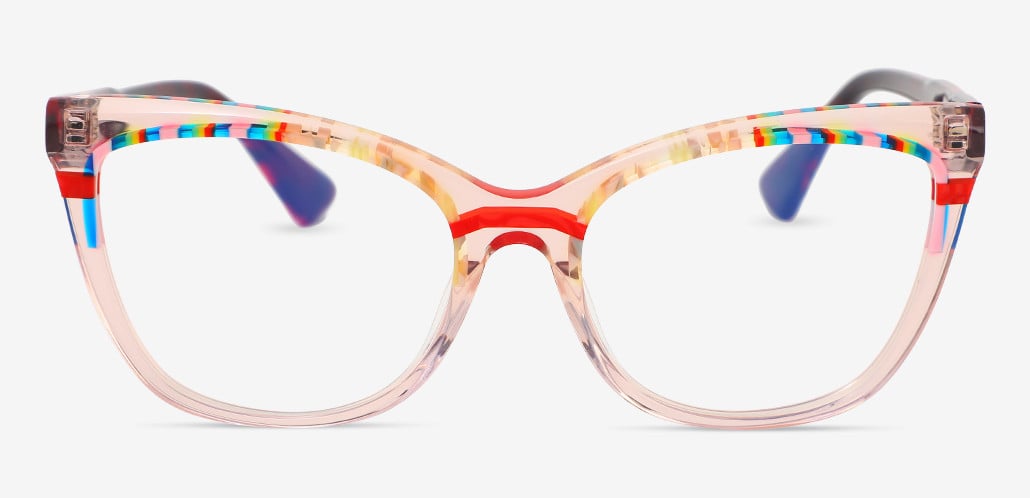
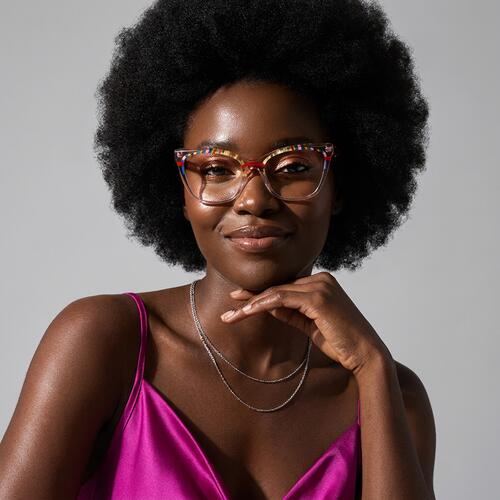
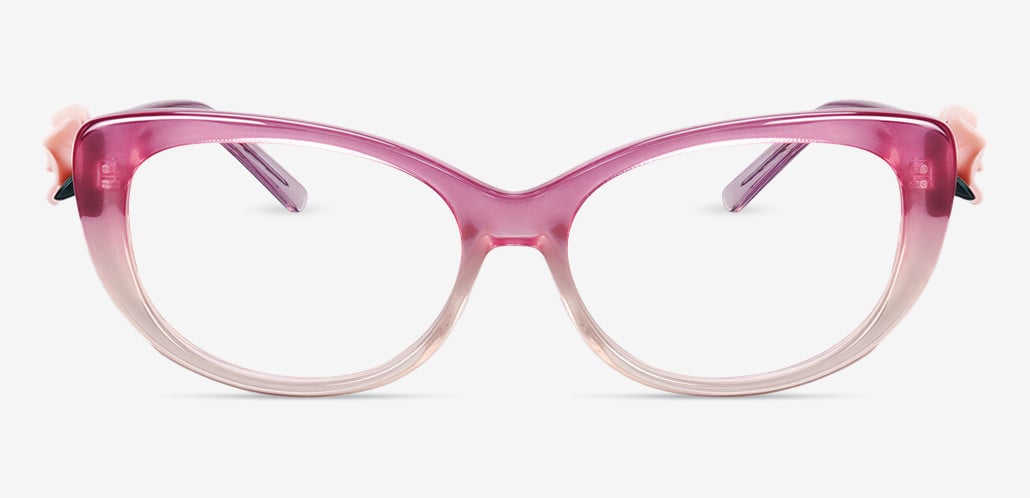
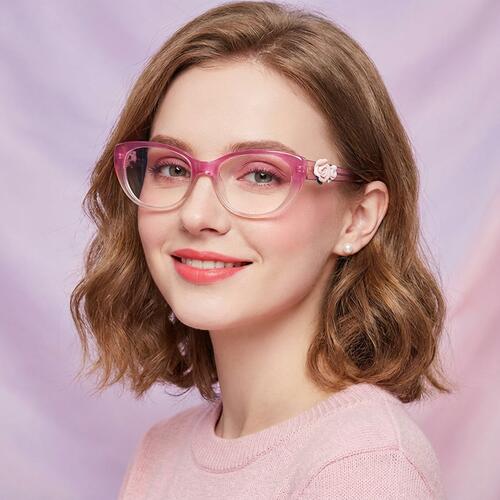
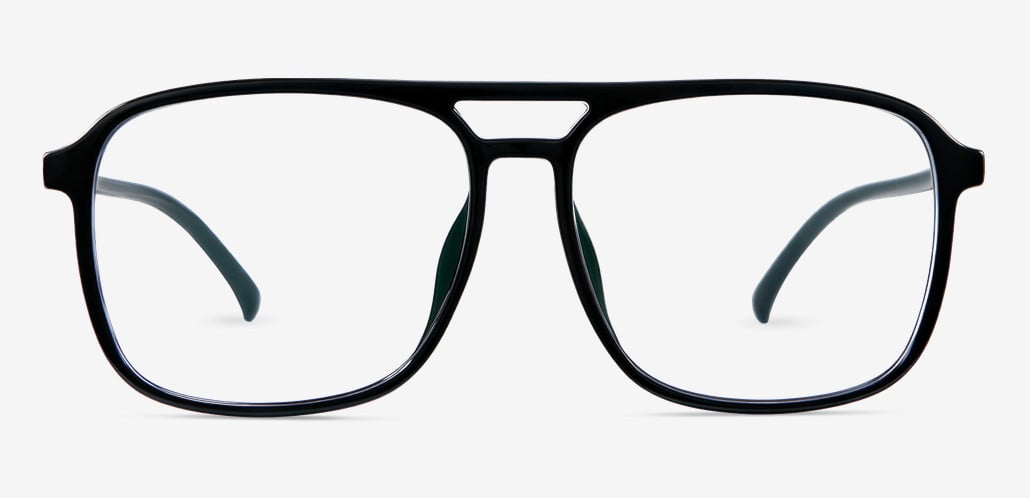
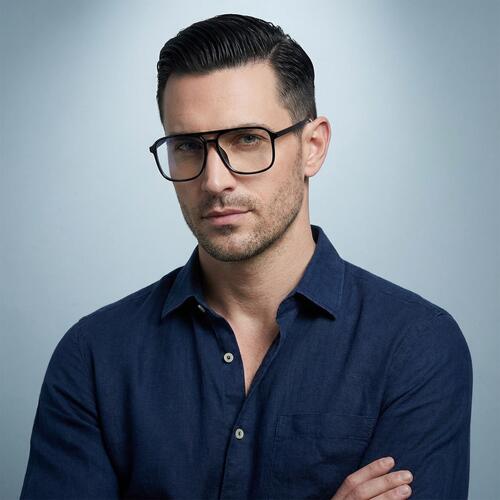
Retro glasses borrow their shapes from the 1950s through the 1990s — upswept cat-eye, half-metal browline, oversized aviator, slim wire oval — and rebuild them on modern hinges, modern materials, and lens options that didn't exist back then. Every frame below is prescription-ready. Every order is checked by an in-house optician before it ships.
Retro-Inspired vs. Actual Vintage,If you've been browsing deadstock frames on eBay or in a thrift store, it's worth knowing what changes when you try to turn one into a pair of glasses you can actually wear.**Acetate ages.** Frames from the sixties and seventies dry out over decades.Heating them for adjustment — which every optician has to do — is when they tend to crack.**Spring hinges are recent.** Most true vintage frames have rigid hinges. If the fit is slightly off at the temples, there's no give **Vintage runs small.** Eye sizes of 44–48mm were normal for decades. A lot of adult faces today need 50–54mm. This is the single most common reason a vintage frame that looked right online doesn't sit right in person.**Labs are cautious about them.** If a vintage frame cracks during edging,there's no replacement — so many labs either decline the job or ask you to sign a waiver first.**And there's no second pair.** No warranty, no re-cut if your prescription changes next year.What you get in return is real: patina, one-of-a-kind, a frame nobody else has.That's a fair trade for some people. If it isn't for you, retro-inspired frames give you the same shape on something a lab can cut, adjust, replace, and stand behind.
Will a Retro Frame Take Your Prescription?Retro shapes and strong prescriptions don't always get along. Three things decide whether a given frame will work for you.**Lens height, if you wear progressives.** A progressive lens needs roughly 28–30mm of vertical room to fit distance, intermediate and near zones without a cramped reading area. Slim '90s ovals and narrow browlines often fall below that. If you're in progressives, filter to Medium or Large and favor '70s and '80s shapes.**Edge thickness, if you're nearsighted.** Around -4.00 and beyond, a wide '70s frame will show thick edges. Two fixes: pick a smaller eye size, or step up to a 1.67 or 1.74 high-index lens. Both work; the first is free.**Center bulge, if you're farsighted.** Plus prescriptions do the opposite —they thicken in the middle, and a large retro frame magnifies the effect.Smaller '50s and '90s shapes handle plus power more gracefully.**One more, on fit:** a lot of retro metal frames use a fixed saddle bridge with no adjustable nose pads. If glasses usually slide down on you, look for frames with adjustable nose pads, or start from our low bridge fit selection.Whatever you pick, an optician on our team reviews your SPH, CYL, axis and PD against the frame you chose before anything gets cut.
How Retro Shapes Land on Different Faces,The usual advice — contrast your face shape — holds, but it's blunter than it needs to be. Two specifics matter more on retro frames than on modern ones.Cat-eye and browline both pull attention upward and outward, which is why they read as flattering on round and oval faces and can widen an already-wide forehead. Oversized '70s shapes do the reverse: they add vertical weight, which suits longer faces and can overwhelm a small one. Rather than guess, run a frame through virtual try-on or use our face shape finder before you commit. Both are free and neither needs an account.
Read More