
First, the vocabulary — because nobody enforces it
No standards body governs how eyewear resale uses these words. Sellers apply them loosely, and marketplace search tags reward whichever term gets more traffic. It's worth knowing what each one is supposed to mean.
Vintage means the frame is genuinely old. Manufactured decades ago, sold once already or never sold at all.
Deadstock (also written NOS, for new old stock) is vintage that was never worn. Old inventory that sat in a warehouse or a shop drawer. Physically new, chronologically old — which sounds like the best of both, but the aging happened anyway. Acetate doesn't care whether anyone wore it.
Antique generally refers to pre-1920s pieces: pince-nez, wire ovals, folding lorgnettes. Collector territory more than wearable territory.
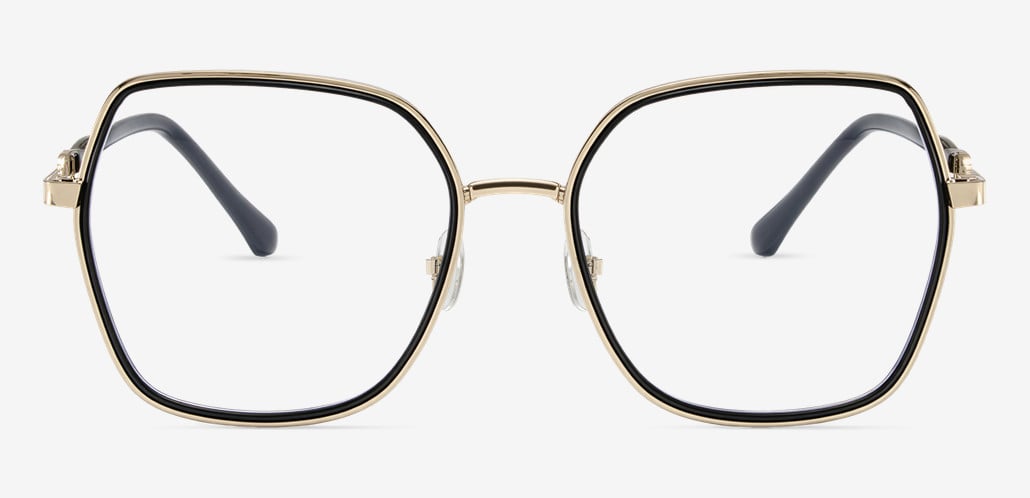
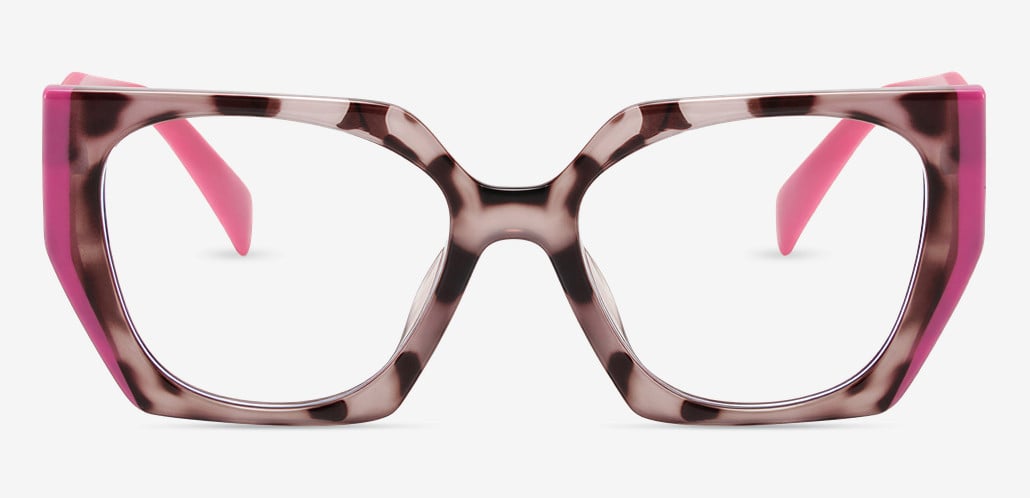
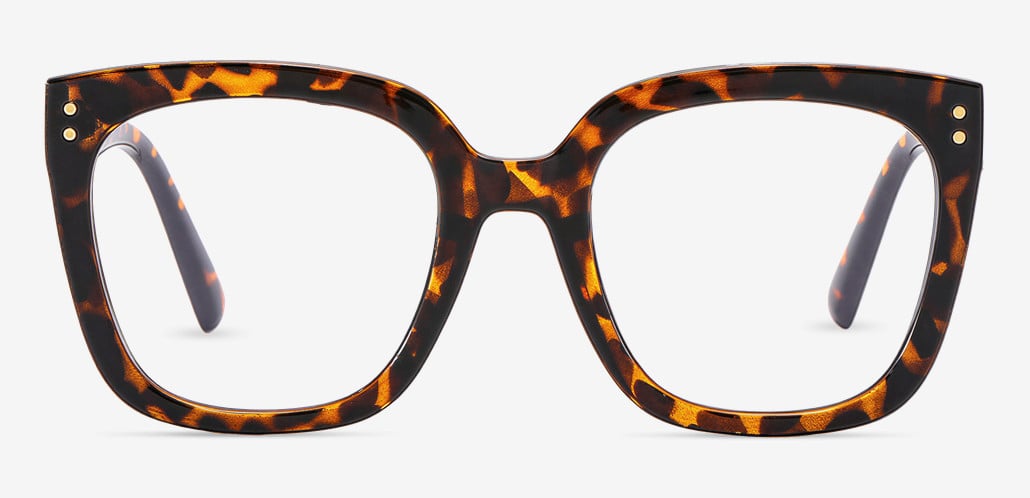
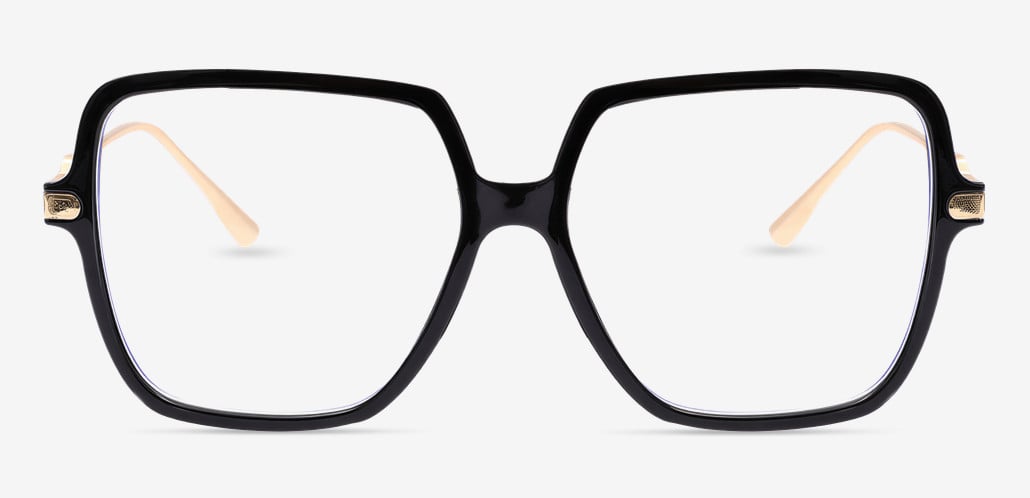
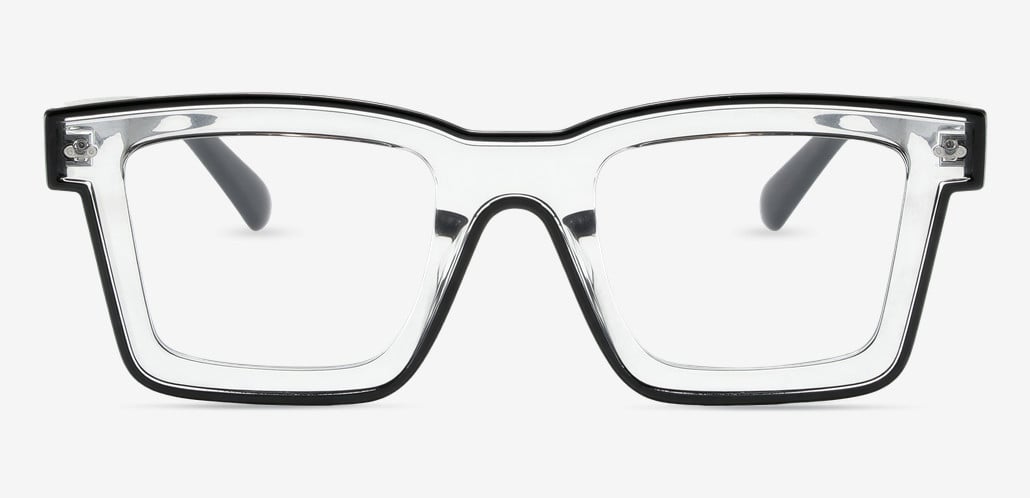
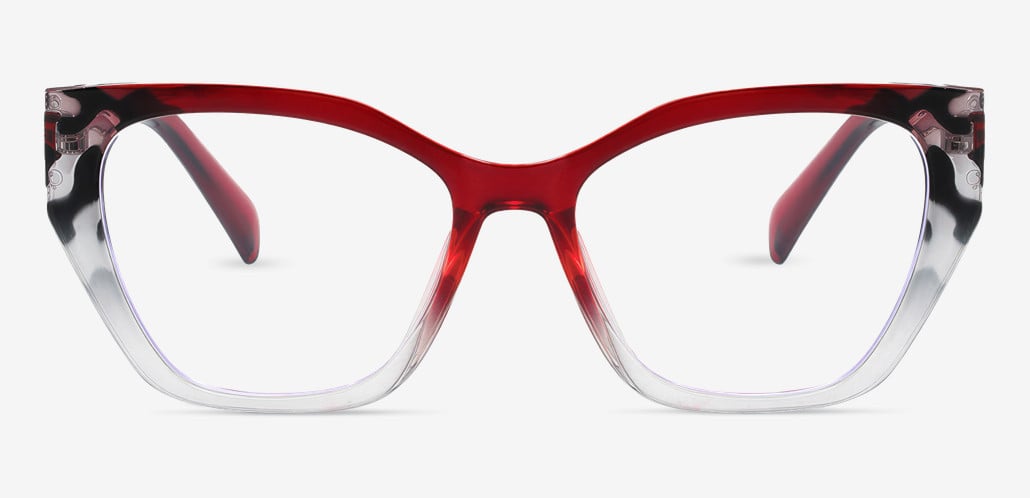
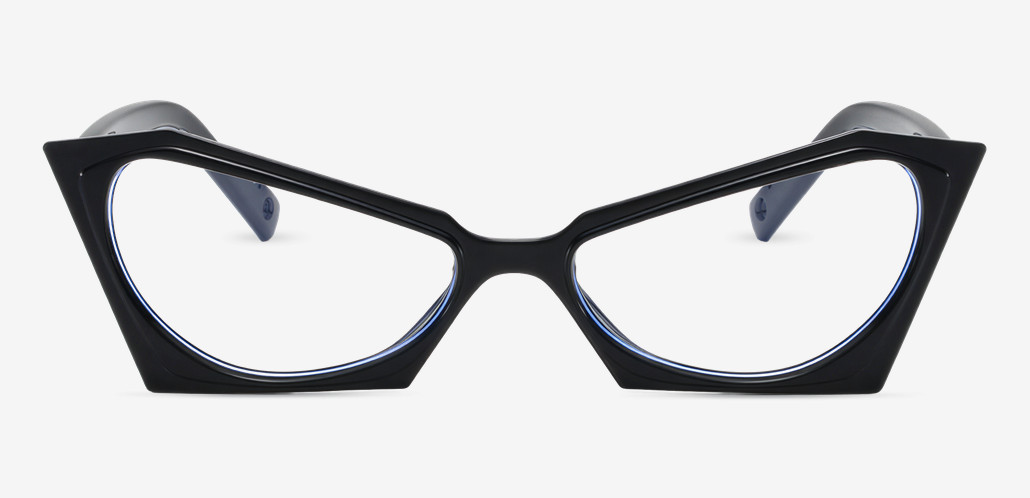
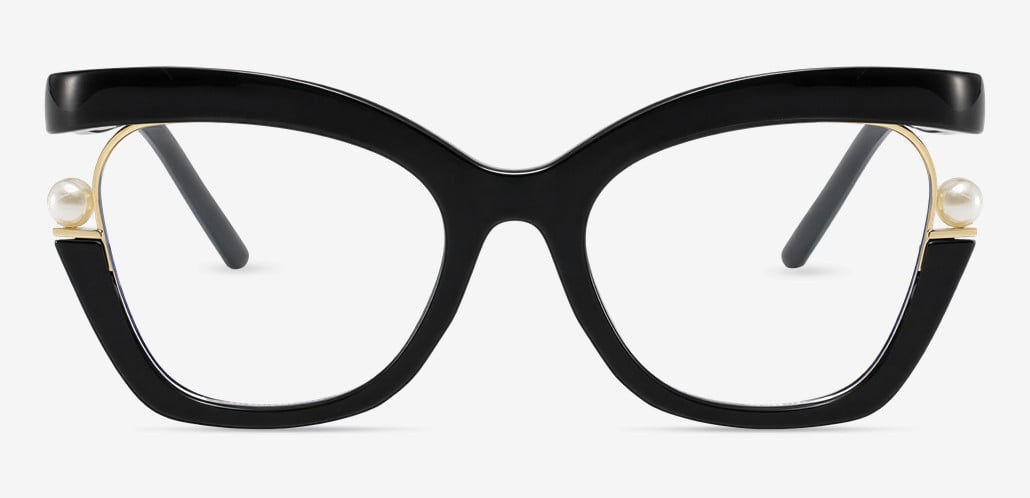
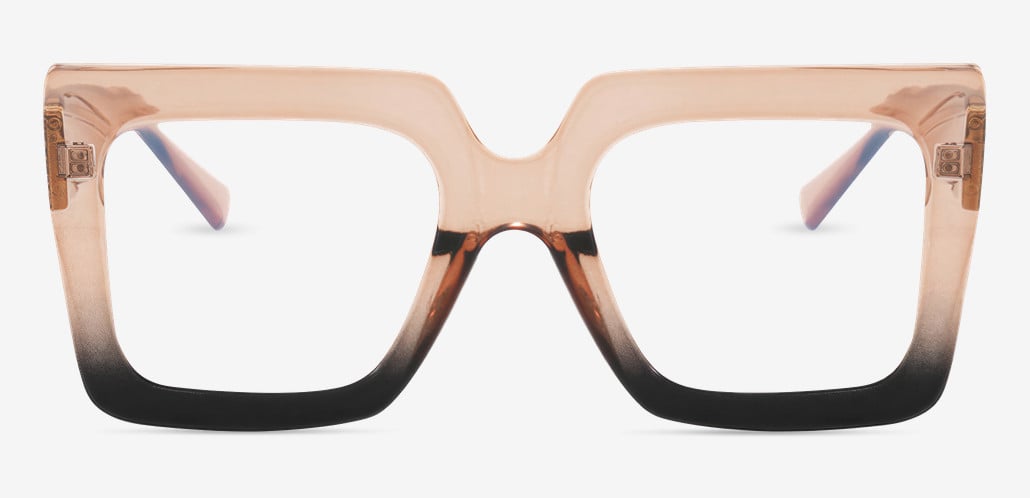
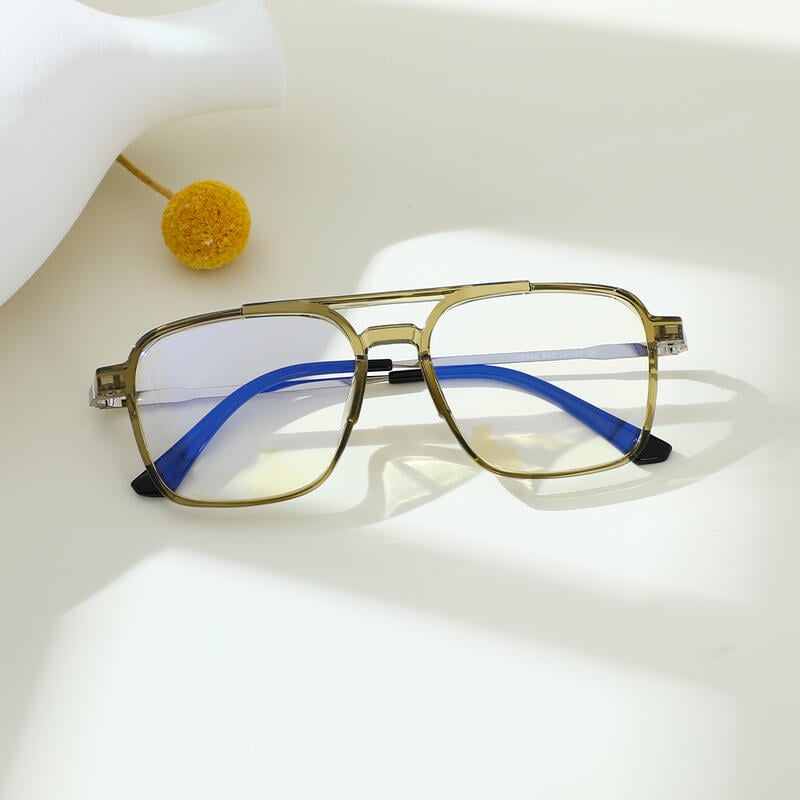
Retro or retro-inspired means new manufacture in an old silhouette. The frame is weeks old. The shape is sixty years old.
The fastest way to tell which one you're looking at, from photos alone: check the hinge and the temple stamp. Spring hinges became common in the 1990s, so a frame with visible spring-loaded temples is almost certainly modern. Interior stamps that include a model number, a size string, and a country of manufacture in current formatting point to recent production. Genuine vintage frames are frequently stamped with nothing but a size, or nothing at all.
If a listing describes a frame as "vintage style," that phrasing usually means retro. If the seller can tell you the exact year, be a little skeptical — most people selling genuinely old frames can name a decade, not a year.

Handoff 1: from the listing to your hands
This is the only stage where you have leverage, because it's the only stage where you can still walk away.
For a genuinely vintage frame, ask for four photos before paying: the interior of both temples, a close-up of one hinge, the bridge from the front, and both temple tips. Then look for the following.
Surface haze on acetate. A faint white bloom or cloudiness, especially in the lens groove and around the hinge rivets, is plasticizer working its way out of the material. Acetate is plasticized cellulose; over decades the plasticizer migrates to the surface and evaporates. What's left behind is harder, more brittle, and slightly smaller than the frame originally was. Haze can be polished off. The brittleness underneath cannot.
Hairline stress marks. Look where the rims meet the bridge and where the hinge is riveted into the acetate. Those are the two places a frame fails during heating.
Solder blobs on metal frames. Rounded silver deposits at a joint mean the frame has already been repaired once. It can be repaired again, but that joint is now the weakest point.
Plating condition. Wear-through at the bridge and behind the ears is normal. Worth noting: older metal frames stamped "GF," "Gold Filled," or "1/10 12K GF" use rolled gold, which is a mechanically bonded layer far thicker than modern electroplating. That's one of the places vintage genuinely outperforms new production.
The stamped numbers, with a caveat. Modern frames carry something like 52□18-145 — eye size, bridge width, temple length, in millimeters. The little box symbol indicates the boxing system, the current international standard for how those measurements are taken. Older frames were sometimes marked under the earlier datum system, which measured eye size at the frame's mid-height rather than across the full box. Same frame, different number. Which means you cannot reliably compare a size stamped on a 1965 frame to the size stamped on one you bought last year. Treat vintage measurements as approximate until someone physically measures the frame.
With retro glasses, almost none of this inspection applies, and it doesn't need to. What's worth checking instead is construction: whether the acetate is cut from block or injection-molded, whether the hinges are spring or barrel, and whether metal builds have adjustable nose pads. Those three details separate the better retro frames from the cheaper ones, and they're usually stated in the product specs.

Handoff 2: from your hands to a lab
Here's the part that surprises people. Buying the frame is not the same as owning a pair of glasses, and not every lab will finish the job.
Most online eyewear retailers won't cut lenses into a frame they didn't sell. Independent opticians and local optical shops usually will, often after you sign a waiver. The reason is mechanical rather than bureaucratic.
To edge a lens, a lab first traces the frame: a stylus rides around the inside groove of the rim under spring pressure, recording the shape. Then the lens is cut on a CNC edger to match, with a bevel that has to seat into that groove. Then the frame is warmed — typically in a hot air unit or a bead warmer — so the rim can flex enough to accept the lens.
That's two mechanical stress events on a frame that may have lost a meaningful fraction of its flexibility since the Nixon administration. If it cracks in the tracer or during insertion, the frame is gone, and there is no second one.
So when you call a shop, ask two questions in this order: Do you cut customer-supplied frames? and What happens if it breaks during the job? The second question sorts shops faster than the first. Some will replace the frame's value. Most will not, which is entirely reasonable, and which you want to know beforehand.
Budget accordingly. A $45 vintage frame plus a single vision lens job plus a handling fee is not a $45 pair of glasses. Add progressives and it stops being a budget option at all.
Retro glasses purchased as a complete pair skip this handoff. The frame and the lenses are cut together by whoever sold them, and breakage during production is their cost, not yours.
Handoff 3: from your prescription to the frame
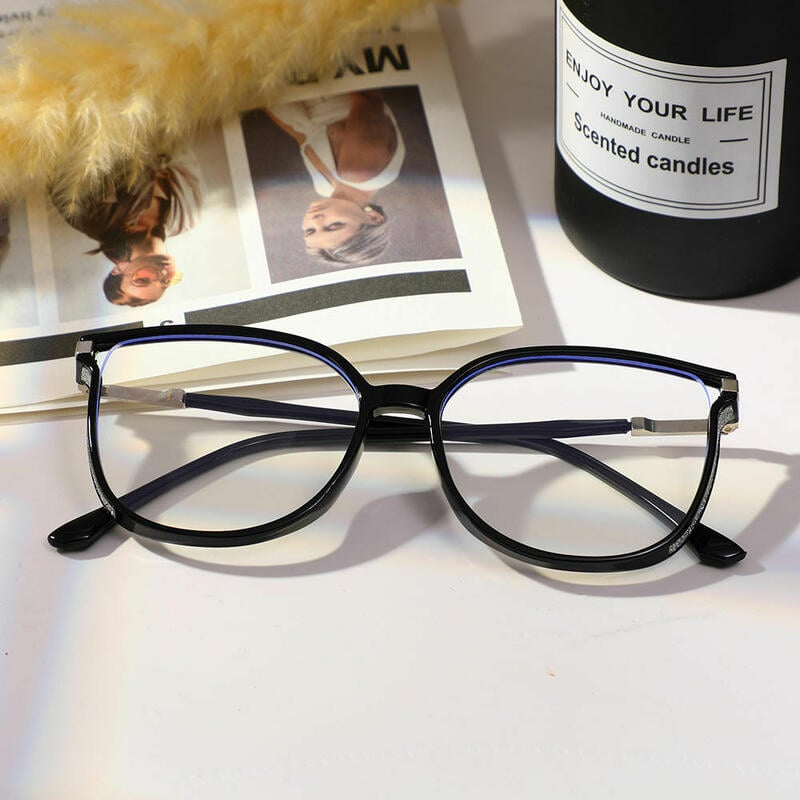
Geometry doesn't negotiate, and it applies equally to old frames and new ones. The difference is that on a retail site you can filter and swap in thirty seconds, while a vintage frame is a single object you've already committed to.
Frame PD versus your PD. Add the eye size and the bridge width and you get the frame's pupillary distance — the distance between the optical centers of the two lens openings. A 46□20 frame has a frame PD of 66mm. If your PD is 60, each lens has to be cut with its optical center shifted 3mm inward from the geometric center of the opening. That's called decentration, and small amounts are routine. Larger amounts push the lens thicker on one edge and, in stronger prescriptions, can introduce prism you didn't ask for. Vintage frames commonly run 44–48mm in eye size with wide bridges, which is exactly the combination that produces a large frame PD on a small-looking frame. Do this arithmetic before you buy, not after. (If you're not sure how to read your own numbers, start here.)
Vertical height, if you wear progressives. A standard progressive lens needs roughly 28–30mm of vertical room in the opening to fit distance, intermediate and reading zones without squeezing the reading area into a slot. Short-corridor designs lower that requirement, but they don't eliminate it. Slim 1990s ovals and narrow browlines frequently fall below the threshold. This rules out more vintage frames than any other single factor, and it's the reason a lot of people end up with a beautiful vintage frame that only works as a distance-only pair.
Lens power and frame size. Strong minus prescriptions thicken at the edge, and the wider the opening, the thicker that edge gets — which is why an oversized 1970s frame and a -6.00 prescription need a 1.67 or 1.74 high-index lens to look reasonable. Strong plus does the reverse, bulging in the center and adding weight, so smaller openings handle plus power more gracefully.
Rimless and semi-rimless vintage. Both require drilling or grooving lenses to match original mounting hardware that may be obsolete. If you're new to vintage, don't start here.
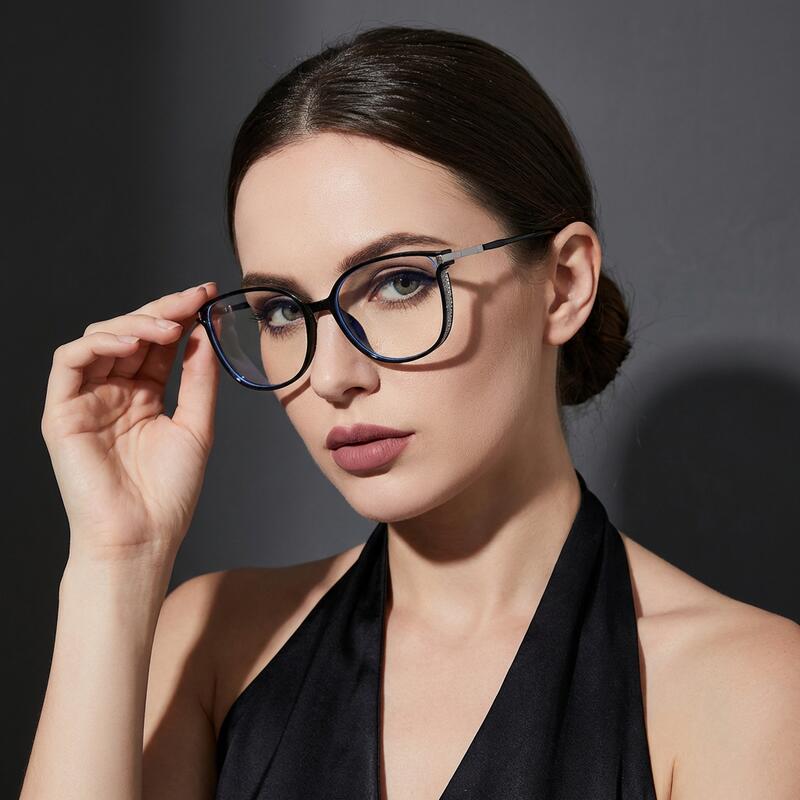
Handoff 4: from the frame to your face
An adjustment is not a formality. Almost nobody's face matches a frame's factory bend, and getting the fit right involves heat, pressure, and small amounts of permanent deformation.
Acetate has to be warmed before the temples or the bridge can be moved. On fresh material that's a two-minute job. On a frame with forty years of plasticizer loss, that's the moment the optician finds out how brittle it is. Metal frames bend cold, but old solder joints are a fatigue point, and some vintage metal is soft enough that repeated adjustment stretches it out of shape.
Then there's what the frame assumes about your face:
Hinge type. Rigid barrel hinges have no give. If the temple spread is a few millimeters too narrow, it has to be bent, and it will need re-bending periodically. Spring hinges absorb that automatically, and they mostly didn't exist before the 1990s.
Bridge design. Saddle and keyhole bridges — common on vintage acetate — sit directly on the nose and cannot be adjusted. Adjustable nose pads can. If glasses tend to slide down on you, or if you have a lower or wider nose bridge, that's a structural mismatch rather than a fit that can be dialed in. Frames designed for low bridge fit exist for exactly this reason, and vintage inventory is thin on them.
Temple length. 140mm was a common historical length; 145 and 150 are more common now. Short temples on a larger head create pressure right behind the ear, and there's a limit to how much a shop can compensate.
None of this makes vintage unwearable. It makes vintage a fit problem you solve once and then protect, rather than one you solve casually.

Handoff 5: eighteen months later
This is the horizon almost no buying guide covers, and it's where the two paths separate most clearly.
Your prescription moves. Re-lensing means the old lenses come out and new ones go in, which means another heat cycle. Every cycle costs a little more acetate integrity. Vintage frames can absolutely be re-lensed — plenty are, repeatedly — but the odds compound.
A screw goes missing. Modern frames use largely standardized hardware; a repair kit or any optical shop covers it. Vintage hinge screws, nose pad arms, and temple tips are frequently non-standard, and matching them means either a parts drawer at a specialist repair shop or improvisation.
Something breaks. A snapped metal frame can often be soldered or laser-welded by a repair specialist — a genuine service that exists and is worth knowing about. Cracked acetate essentially cannot be repaired invisibly; adhesive joins are visible and weak. With retro glasses, the answer is usually a warranty claim or simply buying the same frame again, which is a boring answer and also the correct one when it's your only pair.
Reimbursement, if you're using vision benefits. Insurance, FSA and HSA claims in the US generally want an itemized receipt tied to prescription eyewear. A frame bought from a private seller plus a separate lens job at a local shop produces two documents from two sources, and the frame portion may not qualify at all depending on the plan. Confirm with your plan administrator before buying, not while filing.
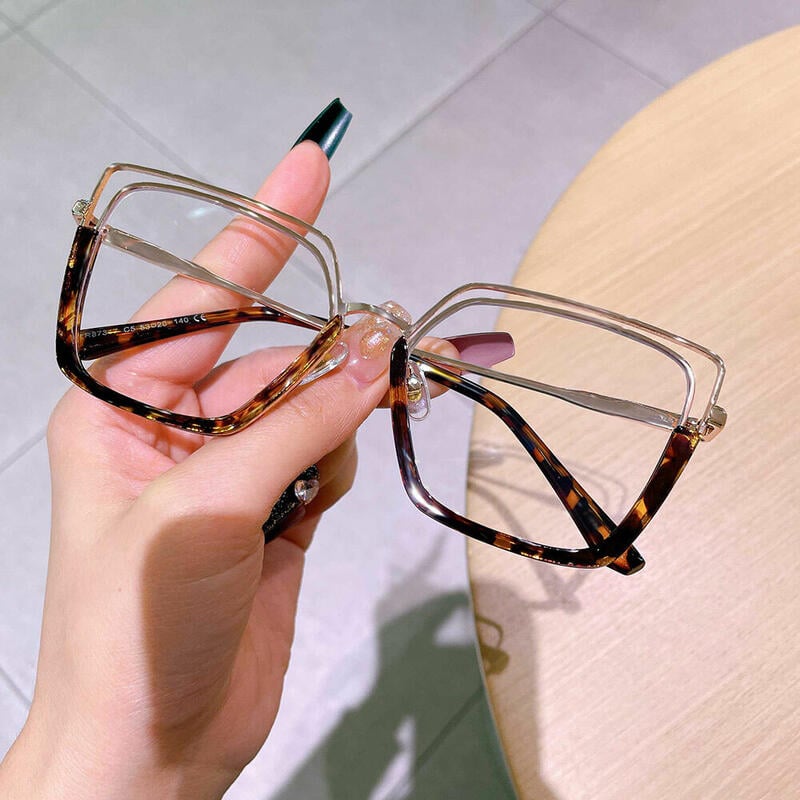
Where vintage genuinely wins
An honest version of this article has to include this section, because the trade isn't one-directional.
Certain eras built frames better than the current mass market does. Rolled gold construction, hand-riveted hinges, block acetate cut from sheet rather than injected into a mold — these were normal in ways they aren't now, and a well-preserved frame from a good factory can outclass anything at a comparable modern price. There's also the obvious: it's one object, nobody else has it, and reusing something that already exists has a real environmental argument behind it. For frames from collectible makers, the value can hold or rise, which no new frame does.
And sometimes the original proportions are simply better than the reissue.
Where retro glasses genuinely lose
Which brings up the fair criticism of the retro category. "Retro-inspired" describes a spectrum of fidelity, not a guarantee of it. Mass-market reproductions tend to widen, soften, and round off the original silhouette to broaden appeal — the sharp upsweep of a 1950s cat-eye becomes a gentle curve, a 1960s browline gets a thinner brow. Injection-molded acetate feels different in the hand from block acetate. And because a limited number of factories supply a large number of brands, the same mold shows up under several labels at several prices.
If you want a specific decade's exact geometry and nothing adjacent will satisfy you, retro glasses may genuinely not get you there.

A way to decide
Rather than a generic checklist, here's the conditional version.
Go retro if this is your only pair, if you wear progressives, if your prescription is strong in either direction, if you have a wide PD or a low nose bridge, or if you'd rather spend your attention on the shape than on the logistics.
Vintage is realistic if this is a second or third pair, if your prescription is mild or you're buying plano, if you already have a local optician who knows you, and if you can absorb the frame being lost during lensing without it ruining your month.
The hybrid path is underrated: find a vintage frame you love, have an optician measure it properly with the boxing system, and then shop retro glasses using those exact numbers. You get the silhouette and the measurements that already work on your face, on a frame a lab will happily cut, adjust, and replace.
That last route is the one most people actually want and rarely think of, because the two categories are usually presented as a choice rather than as a sequence.
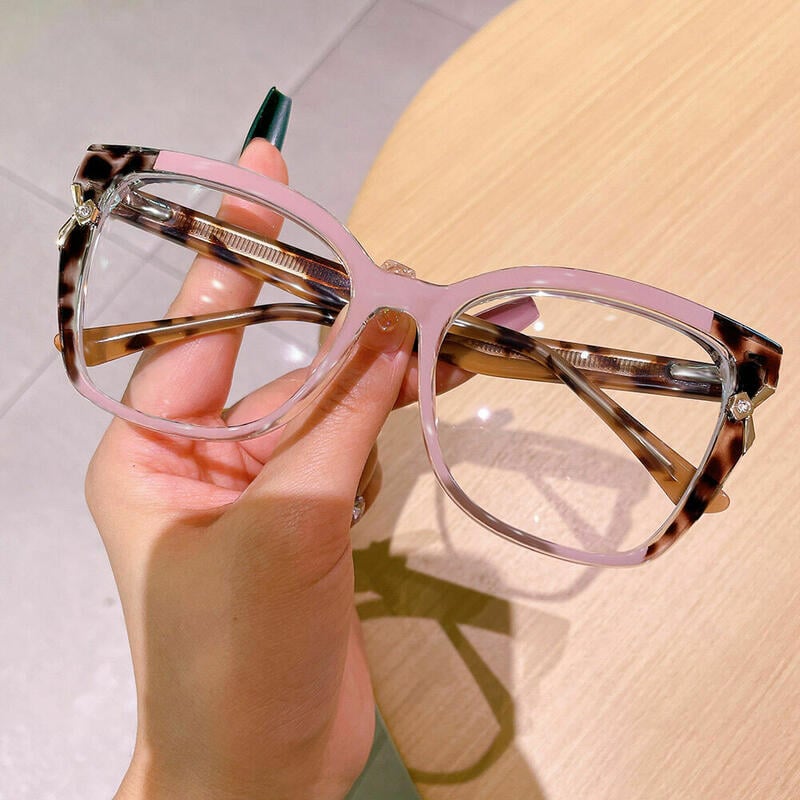
Every frame in Aoolia's retro glasses collection is new production, prescription-ready, and reviewed by an in-house optician before it ships. If you're weighing a vintage frame instead, the questions above are worth asking a seller regardless of where you end up buying.