
Men's Eyewear Frames: How to Pick a Second Pair That Isn't a Copy of Your First
Key takeaways
- One pair of men's eyewear frames usually works well in two or three parts of your week and poorly in the rest.
- Before buying a second pair, score your current frame against the situations you're actually in. The lowest score tells you what the second pair is for.
- Change exactly two of four things: color, line weight, shape and finish. Change one and you've bought a duplicate. Change all four and it won't feel like yours.
- A second pair doesn't need to cost what the first did. At Aoolia, frames in the men's collection start at $9.95.
Most men own one pair of glasses and wear it everywhere: the Monday meeting, the Saturday hardware store run, a friend's wedding, the gym. When that pair finally gets replaced, the new one tends to look almost exactly like the old one.
That habit makes sense. You know the old frame works, and nobody wants to stand in front of a mirror second-guessing their face. But it leaves a question unanswered: works for what?
This guide doesn't help you find "the best frame for you." It helps you figure out what your next frame should do that your current one doesn't, and then pick men's eyewear frames that fill that gap.
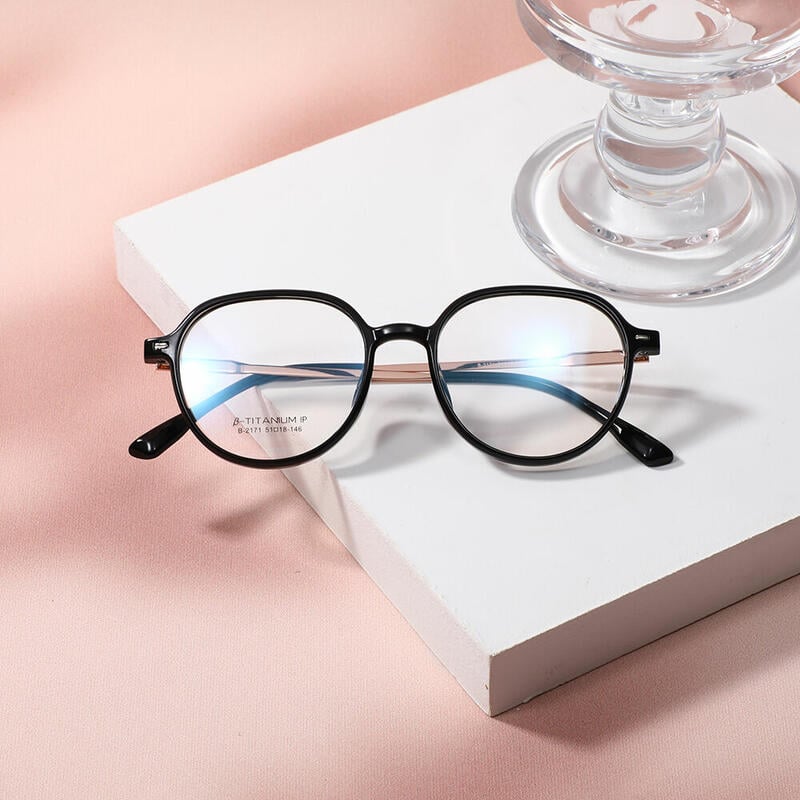
Why one pair of men's eyewear frames rarely covers a full week
Think about how many different settings your glasses show up in over seven days. For most men, the list looks something like this:
- Desk and video calls. Hours on camera, usually in shirts in muted colors.
- Client-facing or formal moments. Meetings, interviews, weddings, funerals.
- Weekend errands. T-shirts, hoodies, a cap.
- Evenings out. Dinner, a bar, a date.
- Outdoors and active time. Yard work, a hike, kids' sports on the sidelines.
- Bright days. Walking outside, sitting on a patio.
A thin gunmetal rectangle looks sharp on a video call and can look a little stiff with a hoodie. A thick black acetate frame can look great at dinner and heavy in a formal meeting. Neither frame is wrong. Each one is simply built for part of the week.
That's the real case for a second pair. It isn't about backup or vanity. It's about covering the parts of your life your first pair wasn't chosen for.
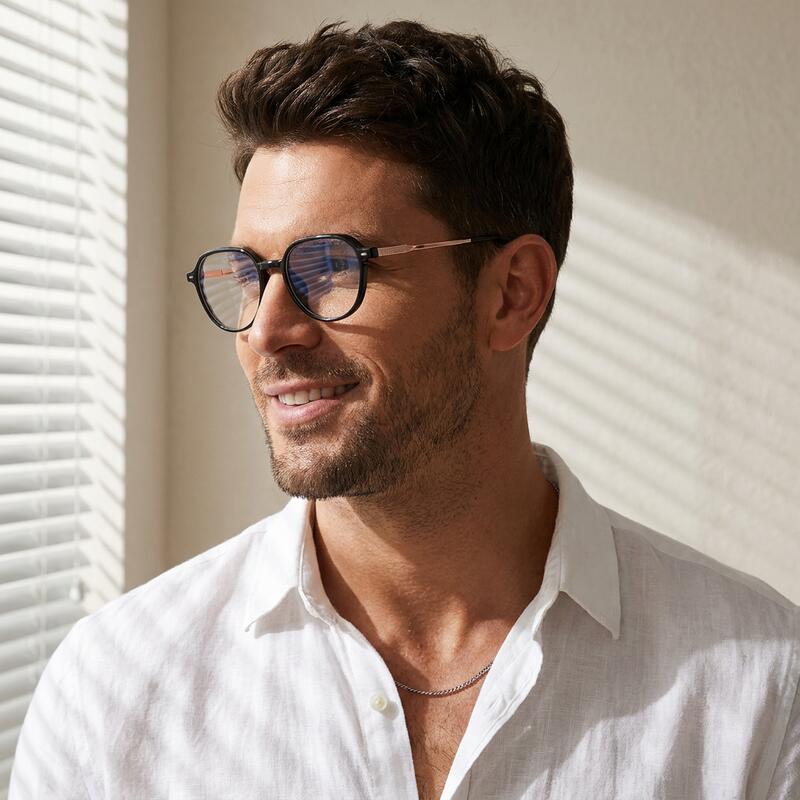
The Coverage Gap Audit: score the pair you already own
This takes about ten minutes, and you don't have to buy anything to do it.
Step 1: List your real week
Write down the five or six situations from the list above that you actually spend time in. Skip anything that happens less than once a month.
Step 2: Score your current frame in each one
Use three grades. Be honest; nobody else is going to see this.
| Grade | What it means |
|---|---|
| Fits | You don't think about your glasses here. They suit the setting. |
| Tolerable | They look fine but a bit off, too serious or too casual for the moment. |
| Wrong | You'd take them off for photos, or you've felt self-conscious in them here. |
Step 3: Find the biggest gap
Your second pair is for the situation where you gave the most Wrong or Tolerable grades, especially if you're in that situation often.
Here's an illustrative example for a man whose only pair is a thin black metal rectangle:
| Situation | How often | Grade for current frame |
|---|---|---|
| Desk and video calls | Daily | Fits |
| Client meetings | Weekly | Fits |
| Weekend errands | Weekly | Tolerable Looks like he forgot to change out of work mode |
| Evenings out | Every other week | Wrong Feels corporate |
| Kids' soccer games | Weekly in season | Tolerable |
The gap in this example is obvious: weekends and evenings. The second pair should be relaxed and warmer, not another sleek office frame.
The Two-Axis Contrast Rule
Once you know what the second pair is for, you need to decide how different it should be from the first. This is where most people go wrong, in one of two directions.
Every pair of men's eyewear frames can be described along four axes:
| Axis | One end | Other end |
|---|---|---|
| Color | Black, gunmetal, silver | Tortoise, olive, navy, clear, honey |
| Line weight | Thin wire, rimless edges | Thick acetate rims |
| Shape | Angular (rectangle, square) | Curved (round, oval, aviator) |
| Finish | Matte, brushed | Glossy, polished, layered patterns |
The rule: change exactly two axes.
- Change one axis (black rectangle to navy rectangle) and you've bought the same frame in a new color. Most people won't notice the difference, and it won't fix the gap.
- Change all four (thin black matte rectangle to thick glossy tortoise round) and the frame often feels like it belongs to someone else. Pairs like this tend to sit in a drawer.
- Change two and the new pair reads as clearly different while still looking like your style.
In the audit example, the man keeps the angular shape and matte finish, and changes color (black to tortoise) and line weight (thin wire to medium acetate). The result is still recognizably him, but it looks right with a flannel shirt.
Where the two pairs sit on each axis
Thin black matte rectangle (Pair A) compared with a medium tortoise matte rectangle (Pair B)
Three pairings that work, and which axes each one changes
These combinations are starting points, not rules. Each example names an Aoolia frame that fits the description, with prices as of {date}.
| Pair A (you own) | Pair B (new) | Axes changed | Gap it covers |
|---|---|---|---|
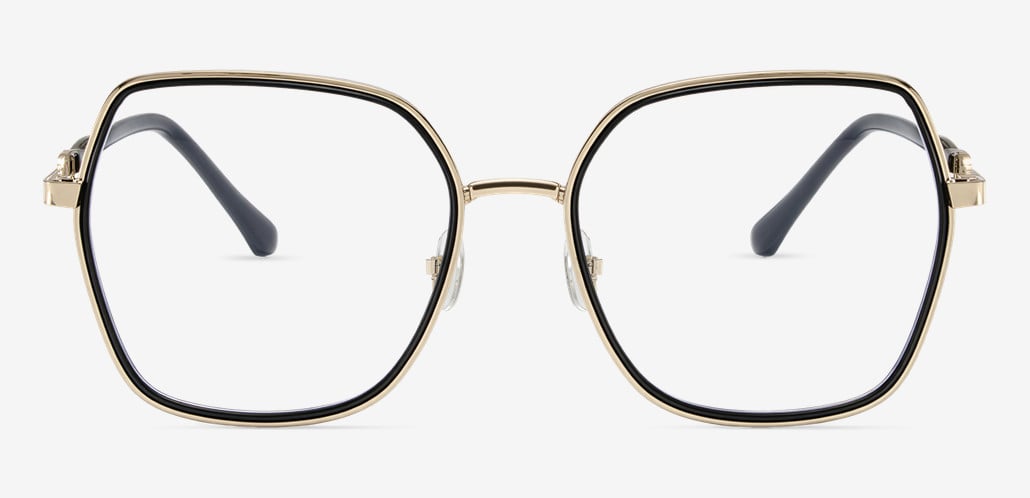
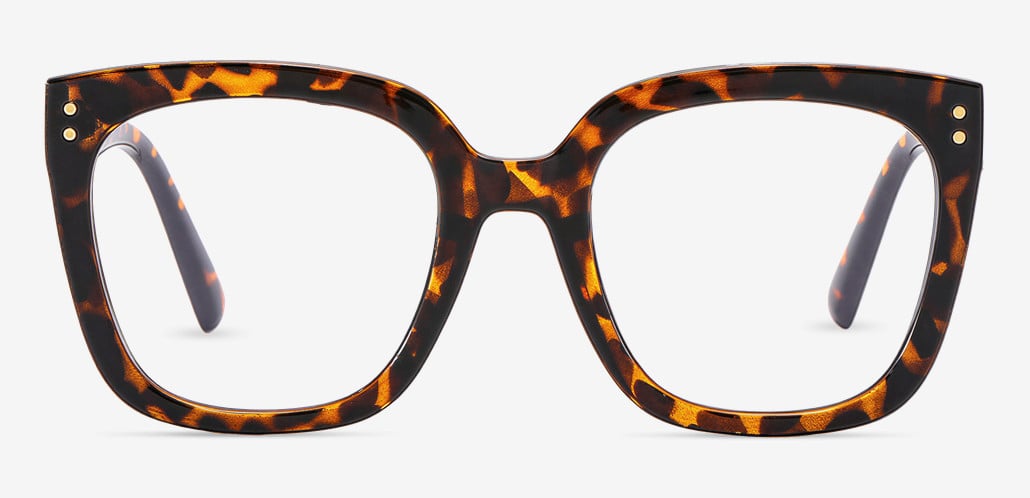
| Thin black or gunmetal rectangle | Medium tortoise square, e.g. Enoch Brown Square, $15.95 | Color, line weight | Weekends, evenings |
| Bold black acetate square, e.g. Steward Black Square, $35.95 | Gold metal aviator, e.g. Samson Gold Aviator, $19.95 | Color, line weight | Formal events, warm-weather outfits |
| Tortoise round, e.g. Bell Tortoise Round, $22.95 | Black angular frame, e.g. Vibrant Black Square, $9.95 | Color, shape | Client meetings, interviews |
What about bright days? For many men, the biggest gap isn't a style situation at all. It's walking outside and squinting. A frame that takes magnetic clip-on sunglasses closes that gap without adding a third pair to carry around.
To browse the full collection by color, material and shape, start with Aoolia's men's eyewear frames.
The duplicate trap: why second pairs end up looking like the first
If the Two-Axis Rule sounds obvious, it's worth understanding why so many men end up ignoring it.
The mirror compares the new frame to your old one. After years in one frame, your face looks "right" in it by default. Anything different looks wrong at first, even when it isn't. Give a new frame a few seconds before you judge it.
Shopping happens in one setting. Most men try frames at a desk, in work clothes, under office light. That happens to be the setting their current pair already handles well. Try frames in the clothes your gap situation calls for. If the gap is weekends, put on the hoodie first.
"Safe" feels responsible. A second pair that looks like the first feels like a sensible purchase. In practice it's the least useful one you can make, because it duplicates coverage you already have.
A practical fix: use Virtual Try-On on the men's frames collection and take a screenshot of each candidate. Then look at them side by side next to a photo of yourself in your current pair. Duplicates are much easier to spot that way than in a live mirror.
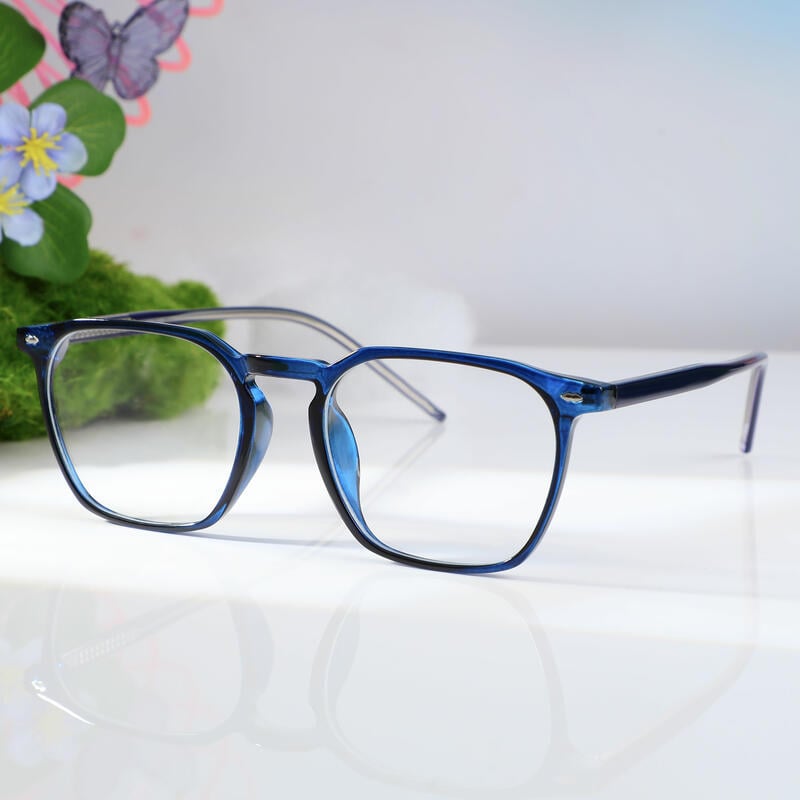
When your face changes but your frames don't
Sometimes a frame that used to suit you starts looking slightly off, and the frame isn't the reason. Something around it has changed. These are the most common triggers, and each one tends to move one of the four axes.
| What changed | What usually looks off | Axis to adjust |
|---|---|---|
| You grew a full beard | The lower half of your face gains visual weight, so thin frames can look undersized | Line weight up, to medium or thick rims |
| You went from a beard to clean-shaven | Heavy frames now dominate your face | Line weight down |
| You shaved your head or went very short | The frame becomes the strongest horizontal line on your head | A stronger brow line, such as a browline or thicker top rim |
| Your hair is going gray or silver | Warm brown tortoise can clash with cool gray tones | Color toward gunmetal, silver, crystal gray or cooler tortoise |
| New job or dress code | Casual frames feel out of place in a formal setting, or the reverse | Treat it as a new gap and run the audit again |
| You wear caps or hats more often | A thick brow line competes with the brim | Line weight down at the top, or a rounder shape |
This is also a good reason to rerun the Coverage Gap Audit every couple of years, even if your current pair still fits comfortably.

What a second pair actually costs
Many men never buy a second pair because they assume it will cost as much as the first. That's often true at retailers where designer labels dominate the selection. It doesn't have to be.
In Aoolia's men's eyewear frames collection, frame prices run from $9.95 to about $160 as of {date}. The collection includes acetate, titanium, TR90, metal and mixed-material builds. Lens options are chosen separately on each product page.
A reasonable way to think about budget:
- If Pair B covers a frequent gap (weekly or more), it's worth spending about as much as you did on Pair A.
- If Pair B covers an occasional gap (weddings, vacations), a lower-priced frame is a perfectly sensible choice.
- If you're unsure you'll wear a bolder style, start at the low end of the range. A frame under $20 is a cheap way to find out whether the look works for you.
Keeping two pairs in rotation
A second pair only helps if it actually gets worn. A few habits make the difference:
- Give each pair a home. Pair A stays in your work bag, Pair B lives by the front door or in the car. A case for each keeps them from getting scratched.
- Switch by situation, not by mood. Decide once which pair goes with which settings, so you don't have to think about it every morning.
- Check both for fit. Nose pads and temples loosen with use, and a pair that slides down your nose will stop getting picked.
- Clean both. It's easy to keep your main pair spotless and let the other one smudge. Here's how to clean eyeglasses properly.
Common questions
How many pairs of glasses should a man own?
For most men, two pairs that differ on two axes cover a typical week. A third pair is usually only worth it for a specific gap, like sunny days (a clip-on frame works here too) or a very different work setting.
Should my second pair of glasses be the same style as my first?
It should share some of your style, but not all of it. Keep two of the four axes (color, line weight, shape and finish) and change the other two.
Can I wear bold frames to work?
Often, yes, depending on your workplace. If your current bold frame gets Tolerable or Wrong grades in client meetings, that's a sign your second pair should be quieter, not a sign to give up bold frames altogether.
Is tortoise or black more versatile for men?
Black suits formal and office settings. Tortoise tends to look more natural in casual ones. Neither is more versatile in general. The better pick is whichever one your current pair isn't.
Is a cheap second pair worth it?
Yes, if it covers a real gap. A lower-priced frame also lets you try a style you're unsure about without much risk.
Can I try frames before buying online?
Most Aoolia frames include Virtual Try-On, so you can compare several frames using your phone or laptop camera.
How this guide was put together
The Coverage Gap Audit and the Two-Axis Contrast Rule are simple frameworks developed by the Aoolia editorial team for this article. They are not based on survey data. Frame names, materials and prices come from Aoolia's men's eyewear frames collection as of September 17, 2026 and may change. Aoolia is a direct-to-consumer eyewear brand that sells frames and lenses online in the US, with regional sites in Germany and France.