
Field guide · Updated October 29, 2026
Most Sunglasses 2026 guides were written in spring, for a summer that is now over. This one starts where you actually are: late in the year, clocks about to fall back, the low sun moving into your commute, and a genuinely new question on the shelf — smart frames or a plain pair.
The short version
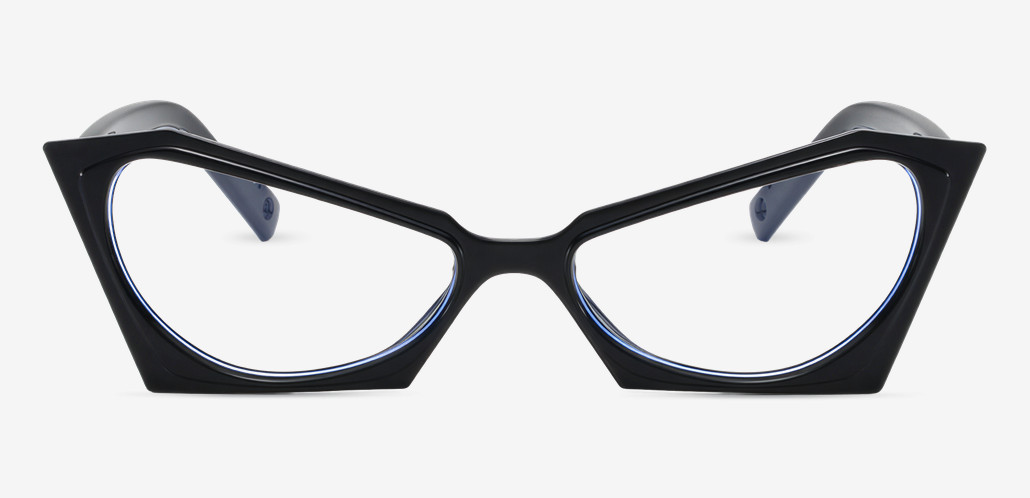
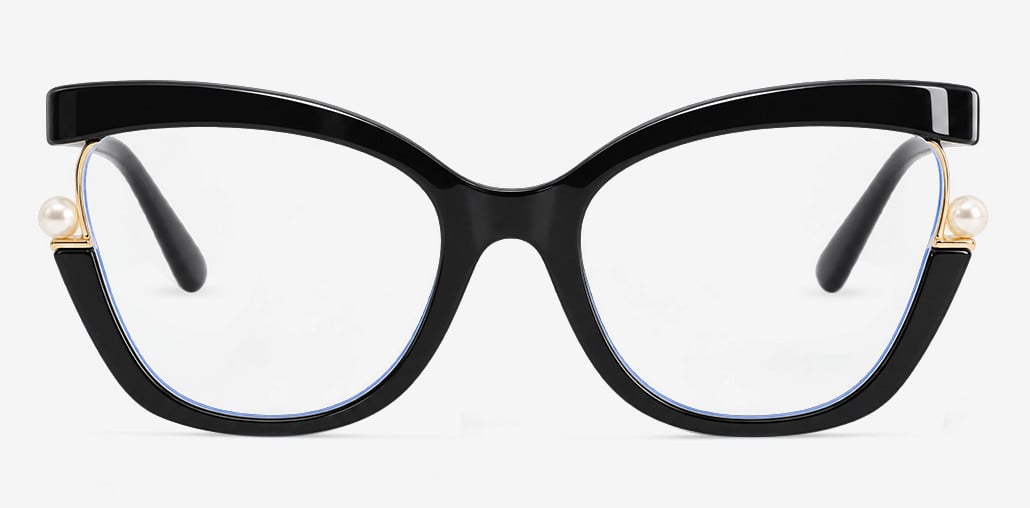
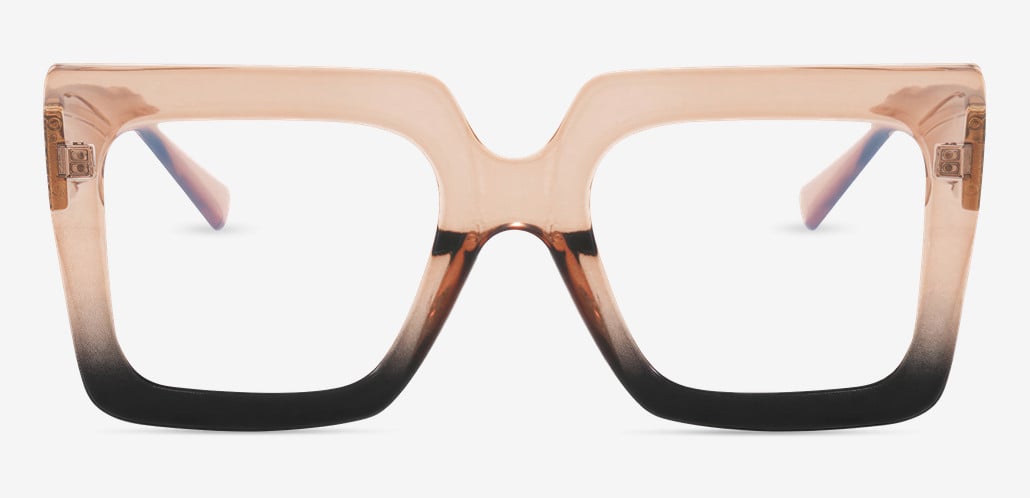
- The look settled. By fall, 2026 trend coverage had converged on four families: shields and wraps, big acetate (oversized, bug-eye, butterfly), slim metal and small ovals, and color carried in the lens. Tortoise and warm brown were the year's steady color story.
- The light moves on November 1. When daylight saving time ends, every low-sun window lands an hour earlier on the clock. Afternoon school runs pick up glare; the 5 p.m. drive turns into a dusk drive.
- Smart sunglasses became a real choice. They now run from about $250 to $450 at Meta's 2026 prices, refresh roughly every year, and are already barred from some courthouses and venues. For most people they are an add-on, not a replacement.
- Winter needs a lens plan, not a new look. Category 3 for snow and beach trips, polarized for wet roads and open water, and nothing darker than category 1 once the sun is down.
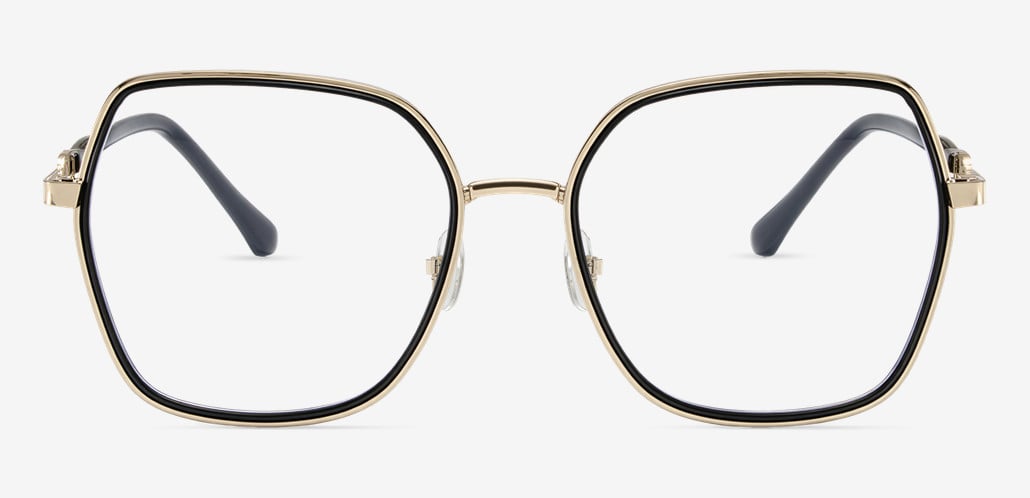
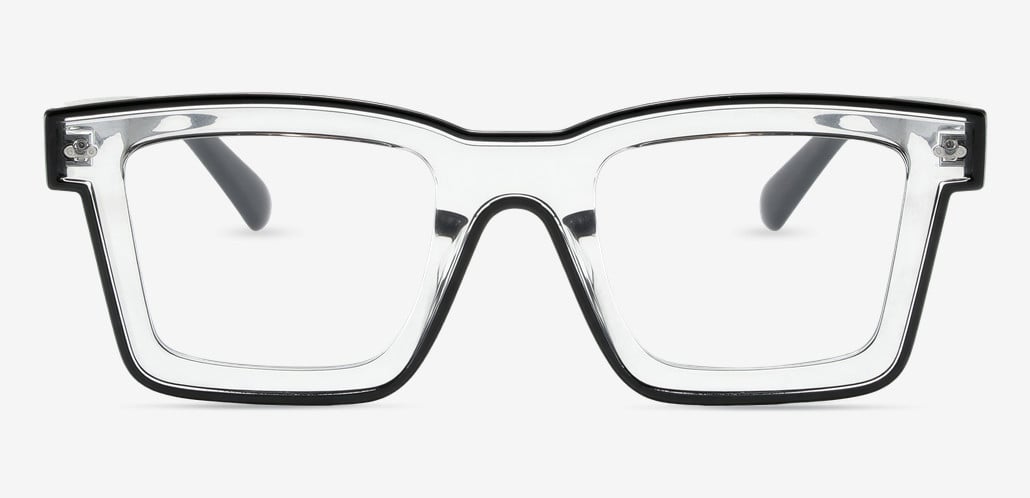
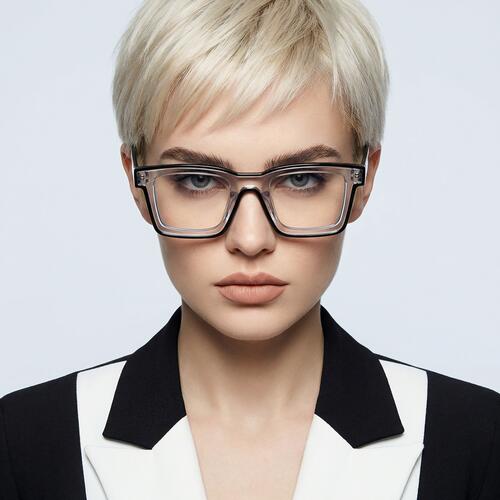
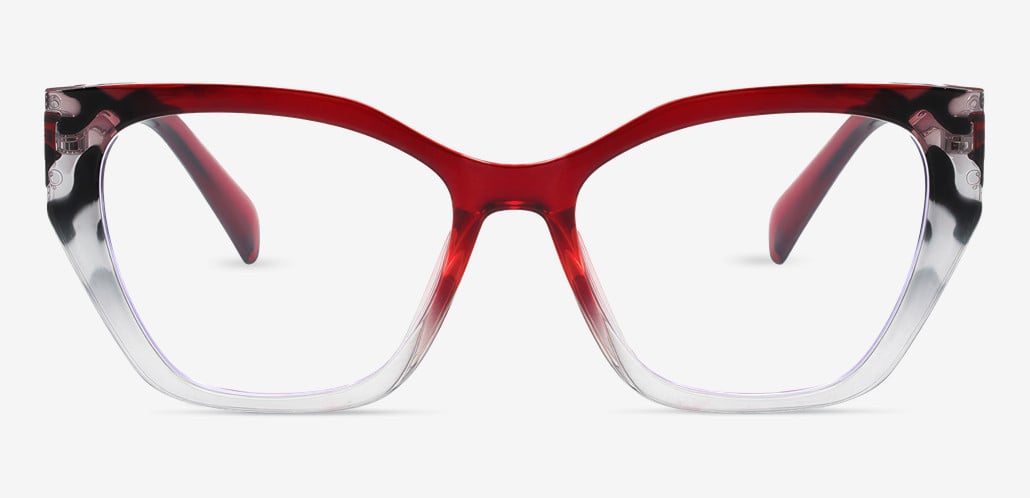
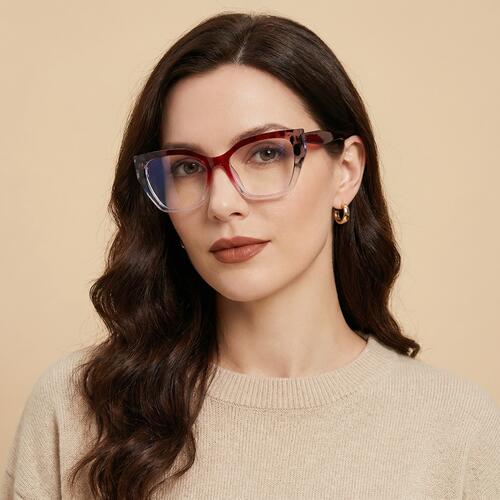
Every frame shape mentioned below is in the Aoolia Sunglasses 2026 lineup, with polarized and size filters and Virtual Try-On on most styles.
Here is the problem with buying sunglasses in late October: the advice online is tuned to the wrong season. Spring trend reports were built around beach clubs, festivals and rooftop lunches. What a pair has to do between now and March is different. It has to handle a sun that sits ten degrees above the road at 7:45 a.m., snow that throws light back up at you, a week of Florida in January, and — new this year — a store shelf where some sunglasses now have a battery.
So this guide reads Sunglasses 2026 from the end of the year. It takes the looks that actually stuck, then tests them against the light you will meet in the next four months.
01 · The lookWhat the Sunglasses 2026 look actually settled into
By late summer the trend pieces stopped disagreeing. Spring forecasts from UK retailer Glasses Direct and 1-800 Contacts' celebrity roundup, summer reports in Bustle and Pedestrian, and a widely syndicated August trend list carried on Black America Web keep landing on the same four families. None of them is new; what changed in 2026 is the proportion.
Shields and wraps
The single-lens, sport-meets-sci-fi frame. Glasses Direct framed it as sport-luxe in spring; by July, US outlets were leading with it. The wrap that looked like a festival accessory in June turns out to be the most winter-capable frame of the year, because it covers the side of the eye.
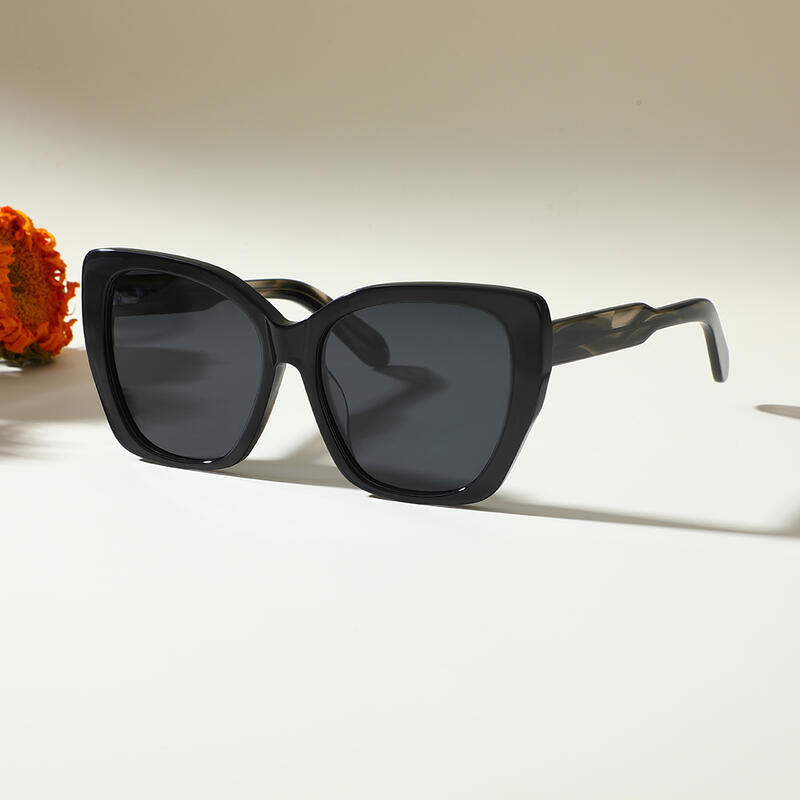
Big acetate
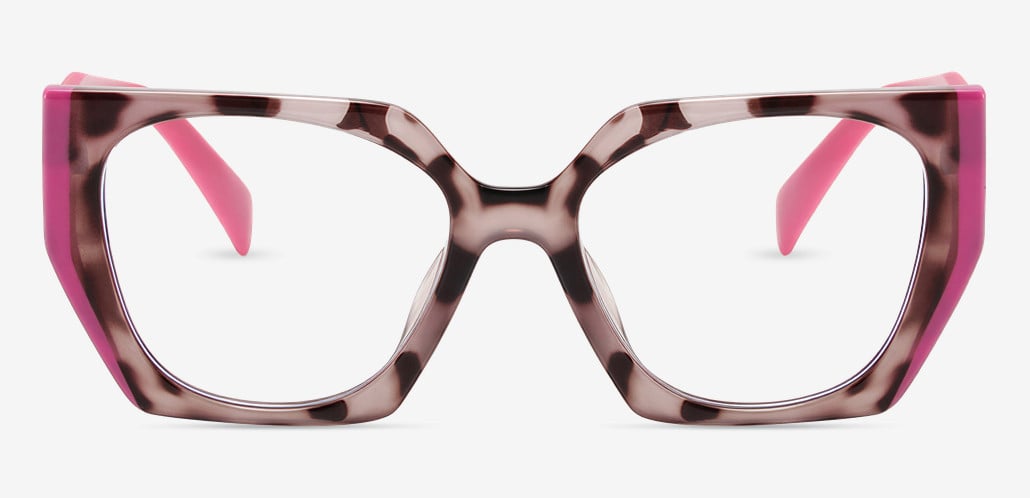
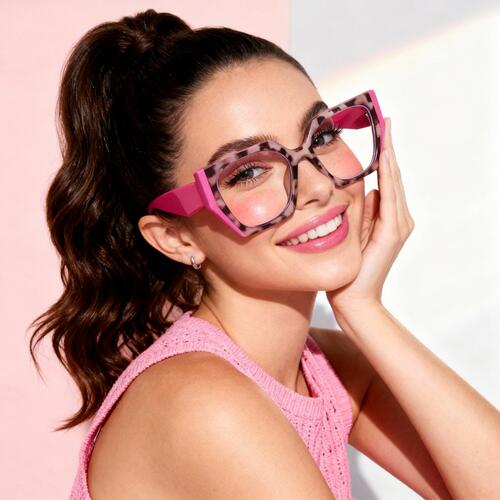
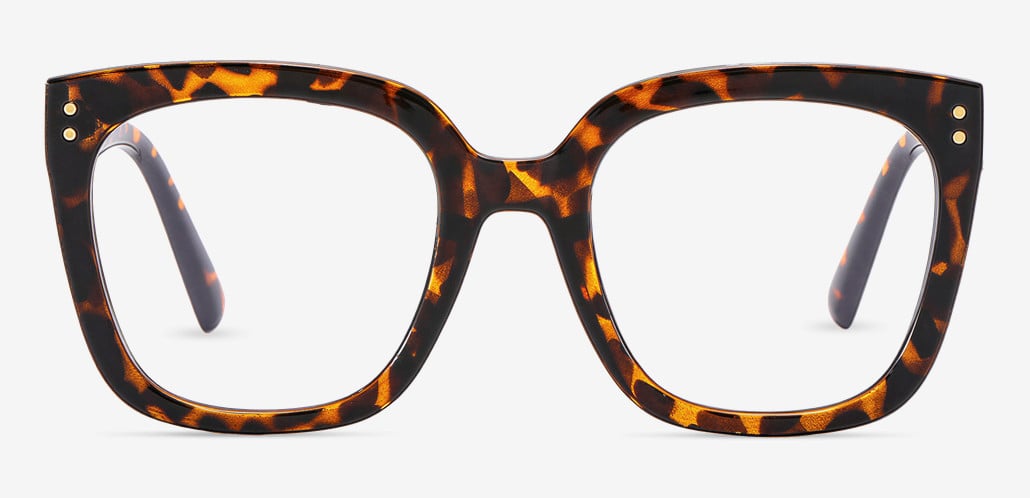
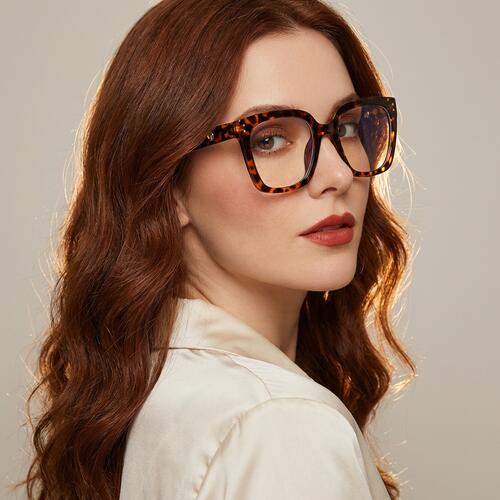
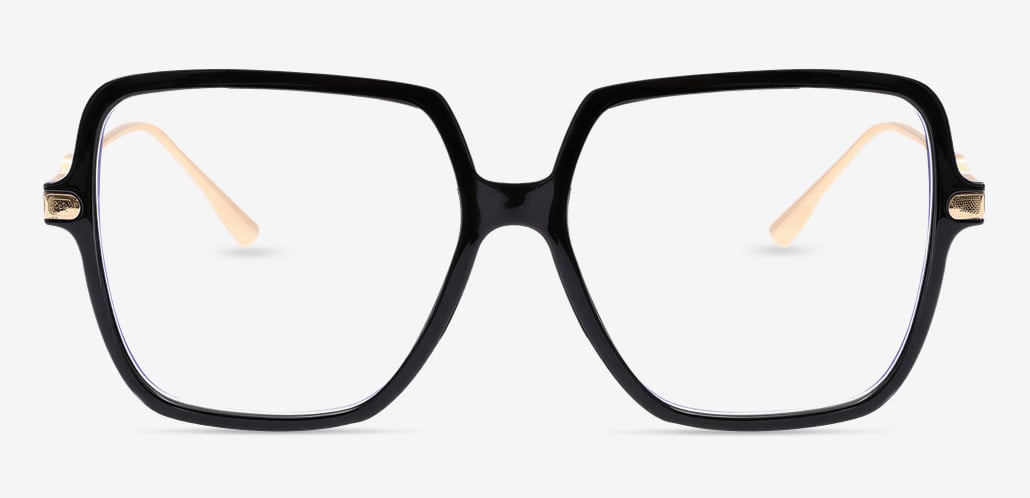
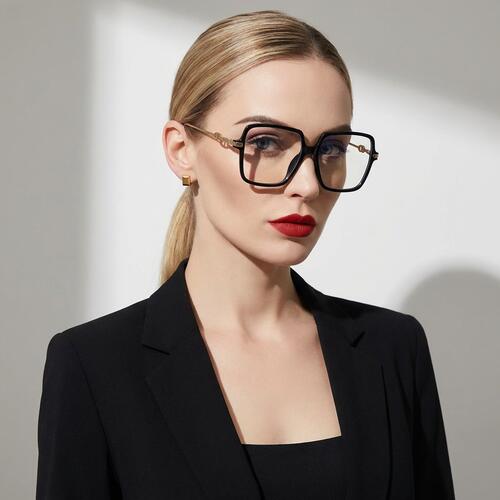
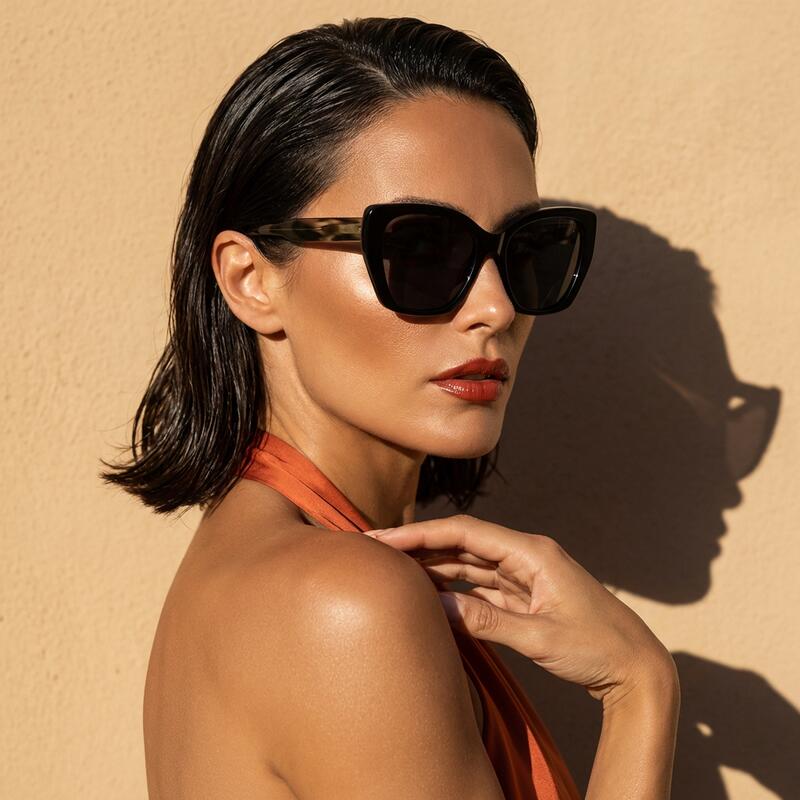
Oversized squares, bug-eye ovals and butterfly shapes, very often in tortoise or warm brown. Large lenses are the simple way to cover more of the eye area — the trend and the function happen to point the same way here.
Slim metal and small ovals
Thin wire frames and narrow late-'90s ovals. They photograph well and weigh little, but small lenses leave more of the light around the frame uncovered. Fine for a city sidewalk; thin cover for a ski lift.
Color in the lens
Light rose, amber and blue tints, plus translucent pastel frames. 1-800 Contacts pointed out that a tinted lens is the easiest way to make an old frame feel current. The catch is darkness: many fashion tints sit at category 1 or 2.
That last point is the one that matters in November. Lens darkness is graded in five categories under ISO 12312-1, the international sunglasses standard. US product pages usually lead with "UV400," which describes UV filtering, not how dark the lens is — so the category (or the visible light transmission, VLT) is the number to look for.
Lens categories and visible-light ranges as defined in ISO 12312-1. Category 4 is not suitable for driving under the standard.
A pale rose lens that was charming at a July brunch can do very little against a 7:45 a.m. sun hanging just above the road. Which brings us to the date that changes your sunglasses more than any runway did this year.
02 · The clockThe Fall-Back Shift: your glare hour moves, your commute doesn't
Daylight saving time ends at 2 a.m. on Sunday, November 1, 2026 — the earliest date the federal schedule allows. The House passed the Sunshine Protection Act on July 14, 2026, by 308–117, but the Senate has not acted, so the clocks still fall back. The sun does not move an hour. Your dashboard clock does. Every stretch of low sun you had been driving through arrives an hour earlier by the clock, and your commute stays where it was.
To see what that does in practice, we calculated, for nine US cities, when the sun sits between the horizon and 15 degrees above it — our working line for "low sun," the band where the sun is close enough to your line of sight through a windshield that a visor often can't block it without also blocking the road. We compared Friday, October 30 (the last weekday on daylight time), Monday, November 2 (the first on standard time) and the winter solstice, December 21.
New York City: when the sun is low (0–15°)
Amber = low sun. Outlined boxes = typical commute hours, 7–9 a.m. and 4–6 p.m.
On Oct 30 the low evening sun sits squarely inside the 4–6 p.m. box. On Nov 2 it slides out to about 3:20–4:50 p.m. and the late part of the commute goes dark. By Dec 21 the morning window stretches back past 9 a.m.
| City | Morning low sun Oct 30 → Nov 2 |
Afternoon low sun Oct 30 → Nov 2 |
Dec 21 morning · afternoon |
|---|---|---|---|
| New York | 7:25–8:55 → 6:30–8:00 | 4:25–5:55 → 3:20–4:50 | 7:20–9:05 · 2:45–4:30 |
| Chicago | 7:25–8:55 → 6:25–8:00 | 4:15–5:45 → 3:10–4:40 | 7:15–9:10 · 2:30–4:20 |
| Atlanta | 7:55–9:15 → 7:00–8:20 | 5:25–6:45 → 4:20–5:40 | 7:40–9:10 · 4:00–5:30 |
| Dallas | 7:45–9:05 → 6:50–8:05 | 5:15–6:35 → 4:15–5:35 | 7:30–8:55 · 3:55–5:25 |
| Denver | 7:30–8:55 → 6:30–8:00 | 4:30–6:00 → 3:25–4:55 | 7:20–9:05 · 2:55–4:35 |
| Los Angeles | 7:15–8:35 → 6:15–7:35 | 4:40–6:00 → 3:35–4:55 | 6:55–8:25 · 3:15–4:45 |
| Seattle | 7:55–9:40 → 6:55–8:45 | 4:05–5:50 → 3:00–4:50 | 7:55–10:20 · 1:55–4:20 |
| Miami | 7:30–8:40 → 6:30–7:45 | 5:25–6:40 → 4:25–5:35 | 7:05–8:25 · 4:15–5:35 |
| Phoenix (no clock change) | 6:45–8:05 → 6:50–8:10 | 4:15–5:35 → 4:15–5:35 | 7:30–9:00 · 3:55–5:25 |
Local clock times, rounded to the nearest 5 minutes, for the hours when the sun is between 0° and 15° elevation. Calculated from NOAA's published solar-position equations for each city center; your street, hills and buildings will shift these by a few minutes. Most of Arizona does not observe daylight saving time, which is why Phoenix barely moves.
How to read your row
You leave between 7 and 8 a.m.The glare stays with you. The sun is higher than it was last week — in New York, at 7:45 it goes from about 3° to about 12° above the horizon — but it is still in the low band, and it now sits east-southeast. Eastbound and southbound roads get the worst of it.
You leave between 8 and 9 a.m.You get a break. In most of the northern cities above, the morning window now closes around 8 o'clock. It doesn't last: by December 21 the window runs to about 9:05 in New York and past 10 a.m. in Seattle.
You drive between 3 and 5 p.m.This is where the glare lands now. School pickup, early-shift drives home and afternoon errands fall straight into the new afternoon window in New York, Chicago, Denver, Los Angeles and Seattle, which opens between about 3:00 and 3:35 p.m. Westbound roads are the hard ones.
You drive after 5 p.m.You've traded sun for dusk. In New York, a 5:15 p.m. drive goes from a sun about 6° up — right in a westbound driver's eyes — to a sun about 5° below the horizon. Sunglasses come off. Keep them within reach, not on your face.
This isn't a theoretical problem. AAA tells drivers to expect morning sun glare once daylight saving time ends and to keep good sunglasses and the visor ready, and the Virginia Department of Transportation, citing NHTSA figures, puts sun glare behind roughly 9,000 crashes a year.
What actually helps in the car
Keep one pair in the car, not on your head. The point is that it's there at 7:40 a.m. when the sun clears the trees.
Go category 2 or 3 for low-sun drives. A category 1 fashion tint barely dents a sun sitting at eye level.
Know what polarized does and doesn't do. It cuts the reflected glare bouncing off wet asphalt, hoods and the road surface. It doesn't make the disc of the sun itself any less bright than its tint does — for that, use the visor and, if you can, leave ten minutes earlier or later.
Clean the inside of the windshield. The film that builds up on the glass is invisible at noon and lights up like frosted glass when the sun is low.
If the pair in your glove box is a gas-station spare, this is the week to replace it. In the Sunglasses 2026 collection you can filter for polarized lenses and frame size, then check the lens options on each product page before you choose.
03 · The batteryThe smart-pair question is 2026's genuinely new decision
For years, "smart sunglasses" was a niche. In 2026 it stopped being one. Counterpoint Research found smart-glasses shipments grew 212% year over year in the first half of 2026, with Meta holding about 84% of the market. In June, Meta launched a lower-priced Meta Glasses line starting at $299, and at its Connect event on September 23 it added an entry model around $250. At the same event Meta put the third-generation Ray-Ban Meta on sale from $449, with up to nine hours of battery, and announced Ray-Ban Meta Audio — its first model with no camera — at $349, 43 grams and up to 12 hours, shipping from October 13. Google and Samsung's Android XR glasses, made with partner eyewear labels and without an in-lens display, were scheduled for this fall.
So a real share of people searching for new sunglasses this year are also asking whether the next pair should have speakers and a camera. Three questions settle it faster than any spec sheet.
Where will this pair spend its day?
Camera glasses are now explicitly unwelcome in some places. Since July 20, 2026, New York State's courts have required visitors to surrender any eyewear with a camera, microphone or computer at the door — ordinary Rx glasses included — and Philadelphia's courts have a similar rule. In September a Queens nightclub said anyone bringing smart glasses would be asked to leave. If your days include courthouses, clinics, gyms or venues with no-filming rules, either plan for a second, plain pair or look at the camera-free audio models, which are a different trade.
How long do you want to keep it?
Ray-Ban Meta Gen 2 went on sale in September 2025; Gen 3 replaced it at the top of the line in September 2026. That's a phone-style twelve-month rhythm, and the battery inside ages on its own clock. A plain frame has no such timer. Its working life is set by hinges, lens coating and how you store it.
What is it when the battery is dead?
A pair of sunglasses — so judge that half as hard as the tech half. Check the lens category, whether polarized is an option, and the fit, exactly as you would on a plain pair. If you need your own lens numbers, check the model's Rx range first; lens menus on smart frames are narrower than on a regular frame.
Smart pair
- Starting price (2026)
- About $250 (Meta's entry model) to $449 (Ray-Ban Meta Gen 3); $349 for the camera-free audio model
- Runs on
- A charge: up to 9–12 hours on Meta's own figures, plus a charging case
- Refresh rhythm
- Roughly yearly model updates
- Where it's a problem
- Camera models: some courts, clubs and no-filming venues
- Best for
- Hands-free calls, music, photos on walks and rides
Plain pair
- Starting price
- Aoolia sunglasses start under $20
- Runs on
- Nothing — it works at 6 a.m. in a cold car
- Refresh rhythm
- When the style or the lens wears out
- Where it's a problem
- Nowhere, apart from after dark
- Best for
- The car, the beach bag, the ski pocket, the backup
Smart-glasses prices and battery figures are the makers' own as of October 2026. Aoolia sells plain sunglasses, not smart glasses — weigh this section with that in mind.
For most US buyers, the plain pair is the base layer and smart sunglasses are a gadget you add on top. That's not a judgment on the tech. It's just that the jobs this guide keeps returning to — the low sun at 7:45, the snow, the January beach week — don't need a battery, and a pair that lives in a car door shouldn't depend on one.
04 · The seasonThe Winter Light Ledger: where you'll need sunglasses before spring
Sunglasses aren't a summer-only item. Winter light is weaker overall but arrives at worse angles and bounces off brighter surfaces. Here is where the next four months will actually ask something of your Sunglasses 2026 pick, and what fits.
| Situation | What the light is doing | Lens that fits | Frame note |
|---|---|---|---|
| Bright day after fresh snow | The WHO notes fresh snow can reflect up to about 80% of UV, so light arrives from below as well as above | Category 3; polarized cuts surface shine | Wraps, shields and big lenses cover the sides and bottom |
| Ski or snowboard trip | UV rises with altitude — commonly put at about 10% per 1,000 m (3,300 ft); agencies cite 5–12% | Category 3; category 4 for very high, very bright days, never for the drive home | Snug fit that stays put under a helmet; some riders skip polarized to read icy patches |
| Florida or Caribbean week | Full summer-strength sun; dry sand reflects roughly 15%, open water throws glare | Category 3, polarized for boats and the shoreline | Any 2026 shape works; bigger lenses help on the water |
| Wet road, low sun | Reflected glare off asphalt and other cars, sun near eye level | Category 2–3, polarized | A top rim that doesn't cut into your view of signals |
| Gray northern overcast | Flat, dim light with little glare | Often none; category 1 at most | Leave the dark pair in the case |
| Dusk and after dark | Not enough light for any tinted lens | Take them off — sunglasses lenses aren't for night driving | Store them where you can grab them in the morning |
Reflection and altitude figures from the World Health Organization's UV guidance and national radiation and weather agencies; published altitude figures vary between about 5% and 12% per 1,000 m.
Notice how the year's trends sort themselves here. The shield and the big acetate frame — the two loudest looks of 2026 — happen to be the most useful shapes for snow and water, because they cover more. The slim oval is the one to keep for city errands. And the fashion tint is a spring-and-summer accent, not your winter lens.
05 · The checkoutBuying Sunglasses 2026 styles in the last weeks of the year: four checks
- Read the category, not the color. Two lenses can look equally dark in a product photo and sit a full category apart. Look for the category number or the VLT percentage on the product page, and match it to the ledger above.
- Decide polarized by surface. Water, wet roads and snow shine are the cases where it earns its place. If you rely on a car display or phone mount, check how it reads through a polarized lens before the return window closes, since some screens dim at certain angles.
- Size it against a pair you already like. The three numbers printed inside most temples — lens width, bridge, temple length, in millimeters — are the fastest way to compare a new frame to one you know fits. Then use Virtual Try-On to check the proportions on your face.
- Buy the shape for the job you'll give it. One pair for the car and snow: a wrap or a larger acetate frame in category 3. One pair for looking good in the city: whichever of the 2026 families you actually like, in category 2.
06 · Quick answersSunglasses 2026: questions people ask this time of year
Are sunglasses worth wearing in November and December?
In specific situations, yes. The sun is weaker but lower, so it reaches your eyes at commute times, and snow and water reflect a lot of light. On flat, overcast days in northern cities you can usually leave them in the case.
Do I need different sunglasses after the clocks change?
Not different — just the right pair in the right place. A category 2 or 3 lens, ideally polarized, kept in the car. The bigger change is timing: in many cities, low afternoon sun now starts between about 3 and 3:30 p.m., and the drive after 5 p.m. is a no-sunglasses drive.
Are polarized sunglasses good for winter driving?
For daytime driving on wet or bright roads, yes — they cut reflected glare. They don't reduce the brightness of the sun itself beyond their tint, and they aren't for dusk or night. If your car or phone screen dims through them, tilt-test before you commit.
Which 2026 sunglasses trend is most practical for winter?
Shields, wraps and large acetate frames. Their extra coverage matters more on snow and water than it did at a summer brunch. Slim metal ovals are the least practical for bright snow, and light fashion tints are too pale for low winter sun.
Should I buy smart sunglasses or regular sunglasses in 2026?
If you want calls, music or photos without your phone and you know where you'll wear them, smart sunglasses are now a real option. If the pair needs to live in a car, a ski jacket or a beach bag, a plain pair is simpler. Many people will end up with one of each.
The 2026 look was decided in spring. Whether your pair works is decided now — at 7:45 on a Monday in November, on a white slope in January, at the edge of the water in February.
Pick the shape you like from the four families, then choose the lens for the light you'll meet. When you're ready to compare frames, lens options and sizes side by side, the full Sunglasses 2026 range is the place to start.
How we put this guide together
Trend summary: 2026 coverage from Glasses Direct (spring report), 1-800 Contacts, Bustle, Pedestrian and a syndicated August trend report carried on Black America Web, read for points of agreement rather than single-outlet predictions. Solar times: calculated for this article from NOAA's solar-position equations for each city's center, for October 30, November 2 and December 21, 2026, with "low sun" defined as 0–15° elevation. Clock-change status: NIST's 2026 schedule and the House vote of July 14, 2026. Smart-glasses facts: Meta's Connect 2026 and June 2026 announcements as reported by CNBC and others, Counterpoint Research shipment data as reported by CNN, and New York State court policy as reported by Bloomberg Law. Lens categories: ISO 12312-1. UV reflection and altitude: World Health Organization guidance and national agencies. Last reviewed October 29, 2026; we'll revisit if the Senate acts on permanent daylight saving time.