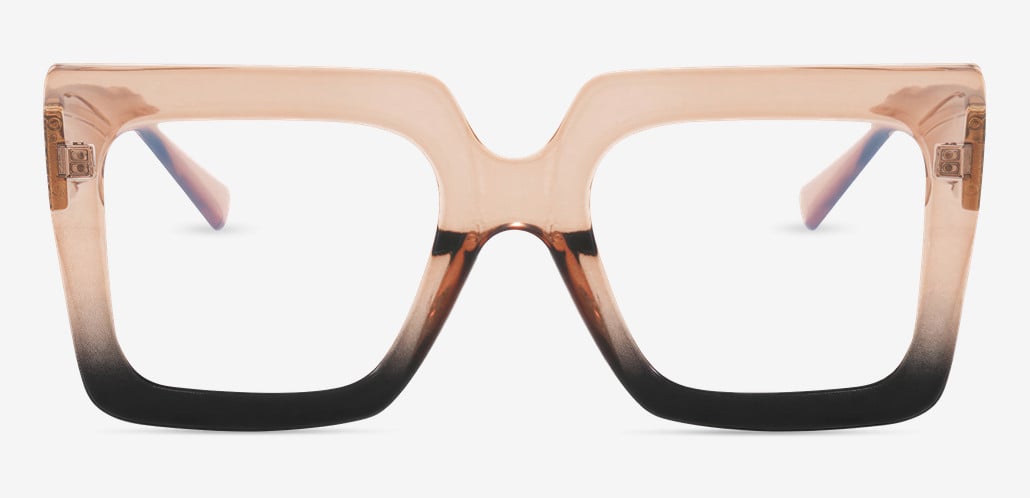

High End Sunglasses Care Guide: A Service Schedule and Who Pays When They Break
Most advice ends at checkout. This guide starts the day the box arrives: how to keep a good frame in service for years, and which warranty, card benefit or policy actually steps in when something goes wrong.
Almost everything written about high end sunglasses is about the decision to buy: the materials, the hinges, whether the price is justified. Far less is written about the part that decides whether that price was worth it, which is the next five years.
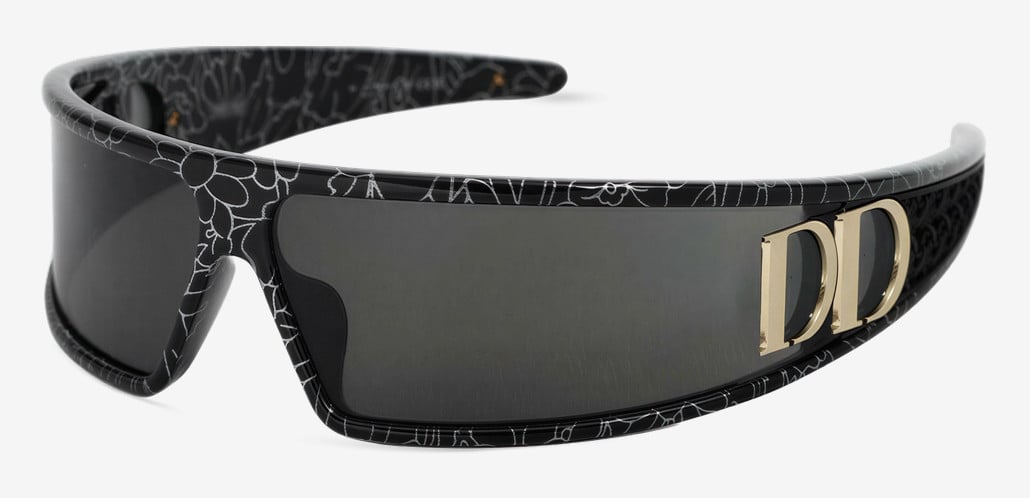
A well-built frame earns its cost slowly. Two things determine whether you get that time out of it: a small amount of routine service, and knowing in advance which kind of protection covers which kind of problem. The second part holds a surprise. The most common way people lose a pair of sunglasses is the one event almost nothing covers.
If you're still choosing, browse our high end sunglasses first, then come back here before your return window closes.
Why High End Sunglasses Can Be Serviced at All
Cheap sunglasses are built to be replaced. High end sunglasses are built to be maintained, and the difference shows up in three places.
Screws, not melt-ins
Hinges and metal rims are held with screws that can be tightened, thread-locked or swapped, instead of pins melted into plastic.
Parts that come off
Nose pads, temple tips and screws are separate parts, so the pieces that wear out can be replaced on their own.
Lenses that come out
Full-rim and cord-mounted semi-rim frames can be traced by a lab and fitted with new lenses.
That is most of the case for paying more. It only pays off if you actually use it, which is what the schedule below is for.
The Service Interval: Five Stops Over Five Years
Treat a good pair the way you'd treat a watch or a bike: small checks at set intervals, plus one shop visit a year. Here is the schedule we suggest, starting the week the pair arrives.
-
Week 1Settle the fit
Check: After an hour of wear, do the temples press behind your ears? Does the frame slide when you look down at your phone? Does one lens sit higher than the other?
Do: Have the temples and pads adjusted at an optical shop rather than bending them yourself. Acetate is shaped with controlled heat, and too much heat near the hinge can blister the surface or loosen the hinge inside the frame.
-
Every monthClean and check the screws
Check: Open and close each temple. It should swing smoothly with even resistance and no side-to-side wobble.
Do: Rinse under lukewarm water, wash with a drop of lotion-free dish soap, rinse again and blot dry. If a temple flops open, snug its hinge screw, then stop. A quarter turn past snug is plenty.
-
Every 6 monthsInspect the wear points
Check: Nose pads that have yellowed or gone stiff, temple tips with cracks or play, small chips at the lens edge, and hairline cracks around the hinge on acetate frames.
Do: Order replacement parts while the frame is still wearable, not after something snaps. Note whether your pads push on or screw in before you buy new ones.
-
Every yearOne shop visit
Check: Alignment (both lenses level, frame sitting flat when set down open), pad condition, and any screw that keeps backing out.
Do: Ask for new pads, a full alignment, and a thread-locking drop on repeat-offender screws. Many shops can also buff light surface haze off acetate.
-
Years 2 to 5The lens decision
Check: Hold the pair up to a bright window. Look for scratches in your direct line of sight, a coating that looks crazed or peeling, and a tint that has gone uneven.
Do: If the frame is sound, replace the lenses rather than the pair. It's also your chance to change the tint or add polarization.
The small kit that handles every home job
- A precision flat-head screwdriver with a blade around 1.4 to 1.8 mm (a few frames use tiny Phillips heads, so check yours)
- Two clean microfiber cloths: one for drying, one that stays in the case
- Lotion-free dish soap
- A hard case that lives in your bag, not just in a drawer
- Spare nose pads matched to your pad type, if your frame has them
Three home-repair mistakes that shorten a frame's life
Overtightening. Hinge screws are tiny, and the threads inside an acetate frame strip easily. Snug is the goal, not tight. If a screw loosens again within a few weeks, that's a shop job, not a harder twist.
Dry-wiping. Dust on a lens is grit. Wiping it dry, or with a shirt hem or paper towel, drags it across the coating. Rinse first, every time.
Household cleaners. Glass sprays with ammonia, rubbing alcohol and nail-polish remover can wear down lens coatings and dull or soften acetate. Water and mild soap do the job.

Before You Buy: Three Service Questions
A pair can only follow the schedule above if the seller supports it. Before you order, look for answers to three questions:
- Are pads, temple tips and screws available as parts? If nothing can be bought separately, a $5 problem becomes a new pair.
- Can the lenses be replaced, and can the tint change when they are? This decides whether scratches end the frame in year three.
- What does the warranty exclude? Read for the words "normal wear," "scratches" and "loss." That's where the limits live.
When you compare high end sunglasses online, those answers usually sit in the product details or on the warranty and returns pages. If you can't find them, ask before you order, not after.
Who Pays When Something Goes Wrong?
A new pair can be covered by up to five kinds of protection at once. Each one covers different events, and many people assume one of them covers everything. None does.
- Return window
- The seller's period for returning an unworn or unwanted pair. It's about changing your mind, not about damage.
- Brand warranty
- Covers manufacturing defects under normal use, such as a hinge failing or a coating peeling on its own. It typically excludes scratches, wear and loss.
- Card purchase protection
- A benefit on many US credit cards that covers theft and accidental damage for a limited time after purchase, commonly 90 to 120 days, up to a per-claim cap.
- Card extended warranty
- Adds time to the manufacturer's warranty, commonly up to one extra year on warranties of three years or less. It covers only what the original warranty covered.
- Renters or homeowners insurance
- Covers personal property against named events such as theft and fire, after your deductible.
| What happened | Return window | Brand warranty | Card purchase protection | Card extended warranty | Renters / homeowners |
|---|---|---|---|---|---|
| Hinge fails or coating peels on its own | If still open | Yes Its main job |
Usually no Defects go to the warranty |
Yes After the brand warranty ends |
No |
| Sat on it, dropped it, snapped a temple | No | Usually no | Often yes Within 90 to 120 days |
No | Usually no Accidental damage is often excluded |
| Scratched lenses | No | Usually no | Usually no | No | No |
| Stolen | No | No | Often yes Within the window; police report usually required |
No | Yes Minus your deductible |
| Lost or left behind | No | No | No "Mysterious disappearance" is excluded |
No | Usually no |
| Normal wear: pads, tips, finish | No | No | No | No | No |
Typical US terms, not a guarantee. Coverage varies by card issuer and policy, so check your card's guide to benefits and your policy's declarations page.
The gap nobody covers
Card benefit terms routinely exclude "mysterious disappearance," meaning an item that's simply gone with no explanation. Standard renters and homeowners policies pay for theft, but not for the pair you left on a restaurant table. Some insurers sell extra coverage for scheduled valuables, yet some of them won't schedule sunglasses at all.
So for the most likely way a pair ends, your protection is a habit, not a policy: one fixed spot for them at home, a case that stays in your bag, and a quick "phone, keys, sunglasses" check every time you stand up from a table.
Do the deductible math before you need it
If your renters deductible is $500 and your pair cost $350, a theft claim pays nothing. Even when a claim clears the deductible, a small payout may not be worth having on your claims history. Where insurance does help is a bigger loss: if a bag is stolen with a laptop and your sunglasses inside, the sunglasses belong on that claim.
Within your card's purchase protection window, the card is usually the better route for theft or accidental damage. These benefits typically have no deductible, but you'll need the receipt, the card statement and, for theft, a police report.
The Five-Minute File: do this the day the pair arrives
- Save the order confirmation as a PDF in a folder named after the frame.
- Photograph the inside of the temple: model name, color code and the size numbers (for example, 52□20-145).
- Note which card you paid with, then set two calendar reminders: the last day of the return window and the last day of purchase protection.
- Register the warranty if the brand asks you to.
- Write your renters or homeowners deductible next to it, so you already know whether a theft claim is worth filing.
Repair or Retire?
The point of owning high end sunglasses isn't keeping one pair forever. It's that a pair ends for a real reason, not because of a loose screw.
Worth repairing
- Loose, stripped or missing screws
- Yellowed pads or worn temple tips
- Scratched or peeling lenses in a sound frame
- A temple or bridge that's out of alignment
- Light surface haze on acetate
Time to retire
- A crack through the acetate at the hinge or bridge
- A metal joint that's already been re-soldered once
- Heat warping that returns after every adjustment
- A lens shape no lab can cut new lenses for
High End Sunglasses FAQ
How do I tighten a loose hinge on high end sunglasses?
Open the temple fully, rest the frame on a soft towel and turn the hinge screw clockwise with a precision flat-head (around 1.4 to 1.8 mm) until it's snug, then stop. If it loosens again within a few weeks, have a shop add thread-locking adhesive.
Can you replace the lenses in high end sunglasses?
Usually, if the frame is full-rim or a cord-mounted semi-rimless. A lab traces the frame and cuts new lenses, and you can change the tint or add polarization at the same time. Drilled rimless and one-piece shield designs are harder to re-lens.
Does a sunglasses warranty cover scratched lenses?
Usually not. Most warranties cover manufacturing defects, such as a hinge failing or a coating peeling under normal use, and exclude scratches, normal wear and loss.
Does renters insurance cover lost sunglasses?
Generally no. Standard renters and homeowners policies cover theft and named events like fire, minus your deductible, but not items you misplace. Some insurers offer coverage for scheduled valuables, though some exclude sunglasses.
How should I clean high end sunglasses?
Rinse under lukewarm water, wash with a drop of lotion-free dish soap, rinse again and blot dry with a clean microfiber cloth. Skip paper towels, clothing and household glass cleaners, which can scratch lenses or wear down coatings.
The Real Price of High End Sunglasses
The sticker price is only the first number. The one that matters is what a pair costs for each year you actually wear it, and that depends on the habits above as much as on the frame. A few minutes a month and one shop visit a year keep a good pair in service. Five minutes of paperwork on day one tells you exactly who pays if something goes wrong.
Ready for a pair worth looking after? Start with our high end sunglasses, and save this guide for the day the box arrives.