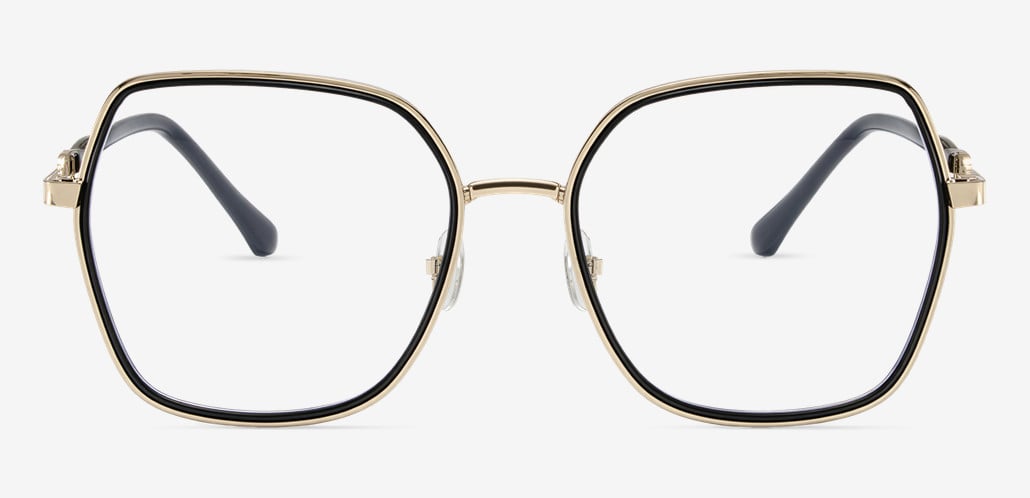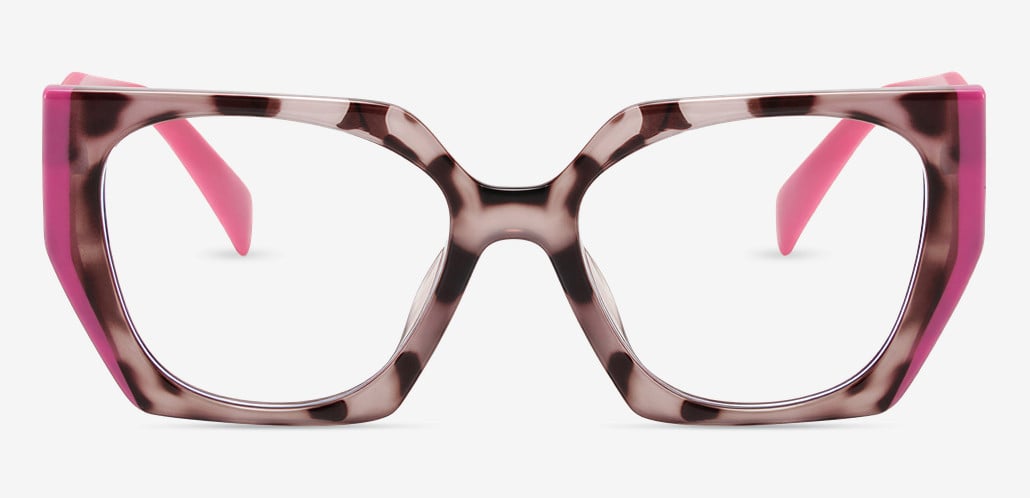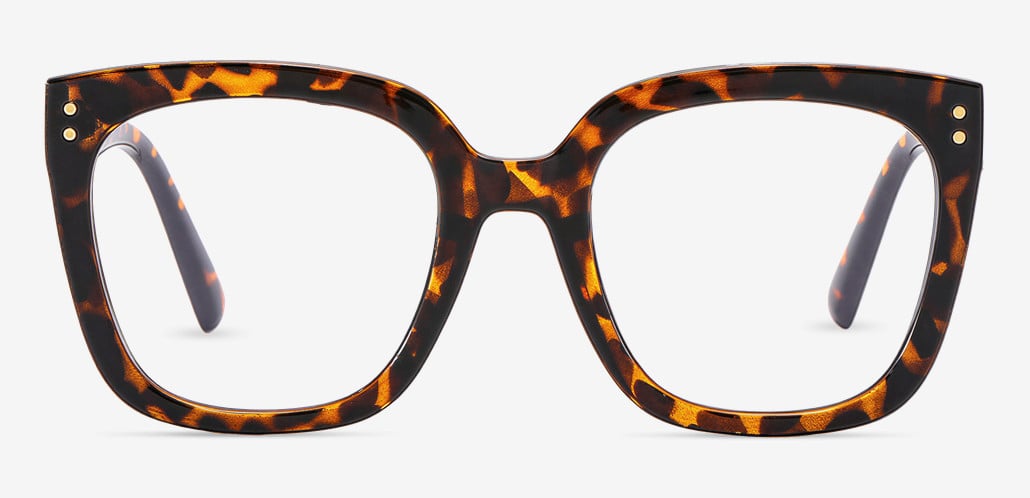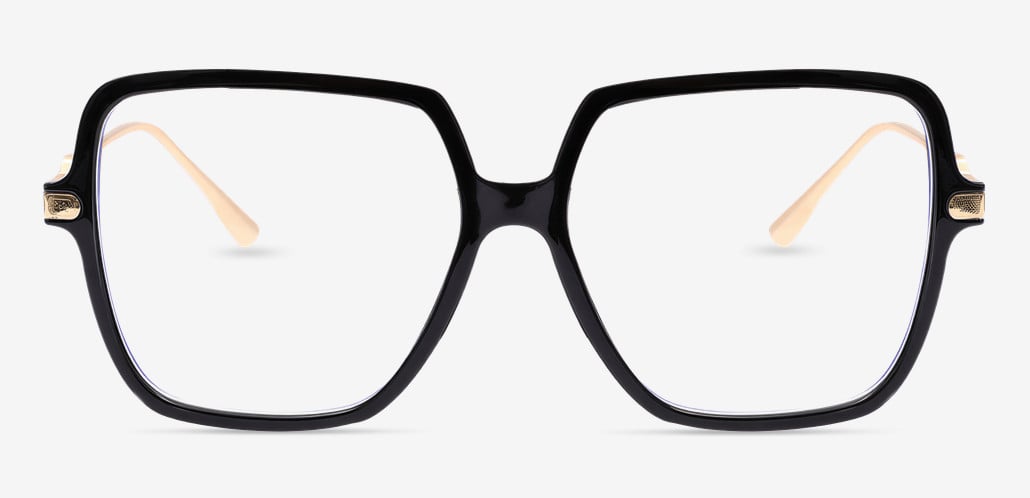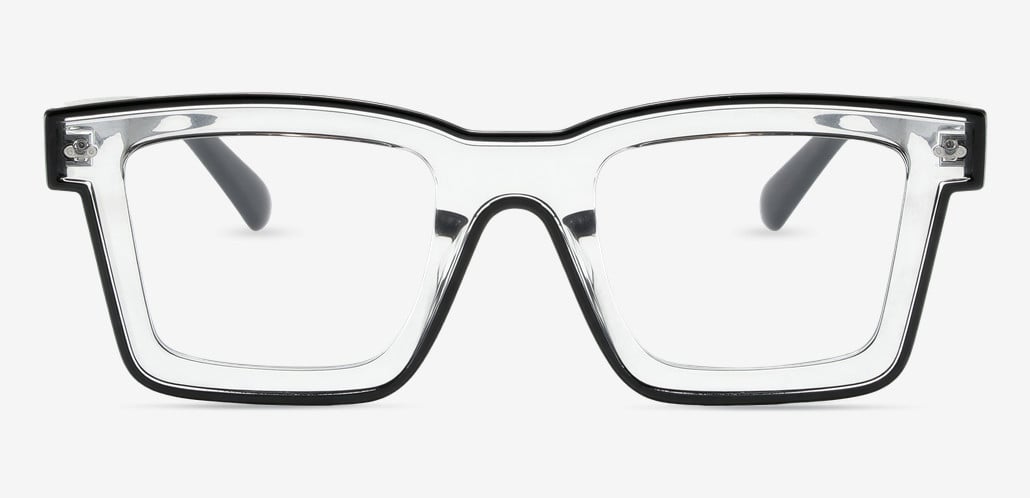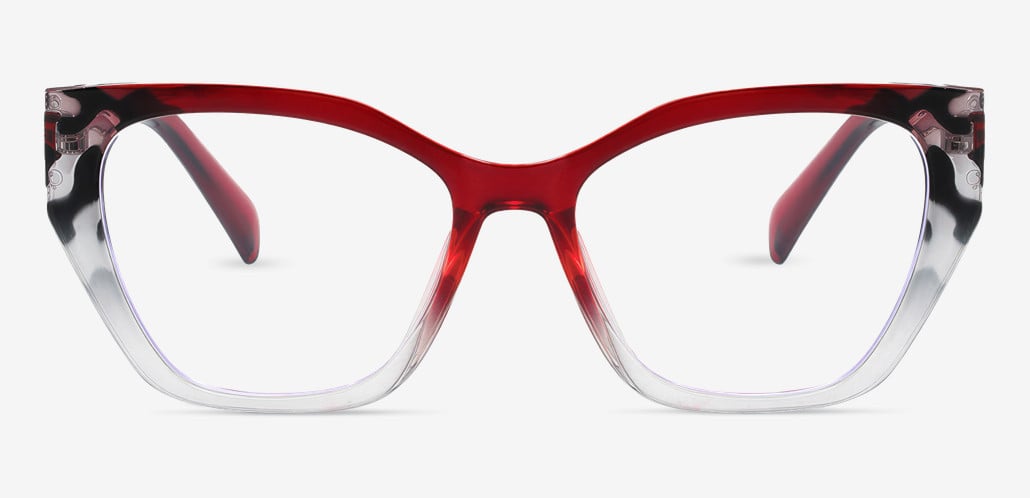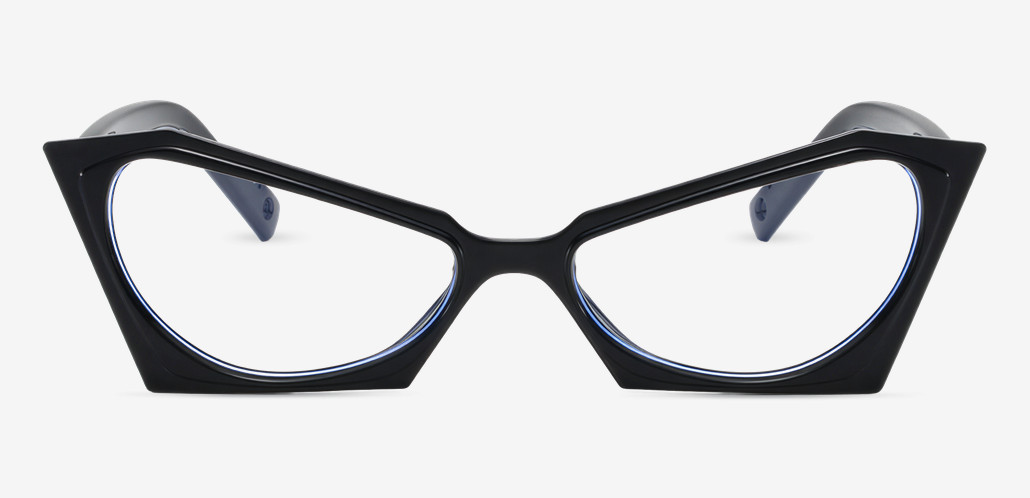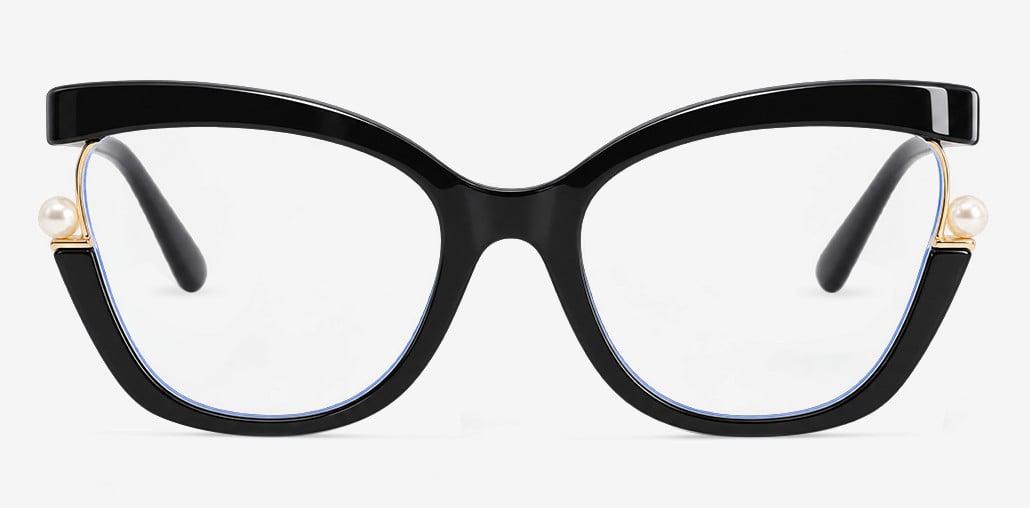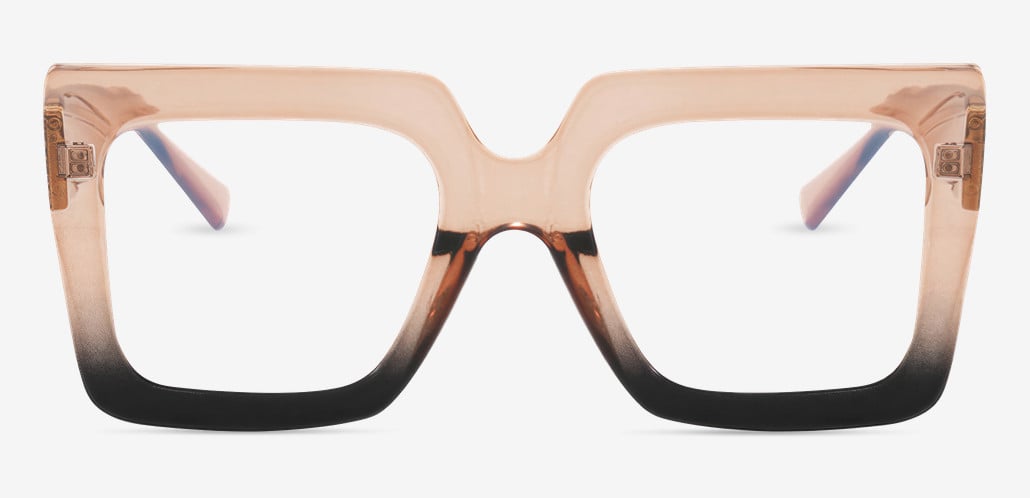

The shirt-tail wipe is the most popular way to clean glasses in America, and it works. That's the problem. It removes the smudge you can see and, in the same motion, drags a day's worth of airborne grit across a surface that is softer than the grit. The smudge was temporary. The scratches it leaves behind are not.
Most advice on how to clean eyeglasses is a list of rules — use this soap, never that spray, only this cloth — handed down without reasons, which is exactly why so few people follow it. This guide works the other way around. There are three physical facts about what a modern lens actually is, and once you know them, every rule stops being a rule and becomes the obvious move. You'll also get honest answers for the desk, the car, and the moments when the correct method simply isn't available — plus a way to tell when a lens that won't come clean isn't dirty at all.
Start With What a Lens Actually Is
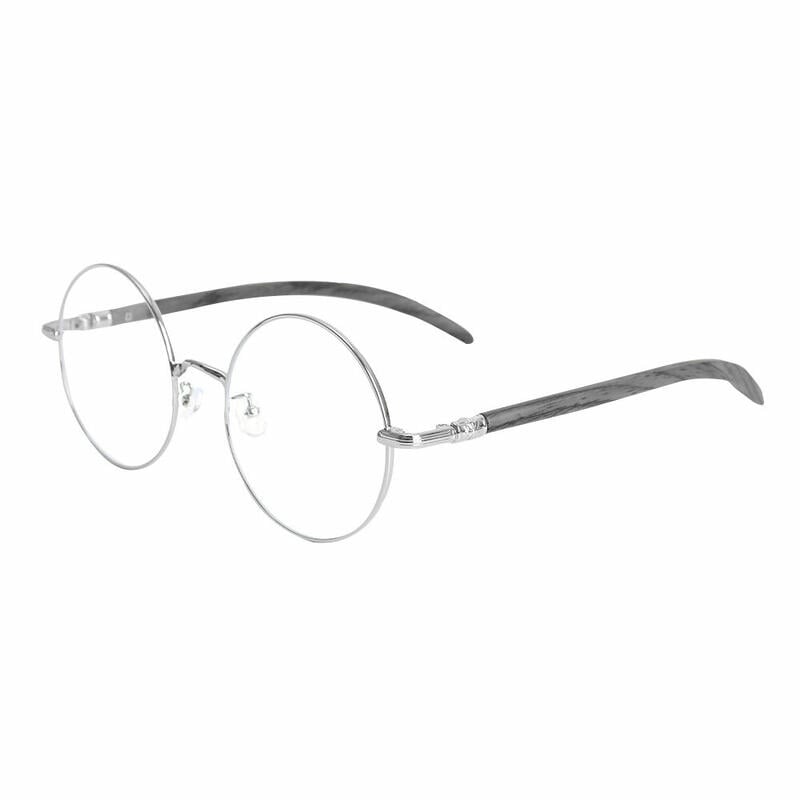
Fact one: your lenses are almost certainly not glass. Nearly all eyeglasses sold in the US today use optical plastics — CR-39 resin, polycarbonate, or high-index materials — chosen because they're light and shatter-resistant, not because they're hard. On the Mohs scale, the hardness ranking geologists use for minerals, lens plastics land somewhere around 3 to 4. A copper penny could mark them.
Fact two: the coatings are thinner and softer than the lens they sit on. Anti-reflective coating isn't a layer of paint. It's a stack of metal-oxide films deposited onto the lens in a vacuum chamber, with thicknesses measured in nanometers — and the stack is softer than the plastic underneath it. It's the first thing to wear when anything abrasive touches the lens, and once it's gone, it cannot be reapplied to that lens.
Fact three: dust is mineral. Ordinary household and street dust carries silica and quartz particles that score around 7 on the same hardness scale — hard enough to scratch actual glass, let alone optical plastic and the nanometer films on top of it.
Put those three facts together and the physics of the shirt-tail wipe becomes clear. Any time something moves across a dry lens, mineral particles are being dragged under pressure across two materials softer than the particles are. That isn't cleaning. It's sanding at a microscopic scale. Opticians can even read the evidence: faint circular swirl marks in a lens are the signature of habitual dry wiping, not of drops or accidents.
One more consequence follows, and it frames everything below. Cleaning removes soil. It cannot remove damage. The entire skill of cleaning eyeglasses properly is removing the first without adding the second.
The Sink Method, Where Every Detail Earns Its Place
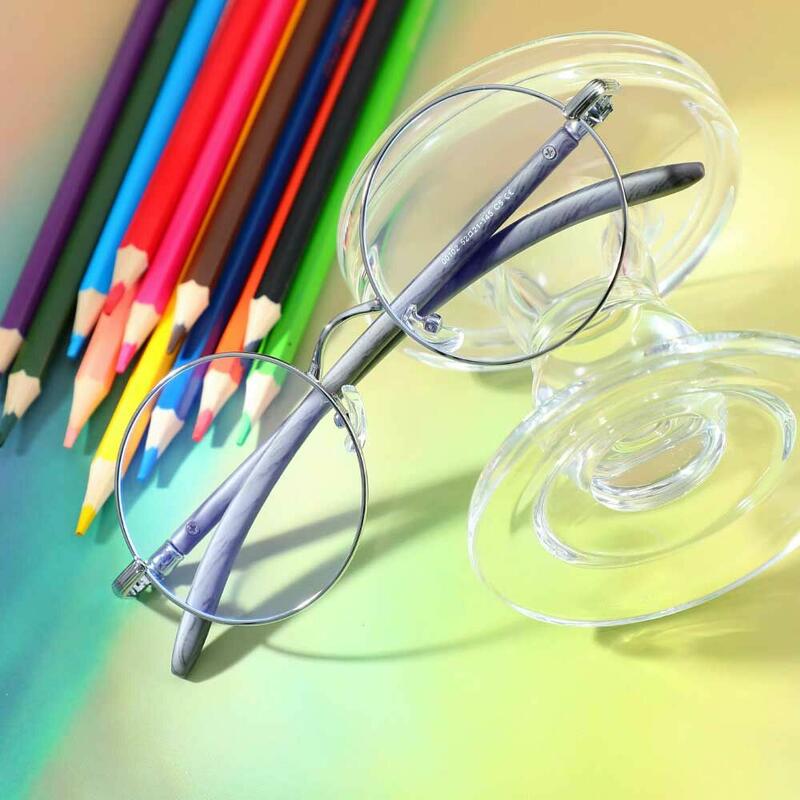
The best way to clean eyeglasses takes about ninety seconds and uses things already next to your kitchen sink. What makes it correct isn't ritual — each detail answers one of the three facts above.
Start by rinsing both sides of the lenses under a gentle stream of lukewarm running water. This is the real safety step, not a warm-up: running water floats the mineral grit off the surface before anything solid touches it. Keep the water lukewarm rather than hot, because the coating stack and the lens expand at different rates when heated, and thermal stress is what cracks coatings — more on that shortly.
Next, put a single drop of lotion-free dish soap on each lens. Dish soap is the at-home cleaner the American Optometric Association points people to, and the reason is chemistry: the smudges on your lenses are mostly sebum — skin oil transferred from fingers, lashes, and nose — and dish soap is a purpose-built degreaser that rinses away without residue. The lotion-free part matters just as much. Moisturizing additives are designed to cling to skin, and they cling to lenses the same way, leaving a film that smears instead of clearing.
Work the soap gently over both sides of each lens with your fingertips. Fingertips are the softest tool you own, and they give you feedback — if there's a stubborn particle on the lens, you'll feel it before you grind it in. While you're there, run soapy fingers over the nose pads, the bridge, and the first inch of each temple arm, where skin oil concentrates. Rinse until the lens surface squeaks faintly under a fingertip, shake off the excess water, and finish with a clean microfiber cloth — blot first, then light strokes.
That's the whole method. Done in the morning alongside washing your hands, it keeps most people's glasses genuinely clean with nothing else needed all day.

Away From the Sink: A Ladder, Not a Loophole
Real life happens away from plumbing, and pretending otherwise is why so much cleaning advice gets ignored. Think of your options as a ladder ranked by what's within reach, with one hard floor at the bottom.
At a desk, the right tool is a dedicated eyeglass cleaning spray — labeled safe for anti-reflective coatings, free of ammonia — paired with a microfiber cloth. Spray generously: the liquid is doing the job the rinse does at the sink, lifting and floating particles so the cloth isn't dragging them. A dry lens misted with a stingy half-spray and then scrubbed defeats the purpose.
In a bag or a glovebox, individually wrapped pre-moistened lens wipes are the portable answer, and the wetness is precisely the point — the solvent lifts oil and lubricates the wipe's path. One honest caveat: if a lens is visibly dusty, don't lead with pressure. Blow off the loose debris, use a first wipe featherlight to lift what remains, and let a second wipe do the polishing.
With nothing at all on hand, fogging the lens with your breath and using a known-clean microfiber cloth is acceptable triage — on a lens with no visible grit, until you reach a sink. It's the bottom rung, not a lifestyle.
The floor under the ladder never moves: nothing goes across a dry lens. Not a tissue, not a napkin, not a sleeve, not a thumb. Every acceptable method above involves liquid, because liquid is what separates cleaning from sanding
The Do-Not List Is Really a Chemistry List
Every item on the standard forbidden list is there for a specific material reason, and knowing the reason makes the list easy to remember.
Window cleaner leads the list because it leads the search results — "can you use Windex on glasses" is one of the most-asked cleaning questions in the category, and the answer is a firm no. Ammonia attacks the metal-oxide layers of an anti-reflective stack. The damage is gradual and cumulative: lenses that develop an oily, rainbow-colored sheen have usually had their coating chemically thinned, and that sheen doesn't wash off, because it isn't dirt — it's the coating itself failing.
Acetone is worse and faster. Nail polish remover dissolves polycarbonate and attacks acetate, which means one careless wipe can permanently dull both your lenses and the hand-polished finish of an acetate frame. Bleach, vinegar, and citrus degreasers belong in the same drawer: formulated for kitchens and bathrooms, ruinous to nanometer-scale optics.
Paper products — towels, tissues, napkins — feel soft to skin and behave like abrasive to a coating. They're made of wood cellulose, and they carry whatever ambient dust settled on the roll. Clothing has the same flaw with an extra one: fabric spends the day collecting exactly the mineral particles you're trying to keep off the lens, and it often carries laundry-product residue besides.
Aerosols deserve a mention because almost nobody connects them to cloudy lenses. Hairspray, perfume, and cooking spray settle as a fine film that builds up over weeks. The fix is sequencing, not scrubbing: glasses go on after the styling products, and come off before you lean over a frying pan.
Then there's heat, the quietest destroyer of the group. Because the coating and the lens expand at different rates, high temperatures crack the coating into a fine spiderweb pattern called crazing. Hot water at the sink can do it over time; a parked car does it in an afternoon, since a summer dashboard can pass 150°F. Crazing looks like permanent haze, and it is permanent — no cleaner touches it, and the only fix is new lenses. If your glasses live in your car between wears, that habit is likely costing more than any cleaning mistake on this list.
The Cloth Is Half the System
Microfiber isn't just a softer rag. Its split synthetic fibers present enormously more surface area than cotton, which lets the cloth lift oil and pull particles up into the weave — holding grit away from the lens instead of dragging it across. That mechanism is also its weakness, because a microfiber cloth is a filter, and filters load up.
A cloth that's spent weeks loose in the bottom of a bag has been collecting the same silica dust that scratches lenses, and using it turns your safest tool into fine sandpaper. A cloth saturated with months of absorbed skin oil stops absorbing and starts redepositing — which solves a common mystery: if your glasses look smudged thirty seconds after cleaning, suspect the cloth before the method.
The maintenance is minor. Wash microfiber in warm water with a small amount of detergent and no fabric softener — softener coats the split fibers and defeats them, then transfers to your lenses as smear. Air dry. Store the cloth inside the glasses case or a sealed pouch rather than loose. Own a few so one is always clean, and retire any cloth that feels slick, stiff, or gritty. A dollar of cloth guards a hundred dollars of coating.
Frames, Nose Pads, and the Green Stuff
Lenses get the attention, but the frame touches your skin all day, and it shows. The sink method already covers most of it — soapy fingertips over the frame front, temples, and pads — but two spots deserve a closer look.
The first is the green crust that builds where nose pads meet their metal arms. It's a compound of skin oil, dead skin, and oxidation from the metal underneath, and it yields to a cotton swab or soft toothbrush with a drop of the same soapy water. If it keeps returning, remember that nose pads are inexpensive replaceable parts: an optical shop can swap them in minutes, and many will run the whole frame through an ultrasonic cleaner while you wait.
The second is storage, which is really pre-cleaning. A hard case prevents the overnight dust load that makes the morning wipe dangerous, and setting glasses down lenses-up — never face-down on a counter — eliminates the most common "mystery scratch" there is. While your glasses dry, give the hinges a glance; a loosening screw announces itself early to anyone who looks.
Acetate frames earn one extra sentence: their depth of color and gloss comes from hand polishing, and solvents dull it permanently. Soap and water is all acetate ever needs.
When Clean Won't Come Back: Dirt or Damage
Some glasses stay cloudy no matter what, and the internet is full of people scrubbing harder at a problem that isn't dirt. Here's the test that settles it: run the full sink method twice, back to back. If the haze clears, it was residue — hairspray film, sunscreen, soap scum — and you've solved it. If the haze survives two proper washes, you're looking at damage, and it will be one of three kinds: the uniform micro-scratch haze of long-term dry wiping, which announces itself as glare and starbursts around lights at night; the spiderweb cracks of heat crazing; or the rainbow sheen of a chemically thinned anti-reflective coating.
None of the three can be cleaned, polished, or home-remedied away — attempts to buff scratches out of a coated lens remove coating unevenly and make the optics worse. A worn coating can't be re-laid on a used lens. The honest fix is replacement.
One last diagnostic, because it masquerades as a cleaning failure: if a smudge reappears in the same spot within minutes of a proper wash, check whether your eyelashes are brushing the inside of the lens. That's a fit issue, not a hygiene issue, and an optician can solve it in one visit by adjusting the nose pads to move the lens a millimeter forward.
The Cheap Insurance and the Honest Math
Everything above amounts to cheap insurance for the most expensive square inches of your glasses — the coatings and the optical surfaces. Ninety seconds at a sink, a clean cloth, and a hard case will carry most pairs to the end of their prescription looking the way they did in week one.
And when a lens genuinely reaches the end — crazed by a hot July car or hazed by years of shirt-tail habit — the replacement math has changed. At Aoolia, frames start at $9.95, and every prescription order is checked by a qualified optician before it ships, so retiring a damaged pair is closer to the cost of a takeout order than the triple-digit decision it used to be. Browse the full range of eyeglasses when that day comes — and until it does, keep the water lukewarm, the soap lotion-free, and the shirt-tail where it belongs.