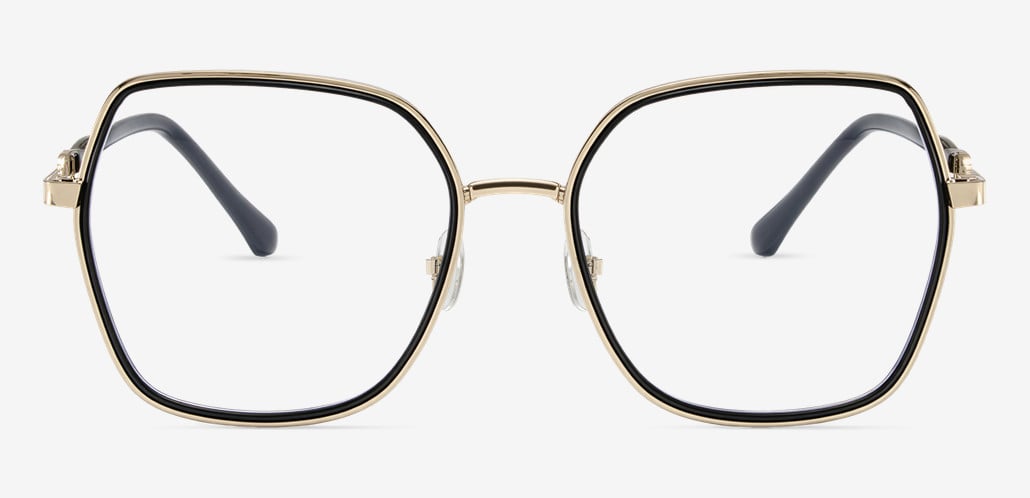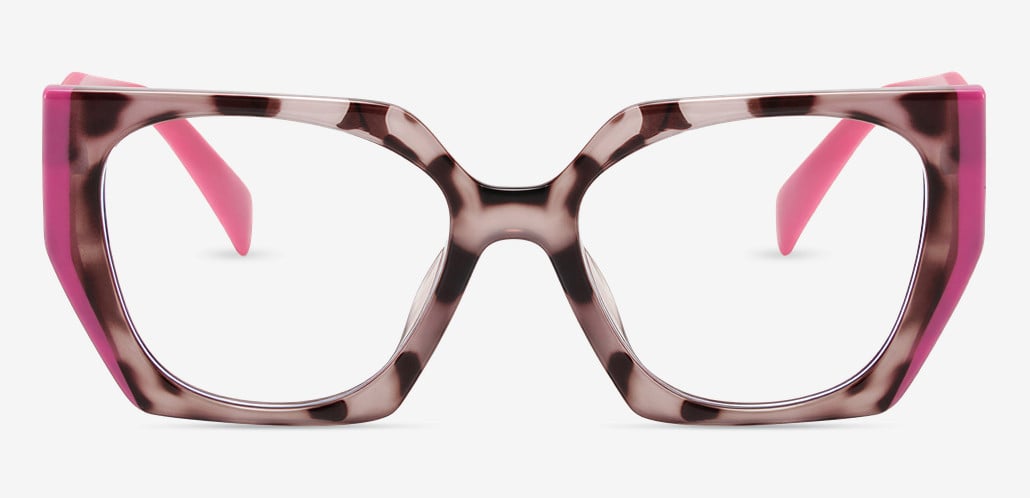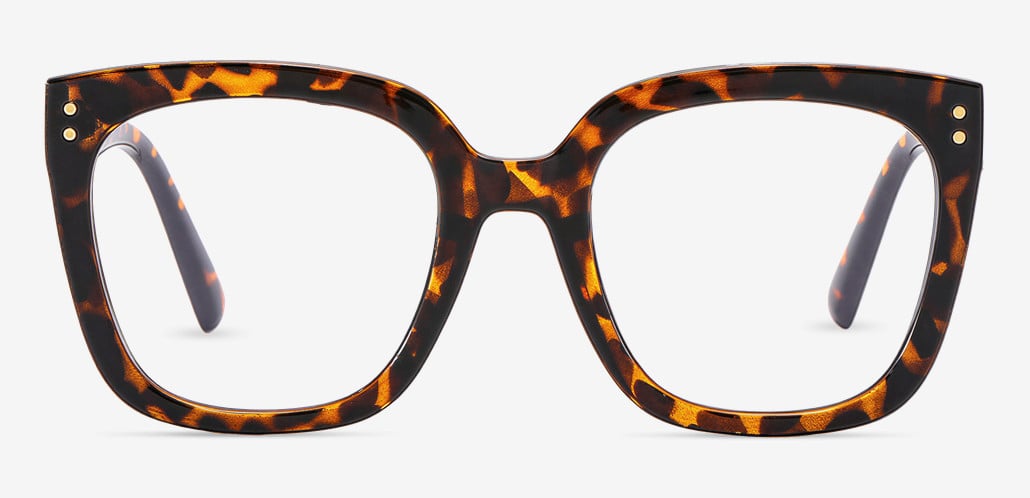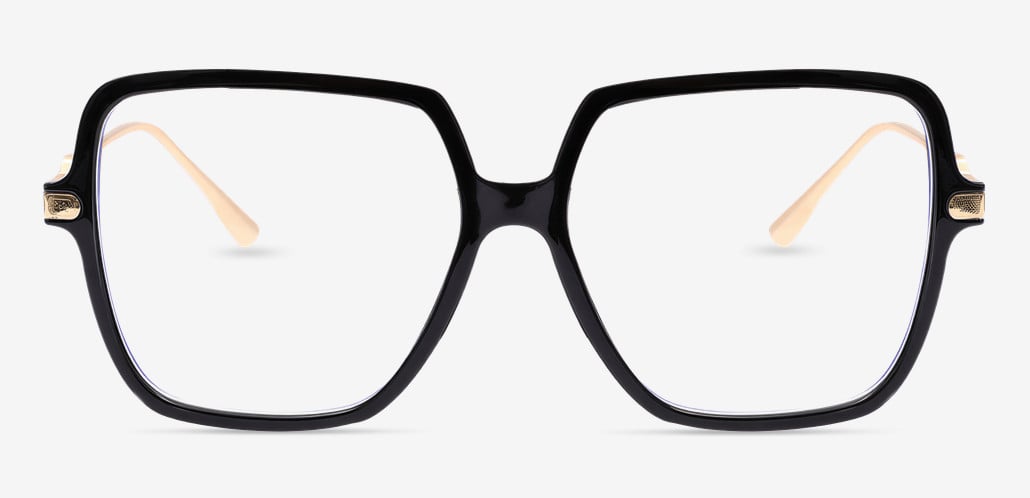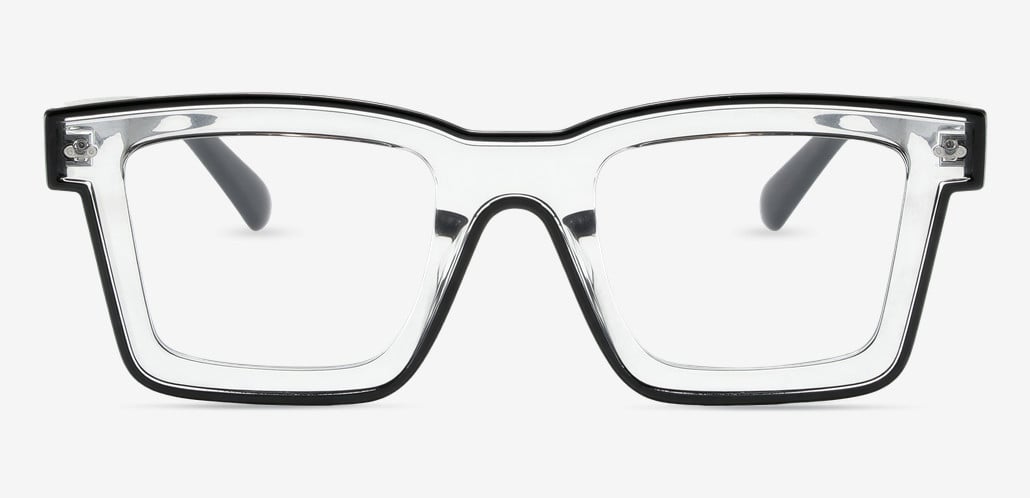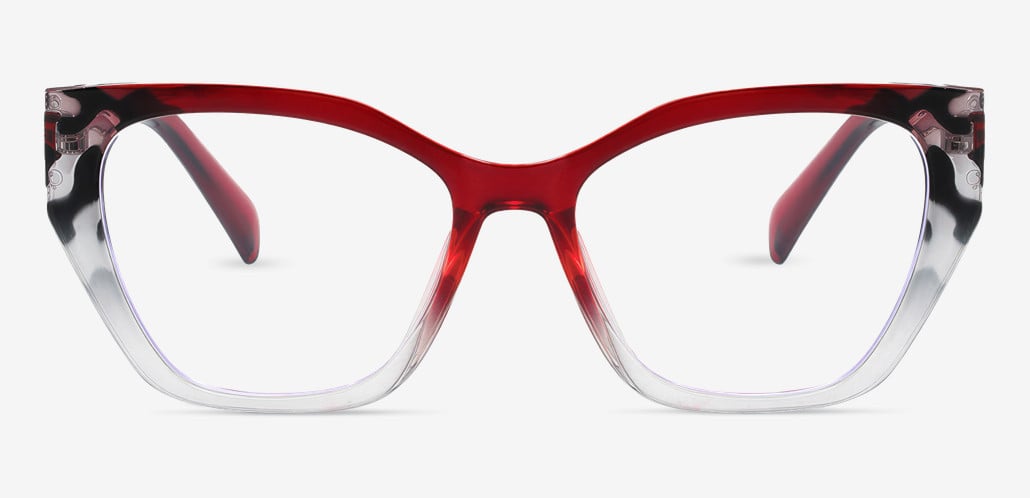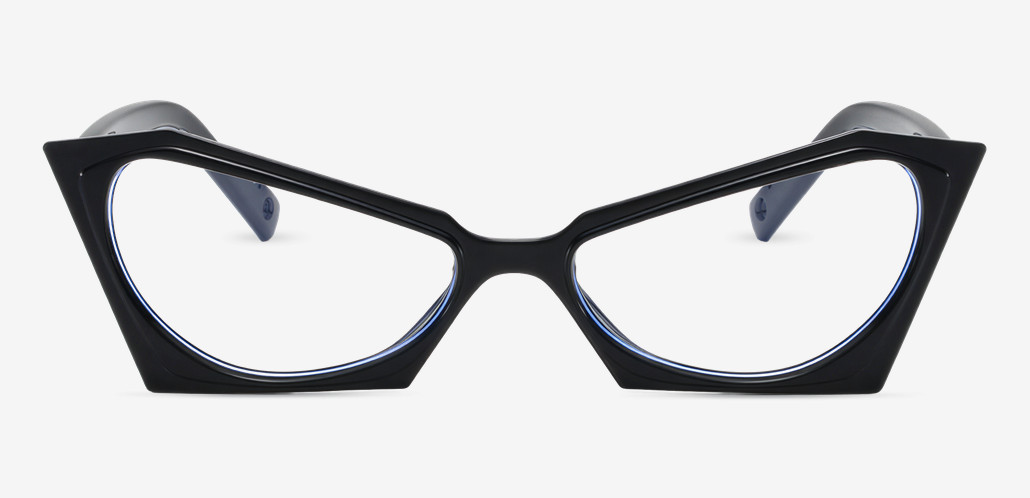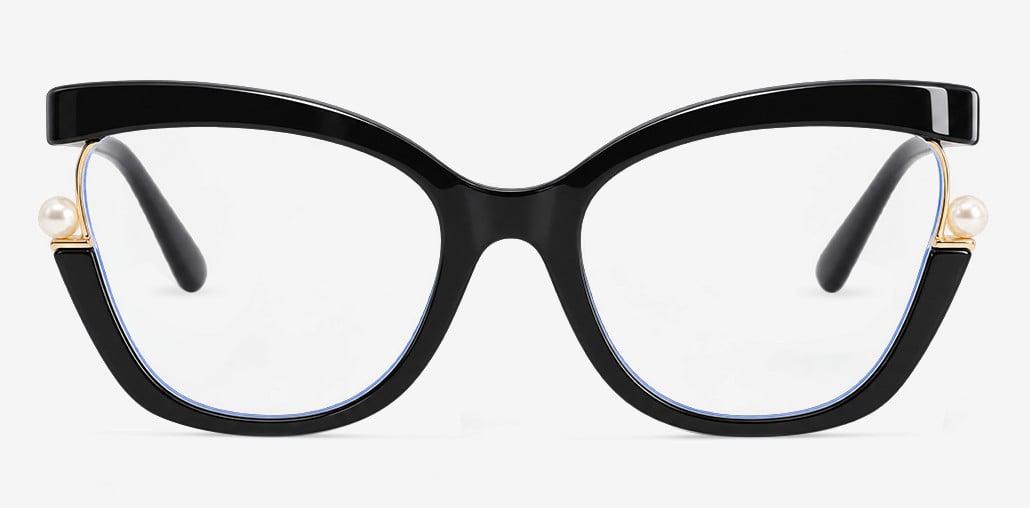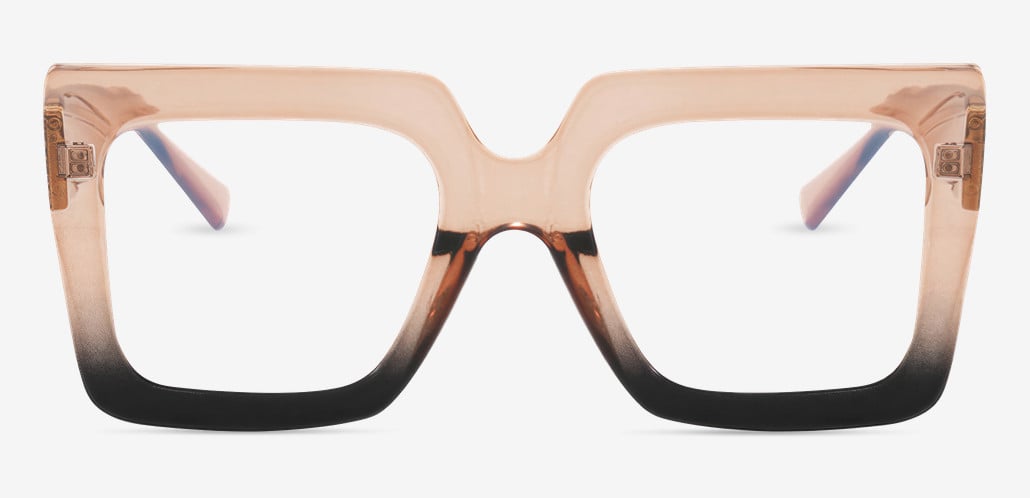

Somewhere in almost every American junk drawer sits a pair of clip-on sunglasses that got worn twice. They scratched a lens, or they rattled, or they made a perfectly good pair of glasses look like lab equipment — and into the drawer they went. That history is worth naming up front, because it explains both why clip-ons have a reputation problem and why the current generation of eyeglass frames with sunglasses magnetic clips is a genuinely different product: the magnets fixed most of what used to go wrong.
Most of it. Not all of it, and not on every product. So this guide is organized the only way a buying guide for this category honestly can be: around the five ways clip-ons used to fail people, what magnetic systems changed about each one, and the specific thing to check before you pay to make sure you're buying the fixed version. At the end, there's an equally honest section on when you shouldn't buy clip-ons at all.
Why clip-ons earned the drawer
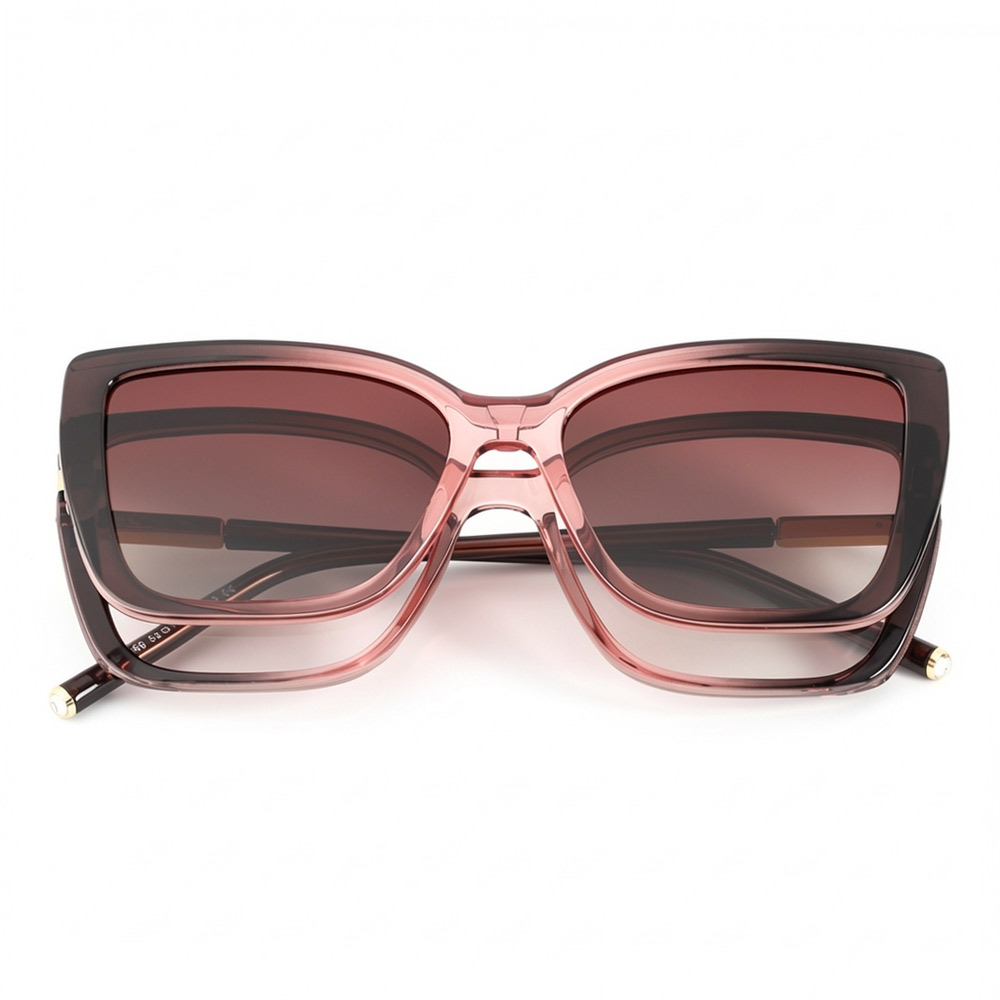
The clip-ons your parents owned attached mechanically. Spring-loaded hooks gripped the frame — or worse, the lenses — and flip-up styles bolted a hinge to the bridge. Every one of those designs put metal hardware in contact with parts of your glasses that were never meant to be gripped, and put visible machinery on your face. Magnetic systems moved the connection into the frame itself: small magnets seated in the frame front meet matching points on a sun clip, so nothing hooks, nothing clamps, and — on a well-made set — nothing shows. That single engineering change is behind each of the five fixes below.
The scratch problem: ask where the magnets sit
Old-style clips scratched lenses because the lens is what they held onto. With magnetic sets, the question to ask is simple: do the magnets sit in the frame, or does anything touch the lens? On frame-embedded systems (Aoolia's sets put the magnets in the frame front, with matching contacts on the clip's rim), the clip floats a hair in front of your prescription lenses and touches only frame-to-frame. Your anti-reflective coating, your blue-light filter, whatever you paid extra for — none of it is in the contact path.
The version to be wary of is the universal magnetic clip sold as an add-on for glasses you already own. Most of these mount a magnet to your bridge with an adhesive pad or a clamp, which reintroduces exactly the contact problem magnets were supposed to solve. If a listing says "fits most frames," the scratch question is back on the table.
The fit problem: frame-matched beats universal, and it isn't close
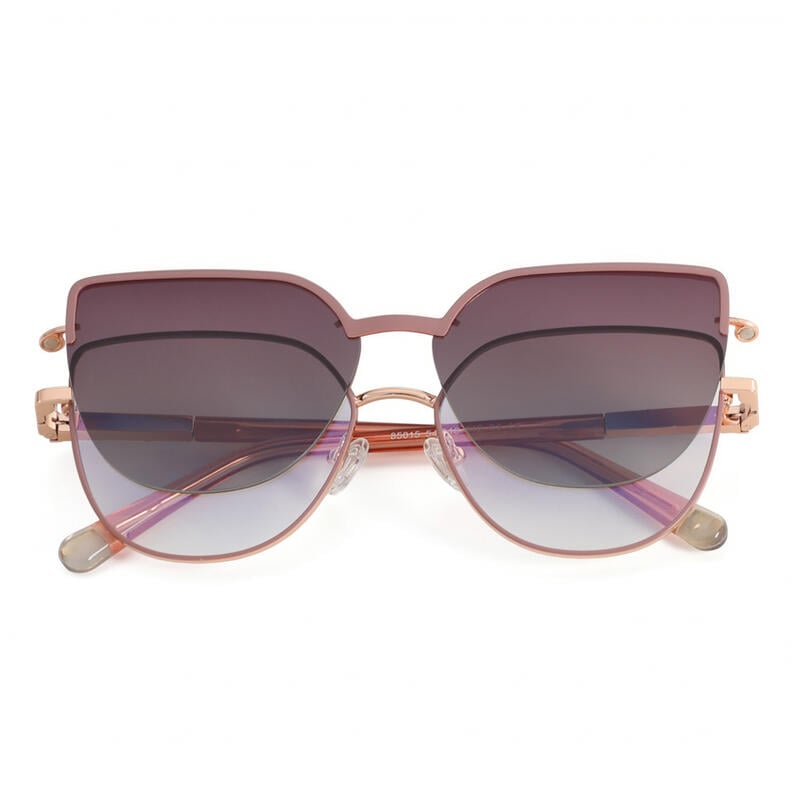
A sun clip has one job beyond darkness: covering your lenses exactly. Universal clips can't, by definition — they're an average shape laid over your specific one, which means light leaking through the gaps at the edges, corners overhanging your frame, and the faint rattle of a part that almost fits. That gap isn't just cosmetic. Stray light entering around an ill-fitting clip forces your eyes to keep adjusting, which is the squint-and-headache effect people wrongly blame on the tint.
Frame-matched sets solve this by cutting each clip to one frame's exact contour — which is why they're sold as a set and why the clip from one model won't work on another. When you're comparing products, this is the fastest quality tell in the category: a brand that sells the frame and clip as a designed pair has solved the fit problem before it ships. A brand selling clips separately from frames has handed the problem to you.
The lost-clip problem: one question before checkout
Here's the failure magnets did not fix: a clip is a small, separate object, and small separate objects get lost. Anyone who tells you otherwise hasn't owned one through a full summer. What you can control is how much losing it costs.
Before you buy any magnetic set, find the answer to one question: can you buy the clip by itself later? If the brand sells replacement clips for a reasonable fraction of the set price, a lost clip is an annoyance. If it doesn't, a lost clip quietly turns your two-in-one purchase back into ordinary glasses. Two habits help, too: give the clip a fixed home (the case slot it shipped with, a car visor, the same shirt pocket every time), and take it off with two fingers on the rim rather than peeling it from one corner, which keeps the magnet contacts aligned and snug over years of use.
The protection problem: dark is not the same as protected
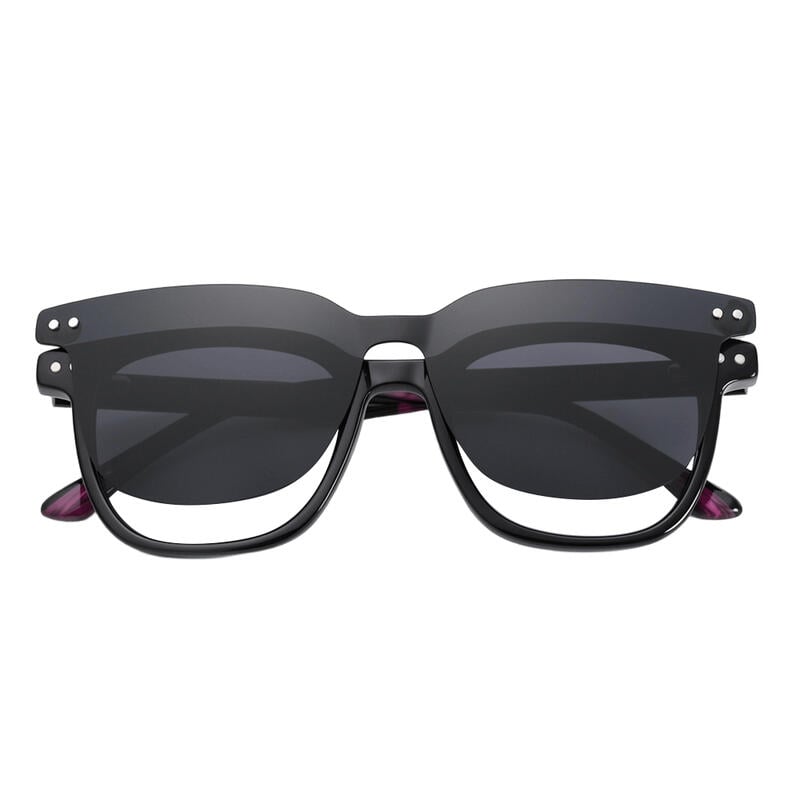
The most consequential thing to check is invisible. A tinted lens with no UV filtering is worse than no sunglasses at all: the dark lens relaxes your pupils open while ultraviolet light streams through. This is where bargain universal clips most often cut the corner, because tint is cheap and UV filtering is a spec you can't see in a product photo.
So read for the spec, not the shade: the clip's lenses should be rated UV400, meaning they block wavelengths up to 400 nanometers — effectively all UVA and UVB. Two honest footnotes belong here. First, a clip only covers the front; on a beach day or a boat, light still arrives from the sides, which is one reason dedicated sunglasses keep a place in the world. Second, if your everyday lenses are polycarbonate — the most common prescription lens material in the US — they already block UV on their own, clip or no clip. The clip's UV rating still matters, because it's what lets your pupils stay comfortable behind a properly dark, properly filtering layer.
Polarized or not? Polarization is a separate feature from UV protection: it cuts the horizontal glare that bounces off roads, water, and hoods. If your sun time is mostly driving, it's worth having. The only common trade-off is reading LCD screens — gas-pump displays and some dashboards go dim or rainbow-streaked through polarized lenses. Annoying, occasionally; dangerous, no.

The style problem: the hardware is the tell
Clip-ons looked like clip-ons because you could see the mechanism — hooks at the temples, a hinge riding the bridge. On a flush magnetic set, the tell disappears: the clip's rim traces the frame's rim, the magnets hide inside, and from conversation distance the pair reads as sunglasses, full stop. When you're evaluating a set, look at product photos of the clip attached, not just the parts laid out side by side. You're checking two things: whether the clip sits flush with no shadow gap along the top line, and whether the combined front looks thicker than a normal pair of sunglasses. If a brand only photographs the components separately, assume there's a reason.
It also helps that the underlying frame has to stand on its own — you'll wear it clipless most of the day. That's the quiet advantage of buying from an eyewear brand rather than an accessories seller: the frame came first, the clip was cut to match it, and both halves were designed to be seen.
When clip-ons are the wrong buy
No product deserves a guide that only argues for it. Three alternatives beat magnetic clips for specific people:
Photochromic lenses (the kind that darken outdoors) win if your real wish is never thinking about it. One pair, zero parts to lose. Their known weakness: most photochromics are triggered by UV, and your windshield blocks UV — so they stay stubbornly pale exactly where many people want sunglasses most. If driving is your main sun scenario, clips or dedicated sunglasses serve you better.
Prescription sunglasses win on hours. If you're outdoors for long stretches — coaching, fishing, jobsite work — a full tinted Rx lens with real coverage is the better tool, and worth the second lens purchase. Our prescription sunglasses guide covers the options.
Fit-over sunglasses (the large pairs worn over glasses) win on price and nothing else. They're the cheapest path and a fine glovebox backup; nobody has ever preferred how they look.
Clip sets hold the middle ground on purpose: one prescription purchase, sunglasses on demand, driving-friendly, and — unlike photochromics — dark the instant you want them and clear the instant you don't.
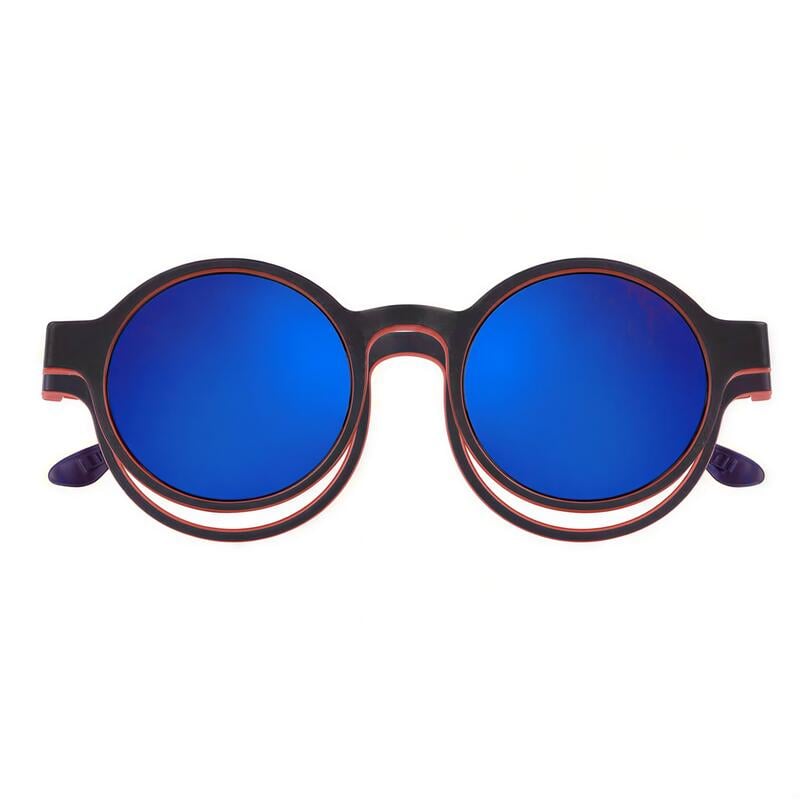
What a magnetic clip set should cost
As of mid-2026, rough US anchors: universal magnetic add-on clips run cheap, and you now know why. Frame-matched magnetic sets from direct-to-consumer eyewear brands generally land between roughly $30 and $100 before prescription lenses — Aoolia's sets sit in this range — while designer sets clear $200 without doing the job differently. The honest math isn't the sticker, though; it's the comparison against buying glasses and prescription sunglasses separately, where the clip set saves you the second lens order — usually the most expensive line on an eyewear receipt, especially for progressives.
The 60-second pre-purchase check
Run any magnetic clip-on set — ours included — through these before paying:
Magnets seated in the frame, nothing contacting the lenses
Clip and frame sold as a matched, contour-cut set (not "fits most")
Replacement clips purchasable separately — confirm before, not after
Clip lenses rated UV400; polarized if you drive daily
A photo of the clip attached, sitting flush, no light gap
A case with a home for the clip
Every set in our eyeglass frames with magnetic sunglasses clips collection is built to pass this list — each clip cut to its named frame, checked by an optician before it ships, and viewable clip-on and clip-off in virtual try-on. But the list works anywhere you shop, and that's rather the point.