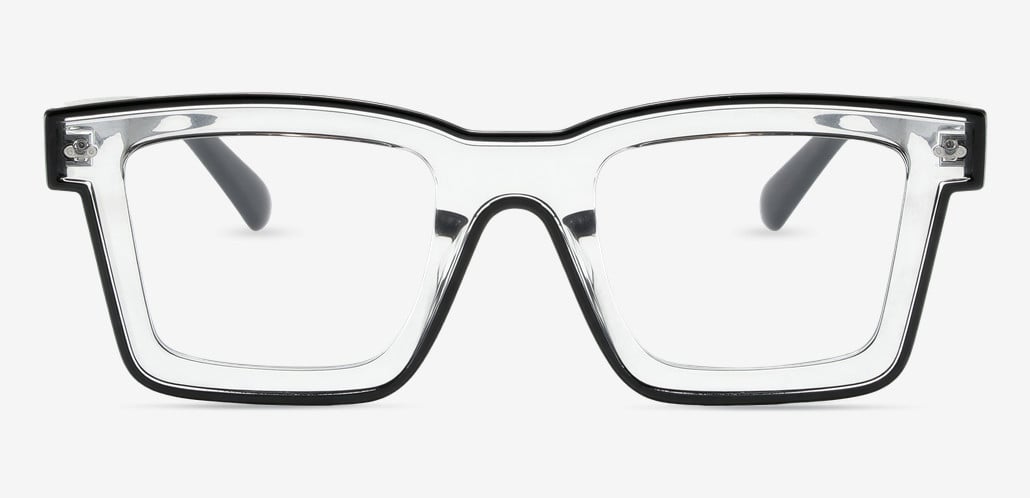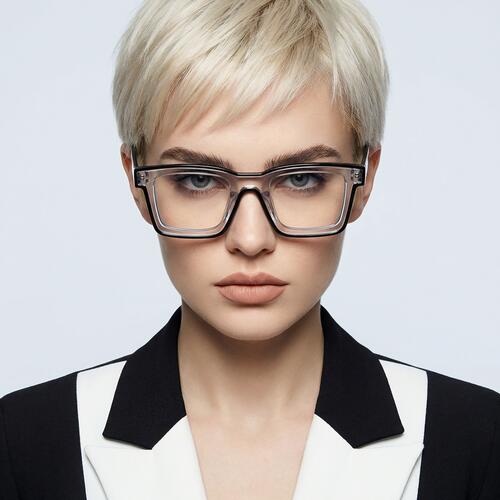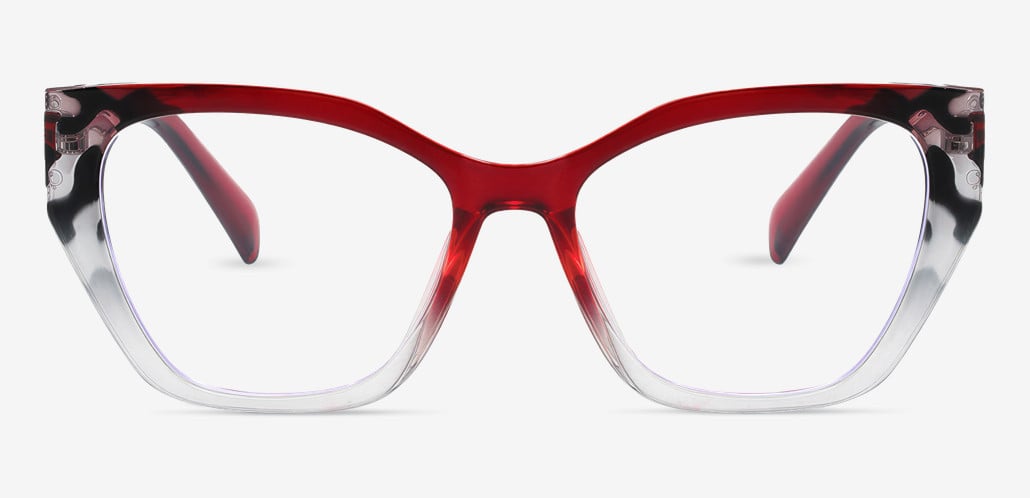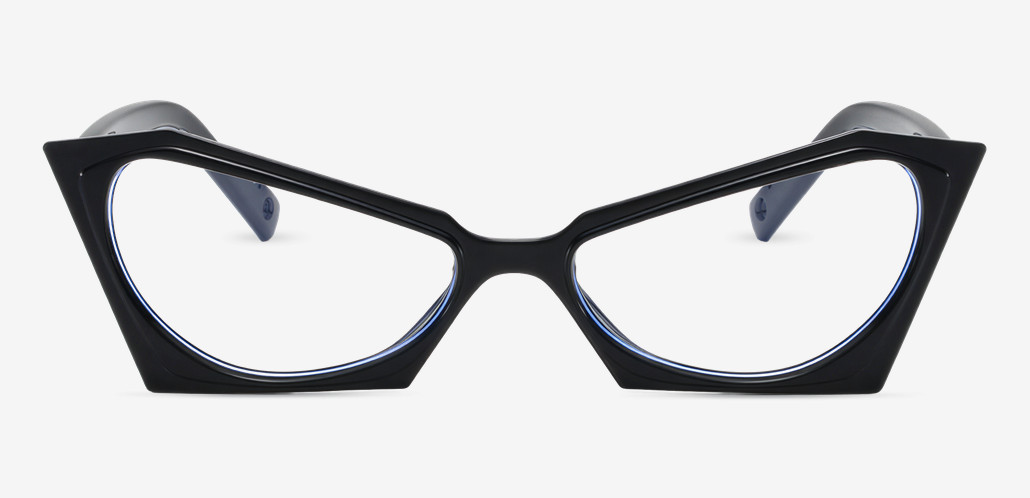

Non-Medicated Glasses: What That Label Actually Leaves Out
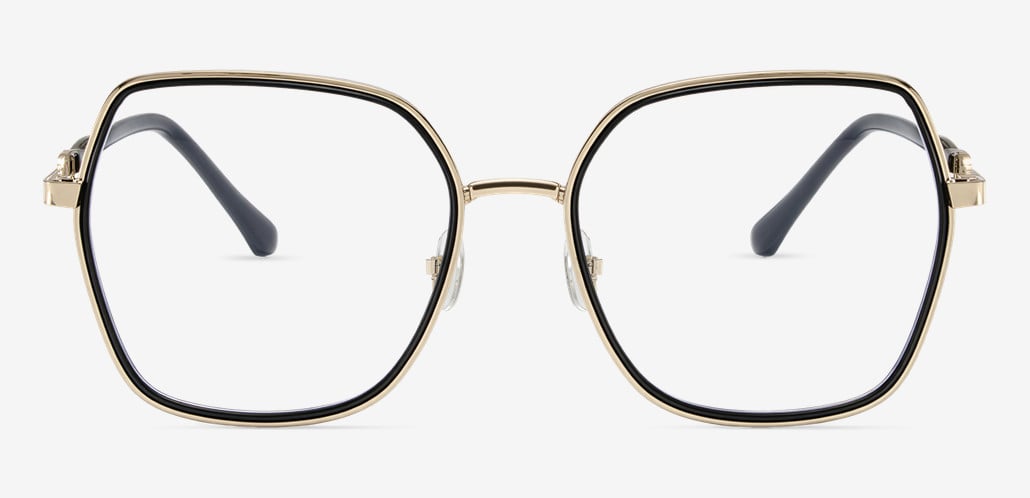
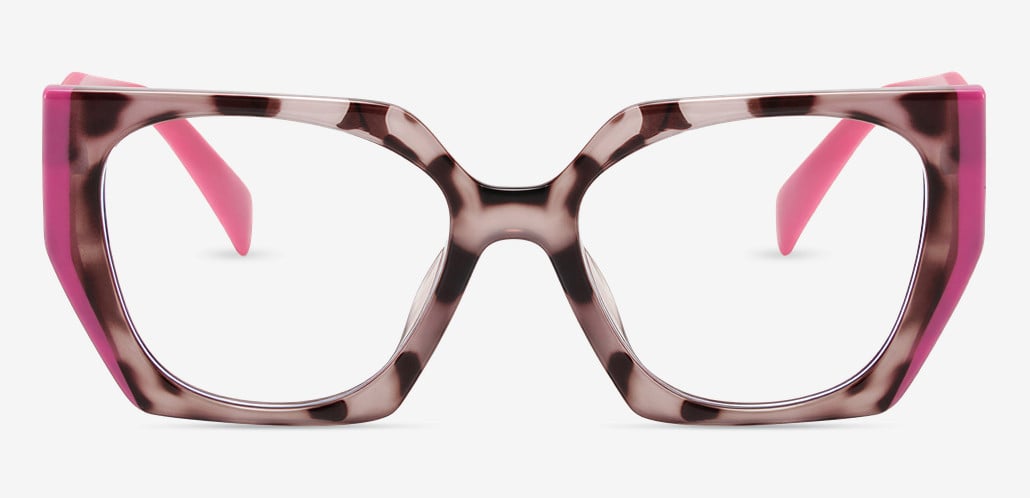
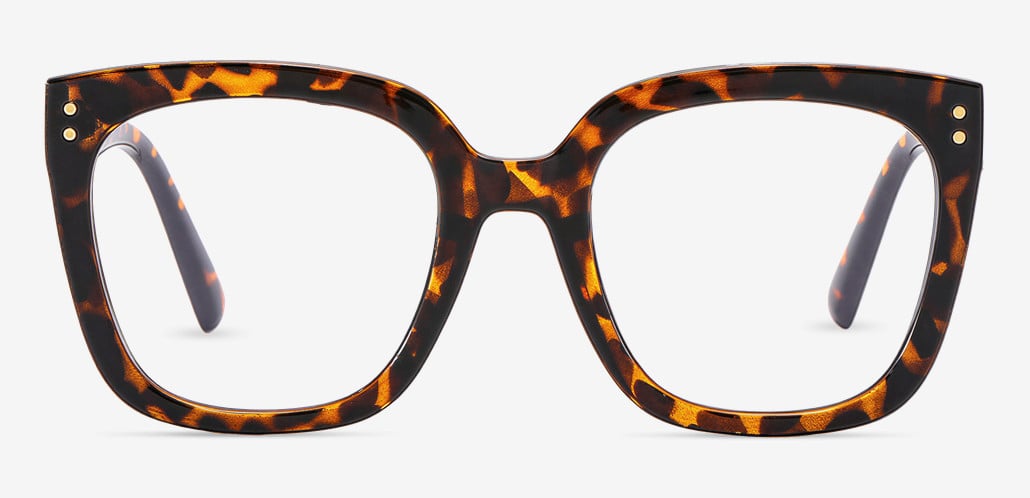
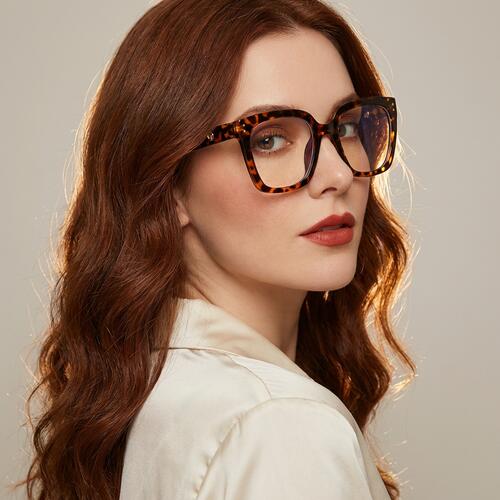
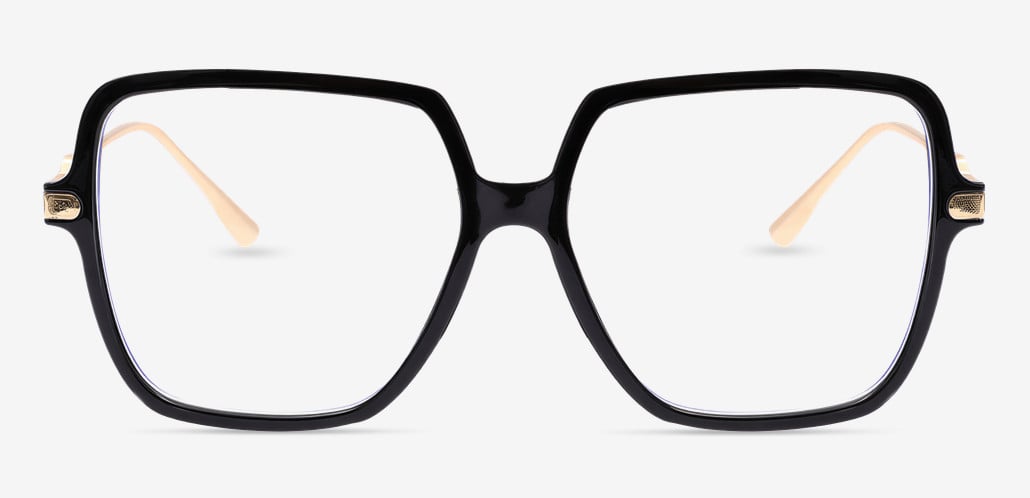
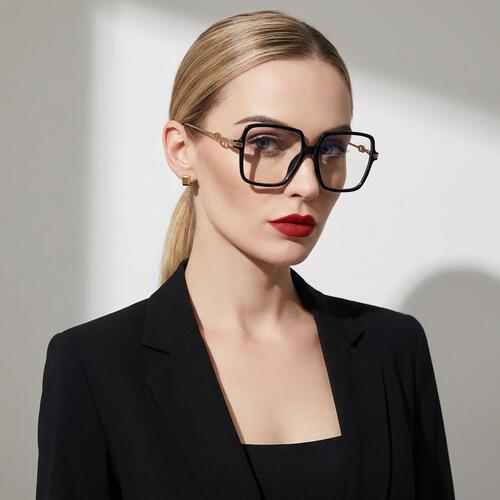
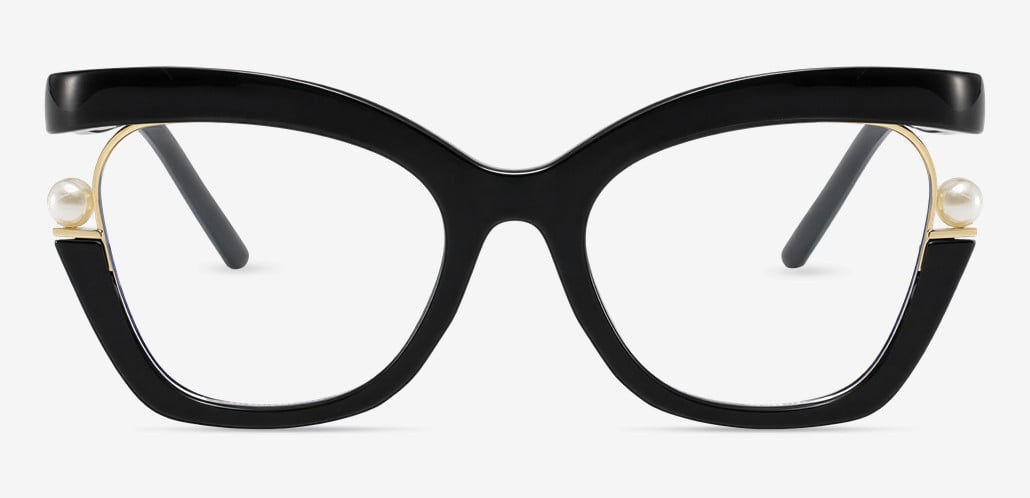
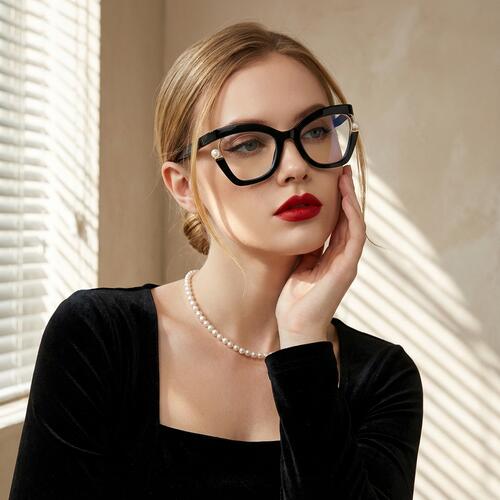
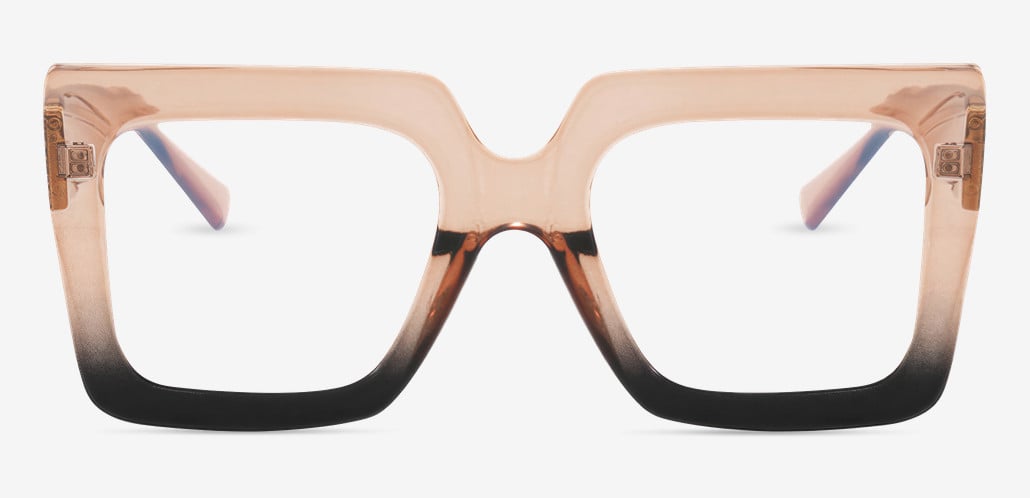
Non-medicated glasses are glasses fitted with a plano lens, a lens with zero optical power that does not change what you see. Non-prescription, zero-power, no-power and plano all describe the same thing. The lens is there for the frame, for a coating, or for a tint.
That definition takes one sentence, which is roughly where most shopping guides stop.
The problem is that it is a negative definition. It tells you one thing the glasses do not do, and nothing at all about the five things that actually determine whether you will still be wearing the pair in a month.
Where the phrase "non-medicated" comes from
It is worth knowing that "non-medicated" is not an optical term. Nobody in a lens lab says it. It comes from pharmacy shelf language, where non-medicated distinguishes a lozenge or a shampoo that contains no active drug from one that does. Somewhere along the way it got borrowed for eyewear, mostly by people trying to describe glasses that are not a medical thing.
You can see the seam if you search the phrase. The results that come back are all titled non-prescription. Retail vocabulary in the US settled on non-prescription and the technical vocabulary settled on plano. So if you typed non-medicated glasses to get here, you are in the right place and your instinct was correct. You just used the pharmacy word for it.
The reason this matters is not trivia. A word borrowed from drug labeling carries drug-label logic: it sorts products by what has been removed. Eyewear does not work that way. What you get in the box is decided entirely by things that label never mentions.
The Absence Audit: five things "non-medicated" does not cover
Each row below maps to a section further down the page.
| What buyers assume it covers | What the label actually says | The attribute that really controls it |
|---|---|---|
| There is a real, finished lens in the frame | Nothing | Whether you ordered a finished plano lens or frame only |
| The lens is decent plastic | Nothing | Lens material: polycarbonate, CR-39, Trivex |
| It will not glare on camera or scratch in a week | Nothing | Anti-reflective and hard coatings |
| It is safe for shop work or sports | Only that it meets the federal minimum | An ANSI/ISEA Z87 or Z87+ marking |
| It will fit | Nothing | Frame width, bridge and temple length |
Four of the five are things you can settle before you order. One of them is the single most common reason people say their non-medicated glasses look fake.
Finished lens or display lens
Every frame ships from the factory with something in the rim, because an empty rim distorts in transit. That something is a display lens: uncoated, untreated, often still wearing a logo sticker. It exists to hold a shape.
If you check out with frame only, that display lens is what arrives. It is a perfectly reasonable thing to buy if you are putting your own lenses in later. It is not a reasonable thing to wear for eight hours. It reflects hard under overhead light, it marks quickly, and on a video call it throws a white sheet across both eyes. We break down the four possible lens states on the non-medicated glasses collection, where the state is listed for each frame.
The quick version: if there is still a sticker or a film on the lens when you open the box, you are holding a display lens.
Lens material, and one thing you should not pay for
Three materials cover almost everything sold as plano: polycarbonate, CR-39 (a plastic that has been around since the 1940s), and Trivex. Polycarbonate is the lightest and the most impact-tolerant of the three. CR-39 takes tints beautifully and gives slightly crisper optics. Trivex sits between them and costs more.
Here is the part that saves people money. High-index lens material exists to make strong corrections thinner. At zero power there is nothing to thin. A plano lens has the same curve front and back and is already about as flat as a lens gets. Paying extra for a high-index plano lens buys you nothing you can see or feel. If an upgrade option is offered on a zero-power lens and the only benefit listed is thinness, skip it.
Coatings, which is where the "fake" look actually comes from
The complaint people bring back from cheap non-medicated glasses is almost never about fit. It is that the glasses look fake in photos. That is a coating problem, not a frame problem.
An uncoated lens bounces a visible amount of light straight back at the camera. An anti-reflective coating cuts most of that. Put two identical frames side by side under an office light, one with AR and one without, and the difference is obvious before you notice anything else about either pair. If you are buying non-medicated glasses partly for how they photograph, AR is not an upsell. It is the whole point.
A hard coat matters for a less obvious reason, which the next section gets to: scratches do more than look bad.
Impact: the federal floor, and the standard that is not the same thing
This is where non-medicated glasses get genuinely misunderstood, and it is the section worth reading twice if you are buying a pair for anything other than looking at a screen.
Every pair of eyeglasses and sunglasses sold in the United States has to meet a federal impact requirement under 21 CFR 801.410. The test is specific and a little charming.
- 5/8 in steel ball
- Weighing about 0.56 oz
- 50 in drop height
- Striking the geometric centre of the lens
- The lens
- Tested after edging, before it goes into the frame
- Base plate
- 27 lb minimum, rigidly fixed
Two things about that floor are easy to get wrong, and the FDA says both of them plainly in its own guidance.
The first is that impact resistant does not mean shatterproof. The regulation sets a minimum, not an unbreakable shield. The second is more practical: lens strength drops in proportion to the condition of the surface and the edge. The more scratches a lens has, and the deeper they run, the weaker it gets. A three-year-old pair that has been tossed in a bag unprotected is not the lens that passed the test.
Now the part that matters most. That federal floor is not a safety rating. Occupational eye protection in the US runs on a separate standard, ANSI/ISEA Z87.1, and eyewear that meets it is marked. You will see Z87 on the frame and lens for basic impact, or Z87+ for high impact. Fashion plano glasses that clear the FDA drop-ball requirement are not Z87 rated and are not built to be.
If the pair is for work, look for the marking, not the wording.
Buying non-medicated glasses to wear while using a grinder, mowing, doing yard cleanup, working with a nail gun or playing a racquet sport? The thing to look for is a Z87 or Z87+ marking, not the phrase non-prescription. Those are two different products that happen to look similar in a product photo. Aoolia's collection is everyday eyewear and is not Z87 rated. For debris-generating work, buy from a safety eyewear supplier.
Fit, briefly
With no correction in play, fit is purely mechanical. The fastest shortcut is to find a pair you already own and like, read the total frame width off the temple arm or the product page, and shop within a few millimeters of it. That single number resolves most of it.
Questions people actually type
Are non-medicated glasses bad for your eyes?
A plano lens has no focusing power, so it does not ask your eyes to do anything different than they were already doing. Wearing a pair with good vision is not meaningfully different, optically, from wearing clear goggles or a face shield.
Discomfort people report usually traces to one of two mechanical causes. Either the frame is too narrow and the temples are squeezing at the ends, or the lens is uncoated and you are spending all day looking through reflections. Both are fixable and neither is optical. If discomfort persists after those are ruled out, or if your vision itself seems different, that is a reason to see an eye doctor rather than a reason to change frames.
Are they the same as over-the-counter readers?
No, and this is the most common mix-up. Readers have a plus power, so they magnify. A non-medicated lens has zero power and magnifies nothing. If you have started holding a menu farther away to make it readable, readers are what you are looking for, not plano.
Can I put real lenses in the frame later?
Usually, with one exception. Full-rim acetate and metal frames can generally be reglazed by a local shop. Rimless frames are drilled for one specific lens shape, so converting one later means new drilling and often a new frame. Before you commit, ask the shop what reglazing costs in your area. On an inexpensive frame it is frequently close to the price of just buying a second pair with the lenses you want.
Are non-medicated glasses FSA or HSA eligible?
Generally no. These accounts are built around documented medical need, and eyewear with no vision correction typically does not qualify without documentation. Rules vary by plan, so check yours rather than assuming either way.
What about buying a pair for a kid?
For costume and dress-up, any plano pair works. For anything involving a ball or a bat, the rule from the impact section applies and applies harder: look for the marking, not the price.
Three moves that settle most of it
The compressed version of everything above: choose the lens state before you choose the frame, so you know what is actually arriving. Add anti-reflective and skip high-index, because one changes how you look and the other changes nothing at zero power. And decide honestly whether this pair is going to spend any time near flying debris, because that is the one use case where non-medicated is the wrong thing to be shopping for.
Everything else is frame shape, and frame shape is the fun part.
Browse zero-power frames with the lens state listed on every style.
Sources: US Food and Drug Administration, 21 CFR 801.410, Use of impact-resistant lenses in eyeglasses and sunglasses; FDA guidance for industry and FDA staff on impact-resistant lenses; ANSI/ISEA Z87.1, occupational and educational personal eye and face protection devices. Last updated September 2026.