
Oversized Aviator Sunglasses With Caps, Hats, Headphones and Helmets: How to Pick a Pair That Stacks
The aviator is one of the few sunglass shapes designed from the start to share your head with something else. The U.S. military's HGU-4/P frame, the ancestor of the Original Pilot style American Optical still makes, used smaller lenses than the model before it so a helmet visor could clear them. It also used straight "bayonet" temples that slide under a flight helmet or headset.
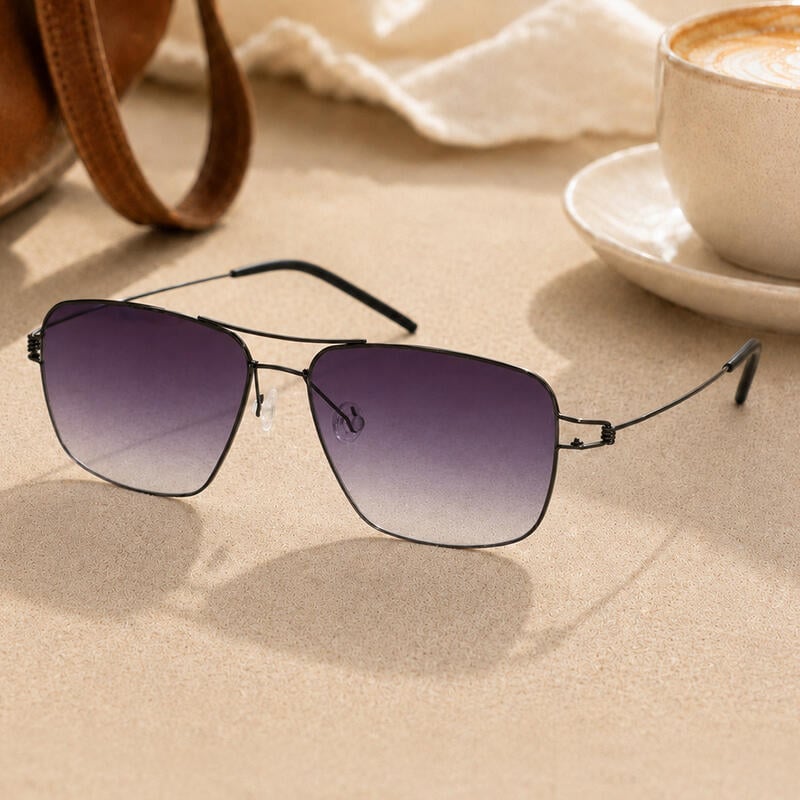
Oversized aviator sunglasses go the other way. The lens gets bigger, the top bar rises toward the brow, and many fashion versions trade the straight arm for one that curls behind the ear. That trade is the point of the look. It also means an oversized pair is more likely to run into whatever else you wear on your head, like a ball cap, a sun hat, over-ear headphones, or a bike helmet.
None of these clashes are deal-breakers, and they show up in the same four places every time. That means you can check for them before you buy.
What actually changes when an aviator goes oversized
Three things change, and only the first is obvious.
- Lens area. Oversized aviators are wider, but more importantly, the lenses are deeper. More lens means more surface that can touch whatever sits just above or below it.
- Frame height. The top bar climbs toward the eyebrows and the teardrop drops toward the cheeks. A classic aviator leaves a gap between the top bar and a cap brim. An oversized aviator often closes that gap.
- Arm construction. This is the one people don't notice until it matters. Oversized fashion aviators are more often made in acetate, TR90, or mixed materials, which usually means thicker temple arms. They also tend to use "skull" temples that curve down behind the ear rather than straight bayonet arms. Plenty of metal oversized aviators still keep thin wire arms, and that difference decides most of what follows.
If you're still working out size, our oversized aviator sunglasses collection tags each frame by where it sits on your brows and cheeks. This guide covers everything above and beside the frame.

The Headwear Stack: four lines where your frames meet everything else
Anything you wear on your head meets your sunglasses along one of four lines. Once you know which line a hat or headset uses, you know which part of the frame to check.
- Brim LineCap brim or visor, meets the top bar and outer lens corners
- Band LineHat band or beanie edge, meets the arms just above the ear
- Seal LineHeadphone cushion, meets the arm where it passes the ear
- Strap LineHelmet straps and front edge, meet the arms and top of the lenses
Here's how the most common American headwear plays out:
| Headwear | Line | What you'll notice | Frame traits that help | Quick fix |
|---|---|---|---|---|
| Baseball cap, brim forward | Brim | Brim taps the top bar or outer corners; glasses get nudged down your nose | Flatter top bar, lenses that don't flare wide at the top corners, adjustable pads | Wear the brim a little higher or flatten its curve |
| Baseball cap, backward | None | Nothing; the easiest pairing there is | Any | None needed |
| Golf or sun visor | Brim | Visors often sit lower than caps, so contact comes sooner | Flatter top bar | Raise the visor slightly |
| Wide-brim sun hat, cowboy hat, fedora | Band | Firm band presses the arms into the side of your head | Thin metal arms, spring hinges | Put sunglasses on first, then the hat |
| Beanie | Band | Arms under the beanie get squeezed; arms over it sit high and tilted | Thin, straight arms | Pick "under" and stick with it |
| Over-ear headphones | Seal | Sound leaks, bass thins out, and you feel a pressure point behind the ear | Thinnest possible arms | Shift the cushion so the arm crosses its softest part |
| Earbuds | None | No conflict | Any | None needed |
| Bike helmet | Strap | Tall lenses hit the helmet's front edge when you look up in riding position | Lower frame height, straighter arms | Route arms over the straps |
The next sections go through the four lines in more detail.
Brim Line: caps and visors
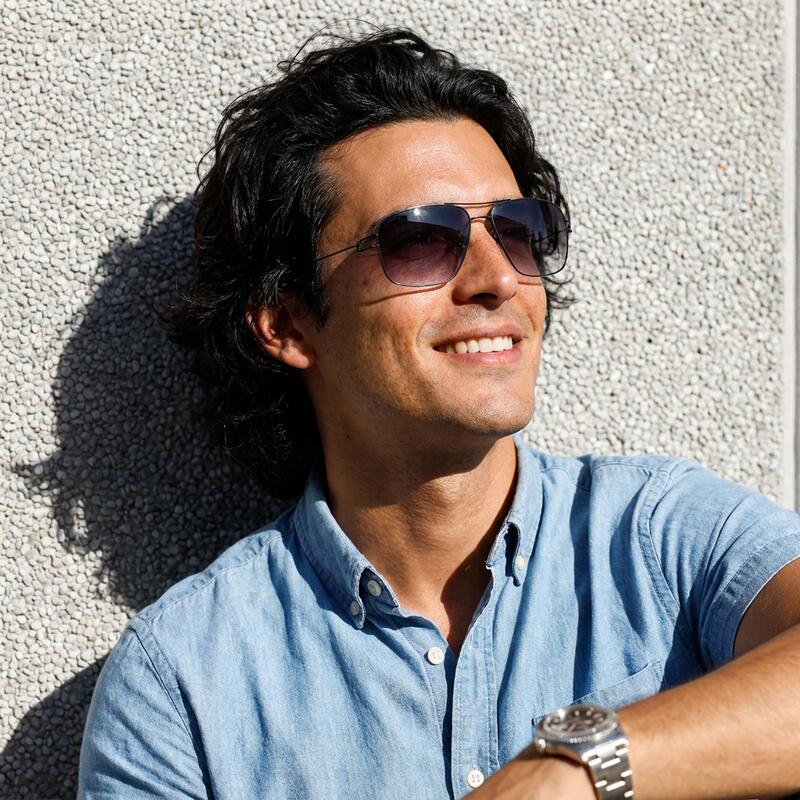
For most Americans, this is the pairing that matters most. Ball caps and sunglasses go together at the ballpark, the lake, the backyard, and the school pickup line.
With a classic-size aviator, the brim sits well above the top bar and never touches it. With oversized aviator sunglasses, especially ones built to sit at or above the brow, the top bar rises into the space the brim uses. The first contact usually isn't in the middle. It's at the outer top corners. A pre-curved brim dips at the sides, and a wide oversized lens reaches out right under those dips. That's why a pair can feel fine at the mirror and then shift the moment you put your cap on.
What helps:
- A flatter top bar. Oversized aviators with a straighter brow line leave the brim a flat surface to pass over, not a peak.
- Lens shape at the top corners. Some oversized aviators flare out and up at the corners, while others stay squared-off. The flare is where the brim catches.
- Flat-brim caps. If you already own one, it clears wide lenses much better than a heavily curved brim.
- Adjustable nose pads. Setting the pads to let the frame sit a touch lower on your nose can open up enough room.
If you shop with the live camera in Virtual Try-On, put your cap on before you start. It's the quickest way to see where the brim meets the frame.
Band Line: sun hats, cowboy hats, and beanies
A hat band crosses your temple arms just above the ear. How much that matters depends on how firm the band is and how thick the arms are.
A thin wire arm under a cowboy hat or a fitted fedora barely registers. A thick acetate arm under the same band gets pressed into the side of your head, and after an hour you'll know exactly where it is. Spring hinges help because the arm can flex outward instead of pushing back.
Two habits make a real difference:
- Glasses first, hat second. The band then settles over the arms instead of you forcing the arms under the band.
- With a beanie, choose under or over and stay consistent. Arms under the beanie sit where they should but get squeezed. Arms over it sit higher and often tilt. Switching back and forth throughout the day is what makes the frames feel crooked.
A wide-brim hat pairs well with oversized aviators in one respect: the brim is far enough away that the Brim Line doesn't come into play at all. The Band Line is the only thing to manage.
Seal Line: over-ear headphones
Over-ear headphones work by sealing a cushion all the way around your ear. Any sunglass arm under that cushion makes a small channel. Sound leaks out, outside noise leaks in, bass gets thinner, and noise-cancelling has more to fight.
This is where the aviator's history is most useful. The thin, straight arm was built to slide under headsets. Oversized aviator sunglasses in thick acetate are close to the opposite: a wide, solid arm running right through the seal.
If you wear headphones on a daily commute or a long flight:
- Favor metal or steel arms. On this line, thinness matters more than anything else.
- Slide the cushion so the arm crosses its thickest, softest section. On most headphones, that's lower on the cushion.
- Test with a bass-heavy track. Put the headphones on without sunglasses, then with them. If the low end drops noticeably, the arm is too thick for that pairing.
Earbuds avoid all of this, which is why a lot of people who love chunky oversized aviators keep earbuds for sunny days.

Strap Line: bike helmets
In riding position, your head tips forward and your eyes look up. That's exactly when a tall oversized lens meets the front edge of the helmet. The helmet pushes the frame down, and you end up seeing the top rim instead of the road.
What to do about it:
- Change the glasses, not the helmet. Keep the helmet fitted the way its maker specifies. Don't raise it to make room for a frame.
- For riding days, choose a lower-profile pair. A frame that sits below the brow is a much better choice here than one that covers it.
- Put the arms over the straps. Many riders do this so the glasses come off without unbuckling anything, and so the straps don't press the arms into the head.
Reading a product page for "stackability"
Most sunglass listings won't mention hats or headphones. The information is still there if you know where to look:
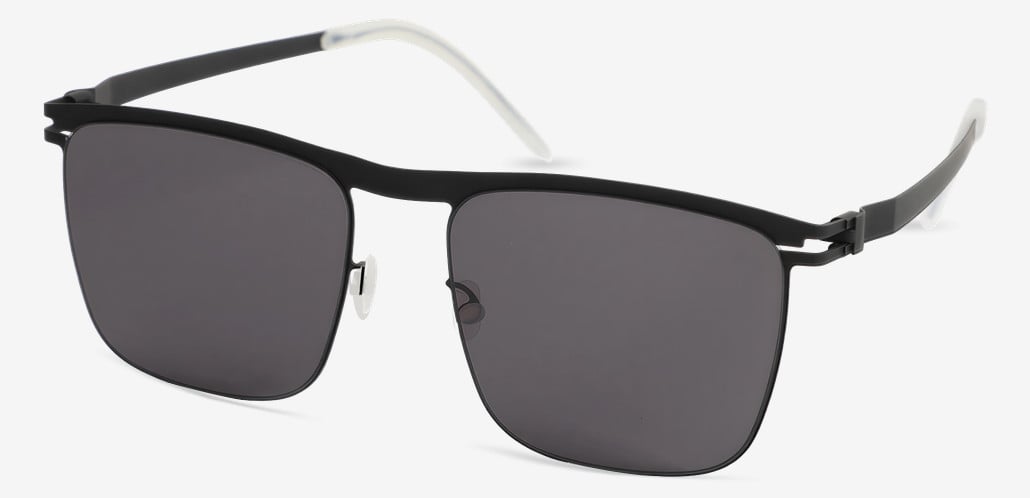
- The side-profile photo. Check whether the arm runs straight back or curls down behind the ear.
- Frame material. Metal and steel usually mean thin arms. Acetate and TR90 usually mean thicker ones.
- Frame measurements. Lens height, compared with a pair you already own, tells you whether this one sits higher or lower on your face.
- Adjustable nose pads. They let you raise or lower the frame, which is the easiest fix for the Brim Line and Strap Line.
- Spring hinges. They help with the Band Line.
On Aoolia's category pages, you can filter by material, size, and adjustable nose pads directly, so you can narrow to a stack-friendly shortlist before opening a single product page.
FAQ
Can you wear aviator sunglasses with a baseball cap?
Yes. Classic aviators almost always clear a cap brim. With oversized aviators, the outer top corners of the lens are the most likely contact point, especially under a curved brim. A flatter top bar, a flat-brim cap, or slightly adjusted nose pads usually fixes it.
Do sunglasses make noise-cancelling headphones work worse?
They can. Any arm under the ear cushion breaks the seal a little, and thicker arms break it more. Thin metal arms have the least effect. Thick acetate arms have the most.
Should sunglass arms go over or under bike helmet straps?
Many riders put them over the straps so the glasses come off easily and the straps don't press the arms against the head. Always keep the helmet fitted to its maker's instructions and adjust the glasses instead.
What are bayonet temples on aviator sunglasses?
They're straight arms that run along the side of the head instead of curving down behind the ear. They were designed so pilots could put sunglasses on and take them off under a helmet or headset. Many oversized fashion aviators use curved arms instead, which hold on better but are harder to slide under headwear.
Should I put sunglasses on before or after a hat?
Put the sunglasses on first. The hat band then settles over the arms naturally, instead of you working the arms in under a band that's already tight.
If your oversized aviator sunglasses will spend most of their time under a cap or next to headphones, pick the pair for that use rather than for how it looks at the mirror. Filter by material and nose pads, and check the side-profile photo before you add to cart.
Shop oversized aviator sunglassesSources: American Optical Company (Wikipedia); AO Eyewear, Original Pilot.