
Polarized Sunglasses for Women: The Two Trade-Offs Worth Knowing Before You Buy
Polarized lenses cut the glare off water, roads and glass. They also put a ceiling on how light your lenses can be, and sometimes erase shine you actually need to see. Here's how to choose with both in mind.
Most guides to polarized sunglasses stop at the good news. A polarized lens cuts the glare bouncing off a lake, a wet highway or a row of parked cars, and that's why a polarized pair so often becomes the one you reach for on bright days. All of that is true.
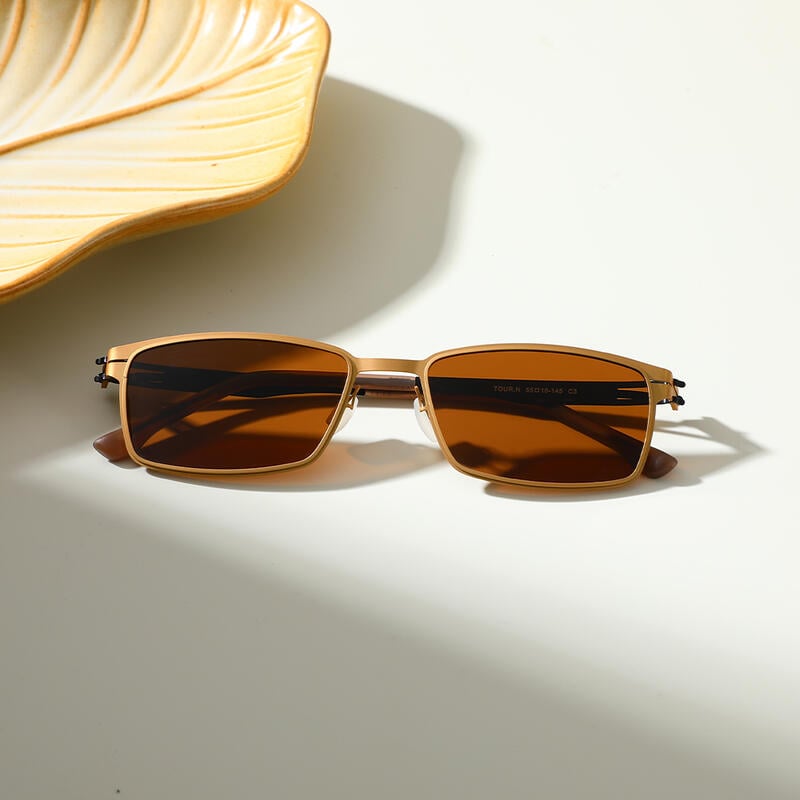
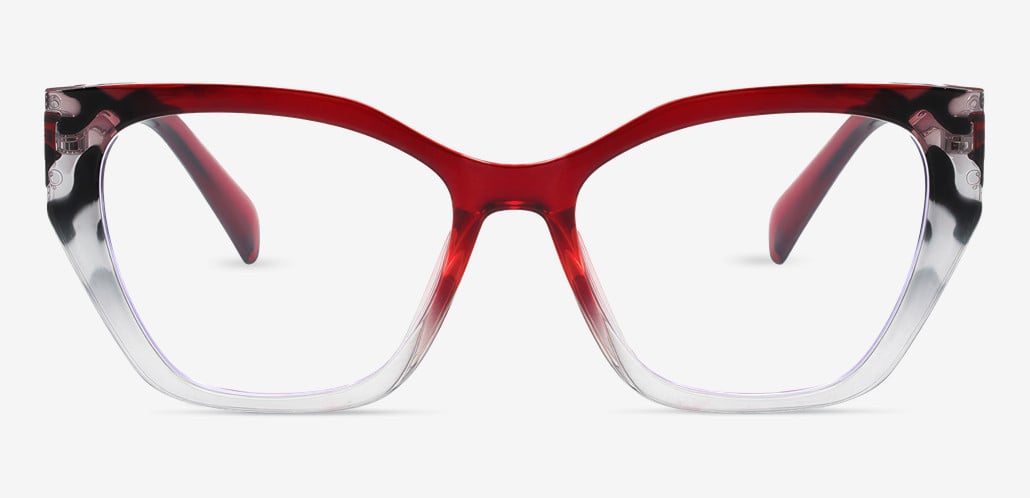
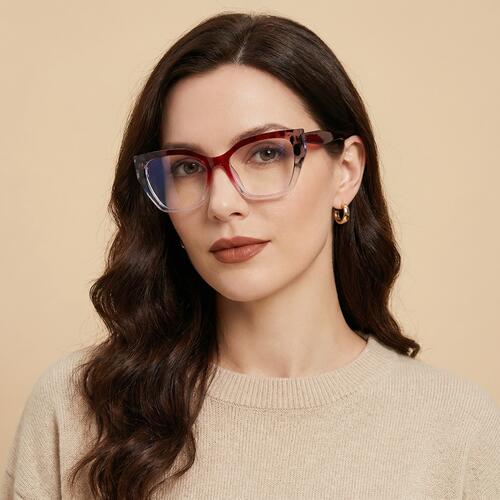
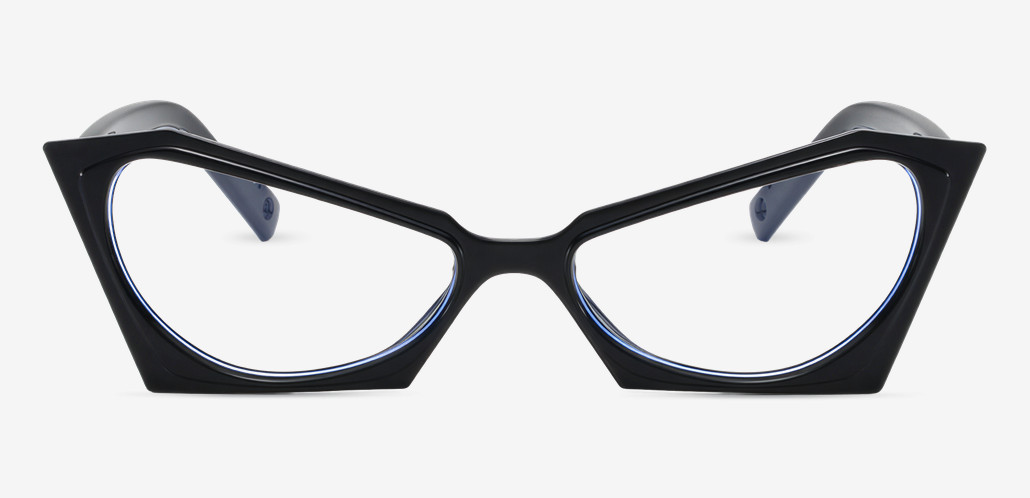
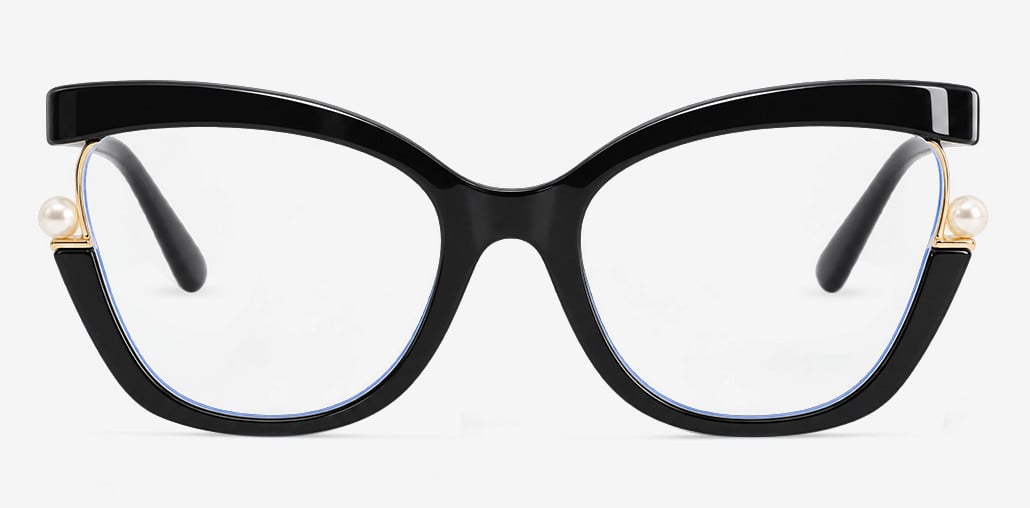
What those guides leave out is that the same filter does two other things. First, it limits how light a lens can be, which takes certain popular lens looks off the table. Second, it can remove shine that's warning you about something, like ice on a driveway or a wet root on a trail. Neither is a reason to skip polarization. Both are good reasons to choose your pair on purpose. If you'd rather start by looking at frames, browse Aoolia's polarized sunglasses for women and come back to this guide when you're deciding between pairs.
The short answer
- Polarized sunglasses for women use the same polarizing filter as any other polarized sunglasses. What makes them "for women" is frame size, shape and proportion, not the lens.
- A polarizing filter lets through at most about half of ordinary daylight, so a polarized lens can never be pale, see-through or clear at the bottom.
- Polarization removes shine from flat surfaces. That's a clear win on water and roads, and a trade-off anywhere shine is warning you about ice or wet ground.
- For most women, a polarized pair works best as the main sunglasses, with a non-polarized or lightly tinted second pair if your style or your sports call for one.
The 60-second version
What a polarized lens actually does
Ordinary sunlight vibrates in every direction at once. When it hits a flat, shiny surface such as a lake, a wet road or a car hood, the light that bounces off comes away vibrating mostly side to side. That horizontal light is what you see as glare.
A polarized lens contains a very thin filter whose structure lines up vertically. It blocks most of that sideways-vibrating light and lets light vibrating in other directions through. So polarization isn't a color and it isn't a level of darkness. It's a direction filter. Keeping that in mind explains both trade-offs below.
Trade-off #1
The Half-Light Ceiling
A perfect polarizing filter passes exactly half of ordinary, unpolarized light. That number comes from Malus's law, the early-1800s rule that describes how much light gets through a polarizer at each angle. Averaged over every direction light can vibrate in, it works out to one half. Real filters absorb a little more than a perfect one would, and any color tint added on top darkens the lens further.

So every polarized lens starts at roughly half-light or darker. We call this the Half-Light Ceiling, and it's the reason polarized lenses all sit at one end of the sunglass scale.
Sunglass lenses are sorted into five filter categories by how much visible light they let through. These ranges come from ISO 12312-1, the international sunglasses standard. Here's where a polarized lens can and can't fall:
Percentages show how much visible light the lens lets through. A polarized lens can't go above about 50%, so it can only reach the darkest part of Category 1. Most polarized lenses are Category 2 or 3.
What the ceiling means for your style
Pale tinted lenses
The rose, lilac, honey and "barely there" lenses that let people see your eyes sit in Category 0 or the lighter half of Category 1. A polarizing filter simply can't let that much light through. If an eyes-visible tint is the look you want, you're choosing a fashion lens rather than a glare filter, and for city days that's a perfectly good choice.
Gradient lenses
Polarized gradient lenses do exist, but the filter runs across the whole lens. The lower half can be lighter than the top, but it can't fade all the way to clear. If you want a gradient that's almost clear at the bottom so you can read a menu or a phone, that will be a non-polarized lens.
In-and-out days
Brunch inside, patio outside, then a store and a parking lot. A polarized lens is always at least sunglasses-dark, so you'll take it off every time you walk indoors. If your days look like this, keep a case in your bag and choose a frame that's easy to take on and off.
Light-reactive lenses
Some lenses combine polarization with a tint that darkens in sunlight. Because of the ceiling, they start at polarized darkness and get darker outdoors. They never turn into a clear lens for indoors.
Evenings
Since a polarized lens is always half-light or darker, it's strictly daytime gear. No sunglasses, polarized or not, are made for driving at night. If you drive home at dusk, plan on swapping to your everyday glasses or going without.
Choosing lighter or darker within the ceiling
The ceiling still leaves you a range to choose from. A polarized lens at the lighter end of Category 2 suits hazy or cloudy climates, drives under trees and errands where you're often in shade. A Category 3 polarized lens suits beaches, lakes, open highways, deserts and high altitude. If you split your time between both, a darker Category 2 is the usual middle ground.
When you're comparing polarized sunglasses for women, read the lens details on each product page as closely as you look at the frame photos. Lens color and darkness decide how a pair performs on your bright days. The frame decides how it looks and fits.
Trade-off #2
The Useful Sheen Rule
Glare is just reflected light, and most of the time it's noise. It hides what's underneath it: fish below the surface of a lake, lane lines on a wet road, a window display behind the glass. But sometimes shine is a message. The slick sparkle on a frozen driveway, the gleam on a wet tree root and the sheen that shows which way the grass grows on a putting green are all shine carrying information.
A polarized lens can't tell the two apart. It cuts horizontal reflections whether they're annoying you or warning you. That gives us the Useful Sheen Rule: before you decide on polarized lenses for an activity, ask whether the shine there is hiding something or telling you something.
Polarized is the clear choice
- Lake days, boating, kayaking and paddleboarding. Surface glare is the main problem, and cutting it lets you see down into the water.
- The beach at the waterline. Wet sand and breaking water reflect strongly, and polarization handles both.
- Highway and commute driving. It cuts glare off wet or sunlit pavement and off other cars, plus the reflection of your own dashboard in the windshield that washes out the view on sunny days.
- Walking in the city. It quiets reflections off shop windows, car hoods and polished pavement.
- Pool decks and patios. Smooth, wet or glossy surfaces become much easier to look at.
Your call
- Road running and cycling. Glare off the pavement is tiring, but the shine on painted lines, metal grates and wet patches also tells you where traction changes. Plenty of riders are happy with polarized lenses, while some prefer to keep that shine visible.
- Hiking after rain. Wet roots and rocks are slick precisely because they're shiny. On a dry trail, polarized lenses are pleasant. On a wet, technical one, being able to see the shine has real value.
- Gardening and yard work. Mostly neutral. Polarization takes the sheen off leaves, so greens look richer, and it costs you very little.
Keep a non-polarized option
- Skiing and snowboarding on icy or hardpack days. Many skiers choose non-polarized lenses because the shine is what marks an icy patch.
- Winter walking. On sidewalks, driveways and parking lots that might be icy, a glint is often the only warning you get. If you live where winters freeze, keep a non-polarized pair for those mornings.
- Putting on the golf course. Some golfers read grain and slope from the sheen on the green and prefer non-polarized lenses for putting, even if they wear polarized for the rest of the round.
Choose on darkness and fit instead
- Pickleball and tennis. Tracking the ball depends far more on lens darkness and contrast than on polarization. A light, secure frame that stays put when you lunge matters more.
- Dry sand and fresh powder. These scatter light in every direction instead of reflecting it off a flat surface, so much of their brightness isn't polarized to begin with. A darker lens and good coverage help more here than polarization does.
How to apply the rule
- Name your three most common bright-light settings. Use where you actually spend the most outdoor hours, not the trip you're planning.
- Sort each one into a tier above. Be honest about winter and wet-weather days, not just summer.
- Read the result. If all three are "shine is noise," one polarized pair covers you. If any one is "often signal," pair your polarized sunglasses with a non-polarized backup. If most are "your call," polarized with a medium tint is a safe default.
Putting it together
Four ways women build a sunglasses plan around the trade-offs
Put the Half-Light Ceiling and the Useful Sheen Rule side by side and most routines fall into one of four patterns. Find the one closest to yours.
Water and road
Lake weekends, long commutes, beach trips
Every major setting is "shine is noise," and the ceiling doesn't get in the way because you want real sunglasses darkness anyway.
One polarized pair, Category 3, with medium to large lenses.
City and style
In and out of buildings, outfit-driven
The ceiling is your main constraint. You'll want an eyes-visible tint for some looks, and you'll be indoors often.
A polarized pair for bright days, plus a light fashion-tint pair for everything else.
Four seasons
Summer water, winter ice
Summer is all "noise," while frozen mornings and ski days are "signal." One pair can't serve both well.
A polarized pair for warm months, plus a non-polarized pair for icy days.
Court and course
Pickleball, tennis, golf
Polarization barely matters on court and can work against you on the green. Fit, weight and darkness do the real work.
Choose on fit first. Golfers can add a non-polarized pair for putting.
An honest note
What's actually different about polarized sunglasses for women
The lens isn't different. A polarizing filter works the same way in a pair sold as women's, men's or unisex. The differences are in the frame: overall width tends to run narrower, temple arms are often shorter, bridges are shaped for a wider range of nose heights, and shapes like cat eye, soft aviator and oversized square show up more often. Many well-fitting women's sunglasses are actually unisex frames in a smaller size.
That makes fit the real question. Three checks cover most of it:
- Width: the outer edges of the frame should line up with the widest part of your face, without poking out past it or sitting inside it.
- Bridge: if sunglasses usually slide down your nose, look for adjustable nose pads. They let a frame sit at the right height on a lower or narrower bridge.
- Temples: you shouldn't feel pressure behind your ears or at the sides of your head after a few minutes. Spring hinges give a little extra room.
On Aoolia you can filter frames by size and fit features, then use Try On to see a frame on your own face before you order. That's the quickest way to check width without a tape measure.
Quick answers
Polarized sunglasses for women: FAQ
Are polarized sunglasses worth it for women?
Yes, if you spend bright hours around water, roads, glass or other shiny surfaces. They're less essential if your days are mostly in and out of buildings, if you want eyes-visible tinted lenses, or if your main outdoor activity happens on ice.
Can polarized sunglasses have light pink or pale tinted lenses?
A rose or pink polarized lens is possible, but only at sunglasses darkness. A polarizing filter lets through about half of daylight at most, so pale, see-through pink lenses can't be polarized.
Are polarized or non-polarized sunglasses better for driving?
Many drivers prefer polarized lenses because they cut glare off the road and the dashboard reflection in the windshield. Some car displays and phone screens can look dim through them. Neither type is meant for night driving.
Should I wear polarized sunglasses for skiing?
It depends on the snow. On soft, bright days they're comfortable. On icy or hardpack days, many skiers prefer non-polarized lenses because shine is how you spot ice.
Do women's polarized sunglasses use different lenses than men's?
No. The polarizing filter is the same. The differences are frame size, shape, bridge fit and temple length.
Do polarized lenses also block UV?
Polarization and UV filtering are separate lens properties. A lens can have one, both or neither, so check the UV information on the product page for each pair.
Why does a rainbow fade when I wear polarized sunglasses?
Light from a rainbow is strongly polarized. Depending on how you tilt your head, polarized lenses can make part of the rainbow fade and then come back. It's a fun way to see the filter at work, and it doesn't mean anything is wrong with your pair.
Choose the trade-offs, then choose the frame
The useful question isn't whether polarized sunglasses for women are "good." It's whether the Half-Light Ceiling and the Useful Sheen Rule fit the way you actually spend bright days. If your settings are mostly water, road and city glare, a polarized pair will earn its spot. If ice, wet trails or eyes-visible tints are part of your life, add a second pair rather than forcing one lens to do everything. When you're ready, explore Aoolia's polarized sunglasses for women and use Try On to find the shape that fits.
How we wrote this guide
This guide was written by the Aoolia Editorial Team. The light-transmission ranges come from the filter categories in ISO 12312-1, the international standard for sunglasses, and the half-light figure follows from Malus's law of polarization. Activity guidance reflects common practice among people who do those activities. Treat it as a starting point, because your own conditions are what decide.