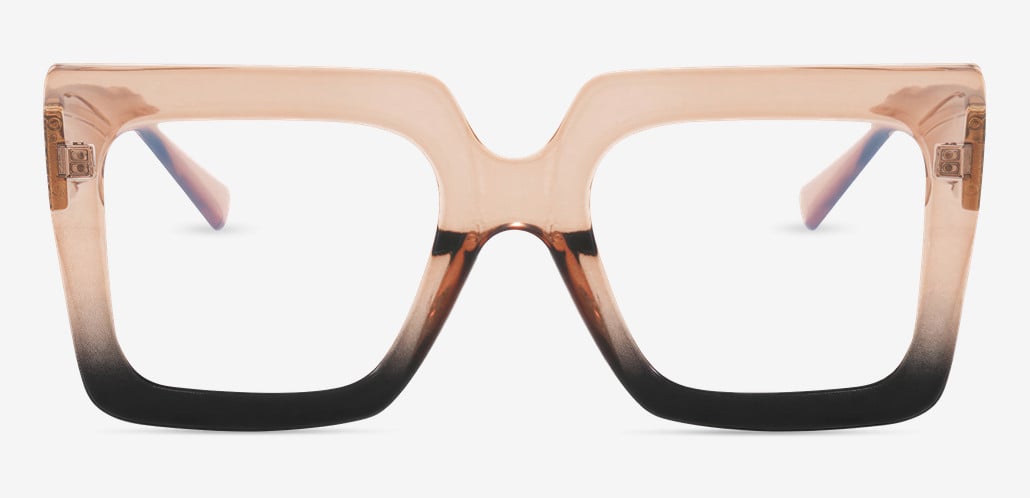

Care & Buying Guide
White Cat Eye Sunglasses: How to Keep Them White (and Looking Right)
Nobody asks whether black sunglasses will stay black. With white frames, it's often the last thing people wonder about before checkout. If you've been looking at White Cat Eye Sunglasses and holding back for that reason, this guide gives you a straight answer. It also covers how to tell what's happening to a pair that already looks dull, and how to choose one that stays looking good.
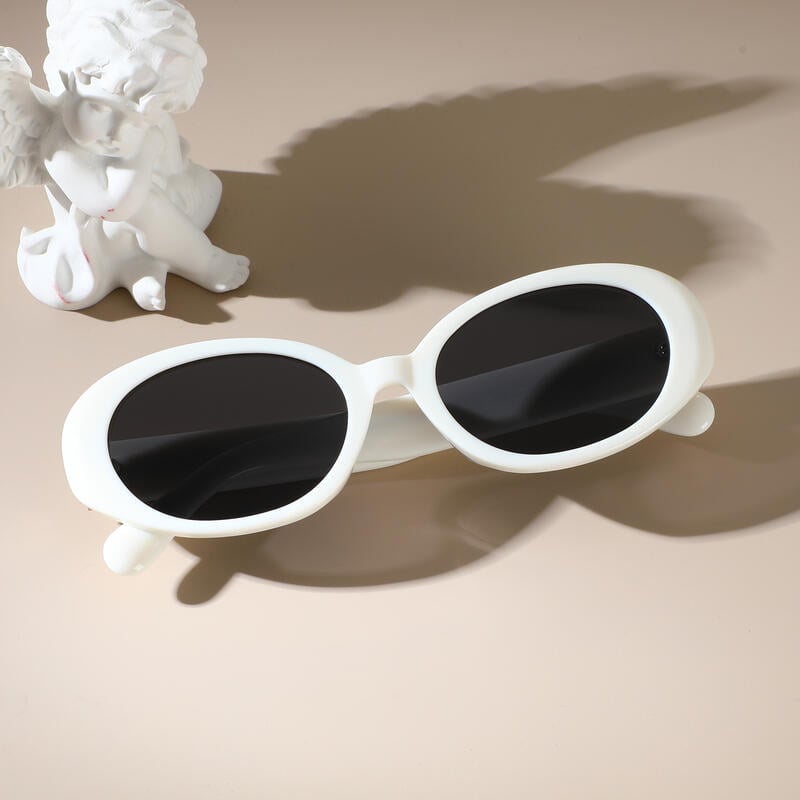
The short answer
White frames aren't fragile. They just show change sooner than darker colors, because nothing in the color hides it. Most of what people call "yellowing" is a film of skin oil, makeup, or sunscreen sitting on the surface, and it washes off. Less often it's a stain that has moved into the surface, and least often it's true aging of the material after long exposure to light and heat. Each one has a different fix, and the Hidden-Spot Test below tells you which one you're dealing with in about three minutes.
In this guide
- Why white shows everything first
- Film, stain, or age: the three kinds of "not white anymore"
- The Hidden-Spot Test
- Where the color comes from
- A cleaning routine built for white
- Choosing a pair that ages well
- The Midday Clip: white frames in photos
- Weddings, bachelorettes, and group orders
- Storage and the off-season
- FAQ
Why White Shows Everything First
A tortoise frame is a deliberate mix of browns, ambers, and darker flecks, so a little extra warmth just disappears into the pattern. Black hides almost everything short of a scratch. White has nothing to hide behind. People are quick to notice a slight tint on something that's supposed to be neutral, which is why a dingy white T-shirt stands out long before a dingy navy one.
On white cat eye sunglasses, the shape makes it more noticeable. The lifted outer corners are where your fingers grab when you take the pair off or push it up into your hair. The lower rim is what touches your cheeks when you smile, which is where foundation and concealer sit. The bridge rests on the part of your face that gets the oiliest by midafternoon. So the color shift doesn't spread evenly. It collects at exactly the points that frame your eyes, and that's why a frame can look "off" before you can say what changed.
Film, Stain, or Age: The Three Kinds of "Not White Anymore"
"My white sunglasses turned yellow" can mean three very different things. Telling them apart matters, because the right move for one can make another worse.
Film
What it is: a layer sitting on the frame: skin oil, sunscreen, foundation, hairspray, and the dust that sticks to all of them.
How it looks: dull, slightly gray or yellow, sometimes tacky. Heaviest at the bridge, lower rim, and temple tips.
Fix: lukewarm water and a drop of mild dish soap.
Reversible: yes, completely
Stain
What it is: color that has moved into the surface: tinted self-tanner, bronzer, hair dye, indigo from jeans, dyed bag linings.
How it looks: a defined tint, such as orange-brown or blue-gray, usually in a patch rather than all over.
Fix: repeated gentle washing over several days. Patience works better than pressure.
Reversible: sometimes, partly
Age
What it is: the frame material itself warming in color after long exposure to light, heat, and skin contact.
How it looks: an even cream or yellow across the most exposed surfaces, with no clear edge, and soap changes nothing.
Fix: none at home. A professional buff can freshen the shine but won't bring back the original white.
Reversible: no
The good news is in the order. Film is by far the most common of the three, and it's the only one that's fully fixable. That's also why the first step of every diagnosis is simply washing the frame.
The Hidden-Spot Test
Every frame has places that see far less sun and far less handling than the front. Those sheltered surfaces keep something close to the original color, so they're a built-in reference. You don't need tools. You need daylight from a window (warm indoor bulbs make every white look yellow), a sheet of printer paper, and about three minutes.
- Wash first.Rinse the frame under lukewarm water, rub a single drop of dish soap over the frame with your fingertips, rinse again, and pat dry with a clean microfiber cloth. Anything that disappeared was film. If the frame now looks right, you're done.
- Find the sheltered spot.Open the temples and look at the inner side of each temple arm, close to the hinge. That surface faces your head while you wear the pair and stays tucked away when it's folded, so it gets the least light of any part of the frame.
- Compare four zones against it.Hold the frame next to the sheltered spot and check the front top line (brow and wings), the bridge, the lower rim, and the temple tips behind your ears.
- Use the paper, carefully.Lay the frame on the paper to judge the overall color. Most printer paper contains optical brighteners that push it toward a blue-white, so nearly any frame will look warmer beside it. Use the paper to spot differences between zones, and trust the sheltered spot for the "original" color.
Reading the pattern
Every zone matches the sheltered spot
That's the frame's color as made. Many "white" frames are off-white or cream by design. Compare with the product photo before you worry.
Front and wings evenly warmer, no edges
Light aging. Scrubbing won't help and may dull the finish. Slow it down with better storage (see the last section).
Bridge, lower rim, and tips darker, blotchy edges
Skin-contact stain. Look at what touches those spots daily: makeup, self-tanner, hair products.
One colored patch, blue-gray or orange
Transfer stain from something the pair touched or was stored with. The next section helps you find the source.
Where the Color Comes From
Stains don't appear out of nowhere. They arrive by a handful of predictable routes, and each one has a habit that stops it.
From your face
Foundation, concealer, and setting powder rub onto the lower rim. Sunscreen reapplied around the eyes migrates onto the bridge and builds up into a yellowish film. Tinted self-tanner and bronzer leave the orange-brown patches that are hardest to lift.
Habit: let face products set for a few minutes before you put the pair on.
From your hair
Fresh hair color, especially dark or vivid shades in the first few washes, can tint temple tips. Pushing sunglasses up onto your head presses the brow line into styling products. Dry shampoo looks harmless on white, but its powder holds onto oil.
Habit: don't park white frames on freshly dyed or product-heavy hair.
From what they're stored with
Dark, new denim can rub indigo onto anything pale that sits in a pocket against it. Dyed fabric bag linings and colored leather can do the same, especially in summer heat.
Habit: give the pair its own case or a light-colored pouch, every time.
From your hands
Hand cream, sanitizer, sunscreen still on your fingers, and whatever you were just eating all end up at the corners you grab. Insect repellent with DEET deserves its own warning, because it can damage many plastics and finishes.
Habit: handle the pair by the temples, not the front corners.
A Cleaning Routine Built for White
White frames reward frequent, gentle cleaning more than occasional deep cleaning. Film that comes off in seconds this week is harder to shift after a month, because skin oils change and darken as they sit. Once a week, and after every beach or pool day, is a good rhythm.
Do
- Rinse under lukewarm water first, so grit lifts off before anything touches the lenses.
- Use one drop of plain dish soap, worked in with your fingertips.
- Give the bridge, lower rim, and temple tips extra attention.
- Use a soft toothbrush on hinge seams and around nose pad arms, on the frame only.
- Rinse, shake off the water, and pat dry with a clean microfiber cloth.
- For stains, repeat the routine over several days instead of scrubbing harder once.
Skip
- Acetone and nail polish remover. They can soften and cloud plastic frames.
- Bleach and household whitening sprays.
- Melamine "magic" sponges. They're a fine abrasive and dull a glossy finish.
- Whitening toothpaste and baking soda pastes, which are also abrasive.
- Hot water, the dishwasher, and drying with paper towels.
- Alcohol wipes as a frame routine.
An honest limit: a stain that has sat in the surface for a long time may only fade, not vanish. If a patch survives a week of gentle washing, either live with it or take the pair to an eyewear repair shop for a polish. Aggressive home remedies tend to swap a stain for a dull, scuffed patch, which is harder to look past on white.
Choosing a Pair That Ages Well
A few choices at the start make a bigger difference than any cleaning routine. When you browse White Cat Eye Sunglasses, the material and size filters cover most of what follows.
Bright white or cream?
Cream, ivory, and off-white already lean warm, which is the direction any white moves over time. A small shift on a cream frame is close to invisible. Bright white looks sharpest on day one and shows every change first. If the pair will live in a beach bag or be worn daily, cream is the forgiving choice. If it's a weekend or occasion pair, bright white gives you the cleanest contrast.
Glossy or matte?
A glossy finish wipes clean easily, but scuffs and fine scratches catch the light. A matte finish hides small scratches, but its texture holds onto oil and makeup, so it needs washing more often. Pick based on which you'd rather deal with.
Acetate or TR90?
Acetate has more weight and a deep shine that suits a pronounced wing, and a repair shop can usually polish and heat-adjust it. TR90 is a flexible, nylon-based material that tends to feel lighter and copes well with being tossed into a bag. Both are plastics, so the storage and cleaning advice in this guide applies to both.
Where the frame touches your face
The lower rim is the main makeup-transfer zone. If you wear foundation most days, a frame that sits a little higher on the face, or a slightly smaller size, keeps that rim off your cheeks and stays cleaner for longer. Size details on each product page help you compare against a pair you already own.

The Midday Clip: White Frames in Photos
Here's a problem nobody mentions until the vacation pictures come back. Phone cameras set their exposure for your face. In direct overhead sun, a glossy white frame is often the brightest thing in the shot, and it "clips" to flat white. The edges, the wing, and any detail vanish into a white shape, and the cat eye lift, the whole reason you chose the frame, is the first thing to go.
- Move into open shade or shoot with the sun to one side. Side light gives the rim an edge and a shadow, so the lift reads clearly.
- Tap the frame on your screen, then drag the exposure slider down a notch before you take the shot. A slightly darker photo keeps the white white instead of blown out.
- Turn your head a little. A three-quarter angle shows the upswept corner better than a straight-on shot, and it keeps the lenses from mirroring the sun.
- Pick the backdrop. Foliage, brick, dark water, or a navy wall make a white outline pop. White sand, pale stucco, and a hazy sky make it dissolve.
- Golden hour is the easy win. Lower, warmer light keeps the frame from being the brightest point in the picture.
Weddings, Bachelorettes, and Group Orders
White cat eye sunglasses come up a lot around weddings, so here are the questions that usually follow.
Can a wedding guest wear white sunglasses?
The "don't wear white" advice for guests is really about clothing, mainly the dress. A small white accessory rarely reads as competing with the couple. The practical issue is photos. In a group shot, white frames are the first thing the eye lands on, so take your sunglasses off for the ceremony and the formal portraits. Most couples want to see everyone's eyes in those photos anyway. Cocktail hour on a sunny lawn is a different story.
For the bride
White cat eyes are a natural fit for the getaway car, the beach day after, or a bachelorette weekend. If you want them in the formal photos, use the Midday Clip tips and ask your photographer for a few shots in open shade.
Ordering for a group
- Choose a moderate lift and a middle size. A soft wing suits more faces than a dramatic one, and that matters when one style has to work for six people.
- Collect sizes before you order. Ask everyone to compare the size details on the product page with a pair they already like.
- Give the bride the white and the rest of the group the same style in a darker color if you want the bride to stand out in photos.
- Work back from the date. Check current processing, shipping, and return windows on the site before you set an order deadline, and leave room for one exchange.
Storage and the Off-Season
Light aging builds up over time, so the hours a pair spends sitting in sun while you aren't wearing it count too. A windowsill, a dashboard, or an open beach bag adds exposure with nothing to show for it.
- Case it, every time. A case blocks light, keeps dye transfer away, and stops the lower rim from rubbing against keys and zippers.
- Mind the heat. White reflects more sunlight than black, so it heats up less in the same sun. A closed car still gets hot enough to warp plastic frames, so take the pair with you.
- Clean before you put them away for winter. Oils and sunscreen left on for months are much harder to remove in spring.
- Store away from windows. A drawer is better than a shelf in the sun.
White Cat Eye Sunglasses FAQ
Do white cat eye sunglasses turn yellow?
They can look yellow, but usually it's a removable film of skin oil, makeup, or sunscreen rather than the frame itself changing. True material yellowing happens slowly with long exposure to light and heat, and good storage slows it down.
How do I get yellow off white sunglasses?
Wash the frame with lukewarm water and a drop of mild dish soap, then dry it with microfiber. If a tint is left, compare it with the inner temple near the hinge. If they match, that's the frame's own color. If only the contact points are darker, repeat gentle washing over several days.
Can I use a magic eraser or acetone on white frames?
No. Melamine sponges are abrasive and dull the finish, and acetone can soften and cloud plastic. Both tend to leave a mark that's more noticeable than the stain you started with.
Is cream or bright white easier to keep looking new?
Cream. It already sits on the warm side, so small shifts barely show. Bright white gives a crisper contrast but reveals changes sooner.
Why do my white sunglasses look washed out in photos?
In strong overhead sun, the white frame is often the brightest thing in the picture, and the camera clips it to flat white. Shoot in open shade or side light, and lower the exposure slightly by tapping the frame on your screen.
Can you wear white sunglasses to a wedding as a guest?
Generally yes, because white-wearing etiquette is about clothing. Take them off for the ceremony and formal photos, where white frames draw the eye in group shots.
How we put this guide together: it draws on how common frame plastics respond to light, heat, and skin contact, standard care practice used across the eyewear industry, and basic camera exposure. We haven't included lab figures or product test claims. Where something depends on a specific frame, such as its size or lens details, we point you to that frame's product page.
The bottom line
White frames ask for a little more attention, and they give a lot back: no other color draws the cat eye line as clearly. Wash weekly, store in a case, keep the routes for stains in mind, and choose the white that fits how hard you'll wear them.
Ready to choose yours? Browse Aoolia's White Cat Eye Sunglasses by material and size, and preview your favorites with Try On where it's available.