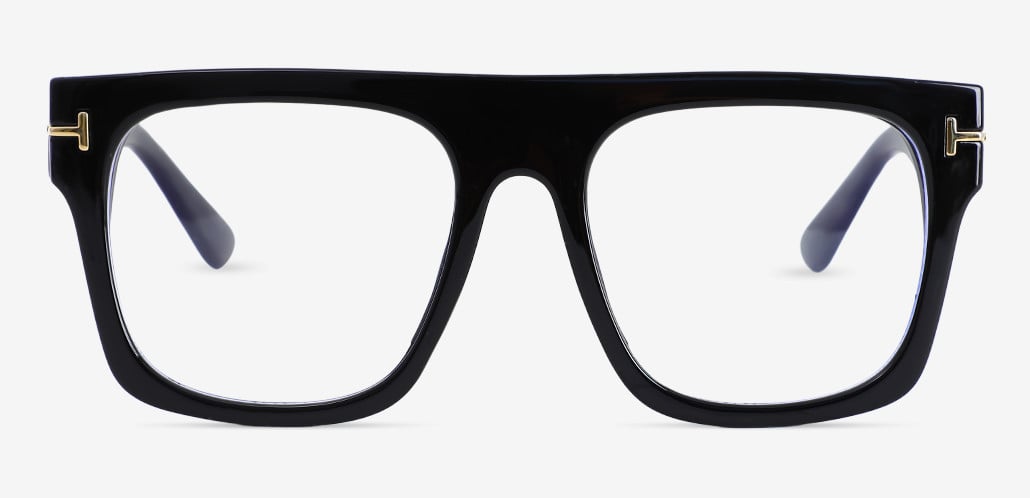
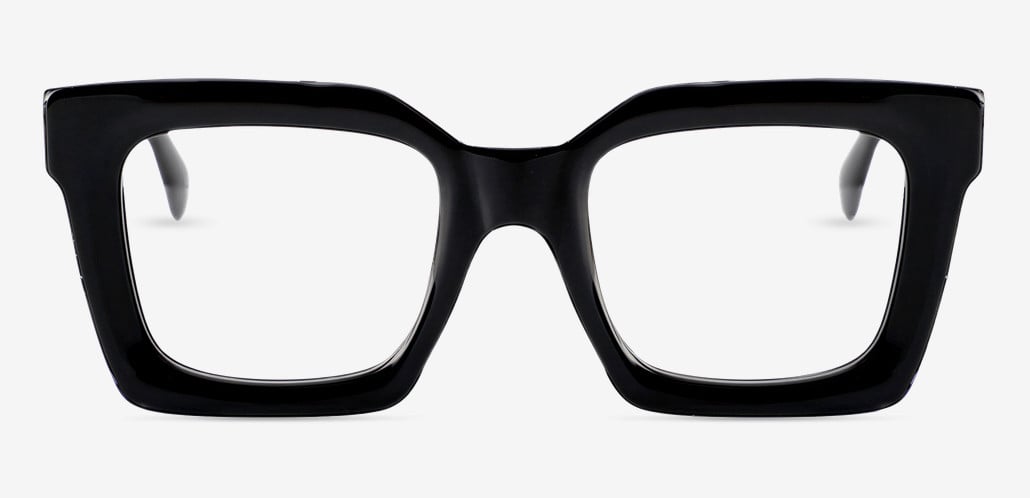
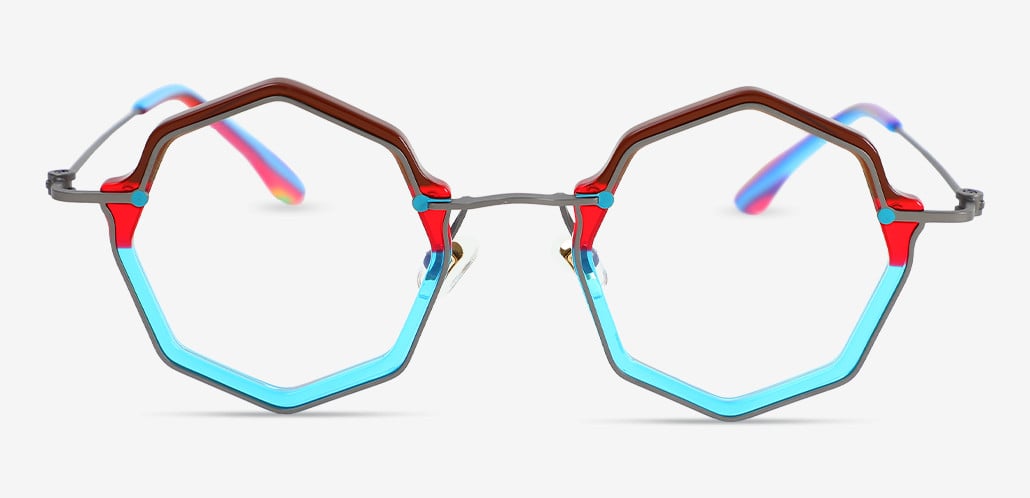
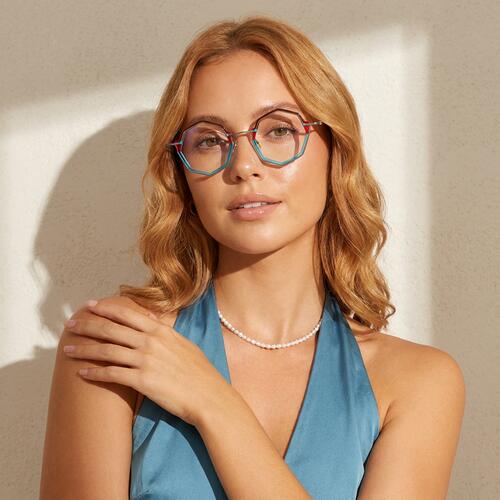
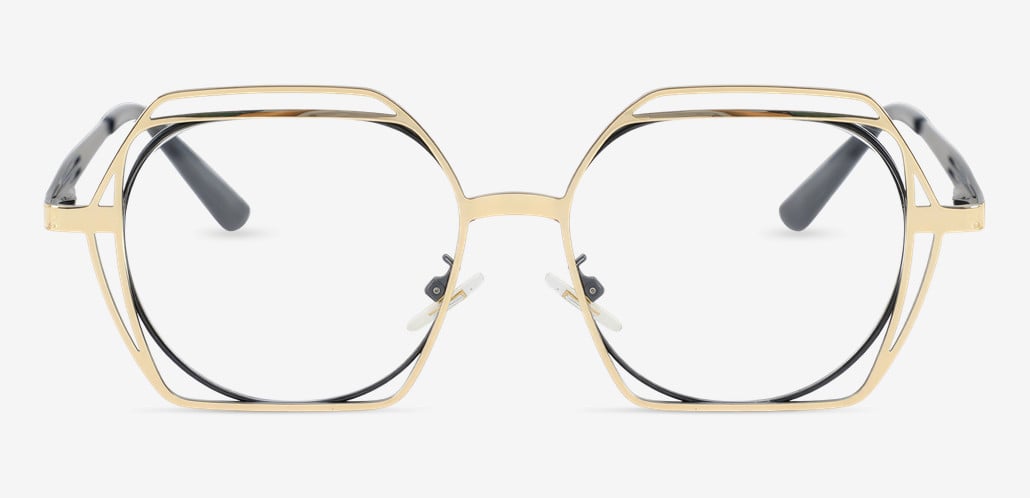
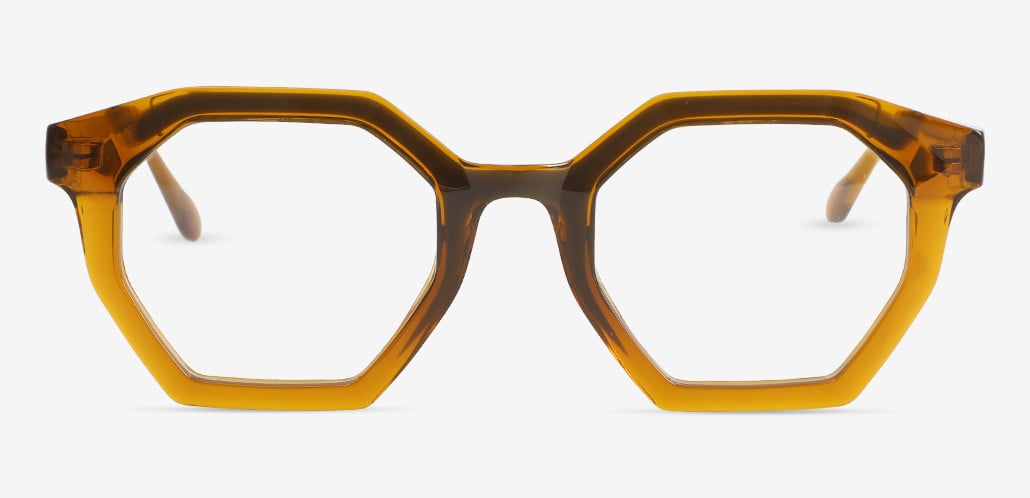
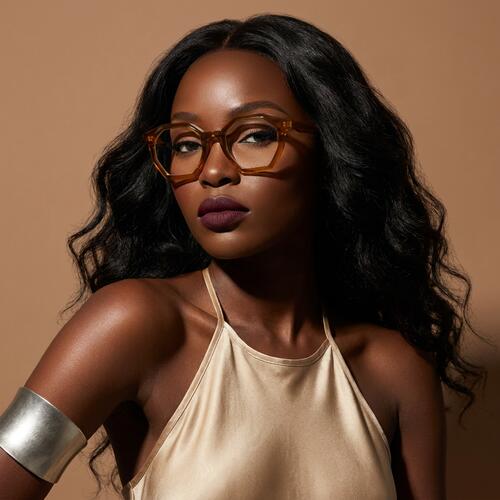
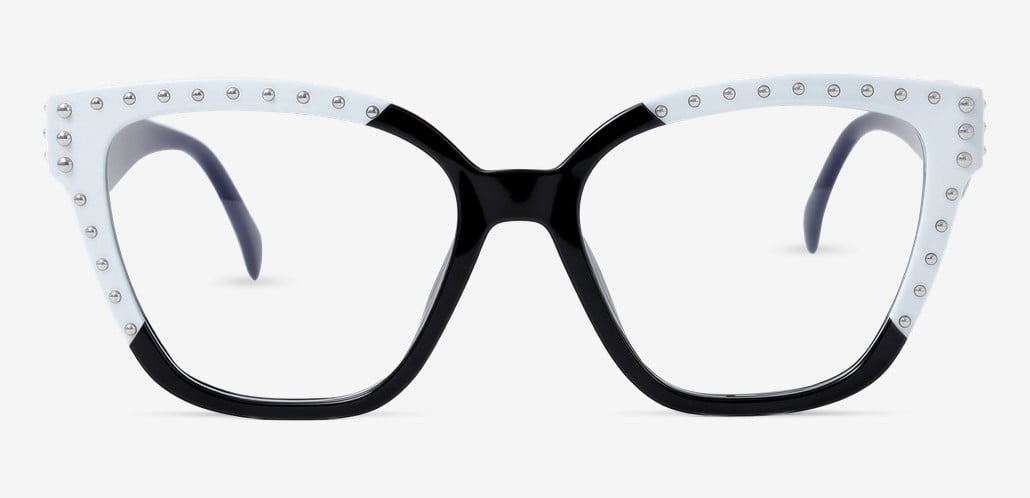
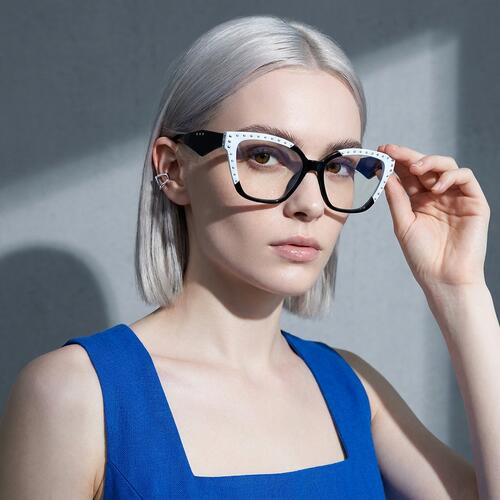
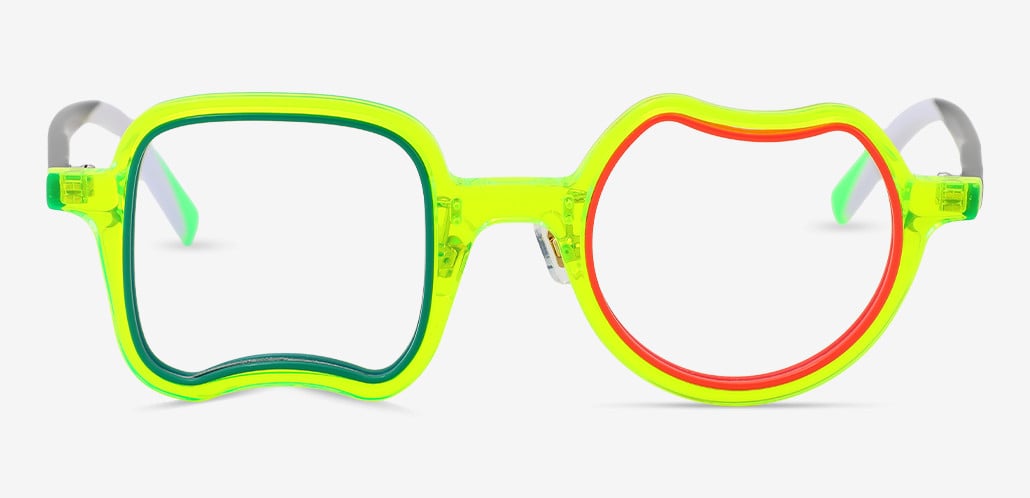
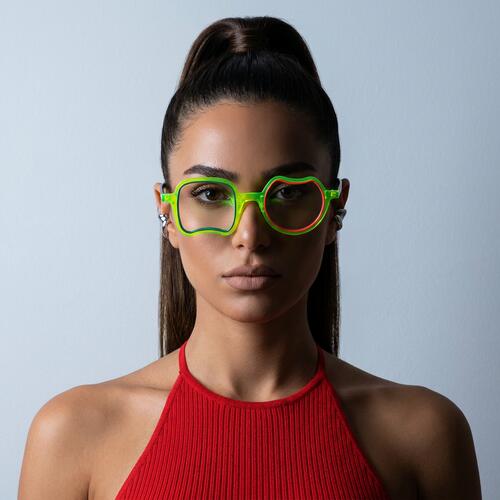
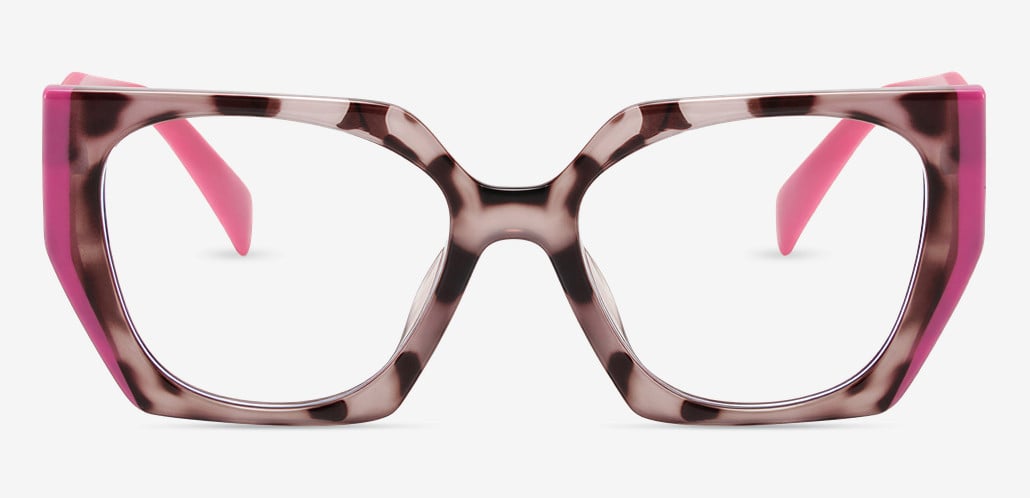
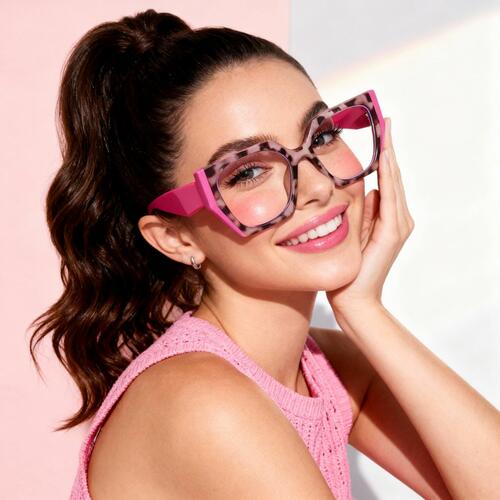
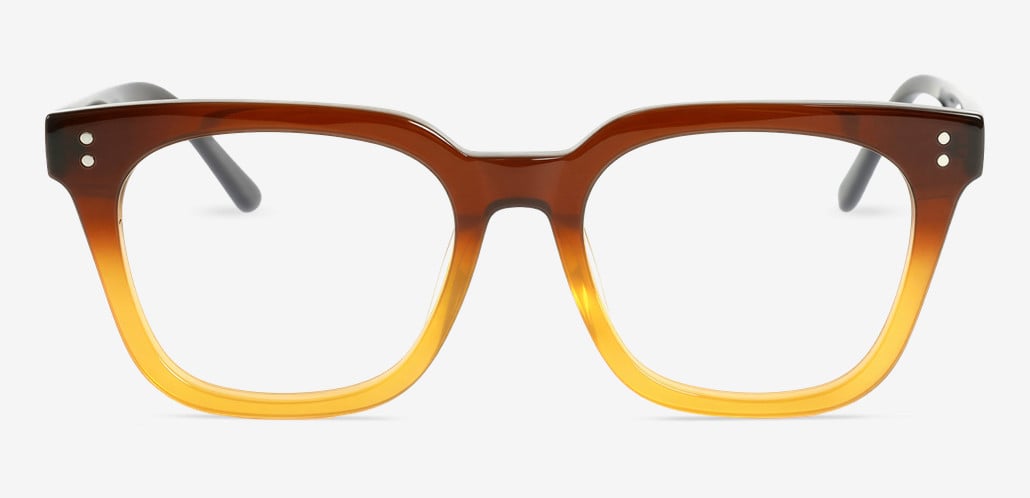
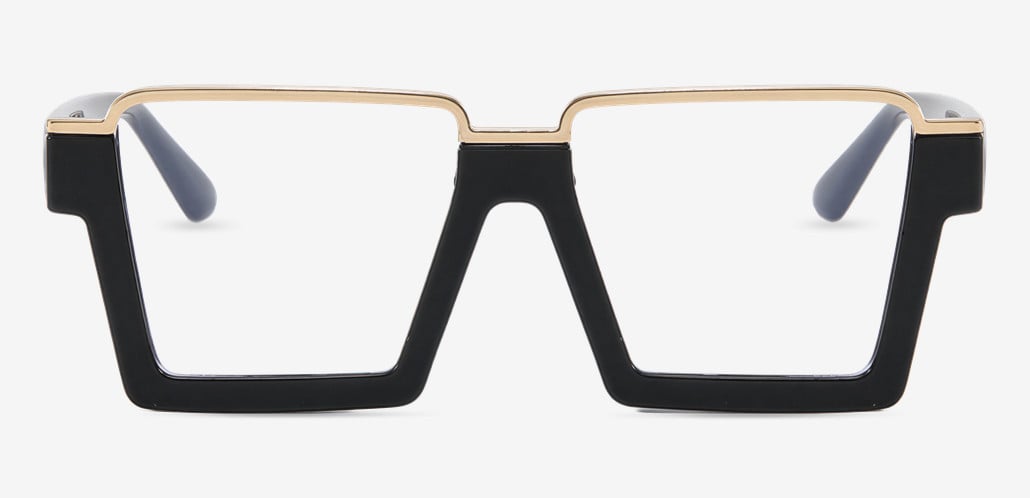
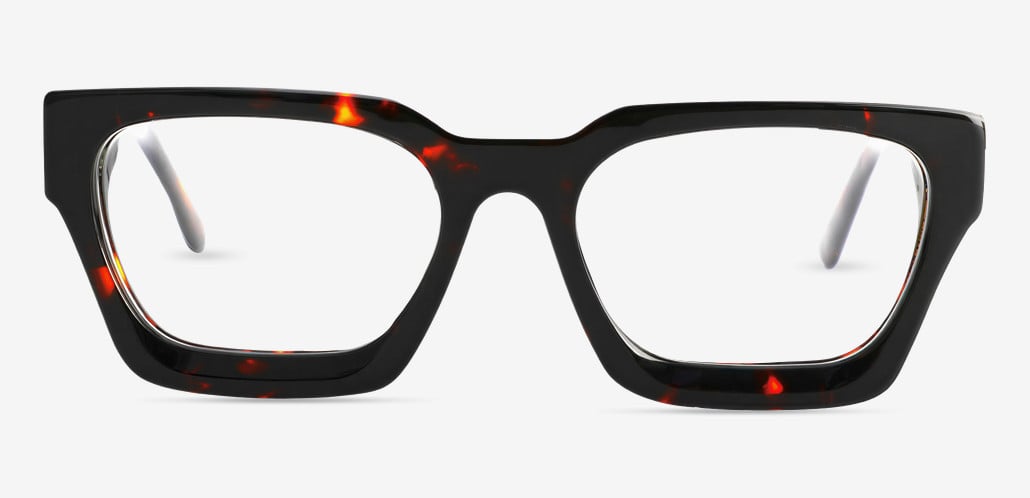
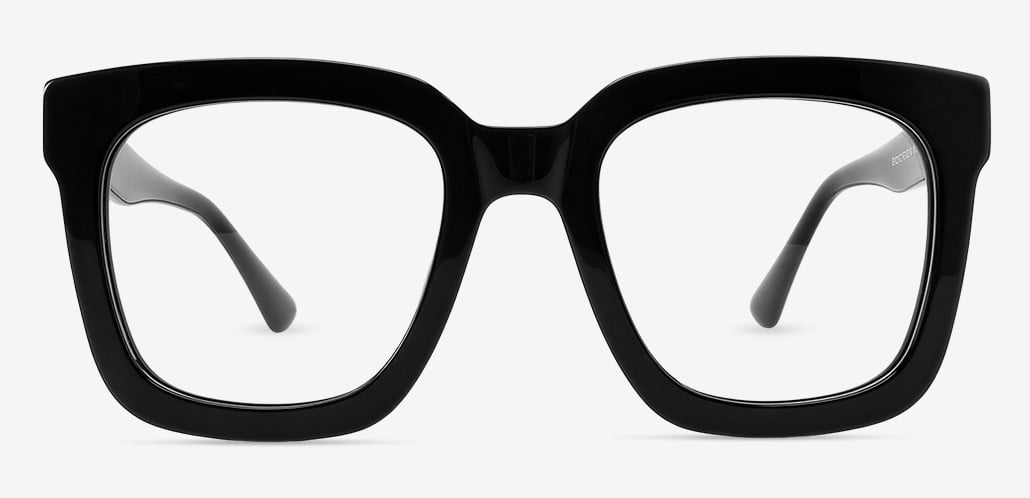
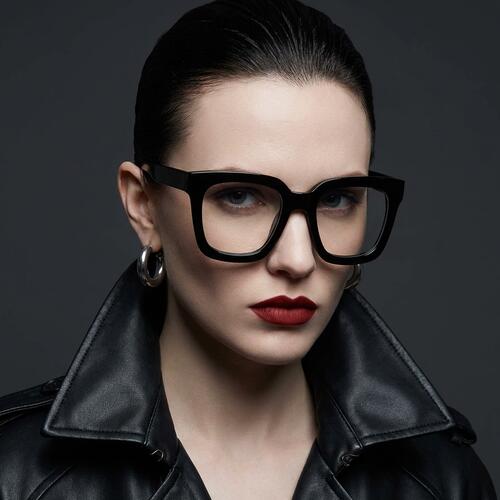
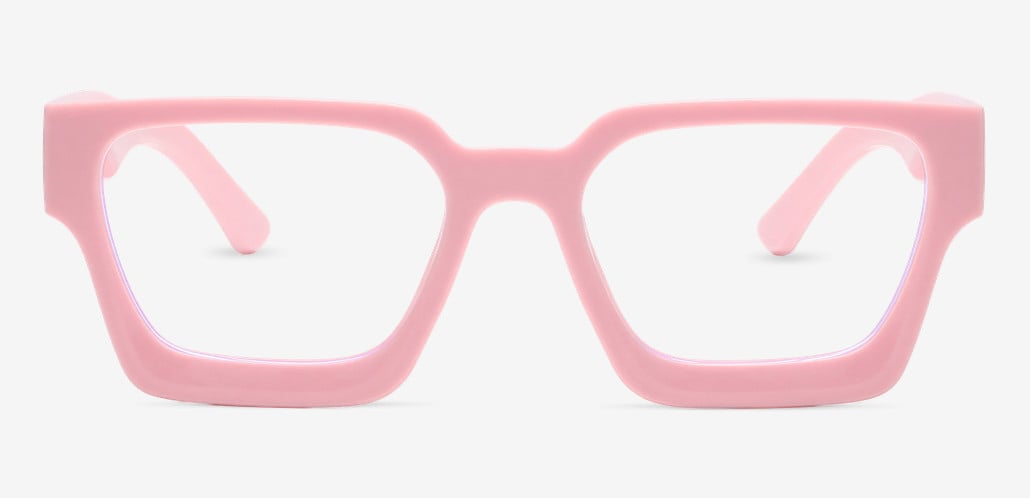
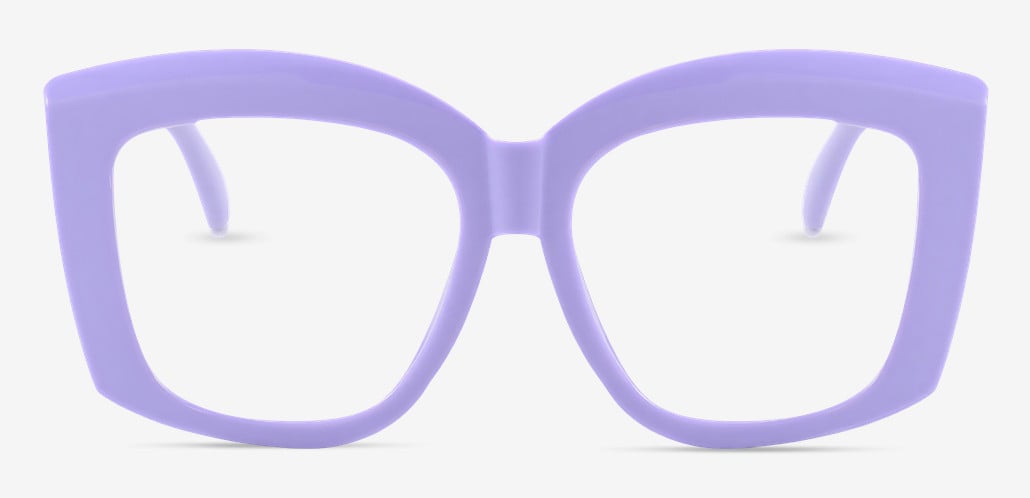
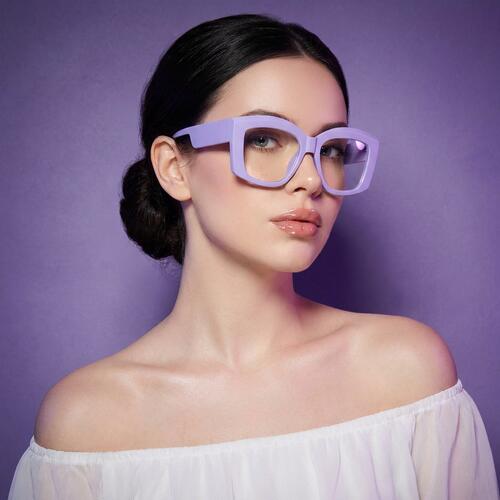
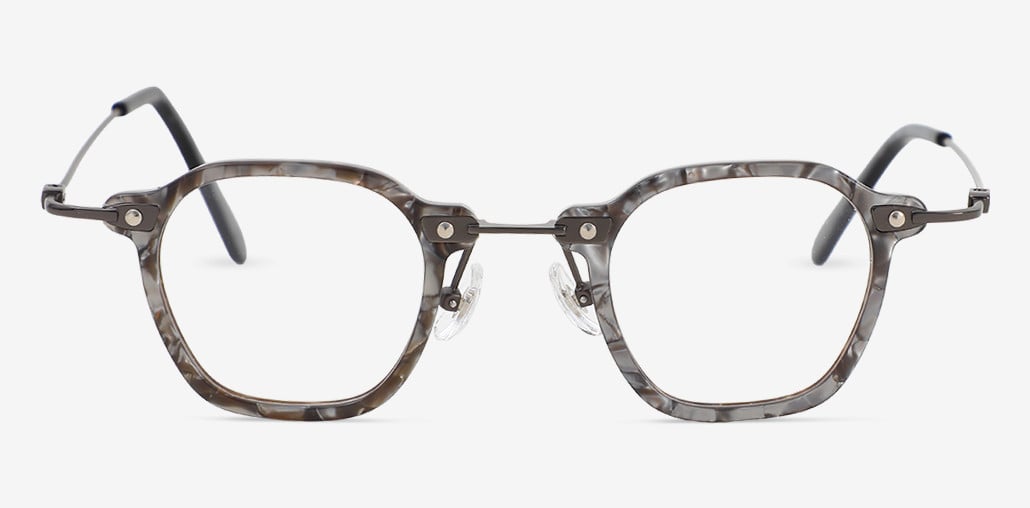
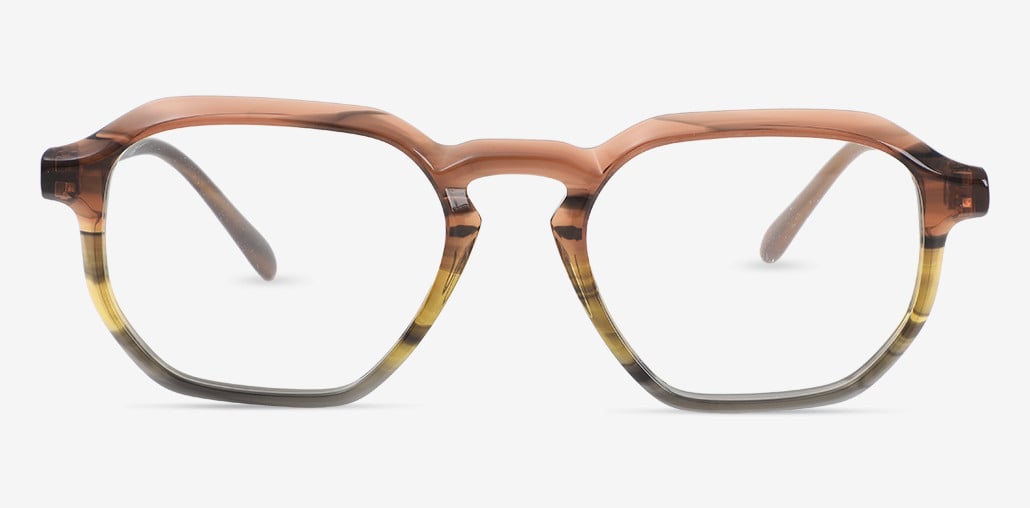
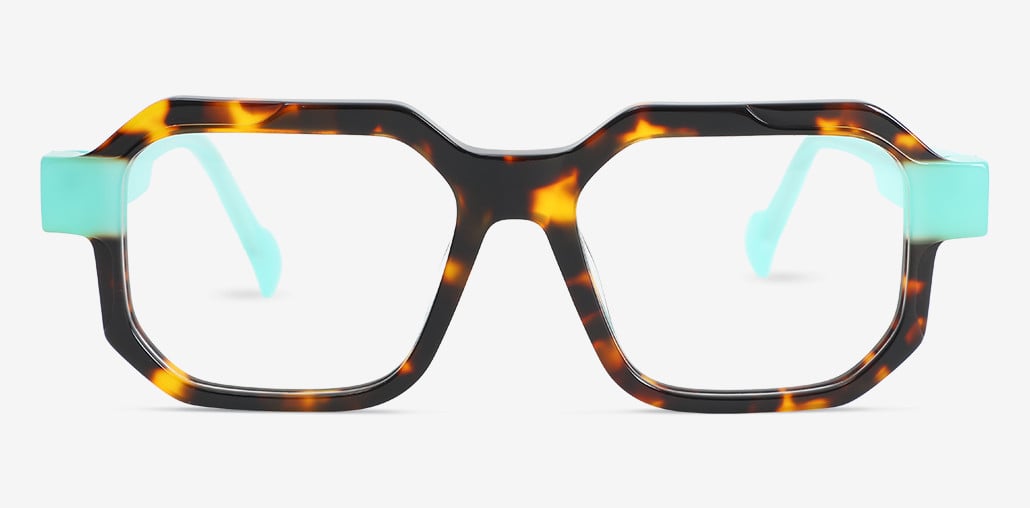
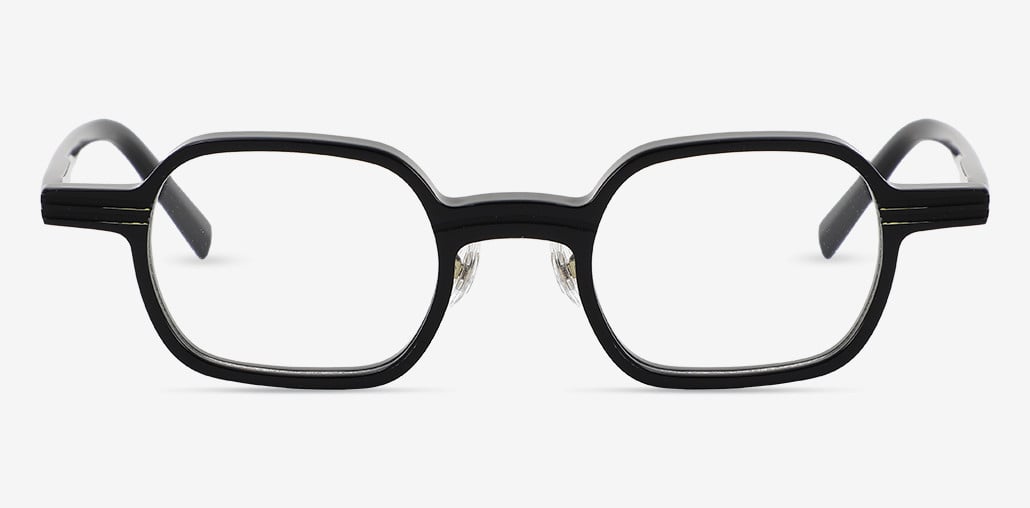
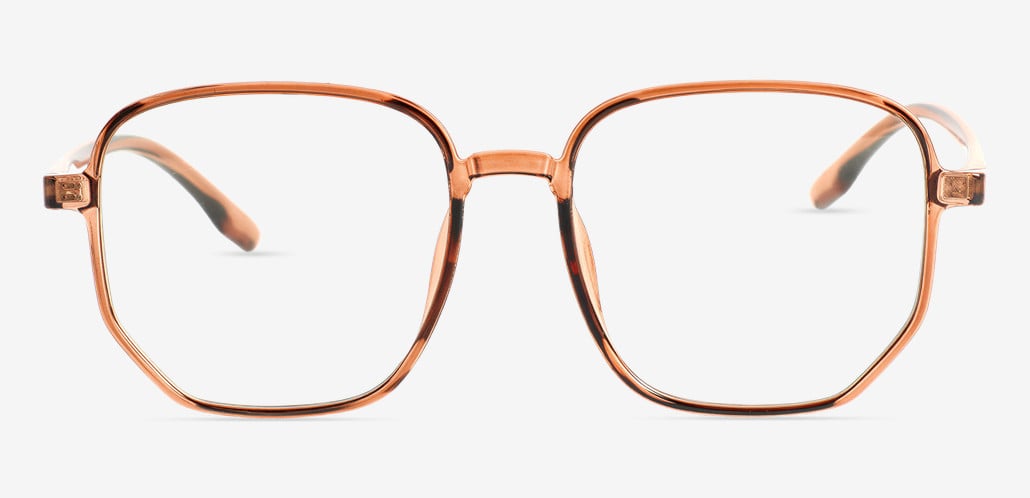
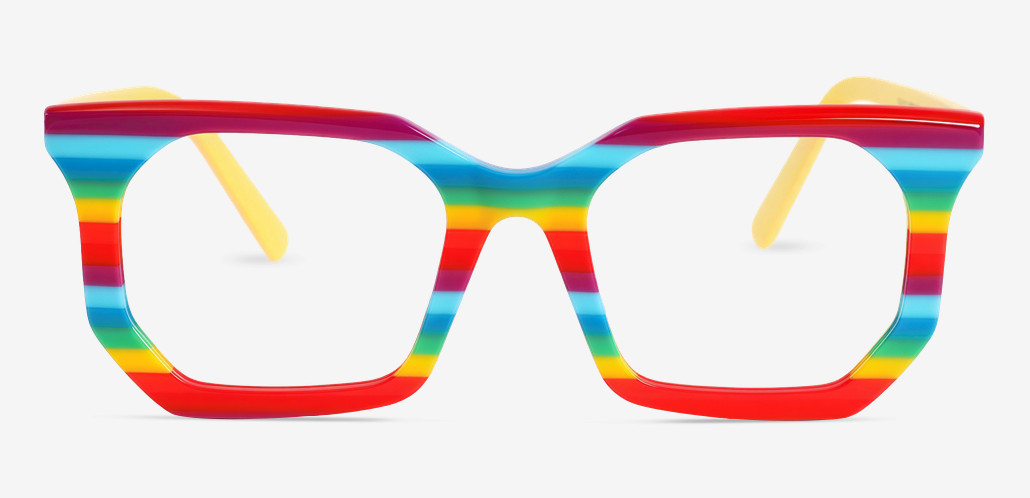
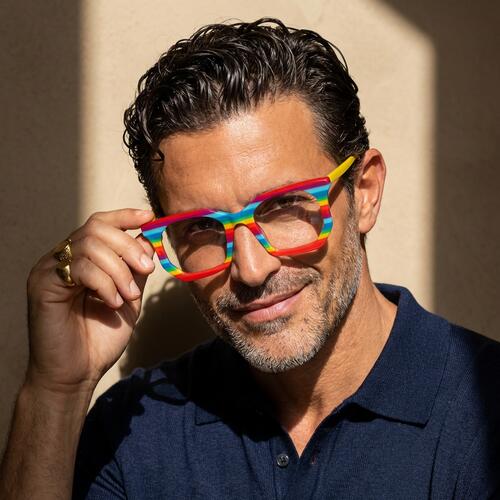
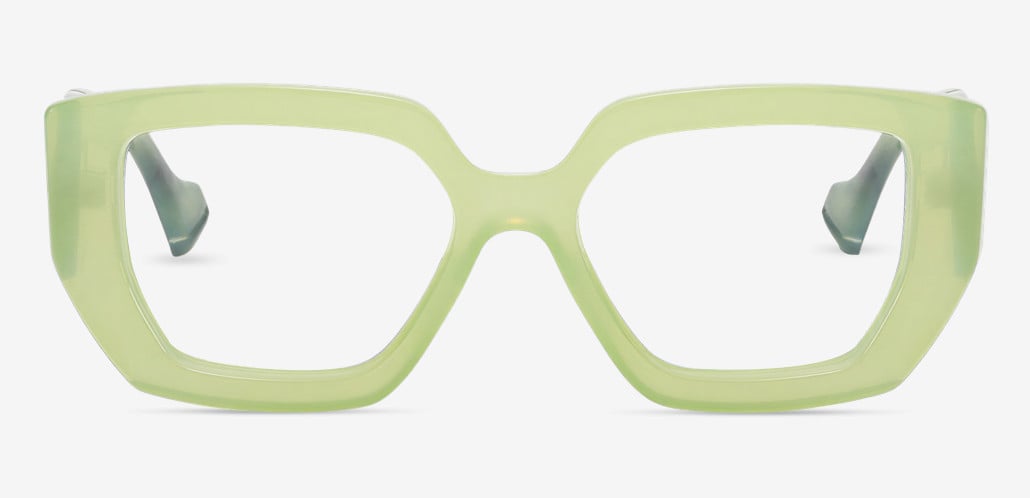
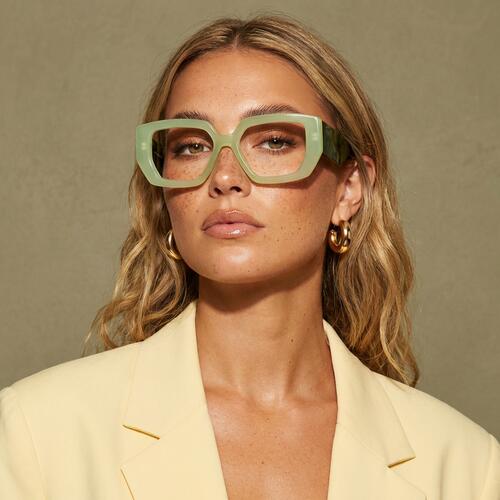
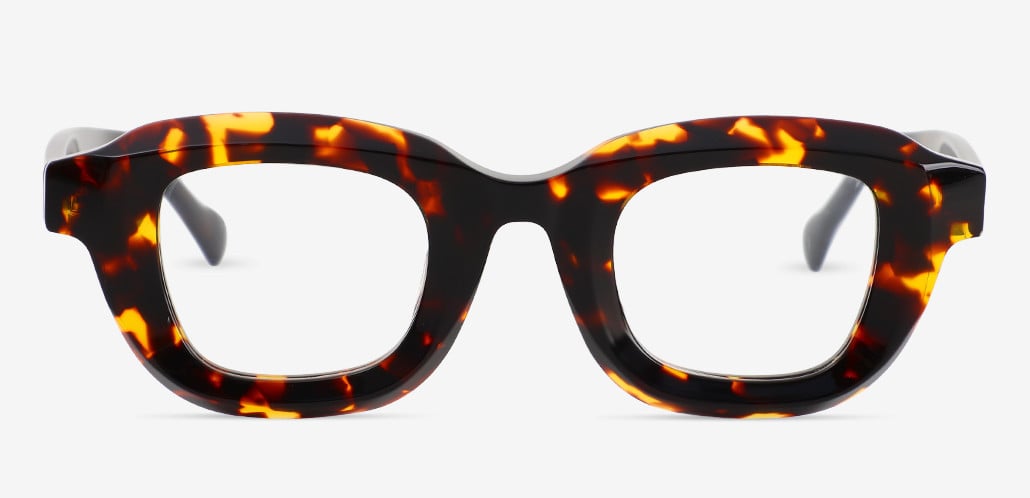
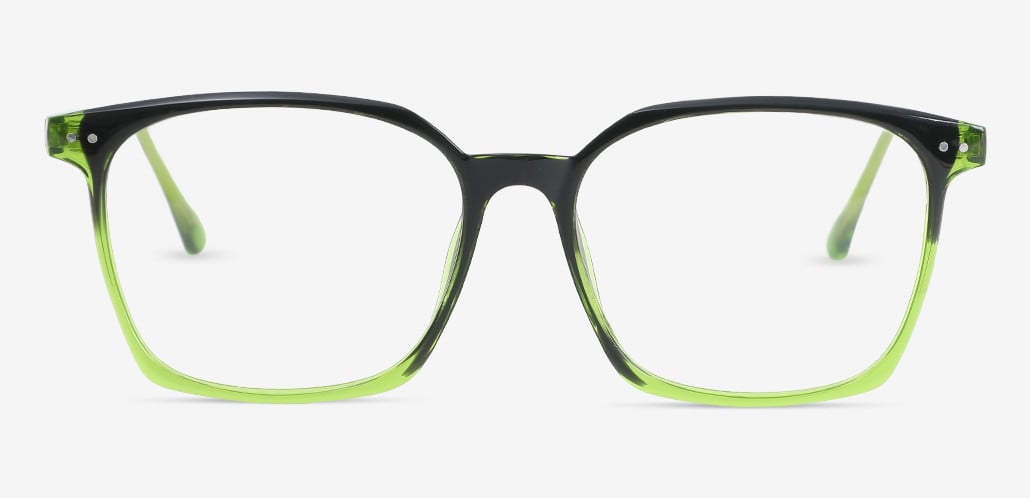
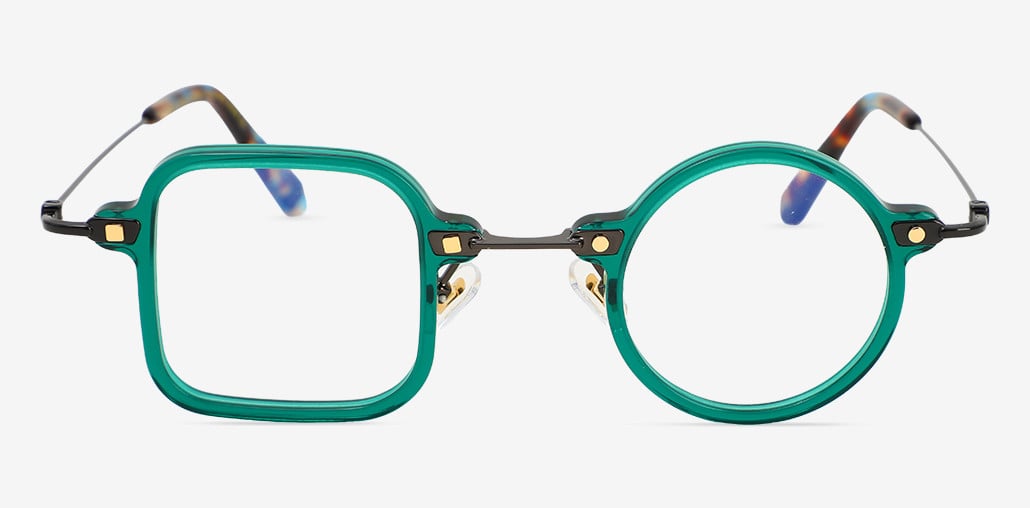
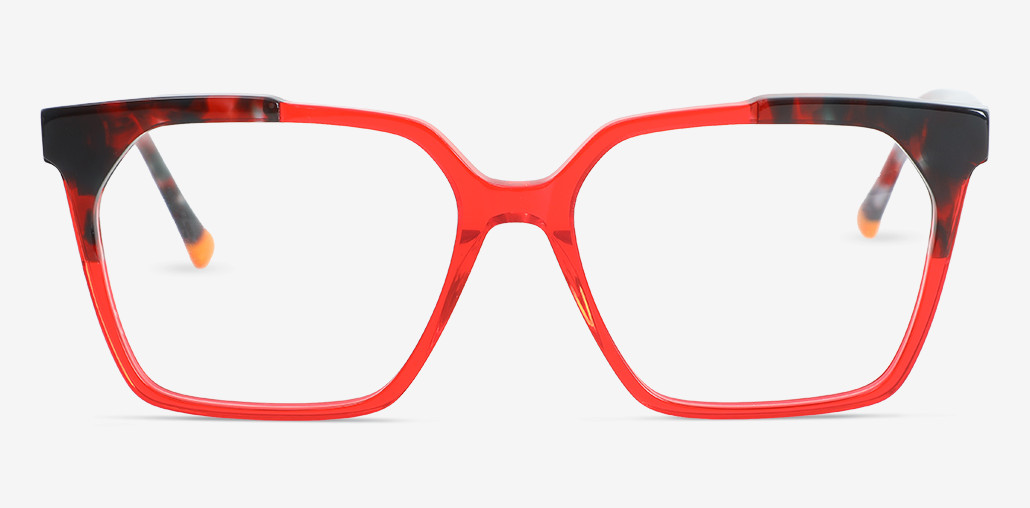
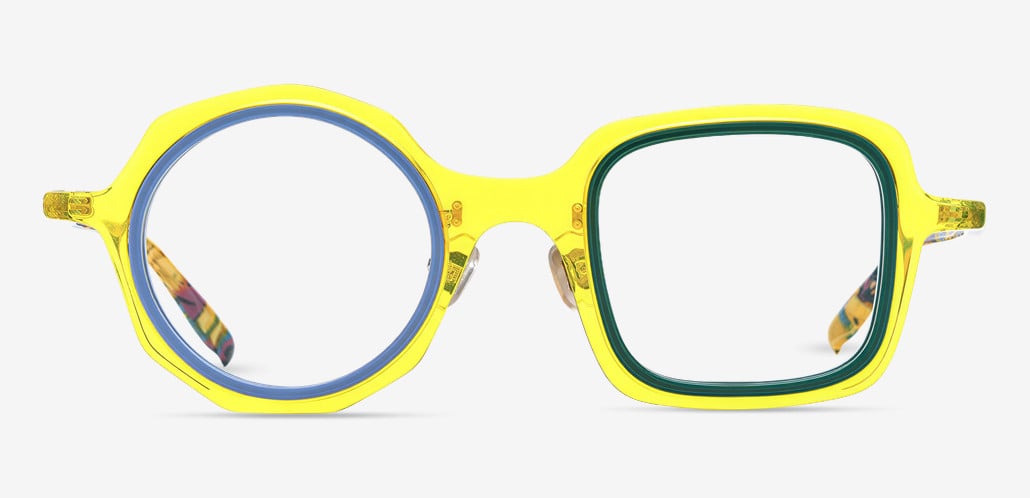
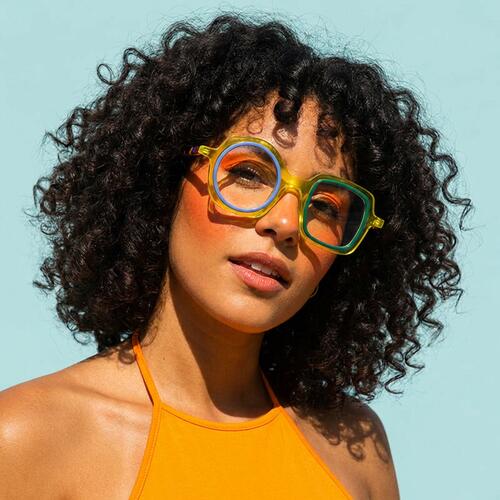
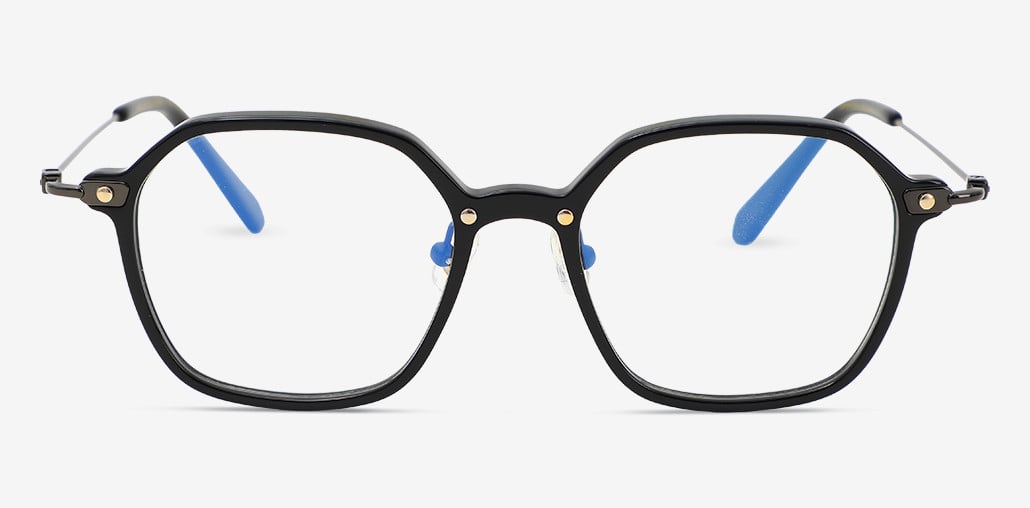
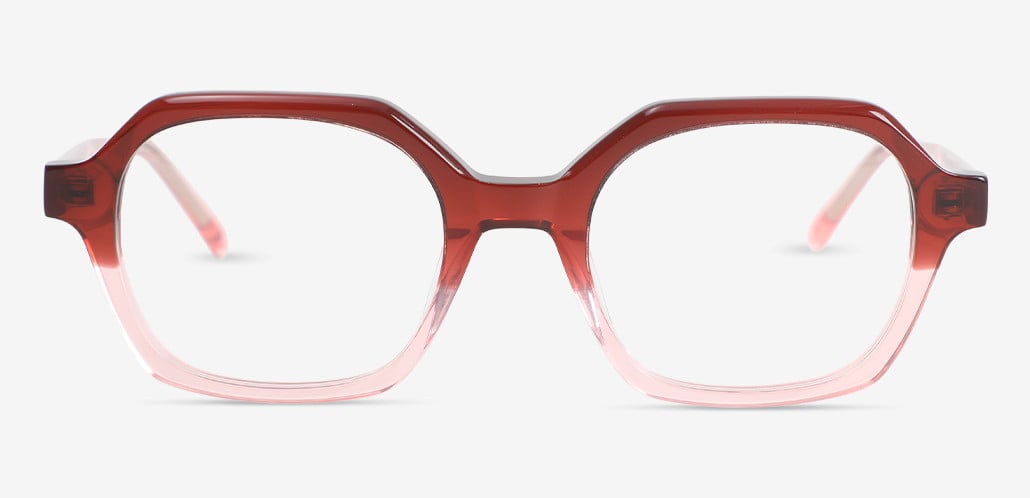
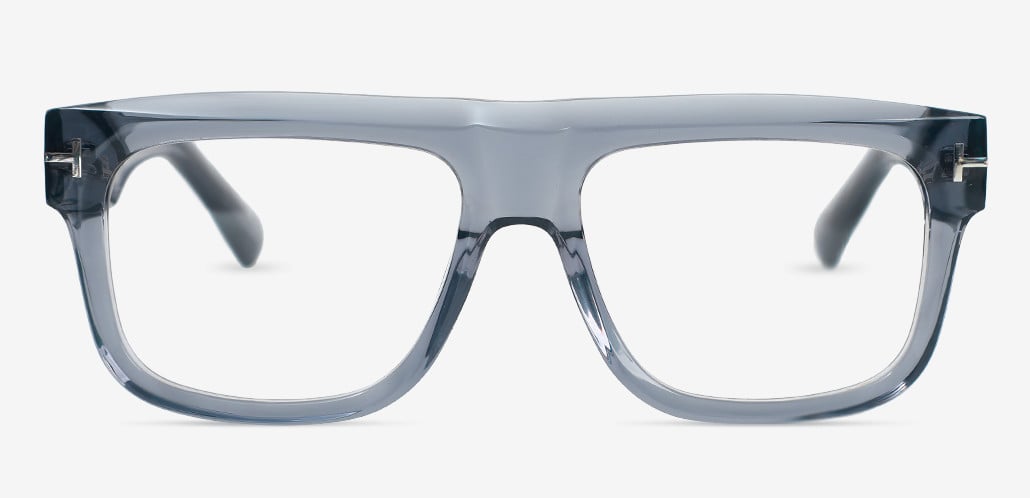
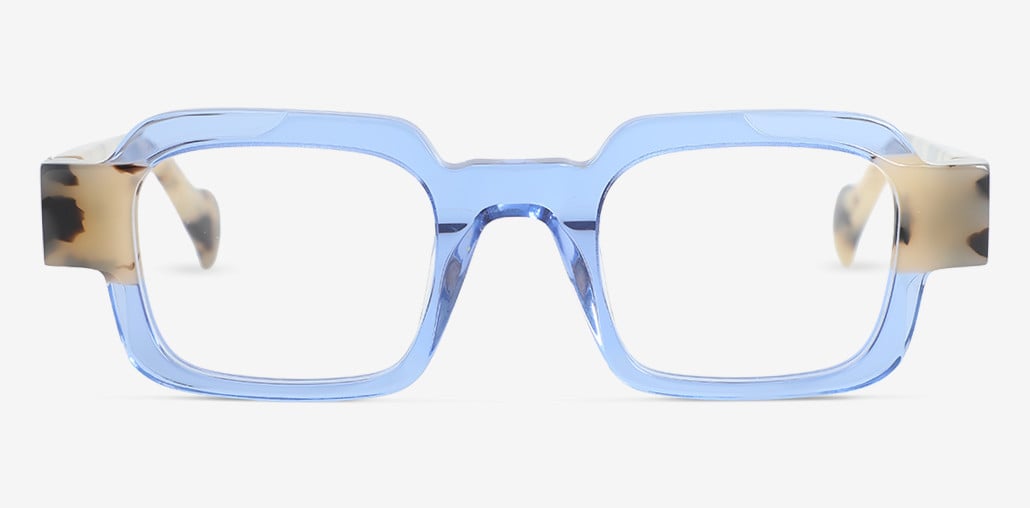
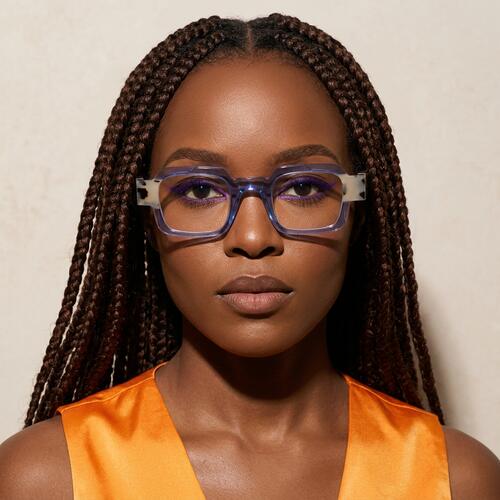
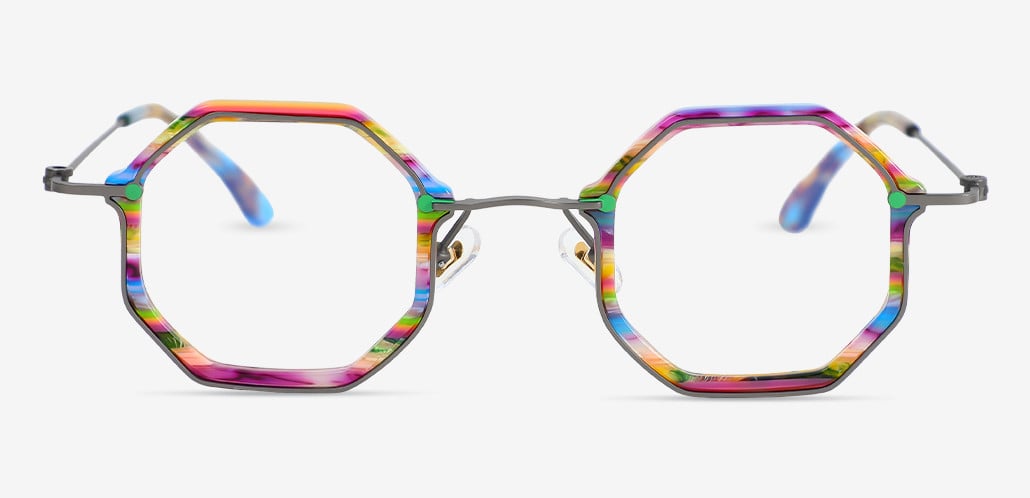
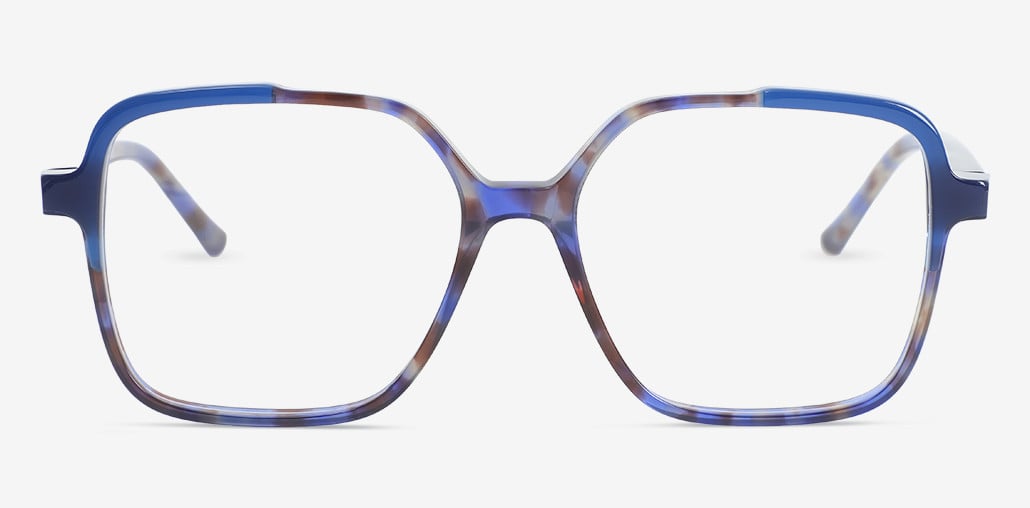
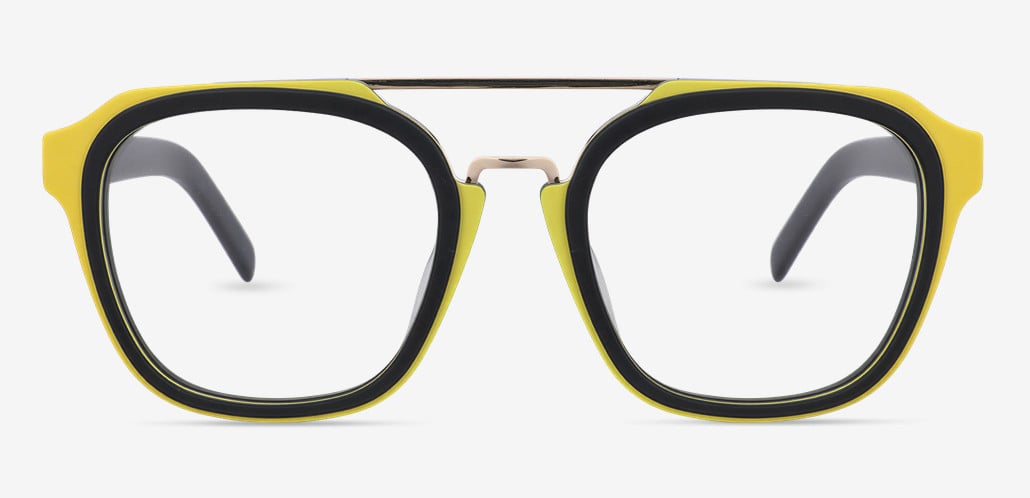
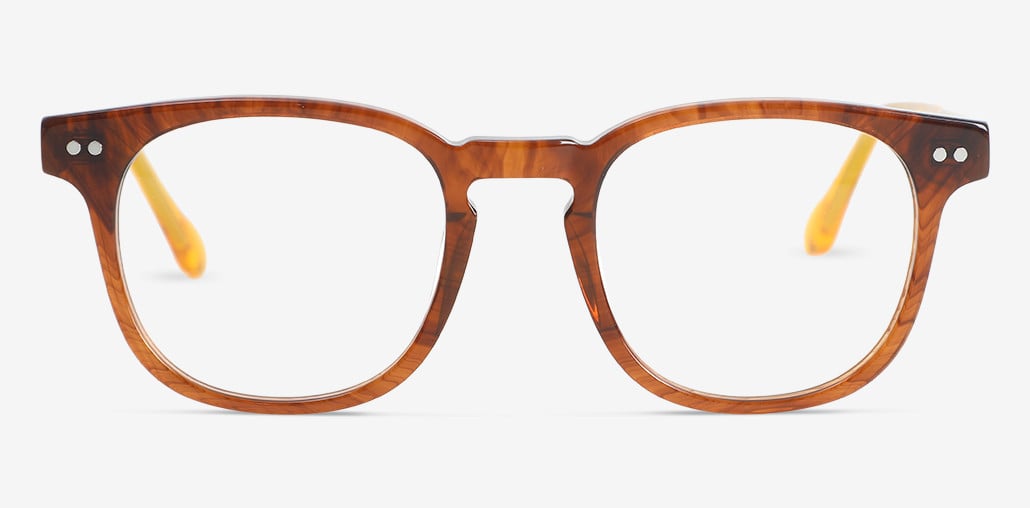
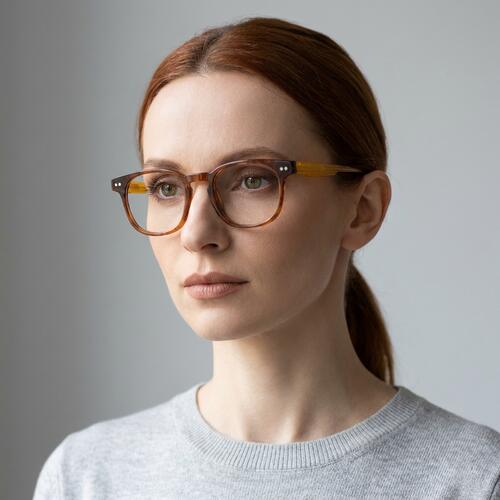
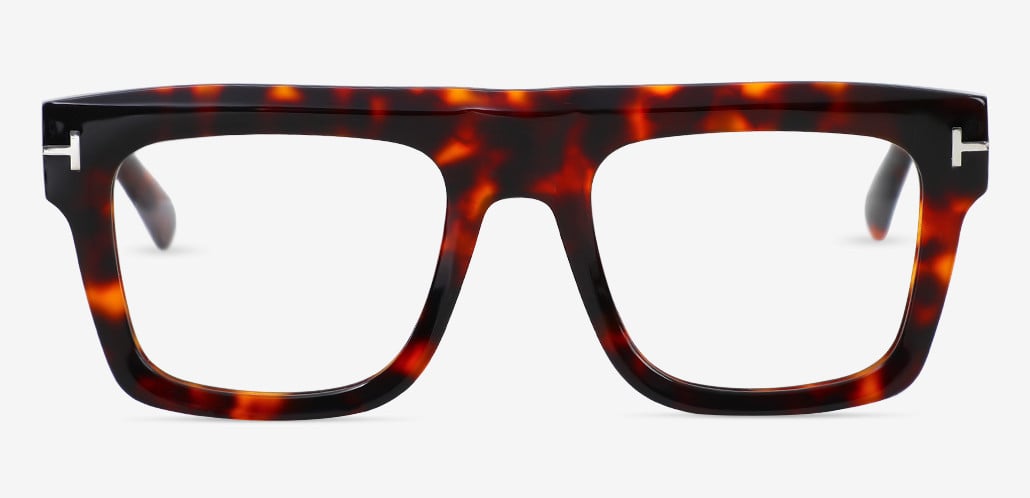
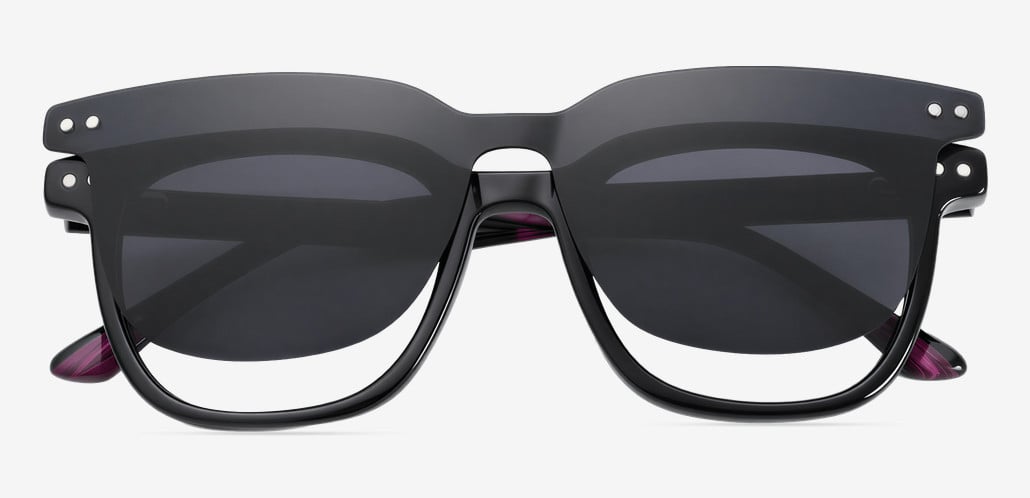
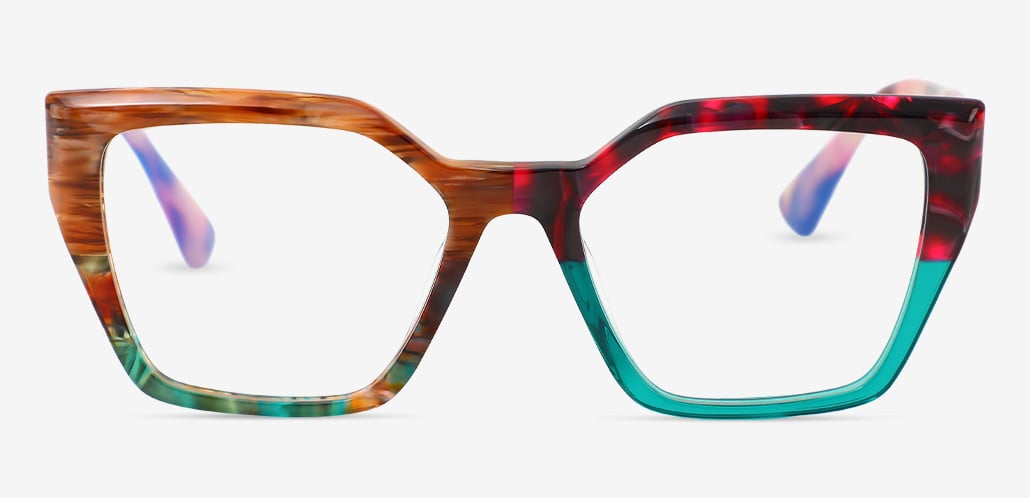
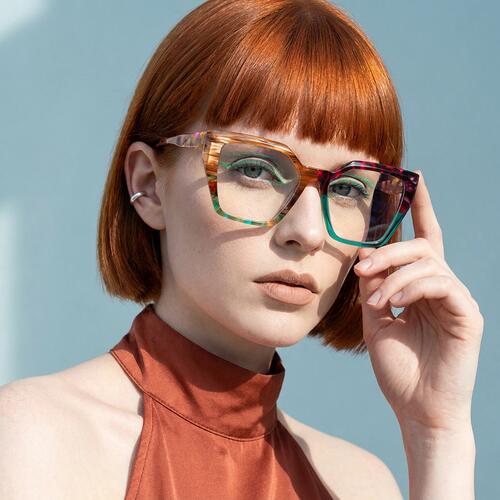
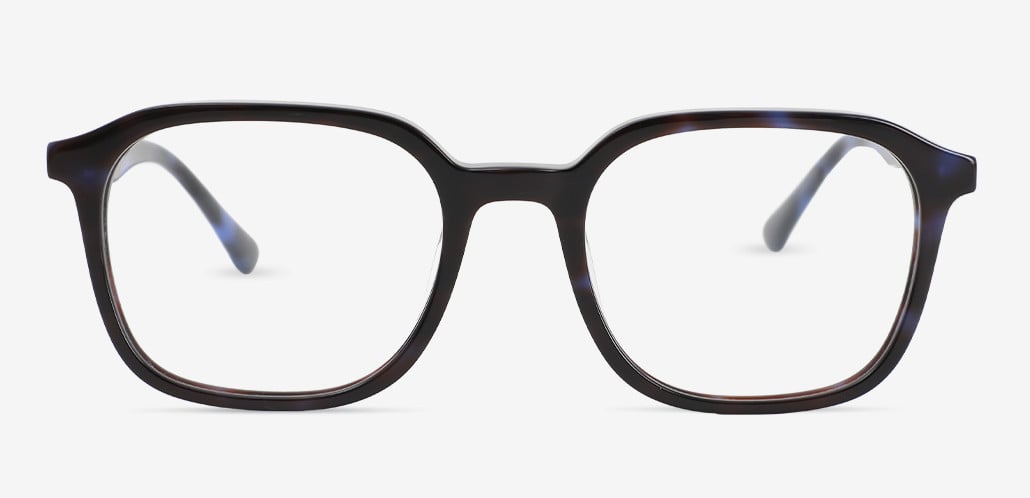
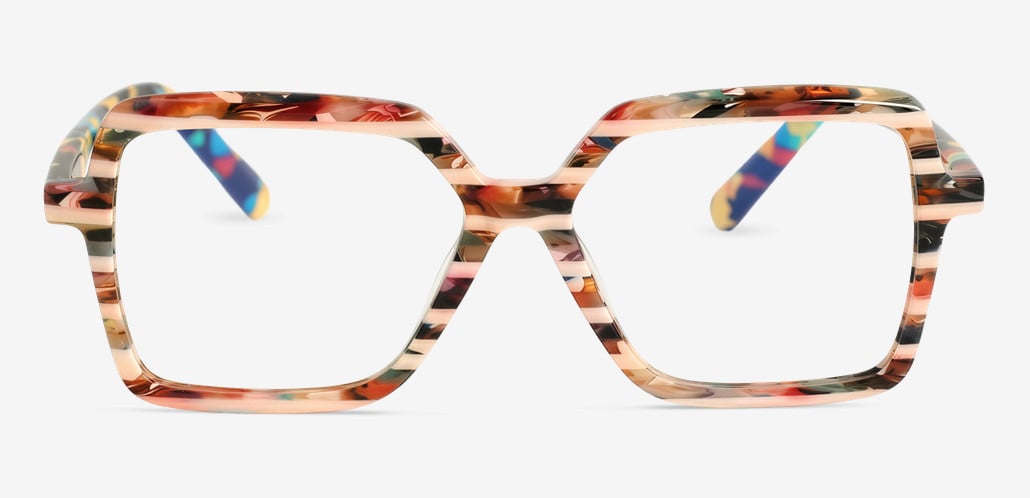
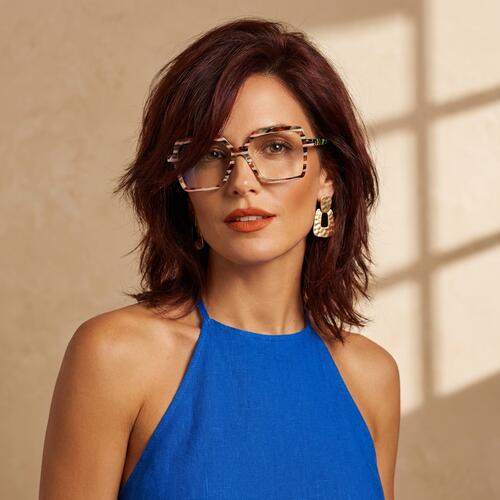
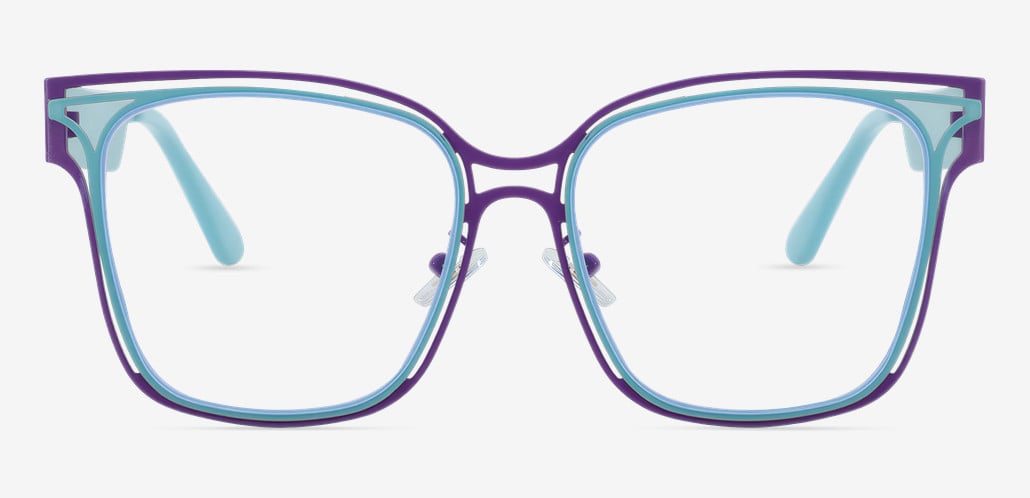
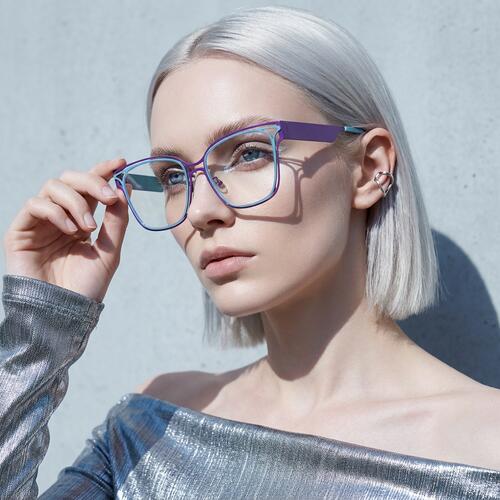
Round faces are widest at the cheeks and about as long as they are wide, so frames that add corners and horizontal width read as balanced. Square,rectangle, geometric and browline shapes do that best — and the filters below let you narrow by shape, width and lens depth in one pass. Every pair is prescription-ready and optician-checked before it ships.
What a Round Face Actually Needs from a Frame,A round face has soft edges, full cheeks, and roughly equal width and length.Every guide you've read says the same thing: pick angular frames. That advice is correct, and it's also where most guides stop — which is why plenty of people buy a square frame, put it on, and find their face looks rounder than before.The missing half is proportion. Two frames can both be labeled 'square' and do completely opposite things to a round face,depending on how wide they sit and how deep the lenses run. Here's how to read that on a product page instead of guessing.
The Three Measurements That Decide It,Every frame on Aoolia lists its measurements in millimeters. These are the three that matter for a round face.**1. Total frame width — reach your cheekbones.**A frame that stops short of the widest part of your face makes that width more obvious, not less. You want the frame front to land at your cheekbones or just past them. If you already own glasses that fit, check the numbers printed inside the temple arm and use them as your baseline.**2. Lens depth — shallow beats tall.**This is the one nobody mentions, and it's usually why a 'correct' square frame disappoints. A round face already has plenty of vertical volume; a tall lens fills more of it. What you want is a lens clearly wider than it is deep — as a rough rule, a width-to-depth ratio of about 1.3:1 or greater. Picture a letterbox slot rather than a postage stamp.**3. Temple placement — lift the eye line.**Frames where the arms attach at the top corner, rather than the middle of the rim, pull attention upward and away from the cheeks. Browline and cat-eye shapes are built this way. It's a small structural detail with an outsized effect.
Shape by Shape: What Each One Does,**Rectangle** — the most reliable choice. Horizontal by default, and the shallow versions do the most work. Look for rectangles that read wide and low rather than chunky and tall.**Square** — more presence than a rectangle, and the corners are the point.Watch the proportions: as a square gets closer to true 1:1, it stops elongating and starts filling.**Geometric** — hexagons, angled octagons and clipped corners give you multiple straight edges instead of one, which is a stronger contrast than a plain rectangle without looking severe **Browline** — a heavy top bar, a light bottom. It draws a horizontal line across the upper face and leaves the lower half open. One of the strongest slimming shapes there is, and one of the most under-bought.**Cat-eye** — upswept outer corners lift the cheekbone line. It works on a round face for the same reason browline does: the visual weight sits high.**Aviator** — usually filed under 'avoid,' but the modern squared-off aviator has a flat brow bar and an angled lower edge that behaves much more like a geometric frame. Worth trying on before you rule it out.
The Round-Frame Question,You've probably read that a round face should never wear round frames. That's mostly right and worth taking seriously — a circular lens on a circular face repeats a line instead of breaking it.But 'mostly right' isn't 'always.' Two situations where a round frame is genuinely the better call:- **A wide, shallow round.** Not a perfect circle — a stretched oval-round with real horizontal width and a flat-ish bridge. It reads closer to a geometric frame than to a Lennon frame.- **A strong prescription.** Higher-power lenses get thicker toward the edge, and edge thickness grows with lens size. Round frames come in smaller,well-centered sizes, so a round frame paired with a 1.67 or 1.74 high-index lens can look noticeably thinner at the edge than a large square in the same prescription. Sometimes the flattering choice is the one that keeps the lens from looking like a bottle base.If either applies to you, try it on before you take the rule at face value.
Common Mistakes on a Round Face- **Frames that are too small.** They leave face on either side, which makes the width read louder. **Perfectly round lenses in a thin metal rim.** Minimal contrast, maximum repetition.- **Deep lenses with heavy bottom rims.** Weight at the bottom of the frame drags the eye down toward the cheeks.- **Frames that ride up when you smile.** Full cheeks push a low-sitting frameupward. If the bottom rim touches your cheek at rest, it will lift every time you smile. Adjustable nose pads solve most of these.- **Buying on shape name alone.** 'Square' is a category, not a fit.
How to Check the Fit Before You Order,Use virtual try-on with your face straight on and your hair back, then look for three things: the frame front reaching your cheekbones, the lower rim clearing your cheek with your face relaxed, and the frame still clearing it when you smile. If a frame passes all three, the shape is doing what it's supposed to.Then enter your prescription — single vision,progressive, bifocal, reading, or blue light blocking — and a qualified optician verifies it in our lab before it ships.
Read More