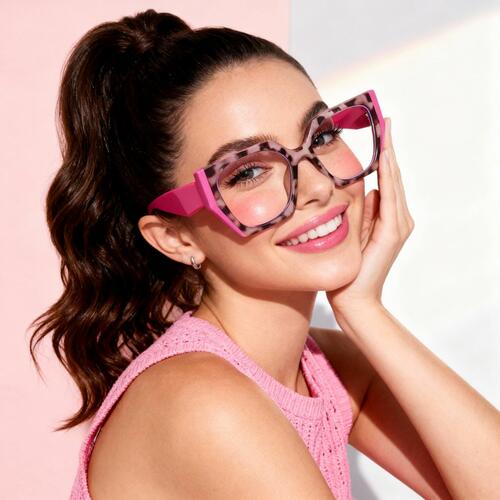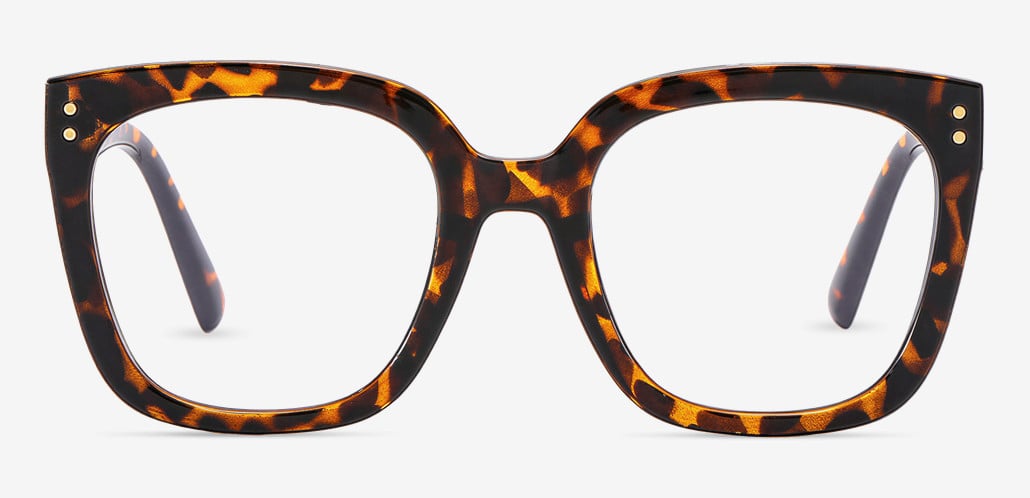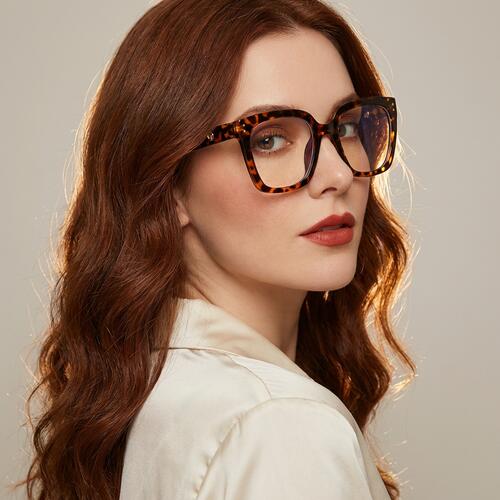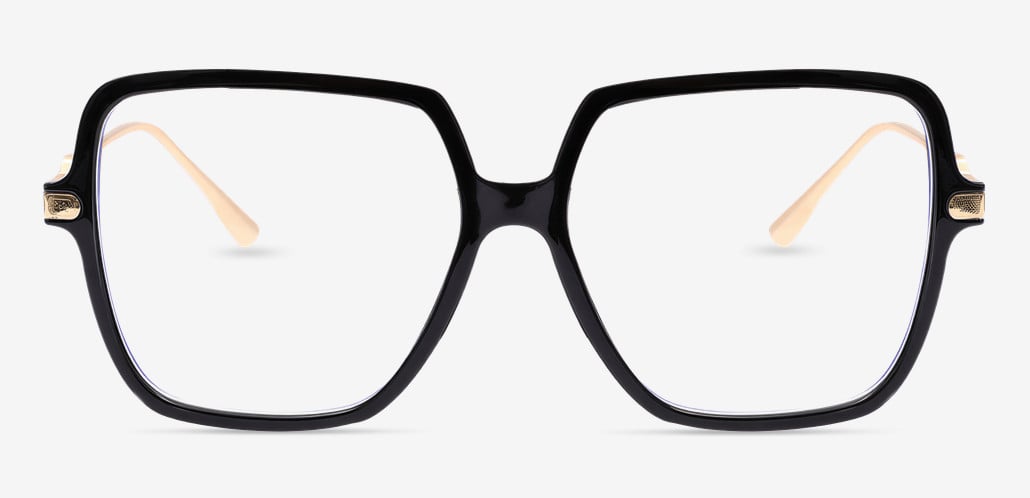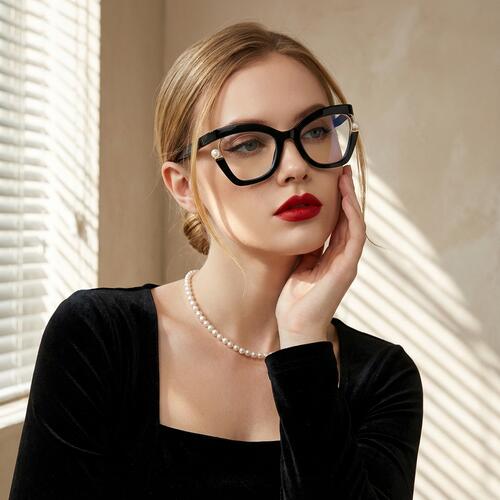

Why Everyone Looks a Little More Awake in Cat-Eye Glasses
Walk into any optical shop in America and ask which frame shape gets the most "wait — I actually look good in these" reactions during fittings, and most opticians will give the same answer without hesitating: cat-eye.
It's a strange thing for a 70-year-old frame shape to still hold that title. Browline had a moment. Aviators had a moment. Geometric frames are having one right now. But cat-eye keeps showing up at the top of new-arrival lists, in Vogue's 2026 trend predictions, in dispenser sales reports, and on the faces of people who didn't expect to like them.
There's a reason. And it has very little to do with fashion.
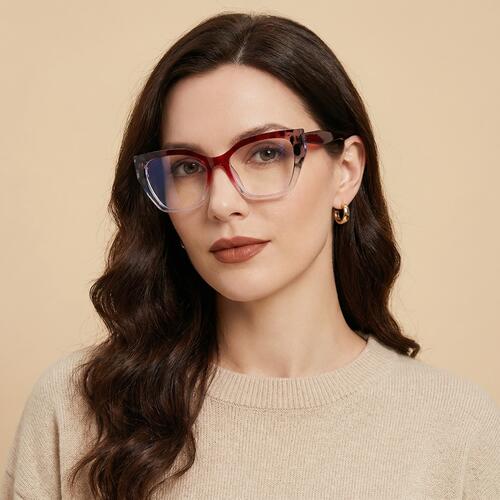
Cat-eye frames work because they exploit a tiny piece of facial geometry called canthal tilt — the same angle plastic surgeons spend a small fortune trying to recreate. The upswept outer corner of a cat-eye frame extends a visual line your face already wants to draw. Hide that line behind a pair of round or rectangle frames, and your features read flatter. Add it back with a cat-eye, and you get the optical equivalent of a temple lift, no needles required.
This guide breaks down how that effect actually works, the five sub-styles of cat-eye in 2026 (yes, there are clearly five — most shoppers only recognize one), and the fitting details that decide whether a pair flatters you or fights you. We'll also cover something most cat-eye guides skip entirely: how the shape works on men's faces, which is having its own quiet moment this year.
Part 1: The "Lift Effect" — What Cat-Eye Frames Are Actually Doing to Your Face
If you've spent any time on aesthetics-focused corners of TikTok or Reddit, you've probably seen the term canthal tilt thrown around. It refers to the angle between the inner and outer corners of your eye.
When the outer corner sits higher than the inner one, it's called a positive canthal tilt, and facial aesthetics researchers consistently link it to perceptions of youth, alertness, and approachability. The typical positive tilt sits between roughly 5 and 10 degrees upward. People with a naturally pronounced positive tilt — Audrey Hepburn, Kendall Jenner, Zendaya — are often described as having "almond" or "feline" eyes.
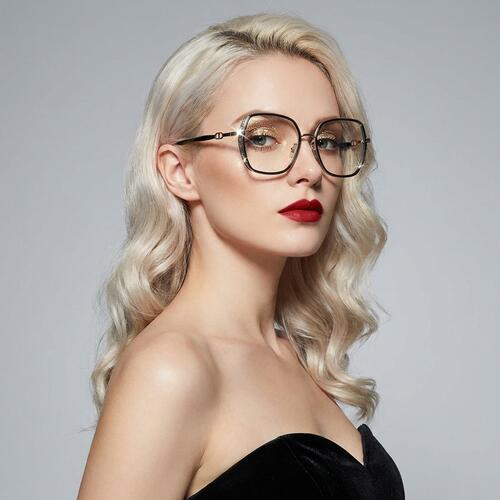
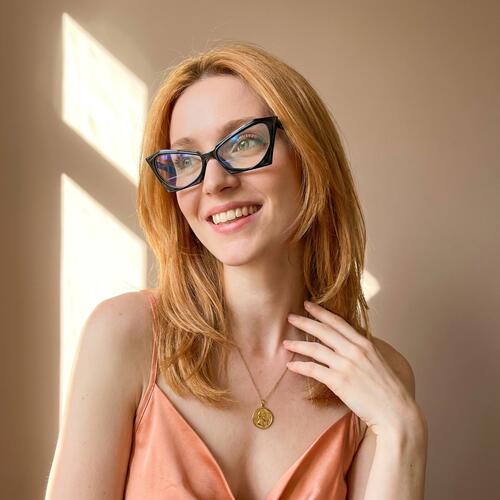
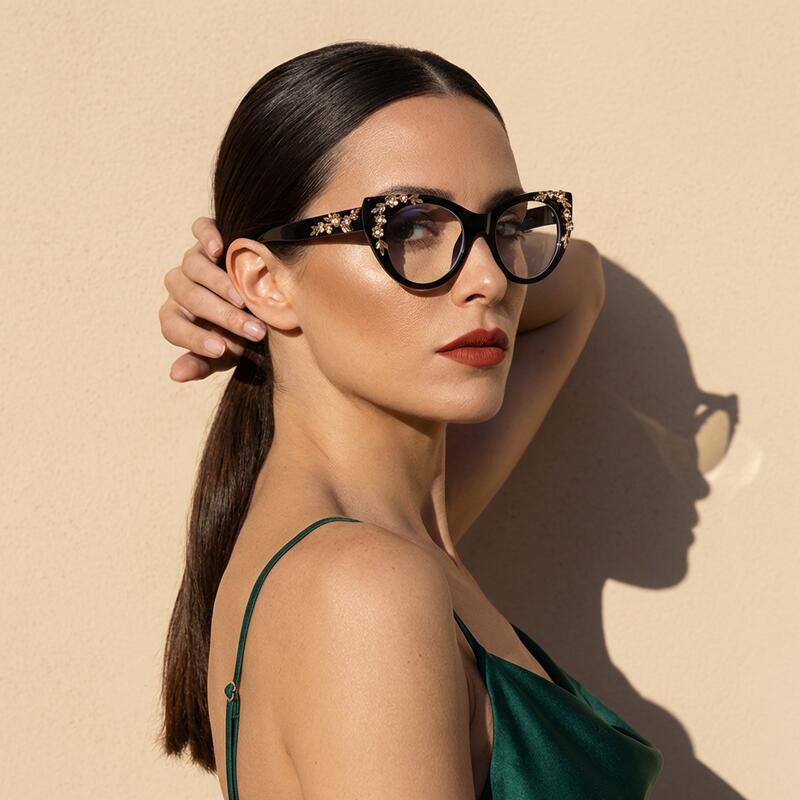
A cat-eye frame extends the same upward line that a positive canthal tilt creates. The outer corner of the frame angles up, away from the cheekbone and toward the temple. Your eye reads the frame and the eye together — the lift of the frame visually adds to whatever lift your face already has. If you have a neutral or slightly negative natural tilt (which is most of us, especially over 35), the effect is dramatic. Suddenly your eyes look more open, more "rested," and more lifted than they did in any other pair of glasses you tried on.
This isn't marketing. It's the same principle behind cat-eye eyeliner, the foxy eye trend, and most contouring tutorials. The frame is doing for your eye shape what makeup does — just with permanent geometry instead of pigment.
A few practical takeaways from this:
The angle of the upsweep matters more than the size of the frame. A subtle 10–15° upsweep on a small frame creates a bigger lift effect than a dramatic 30° upsweep on an oversized one (because the oversized frame distracts from the eye area itself).
The closer the upsweep starts to your natural lateral canthus, the stronger the lift looks. A frame that flares up before it reaches the outer corner of your eye creates a visual continuation. A frame that flares up after it passes the outer corner creates a visual interruption, and the effect weakens.
Frame color affects how visible the lift is. Black, tortoise, and crystal cat-eye frames let the upsweep read clearly. Very pale or rimless cat-eye frames soften the lift effect (which can be exactly what you want, or exactly what you don't).
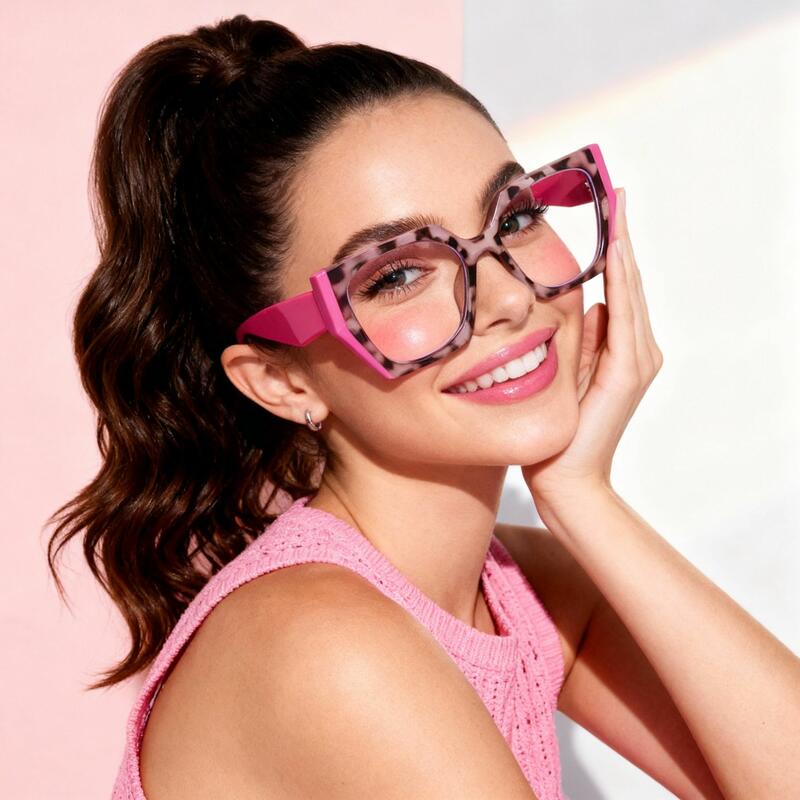
Part 2: The 5 Sub-Styles of Cat-Eye Most Shoppers Don't Know Exist
Most "cat-eye" listicles online treat the shape as one thing. In a dispensing optician's tray, it isn't. There are at least five distinct cat-eye silhouettes in active circulation in 2026, and they're not interchangeable. The wrong sub-style can look costume-y on a face that would have looked stunning in a different one.
1. Soft Cat-Eye
The entry-level cat-eye. The upsweep is gentle — 5 to 10 degrees, barely more than a rectangle. The eye shape reads as a slightly tilted oval rather than an obvious "cat" silhouette.
Best for: First-time cat-eye buyers. Conservative offices. Faces that already have a strong positive canthal tilt and don't need much visual lift. People who want the youthful effect without anyone saying "ooh, you're wearing cat-eyes today."
Sits well in: Acetate, lightweight metal, titanium.
2. Classic Vintage Cat-Eye
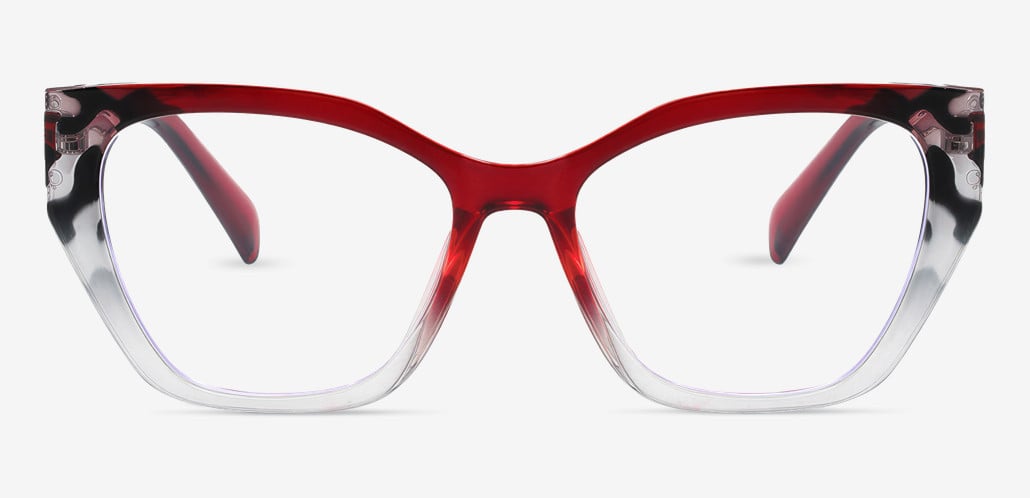
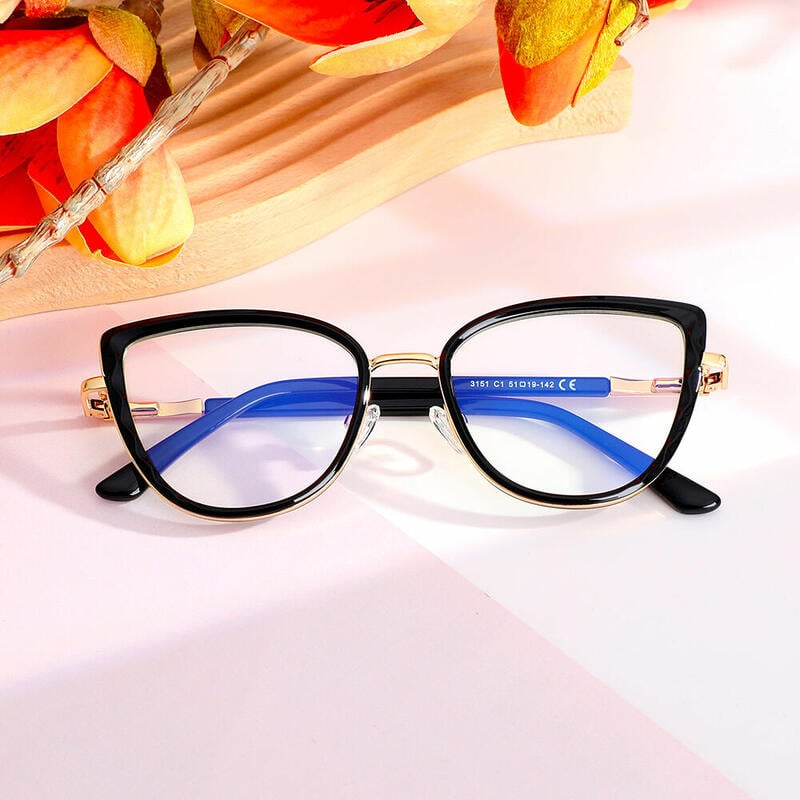
The 1950s silhouette in its full glory. Steep upsweep (20–30 degrees), pronounced upper corner points, often with a thicker top rim. This is what most people picture when they hear "cat-eye."
Best for: People who want the shape to be unmistakable. Faces that can carry visual drama (oval, square, heart). Outfits with strong silhouettes — tailored coats, structured shoulders.
Watch out for: This sub-style can dominate a small face. If your frame width is narrower than your widest cheekbone, the steep upsweep can read theatrical rather than chic.
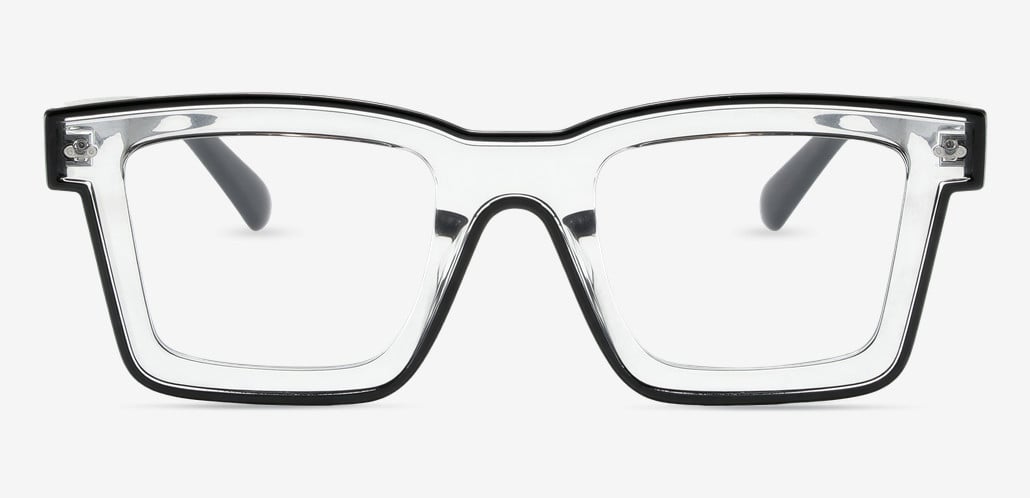
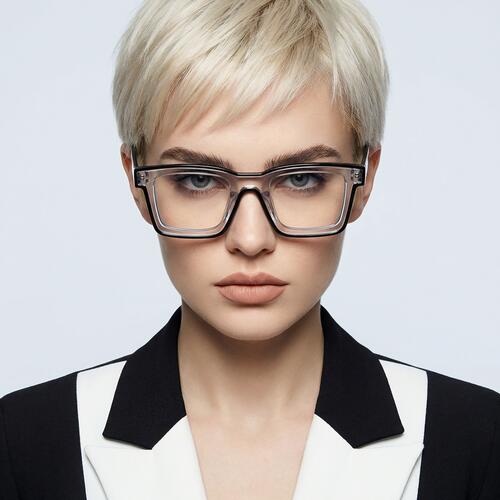
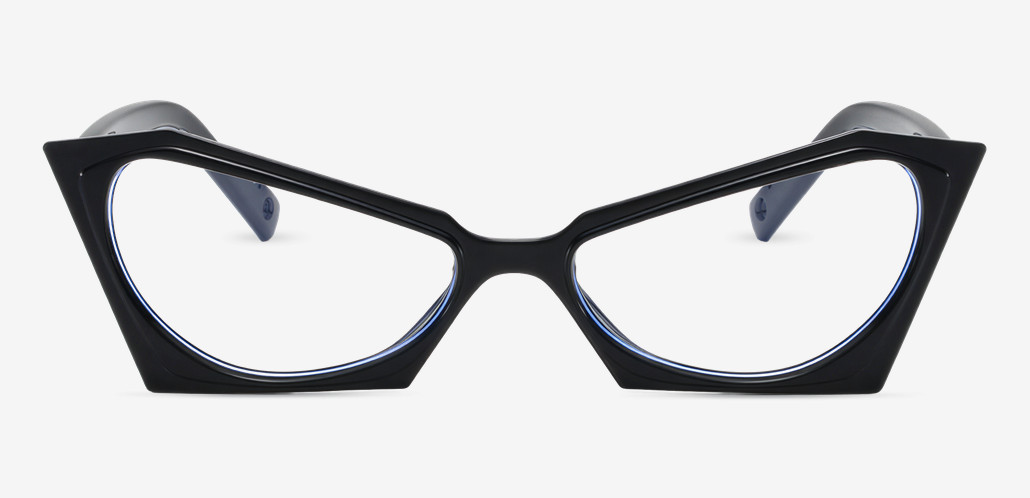
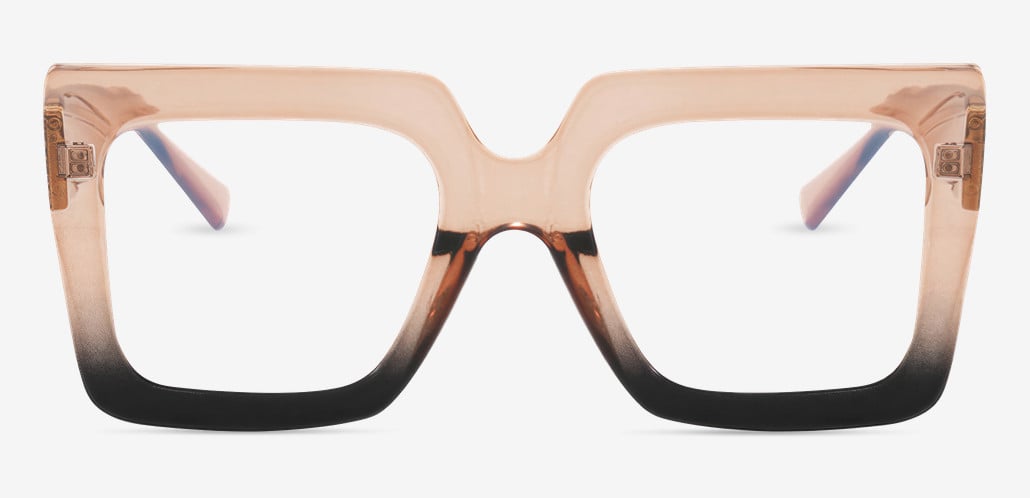
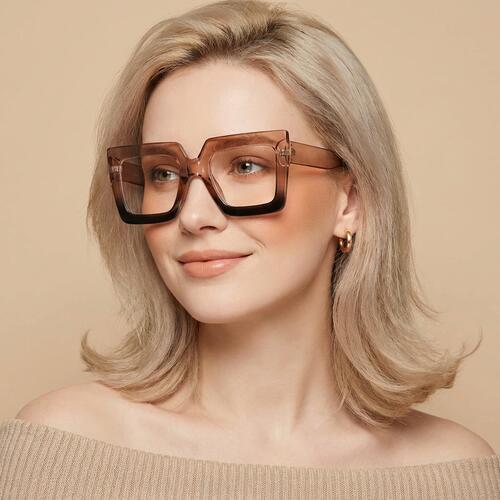
3. Square Cat-Eye
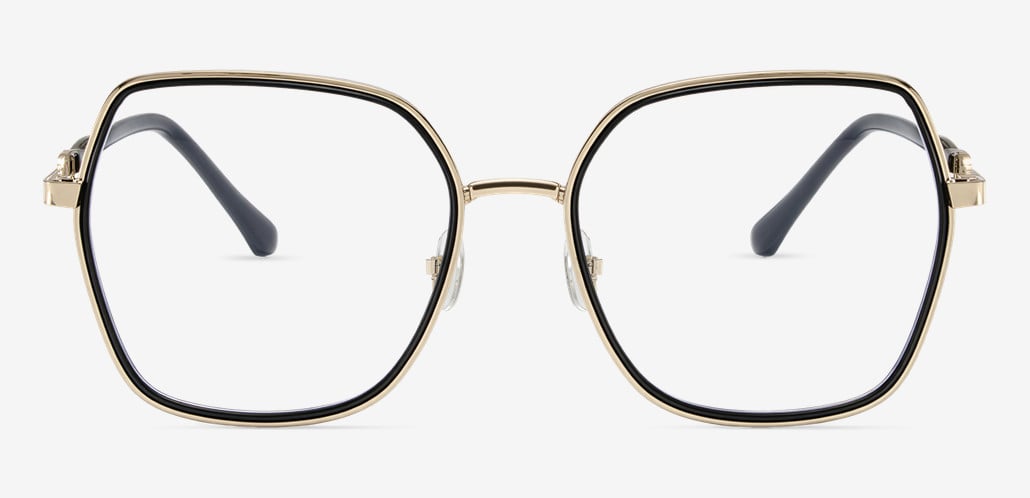
The most-purchased cat-eye sub-style on Aoolia in the last 18 months. Combines a square or rectangular lower frame with a defined upper corner. The result is more architectural than feminine — less "1950s housewife," more "1990s fashion editor."
Best for: Round and oval faces (the angles add definition). Anyone who likes cat-eye but feels self-conscious about the shape reading as too "girly." Most men who wear cat-eye choose this sub-style.
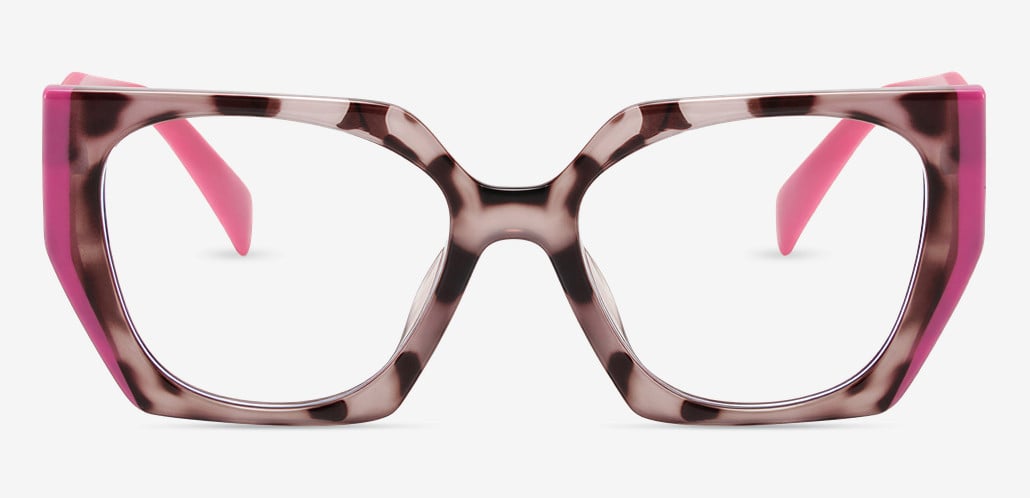
Sits well in: Bold acetate (Havana, black, milky white), thicker metal.
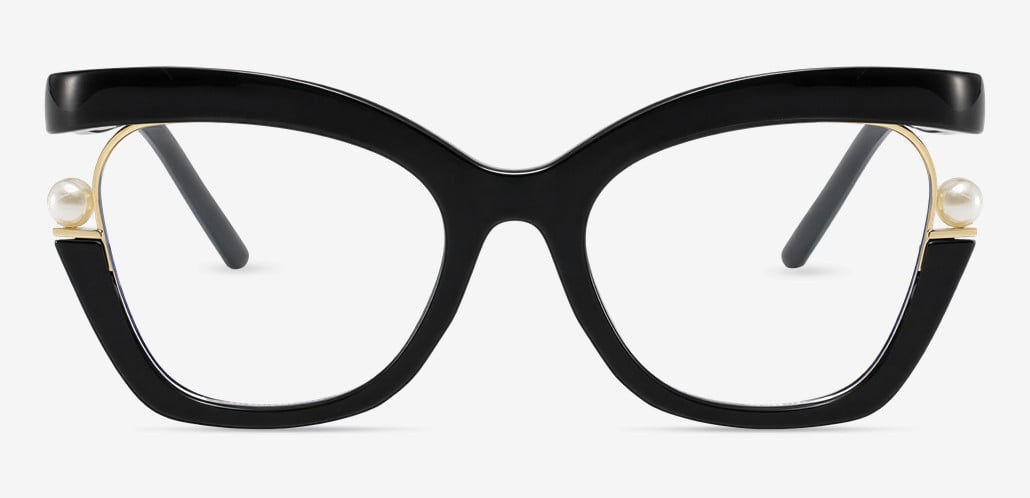
4. Browline Cat-Eye
A hybrid of two shapes. The upper rim is thicker and darker (browline DNA), and the outer corner upsweeps (cat-eye DNA). Often paired with a rimless or wire lower half.
Best for: Faces with low or thin brows (the upper rim visually rebuilds the brow line). People in industries where browline reads professional but cat-eye reads creative — architecture, advertising, design. This sub-style ages especially well; it has a 1960s reference that doesn't feel costume-y.
5. Oversized Cat-Eye
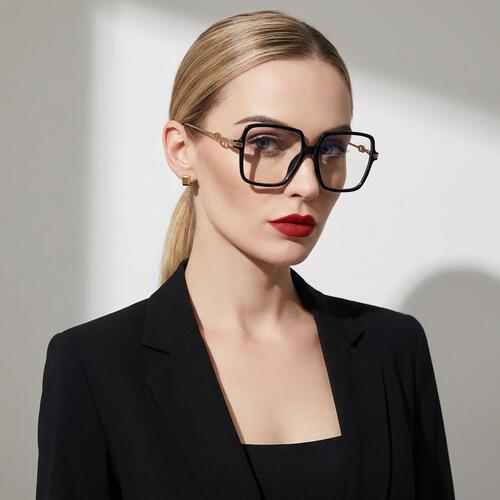
The shape that dominated 2025 runways and is still going strong in 2026. Lens height of 50mm+, wide overall frame, dramatic upsweep. The "Bayonetta" trend Moda Frames identified in their 2026 trend roundup leans on this silhouette heavily.
Best for: Statement dressing. Larger features that can carry the proportion (smaller features get swallowed). People with strong cheekbones — the lens height needs somewhere to sit without slipping down the face.
Watch out for: Lens weight. An oversized cat-eye in a strong prescription gets heavy. Choose high-index 1.67 or 1.74 lenses in this sub-style if your prescription is stronger than ±3.00; the frame will sit better and the lenses will be thinner at the edges.
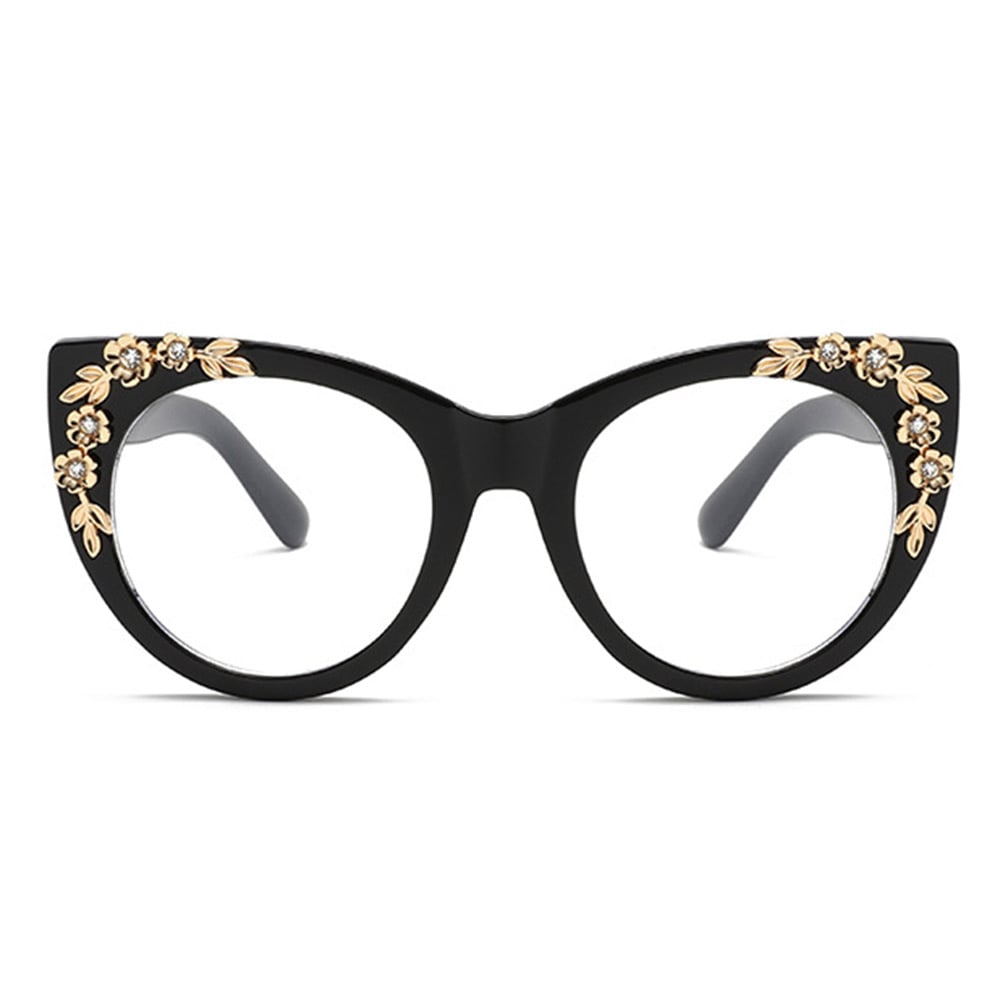
Part 3: The Face-Shape Advice You've Read Is Half Wrong
Almost every cat-eye guide says some version of "cat-eye works best for round faces." It's true. But it's incomplete enough to send people away from a shape that would have flattered them.
Here's what actually decides whether a cat-eye works on your face — in plain optician's terms, based on what we see in real fittings:
Round face: Cat-eye is one of the most flattering shapes available. The upsweep adds angles where you don't have them. Almost any sub-style works; choose based on how dramatic you want the look.
Oval face: Cat-eye works beautifully. You have the most flexibility of any face shape — soft, classic, square, browline, oversized all work. Use the upsweep angle to express style preference rather than to correct anything.
Square face: Counter to the conventional advice, cat-eye can work — specifically the soft cat-eye and browline cat-eye sub-styles. Avoid the classic vintage cat-eye, which doubles up on angularity. The upsweep softens the squareness of the jaw if the lower frame stays gentle.
Heart face: Excellent canvas. The wider top of a heart face mirrors the wider top of a cat-eye frame. Choose styles with a narrower bridge so the frame doesn't visually widen the upper face further.
Diamond face: The most overlooked match. Cat-eye works exceptionally well on diamond faces because the upsweep balances the widest point (the cheekbones) by drawing attention upward. The browline cat-eye is particularly flattering here.
Long/oblong face: The one shape where cat-eye gets tricky. The upsweep can visually extend the face further. If you have a long face, choose a wider cat-eye with a stronger horizontal line and a shallow upsweep. Avoid oversized cat-eye, which can elongate the face dramatically.
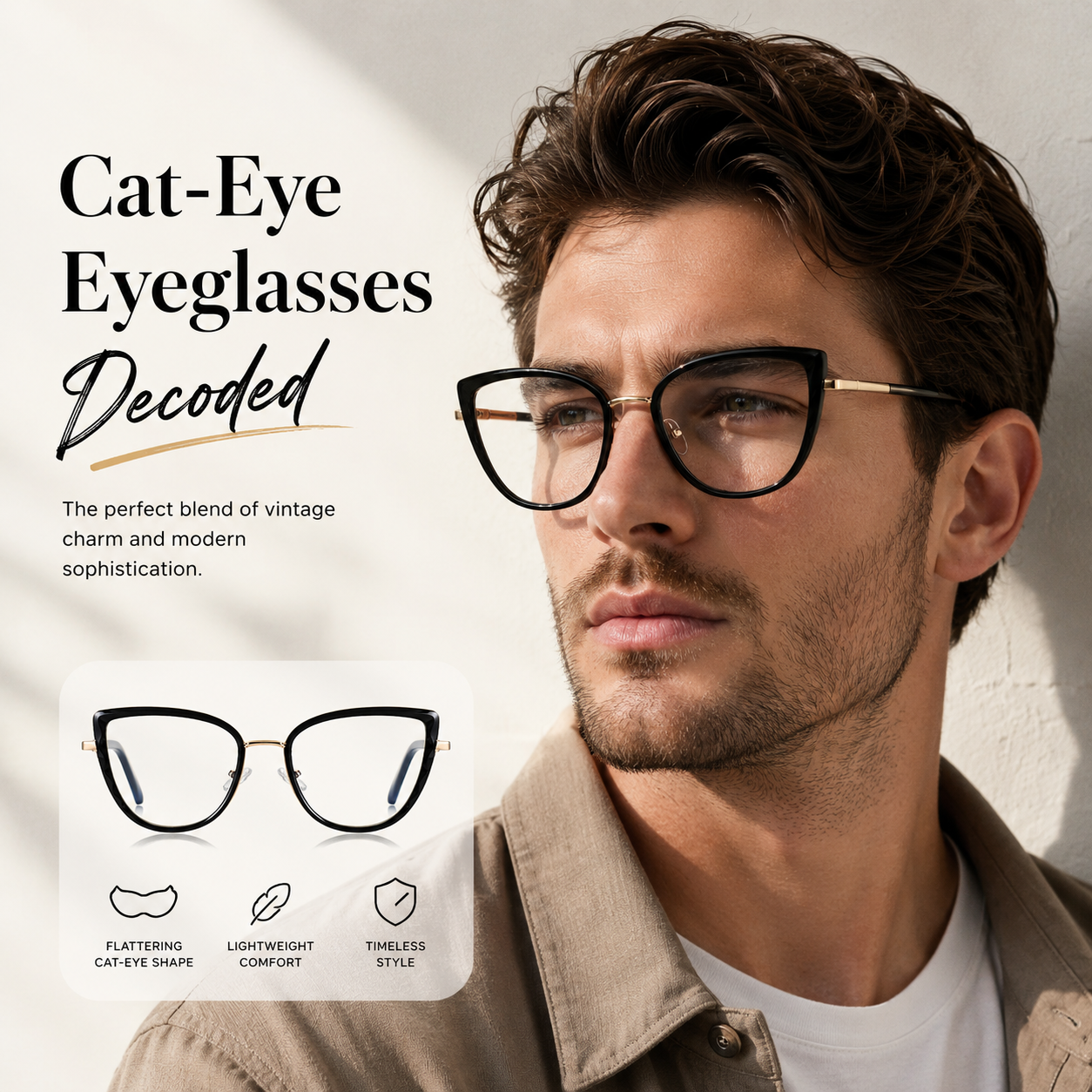
Part 4: Cat-Eye Glasses for Men — Yes, It's a Thing
The "cat-eye is for women" assumption is roughly five years out of date. Look at the eyewear on actors like Timothée Chalamet, Pedro Pascal in glasses-on press appearances, or any indie musician at a Brooklyn show, and you'll see the male version of the shape — usually a square cat-eye or browline cat-eye, in a dark acetate.
A few things that make cat-eye work on men's faces:
The upsweep should be subtle (10–15°), not theatrical. Men's facial structure already has a stronger horizontal line at the brow; you're adding a hint of lift, not reshaping the eye.
Wider frames work better than narrow ones. A men's cat-eye should be at least 52mm in lens width. Anything narrower starts to read like a women's frame on a male face.
Color matters more. Black, tortoise, gunmetal, and matte navy carry the shape well on men. Pastel and bright cat-eyes still read more feminine.
The bridge fit is critical. Most men's nose bridges are wider than women's. A women's cat-eye frame retrofitted for a man's face will sit too low — and a frame that sits too low loses the entire lift effect.
If you've never tried a cat-eye and you're a man reading this skeptically: start with a square cat-eye in dark tortoise. It's the version of the shape that's most easily mistaken for a "regular" frame at a glance — but it carries 90% of the lift effect.
Part 5: Material, Lens, and Fit — What Opticians Actually Care About
The shape gets the attention. These details decide whether you wear the frame for two months or two years.
Material: Acetate vs. Metal
Acetate cat-eyes are bolder, slightly heavier, and forgiving of strong prescriptions because the rim hides edge thickness. They're the right choice for the vintage and oversized sub-styles, and for any colorway with depth (Havana, milky tones, layered tortoise).
Metal cat-eyes are lighter, more architectural, and read more minimal. They're best for the soft and square sub-styles. They show prescription thickness more (the rim doesn't hide much), so opticians often recommend high-index lenses for metal cat-eye buyers.
Lens Considerations for Cat-Eye
The upsweep of a cat-eye frame affects how prescription lenses fit inside it more than most shoppers realize.
Progressives: Cat-eye frames have less lens height in the lower outer corner. This is fine for soft cat-eye, but oversized and classic vintage cat-eyes can compress the reading portion of a progressive lens. If you wear progressives, ask whether your chosen frame has at least 28mm of lens height at its center. Below that, the reading zone gets cramped.
High prescription: The wider outer corner of a cat-eye can amplify edge thickness on strong minus prescriptions. High-index 1.67 or 1.74 lenses keep the edge thin and the frame light.
Astigmatism with strong cylinder: The upsweep angle can interact with cylindrical correction in ways that affect peripheral vision. Standard cat-eye lens cuts are fine for most prescriptions, but if your cylinder is above -2.00, a lab note specifying "cat-eye geometry — confirm lens decentration" helps the optician center your lenses correctly.
Fit Issues to Watch For
In real fittings, these are the three problems we see most often with cat-eye buyers:
1.The outer corner pokes the temple or cheek. This happens when the frame width is too narrow for the face. The upswept corner has to go somewhere, and if there isn't space, it ends up against skin. Solution: size up half a step in frame width.
2.The bridge sits too high. Cat-eye bridges often sit higher than standard rectangles. If the frame pinches the bridge or the upsweep is sitting above your eye instead of around it, the frame is too small or the bridge is the wrong shape.
3.The temples splay outward at the corner. Cat-eye frames have more stress at the temple-to-frame joint than other shapes because the joint sits at the highest point of the upsweep. If a pair feels loose after a month, any optician — including ours via the Aoolia support ticket system — can re-tighten the hinge in under a minute.
Part 6: Care — The One Spot to Pay Attention To
Cat-eye frames have one specific weak point: the upper outer corner, where the upsweep terminates. This is where the frame is geometrically thinnest, where the hinge stress is highest, and where most cat-eye breakages happen.
Three habits extend a cat-eye's life:
Take them off with two hands. Pulling them off by one temple twists the upsweep. The acetate or metal will eventually fatigue at the joint.
Don't rest them upside-down on the points. The corners are the weakest part of the frame. Rest them on the lenses (face down) or in a case.
Get them adjusted every six months. Hinges on cat-eye frames loosen faster than on flat rectangles. A free adjustment from any optician keeps the upsweep aligned.
Quick Answers (Different From the Page FAQ)
Why do cat-eye glasses make my eyes look bigger?
They don't, technically — they create a visual upward extension that makes the eye area read as more lifted and open. Your eyes appear bigger relative to the rest of your face, but the actual eye size is unchanged.
What's the difference between cat-eye and butterfly glasses?
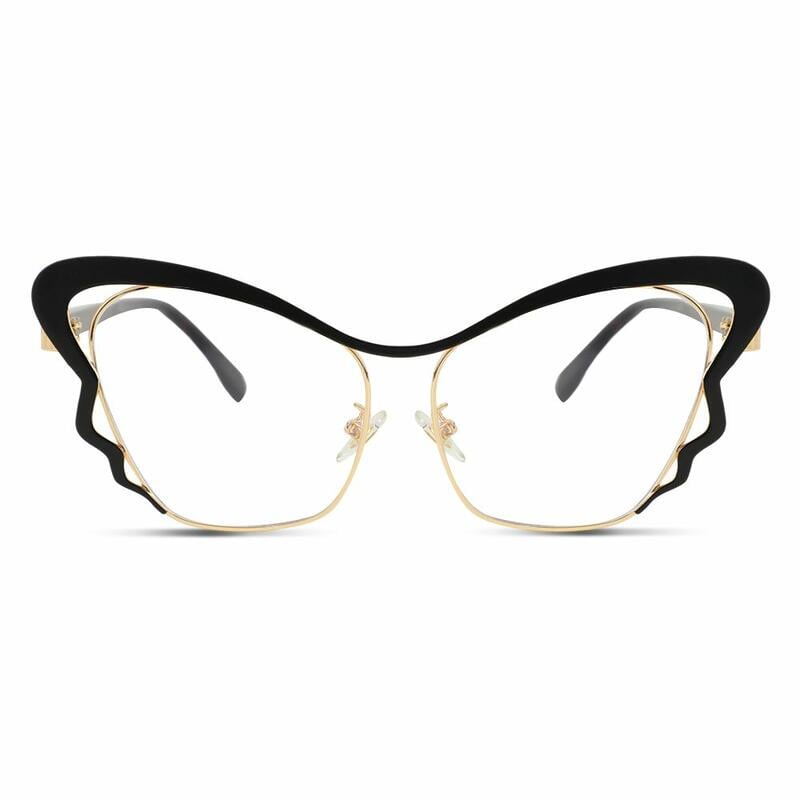
Butterfly frames have a more pronounced flare at both outer edges, often with a swooping lower line. Cat-eye frames upsweep only at the upper outer corner. Butterfly is a sunglasses shape; cat-eye works for prescription eyewear and sun.
Are oversized cat-eyes hard to wear with prescription lenses?
Only if your prescription is strong (above ±4.00) and you skip high-index lenses. With 1.67 or 1.74 high-index, even an oversized cat-eye stays light enough for all-day wear.
Can I get cat-eye glasses for reading only?
Yes — and cat-eye is one of the more flattering shapes for readers because the upsweep counters the slight downward tilt people use when looking through reading glasses. Look for cat-eye readers in the +1.00 to +3.00 range with a lighter metal or thin acetate.
Do cat-eye glasses work with bangs?
Yes, but the bang style matters. Curtain bangs and side-swept bangs flatter cat-eyes (both follow upward lines). Blunt straight bangs can compete with the upsweep — works best when the frame is a soft or square cat-eye rather than a dramatic vintage one.
What's the best first cat-eye frame to try?
For a first cat-eye, the safest bets are a soft cat-eye in tortoise or a square cat-eye in black acetate. Both carry the lift effect, both pair with almost any outfit, and both stop short of looking costume-y if cat-eye turns out to not be your thing.
Ready to See How One Looks on You
Every cat-eye style in the Aoolia cat eye glasses has a virtual try-on built into its product page. Start with the sub-style your face shape suggests above, but try at least two — the "lift effect" looks different in person than in a single front-on photo, and rotating between sub-styles is the fastest way to find the one your face actually likes.
Every prescription on every cat-eye order is reviewed by an in-house licensed optician before lenses are cut. If a frame and prescription combination looks problematic on our end (lens too heavy for the frame, progressive corridor too compressed, etc.), we'll reach out before shipping rather than letting you find out at home.
If you're new to cat-eye and want a personal recommendation, open a support ticket with your face shape and prescription. A real optician — not a chatbot — will reply with two or three specific frames to start with.