
Best Glasses for Face Shape: Find Your Best Fit

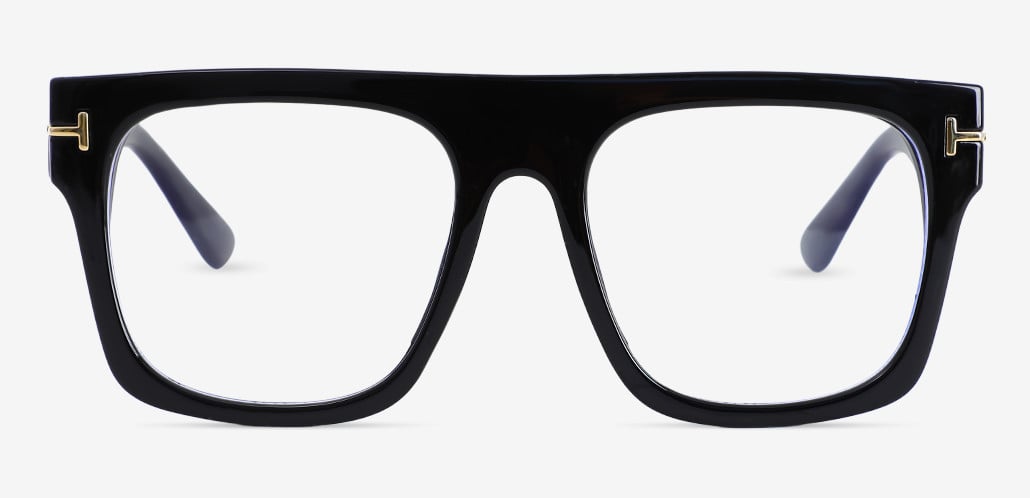

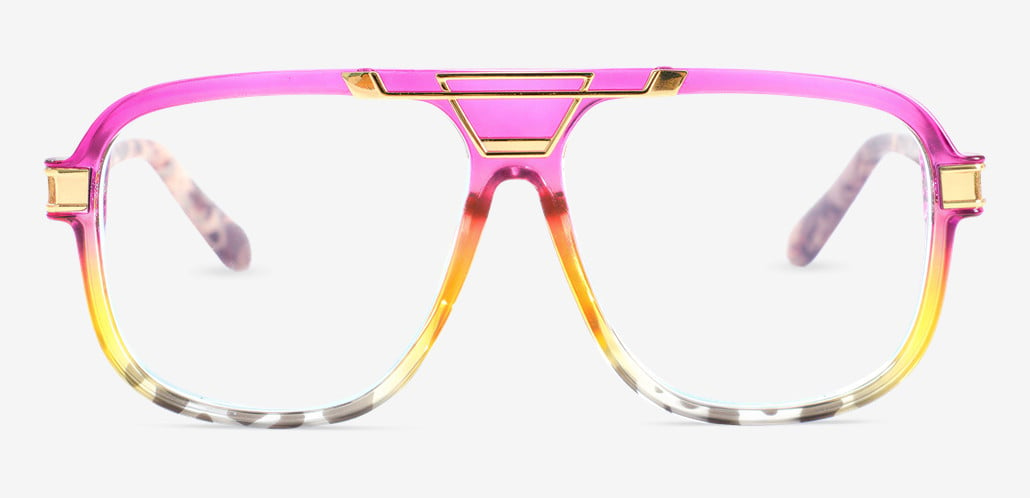

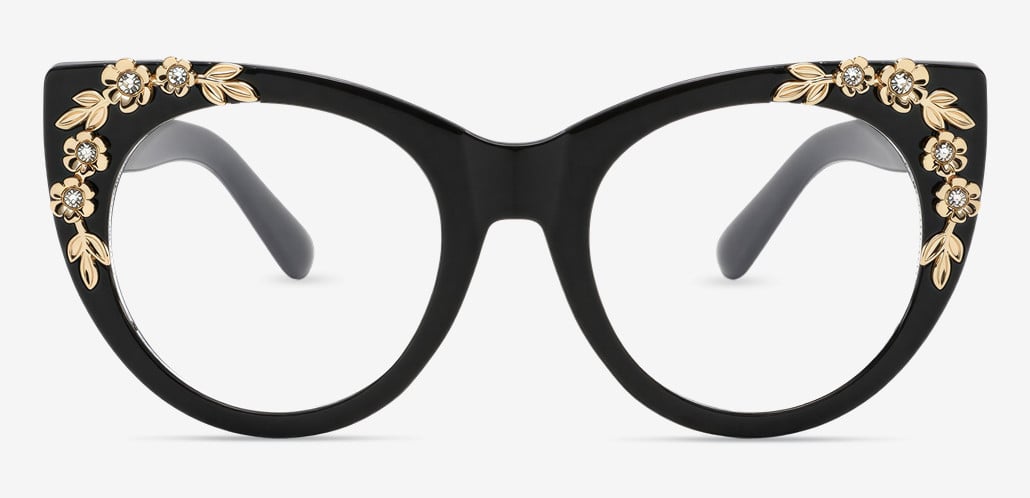

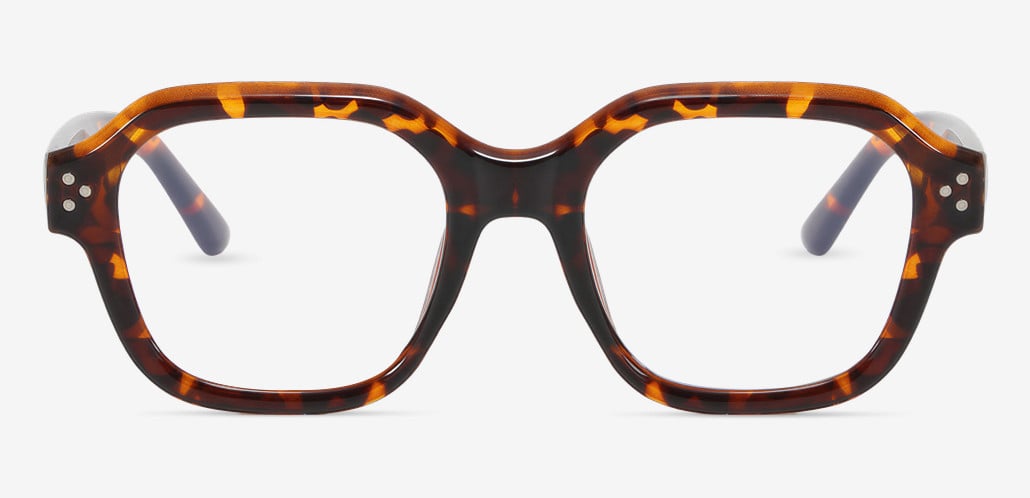
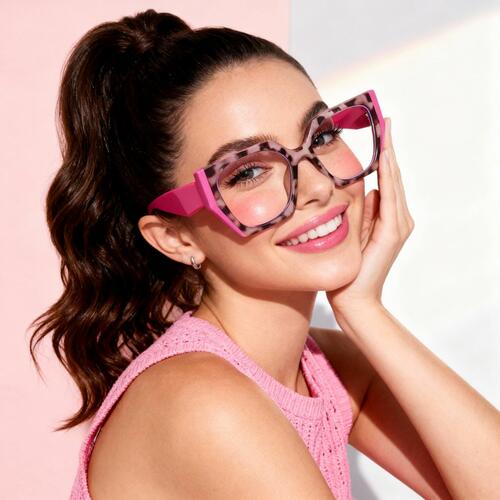


Best Glasses for Face Shape: Find the Right Frame by Shape, Proportion & Fit
Looking for the best glasses for face shape? Start with your face outline—but don't stop there. At Aoolia, we choose frames in three steps: face shape tells you where contrast or balance can help, frame proportions tell you how much visual space the glasses occupy, and fit measurements tell you whether they’ll actually sit correctly. Find your face shape below, compare the six most common profiles, then use Virtual Try-On to see the difference for yourself.
What's My Face Shape? Find Yours in 30 Seconds,Round Face,Face length and width are close, with full cheeks and a softly curved jaw. Start with frames that introduce clearer lines and structure.Square Face,Your forehead, cheekbones and jaw sit at similar widths, with a clearly defined jaw corner. Start by deciding how much you want your frames to soften those angles.Oval Face,Your face is longer than it is wide, with gently balanced proportions and a softly tapered jaw. Instead of asking what you're allowed to wear, decide what you want the frame to add.Heart-Shaped Face,Your upper face is wider and your jaw narrows toward the chin. Frame weight, bridge fit and lens depth often matter more than the silhouette name alone.Diamond Face,Your cheekbones are the widest point while the forehead and jaw are narrower. You can either build visual width higher on the face or soften the cheekbone angles.Long / Oblong Face,Your face is noticeably longer than it is wide. Lens height becomes especially important because deeper frames occupy more vertical space and break up facial length.
Round Face: Add Structure, Then Check the Proportions,Angular frames are a useful starting point for a round face, but “square” or “rectangle” alone doesn't guarantee a good result. A frame that stops well inside your cheekbones can actually make the face appear wider, while overly deep lenses may add more visual weight than expected. Start with rectangular, square, geometric or browline frames, then compare the total frame width and lens proportions before choosing.
Square Face: Choose Your Softening Level,Round and oval frames create the strongest contrast with a defined jaw, but they aren't your only options. A softly curved cat-eye, browline or even a square frame with lighter rims and softened corners can work when the proportions are right. At Aoolia, we treat “softening” as a scale rather than a rule—choose how much contrast you actually want.
Oval Face: Choose the Effect, Not the Permission,Oval faces are naturally balanced, which is why almost every guide says you can “wear anything.” That is technically true and practically unhelpful. Instead, decide what you want the glasses to do: add structure with rectangles, create a statement with geometric frames, soften the look with round lenses, or add lift with cat-eye styles. Then size the frame to your actual face rather than relying on the shape label.
Heart-Shaped Face: First Decide Whether It's Shape or Fit,A wider forehead and narrower chin can influence where visual weight feels balanced—but many problems blamed on a heart-shaped face are actually fit problems. Sliding usually points to the bridge, pinching or gapping points to total frame width, and a top-heavy look can come from lens depth and rim thickness. Solve fit first, then choose the visual effect you want.
Diamond Face: Two Goals, Two Different Frame Strategies,Diamond faces are widest through the cheekbones, but that doesn't mean there is one “best” frame list. One strategy is to add visual width higher on the face with browline, upswept cat-eye or stronger top rims. The other is to soften the cheekbone angles with oval, round, rimless or lighter frames. Pick the effect first, then check width and lens height.
Long Face: Check Lens Height Before Frame Shape,For a long or oblong face, the frame name can be misleading. Two rectangular frames may look completely different if one has a 32 mm lens height and the other has a 39 mm lens height. Deeper lenses occupy more vertical space and can visually break up facial length, which is why lens height should be checked before you fall in love with a shape.
Why Face Shape Is Only the First Step,Total Frame Width:Your frame should relate to the widest part of your face. A recommended shape in the wrong width can still look undersized or oversized.Lens Height:Lens height changes how much vertical space the frame occupies. It is particularly important for long faces and for people with prominent cheekbones.Bridge Width:If glasses slide, the issue may be the bridge rather than your face shape. Use the measurements from a pair that already fits as your starting point.Rim Weight:A thick dark upper rim and a thin metal rim may share the same silhouette but place visual weight in completely different areas.A shape name describes the outline. It doesn't describe how that frame actually occupies your face.
Read More