
Best Glasses for Oval Face: Beyond the "You Can Wear Anything" Myth
If you have an oval face and you've been told you can wear any glasses style, you've received both a blessing and a curse. The truth is more nuanced, and understanding why certain frames work better than others will transform how you choose eyewear.
The oval face shape has long been considered the "ideal" canvas for eyewear, and opticians often tell customers with oval faces they have unlimited options. While there's truth to this versatility, it oversimplifies a more interesting reality: not all frames will be equally flattering, and the best glasses for oval face shapes are those that work with your specific proportions rather than against them.
Understanding What Makes an Oval Face Different
Before we can identify the best glasses for oval face shapes, we need to understand what we're working with. An oval face has balanced proportions where the forehead is slightly wider than the chin, cheekbones are the widest point, and the face length is approximately one and a half times its width. Think of it as the geometric mean between all other face shapes.
This balance is precisely why oval faces can accommodate various frame styles. There are no dramatic features that need softening or enhancing—no square jaw requiring curve softening, no narrow chin needing width balancing. Your face already has natural harmony.
The actual challenge with oval faces: Because you can wear many styles, the risk isn't finding frames that work—it's choosing frames that work best. The difference between "acceptable" and "exceptional" is understanding proportion, not just shape compatibility.
Why "Best" Doesn't Mean "Most Popular"
When searching for the best glasses for oval face shapes, most guides point you toward aviators, wayfarers, and rectangular frames. These are indeed solid choices, but recommending them without context is like suggesting someone wear "blue" without considering their complexion, hair color, or the occasion.
The problem with generic recommendations is that two people with oval faces can look dramatically different. One person might have high cheekbones and a narrow forehead, while another has softer features and fuller cheeks. Both are technically oval, but the best glasses for each will differ.
The Proportion Question
Here's what rarely gets discussed: the best glasses for oval face shapes should maintain—not disrupt—your face's inherent balance. This means considering three critical proportions that most guides ignore.
First, frame width should align with your face width at the temples. Not slightly wider, not slightly narrower—aligned. When frames extend significantly beyond your temples, they create visual width your face doesn't have, making features appear smaller by comparison. When they're too narrow, they make your face look wider than it is.
Second, the vertical depth of the frames should relate to the length of your face. People with longer oval faces can handle deeper frames, while those with more compact proportions look better in shallower styles. A frame that's too deep on a shorter face will overwhelm it; too shallow on a longer face will look insignificant.
Third, and this is where it gets interesting: the bridge width needs to work with your nose width and the distance between your eyes. Get this wrong, and even perfectly sized frames will look off. Too narrow a bridge on a wider nose creates pinching and discomfort; too wide creates gaps and a poorly anchored feeling.
Moving Beyond Shape: Material and Weight Distribution
The discussion about the best glasses for oval face shapes usually stops at frame shape—aviator, rectangular, cat-eye. But material choice affects how frames sit on your face and how they direct visual attention.
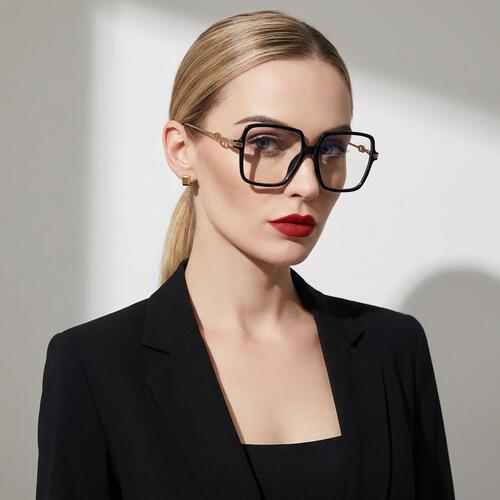
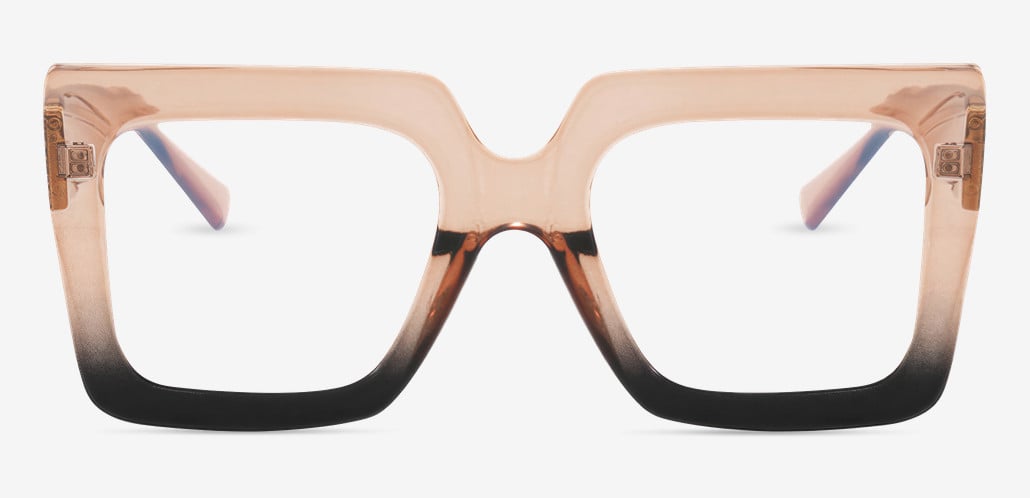
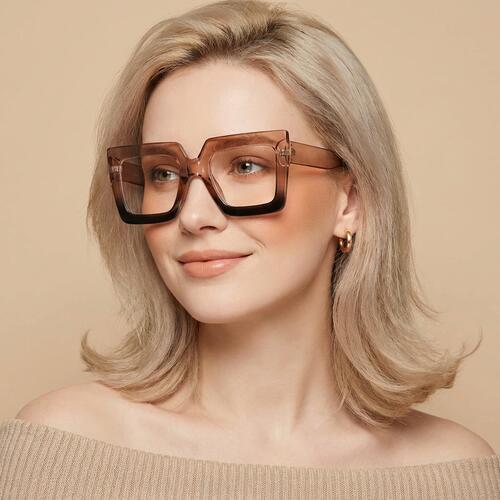
Thick acetate frames create bold statements and draw attention to the upper face. If you have prominent cheekbones and want to emphasize them, heavy top-heavy frames will do that. But if your features are softer, thick frames can overpower rather than complement.
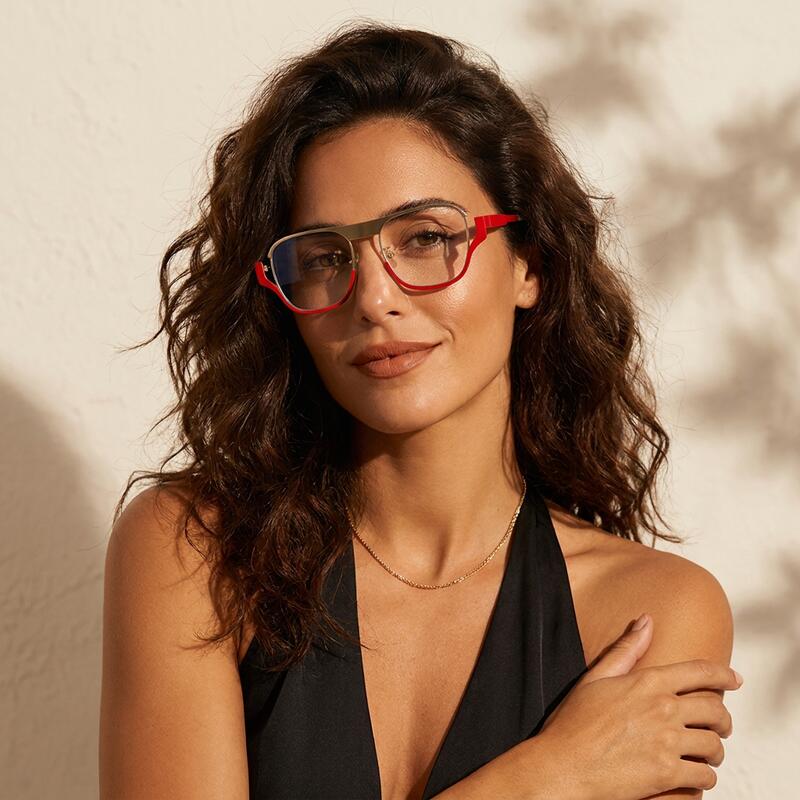
Metal frames, particularly thin ones, create subtle framing. They're ideal when you want glasses that enhance rather than announce. For professional environments where eyewear should be present but not prominent, thin metal rectangles or ovals often work better than bold acetate designs.
Consider this: a titanium frame weighs about 20 grams, while an acetate frame can weigh 35-50 grams. That difference affects not just comfort but how frames sit on your face throughout the day. Heavier frames settle differently after hours of wear, often sliding down noses or creating pressure points.
The Styles That Actually Work (and Why)
Now we arrive at specific styles. But rather than simply listing options, let's examine why certain frames become the best glasses for oval face shapes in different contexts.
Aviators: The Reliable Default
Aviators work on oval faces because their teardrop shape mirrors facial curves without adding angularity. The key is size—oversized aviators can overwhelm smaller faces, while standard aviators might look insignificant on larger faces. The best aviators for oval faces typically have the bottom lens edge ending just above the cheekbone, creating a natural stopping point that doesn't interfere with facial movement or smile lines.
What makes aviators particularly effective is their adjustability. Most aviators have nose pads that can be fine-tuned to match your bridge width and nose shape. This customization potential is why they're often recommended as among the best glasses for oval face shapes—they can be personalized to exact specifications.
Rectangular Frames: Structure Without Harshness
Rectangular frames add definition to oval faces through geometric contrast. Where your face has curves, rectangles provide angles. This creates visual interest without disrupting balance. The challenge is avoiding frames that are too rectangular—purely horizontal rectangles can make oval faces look longer, while frames with slight vertical depth maintain better proportion.
Modern rectangular frames often feature softened corners, creating what's sometimes called "soft square" shapes. These work exceptionally well because they provide structure while maintaining approachability. For professional settings, these are frequently the best glasses for oval face shapes because they convey authority without appearing severe.
Round Frames: When Curves Meet Curves
Round frames on oval faces create an interesting dynamic. Because both the face and frames are curved, the result is harmony—but it can also lack definition. This is why round frames work best when other elements provide structure: angular haircuts, strong eyebrows, or defined cheekbones.
The key with round frames is sizing. Small round frames can look precious or costume-like, while oversized round frames risk looking like the frames are wearing you. Medium-sized rounds in classic colors tend to hit the sweet spot for most people seeking the best glasses for oval face shapes in a vintage or intellectual aesthetic.
Cat-Eye Frames: Emphasis and Elevation
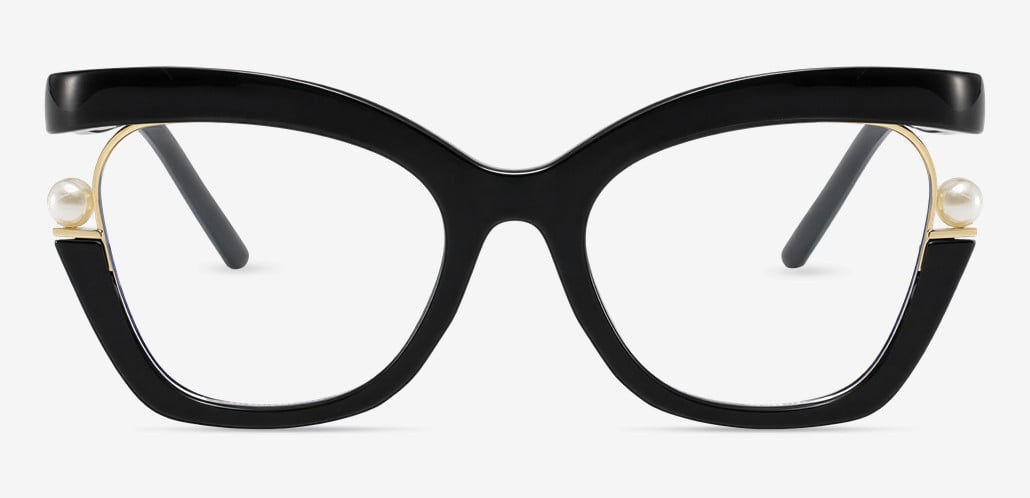
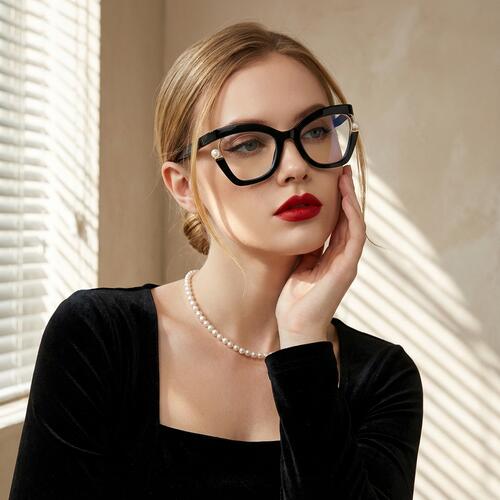
Cat-eye frames work by drawing attention upward and outward, creating lift and emphasizing cheekbones. On oval faces, they're particularly effective because they enhance existing balance rather than attempting to create it. The upswept outer edges follow the natural line from cheekbone to temple, creating continuity.
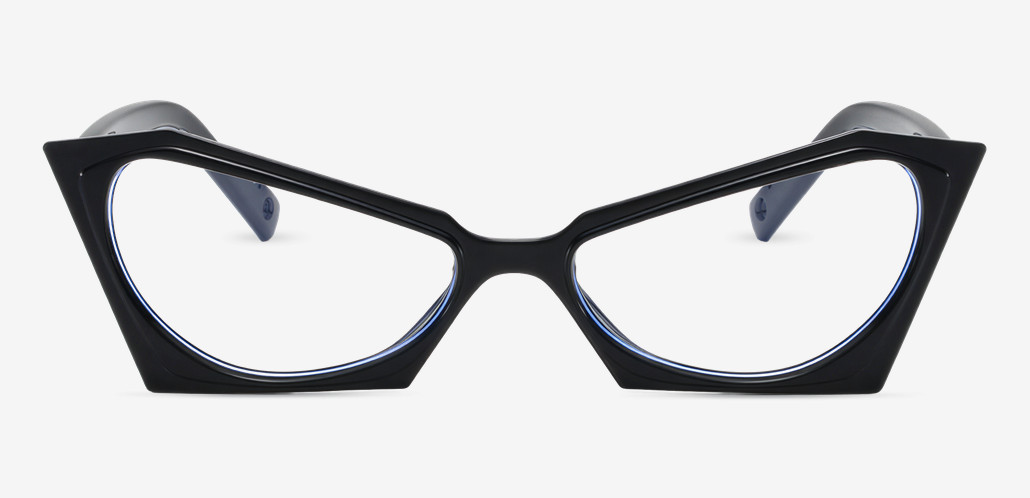
However, cat-eyes require consideration of degree. Subtle cat-eyes with gentle lifts work for professional environments and daily wear. Dramatic cat-eyes with pronounced angles make bold statements suitable for creative industries or evening wear. Choosing between them depends less on whether they're the best glasses for oval face shapes and more on context and personal style.
Common Mistakes Even with Oval Faces
Having an oval face doesn't make you immune to poor eyewear choices. These are the mistakes that turn "acceptable" frames into "why don't these look right?" situations.
Ignoring Bridge Fit
Many people focus entirely on frame shape and forget about the bridge—the part that actually holds glasses on your face. Asian-fit frames, for instance, aren't just marketing; they're designed for lower nose bridges and prevent frames from sitting on cheeks. If you've ever had glasses slide down constantly or touch your cheeks when you smile, bridge fit is likely the culprit.
The best glasses for oval face shapes will fit your specific bridge structure. This is why virtual try-on technology, while helpful for general shape assessment, can't replace actually trying frames. Bridge fit affects not just comfort but how the frames sit relative to your eyes, which changes how the entire frame looks on your face.
Choosing Frames for Current Fashion Over Timeless Proportion
Eyewear trends change, but facial proportions don't. Ultra-thin metal frames might be trending, but if they're too delicate for your features, they won't be the best glasses for your oval face regardless of what's fashionable. Similarly, oversized frames might be having a moment, but oversized on the wrong face becomes costumey.
This doesn't mean ignoring trends—it means adapting them to your proportions. Want oversized frames? Choose them in proportion to your face size, not just "the biggest available." Want minimal frames? Ensure they still provide enough visual weight to balance your features.
Forgetting About Hair and Overall Aesthetic
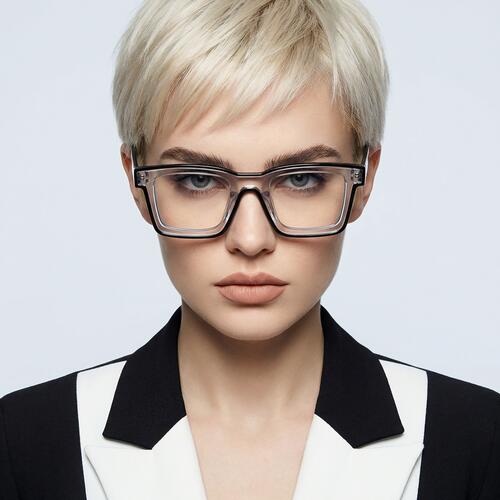
Glasses don't exist in isolation—they're part of your entire presentation. Short hair changes how frames frame your face, while long hair can balance bolder frames. A pixie cut might make large frames overwhelming, while the same frames with shoulder-length hair create pleasing contrast.
Similarly, your typical clothing style matters. If you dress minimally in neutrals and clean lines, bold patterned frames will look out of place. If your aesthetic is maximalist and layered, minimal frames might disappear. The best glasses for oval face shapes will work within your existing aesthetic rather than fighting against it.
The Technical Details That Matter
Choosing the best glasses for oval face shapes involves some technical specifications that rarely get adequate attention. These aren't exciting details, but they're the difference between glasses you wear happily for years and glasses that stay in a drawer.
Lens Width and Total Frame Width
Glasses have three measurements, usually printed inside the temple: lens width, bridge width, and temple length (for example, 52-18-145). These numbers matter more than frame style. The lens width multiplied by two, plus the bridge width, gives you total frame width. For most oval faces, total frame width should be 125-145mm, but this varies with individual face size.
A 52mm lens width works for most people with average facial proportions. Smaller faces often look better in 48-50mm lenses, while larger faces might prefer 54-56mm. These millimeters seem trivial but create noticeable differences in proportion and comfort.
Temple Length and Ear Positioning
Temple length (the arms of the glasses) typically ranges from 135-150mm. Too short and they pinch; too long and they slide. But beyond comfort, temple length affects how frames sit on your face. Frames that balance at the wrong point on your ears can tilt forward or backward, changing the angle at which others see your frames and affecting your vision through progressive or multifocal lenses.
Pantoscopic Tilt and Wrap
These terms sound technical, but they describe how frames angle relative to your face. Pantoscopic tilt is the downward angle from top to bottom—proper tilt improves vision and appearance. Wrap is the inward curve of the frames, which affects both peripheral vision and aesthetics. The best glasses for oval face shapes will have appropriate tilt and wrap for your facial structure, typically subtle on dress frames and more pronounced on sports eyewear.
Special Considerations for Prescription Lenses
If you need prescription lenses, frame selection becomes more complex. Higher prescriptions create thicker lenses, which are more noticeable in larger frames. For strong prescriptions (above ±4.00), smaller frames keep lenses thinner and lighter. This is why people with significant prescriptions often find rimless or semi-rimless frames disappointing—the lens edges become more visible.
Progressive lenses require adequate vertical height—typically at least 30mm—to accommodate the gradual lens power change. This means some trendy shallow frames, even if they'd otherwise be the best glasses for oval face shapes, become impractical for progressive wearers.
High-index lenses (1.67 or 1.74) reduce thickness significantly but come with trade-offs in chromatic aberration and cost. For prescriptions between ±2.00 and ±4.00, standard 1.5 index lenses in properly sized frames often work fine. Beyond ±4.00, high-index becomes worth the investment.
The Color Dimension
Frame color affects perception of the best glasses for oval face shapes more than most people realize. Colors create different impressions and work differently with various skin tones, hair colors, and eye colors.
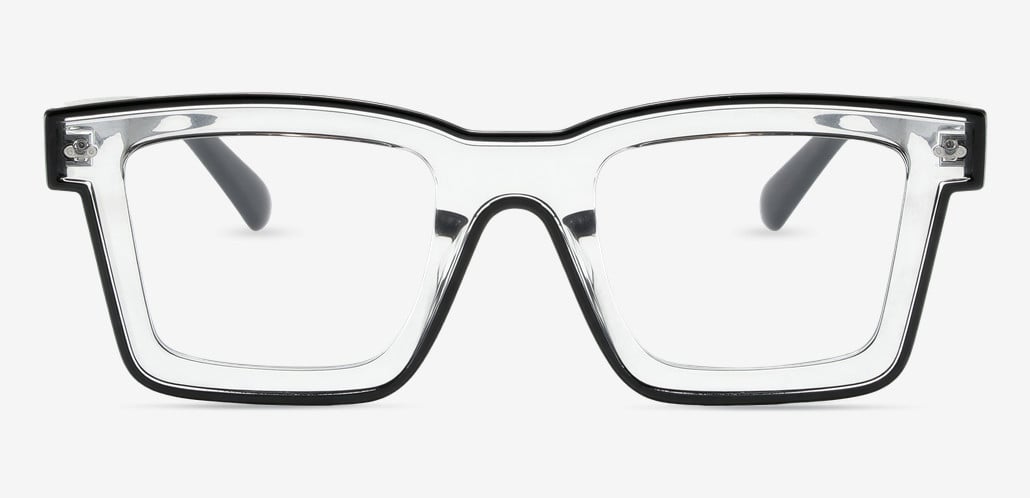
Black frames create strong definition and work across many contexts, but on some complexions they can look harsh. Tortoiseshell offers warmth while maintaining professionalism. Clear or transparent frames minimize visual weight, making them ideal when you want glasses present but not prominent.
For metal frames, gold tones complement warm skin tones and brown or green eyes, while silver suits cool skin tones and blue or gray eyes. Rose gold sits between them, working with more complexions than either extreme. These aren't rigid rules—personal preference matters—but they're useful starting points.
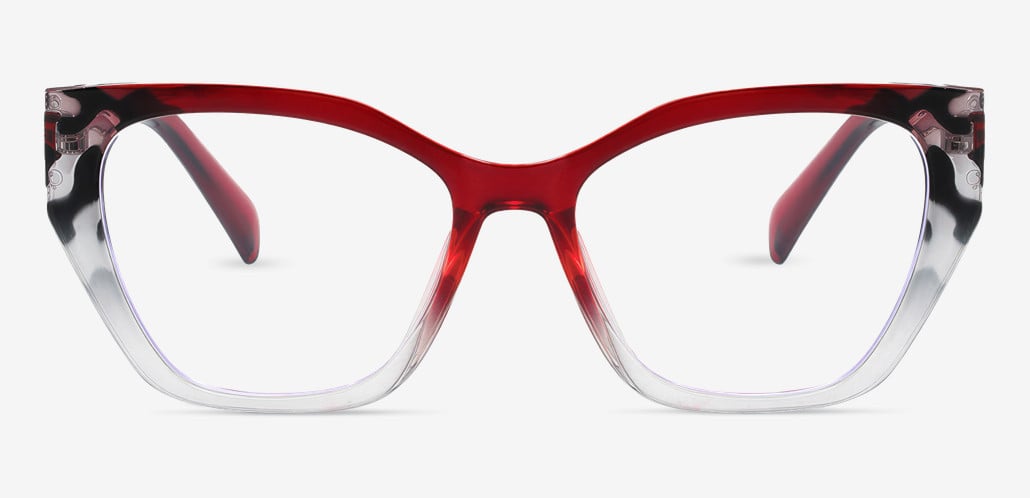
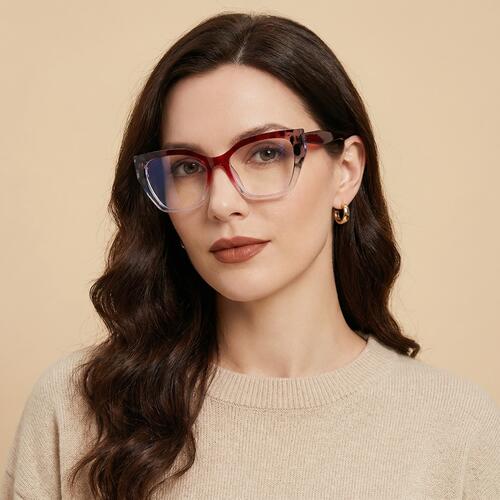
Colored frames (burgundy, navy, forest green, teal) can work beautifully on oval faces because the balanced proportions prevent colored frames from overwhelming features. The key is ensuring the color complements your typical wardrobe and doesn't clash with your natural coloring.
Finding Your Best Rather Than "The Best"
The search for the best glasses for oval face shapes ultimately becomes personal. Two people with technically similar oval faces might look best in completely different frames because of individual features, personal style, lifestyle needs, and preferences.
Rather than looking for universal "best" glasses, consider what "best" means for you. Best for professional credibility might mean classic rectangles in traditional colors. Best for creative expression might mean bold acetate in unique shapes. Best for active lifestyles might prioritize durability and secure fit over pure aesthetics.
The advantage of having an oval face isn't that every frame works equally well—it's that you have genuine options across categories. Where someone with a square face might be limited to round or oval frames, and someone with a round face needs angular frames for definition, oval faces can explore widely within practical constraints of proportion and fit.
The Try-On Process
Identifying the best glasses for oval face shapes theoretically is one thing; actually selecting them is another. When trying on frames, bring someone whose judgment you trust and whose aesthetic sense you respect. What looks good in the mirror might look different to others—particularly if you're seeing yourself straight-on but others see you from angles.
Try frames in your typical environment. Boutique lighting flatters everything. See how frames look in natural daylight, harsh office fluorescents, and evening light. Notice how they feel after 15 minutes—initial comfort can fade as pressure points develop.
Take photos in different lighting and review them later. Sometimes what seemed perfect in the store looks wrong in photos, or vice versa. Photos also let you see how frames photograph—relevant in an era where video calls and photography are common.
Maintenance and Longevity
The best glasses for oval face shapes are ones you'll actually wear consistently. This means considering maintenance requirements. Acetate frames require less adjustment but can become loose at screws over time. Metal frames need occasional nose pad replacement but hold adjustments longer.
Spring hinges cost more initially but prevent damage from accidentally sitting on glasses or over-extending temples. For people who frequently remove glasses, this durability investment pays off. For those who wear glasses all waking hours, standard hinges work fine with careful handling.
Consider warranty and replacement policies. Quality frames from reputable manufacturers often include warranties against manufacturing defects. Some retailers offer replacement programs that might matter if you're prone to losing or damaging glasses.
When to Have Multiple Pairs
Because oval faces can accommodate various styles, maintaining multiple pairs makes sense—not just as backup but for different contexts. Professional frames for work, casual frames for weekends, prescription sunglasses for outdoors, and perhaps blue-light filtering frames for extended screen time.
Multiple pairs also solve the proportion-versus-occasion dilemma. The technically best glasses for your oval face proportions might not match your desired aesthetic for all situations. Rather than compromising, having options lets you optimize for both proportion and context.
Final Thoughts
Searching for the best glasses for oval face shapes shouldn't feel overwhelming despite the considerations involved. The framework is straightforward: understand your specific proportions, consider your lifestyle and aesthetic, prioritize proper fit, and choose within those parameters based on personal preference.
The "you can wear anything" advice isn't wrong—it's incomplete. You can wear many things successfully, but some will work better than others. The difference between adequate and excellent comes down to attention to proportion, fit, and integration with your overall presentation.
Your oval face gives you flexibility most face shapes don't have. Use it wisely by focusing on frames that not only fit your face shape but suit your specific facial features, lifestyle needs, and personal style. That's where you'll find not just good glasses, but the best glasses for your oval face.