


















Filters
Shape
Color
Material
Rim
Size
NotSure
Feature
Prescription Type
Price
Glasses For Diamond Face Shape
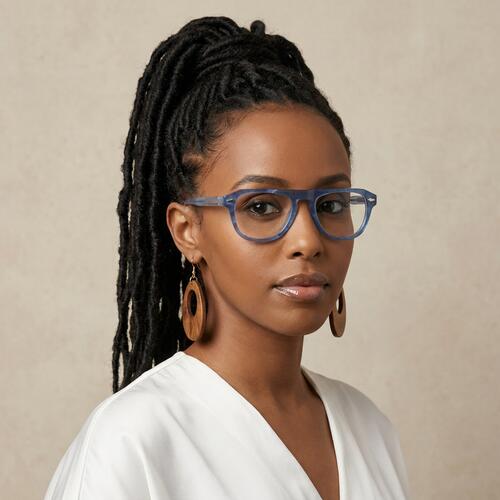
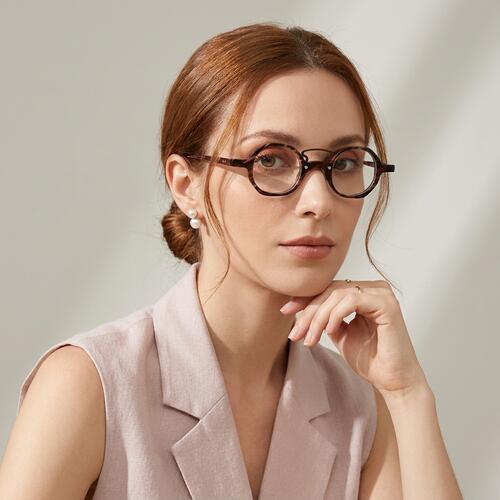
A diamond face is widest at the cheekbones, with a narrower forehead and a tapered chin. That single fact changes what to look for: frames that carry their visual weight up top and keep their lower edge clear of the cheekbone. Every frame below is tagged by where its weight sits, so you can filter for it directly instead of guessing from a shape name.
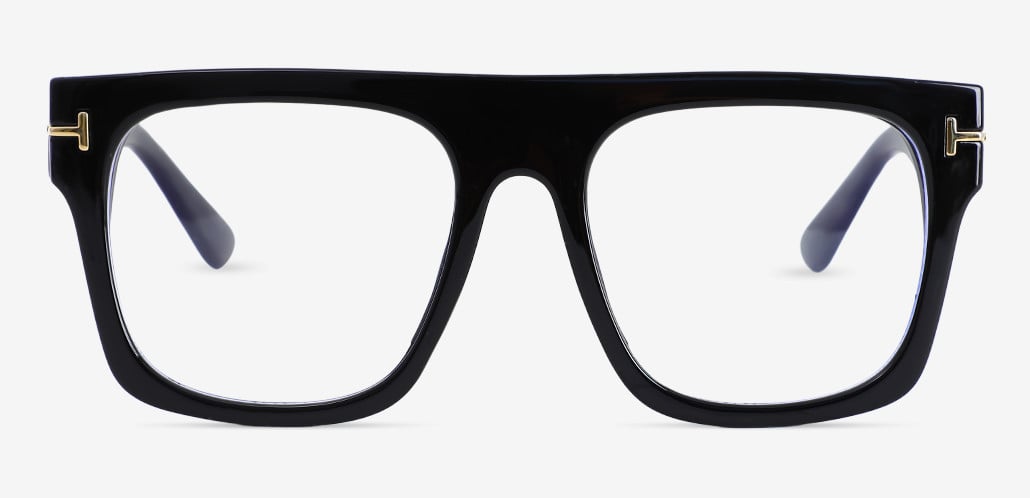
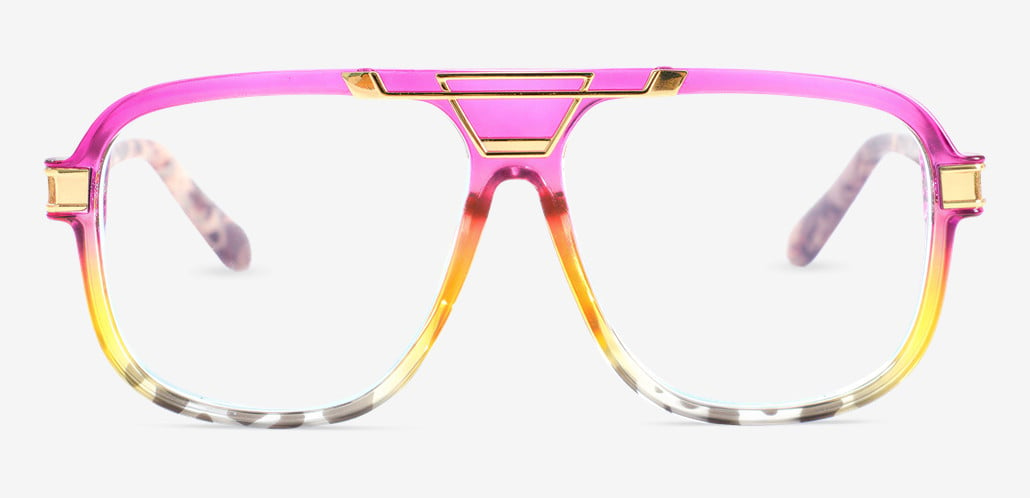
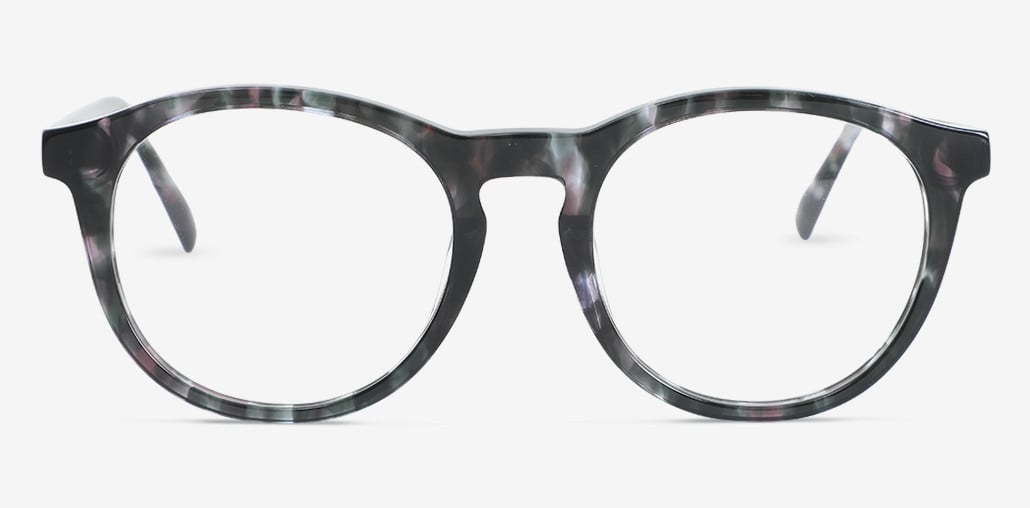
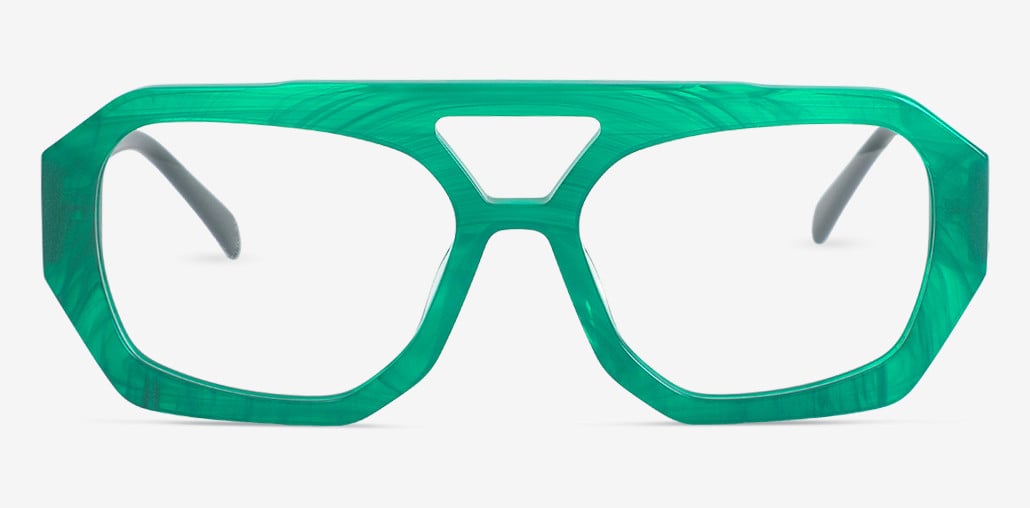
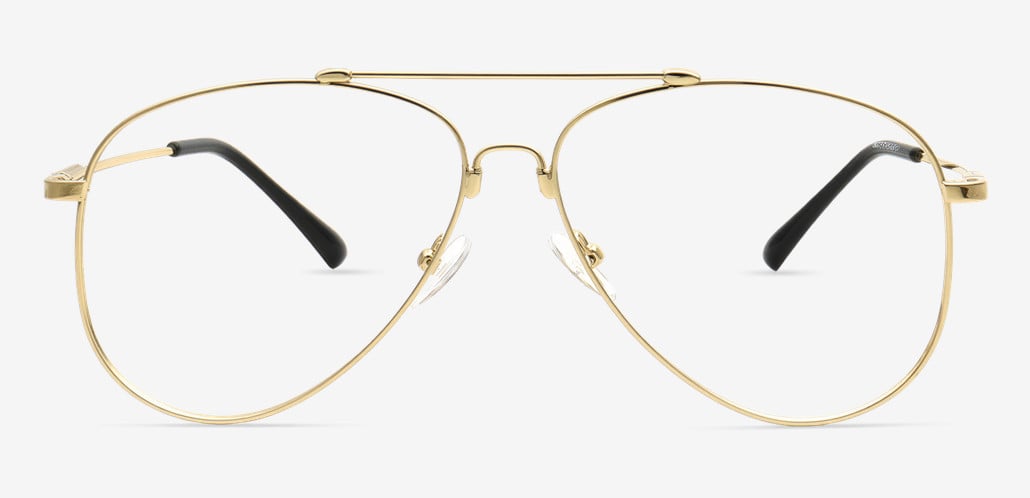
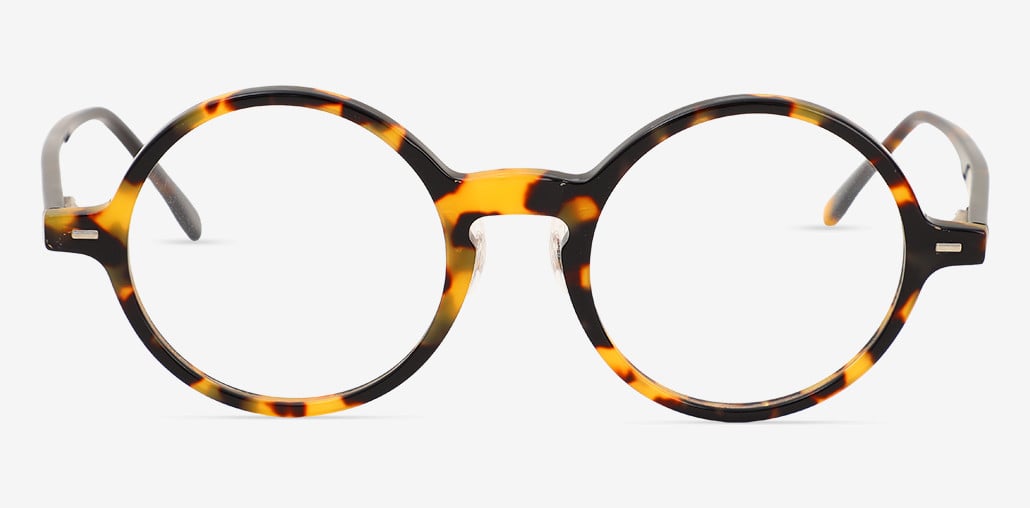
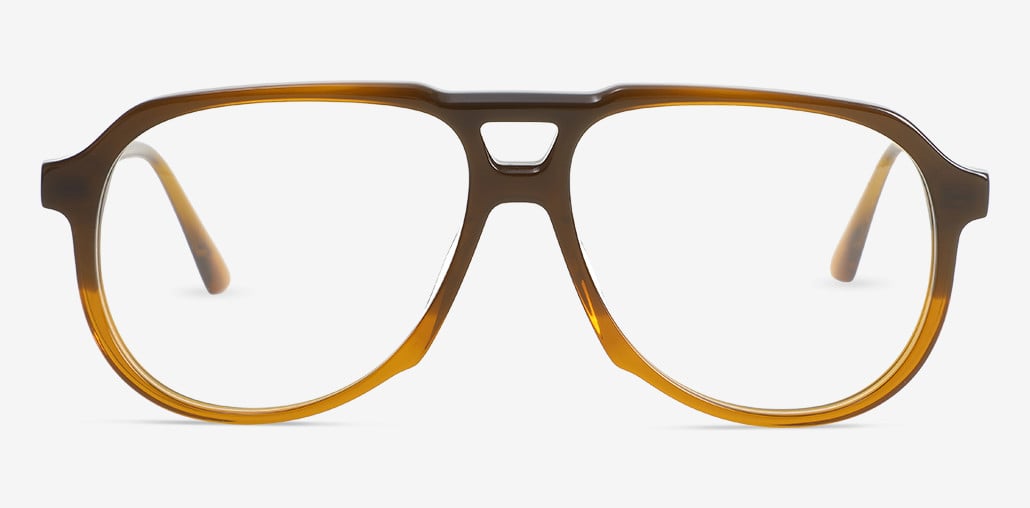
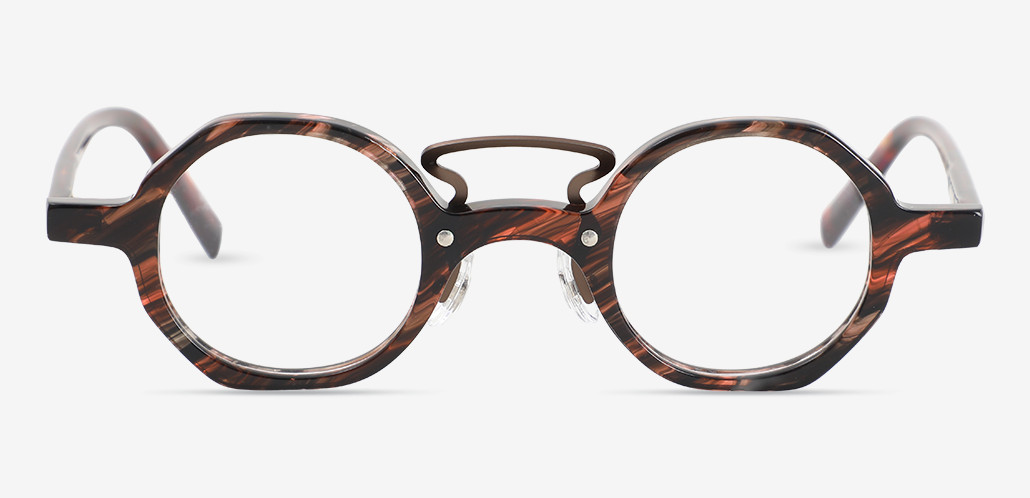
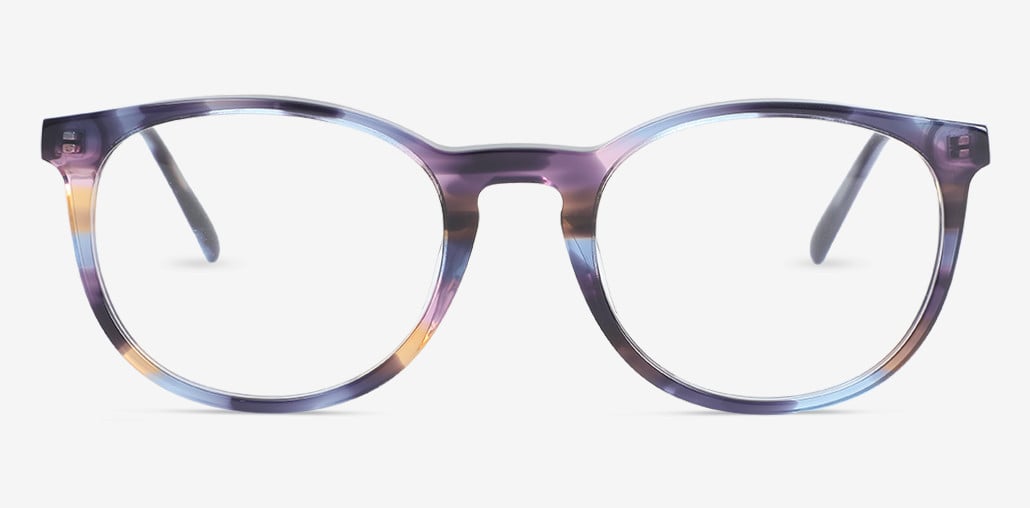
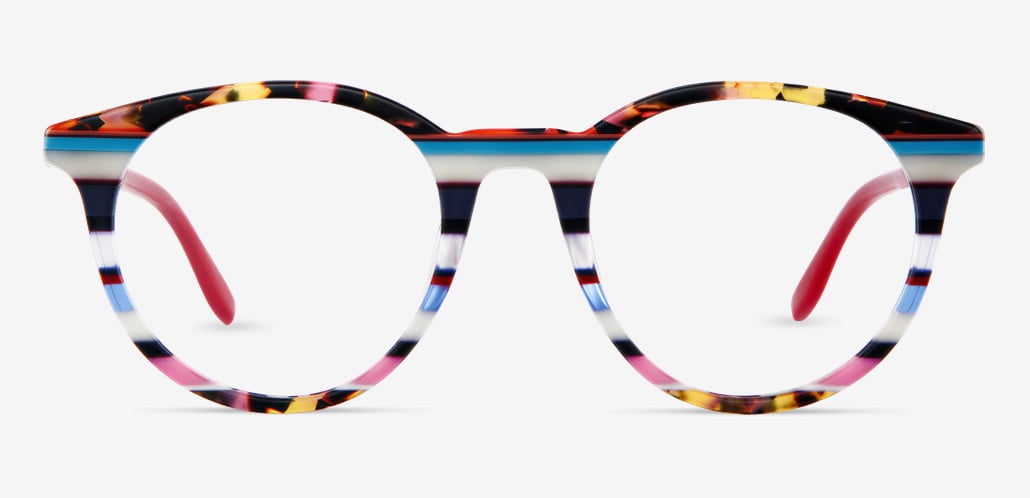
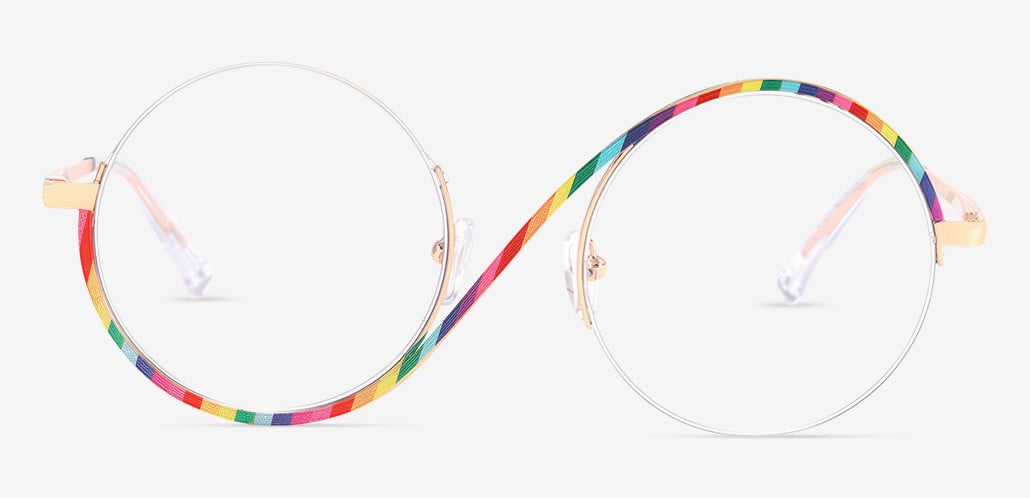
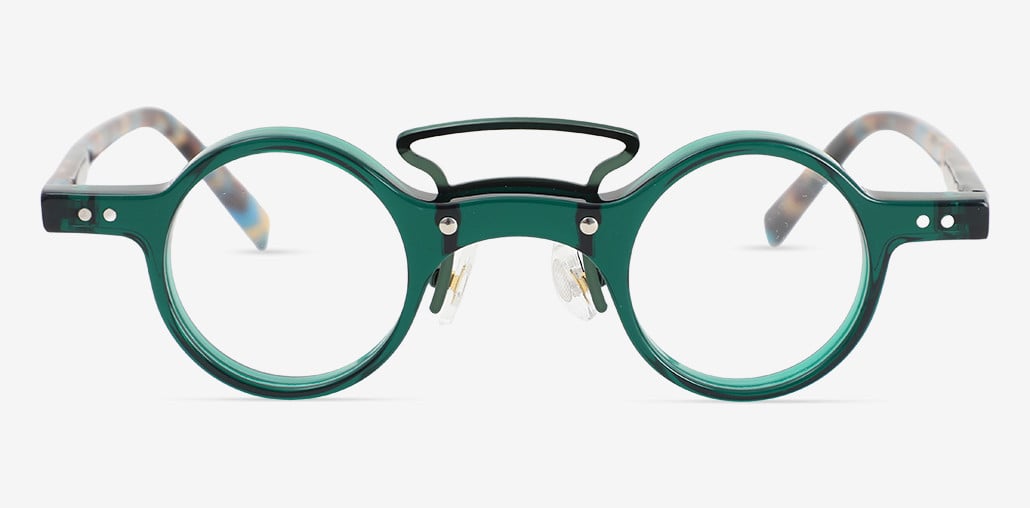
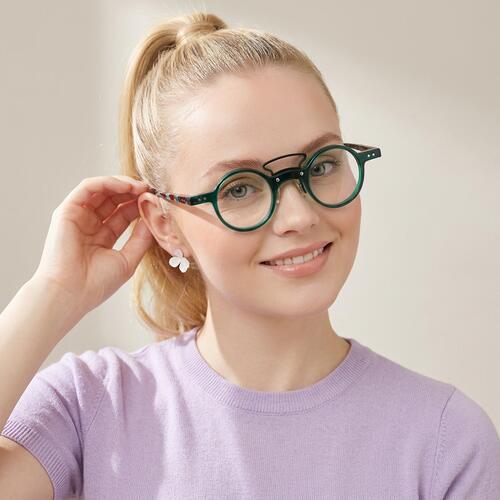
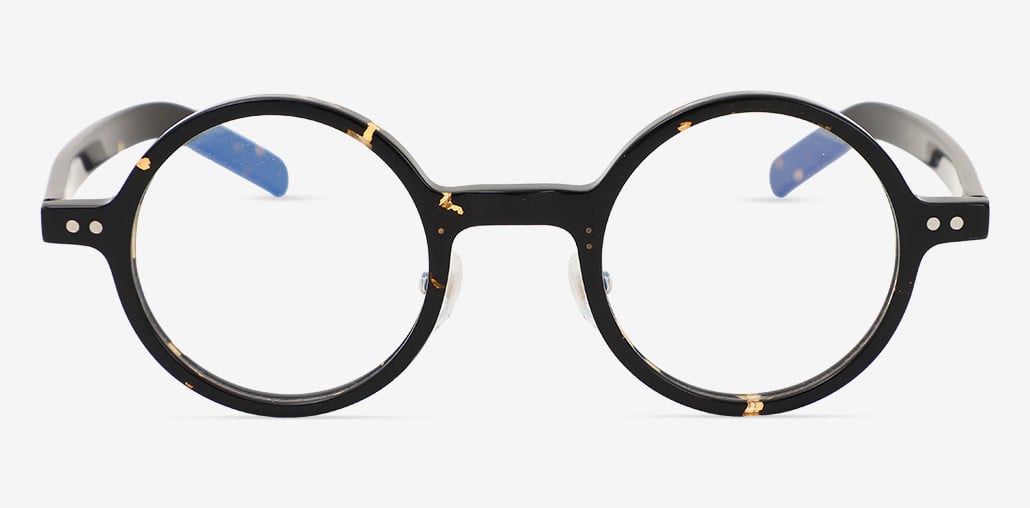
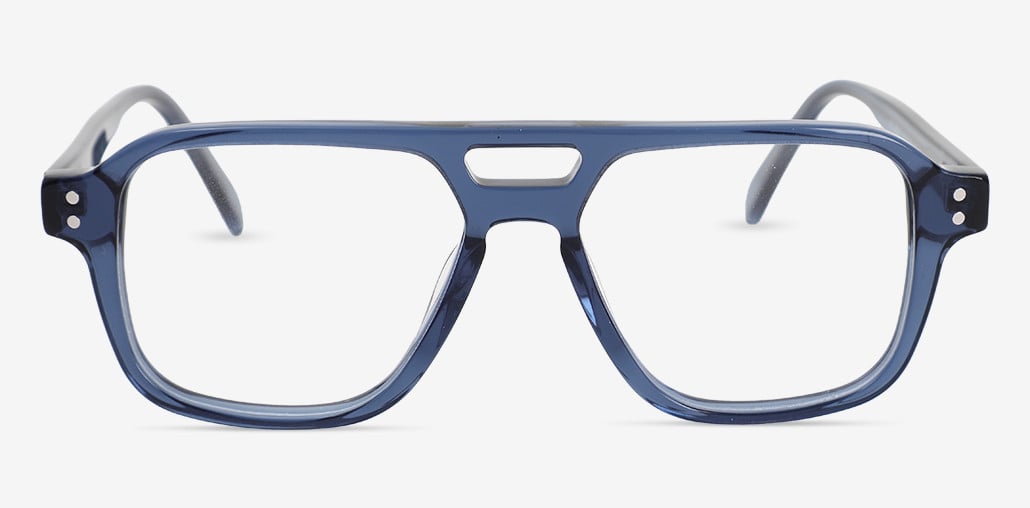
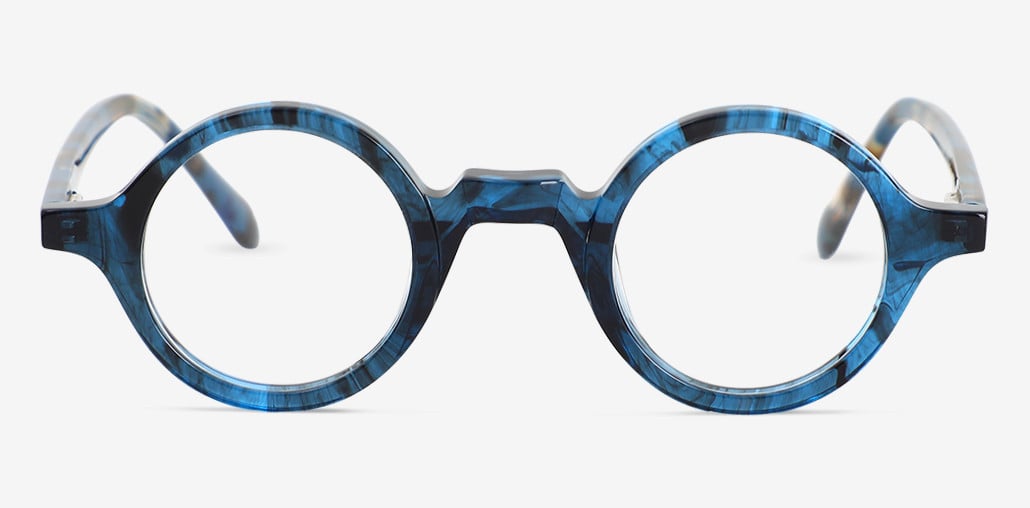
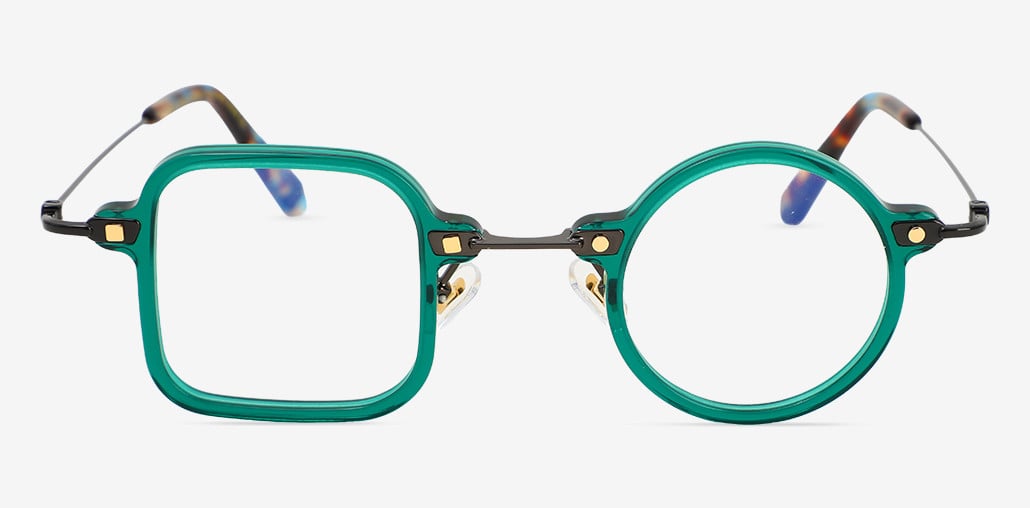
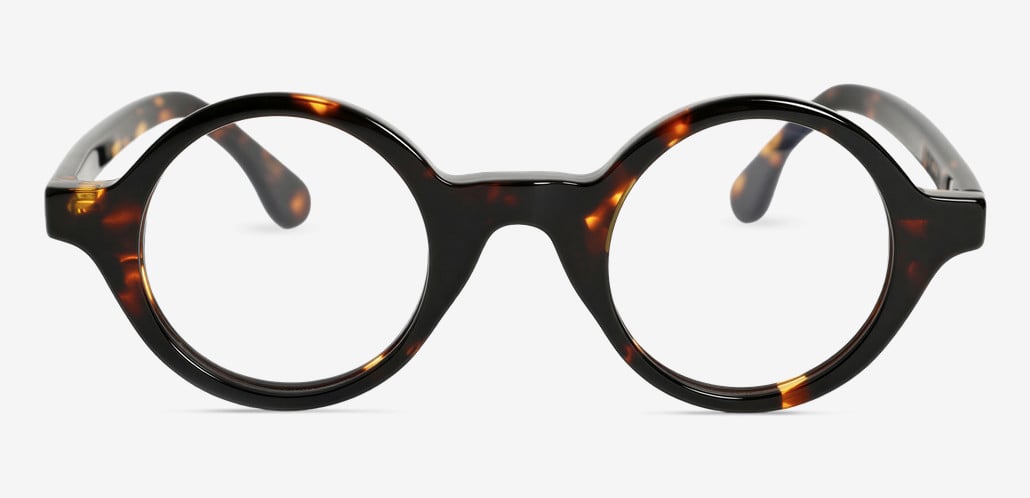
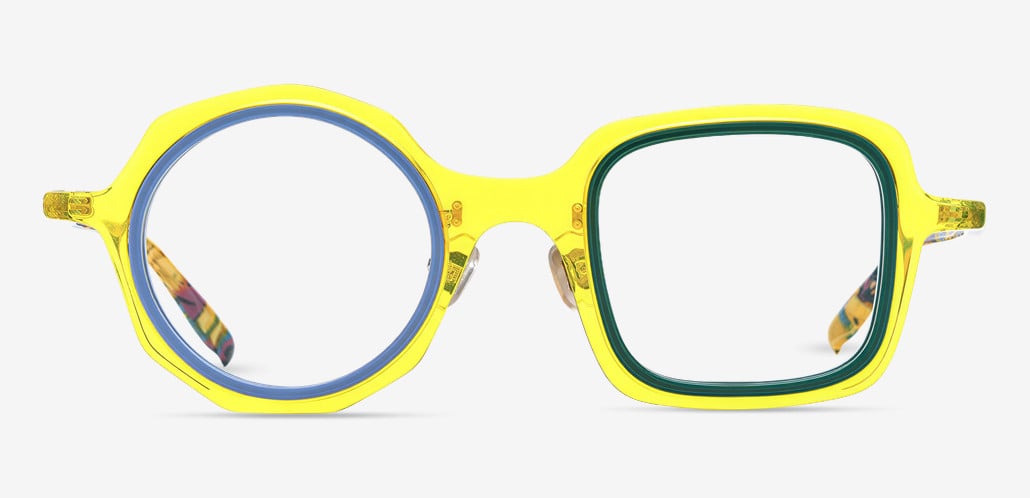
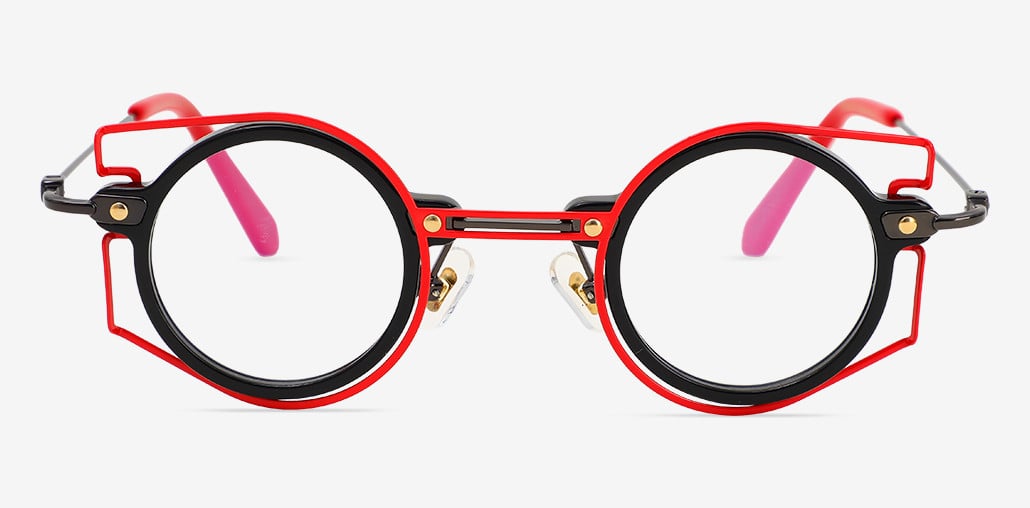
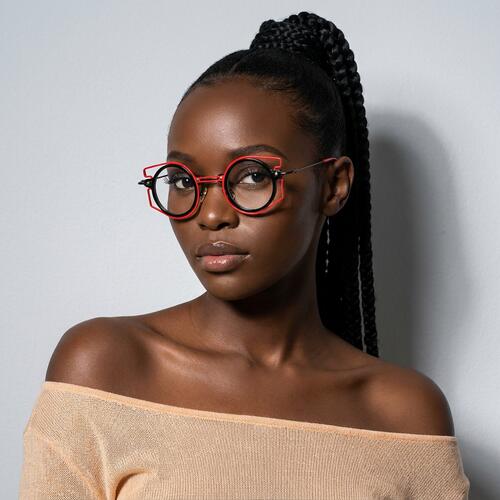
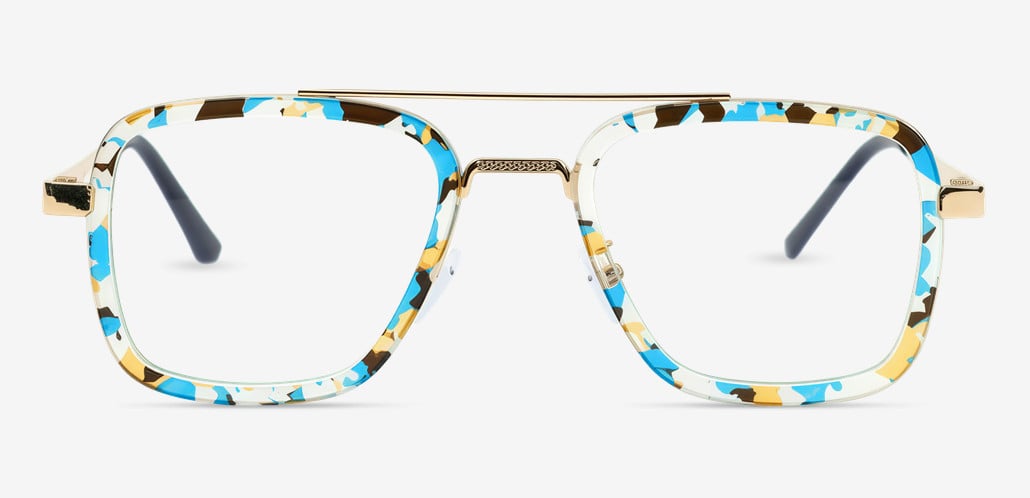
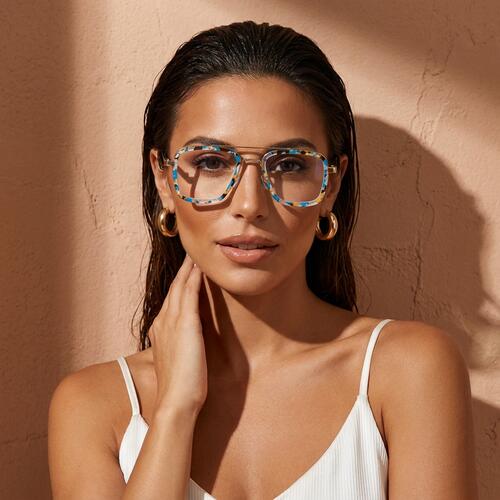
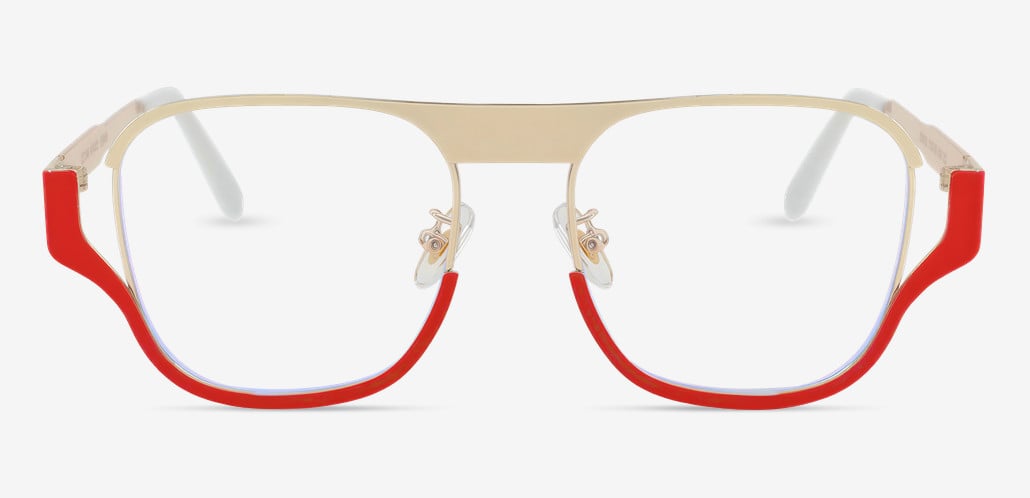
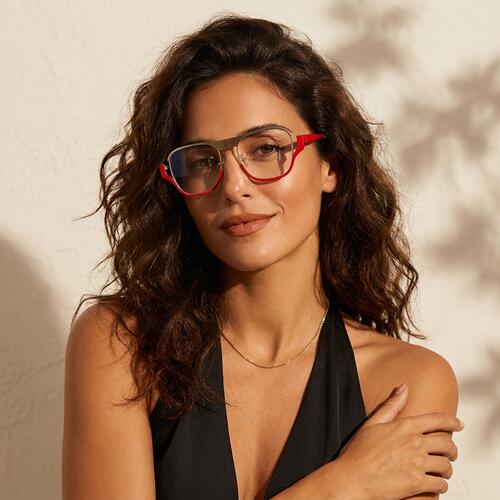
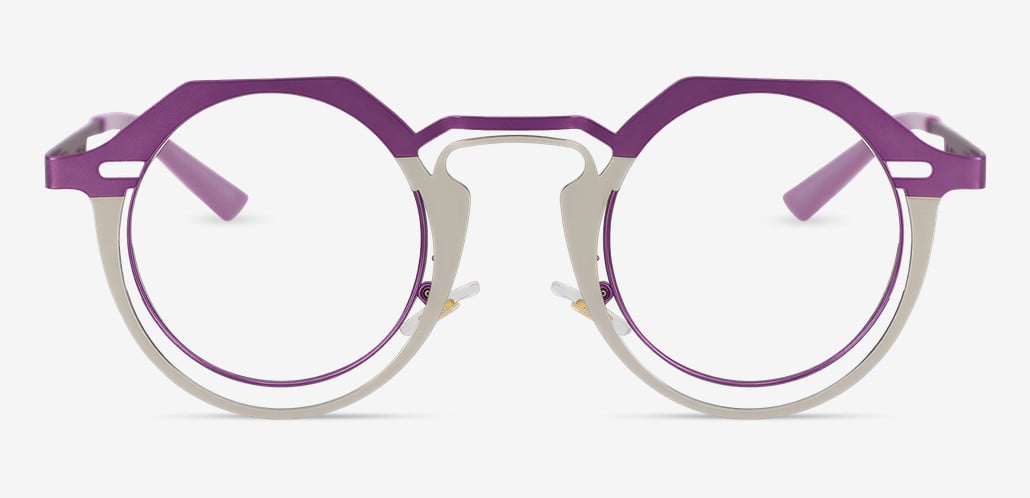
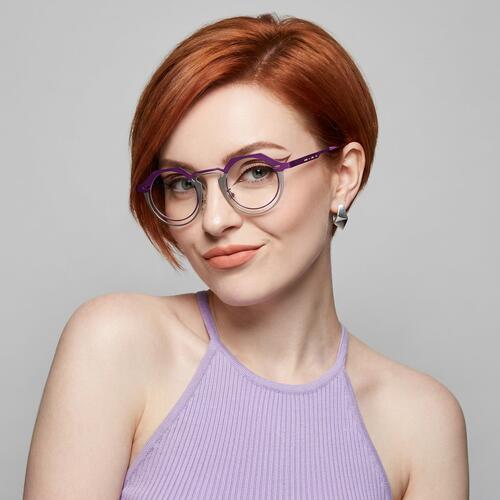
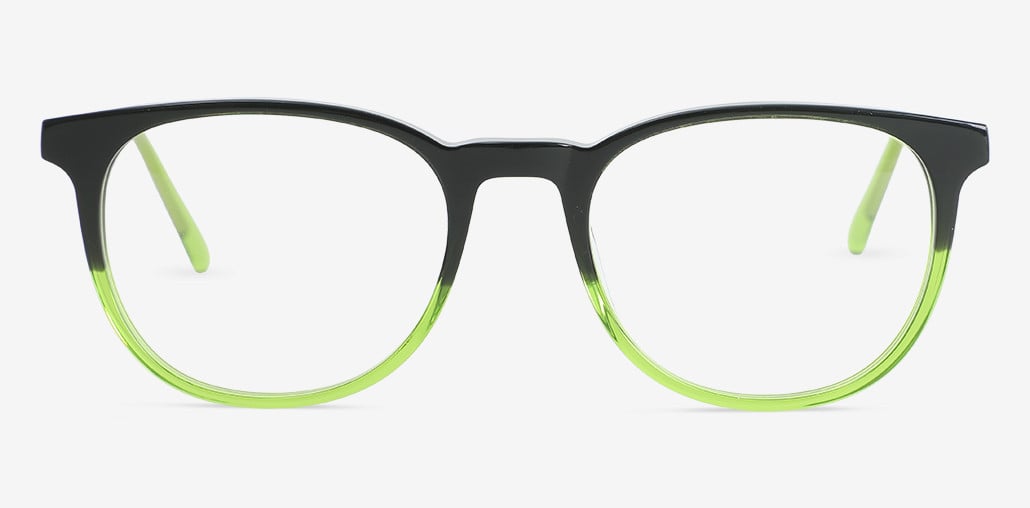
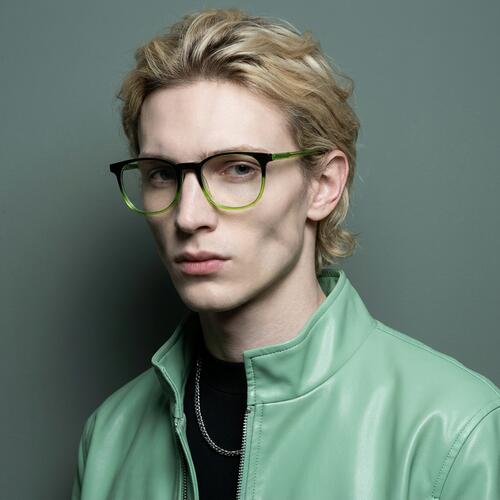
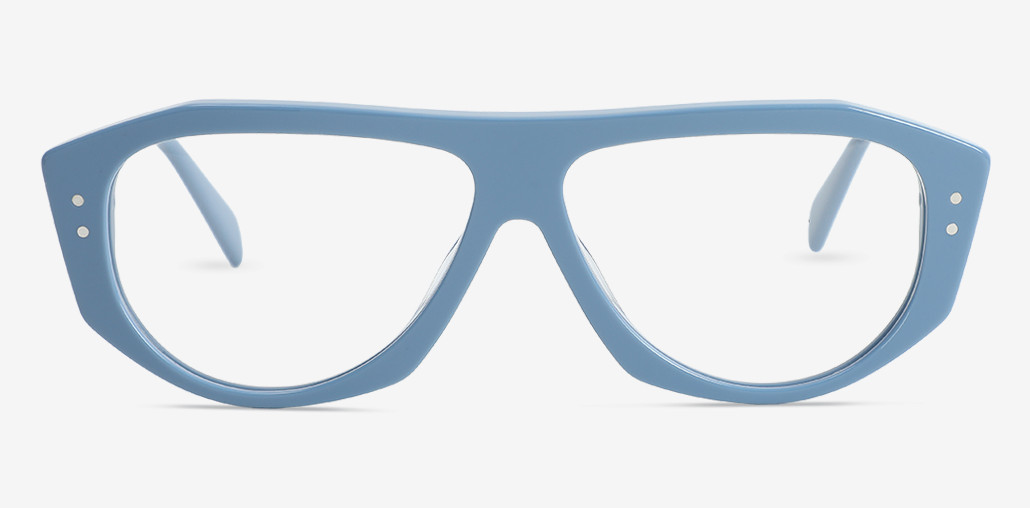
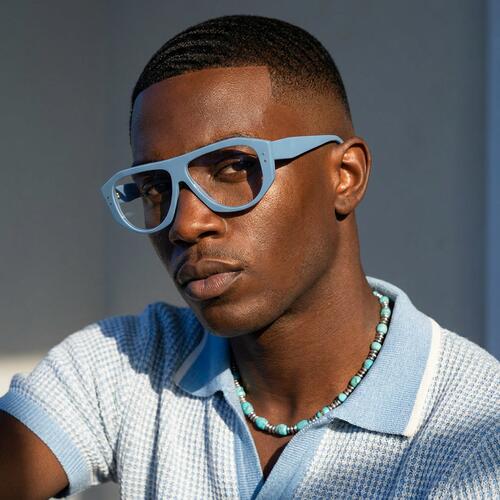
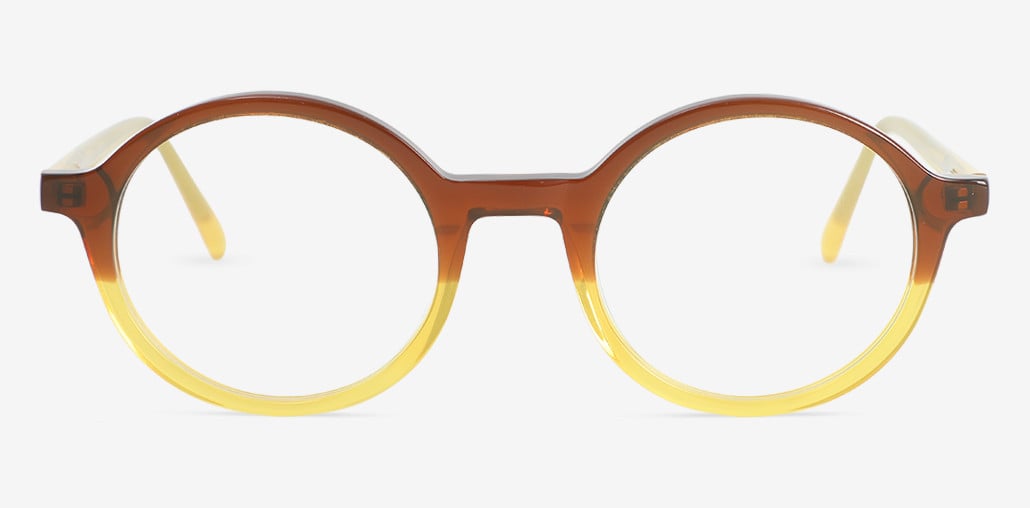
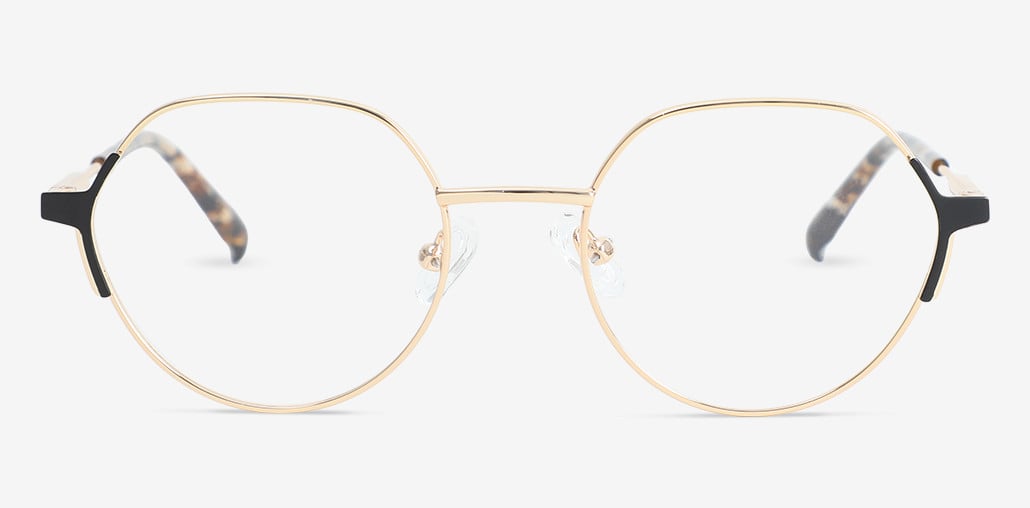
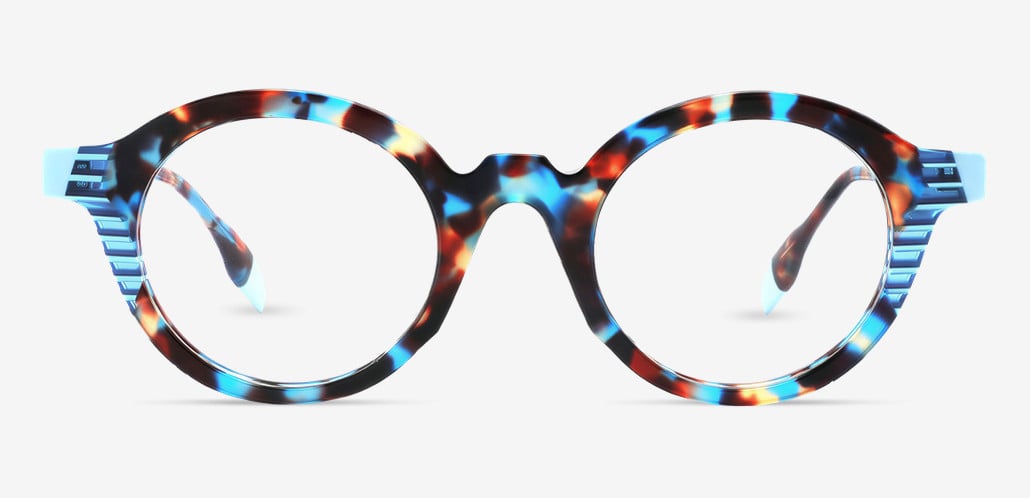
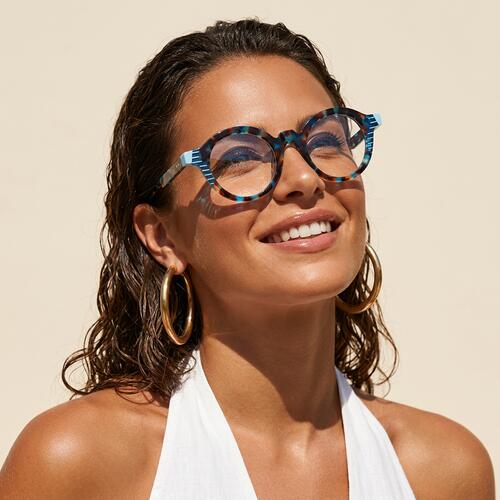
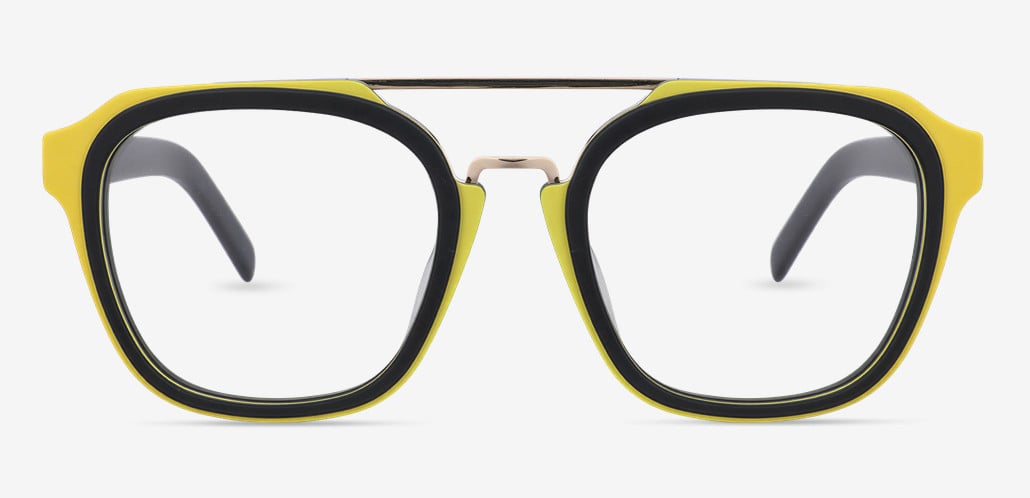
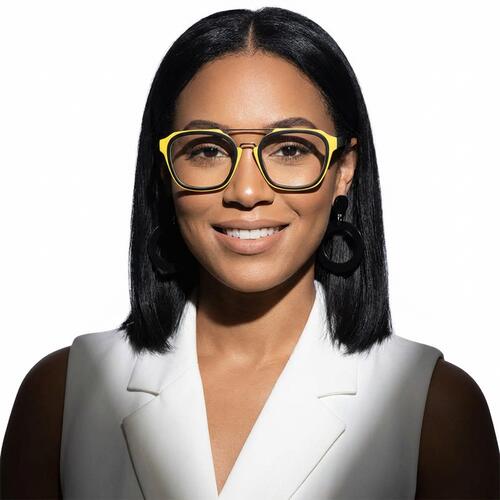
How to Choose Glasses for a Diamond Face Shape,Start with where the frame carries its weight, not its shape name,Shape labels are a rough shortcut. Two frames both called cat-eye can behave completely differently on a diamond face — one lifts the eye upward, the other sits heavy along the lower rim and drags attention down toward the cheekbones.What separates them is visual weight. On this page every frame is tagged Top-Weighted or Balanced. Top-Weighted frames put their thickest line, boldest color, or strongest detail along the upper rim: browline styles, upswept cat-eyes, and metal frames with a top bar. Balanced frames — even-rimmed rounds,ovals, and rimless designs — add softness without adding weight anywhere in particular. Both work. Frames that load their weight along a deep, flat lower rim are excluded here.
Match the frame's widest point to your forehead, not your cheekbones,The most common miss on a diamond face is a frame that's too narrow across the top. Because the forehead is the narrow part of the face, a frame that stops short of the temples makes the upper third look narrower still, and the cheekbones take over the whole picture. Aim for a total frame width that reaches your temples or extends a few millimetres past them. Every Aoolia product page lists total frame width in millimetres — compare it against a pair you already own that sits right, rather than guessing from a photo.
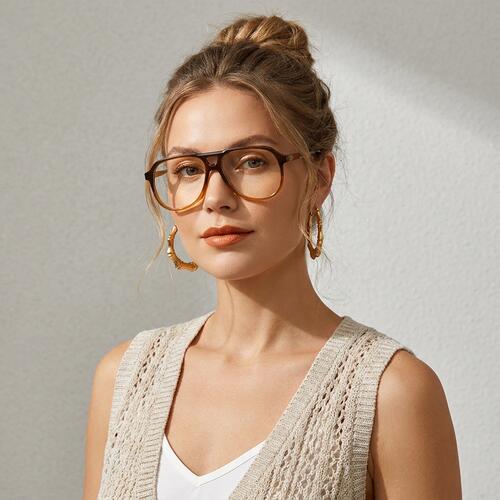
Keep the lower rim off the cheekbone,High cheekbones create a fit problem that has nothing to do with style: a deep frame rests on the cheek, then lifts and slides every time you smile. Lens height is the number that predicts it. For most adults a lens height between 35 and 42 mm keeps the lower rim clear, while frames at 45 mm and above tend to make contact. If you like a deeper look, rimless and semi-rimless styles buy you several millimetres, because there's no lower rim to land on the cheek in the first place.
What to skip, and why,Narrow rectangles are the main one. They compress the upper face and leave the cheekbones as the only wide element in the frame, which is the opposite of what balances a diamond face. Very small round frames have a similar effect at a smaller scale. Heavy square frames with a straight, thick lower edge push weight downward and usually sit on the cheek as well, failing on both counts. None of these are on this page.
Try before you commit,Frame Balance and millimetres get you to a short list; Virtual Try-On settles it. Most frames in this collection support it directly from the product page, so you can see how the upper rim lands against your brow line and where the lower edge falls before you order. Frames start at $9.95, and you can add lens options for your chosen style during checkout.
Read More
Glasses For Diamond Face Shape: Common Questions
What frame shapes work best for a diamond face shape?
Browline, upswept cat-eye, oval, round, and rimless styles are the usual starting points. What they share is that none of them concentrate weight along the lower rim. On this page you can filter by that directly using the Frame Balance tags rather than working shape by shape.
Are there frames a diamond face should avoid?
Narrow rectangles and small, heavy squares with a thick flat lower edge tend to work against the proportions — they narrow the upper face and add weight at the cheekbone line. Those styles aren't included in this collection.
Do glasses for a diamond face shape differ for men and women?
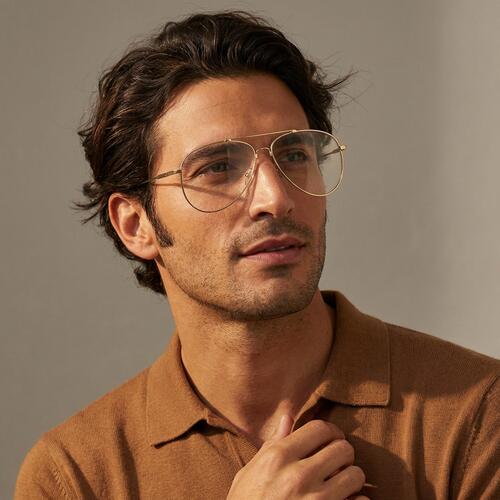
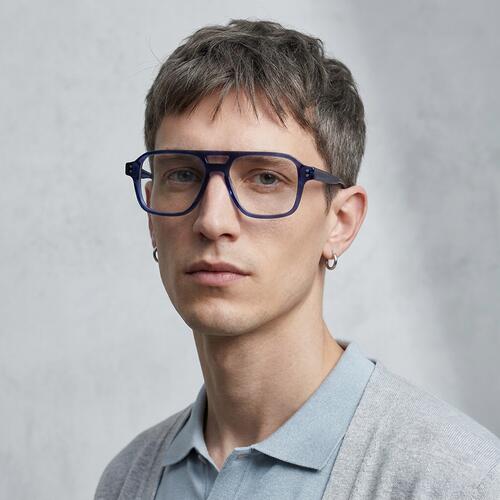
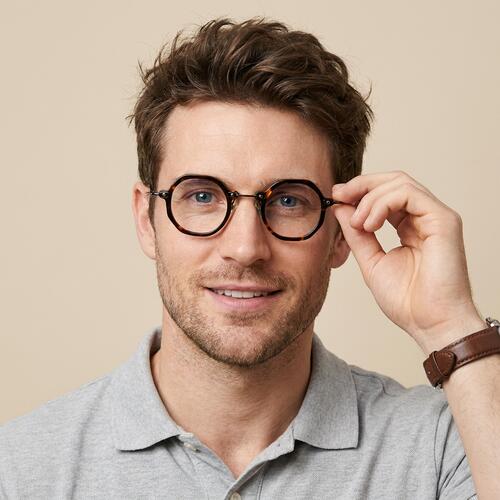
The proportions work the same way. What changes is sizing and styling: men's frames in this collection tend to run wider across the total frame width, and browline and metal top-bar styles are the most common Top-Weighted picks.Every frame here is listed with its measurements so you can compare directly.
My glasses sit on my cheeks when I smile. What should I change?
Look at lens height rather than shape. Dropping to a frame with a lens height in the mid-to-high 30s usually clears the cheekbone, and rimless or semi-rimless styles remove the lower rim entirely.


