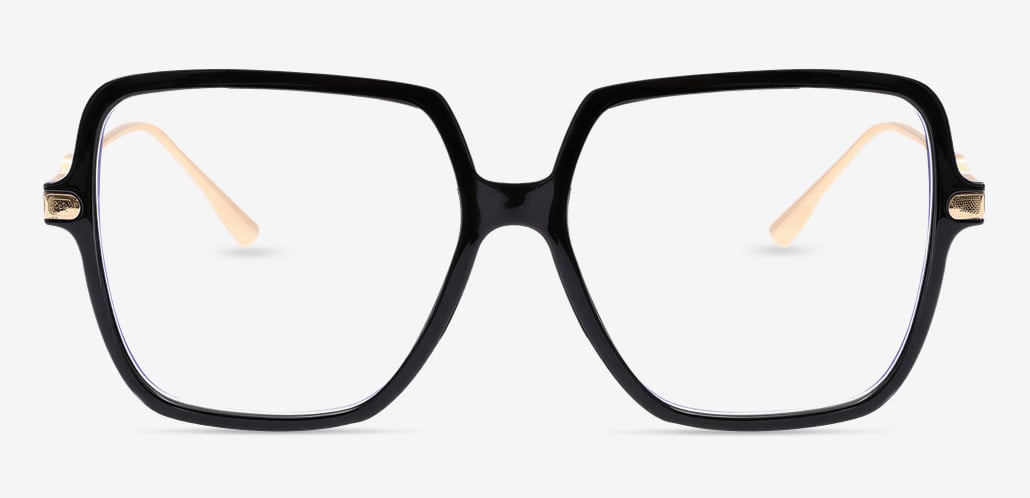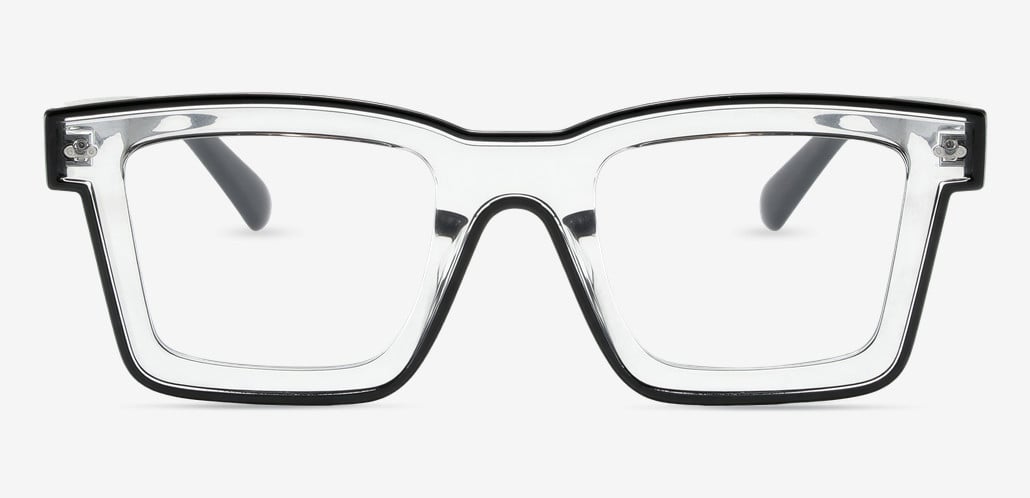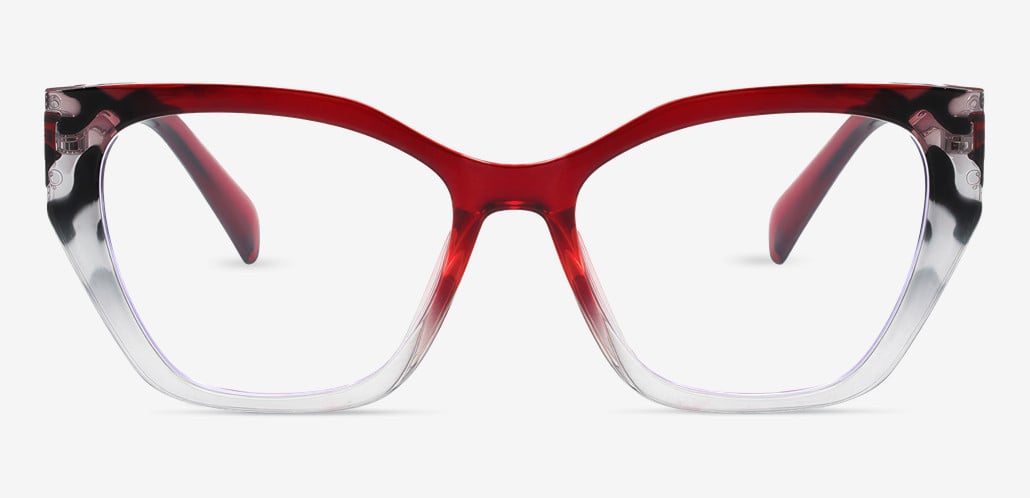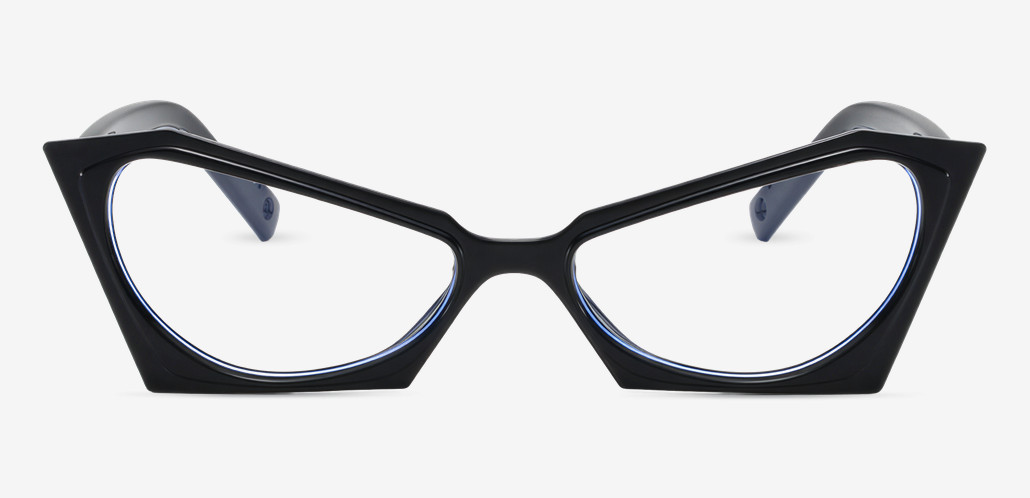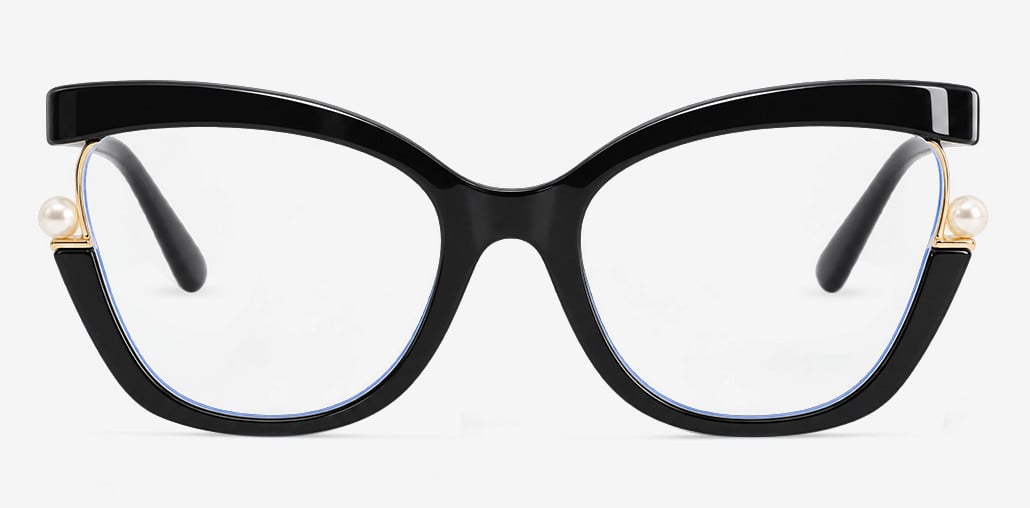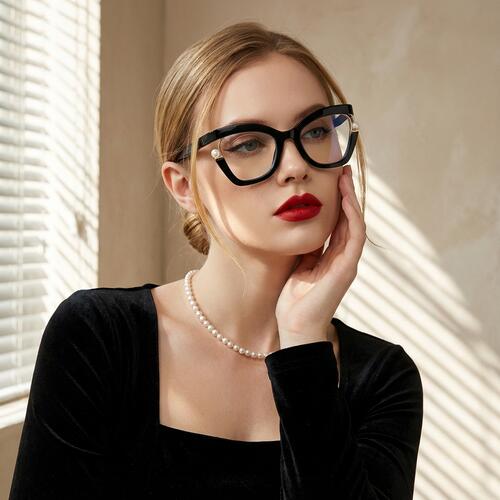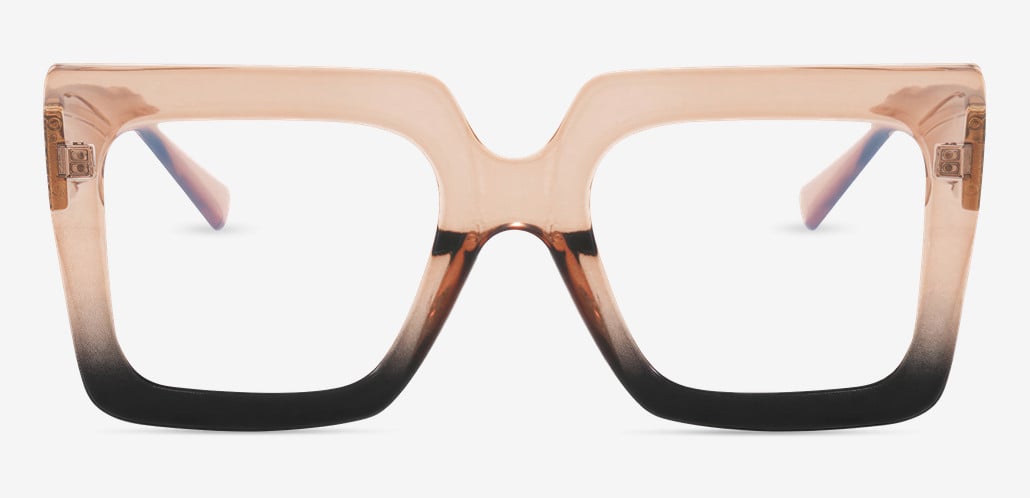

Aoolia Journal · Eyewear Materials
Luxury Glasses: What Each Prestige Material Was Invented to Fix
Tortoiseshell, horn, gold and titanium didn't become luxury by accident. Each one solved a real problem for the people who wore it. Here's which of those problems are still yours, and the small weak links that can make even a fine frame look ordinary.
Key takeaways
- Luxury glasses are defined by their material, construction and finish, not by the name printed on the temple.
- Every prestige eyewear material earned its status by fixing a specific problem. Tortoiseshell could be fused into seamless, glowing pieces. Gold didn't corrode. Titanium made strong frames light enough to forget you're wearing them.
- Pay for the material whose original problem matches your day. If your glasses are on for 14 hours, lightness matters more than depth of color.
- A pair of glasses looks only as good as its weakest visible element: lens edges, reflections, tilt, width or surface.
Search for luxury glasses and most of what comes back is a list of fashion houses. That tells you who sells them. It doesn't tell you what you're paying for.
A more useful question is an older one: why did certain materials become the expensive ones in the first place? Each one got there by solving a problem the material before it couldn't. If that problem is one you actually have, the material is worth paying for. If it isn't, you're paying for its reputation.
This guide walks through that history one material at a time, then turns it into a practical way to choose. Our own Luxury Glasses are made in acetate, titanium and mixed materials, so we'll be specific about what each of those does for you, and just as honest about the materials we don't use.
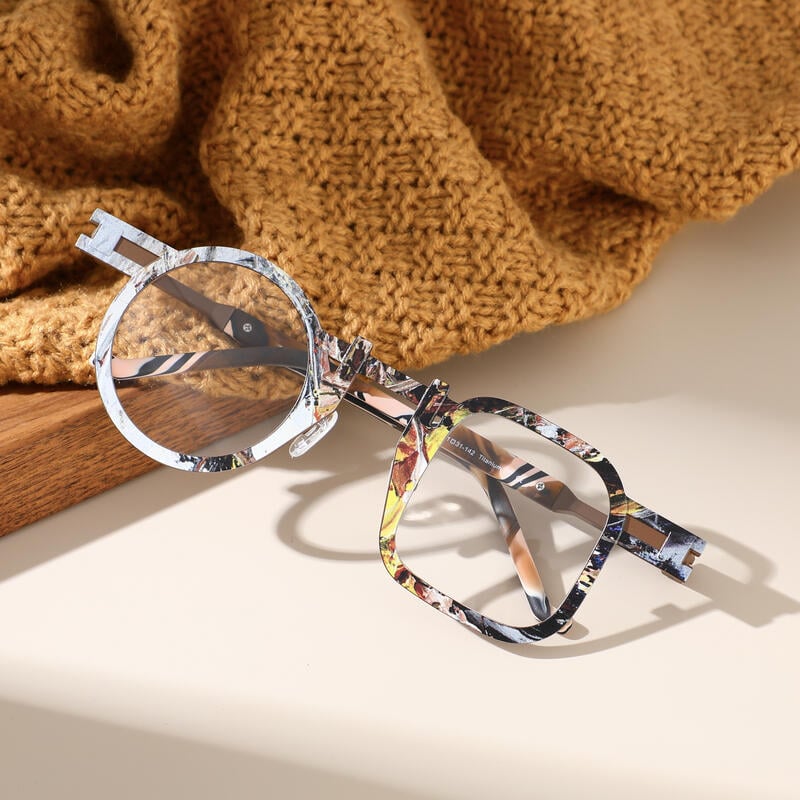
What Counts as Luxury Glasses?
Luxury glasses are eyeglass frames whose materials and construction were chosen for how they look, feel and hold up over years of daily wear, rather than for the lowest possible cost.
The logo is incidental. What matters is the material, how the parts are joined and how carefully the surfaces are finished. In practice, three things show up again and again in frames that deserve the word:
- A material with a reason to be there. Sheet acetate for depth of color, titanium for lightness and strength, a precious or plated metal for warmth of tone.
- Joints you don't notice. Hinges that open with even resistance, and clean seams wherever two materials meet.
- Finishing in the places nobody photographs. Rounded inner edges, a smooth lens groove, and temple tips that feel soft behind the ear.
The first of these is where the history gets interesting.
The Origin Problem: Every Luxury Material Started as a Fix
Each material at the top of eyewear today got there the same way. It solved something that the cheaper option of its time couldn't. Knowing that original problem is the fastest way to tell whether a material earns its price in your life, or only on the label.
1700s to the 1970s, then acetate
Tortoiseshell, and the acetate that replaced it
The problem it solvedEarly frames of iron, bone or leather were cold, brittle or plain. Hawksbill shell could be softened with heat, pressed, and fused into a single seamless piece, then polished to a deep amber glow. Nothing else in a spectacle maker's workshop could do all of that at once.
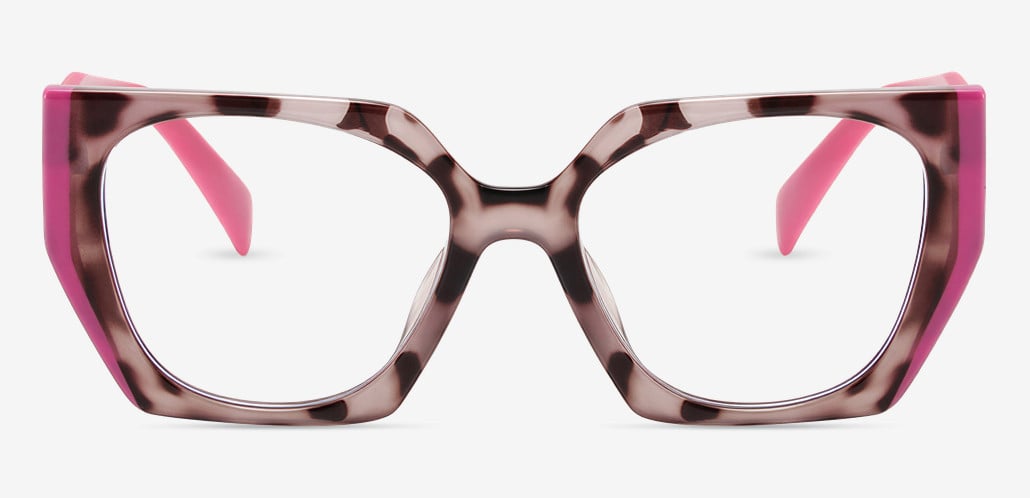
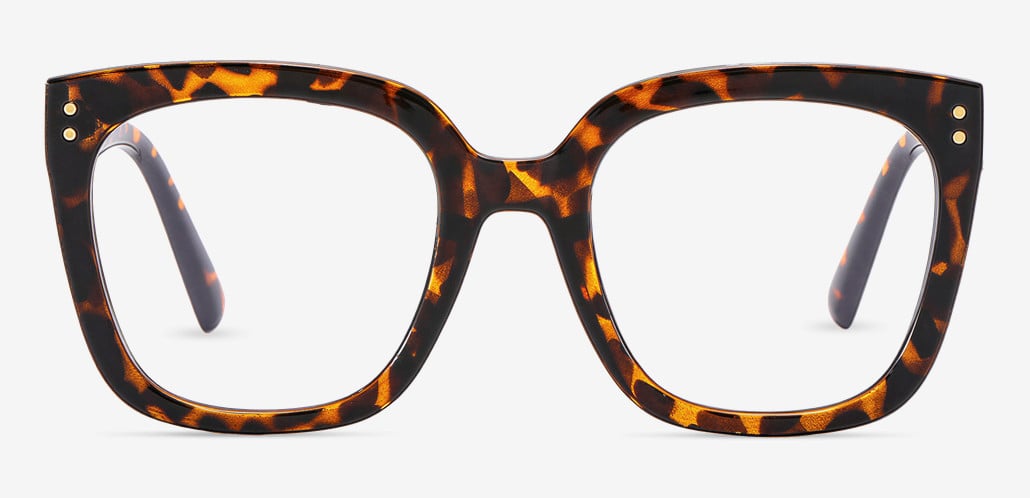
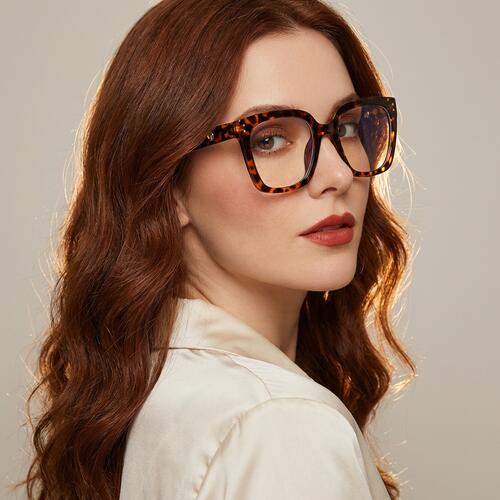
What it does for you nowReal tortoiseshell has been banned from international trade under the CITES treaty since the 1970s, and cellulose acetate took over its job. Good sheet acetate carries its color in layers you can see into, which is why a tortoise pattern can look deep instead of printed on.
Worth it ifYour glasses are your main accessory and you want color with real depth.
Skip it ifYou want the frame to disappear on your face, or you want a very large frame that still feels light.
1800s to today, specialist makers
Horn
The problem it solvedWearers wanted a natural material that was light for its size and didn't feel cold against the skin. Buffalo horn is made of keratin, the same protein as fingernails, so it warms quickly to body temperature.
What it does for you nowHorn is still worked by a handful of specialist makers, and no two frames come out alike. It needs occasional oiling in dry air, and it can't be reshaped with heat the way acetate can, so fitting it takes more care. Our collection doesn't include horn. It's here because you can't understand luxury eyewear without it.
Worth it ifOwning a one-of-a-kind piece matters more to you than easy upkeep.
Skip it ifYou live somewhere very dry and don't want a care routine, or you expect frequent adjustments.
1700s to the 1930s
Gold
The problem it solvedMost metals of the time rusted or tarnished against skin and sweat. Gold didn't. In early-1900s America, gold-filled frames, with a thick gold layer bonded to a base metal, brought that look to a much wider group of wearers.
What it does for you nowTitanium and stainless steel now solve the corrosion problem, so gold has become a choice about color rather than durability. Most gold-tone frames today are plated, and plating wears first where your skin touches it most: the temple tips, the nose-pad arms and the edges of the hinges.
Worth it ifWarm metal tones suit you and you're gentle with your glasses.
Skip it ifYou're hard on frames and worn edges would bother you. A gold-tone finish on titanium is a lighter-wearing alternative.
Late 1940s to the 1960s
The two-material frame
The problem it solvedPeople wanted the strong brow of a plastic frame and the fine, adjustable lower rim of a metal one. Browline frames put the two together and defined a decade of American style.
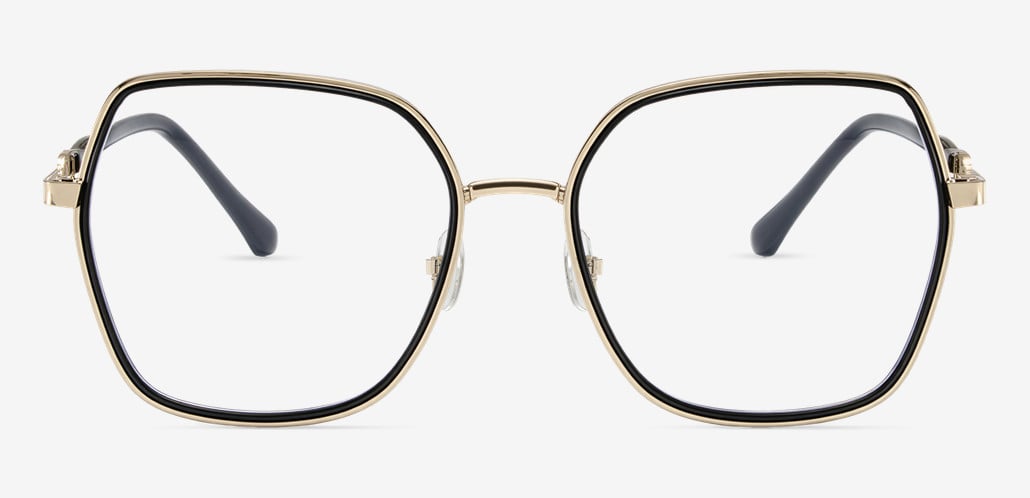
What it does for you nowToday's mixed-material frames carry the same idea: acetate fronts with metal temples, metal fronts with an acetate brow, titanium bridges on plastic rims. You get presence where people look and lightness where the frame actually rests.
Worth it ifYou want a bold top line without the full weight of an all-acetate frame.
Skip it ifYou prefer one uniform color and texture from edge to edge.
Early 1980s to today
Titanium
The problem it solvedStrong metal frames were heavy, and many alloys corroded with sweat. Titanium is roughly 40% lighter than steel by volume and resists corrosion, but it's difficult to weld because it has to be shielded from air. Frame makers in Sabae, Japan, worked out how to produce it at scale in the early 1980s.
What it does for you nowThe luxury of titanium is forgetting you have glasses on. It lets a frame stay thin without feeling flimsy, and it shrugs off sweat on humid days.
Worth it ifYou wear glasses from morning to night, you run warm, or you like a fine, precise line.
Skip it ifYou want bold color and visual weight. Titanium frames lean toward slim profiles and muted metal tones.
A later refinement
Beta titanium and flexible metal
The problem it solvedVery thin metal temples bent, and stayed bent. Beta titanium, a titanium alloy, flexes and springs back, so the temples can be slender without losing their shape.
What it does for you nowIt makes slim frames forgiving. Spring hinges solve the same problem mechanically, flexing outward when the frame is pulled wide instead of straining the joint.
Worth it ifYou take your glasses off one-handed, push them up onto your head, or toss them into a bag.
Skip it ifYou want a rigid, sculpted look. Flexible frames tend to be minimal by design.
Match the Problem, Not the Prestige
Here's where that history becomes a buying decision. Find the line that sounds most like you, and spend your money where the original problem matches your day.
My glasses go on with the alarm and come off at bedtime.
Pay for: titanium
You're buying all-day lightness. A few grams make a real difference by hour twelve.
My glasses are the first thing people comment on.
Pay for: sheet acetate
You're buying depth of color and a confident outline, the job tortoiseshell used to do.
I run warm, or I live somewhere humid.
Pay for: titanium or stainless steel
You're buying resistance to sweat, the same problem gold once solved.
I love gold, but I hate worn edges.
Pay for: gold tone over titanium
You get the warmth of gold on a lighter base. Look closely at the temple tips in product photos.
I want a strong look, but heavy frames mark my nose.
Pay for: mixed materials
An acetate brow gives you presence. A metal lower half with adjustable nose pads spreads the weight.
I'm honestly rough on my things.
Pay for: flexible metal and spring hinges
You're buying frames that forgive, so your money lasts longer than one bad week.
Shop by the problem you're solving
You can filter our Luxury Glasses by Acetate, Titanium and Mixed Materials, then narrow down with Adjustable Nose Pads or Spring Hinge. Every frame can be previewed on your face with Virtual Try-On before you decide.
The Weakest-Link Rule: Why Fine Frames Still Look Ordinary
Nobody looks at your glasses part by part. They take in your whole face, and the eye goes straight to whatever looks off. So a pair reads at the level of its weakest visible element. Choose the right material and you've strengthened one link. These five break most often, and most of them have nothing to do with the frame itself.

Thick lens edges
A slim titanium rim wrapped around a thick lens edge stops looking refined at arm's length. Lens edges thicken as your numbers get stronger: at the outer edge if you're nearsighted, and through the center if you're farsighted.
Fix: Choose a smaller or rounder lens shape, consider a thinner lens option if the product page offers one, and know that a full acetate rim hides an edge far better than thin metal or rimless.
Reflections
Uncoated lenses mirror ceiling lights and windows, which hides your eyes in conversation, in photos and on video calls. A beautiful frame with glare across the lenses still reads as cheap.
Fix: An anti-reflective coating is the single upgrade that changes how a pair looks on you the most.
Tilt
A frame that sits a few millimeters higher on one side looks careless, even if nobody can say exactly why. It usually comes from one temple being slightly bent, or from one ear sitting higher than the other, which is common.
Fix: Most optical shops will straighten a frame in a few minutes. Don't bend acetate cold at home, because it can crack.
Width
When a frame is wider than your face, the temples angle outward and show from the front. When it's too narrow, they press in and the front bows. Either way, the frame looks borrowed.
Fix: The front of the frame should end close to the widest part of your face at the temples. The three numbers printed inside your current pair's temple arm give you a starting point to compare against.
Surface
Fingerprints on the lenses and a dull film on glossy acetate quietly undo everything else. Expensive frames show neglect faster, because their finish is part of the point.
Fix: Rinse your lenses under lukewarm water before you wipe them, use a clean microfiber cloth, and store your glasses in a case rather than a pocket.
Fix the weakest link first. Often, adding an anti-reflective coating and getting the frame straightened will change how a pair looks more than upgrading the frame would.
Are Luxury Glasses Worth It? An Honest Answer
For a lot of people, yes. The frame is the part you keep: lenses can be replaced as your numbers change, but a well-made frame can take new lenses for years. For some people, though, the money would do more work somewhere else.
Worth it when
- You wear glasses every day, so the frame is one of the most-seen things you own.
- The material solves a problem you actually have, like all-day wear, humidity or a love of color.
- You'll keep it adjusted and cleaned, so the finish stays the reason you paid more.
- You want one pair to carry you from work to dinner without a second thought.
Probably not when
- You lose or break glasses often. Two well-chosen everyday pairs may serve you better.
- You only wear glasses for an hour or two a day.
- Your style changes every season and you like to rotate often.
- The budget would mean skipping lens upgrades, such as an anti-reflective coating, that make a bigger visible difference.
Buying Luxury Glasses Online: Four Things to Confirm
Online, you can't feel the hinge or the weight in your hand, so the product page has to do that work. Before you check out, make sure you can answer these four questions:
- What is each part made of? "Mixed materials" should tell you which part is metal and which is acetate. That's where the weight and the feel come from.
- Do the measurements match a pair that fits you? Compare lens width, bridge width and temple length with the numbers inside your current frame.
- Which lenses does this frame accept? Lens options vary by frame and are listed on each product page. Check them before you fall for a shape.
- How does it look on your face? Use Virtual Try-On, look at the result straight on, and take a screenshot so you can compare your favorites side by side.
Luxury Glasses FAQ
What are luxury glasses made of?
Most luxury glasses today are made from sheet acetate, titanium, beta titanium, or a mix of acetate and metal. Some specialist makers also work in buffalo horn or solid precious metals. Real tortoiseshell is no longer traded internationally, and acetate has replaced it.
Are titanium or acetate glasses better?
Neither is better in every way. They solve different problems. Titanium is light, strong and resistant to sweat, which makes it ideal for all-day wear and a slim look. Acetate offers depth of color and a bolder outline. If you want both, a mixed-material frame gives you an acetate front with metal where the frame rests on your face.
Why do luxury glasses cost more?
Some materials are simply harder to work with. Titanium has to be welded away from air, and sheet acetate is cut, shaped and polished through many more steps than molded plastic. Finer hinges and more hand finishing add to the cost too. A well-known name can add to the price as well, without changing how the frame is made.
How can I make my glasses look more expensive?
Get rid of the weakest link. Add an anti-reflective coating, have the frame straightened so it sits level, make sure the width matches your face, and keep the lenses and frame clean. Together, those changes often matter more than the frame itself.
Do luxury glasses last longer?
A frame made from a material suited to how you live, and kept adjusted, generally holds its shape and finish longer than a basic frame. How long any frame lasts still depends on how it's handled and stored.
Can I put new lenses in a luxury frame later?
Often, yes, as long as the frame is in good condition. That's one of the best reasons to invest in the frame. Very thin metal and rimless styles can be more limited, so it's worth asking before you plan to re-lens.
Is real tortoiseshell still used in glasses?
Not in new frames sold internationally. Trade in hawksbill shell has been banned under the CITES treaty since the 1970s. Today's "tortoise" frames are acetate, designed to recreate the layered amber-and-brown look.
Start with the problem, then choose the frame
Decide whether you need all-day lightness, depth of color, resistance to sweat or a bit of forgiveness. Then browse our Luxury Glasses in acetate, titanium and mixed materials, and try each one on your face before you choose.
Notes on sources
- Hawksbill turtle trade restrictions: CITES Appendix I listing, in force since the 1970s.
- Titanium vs. steel weight: based on standard material densities (titanium about 4.5 g/cm³; steel about 7.8–8.0 g/cm³).
- Titanium frame production: the history of the eyewear industry in Sabae, Fukui Prefecture, Japan.
- Acetate history: cellulose acetate's replacement of flammable cellulose nitrate (celluloid) as the main frame plastic in the mid-20th century.
- This article is general product information written by the Aoolia Editorial Team. It isn't professional advice about your vision.