
What "square" actually means on a sunglass frame
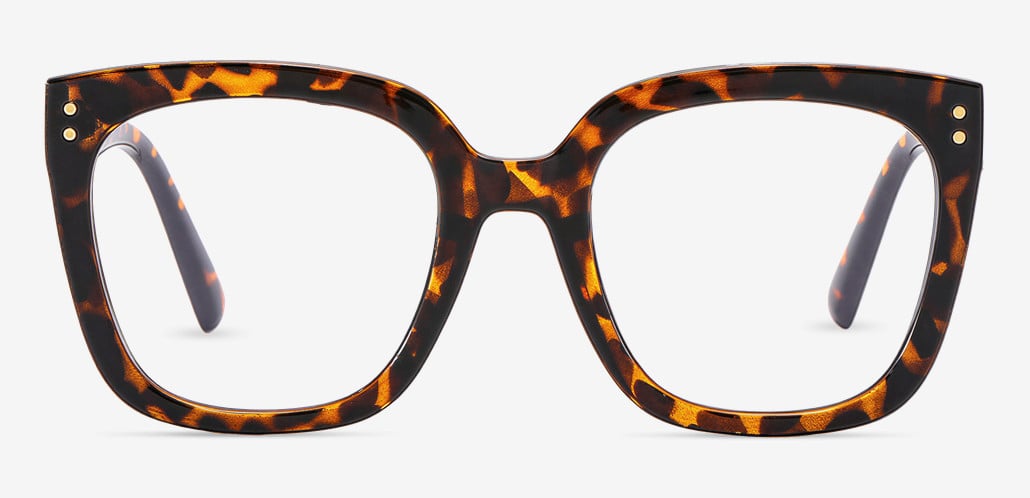
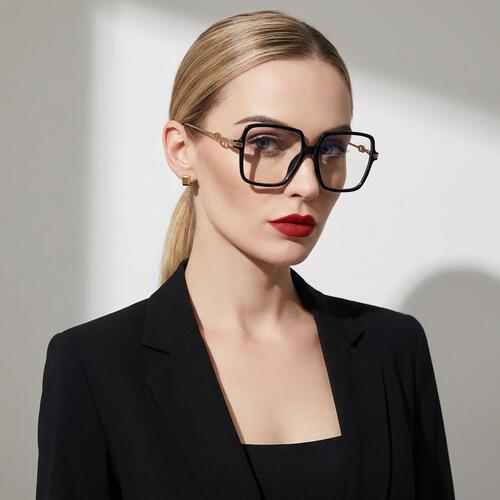
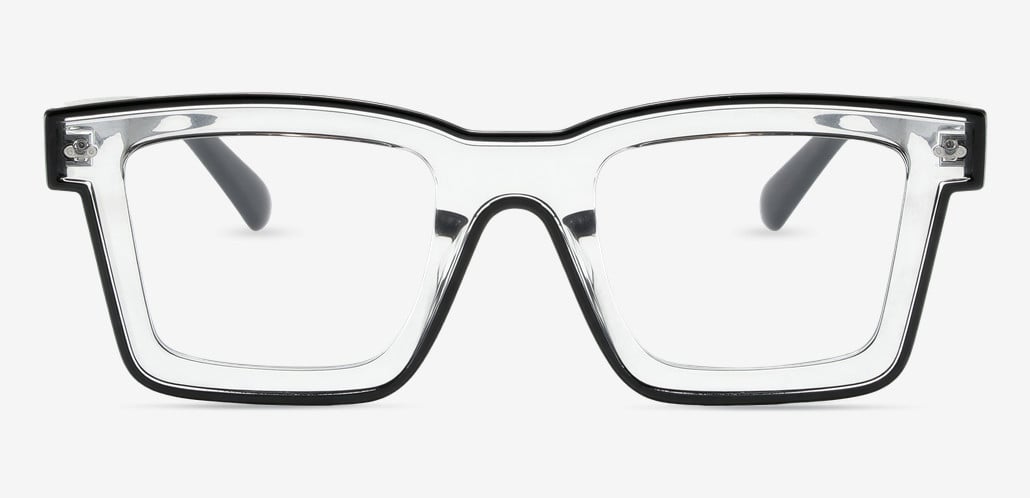
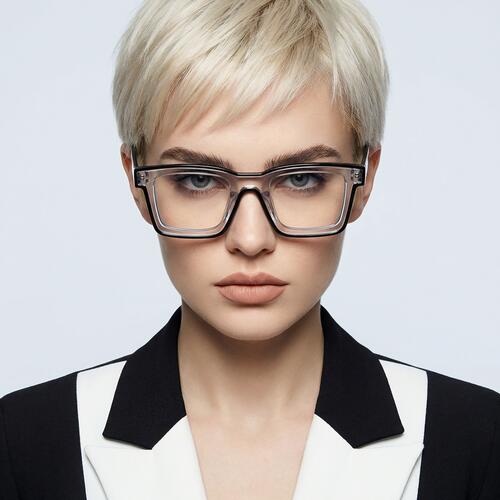
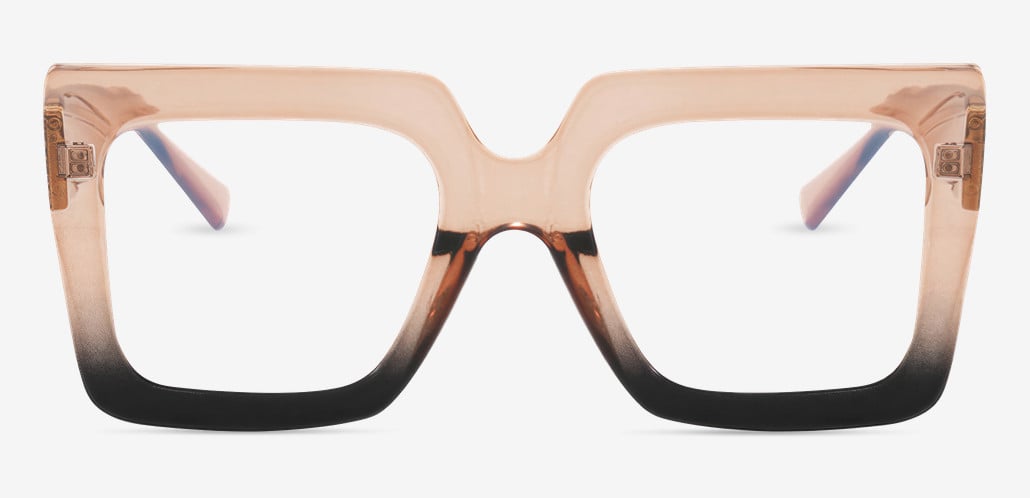
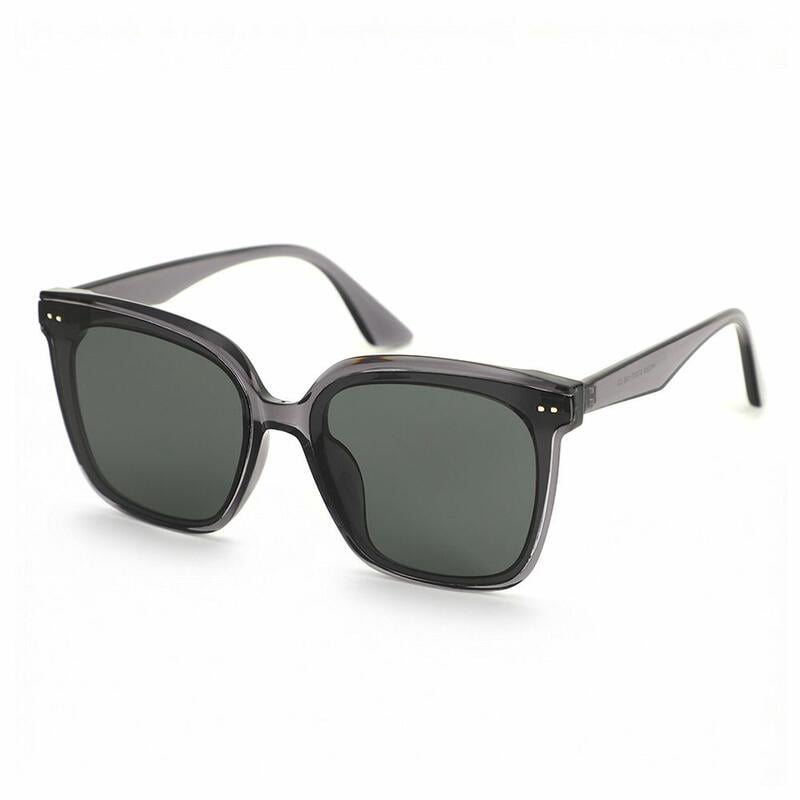
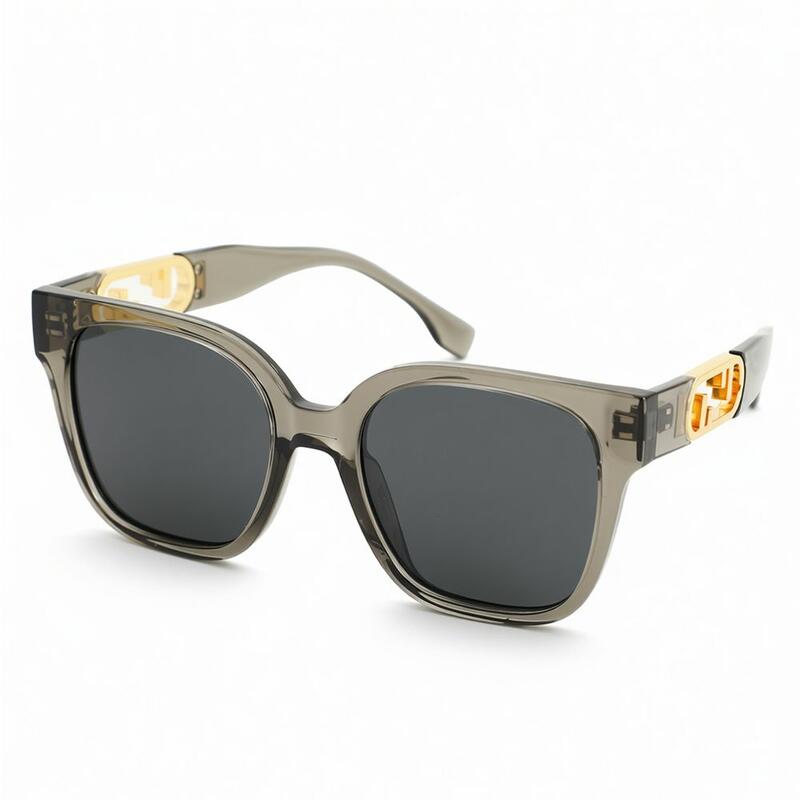
A square frame has lenses that are close to equal in width and height, with defined corners and a strong horizontal line across the brow. That squared-off geometry is what gives the shape its confident, slightly architectural feel. It reads as deliberate.
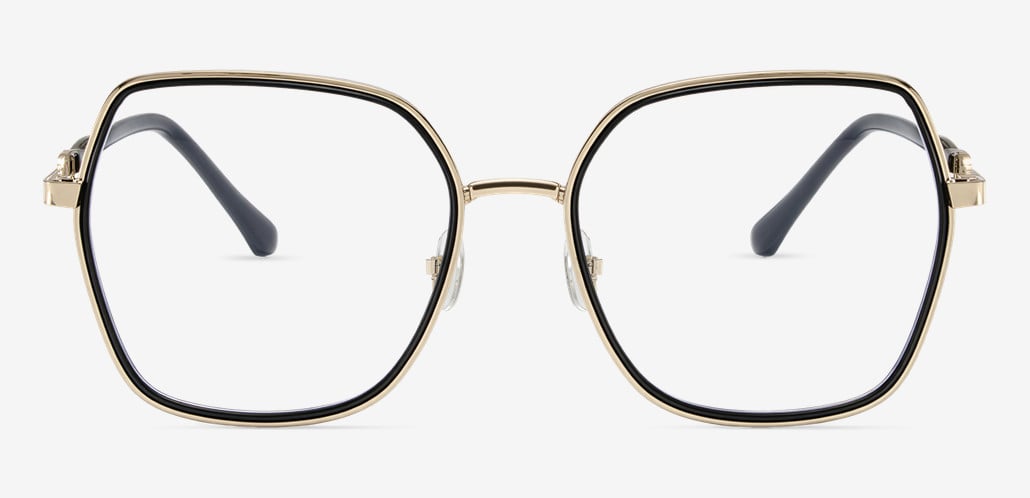
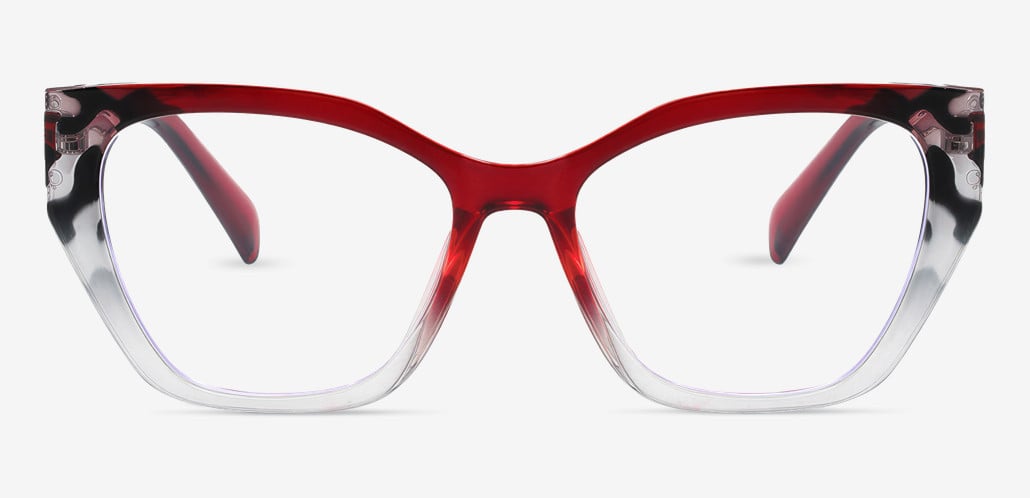
It helps to know what square is not. A rectangle frame is noticeably wider than it is tall, so it stretches the face longer and slimmer. A geometric frame breaks the four-corner symmetry with hexagonal or angled cuts. Square sits in between: balanced proportions, but with edges instead of curves. If you've been comparing pairs and some feel "too long" while others feel "too round," you're really sensing where they fall on that spectrum.
Square is also having a genuine moment. The shape that defined a lot of early-2000s eyewear is back, but the 2026 version is more refined: still bold, often slightly oversized, but with thinner profiles and cleaner edges than the chunky frames of fifteen years ago. That's why you'll see square pulled equally toward retro and Y2K looks on one end and quiet, minimal styling on the other.

The styles of square sunglasses, and what each one is for
"Square" isn't a single frame. The same basic shape shows up in several builds, and they behave differently in real life. Here's how to read them.
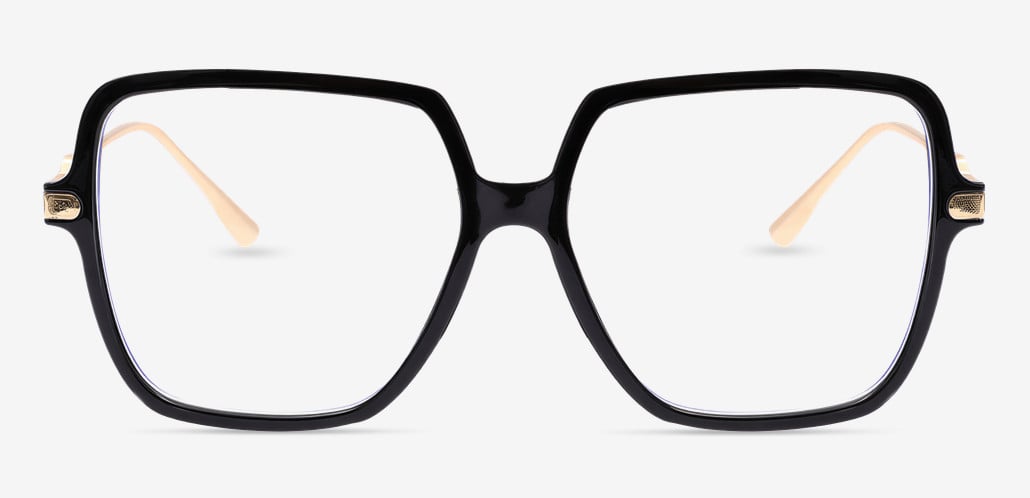
Classic flat-top and D-frames are the everyday workhorses. Balanced size, even coverage, nothing extreme. If you want one pair that goes with most outfits and most days, this is the lane. Aoolia's affordable black squares like Bowen sit here, and they're a sensible first square if you've never owned the shape.
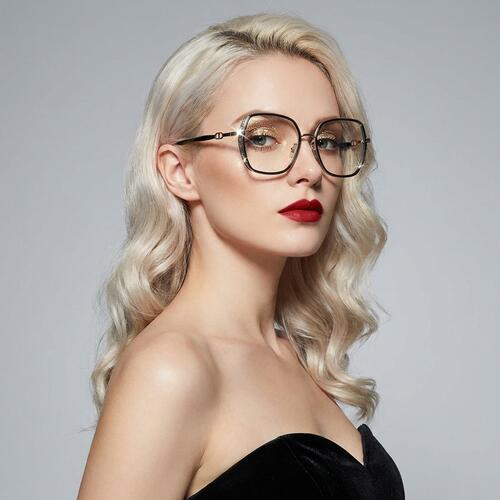
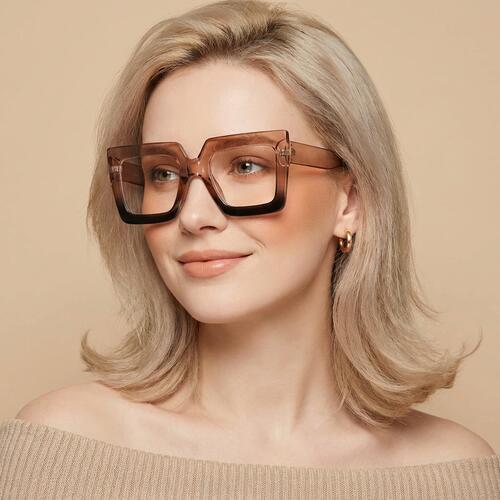
Oversized squares make a statement, and they also do something practical: a bigger frame covers more of the area around your eyes. The American Academy of Ophthalmology and other eye-health groups note that larger frames and wraparound styles reduce the light that sneaks in from the sides and top, so oversized isn't only a fashion choice — it's more sun blocked. The trade-off is that a large square needs a face with the proportions to carry it, which we'll get to below.
Slim and micro squares are the opposite end: narrow, low-profile, very Y2K. They photograph beautifully and pair well with a sharp outfit, but the smaller lens covers less, so think of them as more of a style-forward pick than your beach-day pair.
Rounded-corner squares, sometimes called "squircles," keep the square footprint but soften the corners. They're the most forgiving version of the shape and suit the widest range of faces, which makes them a safe bet if you like square but find true sharp corners a bit severe on you.
Square-aviator and navigator hybrids borrow the angular top of a square with a touch of aviator sweep. They lean sportier and tend to offer good coverage, which makes them a comfortable everyday-plus-driving option.
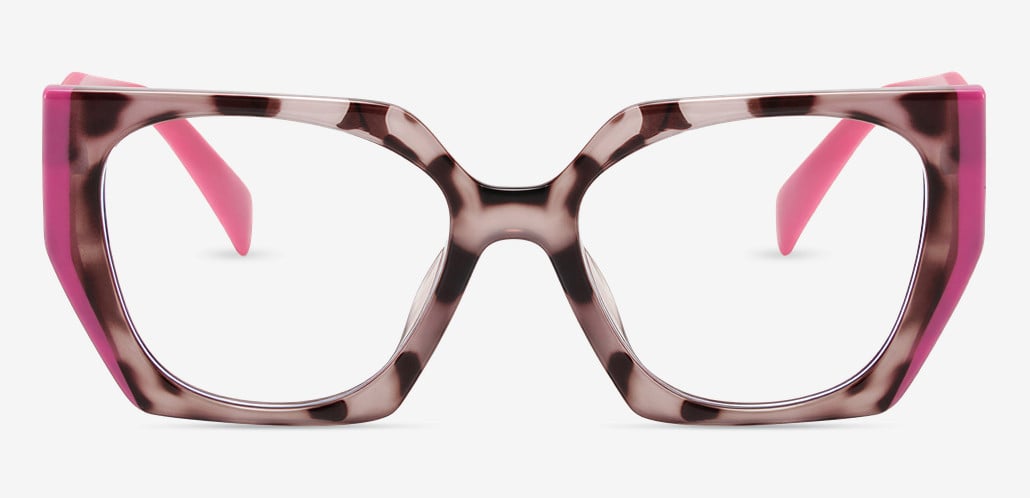
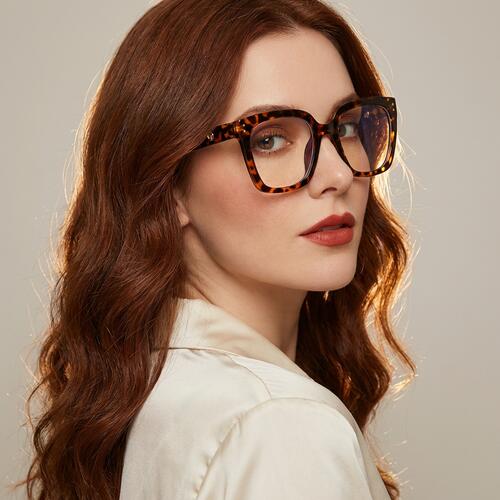
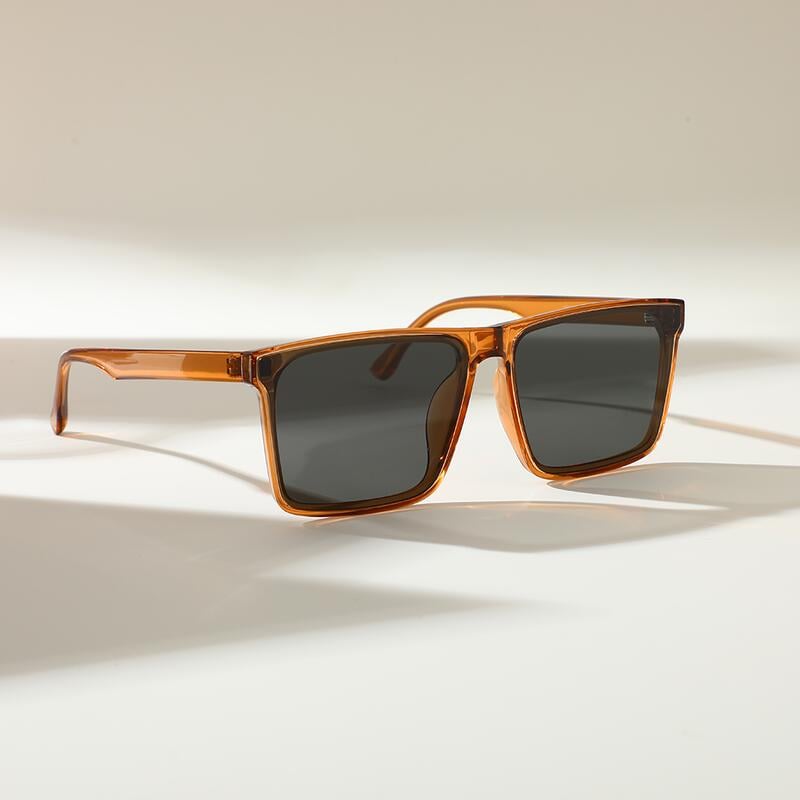
Color follows the same logic as build. A tortoise square like Naomi or Penelope reads warmer and more classic; a bold orange or blue makes the square the centerpiece of an outfit. If you want one pair to wear with everything, neutral wins; if you already own a default pair, color is where square gets fun.
Square sunglasses by face shape: it's a question of scale
Most face-shape advice stops at "match the frame to your face." With square sunglasses the more useful question is how much square — because the shape is bold, and on sunglasses it's usually bigger than it would be on eyeglasses. Get the scale right and the same shape that overwhelms one person looks tailored on another.
The simplest rule to carry around: the frame should be about as wide as the widest part of your face, and no wider. Past that point it stops looking like an accessory and starts looking borrowed.
Round faces are the natural home for square sunglasses. The straight lines and corners add structure and definition that soft, curved features don't have on their own, so the contrast does flattering work. This is the one face shape that can comfortably push toward bold and oversized. If you've searched "square sunglasses for a round face," the short answer is yes — this is your shape.
Oval faces are the most flexible. The proportions are already balanced, so square reads well at almost any size, including the larger statement frames. You have the most freedom to choose on style alone.
Heart-shaped faces (wider forehead, narrower chin) are balanced by a square that isn't top-heavy. Keep the width moderate so the frame doesn't widen an already-wide upper face, and a slightly bottom-weighted or rounded-corner square helps draw the eye down.
Square and angular faces are the honest caveat. Putting a strong square frame on a strong square jaw can echo and emphasize the very lines you might be trying to balance. If you love the shape anyway, you have two good moves: choose a rounded-corner square so the frame doesn't mirror your jaw, or go genuinely oversized so the proportions read as deliberate rather than matchy. If neither appeals, softer shapes are worth a look — that's the round or cat-eye direction, not this one.
A note on precision: ignore guides that hand you exact millimeter targets as if there's one correct number. Faces vary too much for that. The reliable check is to see the frame on your own face. Every product page on Aoolia has a virtual try-on, so you can compare a slim square against an oversized one in a few seconds before you commit.
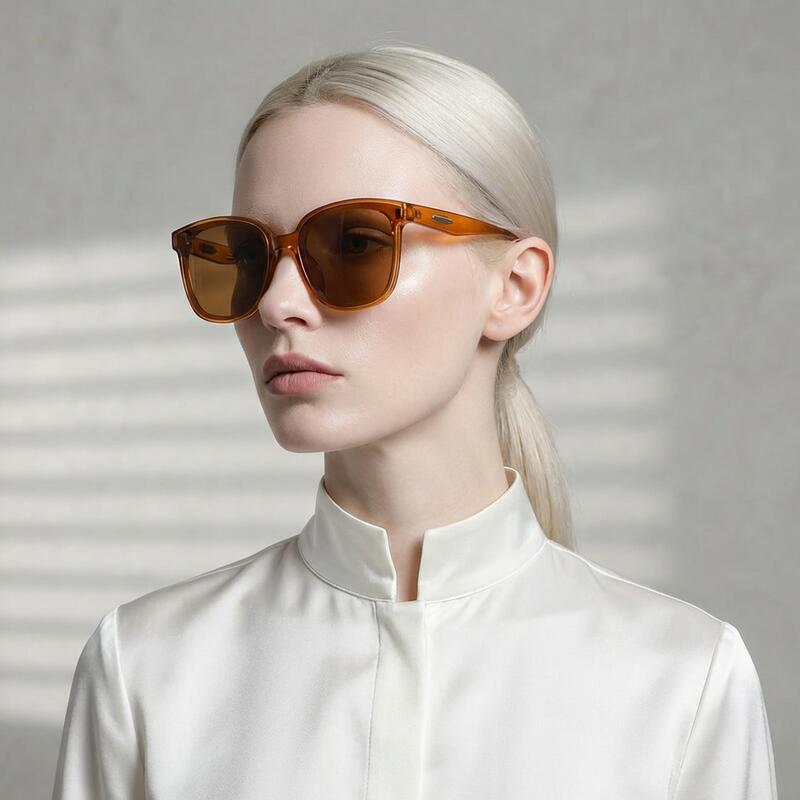
The half people skip: lenses, UV, and glare
Here's where sunglasses stop being eyewear and start being equipment. A square frame can be perfect for your face and still be the wrong pair if the lens doesn't suit how you'll use it. Four things matter, in this order.
UV protection is the non-negotiable, and it has nothing to do with darkness
This is the single most important and most misunderstood point in all of sunglasses. The protection that actually matters comes from a UV filter built into the lens, marked as UV400 or 100% UV protection — meaning it blocks ultraviolet light up to 400 nanometers, which covers the full UVA and UVB range that damages eyes over time.
What it does not come from is how dark the lens looks. Health authorities including the American Academy of Ophthalmology and the U.S. Food and Drug Administration are blunt about this: tint darkness is not a measure of UV protection. And a very dark lens without a real UV filter is worse than no sunglasses at all, because the darkness makes your pupils open wider and then lets unfiltered radiation flood in. So a cheap, near-black pair from a gas station can be doing real harm while feeling protective.
A few facts worth keeping: UV exposure is cumulative and is linked to cataracts and to cancers of the eyelid and surrounding skin, per the National Eye Institute and major cancer centers. Up to roughly 80% of UV still reaches you through cloud cover, so protection is a year-round habit, not a summer one. Every pair of Aoolia sunglasses includes UV400 as standard, which takes this decision off the table — but when you shop anywhere, the rule is to read the label, not the shade.
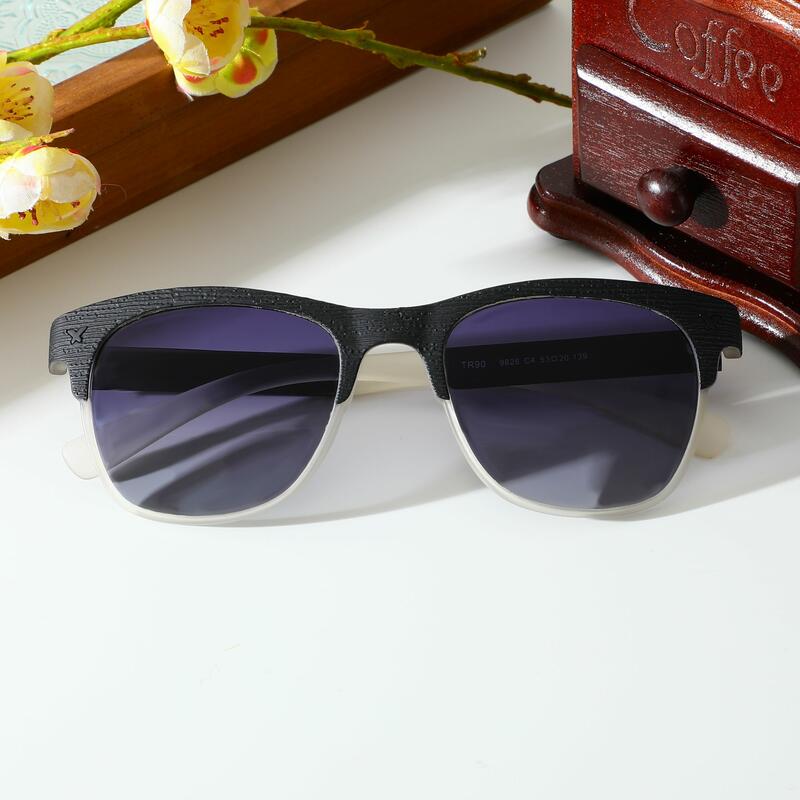
Tint color changes how you see, not how protected you are
Once UV is handled, lens color is about vision and comfort. The common tints each have a job:
Gray keeps colors true and neutral. It's the all-purpose default and the safest choice for everyday wear and driving, because nothing looks artificially shifted.
Brown and amber boost contrast and depth, which helps in hazy or changing light and around water. Many drivers prefer them when conditions shift through the day.
Green sits between gray and brown — a balanced all-rounder that handles both bright and slightly overcast conditions well.
Mirrored lenses add a reflective coating that cuts extra brightness and gives you privacy and a strong look. Good for very bright, open environments.
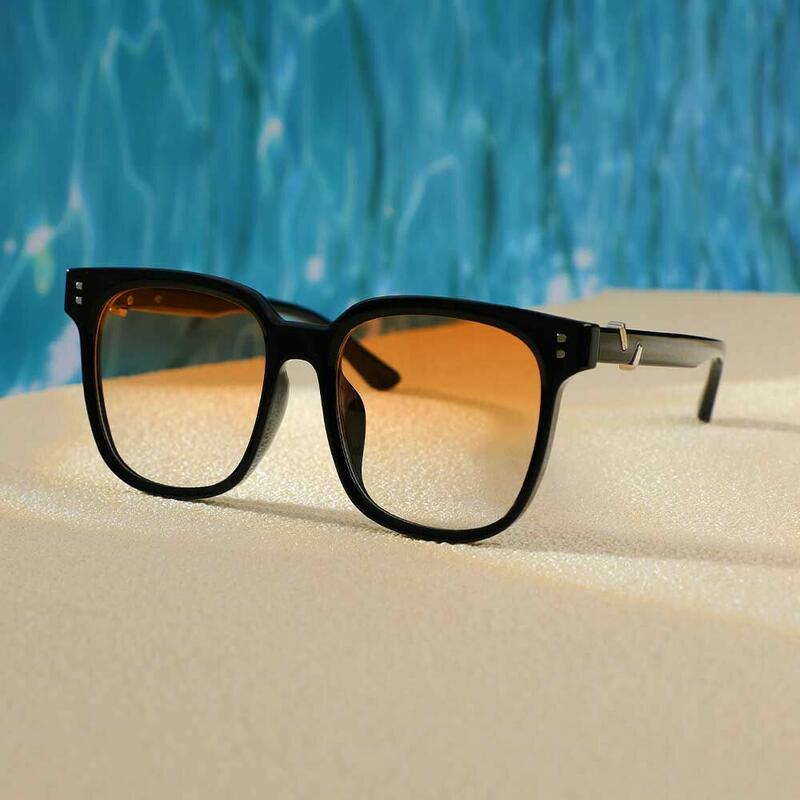
Gradient lenses are darker at the top and lighter at the bottom. They're flattering and practical for driving, since the top shades the sky while the lighter base lets you read the dashboard.
There's no single "best" color. Match it to where you'll actually wear the pair.
Polarized or not: useful, but not for everyone
Polarized lenses cut horizontal glare — the harsh bounce off a wet road, a car hood, water, or snow. If you drive a lot, spend time on or near water, ski, or are simply light-sensitive, polarization is a meaningful upgrade in comfort and clarity. It is not the same as UV protection, though, so a polarized lens still needs its own UV rating.
It's also not free of downsides, and an honest guide should say so. Polarized lenses can make some LCD screens — phones, dashboards, ATMs, gas pumps — look dark or patchy at certain angles. If you're mostly in the city and not bothered by glare, standard UV400 tinted lenses do the protective job for less. Aoolia offers polarized as an upgrade on select square styles; you can filter for it directly on the collection page.
A driving note worth its own line
For driving, the reliable default is a gray or brown lens, polarized if glare is your main complaint. Avoid the temptation to go as dark as possible: very dark lenses can hurt your vision in dusk, tunnels, and changing light, which is exactly when you need it most. Save the darkest tints for the beach, not the commute.
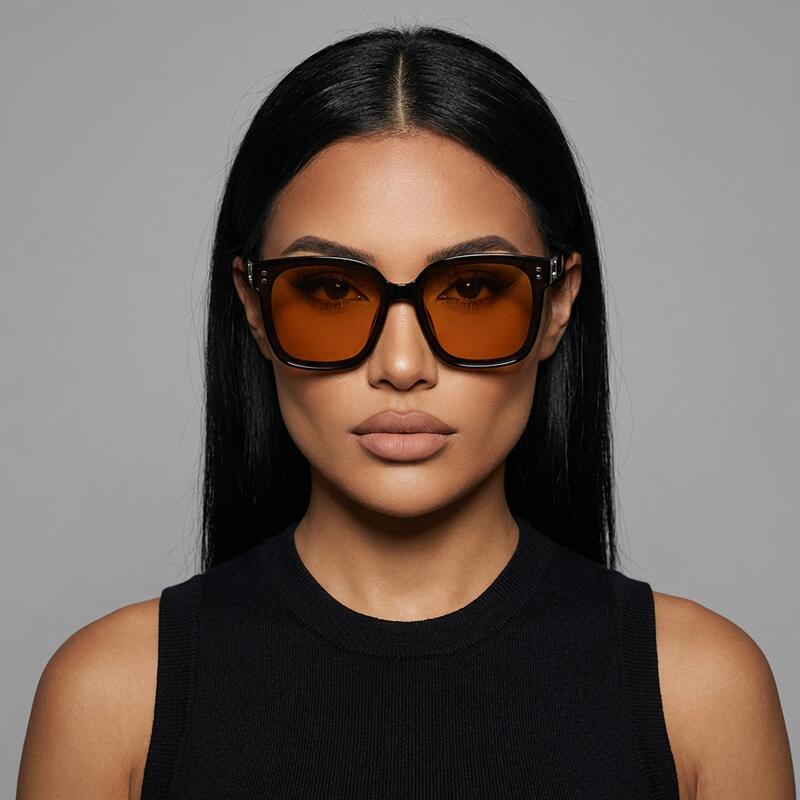
Fit and material: the difference between a pair you wear and one you don't
A square that fits wrong gets left in a drawer. Three problems come up most with this shape, and all are fixable by choosing better, not by toughing it out:
Material matters more in the sun than people expect. Acetate gives that warm, substantial look and the richest colors, though it can soften slightly and loosen in real heat. TR90 is light and a little flexible, which makes it the comfortable choice for sport, sweat, and active days. Metal is sleek and minimal but can warm up against your skin and the bridge. For a daily driver, a mid-weight acetate square is the easy answer; for a hiking or gym pair, lean lighter.
If maximum sun protection is the priority, remember the coverage point from earlier: a larger or more wraparound square leaks less light from the sides than a small, flat one. Coverage and style can pull in opposite directions here, so decide which matters more for the pair you're buying.
Prescription square sunglasses
You don't have to choose between seeing clearly and the square look. Almost every square frame on Aoolia can be made prescription — single-vision, bifocal, or progressive — with the same UV protection built in. Add the frame to your cart, upload your prescription at checkout, and Rx sunglasses typically ship in about 7–10 business days. It's the same shape decision as above; you're just adding your script to the lens.
How to actually choose, in three moves
If you only remember three things: First, get the scale right for your face — frame width to match your widest point, bolder if your features are soft, more restrained if they're already strong. Second, decide the lens before the look — UV400 always, then a tint that fits where you'll wear it (gray for everyday and driving, brown for contrast and water), and polarized only if glare is a real problem for you. Third, see it on your face before you buy, because the shape that looks great on a model is no guarantee on you, and the try-on takes thirty seconds.
Do those three and the square pair you end up with will be one you actually reach for — flattering in the mirror and easy on your eyes in the sun. Start with the full square sunglasses collection, where you can filter by men's or women's, color, polarized, and size.

Frequently asked questions
Are square sunglasses good for driving?
Yes, and they can be one of the better shapes for it because the wide brow line shades the top of your field of view. For the lens, go gray or brown and add polarization if road and windshield glare bother you. Just avoid the very darkest tints, which reduce visibility in tunnels and changing light.
Do oversized square sunglasses block more sun?
Generally, yes. A larger frame covers more of the area around your eyes and leaks less light from the sides, which is why eye-health groups point to bigger and wraparound styles for coverage. The catch is fit — oversized only works if it matches your face's proportions.
Can square sunglasses have mirrored or gradient lenses?
Absolutely. Square pairs well with both. Mirrored adds extra glare control, privacy, and a bold look for bright, open settings; gradient (darker top, lighter bottom) is a flattering, driving-friendly option. Both should still carry a UV400 rating.
Are square sunglasses unisex?
The shape is, though sizing differs. Men's square frames tend to run wider and larger; women's often come in slightly smaller or more tapered proportions. Plenty of styles work across the board — the deciding factor is frame width relative to your face, not the label.
How dark should the lenses be?
Dark enough to be comfortable in the brightness you'll face, and no darker. Remember that darkness has nothing to do with UV protection, which comes from the filter, not the tint. For mixed daily use a medium tint is the most versatile; reserve the darkest lenses for very bright, open conditions rather than driving in changing light.
Square or rectangle sunglasses — which gives more sun coverage?
At the same overall size, a square lens usually covers a bit more vertical area around the eye than a rectangle, which is longer and shorter. If coverage is your priority, a larger square or wraparound wins; if you want a slimmer, more understated everyday profile, rectangle is the easier wear. Many people own one of each.