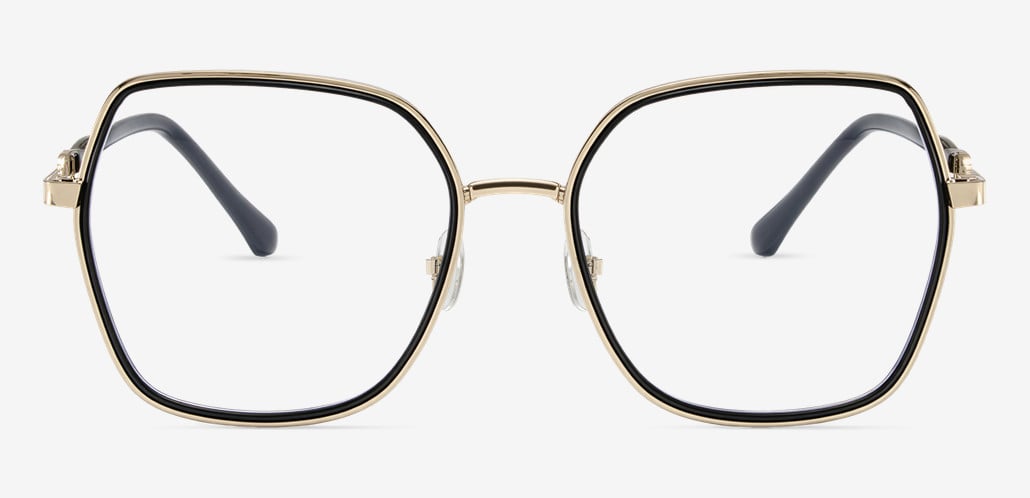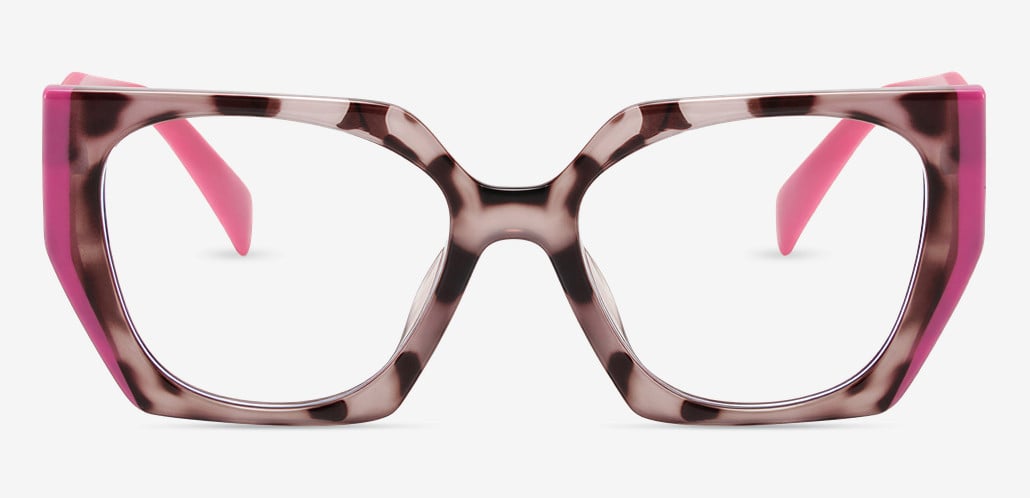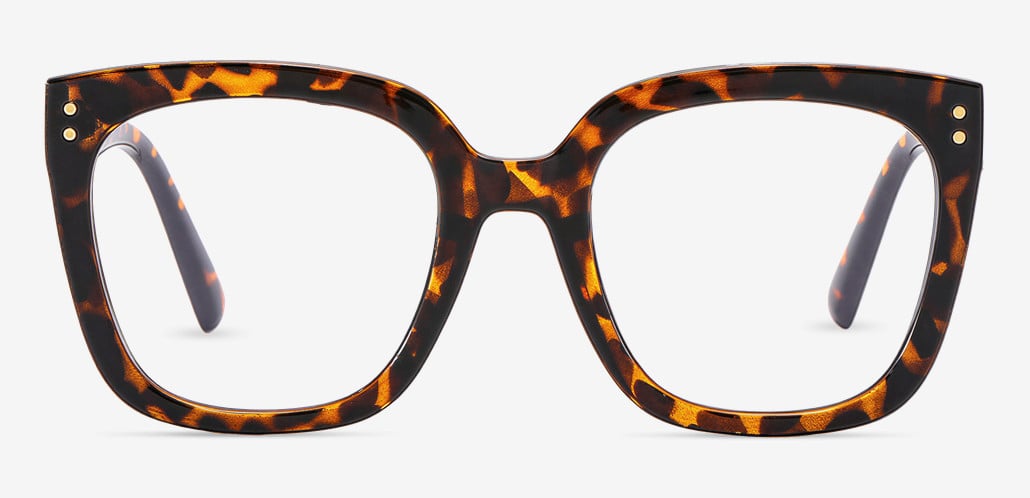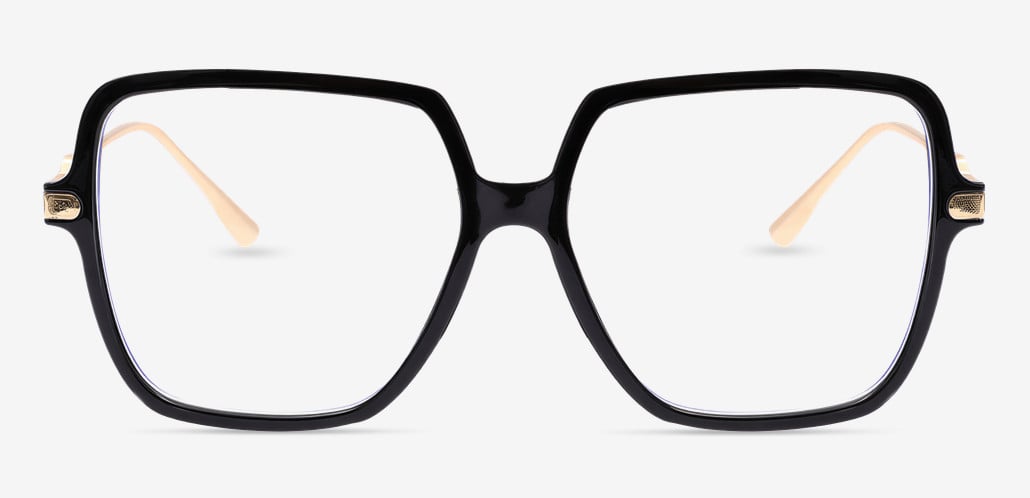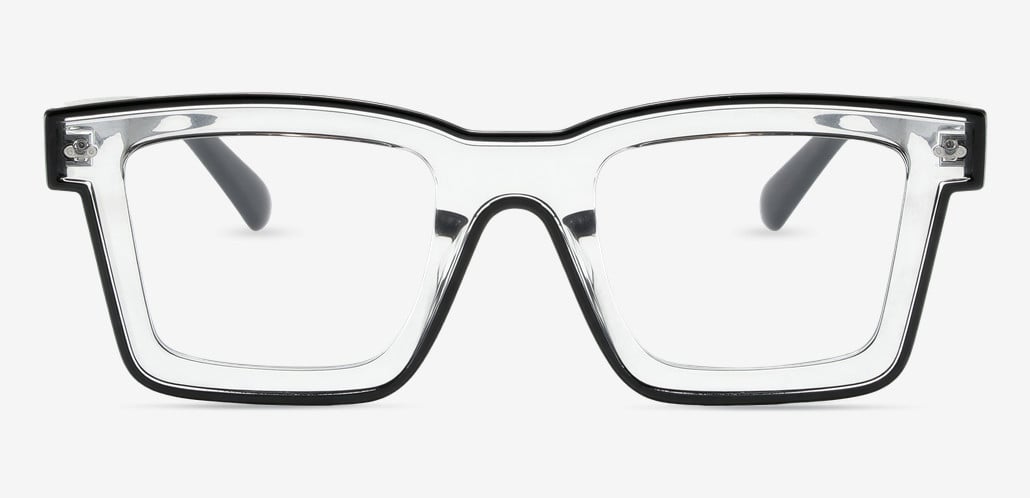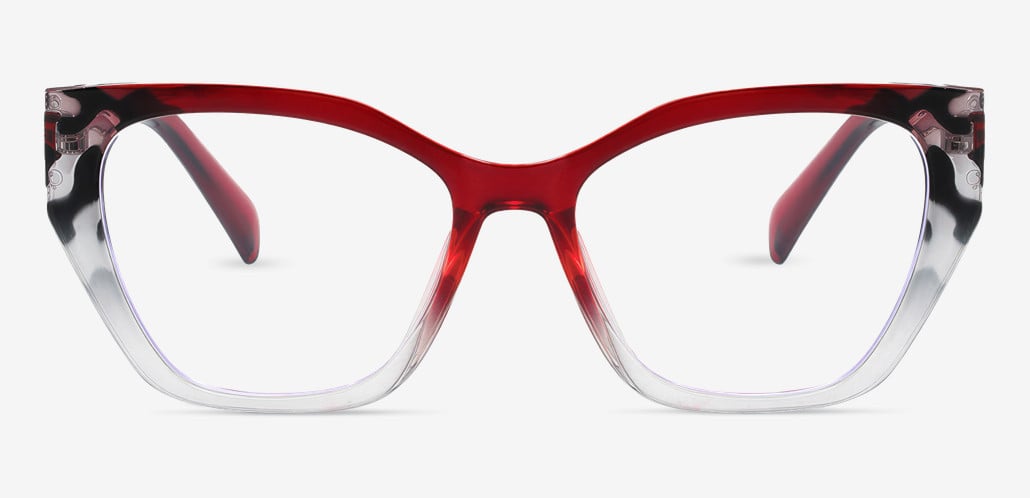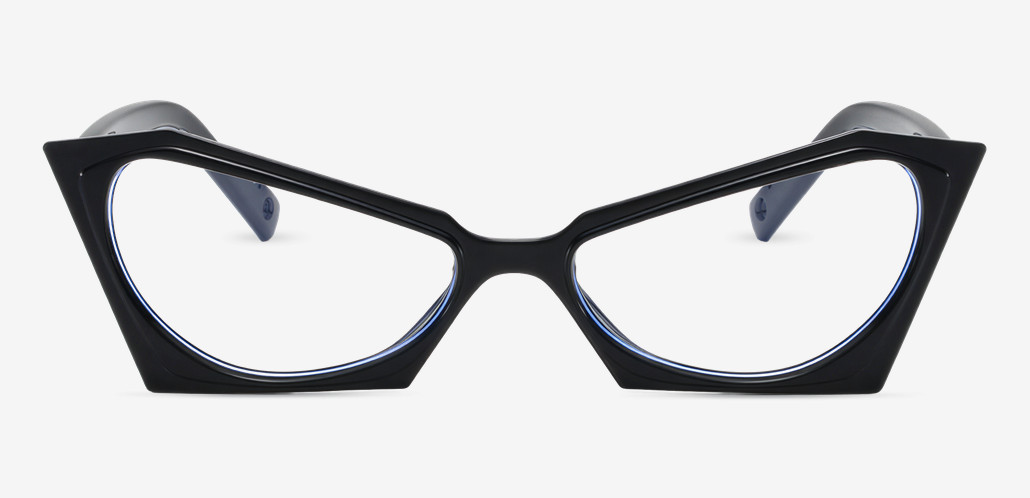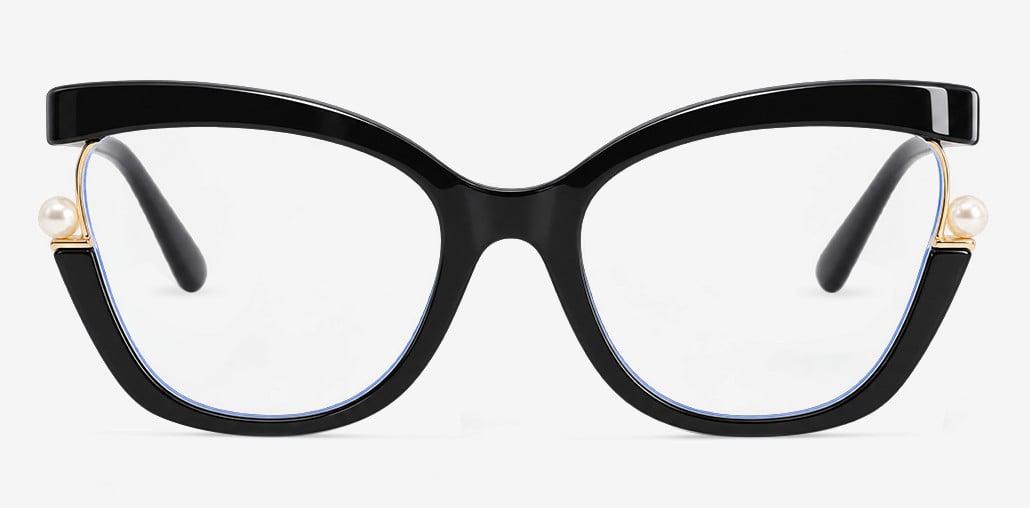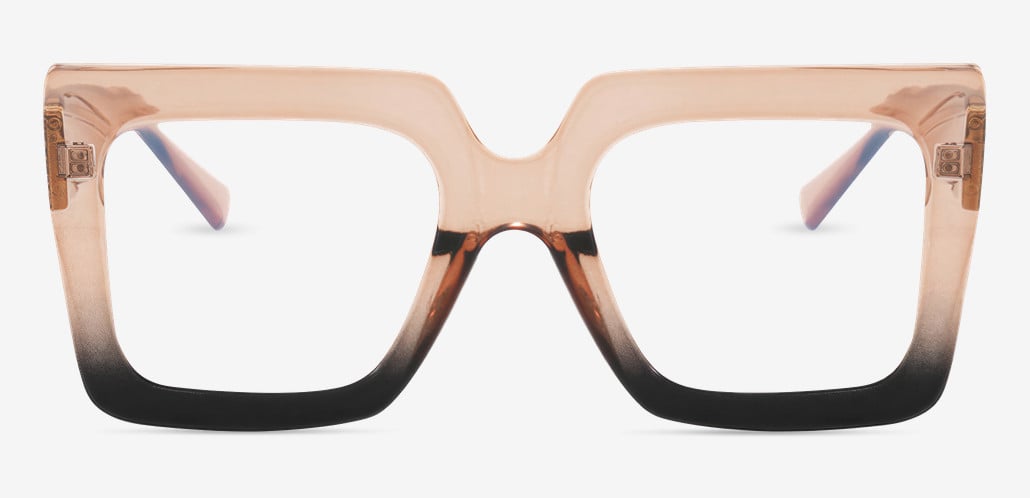

Acetate sunglasses are frames cut and polished from solid sheets of cellulose acetate — a plant-based material made from cotton fibers and wood pulp rather than the petroleum-based plastic used in cheap drugstore shades. It's the same material the expensive eyewear houses have used for decades, prized for deep, layered color and a substantial, hand-finished feel.
That's the short answer. But "acetate" is also one of the most misused words in eyewear marketing, slapped on frames that have never seen a sheet of the stuff. So here's the longer, more useful version: what acetate actually is, how it's made, how it stacks up against TR90 and metal, how to tell the real thing from an imposter, and whether it's the right material for you.
What acetate actually is
Cellulose acetate is, technically, a plastic — but not the kind you're picturing. It starts as cellulose pulled from natural cotton linters and wood pulp, then reacted with acetic acid to form a workable, moldable solid. Eyewear makers have leaned on it since the 1940s, when it replaced the older, more flammable and brittle materials that came before it.
What sets it apart from ordinary frame plastic isn't the chemistry so much as the format. Acetate arrives as large, colored blocks and sheets. The color and pattern live inside the material, all the way through, like the rings in a piece of wood. That's why a good tortoiseshell acetate frame has that warm, three-dimensional depth — you're looking into the color, not at a coat of paint on the surface.

How acetate sunglasses are made (and why it matters for the price)
This is the part that explains almost everything about acetate — the look, the feel, and the cost.
Cheap "plastic" frames are injection-molded: liquid plastic is shot into a steel mold, cools, pops out, done. It's fast, it's cheap, and it's why you can buy a pair at a gas station for a few dollars. The trade-off is that the color is usually a single flat tone or sprayed on, and you'll often find a faint seam line down the temples where the two halves of the mold met.
Acetate is the opposite of fast. Individual frame parts are cut from those colored sheets, then milled, tumbled, and polished — sometimes by hand — until the surface has a natural glassy luster no paint can fake. A thin metal wire is set inside the temples so they hold their shape and can be heat-adjusted to your head. Then everything gets assembled. More steps, more material, more skill. That's the cost. The best acetate sheet stock in the world comes out of Italy, with Japan close behind, and the difference in richness is something you can genuinely see.
So when a frame costs more because it's acetate, you're not paying for a logo. You're paying for a slower process and a better material.
Why people choose acetate
A few reasons come up again and again — and they're real, not marketing.
Color you can't get any other way. Layered tortoise, smoky gradients, translucent honey, deep crystal tones — acetate holds color and pattern with a depth injection plastic simply can't match.
It feels like something. Acetate has weight and density. Pick up an acetate frame and a cheap plastic one of the same size, and the acetate feels solid and intentional in the hand. For a lot of people, that heft is the appeal.
It's kind to sensitive skin. Acetate is hypoallergenic, which makes it a common go-to for anyone who breaks out or reacts to metal frames or budget plastics.
It's adjustable. Because of that wire core, an optician can warm the temples and bend them to sit comfortably behind your ears — a small thing that makes a real difference over a long day.

The honest downsides (the part most brands skip)
If a guide only lists benefits, it's selling, not informing. Acetate has genuine trade-offs, and knowing them up front saves you a return.
It's heavier. A typical acetate frame weighs somewhere around 22–25 grams, while a comparable TR90 frame can be 8–10 grams. That's the same density that makes it feel premium — it cuts both ways. If you're sensitive to weight on your nose, you'll notice.
It hates heat. Acetate's one true enemy is high temperature. Leave a pair on the dashboard of a hot car and the frame can warp or, in extreme cases, blister. Treat them like sunglasses, not like something you can cook.
It's not built for abuse. Acetate is durable for everyday wear, but it isn't the bend-it-and-forget-it material you want for a trail run, a toddler, or a gym bag. For rough use, flexible TR90 is the smarter pick.
It costs more than basic plastic. That's the deal. You're paying for the material and the process.

How to tell real acetate from "acetate-look" plastic
This is where a little knowledge pays for itself, because plenty of frames are marketed as acetate when they're injection-molded plastic dressed up to look the part. Four tells, in order of how reliable they are:
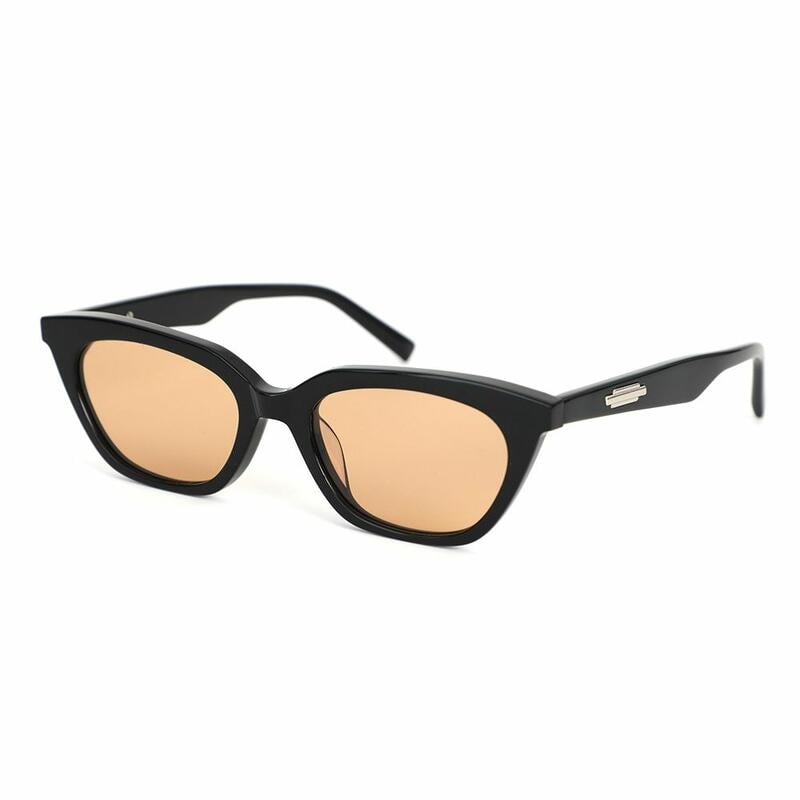
1.Check the nose bridge and end pieces. On genuine acetate frames, the nose pad area and the temple end pieces are usually clear or translucent, even when the rest of the frame is a bold color — because those pieces are added after the frame is shaped. On injection frames, the nose pads are molded in one piece with the front, so they're the same color as everything else. A colorful frame with clear nose pads is almost always real acetate.
2.Look for a mold seam. Injection-molded frames often have a faint parting line running along the edge of the front or down the temples, where the two halves of the mold met. Acetate, cut from a sheet, doesn't have that seam.
3.Look at the color in cross-section. Acetate's pattern runs all the way through the material. If you can see the cut edge of a temple, the color and pattern continue through it rather than stopping at a painted surface.
4.Weigh it in your hand and look at the shine. Acetate is denser and has a deep, polished luster. Injection plastic tends to feel lighter — sometimes hollow — with a flatter finish and less refined edges.
One more thing, since the industry loves the word: "handmade" on its own means very little. Almost every frame involves some hand assembly. The material and the finish tell you more than the marketing copy does.
Are acetate sunglasses sustainable? The honest answer
This is where most articles overpromise, so it's worth getting right.
The cellulose base of acetate — the cotton and wood pulp — is renewable, and that's genuinely a point in its favor over fully petroleum-based plastics. But here's the catch nobody puts on the label: standard acetate is made workable using plasticizers that are often petroleum-derived. So conventional acetate is partly plant-based, not fully natural, and it does not simply biodegrade if you toss it in a drawer or a backyard compost.
There's a newer category called bio-acetate (you may see names like Mazzucchelli M49 or LAES BioCell) that swaps those petroleum plasticizers for plant-based ones. It's a real improvement, and some bio-acetates are even harder-wearing than the traditional stuff. But even bio-acetate is only conditionally biodegradable — it needs specific end-of-life conditions to break down, not just time.
The practical takeaway: if sustainability is your priority, look for verified certifications and supply-chain traceability, not just the phrase "plant-based acetate," which can be greenwashing when there's nothing behind it. Honest beats vague.

How to care for acetate sunglasses so they last
Acetate rewards a little care and punishes neglect, so a few habits go a long way.
Clean them with mild soap and water, then dry with a microfiber cloth. Skip household cleaners with harsh solvents.
Keep them out of heat. No hot dashboards, no leaving them near a stove or a radiator. Heat is the one thing that genuinely damages acetate.
Store them in a case when they're not on your face — acetate scratches more easily than glass.
Get them re-adjusted, not forced. If they loosen up, an optician can re-bend the temples in seconds thanks to that wire core. Don't muscle them yourself.
Looked after, a quality acetate frame easily lasts years.
So, who should actually buy acetate sunglasses?
Acetate is the right call if you want sunglasses with presence — real color, a designed silhouette, a frame people notice — and you'll wear them as part of your day rather than only at the beach. It's also a smart pick if metal frames bother your skin, or if you're putting prescription lenses in and want something nicer than throwaway plastic carrying them.
It's not the move if you need the lightest possible frame, you're hard on your sunglasses, or you want a single pair that survives sport and travel without babying. In those cases, lightweight TR90 will make you happier.
If you're in the first camp, you can browse our full acetate sunglasses collection here. Every frame is real acetate, named rather than coded, and checked by a licensed optician before it ships — and almost any pair can be made in your prescription. You can also try any frame on virtually before you commit, which takes most of the guesswork out of buying online.
Frequently asked questions
Is acetate the same as plastic?
Technically acetate is a type of plastic, but it's not the same as the injection-molded plastic in cheap frames. Acetate is cut from colored sheets and hand-polished, which gives it richer color, more depth, and a more substantial feel than molded plastic.
Do acetate sunglasses break easily?
For normal everyday wear, no — quality acetate is durable and lasts years. It's just not made for hard impact or extreme flexing the way TR90 is, and it can warp if exposed to high heat, so keep it out of hot cars.
How long do acetate sunglasses last?
With basic care — case storage, gentle cleaning, no heat — a good acetate frame can last many years. Over a very long lifespan, the material can gradually become less pliable, but that's measured in years of regular use.
Can acetate sunglasses be made with prescription lenses?
Yes. Almost any acetate frame can take prescription lenses, including single-vision, bifocal, or progressive. At Aoolia, you pick the frame, upload your prescription, and choose your lens type at checkout.
Is acetate better than TR90?
Neither is better overall — they're built for different priorities. Acetate wins on looks, color, and that premium feel. TR90 wins on weight, flexibility, and durability for active use. Pick based on how and where you'll wear them.