
The One Thing People Remember About You After a Meeting
Sit through a full day of back-to-back meetings and try to recall the faces afterward. Most of them blur. The handful you actually remember usually had one small, specific thing going on — a good watch, a particular way of speaking, a frame that wasn't black.
That last one is doing more work than people give it credit for.
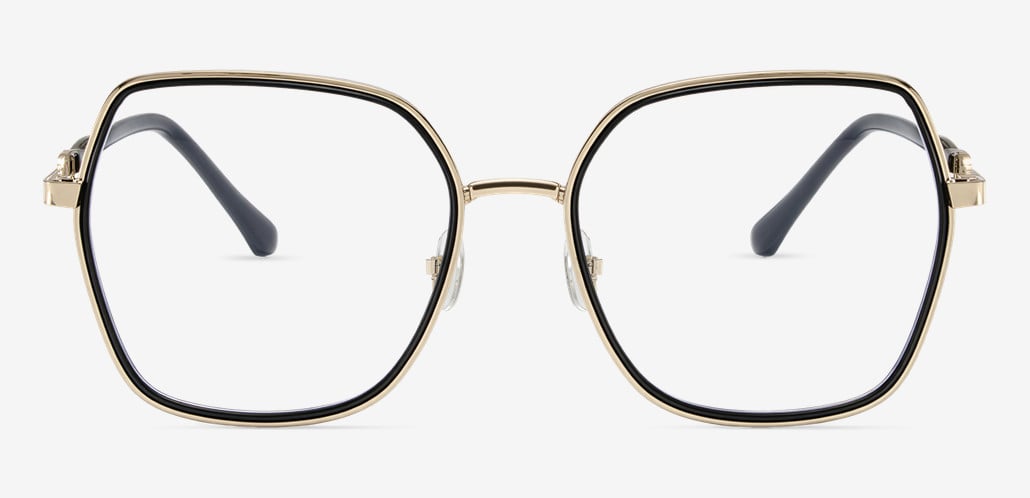
Black acetate is the default uniform of the conference room. It's safe, it's fine, and it makes you look like roughly forty percent of everyone else in the building. Silver and gunmetal read a little cooler and more technical. Gold sits in a different place entirely: it's warm, it's deliberate, and it's just unusual enough in a corporate setting that people register it without being able to say why. That's the whole pitch of a gold frame at work. You become slightly easier to remember, and you didn't have to do anything loud to get there.
The catch — and the reason this guide exists — is that "gold" covers a huge range, from a thin satin wire that practically whispers to a thick, bright, polished frame that announces itself from across the room. Get the version right and you land on understated but memorable. Get it wrong and you tip into flashy, which is the one thing no one wants to be in a professional setting. The difference is almost entirely in the finish and the proportions, and most people have never had it explained to them. So let's do that.
Why Gold Reads Differently in a Professional Room
There's a reason black is the corporate default and gold isn't — and it's not that gold is unprofessional. It's that black is invisible, and invisible feels safe.
But "safe" and "effective" aren't the same thing. In a room where everyone is wearing variations of the same dark frame, the warm, slightly metallic tone of gold does two things at once. It signals a bit of confidence (you chose something instead of defaulting), and it softens your face rather than hardening it the way heavy black plastic can. Warm metals tend to read as approachable and considered, where cool silver can read as clinical. For client-facing work, advising, sales, teaching, law, medicine, hospitality, leadership — anything where you want people to trust you and also feel comfortable around you — that warm-but-credible blend is genuinely useful.
This is the part competitors usually skip, so I'll be blunt about it: a gold frame is a low-risk way to look more put-together without looking like you're trying. It's the eyewear version of a well-chosen belt or a good pair of shoes. Nobody compliments it directly. They just come away with the impression that you have your act together.

Finish Is Everything: How to Stay on the Right Side of "Flashy"
If you remember one thing from this guide, make it this. The single biggest factor in whether gold glasses read expensive and understated or cheap and loud is the finish — not the shape, not even the price.
Here's how the finishes break down in plain terms.
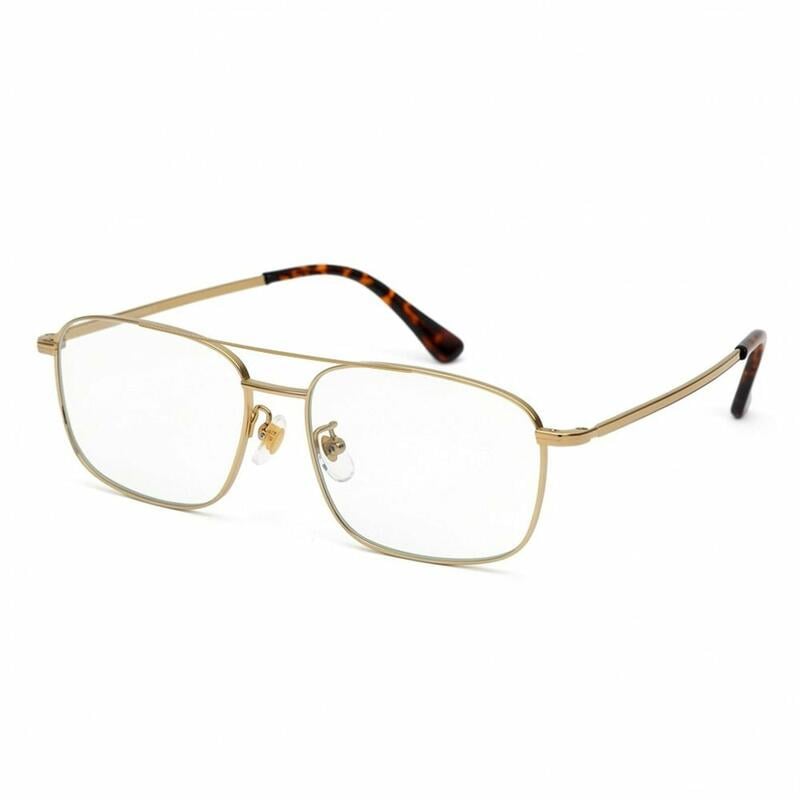
Brushed or satin gold is the professional default. The surface has a soft, matte-leaning texture that catches light gently instead of bouncing it. This is the finish that reads modern and quiet, and it's the one I'd point almost any office worker toward first. It photographs well, ages well, and never looks like costume jewelry. Aoolia's catalog leans heavily this direction for exactly this reason.
Polished, high-shine gold is the riskier one. It's beautiful in the right context, but bright mirror-polished gold is what most people picture when they say a frame looks "flashy" or "blingy." On a thin wire it can still work. On a thick frame, in a conservative office, it's a lot. If your workplace skews traditional, skip it.
Antique, muted, or champagne-leaning gold is the most conservative of all — a desaturated, slightly warm metal that barely registers as gold until you look closely. If you're nervous about color at the office, start here. (We have a separate guide on champagne frames if you want to go even quieter.)
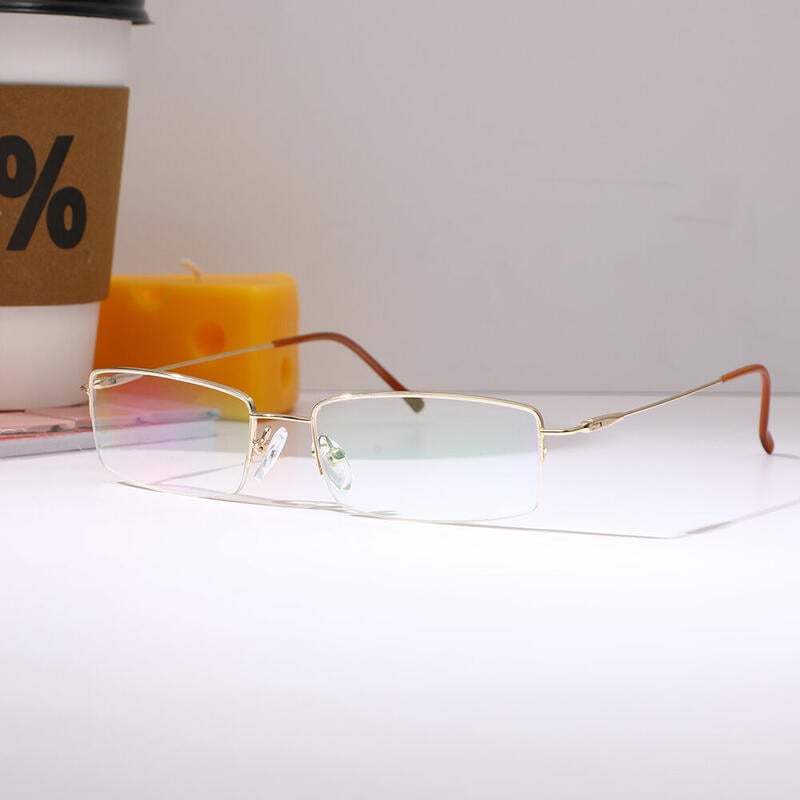
The other lever is thickness. A thin, wire-gauge gold frame is almost impossible to make look loud — the metal is too sparing to shout. The thicker and more solid the gold, the more deliberate you have to be. When in doubt: thinner and more matte is the safer professional bet, every time.
The Video-Call Test Nobody Talks About
In 2026 a lot of "professional appearance" happens through a webcam, and that changes the math on frame color in a way the old style rules never accounted for.
Conference cameras and office overhead lighting tend to render cool and a little clinical. Daylight-balanced and fluorescent office lighting sits in a color range that can leave faces looking slightly washed out or flat on screen, which is part of why everyone looks vaguely tired on Monday-morning calls. Against that cooler cast, a warm gold frame holds its color and adds a little warmth right around your eyes — the exact part of your face people look at on a call. Silver and gunmetal, by contrast, can disappear or read even cooler under the same lighting.
I'm not going to oversell this. Gold glasses won't fix bad lighting, and the right move is still to get some daylight or a neutral light on your face. But of all the things you can change cheaply, frame color is one of the easiest, and warm gold is more forgiving on camera than cool metals are. If half your meetings are on a screen, that's a real, practical reason to lean gold rather than silver.

Shapes That Carry Credibility (Matched to What You Do)
Forget the face-shape charts for a second. In a professional context, the more useful question is what your work asks of you. Here's how the main gold shapes tend to land, with real frames from the catalog to anchor it.
If you want maximum boardroom credibility — finance, law, consulting, executive roles — go rectangular or browline. These are the most authoritative frames in the gold lineup. A clean gold rectangle like the Lucien or Hamilton reads sharp and serious. Browline styles like the Cuicee or the designer-tier Thodor carry a quiet old-money authority — the gold brow line does the talking without the frame being loud.
If you want approachable and modern — tech, marketing, healthcare, education — a square or soft geometric works. The Charles square or Cotton read structured but friendly, which is the sweet spot when you need people to take you seriously and feel at ease.
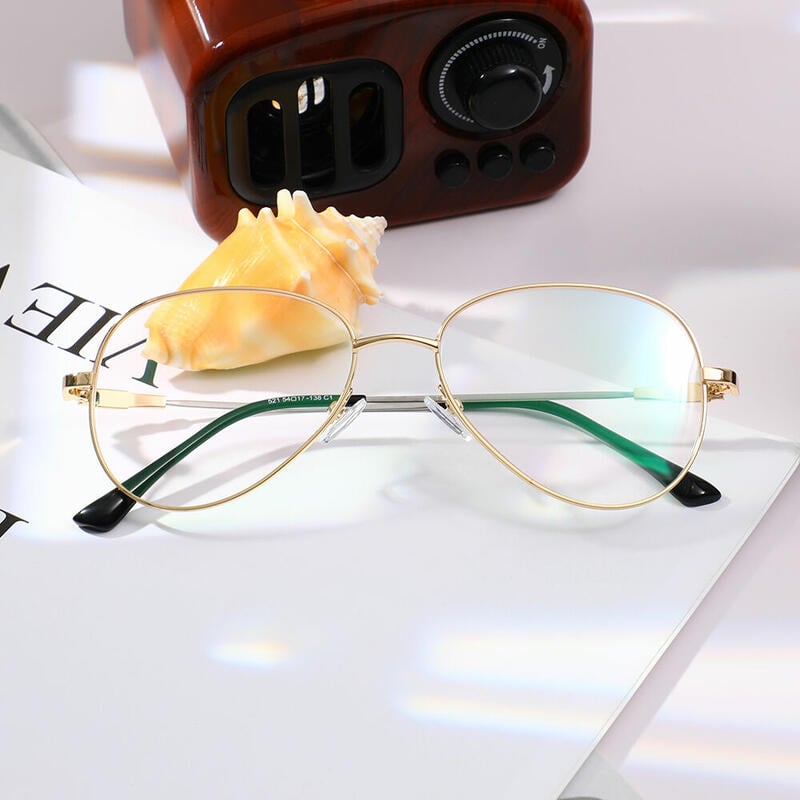
If you're in a creative or more expressive field — design, media, founders, anyone whose job rewards being a little distinctive — this is where round and aviator earn their keep. A thin gold round like the Hilary or Lawson, or a refined gold aviator like the Keynes, reads as memorable on purpose. These are the frames people describe later as "the guy with the gold glasses" — which, for the right job, is exactly the goal.
The whole gold collection runs roughly $11.95 to $69.95, so none of this requires a big bet. If you've never worn a metal frame to work, you can test the idea for the price of lunch.
The Boring Stuff That Actually Decides It: All-Day Wear
A work frame isn't a going-out accessory. You wear it forty to fifty hours a week, on calls, at a screen, through long afternoons. Comfort and durability aren't footnotes here — they're the difference between glasses you forget you're wearing and glasses you take off in every break.
Three things matter, and the catalog filters let you sort for all of them:
Weight. Thin metal already feels lighter than chunky acetate, and a good chunk of Aoolia's gold frames are titanium — barely-there on the bridge, which your nose will thank you for by 4 p.m. If long-wear comfort is your priority, filter for titanium first.
Nose pads. Adjustable nose pads (the overwhelming majority of the gold range has them) let you dial out the slipping and red marks that make metal frames annoying. This is the fix for "metal glasses always slide down my nose."
Spring hinges. They flex instead of loosening over months of putting glasses on and off, which keeps the fit honest over a long workday.
And one durability point worth naming, because it's the thing that quietly embarrasses people: cheap gold plating wears at the contact points — bridge, temple tips, where the frame touches your skin — and once it flakes, a gold frame looks tired fast. You don't need a chemistry lesson to avoid it. Just buy a frame with a properly plated finish and clean it with water and mild soap rather than alcohol wipes, which strip plating over time. Done right, a $25 gold frame will look sharp for years. Done wrong, it'll look rough by the holidays.

A Quick Word for Men
Gold gets coded as a women's color more than it deserves, and at work that's a missed opportunity. A thin gold rectangle or a gold browline is one of the more quietly powerful looks a man can wear in a professional setting — it reads classic, slightly editorial, and confident without being showy. If you've defaulted to black or gunmetal your whole career, a brushed gold browline is the single easiest upgrade to how you come across in a room. The men's section has plenty of gold built on exactly this logic.
When Gold Isn't the Move
To be straight with you: gold isn't always the answer. If your workplace is genuinely conservative and image-controlled — certain legal, banking, or government environments — and you sense that anything other than black or dark frames would register as a statement, trust that read and stay subtle (muted/antique gold or champagne, thin gauge only). If you wear a lot of cool-toned silver jewelry and want everything to match, silver may sit better with your wardrobe. And if you simply feel self-conscious in metal, that discomfort will show more than any frame color ever could. Confidence is the actual variable. Gold just gives most people a little more of it.
Honest Answers to the Questions People Actually Ask
Are gold glasses too flashy for the office?
Not if you pick the right finish. Brushed, satin, or muted gold in a thin gauge reads understated and professional. Bright mirror-polished gold on a thick frame is the version that looks flashy — and it's the one to skip in a conservative workplace.
Gold or silver glasses for work — which is more professional?
Both are professional. Silver and gunmetal read cooler and more technical; gold reads warmer and more approachable. If your work is client-facing or relationship-driven, gold's warmth tends to help. If you want to disappear into the room, silver or black does that better.
Are gold glasses okay for a job interview?
Yes, in a subtle finish. A thin brushed-gold rectangle or browline looks polished and intentional without drawing focus. Save the bold, high-shine, or oversized gold frames for after you've got the offer.
Do gold glasses look cheap?
They can — but it's about the finish and plating, not the color. A well-plated brushed gold frame looks refined at any price. A poorly plated bright gold frame looks costume-y and wears badly. Quality of finish is what separates "expensive-looking" from "cheap."
Are gold glasses good for video calls?
Generally yes. Office and webcam lighting tends to run cool, and warm gold holds its color and adds a little warmth around your eyes on screen, where cooler silver can wash out. It won't replace good lighting, but it's a small, easy edge on camera.
What's the most professional gold frame shape?
Rectangle and browline carry the most boardroom authority. Square reads structured but friendly. Round and aviator are more expressive and best suited to creative or founder-type roles where being memorable is an asset.
About this guide
This guide was written and reviewed by Aoolia's in-house optical and styling team. Aoolia is an independent direct-to-consumer eyewear company; every prescription on every order is reviewed by a licensed optician before lenses are cut, and our styling guidance draws on years of fitting customers for work, interviews, and daily professional wear — in person and through our virtual try-on. The points about finish, fit, and on-camera appearance reflect what we actually see hold up over time, not just what looks good on a product page.
Browse the full collection at gold glasses, or use the virtual try-on to see a frame on your own face before you commit. Have a question we didn't cover here? Open a support ticket and a real optician will answer it.