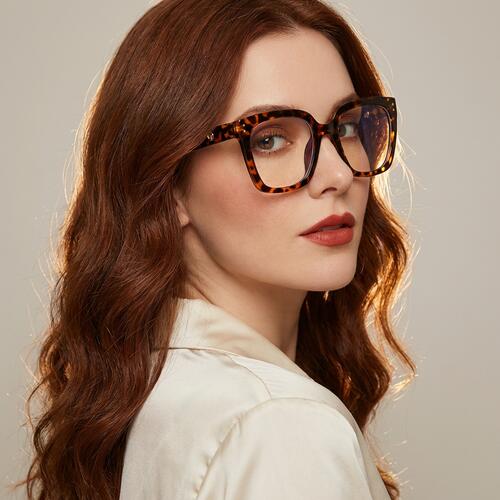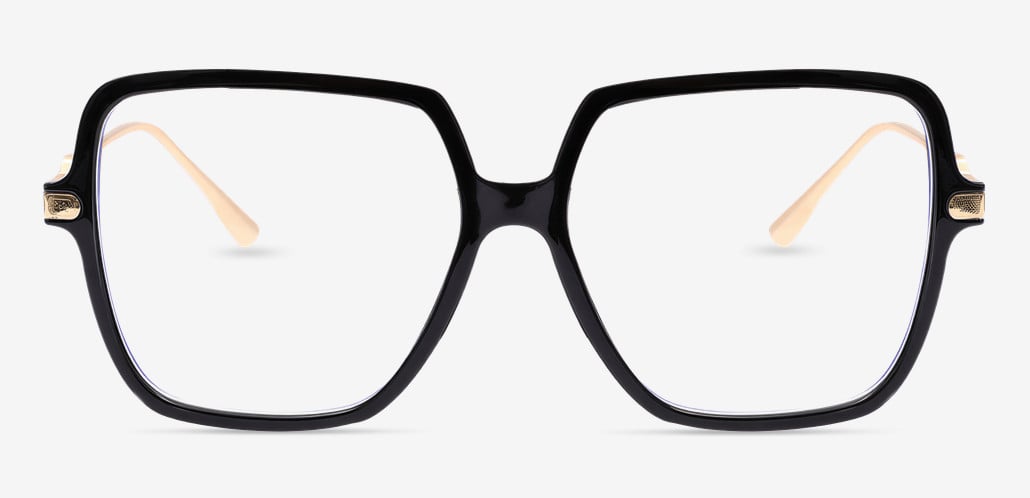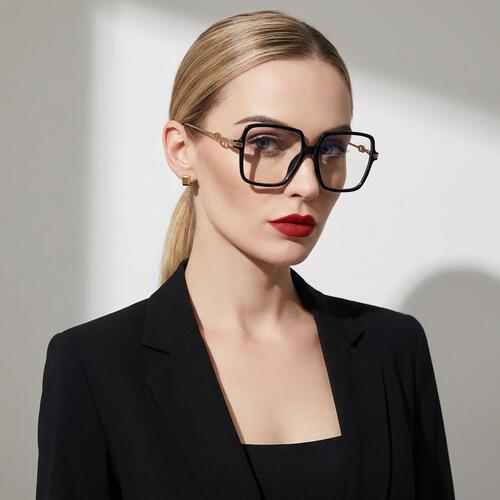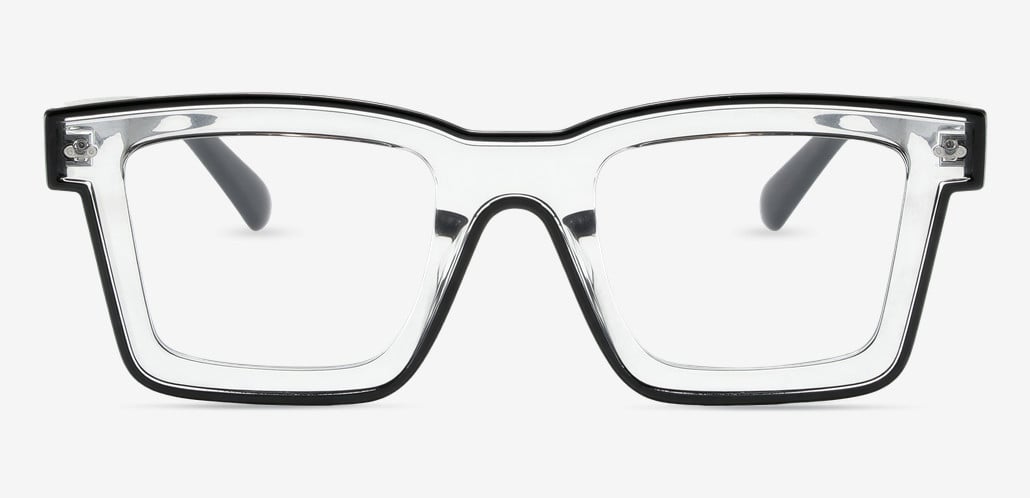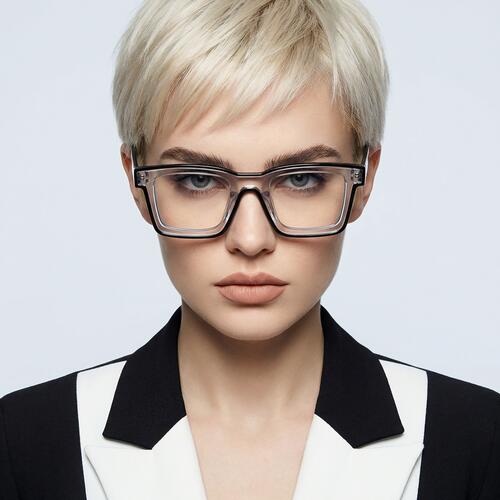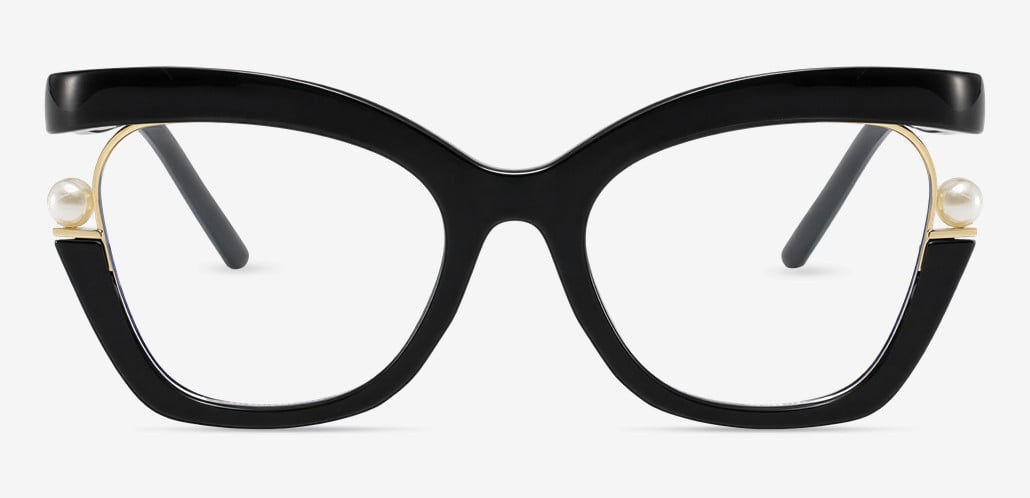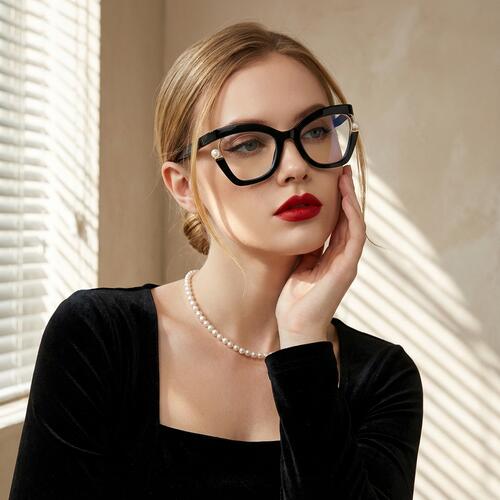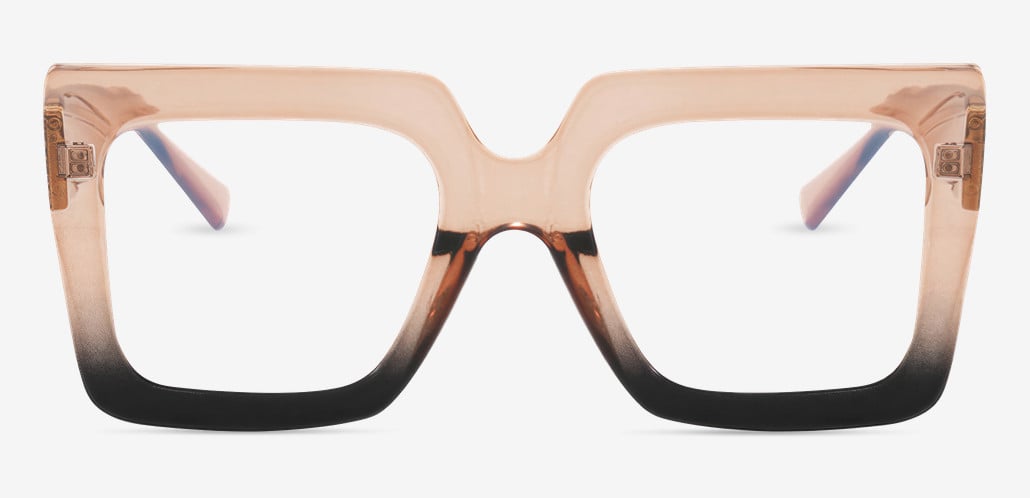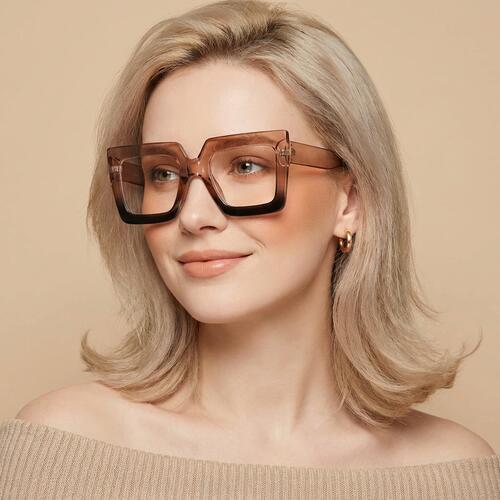

The frame people pick when they don't want to think about it
If you ask around, almost nobody says rectangle glasses are their favorite shape. They just keep buying them.
That's not an insult to the shape — it's the whole point of it. The rectangle is the frame you reach for when you want to look pulled together without making a statement, when you need something that reads professional, and when you genuinely don't want your glasses to be the first thing people notice. It's been one of the best-selling frame shapes in the country for years for exactly that reason. It's the safe pick.
And the safe pick is precisely where the mistake hides.
Because rectangle frames feel like a low-stakes, low-thought purchase, most people switch their brain off the moment they land on the category. They scroll, they find a black or tortoise rectangle that looks sharp in the product photo, they click buy. Then the glasses show up, they put them on, and something is just… off. Not broken. Not ugly. Off. They looked great on the screen and somehow wrong on an actual face.
That gap — looked good online, felt off in real life — is the single most common complaint we hear about rectangle frames specifically. And it almost never comes down to the thing people blame. It's not the color, the material, or even really the "shape." It's that they bought a word and a thumbnail instead of a fit.
The real mistake: "rectangle" is a label, not a spec
Here's the part that catches even careful shoppers.
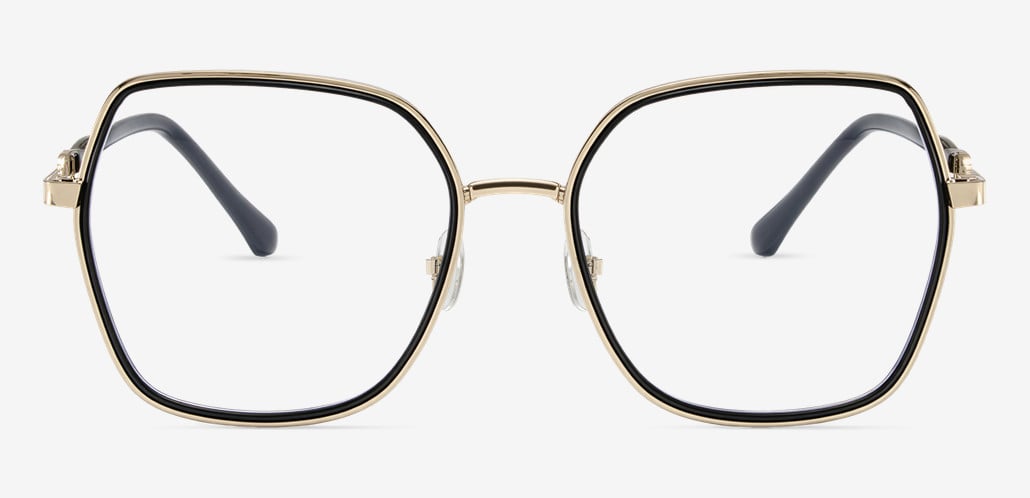
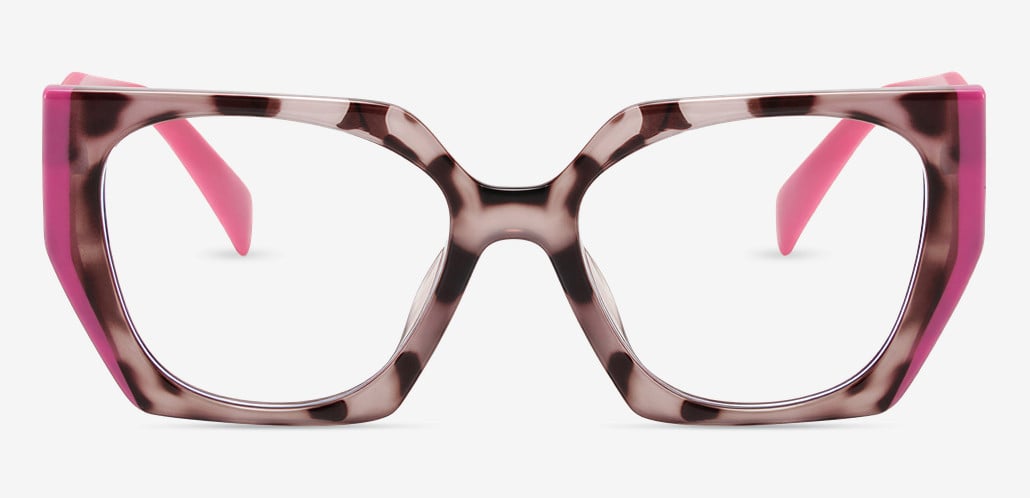
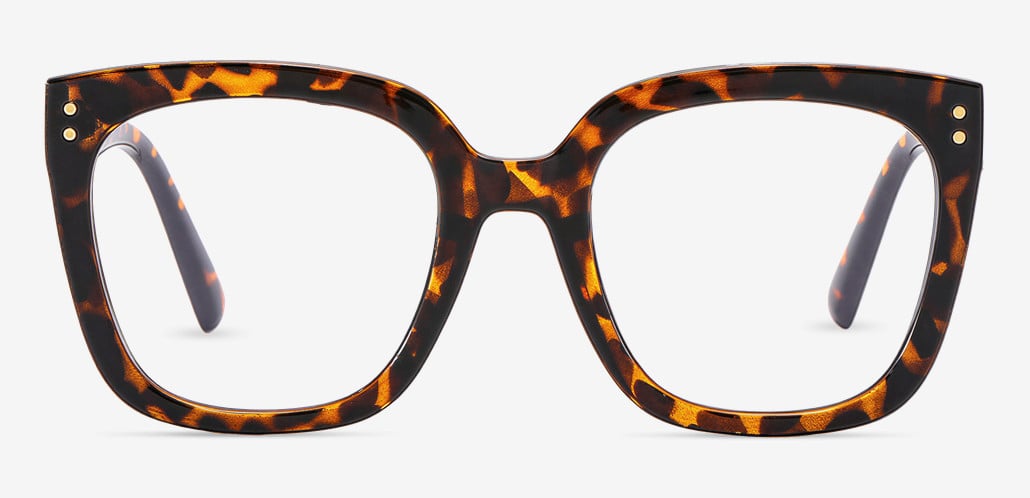
"Rectangle" tells you almost nothing about how a frame will sit on your face. It's a category, not a measurement. Two pairs can both be filed under rectangle eyeglasses and be completely different objects — one a long, shallow, sporty visor of a frame, the other a tall, softly squared frame that's a hair away from being called a square. Same label. Opposite effect on the same face.
When you shop by the label, you're outsourcing the most important decision to a photo. And product photos are designed to flatter the frame, not predict your fit. The model's face isn't your face. The frame is shot at a friendly angle on a neutral background. Screens distort size constantly — a frame can look delicate on a laptop and arrive looking like safety goggles. None of that is dishonest; it's just not information about you.
So the biggest mistake, stated plainly: people choose rectangle glasses by shape name and appearance, and never check the two numbers that actually decide whether the frame works. Fix that, and the "looked good online, wrong in person" problem mostly disappears.
The two numbers nobody checks
Number 1: total frame width — the measurement that isn't even printed on your glasses
This is the big one, and it's sneaky.
Total frame width is the distance straight across the front of the frame, hinge to hinge — the full horizontal span that has to match the width of your face. It's the number that controls whether a frame sits on you. Get it right and the glasses feel like they belong there. Get it wrong and everything else falls apart: a frame that's too wide slides down your nose, drifts around, and makes your face look narrow and a little lost inside it; a frame that's too narrow pinches at the temples, leaves pressure marks, and visually pushes your face out wider than it is.
The cruel twist? Total frame width is almost never stamped on the frame. Flip open a temple arm and you'll find three numbers — but total width isn't one of them. So the single most decisive measurement is the one most shoppers literally never see, which is exactly why they never account for it.
A quick way to gut-check width in person: with the glasses on, you should be able to slip at most one fingertip between the temple arm and the side of your head. More than that and they're too wide to stay put.
How to actually get your number: take the pair of glasses you already own that fits best, lay it face-down, and measure straight across the front from one hinge to the other in millimeters. That figure — usually somewhere in the 125–145 mm range for adults — is your shopping ruler. When you're comparing rectangle frames online, that's the spec to hunt for and match, not the shape name.
Number 2: the proportion — lens width versus lens height
The second number people skip is the one that decides a rectangle's personality.
A rectangle is defined by being wider than it is tall, but how much wider is everything. The ratio of lens width to lens height is what separates a sharp, architectural, sporty rectangle from a soft, classic, almost-square one. Two frames can sit identically on your face and still send opposite signals because their proportions are different.
As a rough guide:
Taller, deeper lenses (closer to square) read softer, more classic, and more understated. They cover more of the area around the eye, which tends to flatter and is far friendlier if you wear or might soon wear progressive lenses — those need vertical room to work.
Shorter, shallower lenses read sharper, more modern, more sporty. They can look great, but they crowd the eyes if they're too short, and they're a poor match for progressives.
Almost nobody compares lens height when buying. They register "rectangle" and move on. But if you've ever loved a frame in theory and felt it looked severe or "too much frame" in practice, proportion is usually the culprit — not the shape, the ratio.

How to read the three numbers you do have
You don't need an optician to decode your current glasses. Open one of the temple arms and you'll see something like 52□18-140 (sometimes with dashes, sometimes with a little square between the first two). All measurements are in millimeters:
First number — lens width (eye size): the width of one lens at its widest point. Most frames fall between 40 and 60 mm. Under ~50 is small, 51–54 is medium, 55+ is large.
Second number — bridge width: the gap between the two lenses that sits over your nose, usually 14–24 mm. If your glasses constantly slide down, this number may be too big; if they pinch, too small.
Third number — temple length: the length of the arms from hinge to ear tip, typically 120–150 mm, with 140 the most common.
Here's the trap, and it ties straight back to the mistake: these are the only numbers most websites publish — and none of them is total frame width. Two frames can share the same "52" lens width and still be different total widths once you account for bridge and frame thickness, so they'll fit differently. Use these three numbers as a reference point from a pair you already love, and don't stray more than a millimeter or two from your comfortable bridge width. But never assume a matching first number means a matching fit.
A 60-second check before you buy a single rectangle
You can save yourself a return with about a minute of effort:
1.Grab the glasses you own that fit best. Read the three numbers off the arm and write them down.
2.Lay that pair face-down and measure straight across the front, hinge to hinge. That's your target total frame width.
3.Decide which personality you want: a softer, taller rectangle or a sharper, shallower one. That's your lens-height call.
4.When you shop, compare frames by total width and lens height — not by the word "rectangle" and not by the photo alone.
5.Use virtual try-on to sanity-check proportion on your face, not to judge size. Screens are unreliable for size; trust your measured numbers for that.

What about face shape?
You'll notice this guide has barely mentioned face shape, and that's deliberate. The internet has trained everyone to obsess over face-shape charts, but in practice a well-proportioned rectangle that's the right width flatters the large majority of faces — that versatility is the whole reason it sells so well. When a rectangle "doesn't suit someone," the problem is almost always fit and proportion, not their face. Face shape is the fine-tuning step, not the foundation. If you want to dial it in after you've nailed the fit, our face shape guide and our companion piece on how to find the right rectangle frames go deeper there.