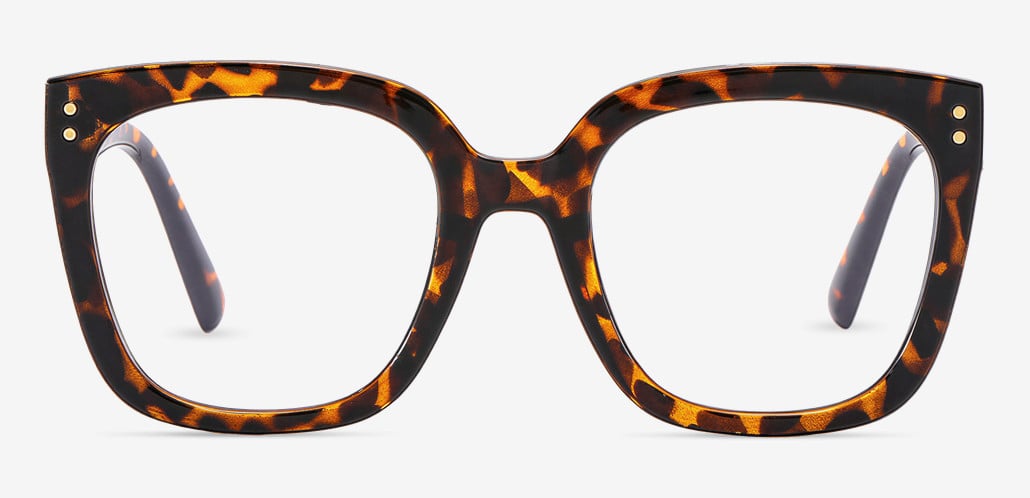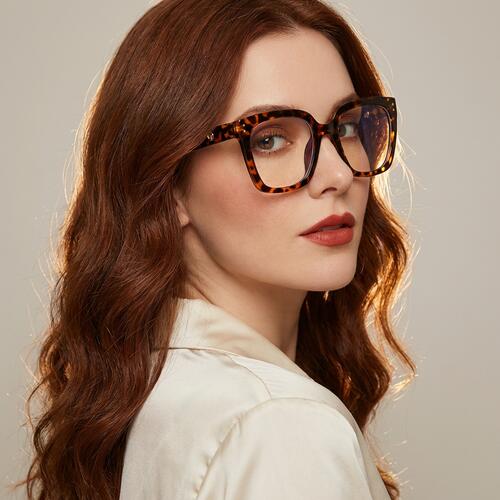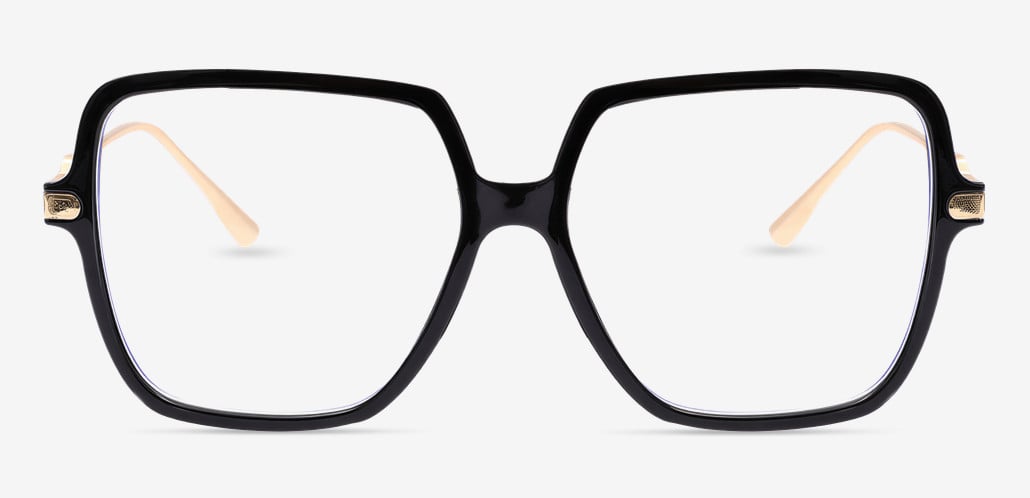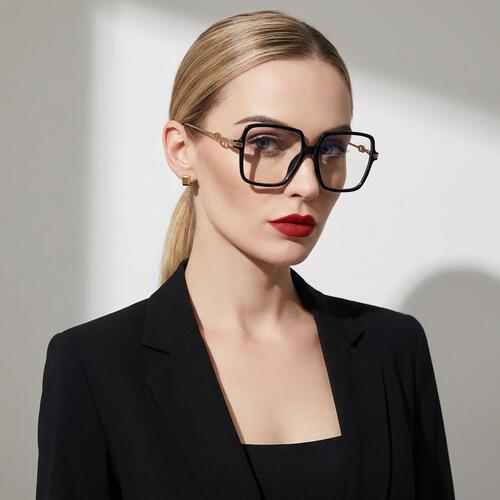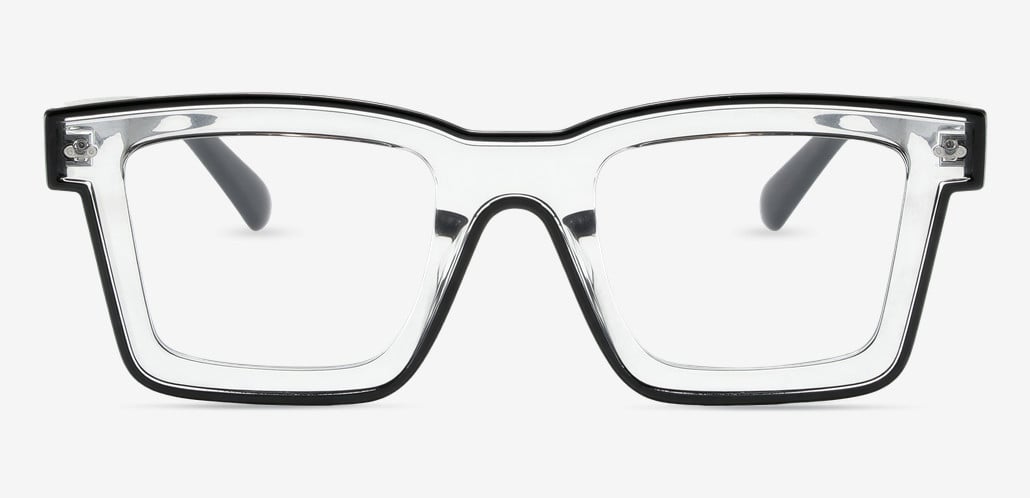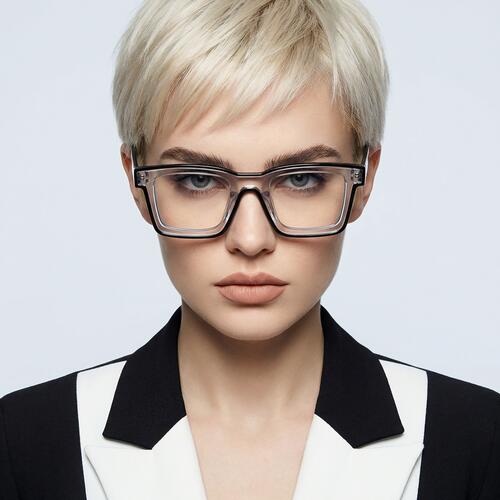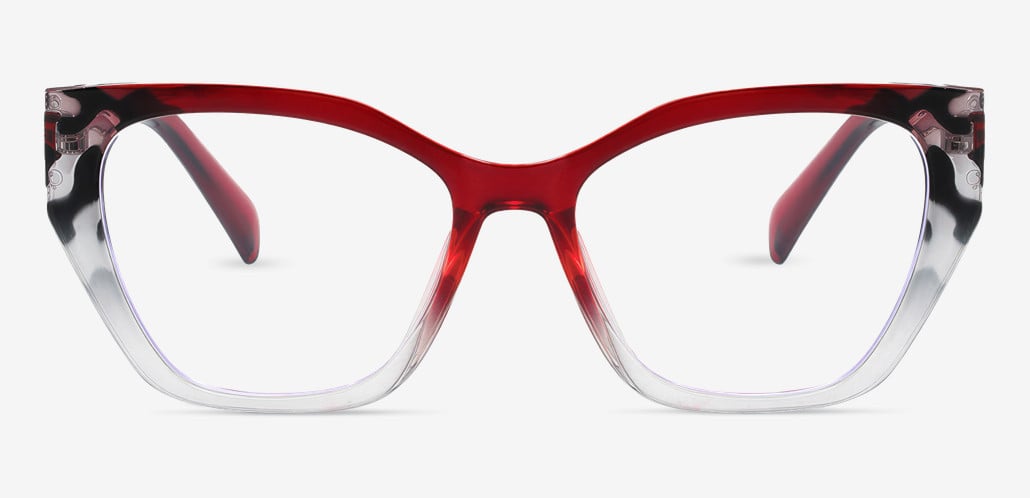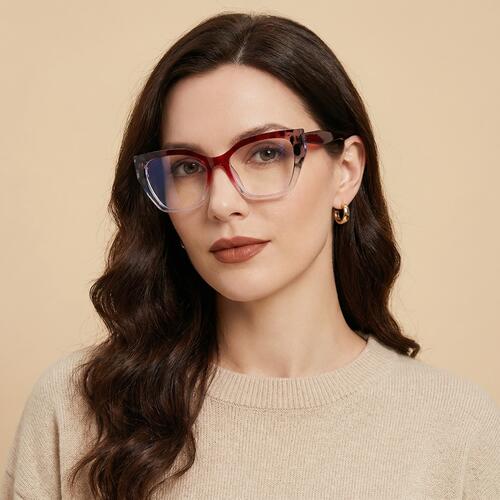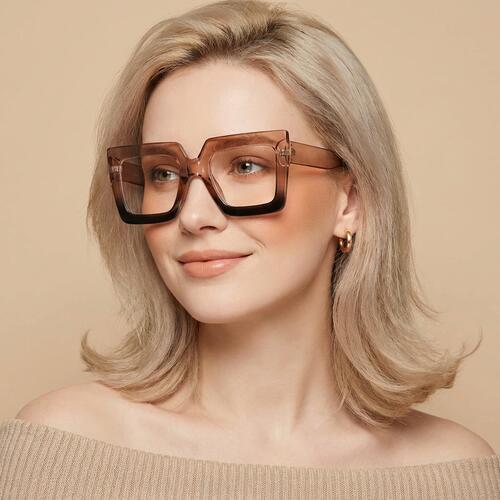

For many people, buying sunglasses starts with one simple question:
"Which pair looks good on me?"
But custom sunglasses shift the conversation entirely.
Instead of choosing from whatever happens to be available, customization allows you to build eyewear around your lifestyle, comfort preferences, vision needs, and personal style. The result isn't simply another accessory—it's a pair of sunglasses that feels intentional every time you wear it.
Whether you're shopping for everyday use, driving, traveling, sports, or prescription sunglasses, understanding how customization works helps you make better decisions and avoid costly mistakes.
This guide explains every step of the process—from choosing frame materials to selecting lenses, colors, coatings, and fit—so you can confidently design sunglasses you'll actually enjoy wearing for years.
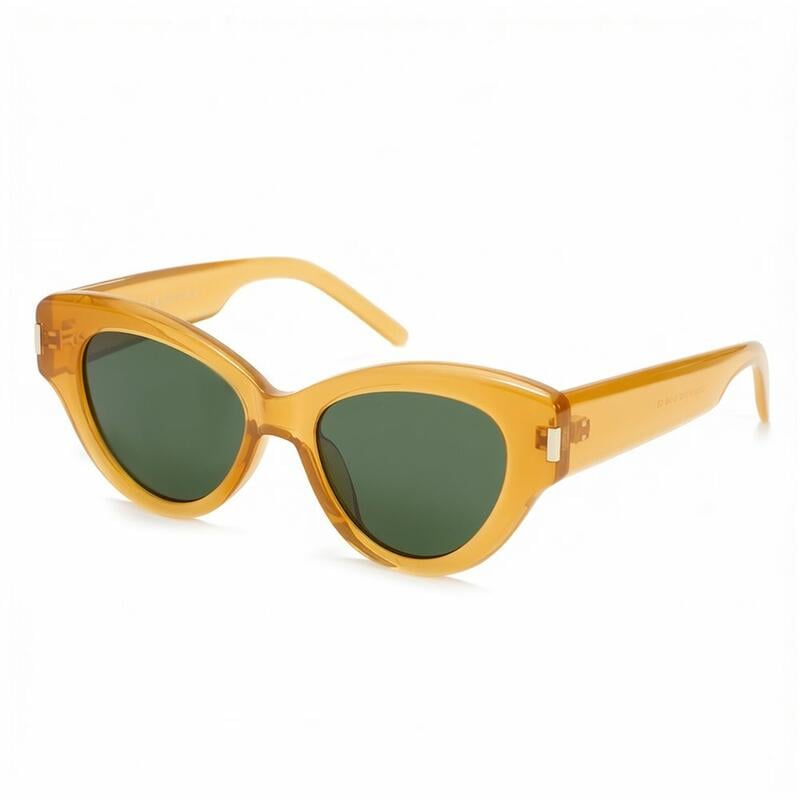
Why More People Are Choosing Custom Sunglasses
Mass-produced sunglasses are designed for the average customer.
The challenge is that almost nobody is truly "average."
Some people have wider faces.
Others need prescription lenses.
Some spend hours driving every day, while others mainly wear sunglasses at the beach or during weekend hikes.
These differences affect much more than appearance.
A pair that looks great online may pinch behind your ears after an hour. Another may fit comfortably but create distracting glare while driving. A fashionable frame may not support the prescription lenses you need.
Customization solves these problems by allowing several important decisions to work together instead of relying on luck.
Instead of asking:
"Do these sunglasses fit me?"
you begin asking:
"How should these sunglasses work for my life?"
That small shift often leads to much greater long-term satisfaction.

Start With Your Lifestyle Before Your Style
One of the biggest mistakes shoppers make is choosing frames before thinking about how they'll actually use them.
Appearance matters—but function determines whether sunglasses become your favorite pair or stay in a drawer.
Ask yourself a few practical questions first.
Daily commuting
If you spend hours behind the wheel, comfort and glare reduction become priorities.
Features worth considering include:
Polarized lenses
Lightweight frames
Neutral lens colors that preserve traffic signal recognition
Scratch-resistant coatings
Long driving sessions quickly reveal uncomfortable nose pads or poorly balanced frames.

Outdoor activities
Running, hiking, cycling, fishing, or golfing place different demands on eyewear.
You'll usually benefit from:
Secure fit
Durable frame materials
Impact-resistant lenses
Wraparound designs for additional peripheral protection
Fashion alone won't keep sunglasses stable during movement.
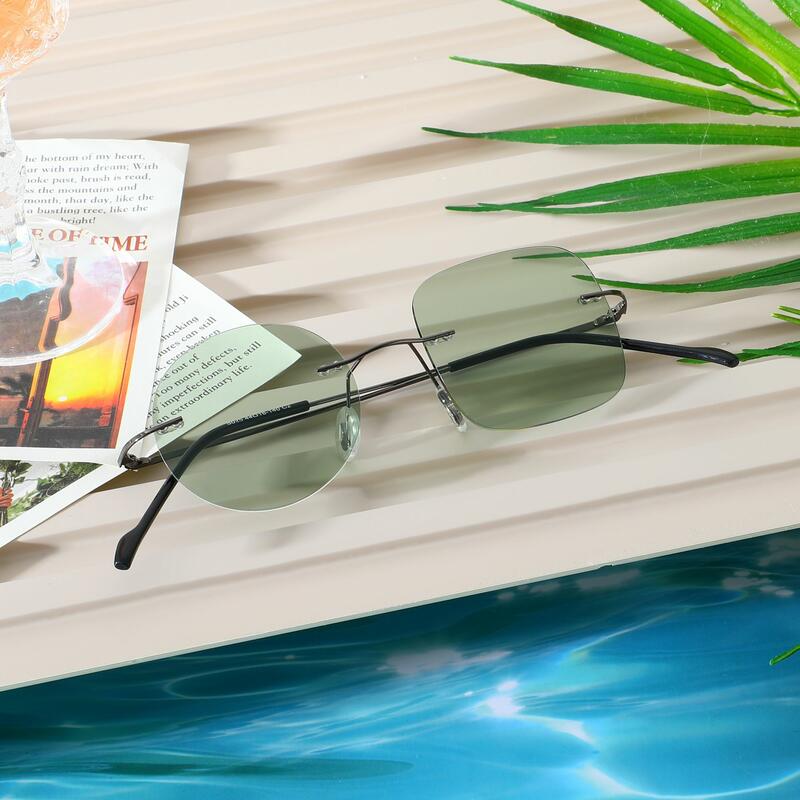
Office and city life
For everyday wear, versatility often matters more than specialized performance.
Many people prefer:
Timeless frame shapes
Medium-tint lenses
Comfortable all-day weight
Neutral colors that pair with different outfits
The goal is a pair that transitions naturally between work, errands, and weekends.
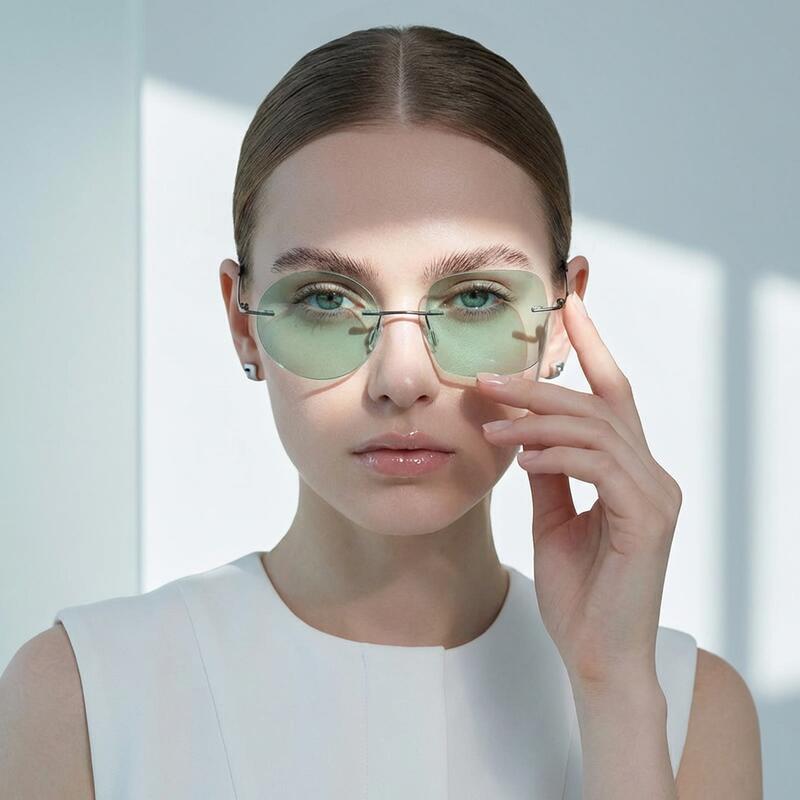
Vacation and travel
Travel usually means changing environments.
You may move between beaches, cities, mountains, airports, and restaurants throughout the same trip.
Versatile custom sunglasses often include:
UV400 protection
Polarization
Easy-to-clean coatings
Durable hinges
Lightweight construction for packing
Choosing with travel in mind often results in a pair you'll continue wearing long after vacation ends.
Think Beyond Face Shape
Many online articles reduce sunglasses shopping to one concept:
"Choose frames based on your face shape."
While face shape can provide a useful starting point, it represents only one piece of the puzzle.
Professional optical fitting considers many additional factors.
Facial width
Two people with oval faces may need completely different frame widths.
Frames that are too narrow create pressure on the temples.
Frames that are too wide slide down constantly.
Proper width usually contributes more to comfort than frame style itself.

Nose bridge fit
Bridge design has an enormous impact on stability.
People with lower nose bridges often benefit from adjustable nose pads or specially designed bridge geometry.
Others prefer integrated bridges for a cleaner appearance.
An otherwise attractive frame quickly becomes frustrating if it continually slips.
Temple length
The temples should rest comfortably behind the ears without excessive pressure.
Too short:
Tight fit
Headaches
Pressure points
Too long:
Sliding
Reduced stability
Frequent adjustments
Small sizing differences become surprisingly noticeable during all-day wear.
Lens coverage
Coverage influences both protection and comfort.
Larger lenses help reduce sunlight entering from above and the sides.
Smaller fashion-oriented frames may offer a lighter appearance but allow more peripheral light.
Think about where you'll wear the sunglasses most rather than following trends alone.
Choosing Frame Materials That Match Your Priorities
Different materials create different experiences.
No material is objectively "best."
Each balances weight, durability, flexibility, appearance, and cost differently.
Acetate
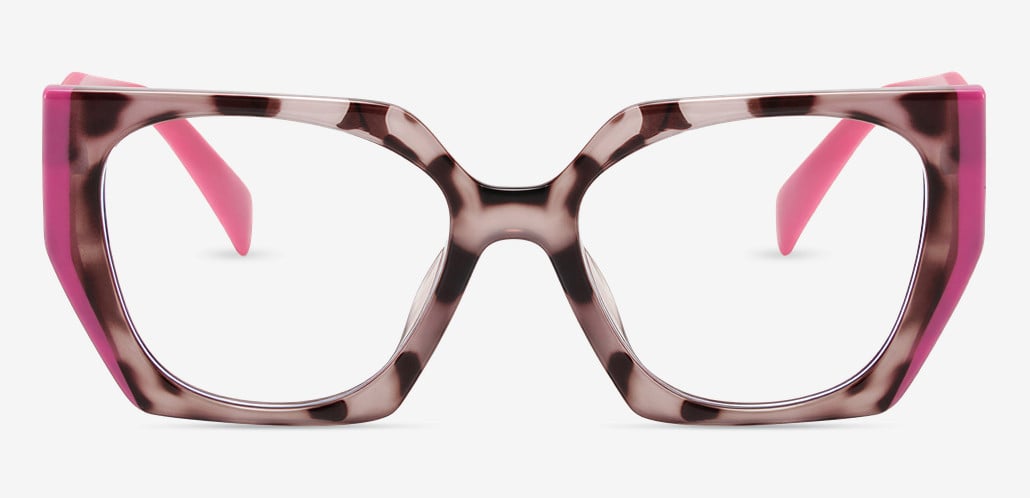
Acetate remains one of the most popular premium materials because it offers:
Rich color depth
Glossy finish
Comfortable weight
Excellent durability
Wide variety of patterns
It's ideal for shoppers who value style without sacrificing long-term quality.

TR90
TR90 has become increasingly popular for active lifestyles.
Advantages include:
Extremely lightweight
Flexible
Resistant to impact
Comfortable for extended wear
Many sports-inspired sunglasses use TR90 because it performs well under movement.
Metal
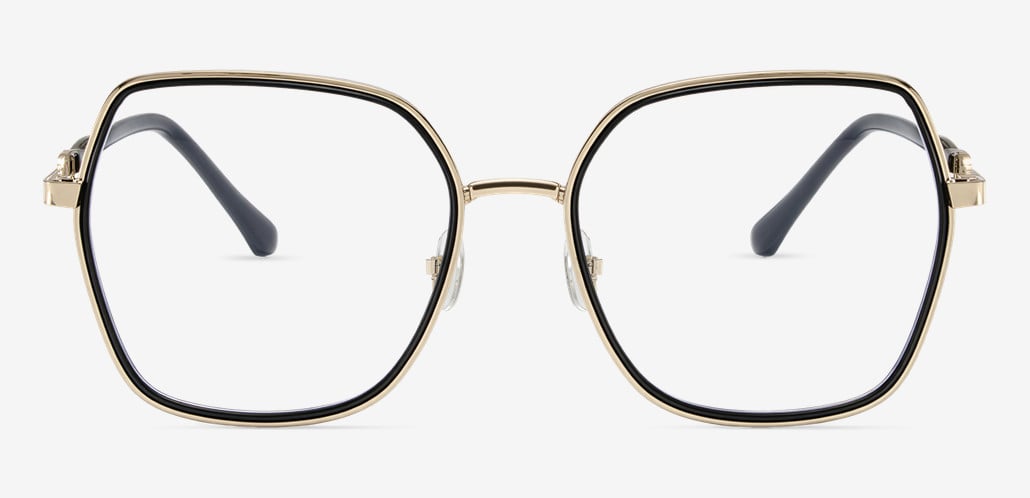
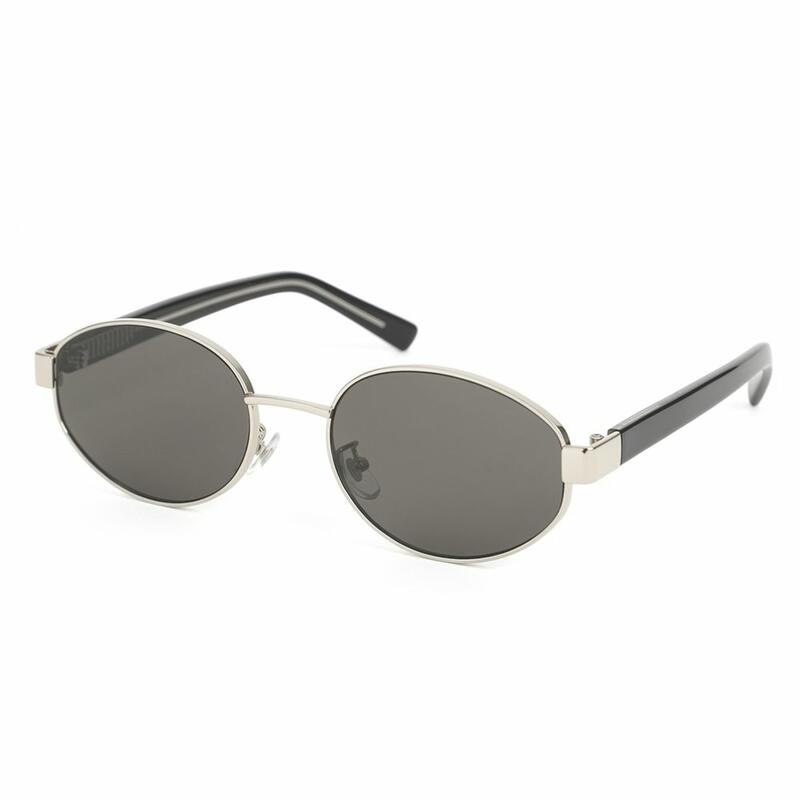
Metal frames create a clean, refined appearance.
Benefits include:
Slim profiles
Adjustable nose pads
Sophisticated styling
Lightweight construction
Modern stainless steel and titanium options also resist corrosion remarkably well.
Mixed-material frames
Many custom sunglasses combine materials to balance aesthetics and performance.
Examples include:
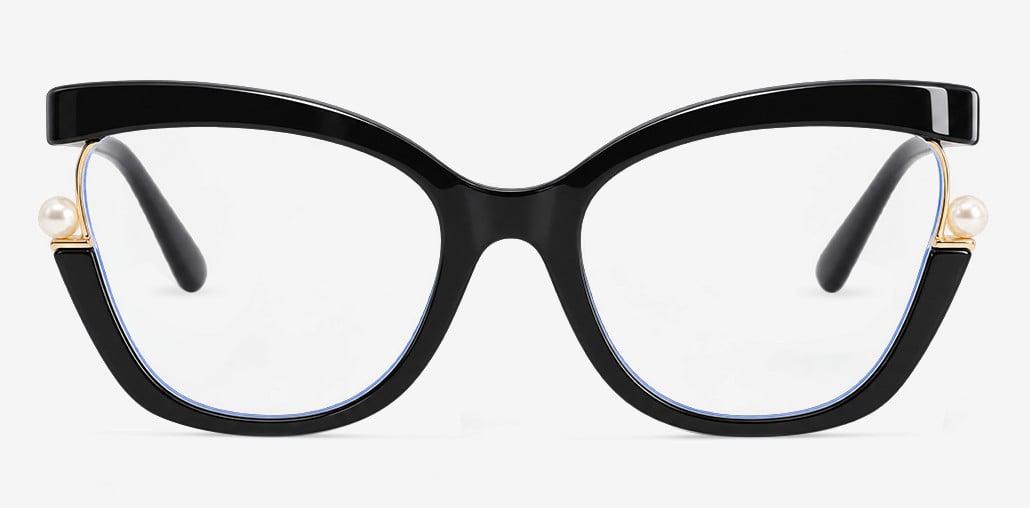
Acetate fronts with metal temples
Metal frames with rubberized grip inserts
Lightweight composites paired with adjustable components
Rather than asking which material is "best," ask which combination best supports your everyday routine.

Style Should Reflect Your Personality—Not Just Trends
Trends change every season.
Personal style lasts much longer.
When designing custom sunglasses, consider how often you'll wear them over the next several years rather than focusing only on what's currently popular.
A useful approach is to choose one defining characteristic instead of trying to maximize every visual element.
For example:
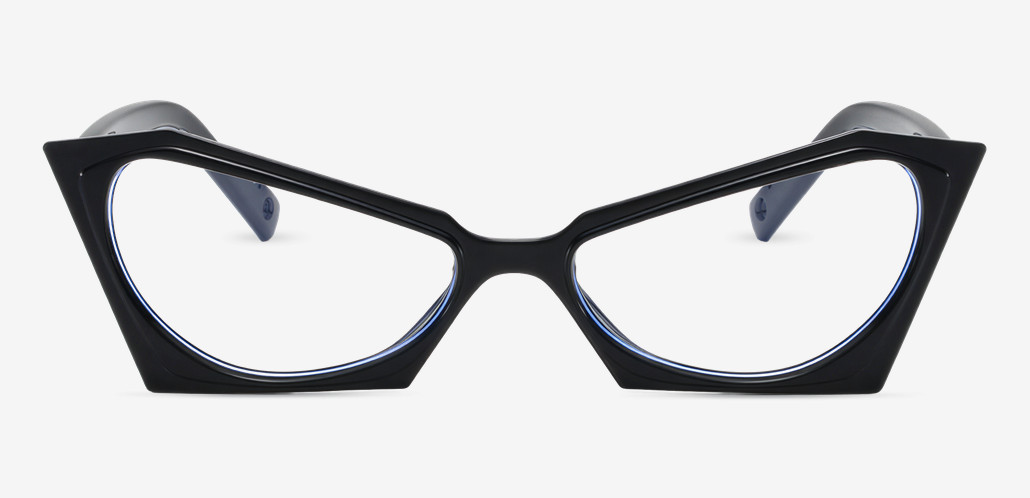
Bold frame shape with neutral colors
Classic frame with colorful lenses
Minimalist design with premium materials
Vintage-inspired silhouette with modern lens technology
Limiting the number of dramatic elements often creates sunglasses that remain stylish long after seasonal trends fade.
More importantly, they continue feeling like your sunglasses rather than someone else's idea of fashion.