
By Hollis Bergman, ABO-Certified Optician (ABOC) · Last updated June 2026
I've fitted titanium frames that cost twenty-seven dollars and titanium frames that cost three hundred. Same word stamped on the box. Not the same glasses.
That's the thing nobody tells you when you start shopping. "Titanium" sounds like a single, settled answer — light, tough, premium, done. But after twelve years behind a dispensing counter, adjusting these frames and handling them when they come back under warranty, I can tell you the word is doing a lot of quiet work. It covers a spectrum of materials, constructions, and price points that perform very differently on your face.
So this isn't a sales pitch for titanium. It's a guide to reading it — what the word actually promises, what it leaves out, and how to tell what you're really getting before you pay.
The short version
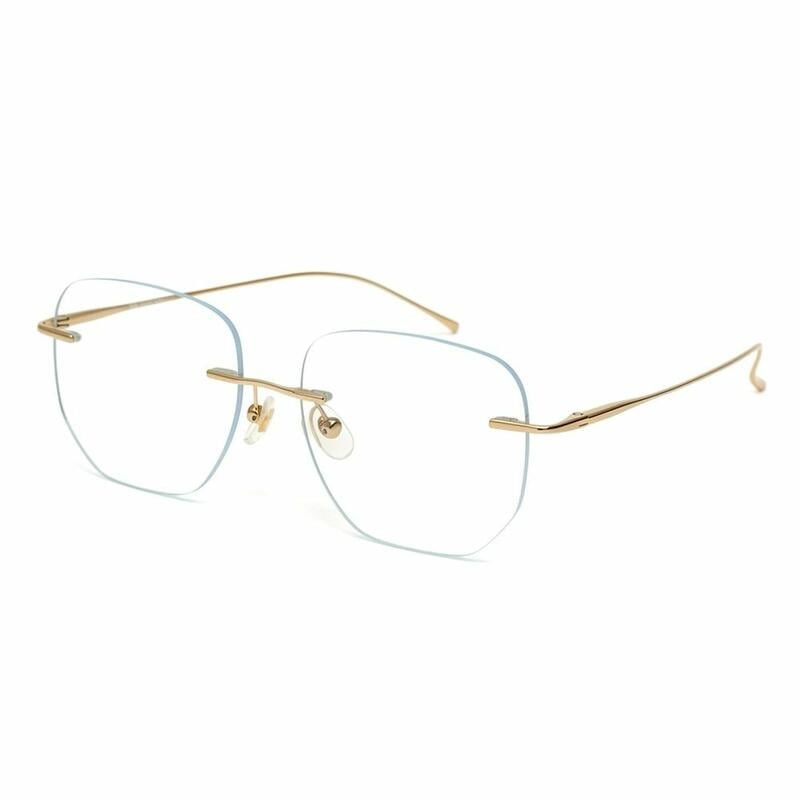
Titanium glasses are eyeglass frames made primarily from titanium, a metal prized for being unusually light, resistant to corrosion, and gentle on skin. A typical titanium frame weighs somewhere between 8 and 15 grams — roughly half what a comparable steel frame would weigh — which is why people who switch often describe the feeling as "barely there."
That's the answer you'll find on most pages. Here's what those pages skip: a frame can be sold as "titanium" while only its temple arms are titanium, or while it's made from a titanium alloy rather than the pure metal. Those distinctions are the whole game. We'll get to them.
Why eyewear fell for titanium in the first place
Before decoding labels, it helps to understand what made opticians and frame designers reach for this metal at all. Three properties, and each one shows up in how the glasses feel day to day.
It's light for how strong it is. Titanium has a density of about 4.5 grams per cubic centimeter — close to half that of stainless steel — yet it holds structure beautifully. That ratio is why titanium can be drawn into wire-thin temples and slim rims that still keep their shape. The practical payoff isn't a number on a spec sheet; it's the absence of red dents on the bridge of your nose at 6 p.m.
It builds its own armor against corrosion. Titanium reacts with oxygen to form a thin, stable oxide layer on its surface. That layer reseals itself if scratched, which is why titanium shrugs off sweat, humidity, sunscreen, and the salt air at the beach far better than ordinary metal. If you've ever had a cheaper frame develop a green, pitted patch where it touched your skin, you've met the problem titanium solves.
Your skin tends to leave it alone. The same biocompatibility that makes titanium the default for surgical implants and dental posts is why it sits comfortably against most people's faces. Pure titanium contains no nickel — the metal behind the great majority of skin reactions to jewelry and eyewear — so it's a genuine relief for people who break out in a rash from standard frames. (One asterisk on that, coming up in the spectrum section.)
There's also a quieter reason titanium took over the minimalist look: because it's strong enough to go thin, it lends itself to clean, almost architectural frames. The metal made a whole aesthetic possible.

The part nobody explains: "titanium" is a spectrum, not a spec
Here's where most articles wave their hands. When you see "titanium" on a product page, you're actually seeing one of several different things, and the differences are exactly what separate a frame you'll love from one you'll quietly return.
Aoolia's own titanium collection makes the point better than I can. Filter the category and you'll see 121 frames listed — but the material breakdown shows roughly 102 marked full titanium, with the rest classified as mixed-material or another material entirely. That's normal across the industry. A "titanium" category is rarely 100% pure titanium. So the first question to ask isn't is this titanium — it's which kind, and which parts.
Full titanium vs. partial titanium. The most common surprise. A frame can be marketed as titanium when only the temple arms (the parts over your ears) are titanium and the front is a different metal or plastic — or vice versa. Neither is a scam, but they don't deliver the full weight-and-skin benefit. If lightness and hypoallergenic comfort are why you're buying titanium, "front and temples, both titanium" is the spec you want.
Pure titanium vs. beta titanium vs. titanium alloy. Think of these as a rigidity dial.
Commercially pure titanium (often stamped "Pure Titanium" or "Ti-P") is the most stable and corrosion-resistant. It holds a fitted shape well and resists everyday chemistry. Great for people who set a fit and keep it.
Beta titanium is an alloy engineered for flex. It springs back after bending, so it tolerates being shoved in a bag, sat on, or worn by someone hard on their glasses. You'll often see it in temples for exactly that reason.
Titanium alloy blends titanium with other metals for a balance of cost and performance. Usually the more affordable end of the "titanium" shelf.
None of these is "best." They're answers to different questions — do I want a frame that stays put, or one that bounces back?
Memory metal, and the nickel catch. You'll also run into "memory titanium" or "flexon"-style frames. Many of these use nitinol, a nickel-titanium alloy with remarkable spring — you can twist the temple into a knot and watch it recover. The catch hides in the name: nitinol is roughly half nickel. If you chose titanium specifically because nickel breaks you out, "memory titanium" may not be the hypoallergenic frame you think it is. Read the material line, not just the marketing word.
Finish matters more than it looks. Two titanium frames can look identical on screen and age completely differently, because the color usually comes from a coating, not the metal. Ion plating (IP) bonds color at high energy and wears slowly; cheaper electroplating chips and fades. Color durability lives in the finish, and the finish is rarely on the spec sheet — it's a fair thing to ask about.
What titanium does not do
Trust runs on honesty, so here's the part the marketing leaves out. Knowing these saved my customers from disappointed returns more often than any feature list.
It is not unbreakable. Titanium resists bending and corrosion, but a thin temple can still snap at the hinge if you torque it the wrong way, and the tiny screws holding the hinges together still loosen over months of wear. Titanium buys you longevity, not invincibility.
It is genuinely hard to repair. This is the underrated downside. Titanium is difficult to solder or weld with standard optical-lab tools — it oxidizes the instant it gets hot, and a proper repair needs laser welding or an inert-gas setup most shops don't have. A bent steel frame can often be coaxed back at the counter; a cleanly broken titanium front frequently means replacement, not repair. Worth weighing if you're rough on glasses.
It does not adjust like plastic. Acetate softens with heat, so an optician can reshape it freely. Titanium holds its temper and needs the right tools and a careful hand. That's a reason to get the fit dialed in when you order — check frame width, lens width, bridge, and temple length against a pair you already like — rather than counting on big adjustments later.
The finish can still scratch. That self-healing oxide layer protects the metal, not the color coating on top of it. Drop a frame face-down on concrete and the plating will show it.
And "titanium" alone won't guarantee light. A partial-titanium frame paired with heavy components can weigh as much as the ordinary frame you were trying to upgrade from. Which brings us to the useful part.

How to tell what you're actually getting
You don't need a lab. You need four quick checks.
Read the temple stamp. Legitimate titanium frames are marked on the inside of a temple arm — "Pure Titanium," "Ti-P," "β-Ti," or similar. A frame stamped only "Titanium" with no qualifier can still be good, but it's a cue to look closer at whether the whole frame or just part of it qualifies.
Pick it up and trust your hand. Real, full titanium feels startlingly light — lighter than your instinct expects for something metal. If a "titanium" frame feels about the same as any other metal pair, that's a signal to ask which parts are actually titanium.
Use price as a floor, not a verdict. Full pure-titanium construction, quality hinges, adjustable nose pads, and good plating cost money to build. A frame in the low-$20s isn't necessarily fake — it's more likely alloy or partial titanium, which can be a perfectly smart buy if you know that's what you're choosing. The trap is paying a premium price for a budget construction, or expecting full-titanium feel from a budget tag.
Skip the magnet "test." You'll see folk advice online to test titanium with a magnet. Don't rely on it. Titanium is essentially non-magnetic — true — but several stainless steels used in frames are only weakly magnetic too, so a magnet won't cleanly separate one from the other on the corner of your kitchen counter. The temple stamp and the spec sheet beat the magnet every time.
When in doubt, ask the seller a direct question: Is the entire frame titanium, and is it pure or beta? A confident answer is itself a good sign.
Where titanium fits your life — and where it doesn't
Forget face-shape charts for a minute; the real question is lifestyle. Titanium earns its keep if you:
Wear glasses every waking hour and want to stop feeling them.
React to standard metal frames — pure titanium is one of the safest bets for sensitive skin.
Sweat in them — commuting, the gym, hot climates — where corrosion resistance matters.
Want the thin, minimal look that only a strong-but-light metal can hold.
Travel light and often, and need a frame that survives a packed bag.
Titanium is the wrong call when:
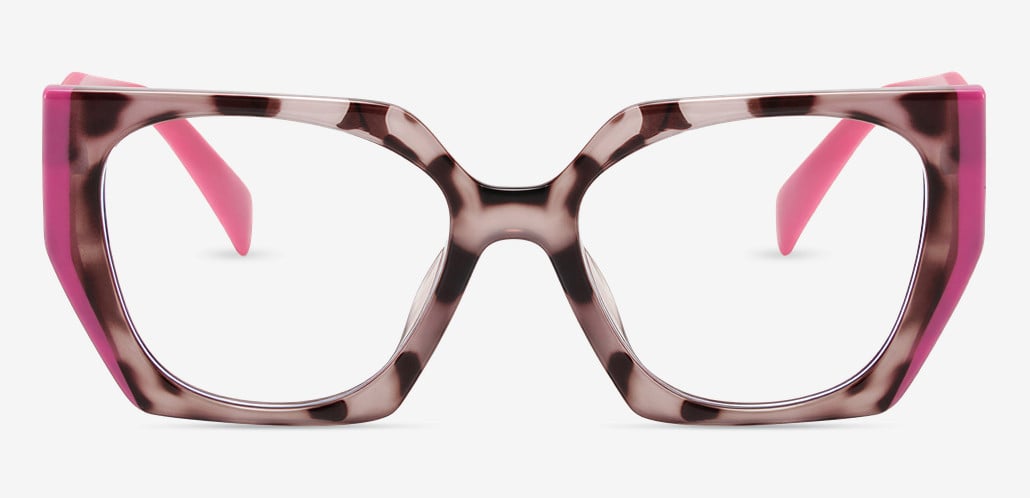
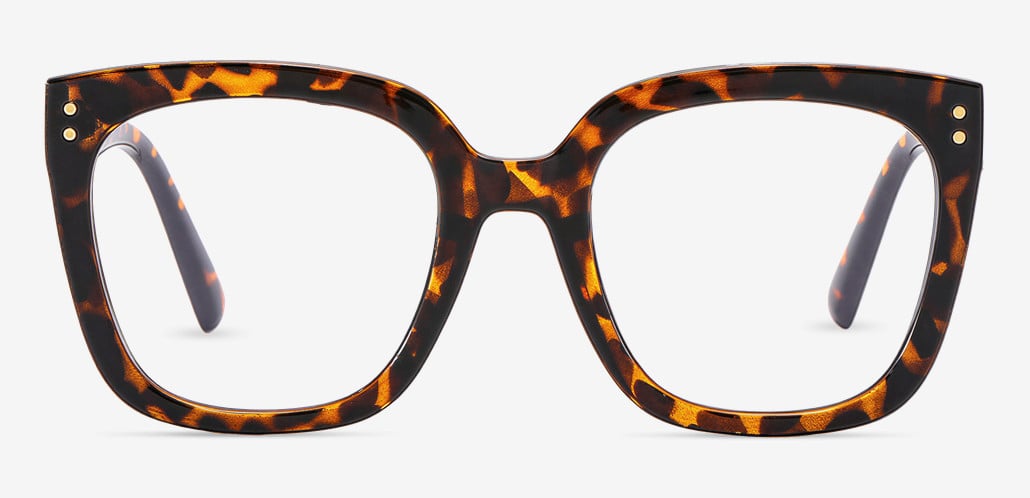
You want bold color or chunky, statement frames. That's acetate's territory — titanium runs sleek and restrained by nature.
You're on a tight budget for occasional wear. A stainless steel or alloy frame gives you most of the durability for less.
You're buying for a kid who's hard on everything. A flexible polymer like TR90, or a springy nitinol style, may take the abuse better and cost less to replace.
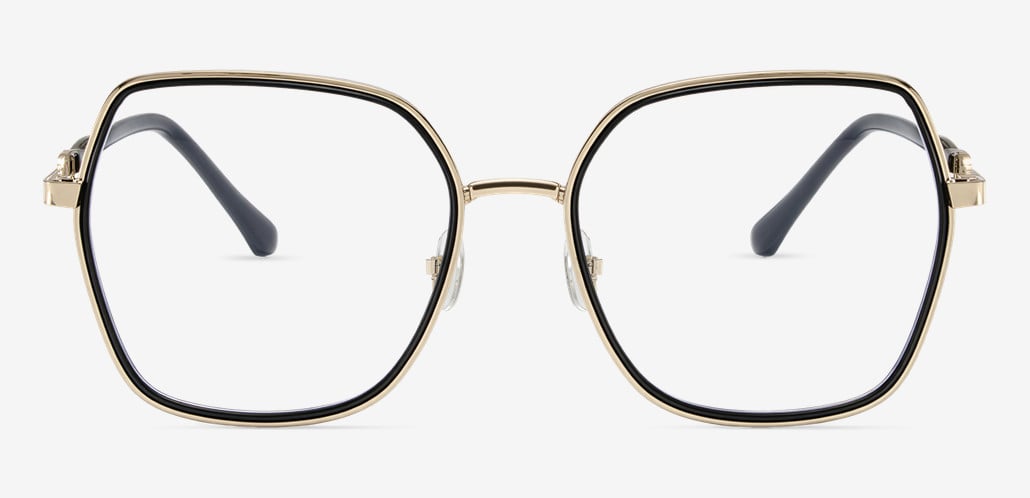
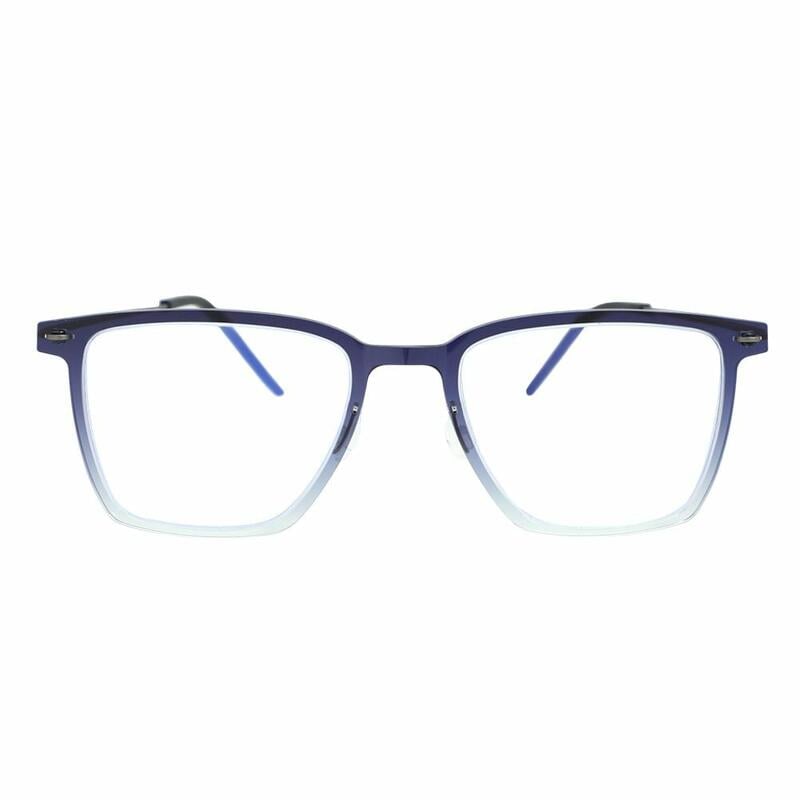
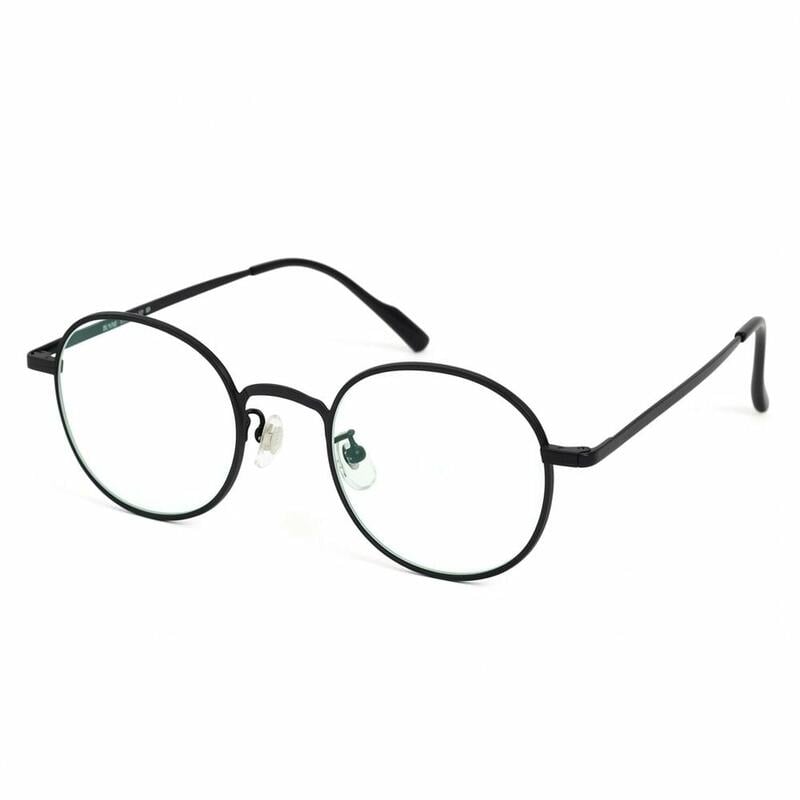
On Aoolia specifically, the titanium collection spans that whole range. Entry styles like the Kenna geometric in grey and the Gwend rectangle in black sit at the accessible end; mid-range options like the Lance silver geometric step up the construction; and designer-style frames like the Charles round in yellow and the Finn black aviator round out the high end. Most of the collection includes adjustable nose pads, which is a meaningful comfort detail on a lightweight frame, and there's a rimless subset if you want the metal to all but disappear. You can run any of them through the virtual try-on before deciding — and every prescription is reviewed by an in-house optician before the lenses are cut.

Frequently asked questions
Why do titanium glasses range from about $25 to over $300?
The spread comes down to construction, not branding. The low end is usually titanium alloy or partial-titanium frames with simpler hinges and basic plating. The high end is full pure- or beta-titanium construction with quality nose pads, refined finishes, and tighter manufacturing tolerances. Both can be reasonable buys — the goal is matching what you pay to what you're actually getting, which is what the verification checks above are for.
Are titanium glasses MRI-safe, and will they set off airport metal detectors?
Titanium is non-magnetic, so titanium frames are generally MRI-compatible — though you should always follow the technician's instructions, since they may ask you to remove any eyewear regardless of material. At airport security, eyeglasses are small enough that they rarely trigger walk-through detectors no matter what they're made of, and titanium's non-magnetic nature makes a frame even less likely to cause a problem.
Can a titanium frame be repaired if it bends or breaks?
A slight bend can sometimes be eased back by a skilled optician, but titanium is notoriously hard to solder or weld with standard shop equipment. A clean break in a titanium front usually means replacing the frame rather than repairing it. If you tend to break glasses, factor that in — a flexible beta-titanium or nitinol style resists breakage better than rigid pure titanium.
Is titanium really better than stainless steel for glasses?
"Better" depends on priorities. Titanium wins on weight and skin-friendliness and ties or wins on corrosion resistance. Stainless steel is heavier but tough, repairs more easily, and costs less. If all-day comfort or sensitive skin is your top concern, titanium is worth the premium. If budget and durability lead and a little extra weight is fine, steel is a smart, underrated choice.
Why does my "titanium" frame feel heavier than I expected?
Most likely it's partial titanium — titanium temples on a non-titanium front, or a titanium alloy rather than the pure metal — possibly paired with heavier hinges or thicker lenses. Check the temple stamp and the product's material description. If the spec says titanium temples only, the weight you're feeling is the rest of the frame, not a defect.
About the author
Hollis Bergman is an ABO-Certified Optician (ABOC) with twelve years at the dispensing counter, where fitting, adjusting, and warranty-checking thousands of frames across every price point built a low tolerance for marketing that outruns the metal. This guide reflects hands-on experience with titanium eyewear and standard industry material classifications, reviewed by Aoolia's optical team.
Aoolia is an independent, direct-to-consumer eyewear company. Every prescription on every order is reviewed by a licensed optician before lenses are cut.
Ready to find a pair built to last? Browse Aoolia's titanium eyeglasses and filter by shape, rim type, or face fit.