
There's a particular pair of sunglasses you buy once and keep reaching for a decade later, long after you've forgotten what you paid for them. For a lot of women, that pair is an aviator.
I've worn the same gold ones since my late twenties. They've been sat on, dropped on an airport floor, abandoned in the door pocket of three different cars, and they still look right with almost everything I put on — which is more than I can say for most things I bought in my twenties. That kind of staying power is the whole reason aviators belong in any honest conversation about styles that don't date. So before we get to which pairs are worth buying this year, it's worth understanding why this one shape refuses to go away.
The shape was engineered before it was ever fashionable
Most sunglasses are designed. The aviator was solved.
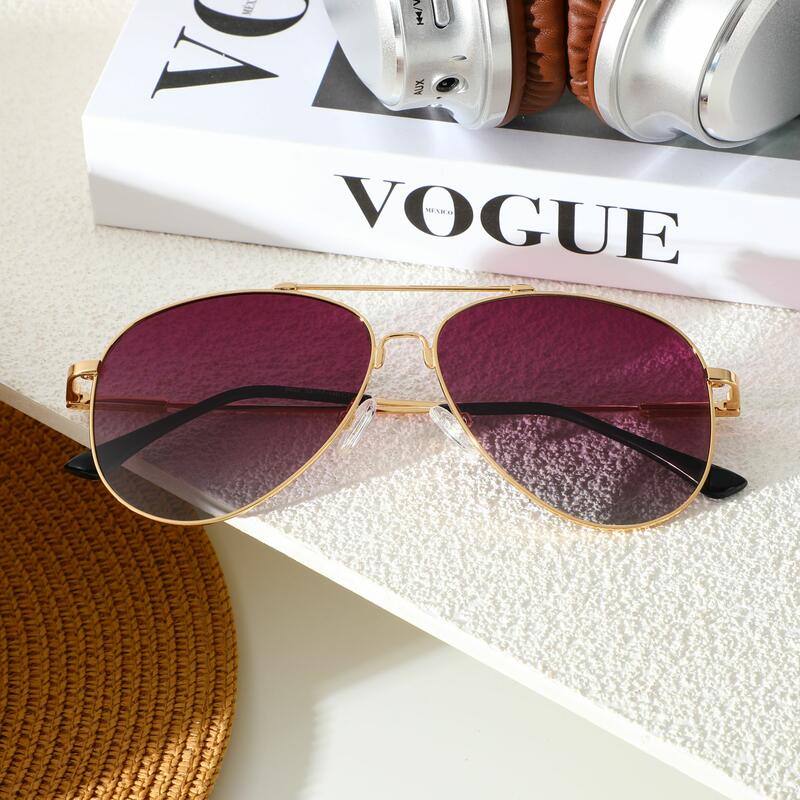
In 1936, Bausch & Lomb built the first version for American military pilots, who needed something better than fur-lined goggles once cockpits started climbing past altitudes where the glare turned blinding. The teardrop lens wasn't a stylistic flourish. It was shaped to cover the full sweep of a pilot's eye as it darted across instruments and sky, and to block flat, high-altitude light from every angle. The thin metal frame kept weight off the nose during long flights. The double or triple brow bar added strength without bulk.
Every part of it had a job. And design that starts with a job — rather than a season — tends to age slowly, because there's nothing arbitrary to look dated later. Nearly ninety years on, the silhouette has barely changed. Hollywood adopted it, then the off-duty-model crowd, then everyone, but the bones underneath were always practical. That's the real answer to "are aviators still in style," a question I see asked every spring: they were never really a style in the first place. They were a tool that happened to look extraordinary on a human face.
Which is a long way of saying you can buy a pair in 2026 and reasonably expect to still be wearing them in 2036.
So who actually suits them?
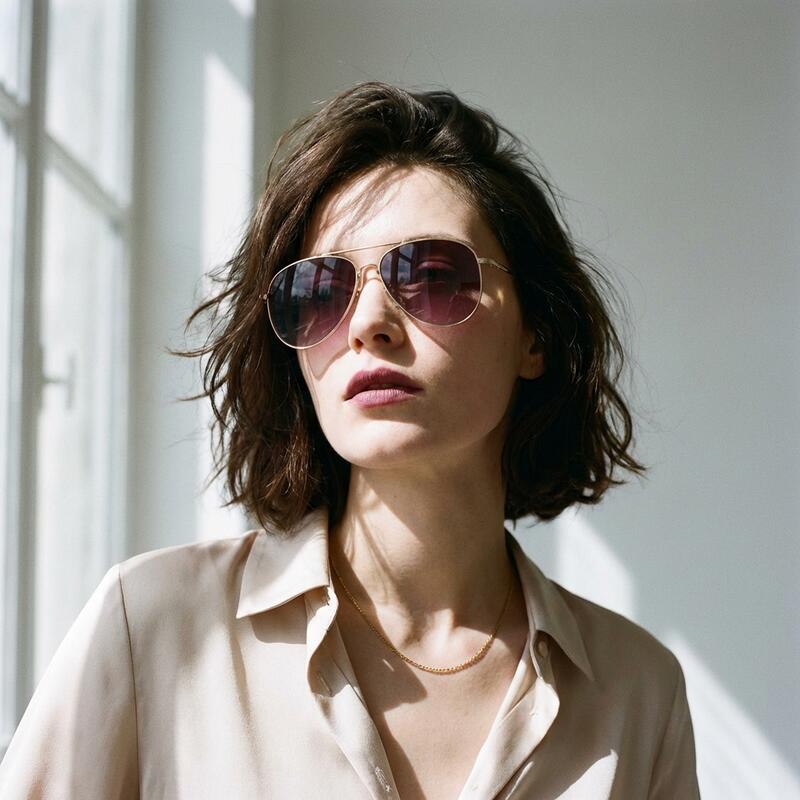
The most repeated piece of advice online is that aviators flatter heart-shaped and oval faces, and that's true as far as it goes — the way the lens narrows toward the bottom balances a wider forehead beautifully, and oval faces can wear nearly anything. But I think the face-shape rules around aviators are treated too rigidly.
If you have a rounder face, the trick isn't to avoid aviators — it's to choose a pair with a more defined, slightly squared-off teardrop and a strong brow bar, which adds the angles your face is short on. If your face is more angular or square, do the opposite: look for softer, rounder lenses that take the edge off a strong jaw. The frame that fails on a round face is the very rounded, very large aviator; the frame that fails on a square face is the sharp, geometric one. Match the frame to what your face is missing, not to a chart.
The one fit issue that genuinely matters for women is size. Classic aviators were built for grown men's faces, and a lot of vintage-proportioned pairs sit too wide on a smaller face — the lenses drop onto your cheeks, the arms slide. The fix is easy now: most current collections offer medium and narrower widths, and adjustable nose pads (a feature worth filtering for) let you lift the frame to sit where it should. If a pair has ever felt like it was wearing you, the width was probably wrong, not the shape.
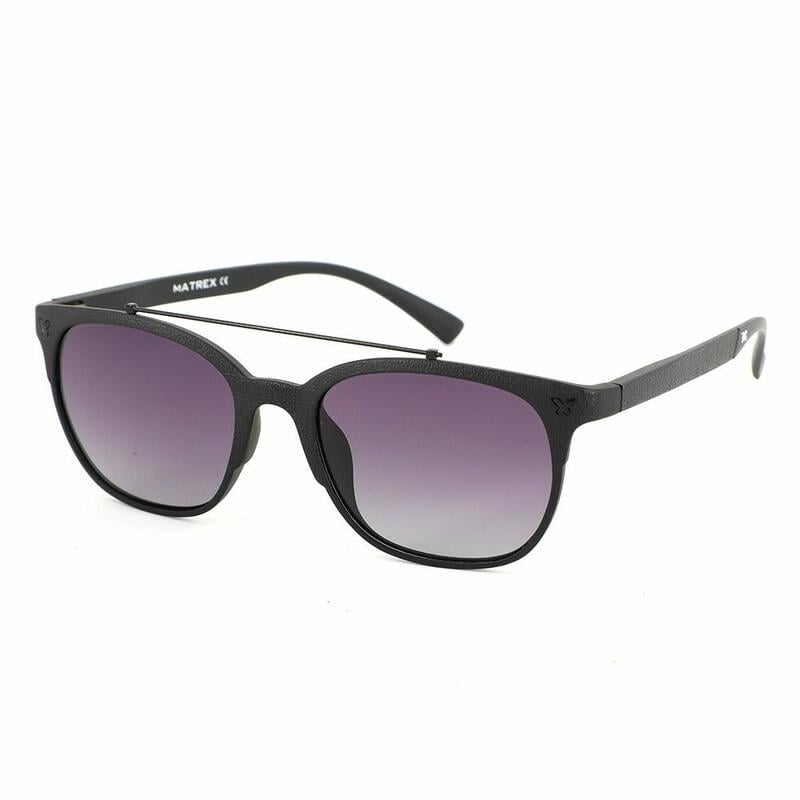
The pairs worth your money this year
I pulled these from Aoolia's women's aviator edit and grouped them the way I'd actually recommend them to a friend — by the woman doing the buying, not by frame material. Prices are current at the time of writing.
If you're buying your first real pair: gold, always gold. Start where the shape started. A warm gold frame with a neutral lens is the original aviator and the one that quietly works with the most clothes you already own — denim, white shirts, black coats, summer dresses. The Verna Gold (around $44) and Aries Gold (around $43) are both clean, classic takes without the vintage oversizing. If your budget is tighter, the Elroy Gold lands at a similar place for a little less. Gold reads expensive in photographs even when it isn't, which is part of why it's endured.
If gold feels too flashy: the grown-up gray. Some women find a shiny gold frame a touch much for daily life, and they're not wrong to. A soft gunmetal or gray frame gives you the exact same shape with none of the gleam — more architect, less movie premiere. The Veronica Gray (around $64) is the most polished option in this group and the one I'd hand to someone who wears a lot of tailoring and neutral colors. It's the aviator for people who think they don't like aviators.
If your wardrobe is mostly black: go all the way. A black-framed aviator is a different animal from the gold one — sharper, cooler, a little more downtown. It's the pair that looks right with a leather jacket and bad intentions, and also fine with a blazer on a Tuesday. The Fiona Black and Bella Black (both around $54) are the standouts here, with enough weight to feel substantial without tipping into costume.
If you want proof you don't need to overspend: the $25 hero. You do not have to spend three figures to get a good aviator, and anyone who tells you otherwise is selling a logo. The Taylor Silver sits around $25 and does the only two things a sunglass truly must do — block the sun and look good doing it. I'd keep a pair like this in the car, the beach bag, the place you'd be heartbroken to lose an expensive pair. Cheap sunglasses you'll actually relax in beat expensive ones you're afraid to wear.
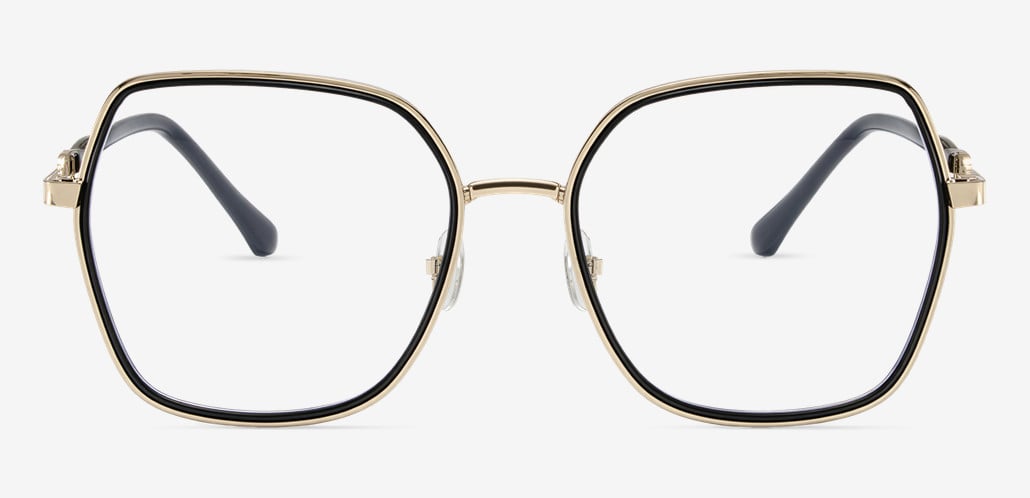
If you want the 2026 update: clear. The one genuinely current twist on the aviator right now is the clear or smoke-transparent frame. It keeps the teardrop shape but lightens the whole thing visually, so it reads fresh rather than throwback. The Lynes Clear (around $26) is the easiest way to try the look without much risk, and it photographs younger than a metal frame without trying too hard. This is the pair to consider if classic aviators have always felt slightly too "your dad's sunglasses" for you.
If you're chasing warm weather: brown and amber. For beach trips and long drives in bright sun, a warm brown frame with amber-toned lenses does something gray frames don't — it makes the light feel softer and the world look warmer, and the contrast-enhancing tint is easy on the eyes over a full day outside. The Buffer Brown (around $30) is the value pick here and pairs naturally with summer skin and warm-toned clothes.
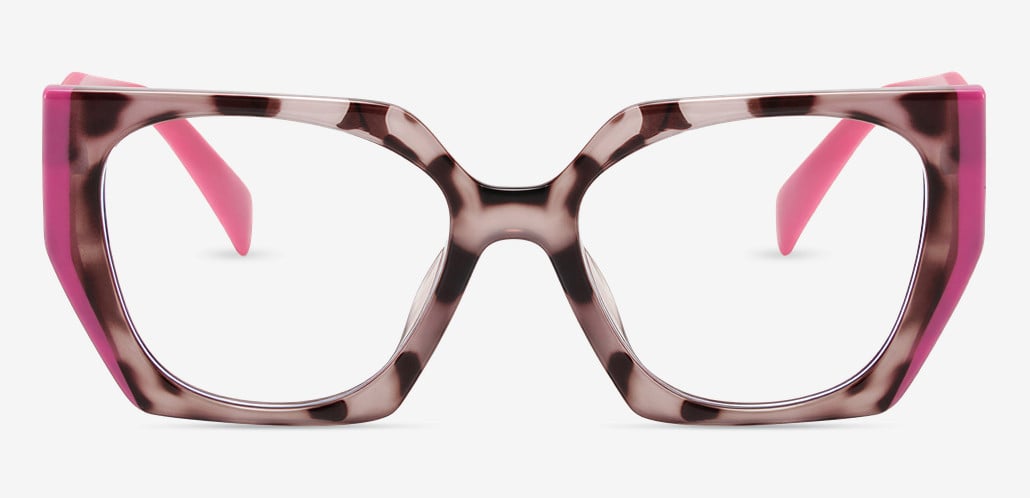
If you want to be noticed: color, on purpose. And if subtlety isn't the goal, this is the rare classic shape that carries a bold color without looking like a novelty. A statement multicolor pair like the Bowman (around $97) or a saturated frame like the Titus Yellow (around $46) turns a timeless silhouette into something that gets stopped on the street. I'd treat these as a second or third pair, the one you reach for when the outfit needs the glasses to do the talking.
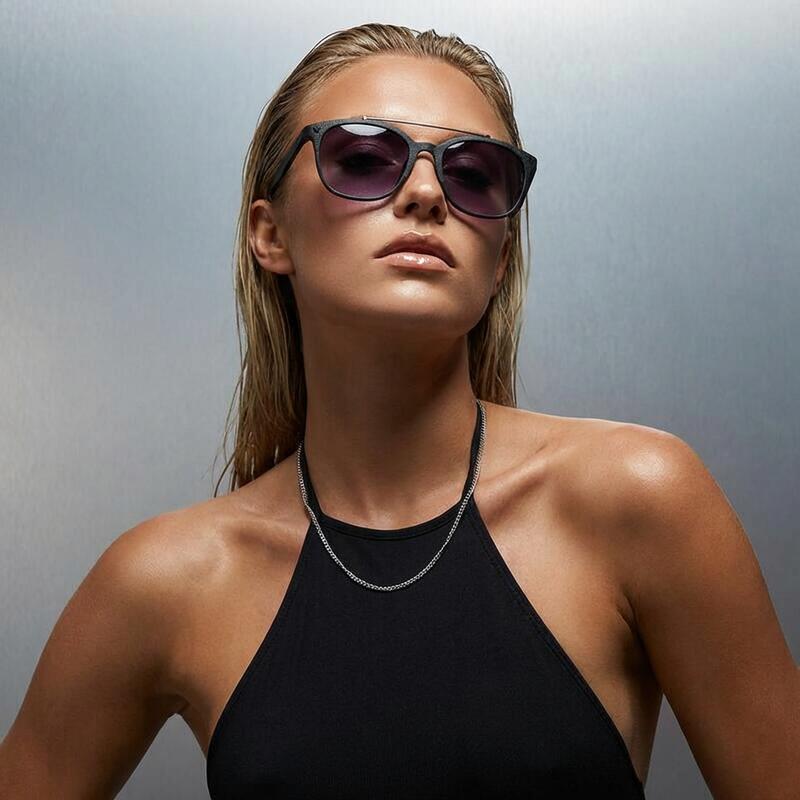
The lens decision matters more than the frame color
Here's the part most aviator shopping guides skip, and it's the part I'd actually slow down on. With sunglasses, the lens does the work; the frame just holds it. Two things are worth deciding before you check out.
First, UV protection is non-negotiable and tint darkness has nothing to do with it. A pale lens can block 100% of UV and a dark one can block almost none — the protection is in the coating, not the color. Look for UV400 (which blocks the full UVA and UVB range) on any pair you buy, including the cheap ones. A dark lens with no UV protection is worse than no sunglasses, because your pupils dilate behind the tint and let in more of the rays you can't see. Every pair in this edit is rated for full UV, which is the floor, not a feature.
Second, lens color changes what you see, so choose for your life, not the mirror. Gray lenses keep colors true and suit just about everyone — the safe all-rounder. Brown and amber lenses lift contrast and make overcast days look crisper, which is why drivers and anyone light-sensitive tend to love them. Green sits in between. If you spend real time behind the wheel or near water, that's also where polarization earns its keep: it kills the horizontal glare bouncing off wet roads, car hoods, and lake surfaces in a way plain tint can't. In the city, on foot, it's a nice-to-have rather than a need. It's usually a small upgrade in price, so the question is simply whether your days involve glare or not.
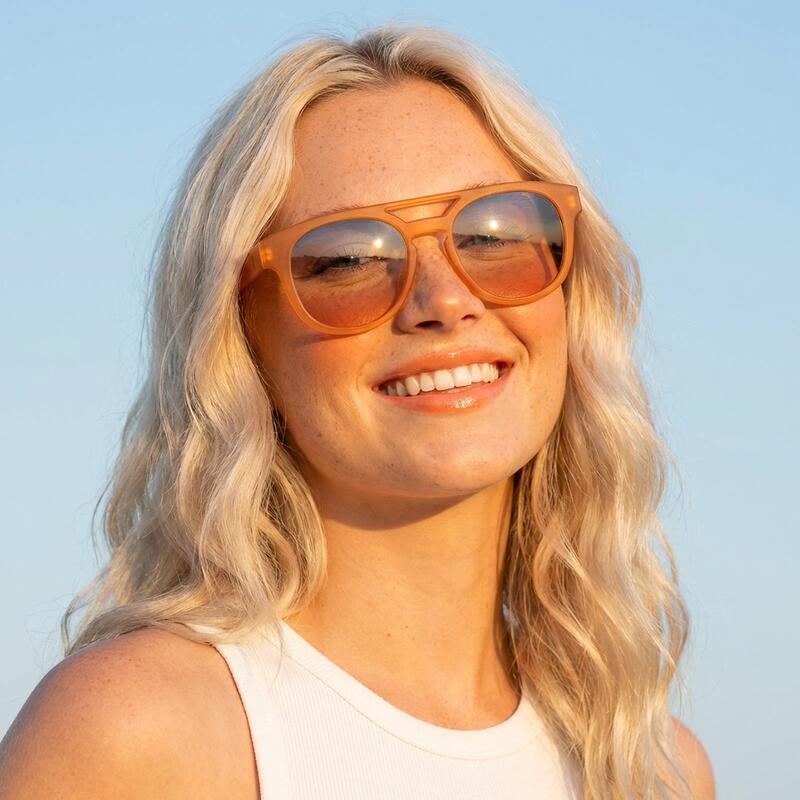
A few honest words before you buy
Aviators are one of the few purchases in fashion where the safe choice and the stylish choice are the same choice, which takes most of the pressure off. You're not gambling on a trend. You're buying a shape that earned its place over ninety years and shows no sign of leaving.
If you take one thing from all of this: get the fit right first, the lens second, and the frame color last. A perfectly chosen color in the wrong size will live in a drawer; a plain gold pair that sits exactly right will become the thing you grab on the way out the door for years.
When you're ready to look, the full aviator sunglasses for women at Aoolia runs from about $25 to just under $100, every pair carries full UV protection and can be fitted with your prescription, and there's a virtual try-on on each product page — which, given how much fit matters with this shape, is the one tool I'd genuinely use before deciding. Try the gold first. There's a reason it's lasted this long.
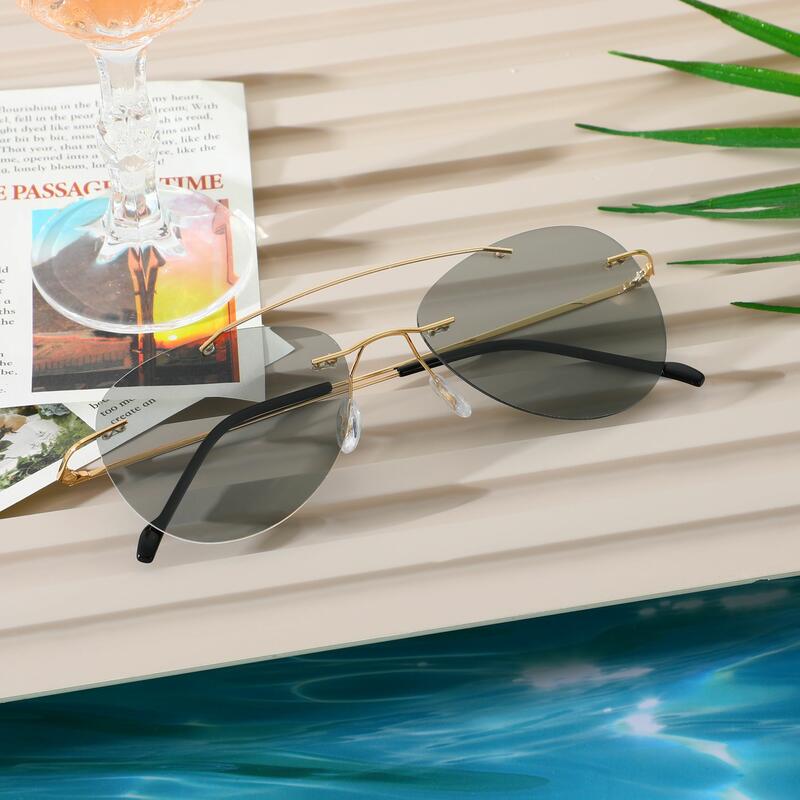
Quick answers to the questions women ask most about aviators
Are aviator sunglasses still in fashion for women in 2026?
Yes — and they're one of the few shapes you can buy without worrying about timing. Aviators have stayed in continuous rotation since the 1930s because the shape began as functional flight equipment, not a seasonal trend. The current update is the clear or smoke-transparent frame, but classic gold and black remain the safest long-term buys.
What face shape do aviators suit best?
They're most famously flattering on heart-shaped and oval faces, because the lens narrows toward the bottom and balances a wider forehead. But round faces can wear a more squared-off, defined aviator to add angles, and square faces can soften a strong jaw with a rounder version. The size of the frame matters more than your face shape — a pair that's too wide will slip and sit on your cheeks regardless of the shape rules.
Should women's aviators be polarized?
If you drive often, spend time on or near water, or are sensitive to bright light, polarization is worth the small upgrade — it removes the horizontal glare that plain tinted lenses can't. For mostly-city, on-foot wear, standard UV400 lenses do the essential protection job at a lower price. UV protection itself is non-negotiable; polarization is a preference.
Do you need to spend a lot on aviators?
No. A well-made aviator with UV400 protection starts around $25, and the shape looks expensive at almost any price because the silhouette does the work. Spending more buys you premium metals, polarization, and finer finishing — nice to have, but not what makes the glasses look good. A cheaper pair you're relaxed about wearing often beats a pricey pair you're afraid to lose.
Can aviator sunglasses be made with my prescription?
Yes — most aviator frames can be fitted with prescription lenses, including single-vision, bifocal, and progressive. You choose the frame, add your prescription at checkout, and the lenses are cut to fit. Prescription sunglasses generally take a little longer to ship than non-prescription pairs.
What lens color is best for aviators?
Gray is the all-purpose choice and keeps colors looking natural. Brown and amber lenses boost contrast and suit drivers and bright, sunny days. Green sits between the two. Mirrored and gradient lenses are more about looks and city wear. Match the lens to how you spend your days outside, not to which looks best in the mirror.