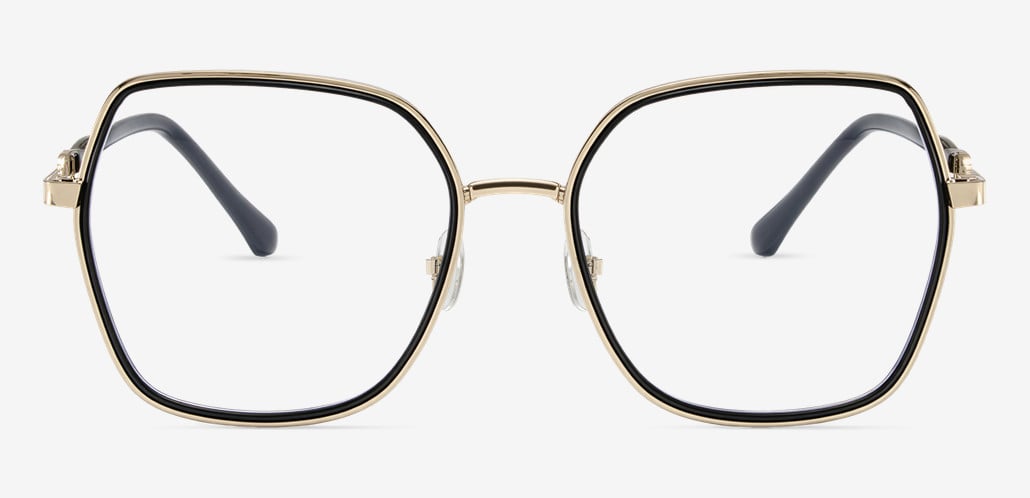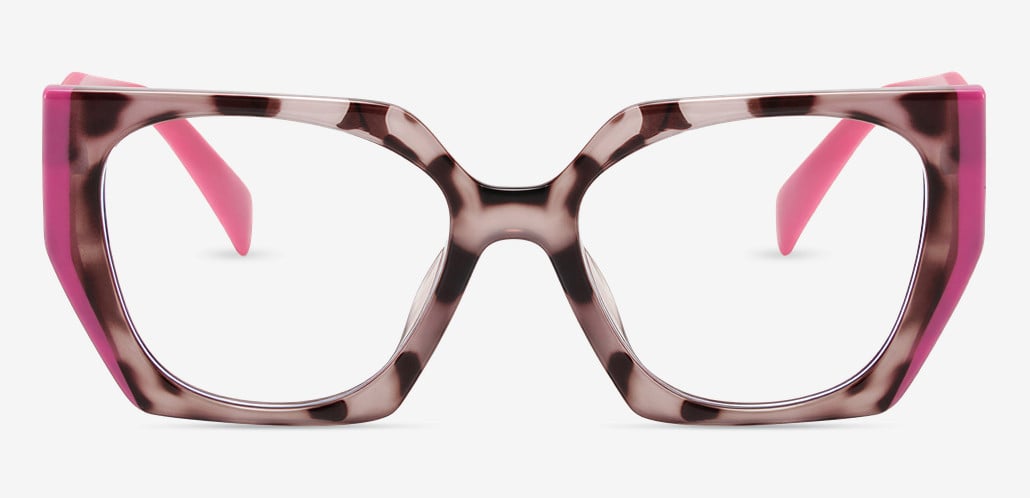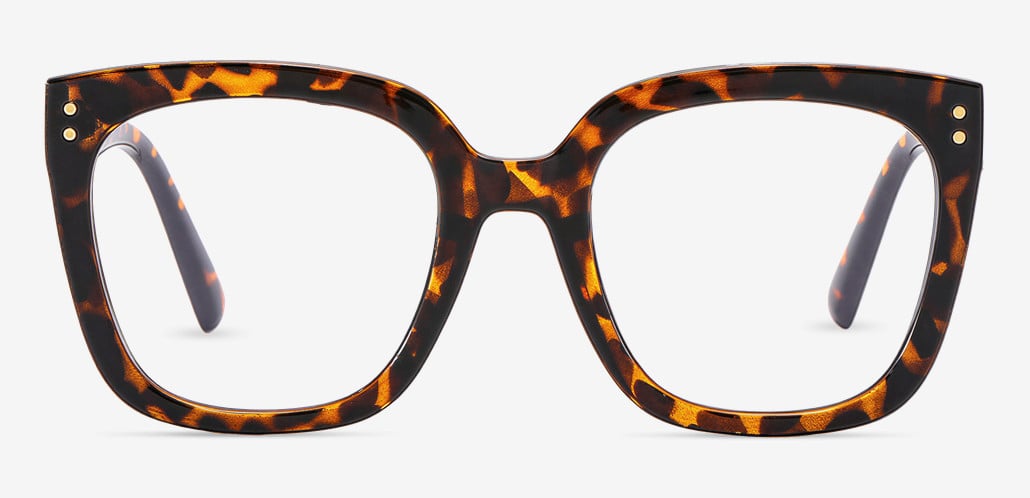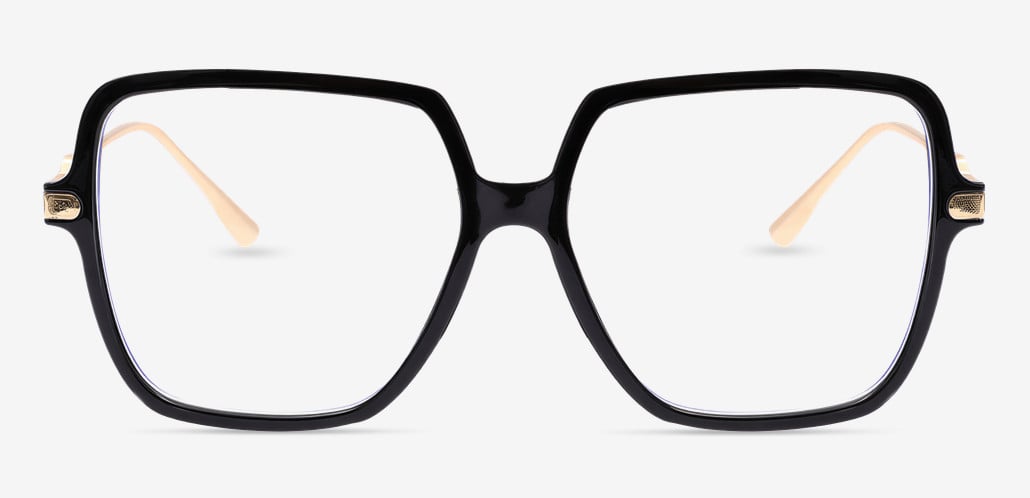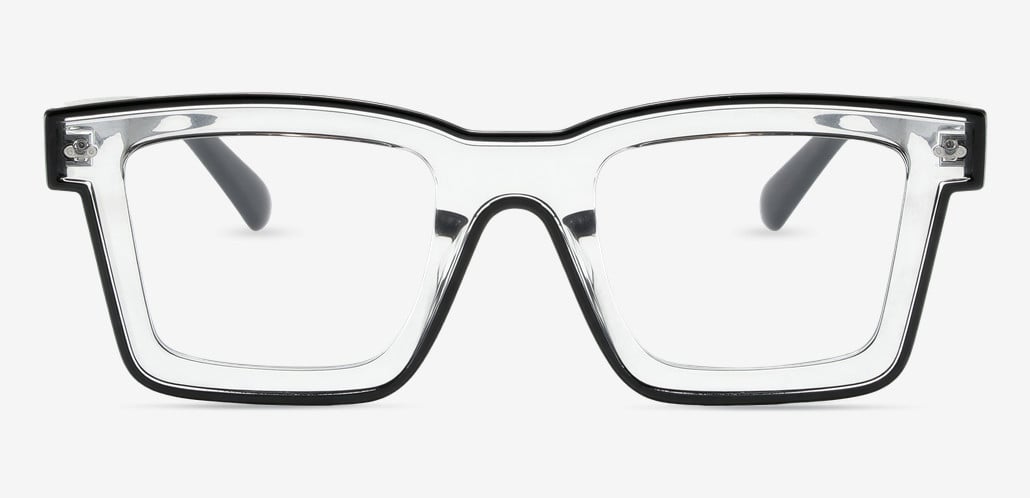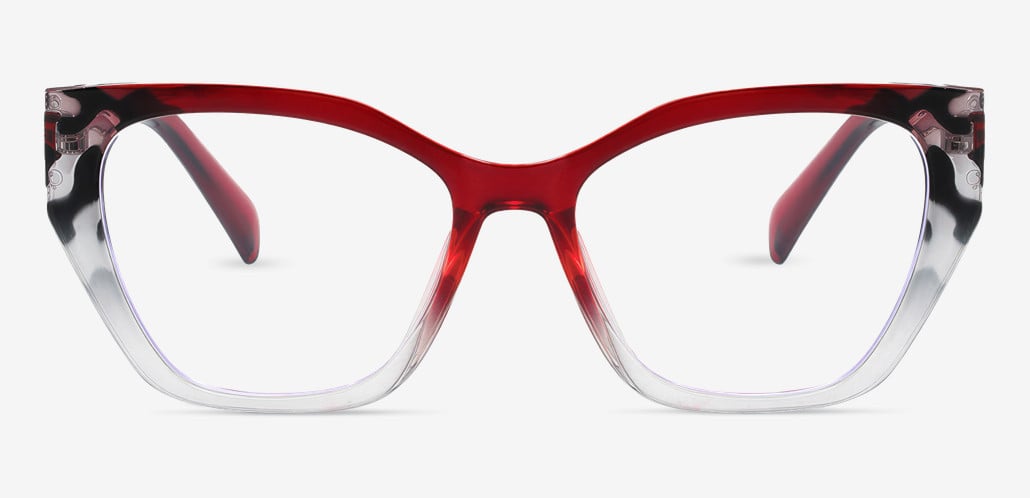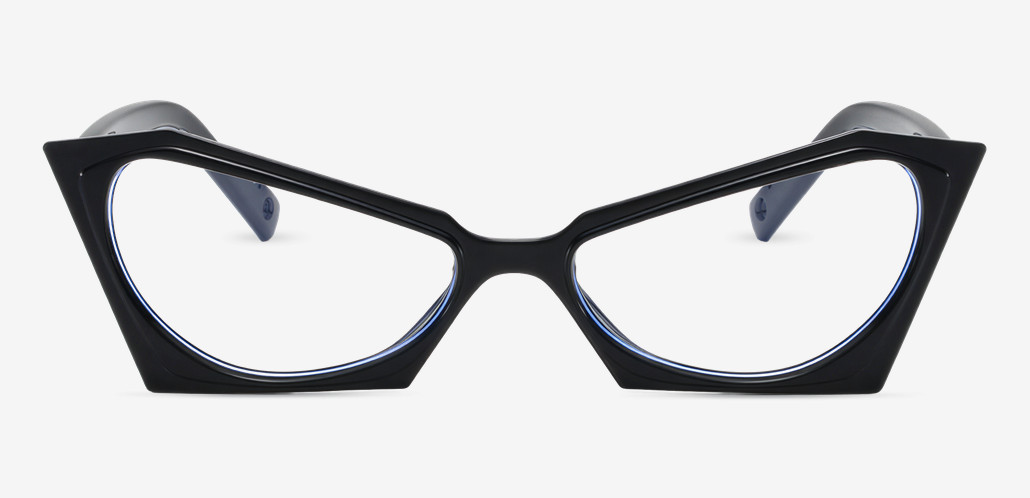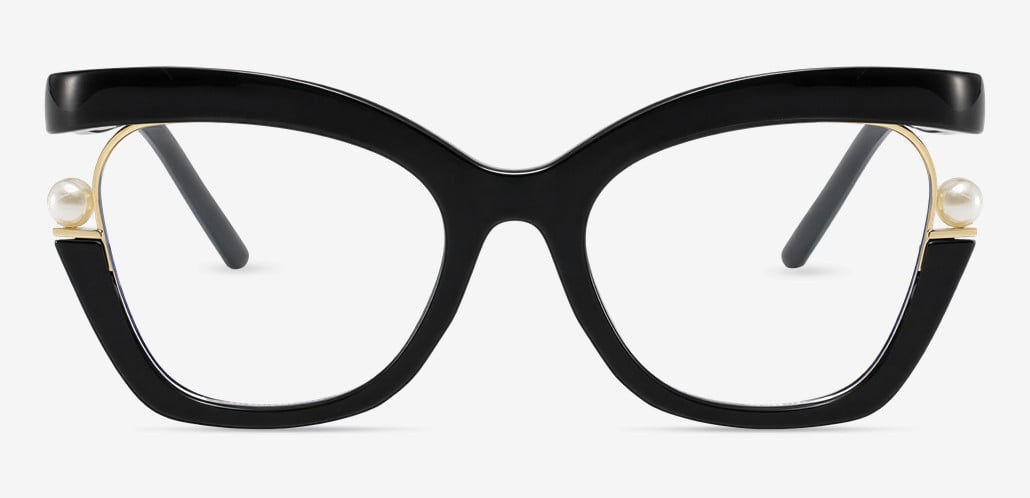

Before any frame goes out on the sales floor, somebody has to open the box and look at it. For a few years that somebody was me — frame intake, the unglamorous job of checking new shipments and pulling anything that didn't meet spec. You learn fast that some colors are forgiving and some are not. Tortoise hides a multitude of sins. Black hides even more. You can put a $40 black frame next to a $200 black frame in a photo and most people can't tell them apart.
White can't do that. White is the one color that tells the truth about how a frame was made. Every uneven patch, every seam, every spot where the color goes thin and grey — white shows it under any light. That's the whole reason buying white is different from buying any other color, and it's the thing almost no buying guide will tell you: choosing white sunglasses well isn't a style problem, it's a quality-reading problem. Once you can read a frame, the rest of the decision gets easy.
So this guide is built around what white actually reveals, and how to use that to buy a pair you'll be happy with.
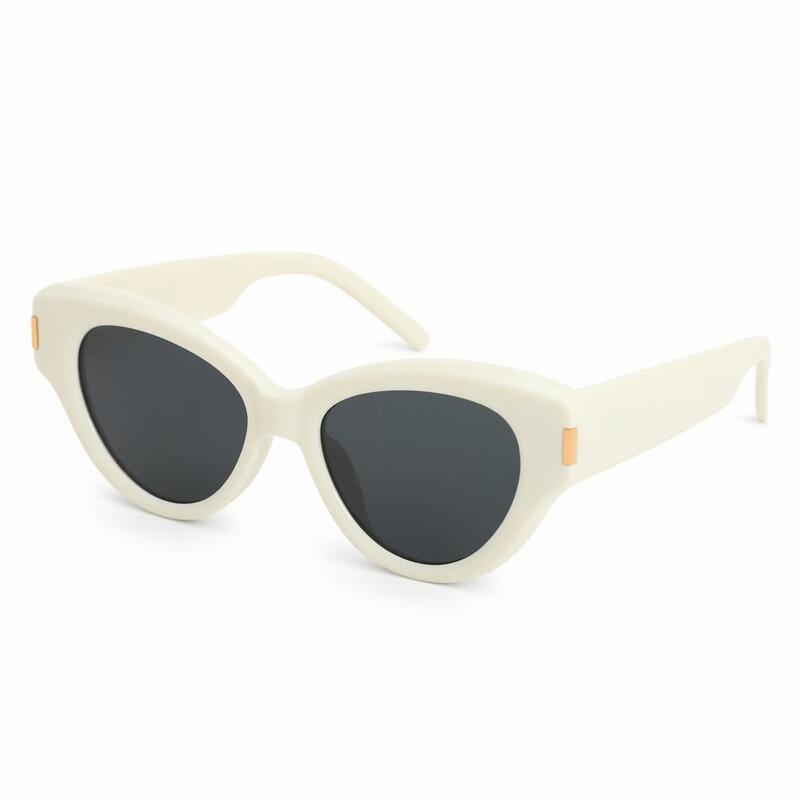
White is the honest color — use that
Here's the practical upside of white being unforgiving: it does your quality control for you. With a dark frame you're trusting the brand. With a white frame, the evidence is right there in the product photo, if you know where to look.
What I'm checking when a white frame crosses the intake table — and what you can check from a good product image:
Color evenness. Quality white acetate is consistent edge to edge. Cheap white plastic often goes slightly grey or bluish where the material is thicker (the bridge, the temple corners). If the white looks like it shifts tone across the frame, the material is thin or the pigment is poorly mixed.
The hinge join. This is where corners get cut. On a cheap white frame, the area around the hinge sometimes shows a different base color peeking through — the white was a coating, not the material. On a solid frame, white is white all the way through, hinge included.
The finish. Matte and satin whites hide small handling marks and forgive fingerprints; high-gloss white looks sharper but shows every smudge and, later, every fine scratch. Neither is wrong — but glossy white asks more of you, and you should choose it on purpose.
The parting line. Run your eye along the top edge of the frame in the photo. A clean frame has a smooth, continuous line. A rushed one has a faint ridge or seam where the mold halves met. White makes that line visible in a way black never would.
None of this requires expertise — it requires knowing to look. The frames in Aoolia's white sunglasses collection are solid acetate and TR90 rather than coated plastic, which is exactly why the white reads even and finished in the photos instead of chalky. That's the difference you're paying for, and on white you can actually see it.

Stark white or off-white? Decide on upkeep, not vibe
There's a real choice between bright optic white and the softer creams, bones and milky off-whites, and plenty of articles will tell you what each "says about you." I'll give you the version that matters when you're actually living with the frame.
Stark white is the highest-maintenance color in eyewear, full stop. It's beautiful and it's graphic, but it shows everything — a thumbprint, a speck of dust, the faint shadow where your skin oil sits against the temple. Off-white, cream and bone are far more forgiving day to day; minor smudges and light wear basically disappear into the warmer tone.
So the honest decision rule is this: how fussy are you willing to be? If you'll wipe your frames most days and keep them in a case, stark white pays you back with a crisp, modern look — something like the Joshua square or the Isabella cat-eye. If your sunglasses live in a bag, a cupholder, a jacket pocket, buy off-white and save yourself the frustration. You'll get most of the same fresh, light look with a fraction of the upkeep.
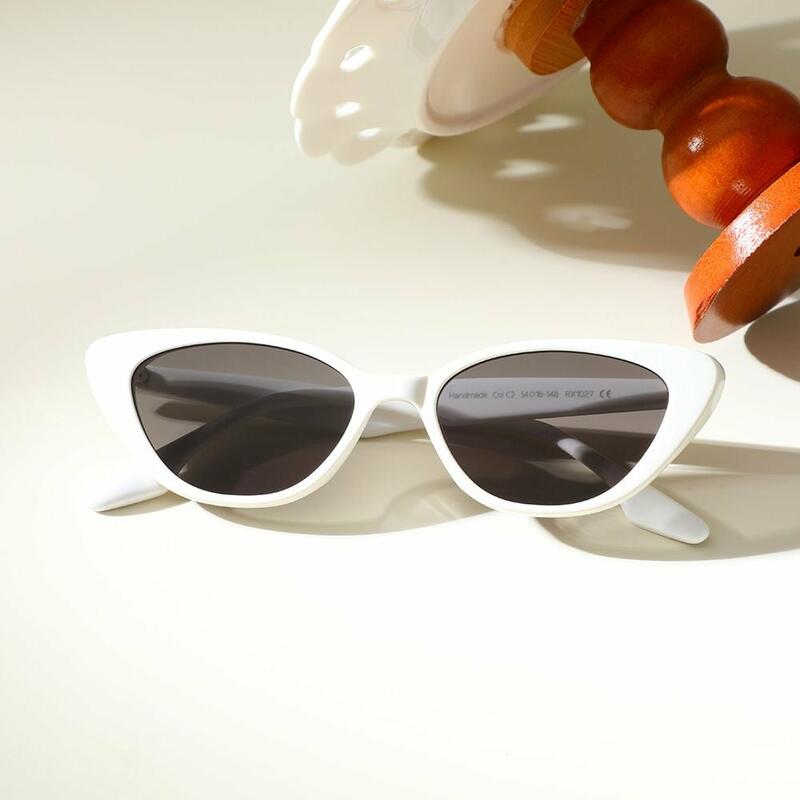
The lens you pair with white matters more than the shape
This is the buying lever people miss, and it's specific to light frames. On a black frame, the lens tint barely changes the overall read — dark frame, dark lens, it all blends. On a white frame, the contrast between frame and lens is the look.
White frame + dark grey or black lens is the high-contrast, graphic option. It's bold and a little fashion-forward; the frame reads as a deliberate statement.
White frame + brown, amber or gradient lens softens the whole thing. The warm lens pulls the white toward "expensive and easy" rather than "loud." This is the most wearable everyday combination, and it flatters more skin tones.
White frame + mirrored lens goes sporty and high-energy. Great for the beach or the slopes, a lot for the office.

If you tend to overthink, default to a warm or gradient lens on white — it's the most forgiving pairing and the hardest to get wrong. Save the stark white-on-black contrast for when you actually want people to notice the glasses.
Acetate or TR90 — pick by how you'll wear them
Both materials make a good white; they're just good at different things, and the choice should follow your life, not a spec sheet.
Acetate gives a deeper, richer white with a bit of weight and a more substantial feel in the hand. It looks dressier and holds color beautifully — it's what you want for a frame that's mostly fashion. Most of Aoolia's white frames, including the cat-eye and square styles like Eudora, Naomi and Kelly, are acetate for exactly that reason.
TR90 is the lightweight, flexible option. The white runs slightly cooler and more matte, and the material shrugs off being bent, sat on, sweated in, and dropped. If your sunglasses see real activity — running, cycling, a frame for a kid, anything where they'll take abuse — TR90 is the smarter buy even if the white is a touch less luxe.
There's no premium-versus-budget hierarchy here. It's a matching exercise: dressy and substantial, go acetate; light and durable, go TR90.
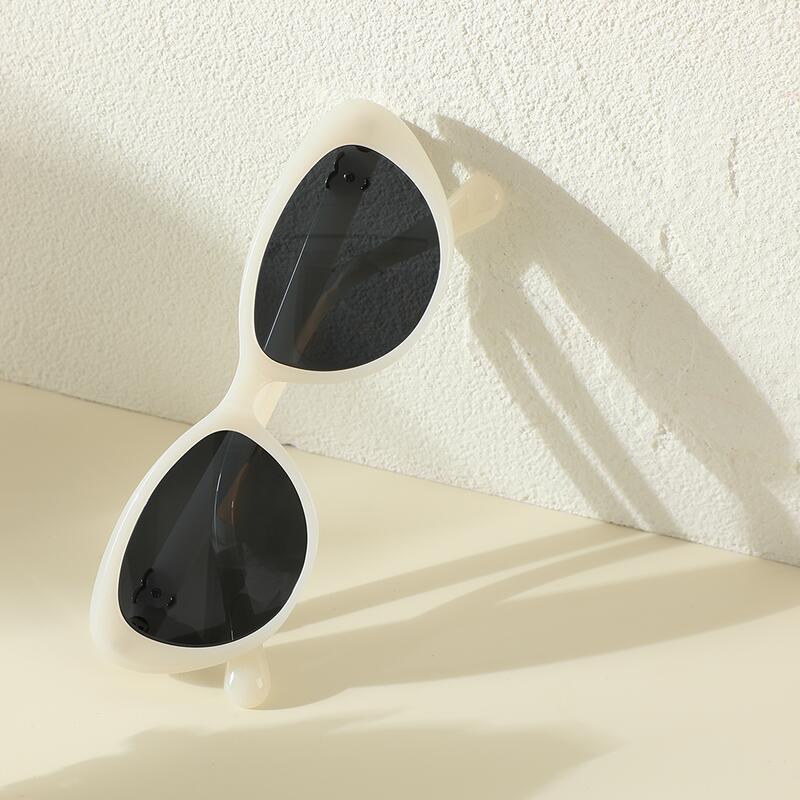
Living with white: the part most guides skip
White rewards a little care and punishes none. Three honest truths before you commit:
Yellowing is mostly a quality and habit problem, not an inevitability. Solid acetate and TR90 don't yellow easily. What yellows are cheap surface-coated frames and frames that bake — left on a hot dashboard, pressed against high-SPF sunscreen day after day, stored in direct sun. Keep them out of the heat and off your sunscreen-slick skin when you can, and good white stays white for years.
Cleaning is genuinely easy, but you have to actually do it. A damp microfiber cloth, maybe a drop of dish soap for stubborn marks on the frame (not the lenses), and a case when they're off your face. That's the entire routine. Skip it and white will look neglected faster than any other color — again, because it can't hide anything.
And the disqualifier, because trust means telling you when not to buy: if you're hard on your sunglasses — toss them loose in a bag, wear heavy sunscreen every single day, sweat through frames regularly — stark white is going to disappoint you, and even off-white wants a case. There's no shame in deciding white is more maintenance than you want. Better to know now than to resent a frame you bought.

One fit note for this collection specifically
A practical heads-up: a lot of the white styles here run on the wider side. If you have a narrower face, filter to the Medium sizes or check the frame width in millimeters on the product page before you order — white frames sitting too wide will slide, and a sliding frame looks careless in a way white amplifies. The Hall and Dawson ovals and several of the cat-eyes come in more moderate widths if wide isn't your fit.
The short version
White is the most honest color you can put on your face, and that cuts both ways. Buy it carelessly and it'll show every shortcut the manufacturer took. Buy it with your eyes open — even color, clean hinges, a finish you can maintain, a lens tint that flatters, a material that fits your life — and you get a frame that looks deliberate and expensive far beyond what it costs.
The single best thing you can do before committing is see it on your own face. White changes more from person to person than any other frame color, and a mirror beats a guess. Every frame in the collection has a free virtual try-on; thirty seconds settles whether you're a stark-white person or an off-white one, before you spend a cent.
Frequently asked questions
What lens color should I get with white sunglasses?
For everyday wear, a warm brown, amber or gradient lens is the most flattering and forgiving on a white frame. For a bold, graphic look, go dark grey or black for maximum contrast. Mirrored lenses on white skew sporty — great outdoors, a lot for the office.
Should I buy acetate or TR90 white sunglasses?
Acetate for a richer, dressier white with more substance; TR90 for a lighter, flexible frame that handles activity, sweat and rough handling. Pick by use, not price — neither is "better."
How can I tell a quality white frame from a cheap one in a product photo?
Check three things: is the white even edge to edge (no grey or blue in the thicker sections), does the hinge area show any different base color underneath, and is the top edge a clean line with no seam ridge. White shows all of this in photos in a way darker colors don't.
Are white sunglasses a bad idea for active or everyday wear?
Not at all — but choose the right white. Off-white or cream in TR90 handles real-world use far better than glossy stark white. If you're rough on your sunglasses, skip high-gloss optic white.
Do white sunglasses get dirty faster than other colors?
They don't get dirtier — they just show it sooner, especially in stark white. A quick microfiber wipe and a case solve it. Off-white tones hide day-to-day marks much better if low maintenance matters to you.
All frames in Aoolia's white collection are optician-verified, 100% UV-protective, and available with prescription lenses. Sela Marsh is an ABO-Certified Dispensing Optician with a background in frame intake and quality inspection.