
Why the Tortoise Pattern Flatters a Small Budget
Human eyes read visual complexity as craft. A solid-color frame is one uninterrupted surface, so any flaw in that surface — a seam, a scratch, a cheap sheen — becomes the whole story. A tortoise pattern breaks the surface into hundreds of small tonal shifts, and imperfections disappear into the noise.
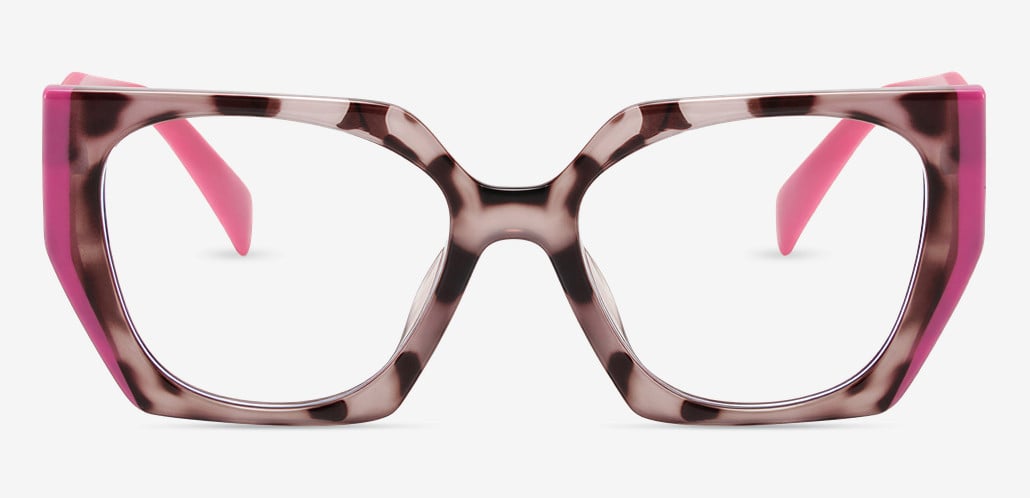
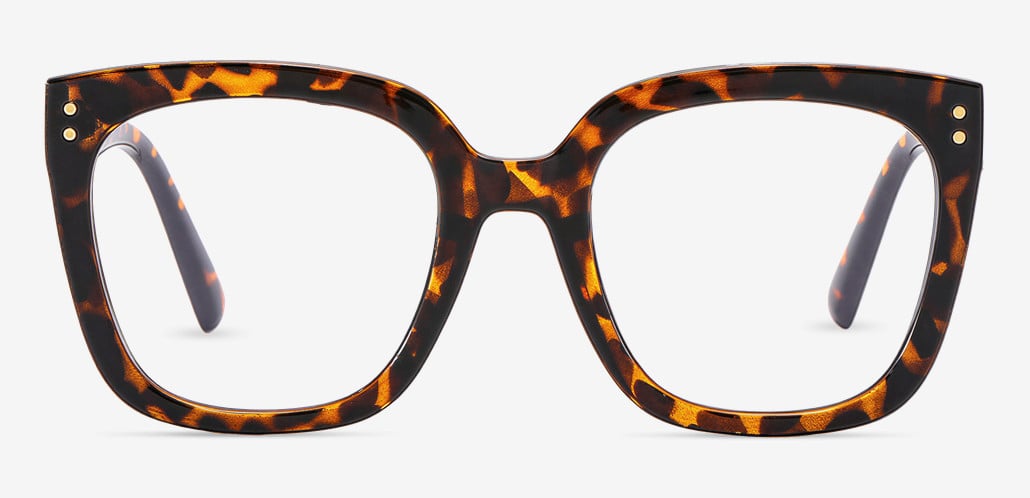
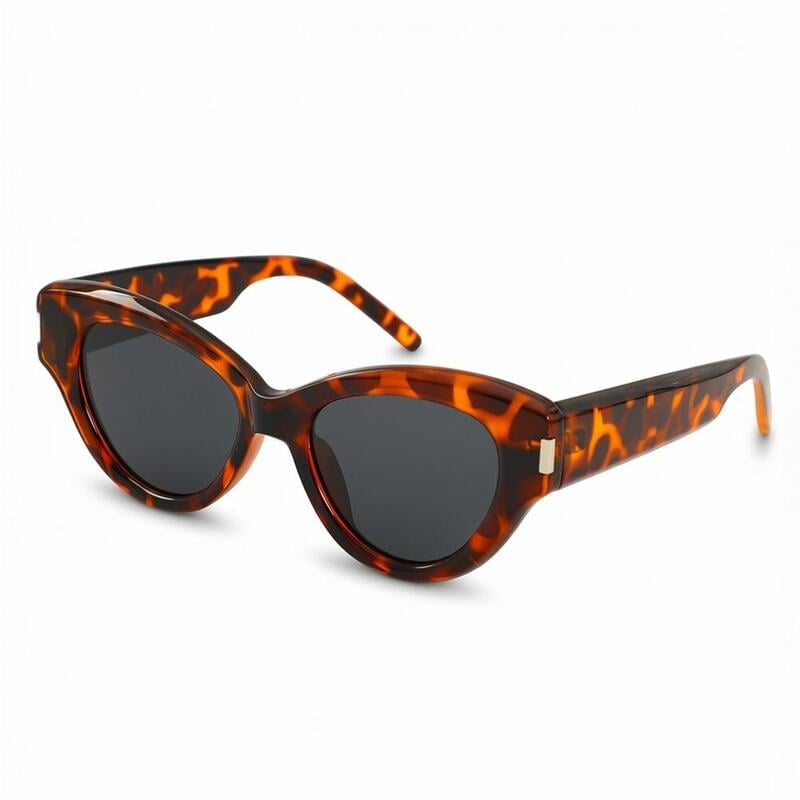
There is a second advantage. Modern tortoise is cellulose acetate, a plant-based plastic made from cotton and wood pulp (the real thing has been off the market since international trade law banned it in the 1970s). When acetate is made properly, the pattern runs all the way through the material in layered blocks, which means every pair cut from a sheet is patterned a little differently. Uniqueness is a luxury signal, and with tortoise shell sunglasses it comes standard — at any price.

Five Cues That Make Tortoise Sunglasses Read Expensive
Luxury eyewear telegraphs its price through a handful of physical details. All five can exist in an affordable frame. Almost none survive in a bad one. Each takes about ten seconds to check.
1. Depth you can see through
Hold the frame up to a light. Block acetate is translucent — the amber patches glow, and the pattern has visible depth, like looking into tea. Injection-molded plastic with a printed tortoise pattern stays opaque; the pattern sits on the surface like a decal. This single test separates frames that photograph like designer pieces from frames that photograph like party favors.
2. Hinges with hardware, not glue
Look for a barrel hinge: interlocking metal loops with a visible screw, anchored by pins or rivets you can see in the acetate. Heat-staked or glued hinges are the first thing to fail on cheap sunglasses, and even before they fail, they read costume-y up close. Open and close the temples a few times — the resistance should be smooth and even, with no clicking and no wobble.
3. Edges that were polished, not just cut
Run a thumbnail along the inside of the rim. Well-made acetate frames spend hours — sometimes days — tumbling in drums with wood chips until every edge feels like sea glass. A raw, machine-cut edge feels sharp and looks matte. At conversation distance, a glossy, uniform edge is the strongest "expensive" signal a frame can send, stronger than any logo.
4. Temples with a core
Look down the length of each temple arm. Quality acetate temples have a thin metal wire embedded inside. That core is what lets an optician heat and adjust the fit, and it is what keeps the temples from splaying outward after a few months of wear. A frame without core wires will eventually slide down your nose — and sliding sunglasses look cheap on every face, regardless of what they cost.
5. Lenses that behave
Hold the sunglasses at arm's length and move them slowly across a straight line — a door frame works. The line should not bend or swim near the lens edges. Check that any gradient tint fades evenly, with no oily swirl. As for protection: UV400 costs pennies at manufacturing scale, and every pair of sunglasses sold in the US already has to pass FDA impact-resistance rules, so safety is not what your extra $350 buys. Read the label, not the price tag.

Where the Money Goes in a $400 Pair
Some of it goes where you would hope. Premium Italian acetate sheet stock costs more than generic material. Longer tumbling cycles, hand assembly, and glass lenses all add real cost.
But the dominant share goes somewhere less romantic. Most designer sunglasses are not made by the fashion house on the temple — they are produced under license by a small number of large eyewear manufacturers, and industry analyses have repeatedly put the production cost of a typical licensed frame in the tens of dollars, not the hundreds. The rest is licensing fees, wholesale margin, and retail markup, stacked in that order.
None of that is a scandal; it is how licensed fashion works. But it explains the central fact of this guide: the gap between a $45 frame and a $400 frame is mostly a gap in business model, not materials. A direct-to-consumer brand that skips the license and the retail floor can put its budget into acetate and hinges instead — which is exactly where the five cues above live.
What $45 Honestly Buys — and What It Doesn't
Honesty cuts both ways, so here is the trade in plain terms.
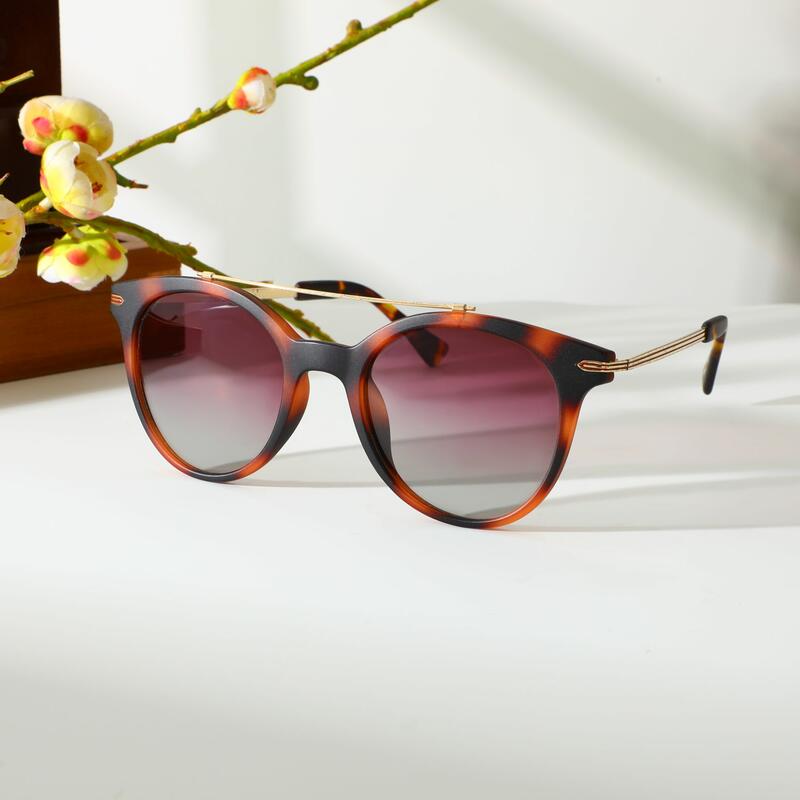
At a fair price in the $40–$70 range, you can reasonably expect block acetate, barrel hinges, core wires, polished edges, distortion-free UV400 lenses, and prescription compatibility. That range is the sweet spot where the cues stop being upgrades and start being standard. Under about $30, finding all five in one frame is rare — something on that list has usually been traded away, most often the acetate itself or the core wires.
What you will not get at $45: exotic or limited-run acetates, mineral glass lenses, or the kind of hand-finishing hours that make certain heritage frames genuinely heirloom objects. If those things matter to you, the luxury pair is not a con — it is just a different purchase. For everyone else, the visible difference has never been smaller.
The Cheapest Luxury Upgrade Is Maintenance
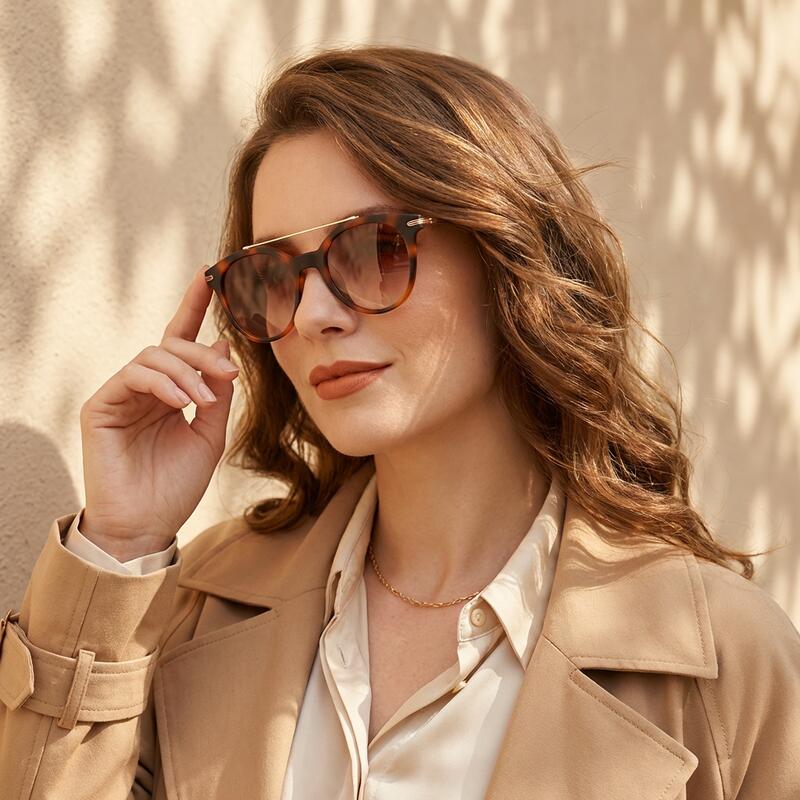
A well-kept $45 pair outclasses an abused $400 pair every time, because most of what people perceive as "cheap sunglasses" is actually neglected sunglasses. Hazy lenses come from wiping with a shirt hem instead of a microfiber cloth. Splayed temples come from parking glasses on top of your head or tossing them caseless into a bag. Loose hinges come from never once tightening a screw.
Three habits close most of the gap: keep a hard case in rotation, rinse lenses with water before wiping after a beach day (salt and sand are abrasives), and have any acetate frame heat-adjusted to your face — a five-minute job for an optician, and possible precisely because good acetate has those core wires. A frame that fits like it was made for you reads expensive no matter what it cost.
How Aoolia Approaches It
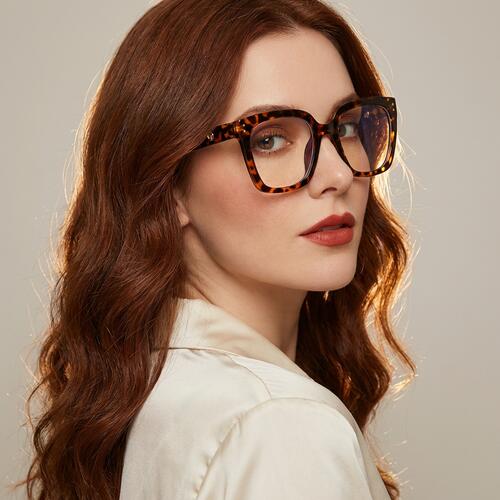
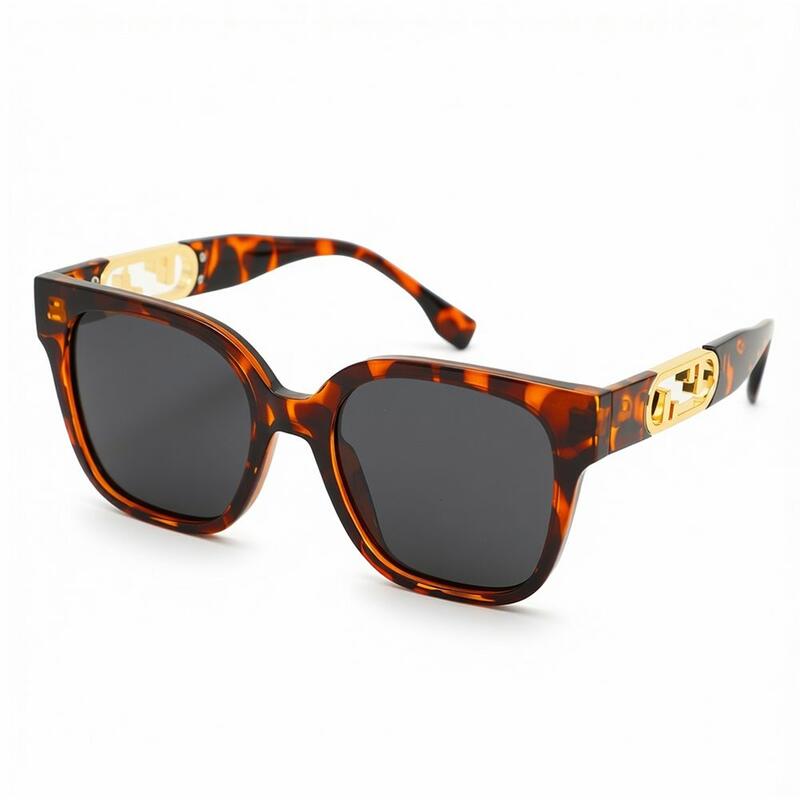
Aoolia's tortoise sunglasses collection starts at $42.95 and is built around the checklist above: block acetate, barrel hinges, core wires, UV400 lenses. Every frame has a name — Leo is the square tortoise, Ward the aviator, Jacob the cat-eye — and every order is checked by a licensed optician for frame alignment and lens quality before it ships. If you are unsure which tortoise pattern suits your undertone, the free virtual try-on settles it from your phone in under a minute, and nearly every frame can be fitted with single vision, bifocal, or progressive prescription lenses. The material story holds up too: acetate only, no animal-derived anything, and a partnership with Plastic Odyssey supporting the effort to turn ocean plastic into usable resources.
Price is the easiest thing to read on a tag and the hardest to read on a face. Check the five cues, take care of the pair, and nobody — including you — will spend much time wondering what your sunglasses cost.