
Frames got bigger — and quieter about it
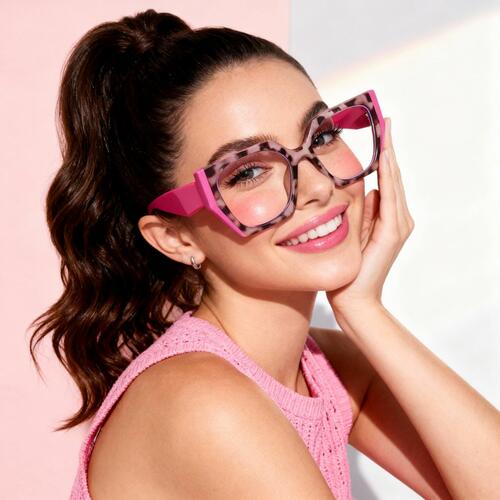
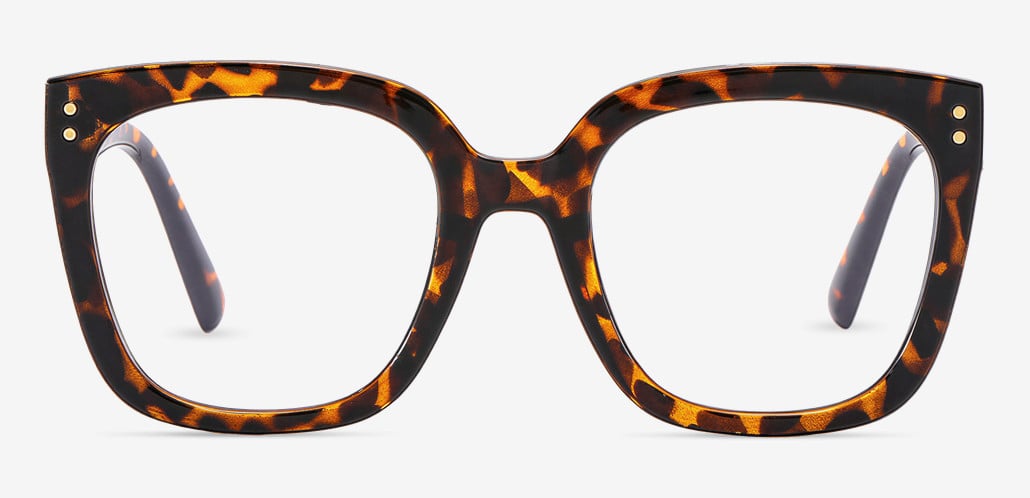
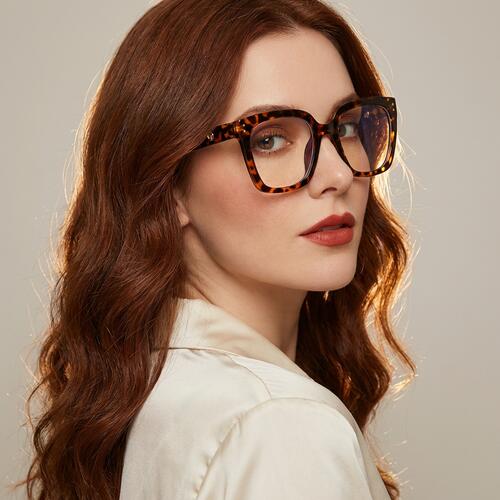
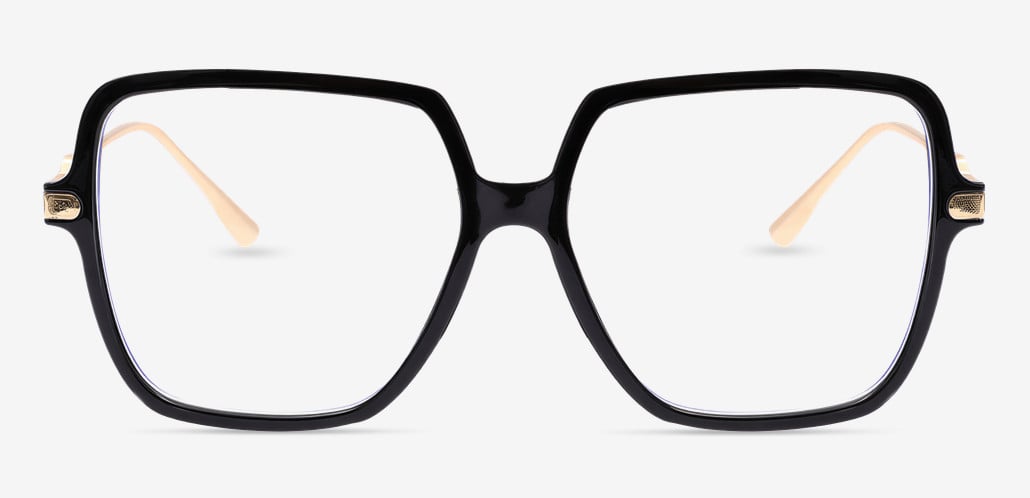
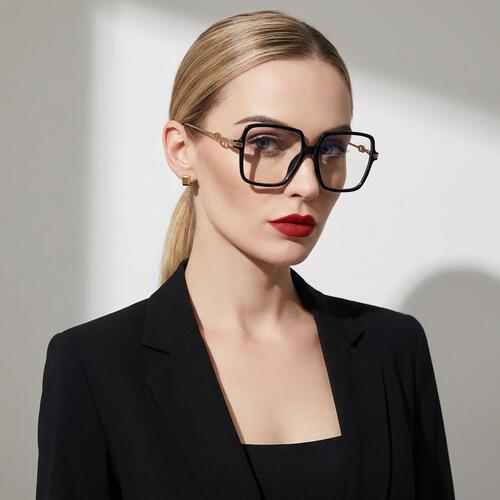
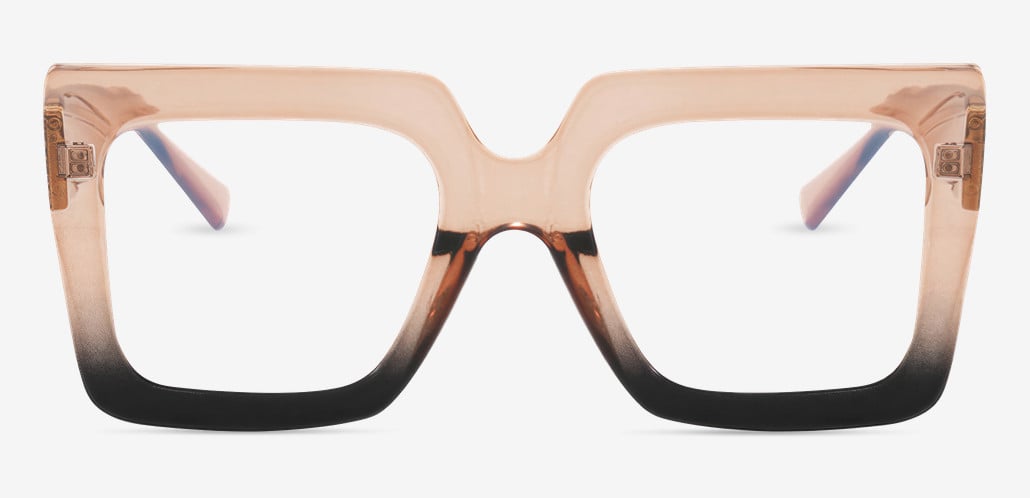
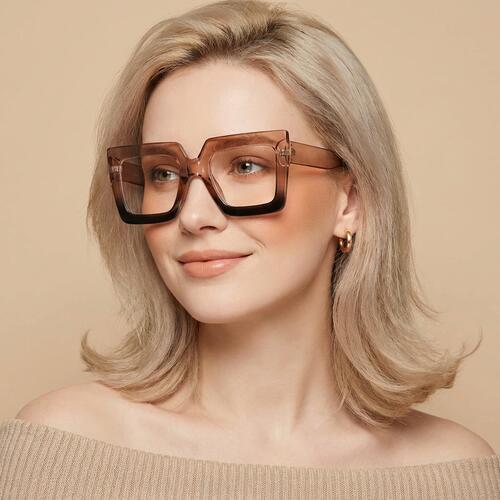
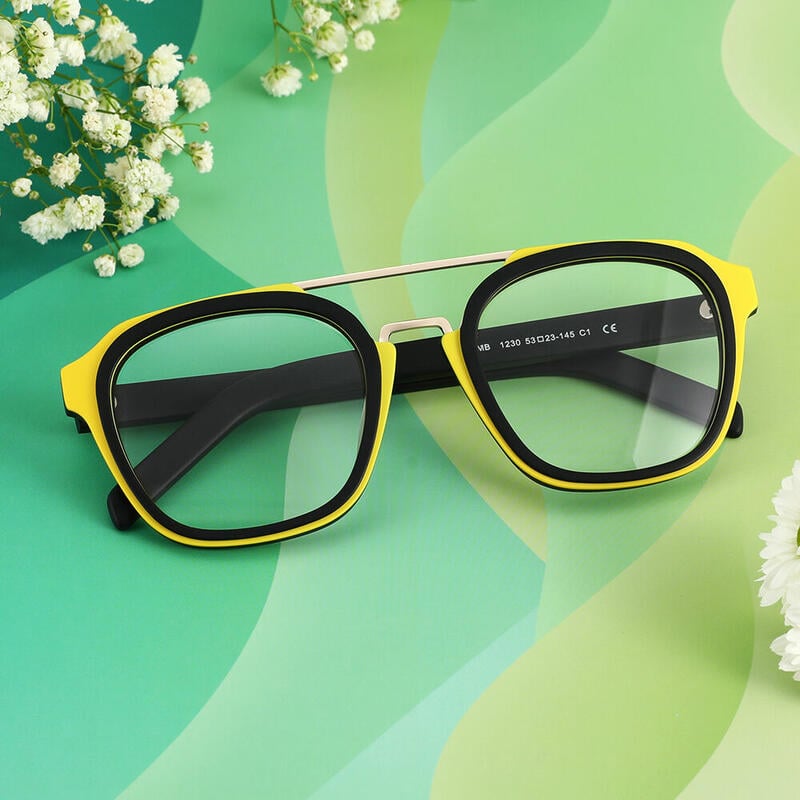
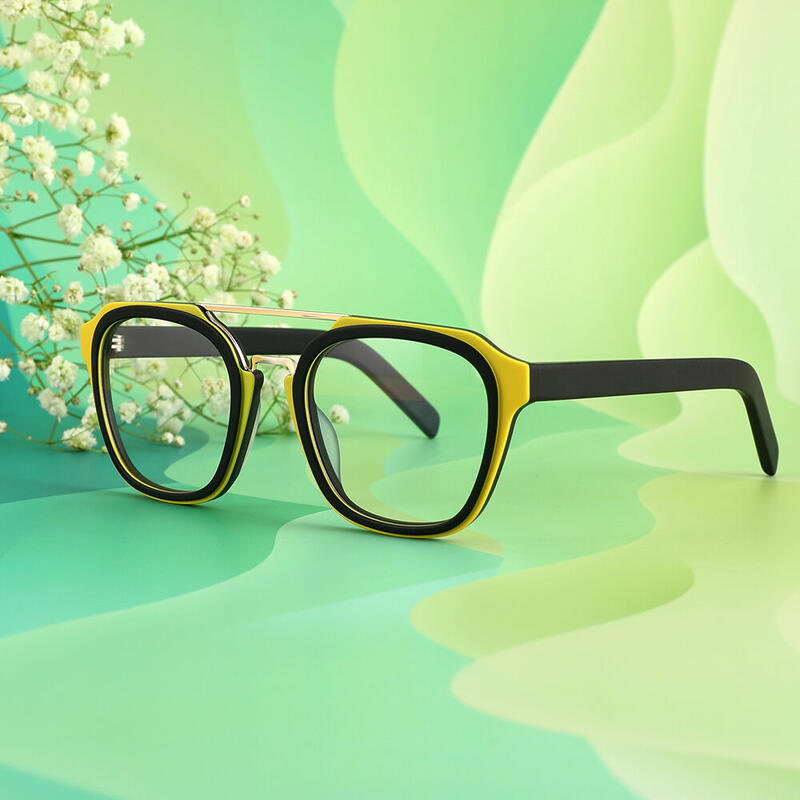
The single clearest shift since your last purchase is lens size. Frames across the mainstream market are running deeper and slightly wider than they did three or four years ago. This is not the exaggerated 1970s revival some fashion coverage suggests. Think two to four millimeters of extra lens width and a noticeably taller lens, balanced by thinner rims, lighter colors, or finer metal so the added size doesn't dominate your face.
Two practical forces drove this, and neither is going away. First, the huge cohort of men now in their forties is aging into progressive lenses, which physically need taller lenses to work well (more on that below). Second, years of video calls trained everyone to evaluate faces inside a small rectangle on a screen, and frames with more presence around the eyes simply read better there.
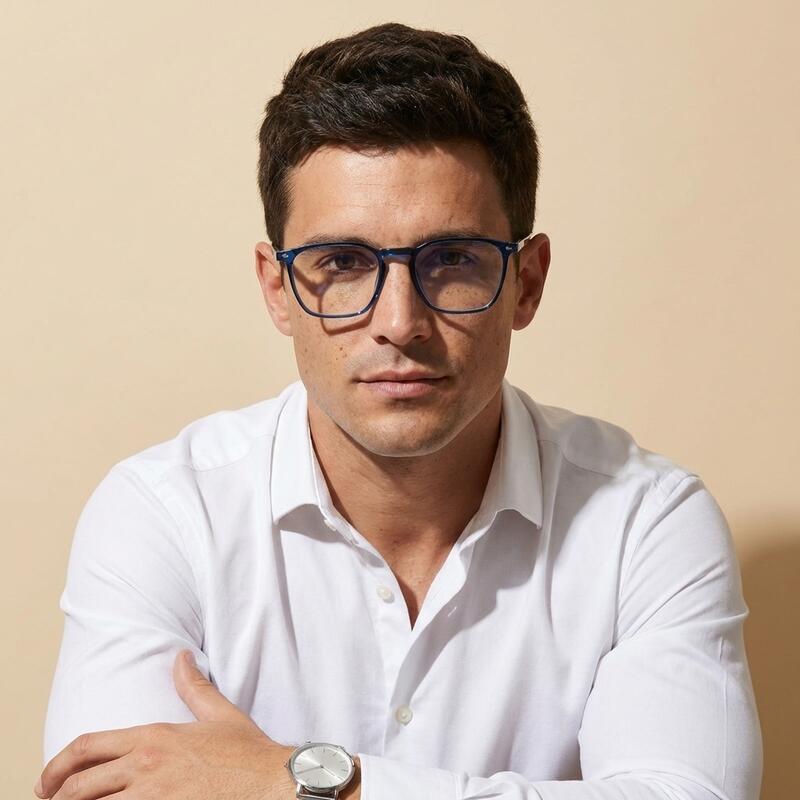
How to wear it without overdoing it: your eyes should sit roughly centered in each lens, and the frame front shouldn't extend visibly past the widest point of your face. If you have a narrower face, treat "bigger" as one size up from your current measurements, not a jump to the largest thing on the wall.
One genuine caution. If your prescription is stronger than roughly ±4.00, larger lenses mean thicker, heavier edges and more distortion at the periphery, even with high-index materials. Men with strong prescriptions usually look and see better in moderately sized frames with the pupils well centered. That physics hasn't changed, no matter what the trend pages say.

Wire rims and browlines came back through the movies
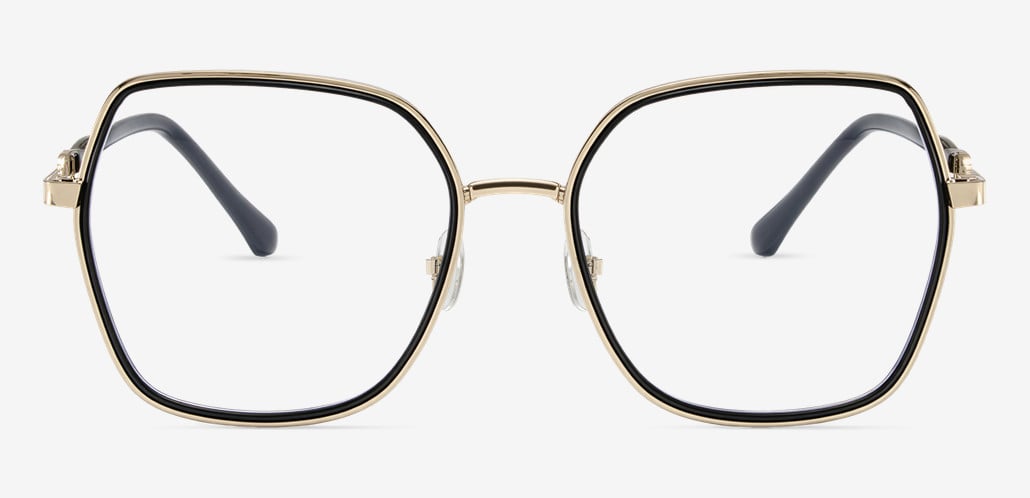
If one look defines menswear eyewear right now, it's thin metal. Fine gold and silver wire fronts, semi-rimless designs, and browline shapes — the ones with a defined upper bar over open or thinly rimmed lower lenses — have moved from "your accountant in 1987" to deliberate style choice.
Film did a lot of the work. Timothée Chalamet spent much of Marty Supreme in semi-rimless, subtly geometric prescription frames, and Jonathan Bailey's bespectacled scientist in the most recent Jurassic World became one of 2025's most discussed eyewear moments. Neither look was invented for the screen; both reflected where designers were already heading — lighter fronts, visible craftsmanship, less plastic.
This family of shapes suits men who tried the thick-acetate look last cycle and found it heavy on their features. It also travels well between a suit and a T-shirt, which matters if one pair has to do everything. The trade-off: very thin rims can nearly disappear on a low-resolution webcam, so if most people see you through a camera, pick a slightly darker metal or a browline with more contrast up top.
Clear, light, and matte finishes stopped being statements
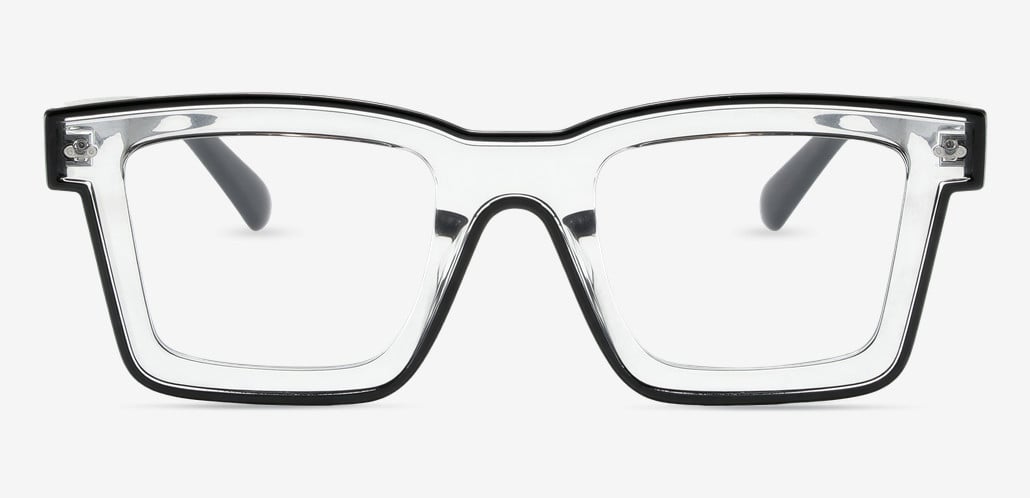
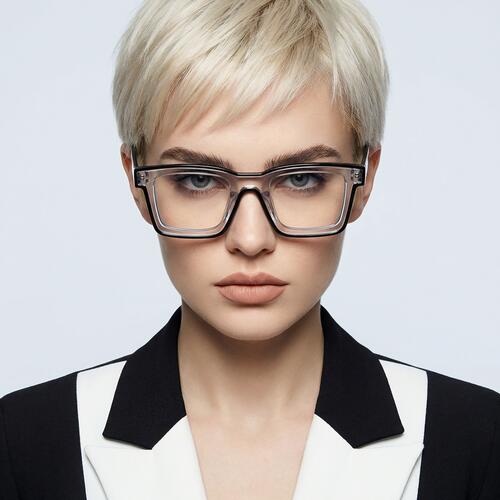
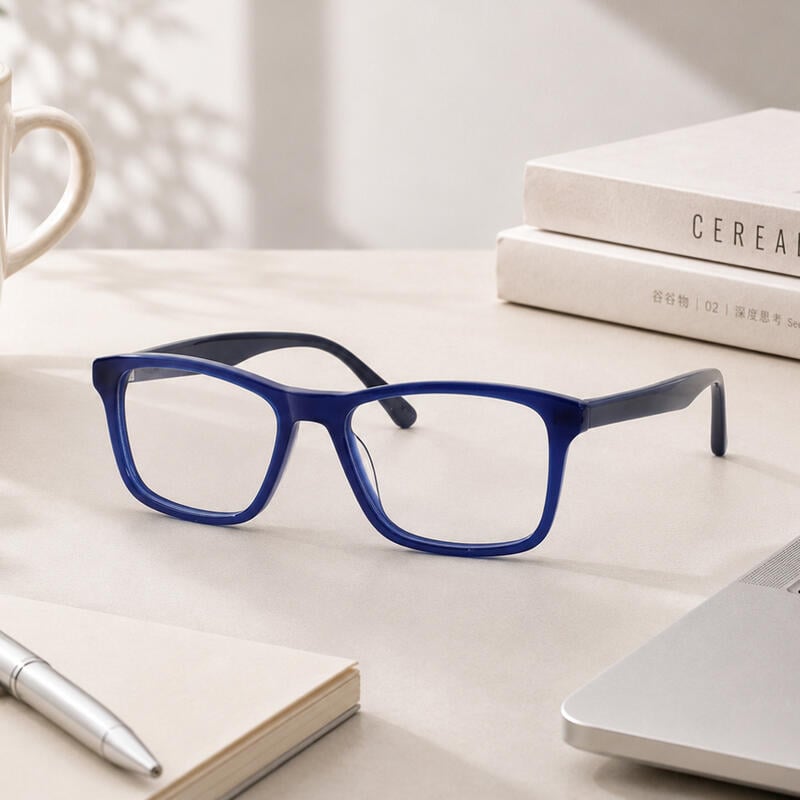
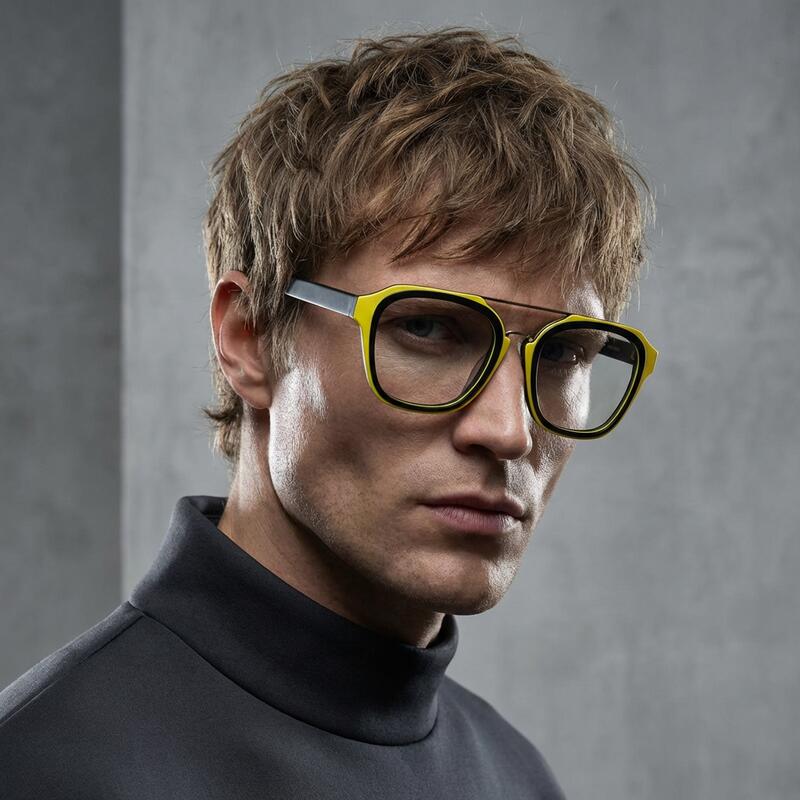
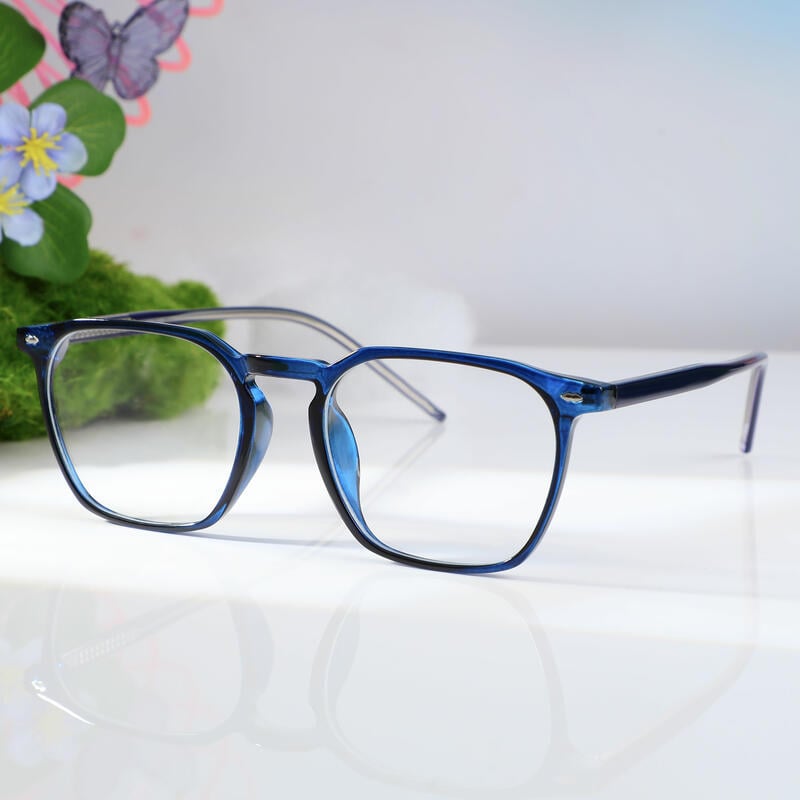
Translucent acetate was a bold pick in 2020. In 2026 it's a staple, and it has matured: instead of pure water-clear frames, the volume has shifted to smoked tones — gray crystal, sage, taupe, pale amber — that add color without weight. Matte finishes on dark frames have grown for the same reason. A matte black or matte tortoise front reads calmer and more current than the high-gloss version of the same shape.
This connects to the broader direction in men's accessories: less logo, more material. Current frames make their case with layered acetate, clean hinge hardware, and construction you notice up close, not branding you notice across a room. If you're deciding between two similar frames, the one with the quieter branding is almost always the safer bet this cycle.
What reads as dated now
Trend lists rarely tell you what to stop buying, which is half of what "current" means. Four things now date a face fast:
The narrow rectangle that was the default male frame from roughly 2005 to 2018 — short lenses, hard corners, usually gunmetal or black. It aged out along with slim-fit everything. Downward-sloping teardrop shapes on optical frames carry the same problem: both pull the eye down and read as tired on camera. Heavy logo plaques on the temples have flipped from status signal to its opposite. And the uniform ultra-thick rim of the mid-2010s — the one that came with a beard and a fixed-gear bike — has genuinely run its course; today's bold frames vary their thickness and shape instead of being thick everywhere.
To be clear, dated is not the same as wrong. If a narrow rectangle fits your prescription, your face, and your indifference to fashion, it still corrects your vision. But if your goal in reading this is to look current, those are the tells.
The video-call test
Here's a filter no trend list from 2019 needed: many men now see themselves in a webcam thumbnail more often than in a mirror, and glasses that look great in person can fail on camera.
Three things determine how frames perform on a call. Anti-reflective coating matters more than any style decision — without it, your lenses bounce two glowing rectangles of screen light at everyone in the meeting, on every call, indefinitely. If you skip every other lens upgrade, don't skip this one. Second, rim weight: mid-weight rims survive compression best, while very fine wire can vanish at 720p and make you look vaguely unfocused. Third, contrast: a frame close to your skin tone disappears; a frame slightly darker or cooler defines your eyes.
None of this requires buying "video-call glasses." It just means running any frame you're considering past one extra question: how will this render at 30 frames per second in bad lighting?
Turning 40? The big-frame trend is convenient timing
Progressive lenses — the no-line successors to bifocals — need vertical space. Most labs want roughly 28 to 30 millimeters of lens height to fit a comfortable corridor from distance vision at the top to reading at the bottom. The shallow rectangles of the 2010s were terrible for this, which is why so many men's first progressives came with an unwanted frame change.
The current move toward deeper lenses quietly solves that problem. If reading menus at arm's length is in your near future — it arrives for almost everyone in their mid-forties — buy lens height now. You'll be able to keep the frame you like when your lenses change, instead of shopping under pressure with a new prescription in hand.
What glasses actually cost in 2026 — and how Americans pay
Trend content usually ignores money, but the numbers are useful for calibrating. The Vision Council's quarterly consumer research shows around four in ten American adults paid less than $100 out of pocket for their most recent glasses, while fewer than a third spent over $200 — and roughly one in three prescription-eyewear purchases now involves FSA or HSA funds.
Three practical takeaways. If you have vision insurance, check your frame allowance before you shop; most plans reset in January, which is why optical spending jumps early in the year. Prescription glasses are FSA/HSA-eligible, so an expiring December balance is a legitimate reason to buy the second pair. And the two-pair strategy has quietly become the smarter way to buy trends: rather than one expensive do-everything frame, a moderately priced conservative pair for work plus a second, more current pair spreads the risk. If the trend pair looks dated in three years, you're out far less, and you had two looks in the meantime.
Three numbers to check before you order anything
Inside the temple arm of your current glasses there's a stamped measurement, something like 54□18-145. That's lens width, bridge width, and temple length in millimeters, and it's the most underused piece of buying information in eyewear.
If your current pair fits well, those numbers are your baseline. "Going bigger" this cycle usually means adding two to four millimeters of lens width — not jumping from a 52 to a 58. The bridge number matters most for comfort: if frames tend to slide down your nose or leave marks, adjust that number before anything else. And if you're ordering online, have your pupillary distance (PD) from your last exam; it's on most prescriptions, and retailers can't guess it accurately from a photo alone.
Reading three numbers off your old frames takes ten seconds and prevents most of the fit mistakes that end with glasses living in a drawer.
A note on smart glasses
Camera-and-audio frames went mainstream over the past two years, and even if you have zero interest in the technology, they've influenced regular eyewear. The tech brands standardized around classic panto rounds and squared, Wayfarer-adjacent fronts with slightly chunkier temples — and that pushed those exact silhouettes back to the center of men's fashion. If you want to know where mainstream taste sits, the shapes chosen to hide electronics are a surprisingly honest indicator: familiar, mid-sized, and unfussy.
Buying a trend you'll still wear in 2029
Eyewear fashion moves slower than clothing, which is the good news: a well-chosen current frame has a three-to-five-year life before it starts to whisper its purchase date. Run any candidate through four filters. Does it match your real measurements, within a couple of millimeters? Does it survive the webcam test? Does it leave room for where your prescription is heading — lens height if progressives are near, moderate size if your numbers are strong? And would you still choose it with the logo covered?
A frame that passes all four is a safe place to spend. A frame that only passes on the strength of a trend list — including this one — is a rental, not a purchase.
Prescriptions, coverage, and fit vary; for anything beyond style, your eye doctor's advice beats any trend guide.