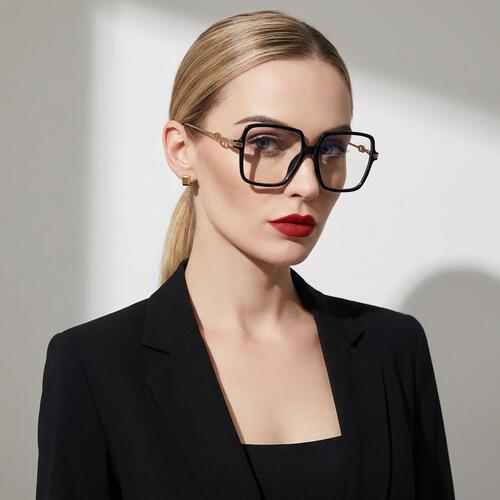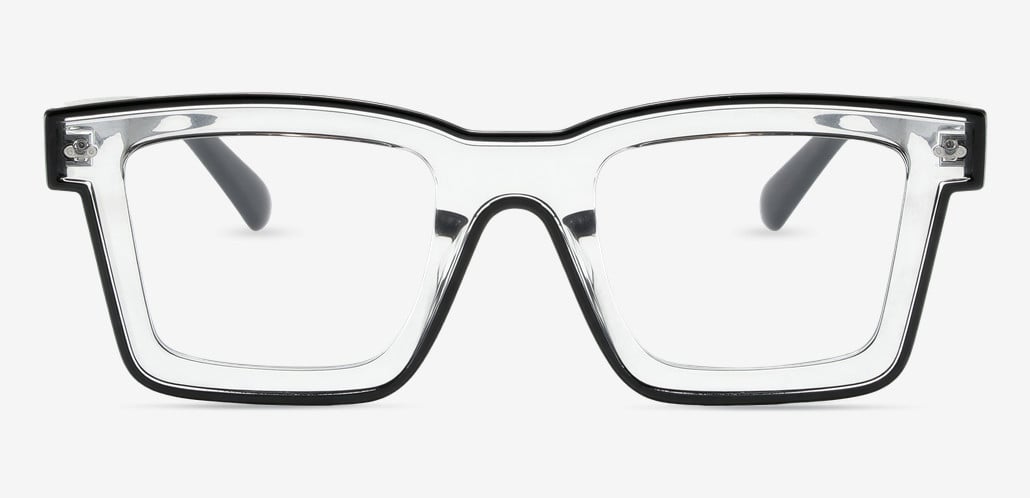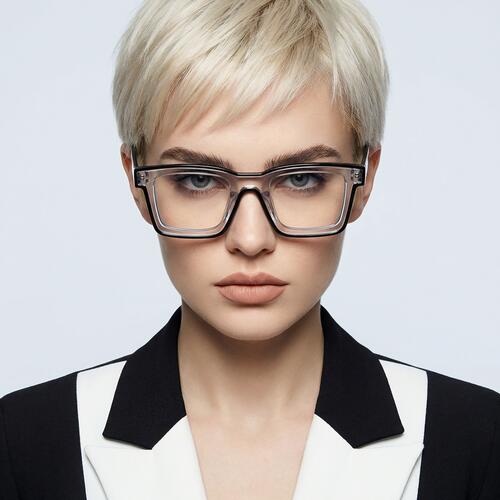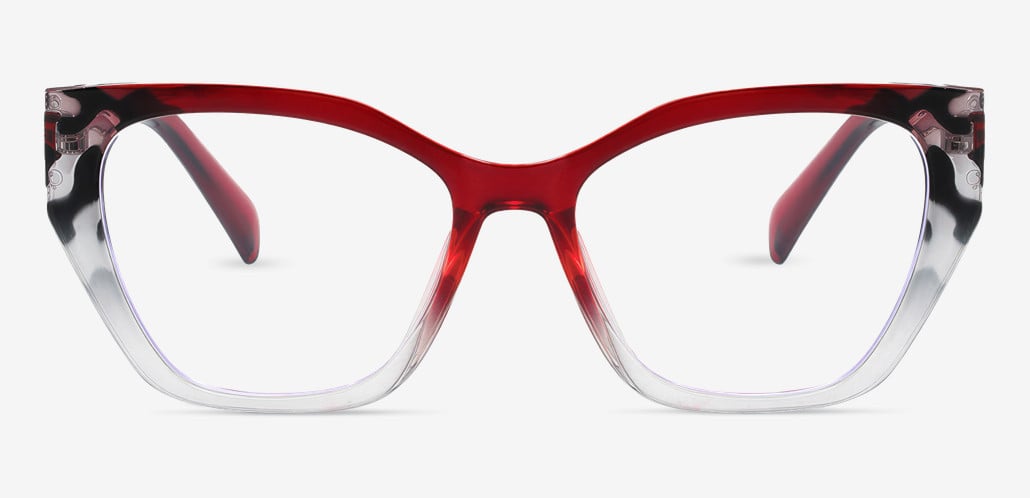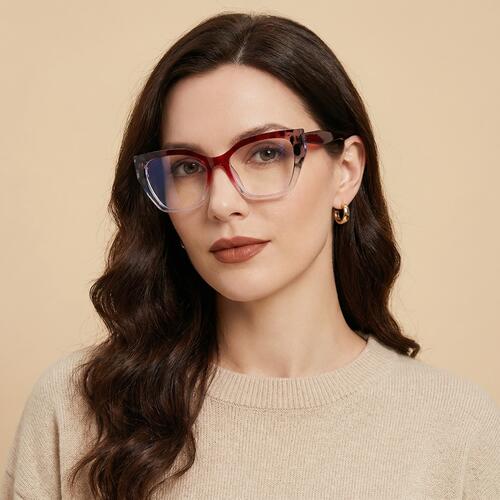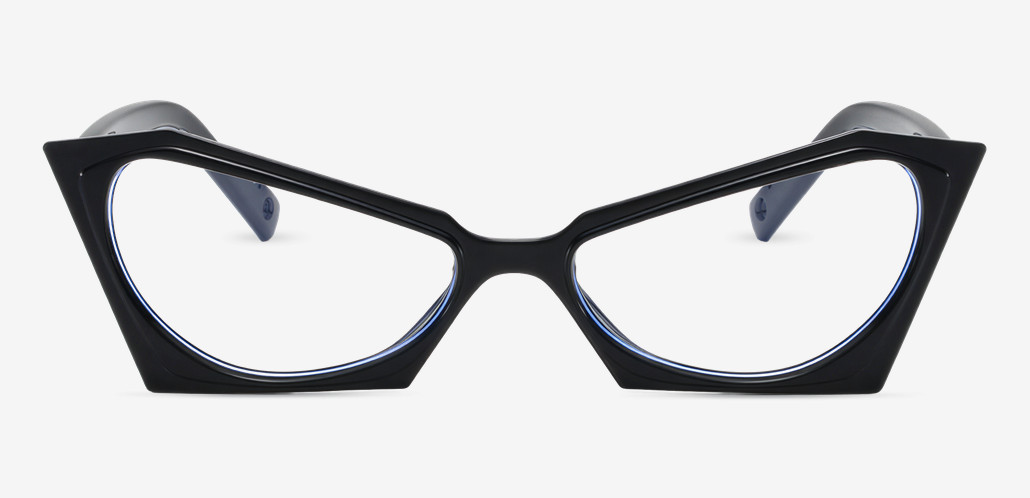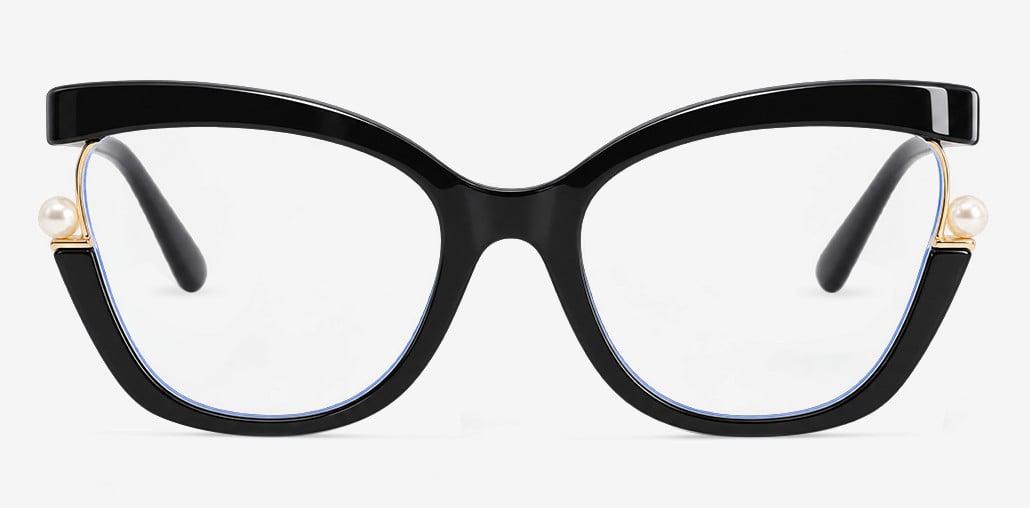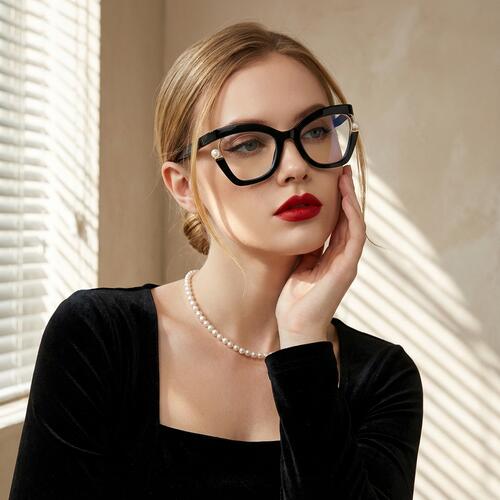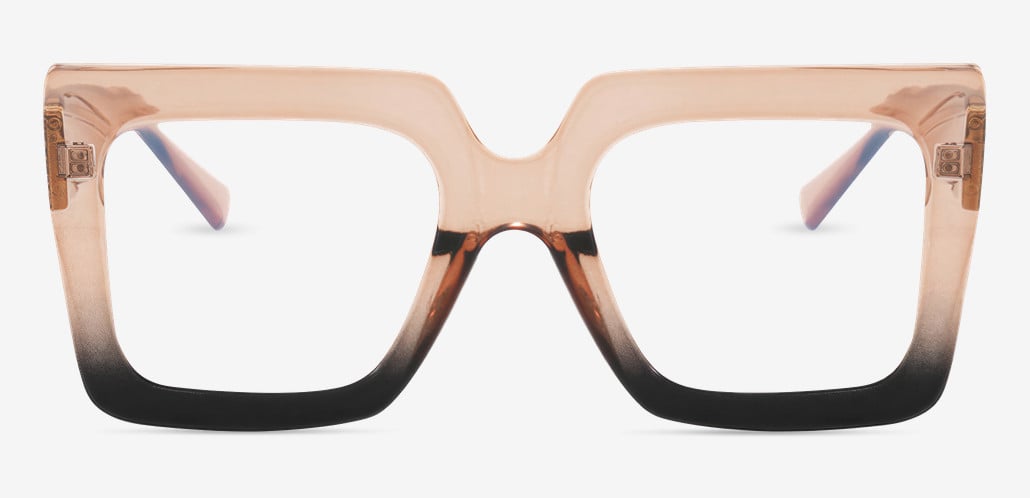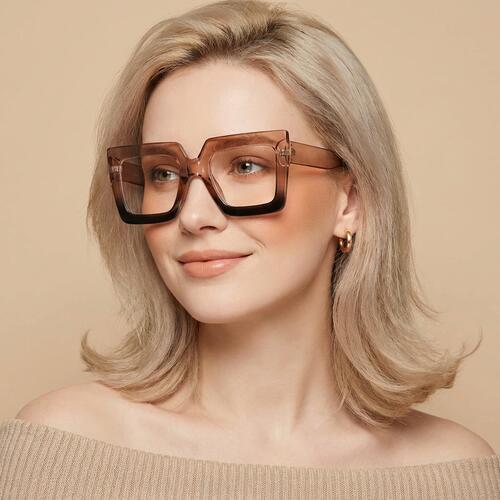

Ask an optician for a pair of glasses with no correction in them, and nobody behind the counter will find the request strange. The industry has a proper name for that lens — plano, from the Latin for "flat" — and it has been a standard catalog item for about as long as lenses have been ground. Zero power isn't the absence of a lens spec. It is a lens spec.
That one piece of vocabulary changes how you shop. Here's the short answer for anyone deciding right now: eyeglasses with non-prescription lenses are ordinary frames fitted with zero-power plano lenses. You don't need an eye exam, a prescription, or anyone's approval to buy them, and wearing them cannot damage your eyes. What still matters — more than most buyers realize — is that a plano lens is manufactured, coated, and federally regulated exactly like a prescription one. Everything below follows from that.
What "Non-Prescription" Actually Means
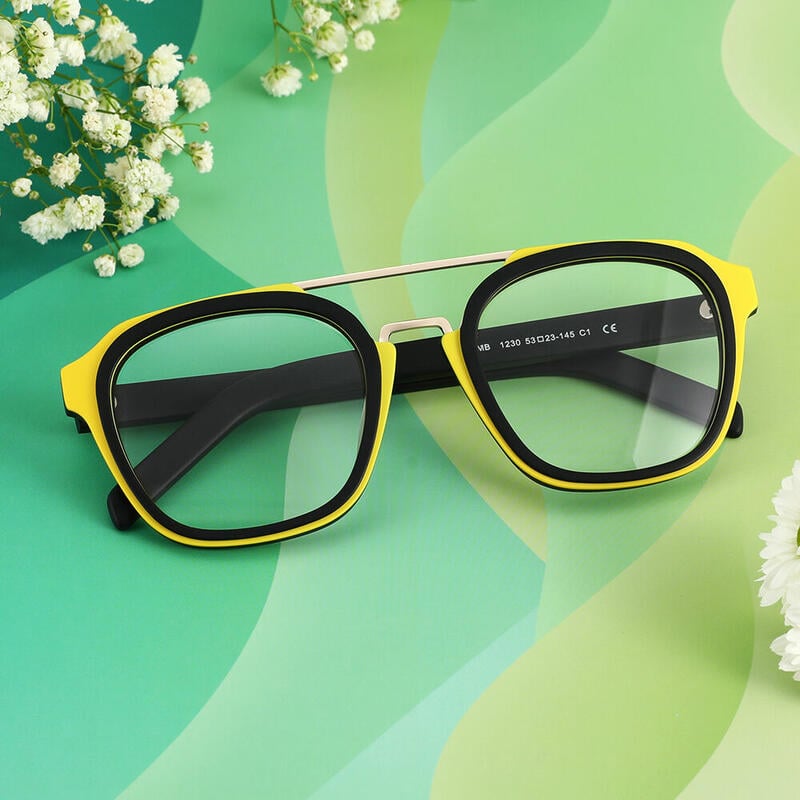
A non-prescription lens is optically neutral: 0.00 diopters of power, no magnification, no correction. Light passes through it the way it passes through a clean window. Everything else about the lens — the material it's cast from, the hard coat that resists scratching, the anti-reflective layer, the way its surfaces are polished — comes off the same production lines as prescription lenses.
Ordering is the same process as prescription eyewear with one step removed. You pick a frame, and at the lens-selection step you choose "non-prescription" instead of entering prescription values. No prescription upload, no pupillary distance measurement to hunt down, no verification wait. At Aoolia, every frame in the catalog can be configured this way, and the order still passes through the same optician review as a prescription order — because the lens is still a lens.
One clarification that trips up a lot of shoppers: non-prescription glasses are not the same thing as drugstore reading glasses. Readers have magnifying power — that's their entire job — usually marked +1.00 to +3.00 on the tag. Plano lenses have none. If small print has started drifting out to arm's length, a plano lens will do nothing for you; that's a readers (or eye exam) situation.
Do You Need a Prescription to Buy Glasses?
No — not if the lenses carry no correction. Prescriptions exist to specify corrective power for your particular eyes. When the power is zero, there's nothing to specify, so there is no exam requirement, no age requirement, and no regulation anywhere in the US that stands between you and a pair of clear-lens frames. The only glasses that legally require a valid prescription are the ones that correct vision (and contact lenses, which always require one, colored costume lenses included).
This is worth stating plainly because search data says a lot of people quietly wonder whether buying "fake glasses" is somehow not allowed, or requires pretending. It isn't, and it doesn't. The optical industry built the plano lens for exactly this purchase.

Are Non-Prescription Glasses Bad for Your Eyes?
Wearing a zero-power lens cannot change your vision, weaken your eyes, or make you dependent on glasses. Your eyes don't adapt to a lens that isn't doing anything. This myth is a hand-me-down from a related worry (that wearing corrective glasses weakens eyes — also false, but at least aimed at the right product).
There is one honest caveat, and it explains where the myth gets its staying power. Very cheap accessory-aisle "fashion glasses" are often fitted with molded acrylic discs rather than surfaced optical lenses. Molded discs can carry subtle waves and distortion — hold one up and slide it across a straight door frame, and you may see the line swim. Look through mild distortion for a few hours and you can absolutely end up with a headache. People then conclude that wearing glasses they don't need hurt their eyes, when what actually hurt was a bad lens. A properly made plano lens produces no such effect, because there's nothing optically happening at all.
The other caveat runs in the opposite direction. If part of the appeal of non-prescription glasses is that you've been squinting at menus or leaning closer to your monitor and figure frames might help you look the part while you push through it — that's not a styling situation, that's an undiagnosed-prescription situation. The American Academy of Ophthalmology recommends a baseline comprehensive eye exam at 40 even for adults with no symptoms, and sooner if anything about your vision has changed. Plano lenses are for people whose eyes need nothing. Make sure that's you.

Why People Wear Glasses They Don't Need
The reasons are more concrete — and better documented — than "fashion."
Perception is real, and measurable. In a 2008 study published in the American Journal of Forensic Psychology, 220 mock jurors evaluated a fictitious criminal case with defendant photos that varied only by eyeglasses; defendants in glasses were rated more intelligent and less physically threatening. Defense attorneys took notes: the tactic became known in courtrooms as the "nerd defense," and at one 2012 Washington, D.C. trial, prosecutors pointed out to jurors that all five defendants had shown up in thick-rimmed non-prescription glasses none of them wore before the charges. Nobody is suggesting you're headed to trial — but if the effect is strong enough that trial lawyers deploy it deliberately, it's strong enough for a job interview, a client pitch, or a first meeting where you want to read as considered rather than casual.
Camera and screen presence. People who present on video — teachers, streamers, anyone living in meetings — sometimes wear plano lenses with an anti-reflective coating precisely because good AR nearly disappears on camera while framing the face. This is one purchase where the coating is the entire product, so it's worth paying for a real one.
Consistency for part-time glasses wearers. Contact lens wearers who like how they look in frames, and people who had refractive surgery and spent twenty years with a face they suddenly don't recognize in the mirror, are both steady buyers of plano eyewear. The frames aren't correcting anything; they're maintaining a look that took years to settle into.
A physical barrier, modestly useful. A lens in front of the eye blocks wind on a bike commute, deflects dust, and slows the tear evaporation that makes dry eyes miserable in air-conditioned offices. This is genuine but limited — everyday frames are open at the sides and are not safety glasses. Anything involving power tools, yard debris, or flying particles calls for eyewear rated to the ANSI Z87.1 impact standard, which is a different product with different geometry. Don't let a clear lens talk you into false confidence at the workbench.
The Blue-Light Question, Answered Honestly
A large share of non-prescription eyewear is sold with blue-light-filtering lenses, so you deserve the current state of the evidence rather than the marketing version.
The most rigorous summary to date is a 2023 Cochrane systematic review — seventeen randomized controlled trials, 619 participants across six countries. Its conclusion: blue-light filtering lenses probably make little or no difference to eye strain from computer use in the short term, and the evidence on sleep quality is inconclusive. The review's lead author added two grounding facts: consumer blue-light lenses typically filter only about 10–25% of blue light, and the blue light your eyes receive from a screen is roughly a thousandth of what they receive from ordinary daylight. The American Academy of Ophthalmology, for its part, does not recommend any special eyewear for computer use.
What actually moves the needle on screen fatigue is unglamorous: the 20-20-20 habit (every 20 minutes, look at something 20 feet away for 20 seconds), deliberate blinking — blink rate drops sharply when concentrating on a screen — a monitor positioned slightly below eye level, and text scaled large enough that you aren't unconsciously craning forward.
So should you skip the blue-light option? Not necessarily — you should just buy it as what it is. The filter is harmless, the faint warm tint is pleasant to some eyes, several of our customers simply prefer how it feels at night, and as an add-on it costs little. Buy it as a preference. Don't buy it as medicine.
Zero Power Doesn't Mean Zero Standards
Here's the part of this category almost nobody selling $6 accessory-rack glasses will mention: in the United States, eyeglasses — prescription or not — are regulated by the FDA as medical devices. Under 21 CFR 801.410, lenses sold as eyewear must withstand a specific impact test: a ⅝-inch steel ball dropped from 50 inches onto the lens surface, without fracture. Manufacturers must batch-test non-prescription plastic lenses the same as prescription ones and keep distribution records for three years.
A novelty-aisle costume prop often escapes all of this by not being sold as eyewear in the first place — which tells you what category it really belongs to. If you intend to put something on your face every day, buy it from a company operating as an optical retailer, because that's the version of the product built and tested to sit an inch from your eyes.
Past the legal floor, three things separate a plano lens worth wearing from a disc of clear plastic:
The first is surfaced optical quality — lenses cut and polished to optical tolerances rather than popped from a mold, which is what eliminates the swimming-line distortion described earlier. The second is a hard coat; an uncoated lens picks up a haze of micro-scratches within weeks of pocket and bag life. The third is anti-reflective coating, which is optional but transformative — it kills the white glare rings in photos and the lamp reflections that otherwise sit between your eyes and everyone you talk to. And if you're ordering tinted or sun versions, confirm UV400 protection explicitly; tint darkness and UV blocking are unrelated properties, and a dark lens without UV protection is worse for your eyes outdoors than no lens at all, because it invites your pupils to open wider.

The One Real Advantage: Total Frame Freedom
There is a genuine, underrated upside to buying glasses at zero power, and it's that every constraint prescription wearers shop around simply doesn't apply to you.
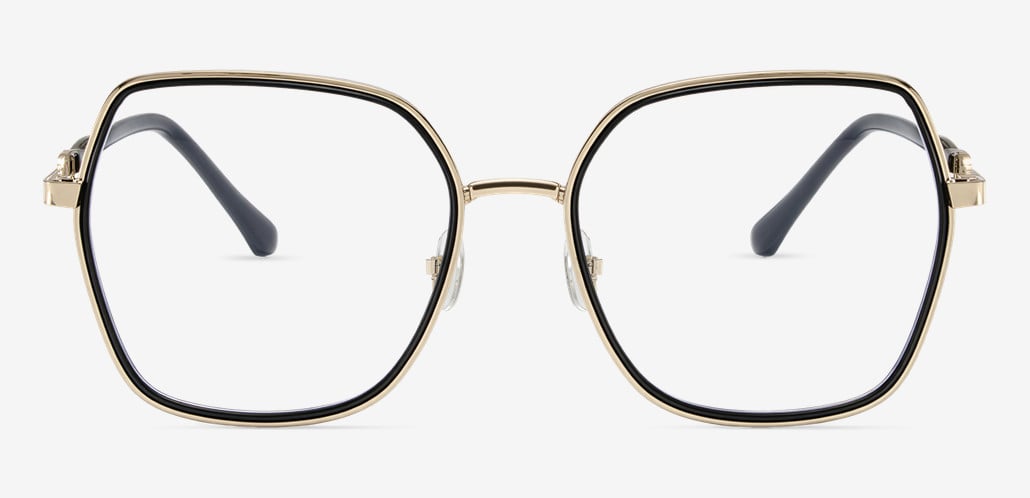
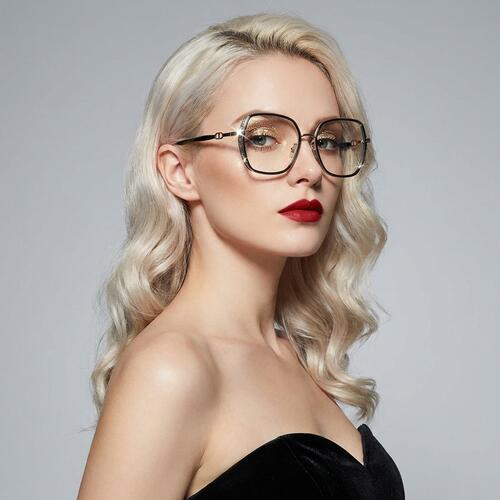
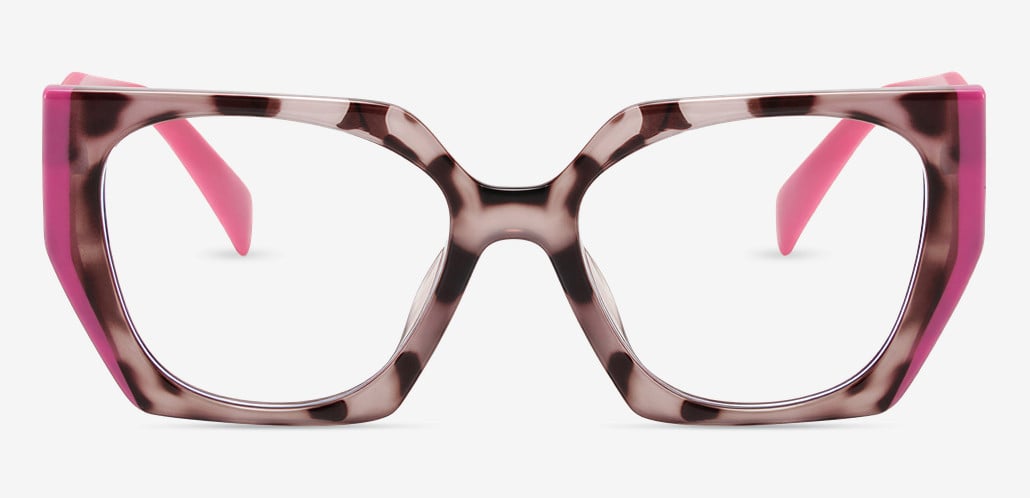
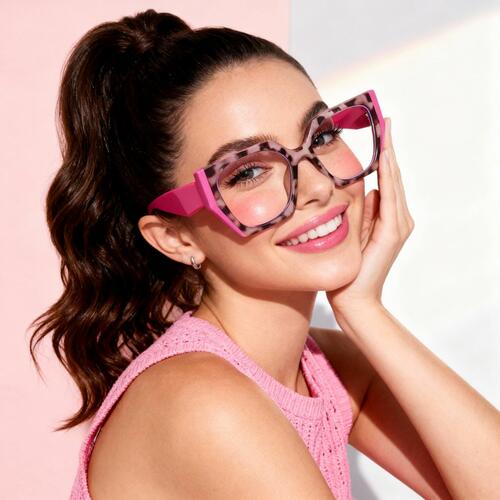
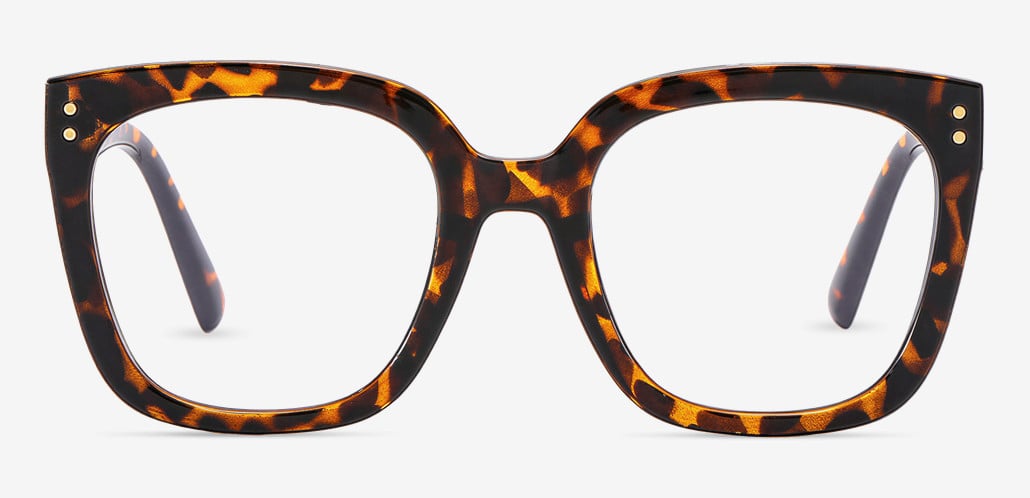
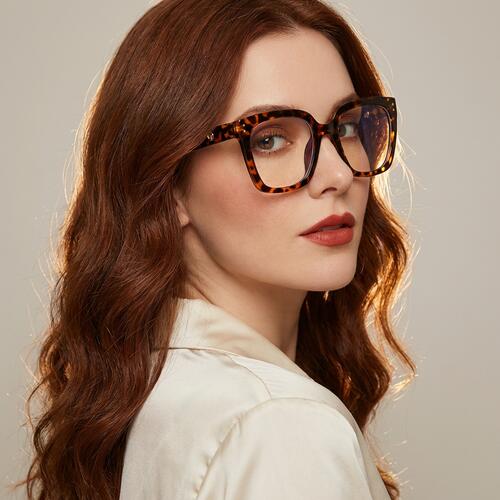
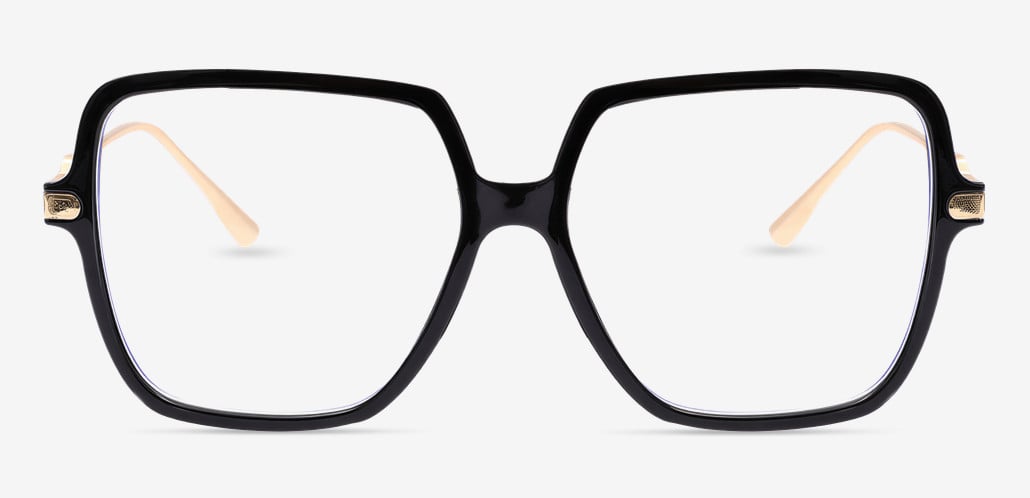
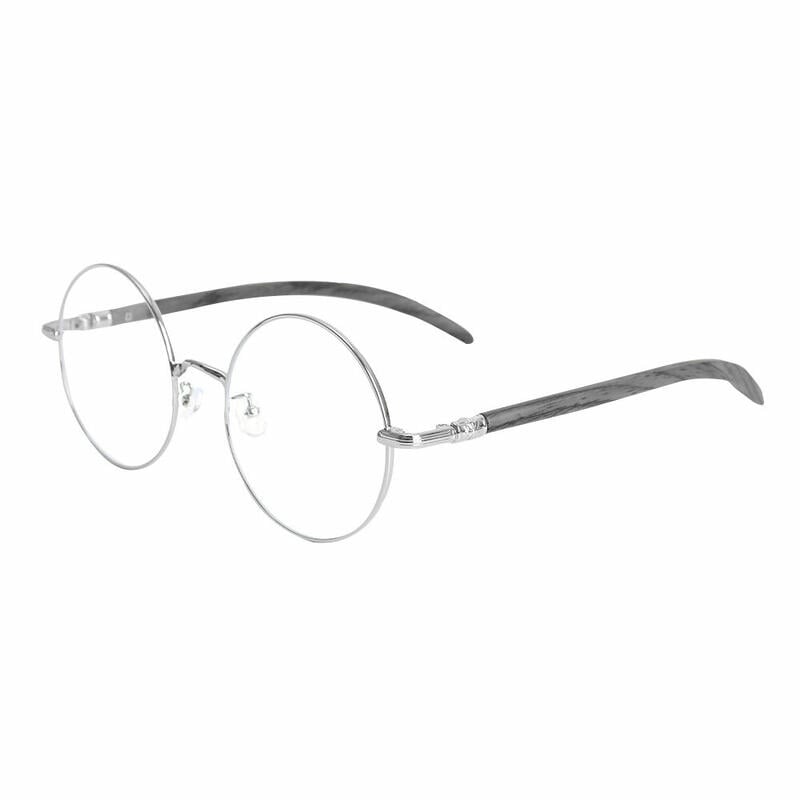
Strong minus prescriptions push lens edges thick, which quietly rules out rimless and thin-metal frames unless the wearer pays for high-index materials. Progressive lenses need a minimum lens height, which rules out shallow, narrow silhouettes. Very large frames move the optical centers away from where a prescription needs them, which makes oversized styles an upcharge or a compromise. Plano lenses erase the entire list. The most delicate rimless frame, the shallowest bar-top silhouette, the most oversized acetate on the site — all of it works, all of it at the least expensive lens configuration a frame can be ordered in, because zero power is the simplest lens there is to make.
In other words: with non-prescription lenses, the frame is the whole purchase. Put your budget there. A well-made acetate or a titanium-hinged frame will outlast several fashion cycles, and if your eyes change later, virtually any quality frame can go back through the lab and be refitted with prescription lenses — so a frame you love now doesn't become a dead end at your first real prescription.
Before You Order: Three Practical Notes
Insurance and FSA/HSA money mostly won't apply. The IRS treats non-prescription eyewear as general wellness rather than medical care, so plano glasses — including non-prescription blue-light glasses — are generally not FSA/HSA eligible. (Oddly enough, over-the-counter reading glasses are eligible, because magnification counts as vision correction.) A doctor's Letter of Medical Necessity can create an exception for a diagnosed condition, but for a style purchase, plan on paying out of pocket. Vision insurance plans follow the same logic.
No PD, no problem — but sizing still matters. You can skip the pupillary distance measurement, but frame fit is unchanged: the millimeter sizing printed on any temple arm you already own (lens width – bridge – temple length, e.g. 52-18-140) remains the fastest way to order a frame that sits right, and a virtual try-on will settle the proportions question before you commit.
Decide what the glasses are for before choosing the lens. Clear plano for everyday and on-camera wear, add AR if people will see you in them; blue-light filter if you like the feel of it, with expectations calibrated by the section above; tinted with confirmed UV400 if they're living on your head outdoors. The frame can be pure style. The lens should still be chosen on purpose.
Non-prescription glasses have carried the "fake glasses" label for so long that the products built to a real standard get lumped in with the costume props. The fix is one word: shop for plano lenses, hold them to the same bar you'd hold any lens an inch from your eye, and spend the savings from the prescription you don't need on a frame you actually want to be seen in.