
Almost every guide to choosing reading glasses starts the same way: a chart. Age 40 to 44, try +1.00. Age 45 to 49, try +1.50. And so on down the column, as if your eyes checked the calendar before deciding how to focus.
The chart isn't useless — presbyopia does progress with age, and the averages are real averages. But it answers the wrong question. Two 52-year-olds can need meaningfully different powers, and the same 52-year-old needs different powers for a paperback and a desktop monitor. The variable that actually determines the right reading glasses isn't your birth year. It's distance — specifically, the distances at which you do your close work, and how far your eyes can still focus on their own.
Get the distance question right and everything else about choosing readers gets much easier. So that's where this guide starts: not with your age, but with a tape measure.
Start with the Three Distances
Before comparing frames or powers, spend two minutes measuring how you actually read. Sit the way you normally do and measure three things:
Your book distance. Hold a paperback or your phone where it feels natural — not where it's sharpest right now, but where your arms want it to be. For most people this lands somewhere between 14 and 16 inches. If you've been sliding toward 20 inches or more because closer is blurry, note that too; the drift itself is the symptom reading glasses fix.
Your screen distance. Measure from your eyes to your main monitor. Desktop screens usually sit at 24 to 30 inches — nearly double book distance, which is exactly why this measurement matters so much.
Your third distance. This one is personal: sheet music on a stand, a cutting board, a workbench, a sewing machine, price tags at arm's length. Whatever close task fills your day besides books and screens, measure it.
Write the three numbers down. They will do more to determine your ideal reading glasses than any age chart, because lens power and focusing distance are two sides of the same equation.

Why One Power Can't Cover Every Distance
A reading lens is measured in diopters — the +1.50 or +2.25 printed on the tag. A diopter is simply the inverse of a focal distance: the higher the number, the closer the lens pulls your point of focus. That relationship has a consequence most guides skip, and it explains the single most common complaint about readers.
Higher powers focus closer, and they also narrow the range of distance that stays sharp. A +1.25 lens leaves you a fairly generous zone of clear vision. A +2.75 lens focuses tightly at book distance and lets everything beyond roughly arm's length dissolve into blur. That's not a defect in the glasses — it's optics. It's also why a power that makes a novel gorgeous can make a monitor unreadable: the screen sits outside the narrow band that a strong reading power keeps in focus.
The practical rule that falls out of this: choose your power for the distance you measured, and expect stronger powers to be more distance-specific. Book-distance work generally lands in the +1.75 to +2.50 range depending on your eyes; monitor-distance work usually needs something like half to two-thirds of your book power. If your three distances are far apart, one pair of readers may genuinely not be able to serve all three — and knowing that up front saves you from blaming the glasses.
If you've had an eye exam recently, you don't need to estimate at all. The ADD value on your prescription is your reading power at standard near distance, determined with instruments rather than trial and error. It's the single most useful number you can bring to buying readers online, and it adapts cleanly: your optician or retailer can adjust from it for a longer working distance like a monitor.

The Part the Rack Can't See: Your Eyes Aren't Interchangeable
Ready-made readers are built on averages — one power in both lenses, lens centers set to an average pupillary distance. If your eyes happen to match the average, they work fine, and there's no reason to feel bad about the pair living in your kitchen drawer.
But eyes are rarely symmetrical. Most people over 40 have at least a small power difference between their right and left eye, and many carry a touch of astigmatism that a spherical rack lens can't address. None of this damages your eyes; it just means the rack pair is always a compromise, and the compromise shows up as end-of-day strain, a vague sense that "these aren't quite right," or one eye doing more than its share of the work.
This is where custom-made reading glasses earn their keep even at drugstore prices: each lens is ground to its own eye's power, centered on your actual pupillary distance, with astigmatism correction included when your prescription calls for it. If you've only ever worn rack readers and they've felt "almost right," per-eye powers are usually the difference you were missing.
When Readers Stop Being the Right Tool
Single-power reading glasses are brilliant at one job: sustained close work at a consistent distance. They are famously bad at everything else, which is why the universal gesture of the reading-glasses wearer is peering over the top of them to see who just walked in.
If you notice certain patterns, the answer isn't a better pair of readers — it's a different lens type:
You put them on and take them off dozens of times a day, or park them on your head between tasks. That constant on-off cycle is the classic case for bifocal lenses, which keep distance vision on top and reading power below, in one frame.
Your day moves continuously between screen, paperwork, and the room around you. Progressive lenses handle that gradient without a visible line and without the abrupt jump of a bifocal — near, intermediate, and distance in a single lens.
Your close work is overwhelmingly on screens. Consider a pair tuned to your monitor distance rather than book distance, and add blue light filtering if long sessions are the norm. Same principle, different distance — which is why you measured.
There's no hierarchy here. Plenty of people run a strong dedicated pair for novels, a lighter pair at the desk, and progressives for everything else. At a few dollars a pair, matching the tool to the task is no longer a luxury decision.
Choosing the Frame — for How Readers Actually Live
Frames for reading glasses have one requirement regular glasses don't: they get handled. Picked up, folded, pocketed, dropped on the nightstand, pushed up into hair. A few features matter more here than anywhere else in eyewear.
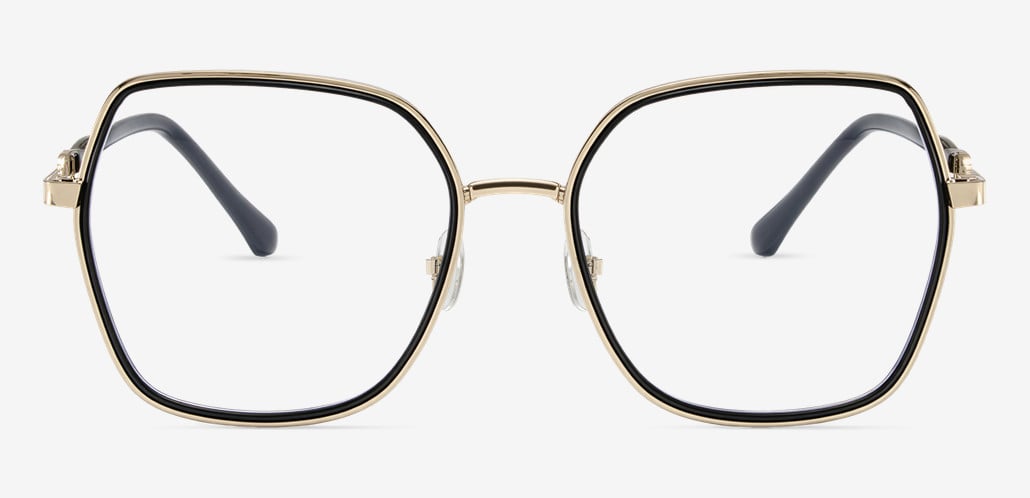
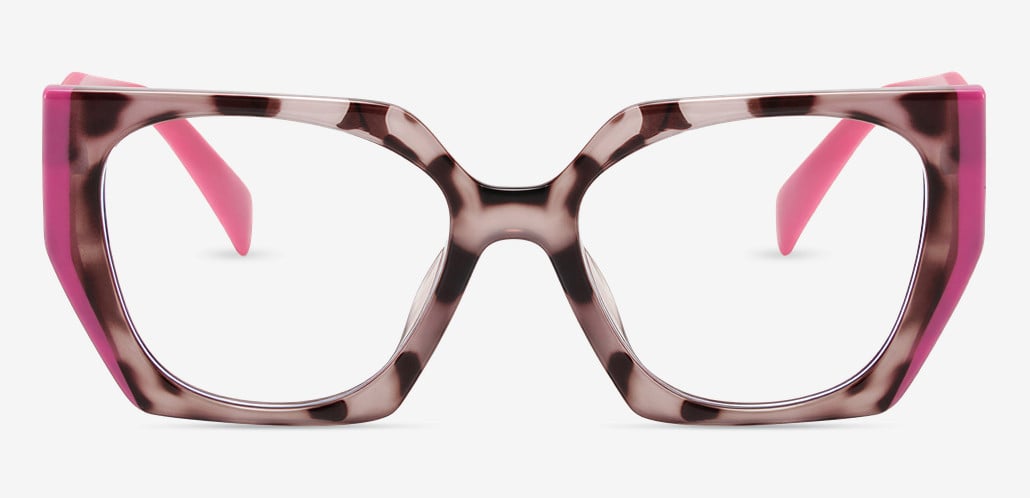
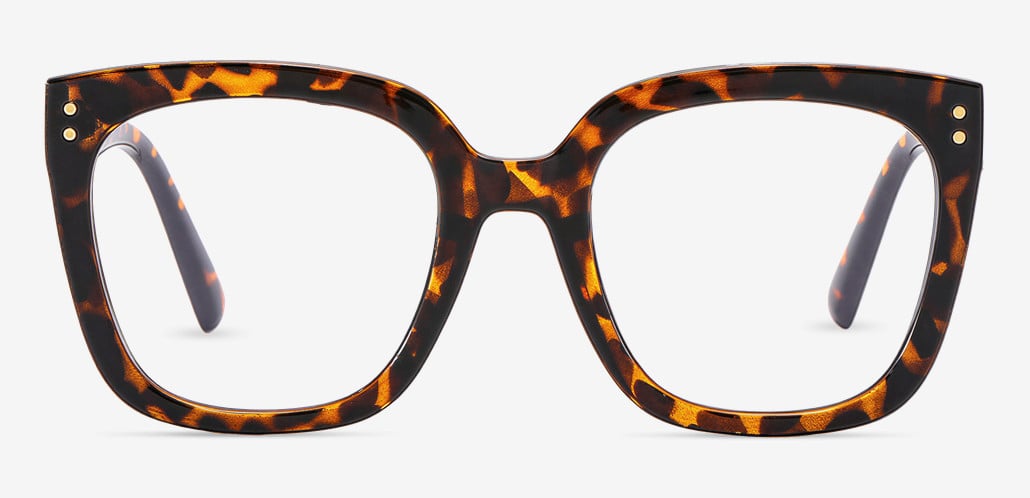
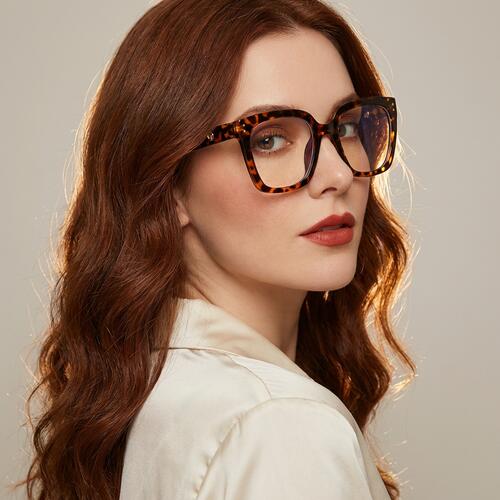
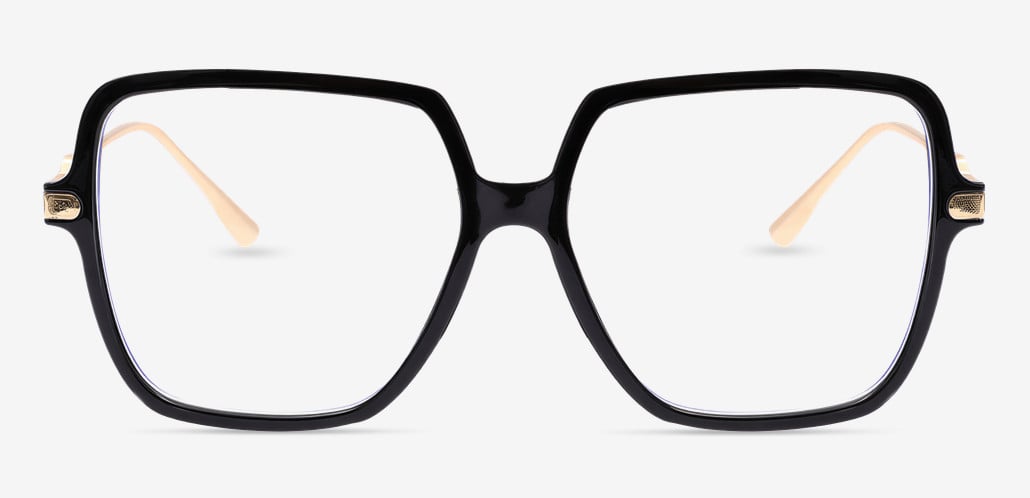
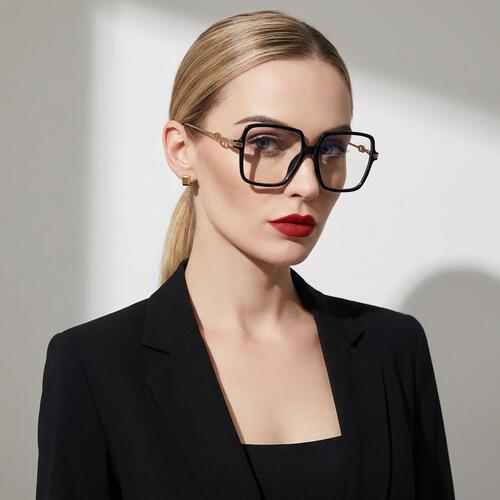
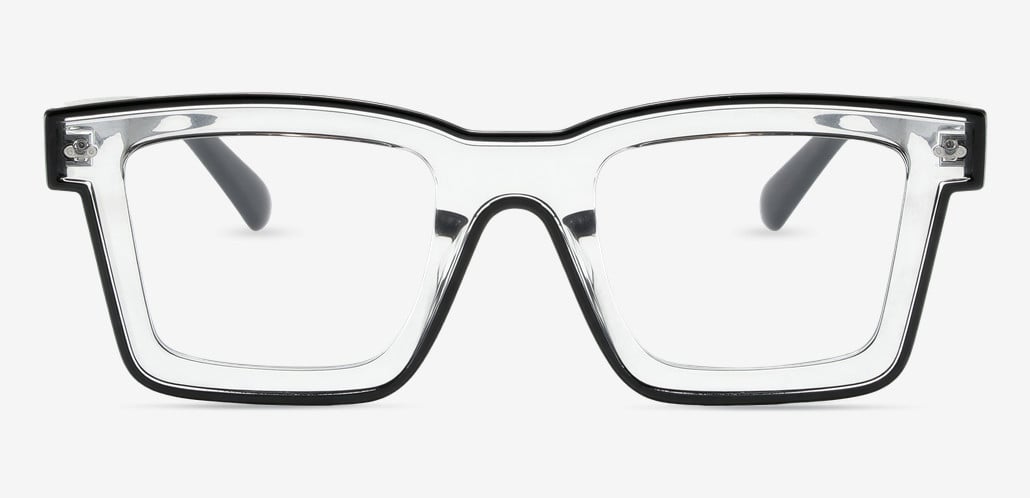
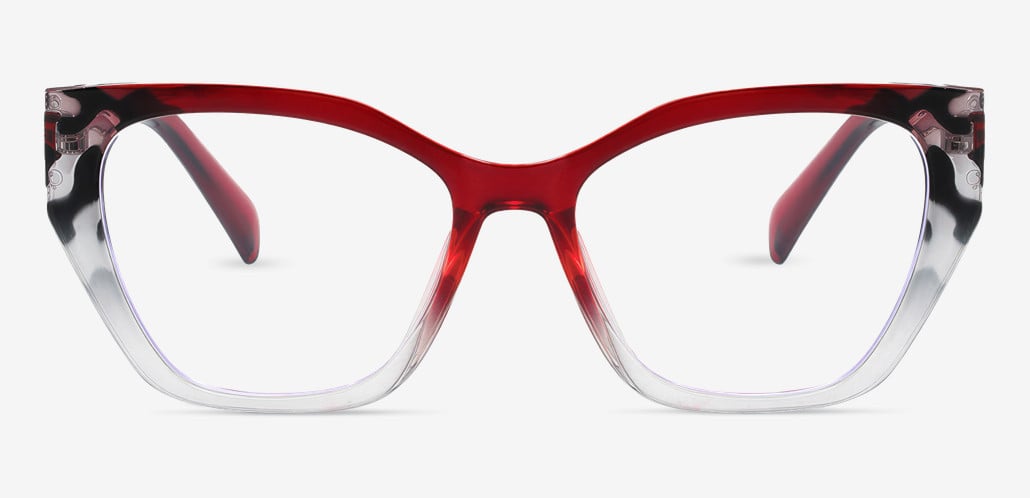
Spring hinges forgive the one-handed on-and-off that reading glasses endure daily. Adjustable nose pads let you fine-tune where the lenses sit, which matters because reading posture tilts your head down and slides ill-fitting frames with it. Weight matters if your close work runs hours at a stretch — titanium and TR90 frames disappear on the face in a way chunky acetate doesn't, though acetate wins if you want your readers to be the most interesting thing you're wearing. And if there's any chance you'll move to progressives later, pick a frame with enough lens height to hold three vision zones; very shallow lenses close that door.
One habit worth stealing from people who've worn readers for years: buy for locations, not for outfits. A pair that lives at the desk, a pair by the bed, a pair in the bag. The best reading glasses in the world are useless in the other room.

Before You Order
The short version of everything above: measure your distances, use your ADD if you have a recent exam, set each eye's power individually rather than settling for a matched pair, and pick lens type by how your day actually moves between distances. If you're estimating power without an exam, start lower rather than higher — over-powered readers force an unnaturally short working distance and tire you faster than slightly weak ones.
And one honest boundary: reading glasses solve presbyopia, the ordinary age-related stiffening of the eye's focusing system. They don't diagnose anything. If your near vision changed suddenly, if one eye blurred while the other didn't, or if headaches persist no matter what power you try, book an eye exam before buying anything. A current prescription doesn't just rule problems out — it also gives you the exact numbers that make any pair of glasses, from any retailer, measurably better than a guess.
Your eyes have specific numbers. The rack doesn't know them. Now you do.